Nhảy tới nội dung
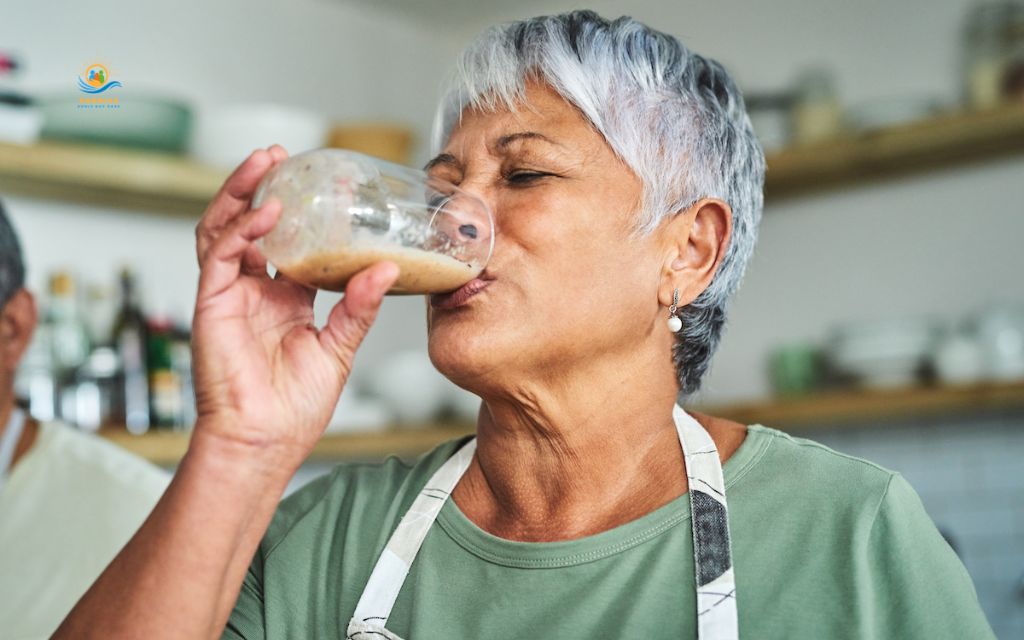
Getting enough protein becomes more important, and often more difficult, with age. Reduced appetite, chewing changes, and shifts in how the body processes nutrients can make it harder to meet daily protein needs through food alone.
Protein drinks are a simple way to help close that gap. The right option depends on the person, since no single best protein drink for seniors works for everyone. This guide explains why protein matters more with age, what to check on a label, and how these drinks fit alongside whole foods rather than replacing them.
Why protein needs change with age
Protein is a basic building block for muscle, skin, and immune function. As the body ages, it becomes less efficient at using the protein consumed through food, a pattern researchers sometimes call anabolic resistance.
This shift means older adults may need to pay closer attention to protein intake compared with earlier in life. Age-related muscle loss, sometimes called sarcopenia, can affect balance, strength, and mobility over time.
Adequate protein intake, alongside regular physical activity, may help support muscle maintenance. Illness, surgery, and extended bed rest can also raise protein needs temporarily, which is why protein supplements for older adults often come up during recovery planning.

Signs a protein drink might help
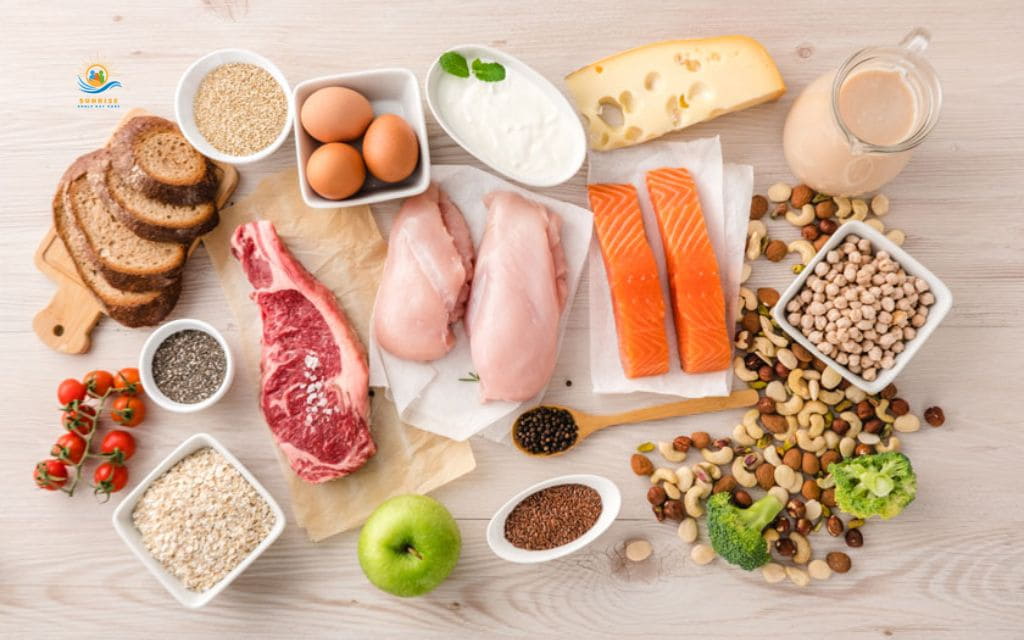
Not every older adult needs a protein supplement. Whole foods remain the foundation of a healthy diet, and a protein drink works best as an addition rather than a replacement.
The following signs suggest a protein drink for elderly adults may be worth considering.
- Reduced appetite: eating smaller portions or skipping meals can make it harder to reach daily protein goals through food alone.
- Unintended weight loss: losing weight without trying can point to overall nutrition, including protein, needing attention.
- Chewing or swallowing difficulty: liquid nutrition can be easier to manage than solid protein sources like meat for some seniors.
- Recovery periods: healing from illness, injury, or surgery often raises protein needs above the usual baseline.
- Limited cooking ability: living alone or having less energy for meal preparation can lead to inconsistent protein intake.
What to check on a protein drink label
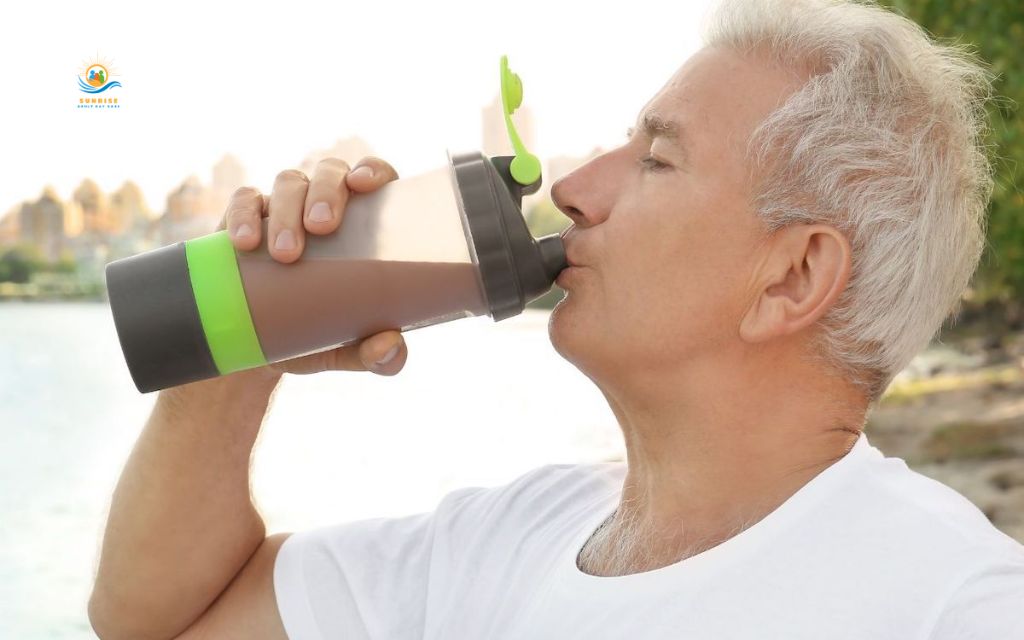
Not all protein drinks are formulated the same way, so reading the label carefully matters. A good protein drink for seniors should offer meaningful nutrition without unnecessary added sugar.
Here are the main details worth checking before choosing a protein supplement for older adults.
- Protein per serving: check the grams of protein listed, since this varies widely between brands and product types.
- Added sugar: some protein drinks with the highest protein content also carry a lot of added sugar, which matters for anyone managing blood sugar.
- Calories: higher calorie options can support weight maintenance, while lower calorie versions may suit someone not trying to gain weight.
- Added vitamins and minerals: calcium and vitamin D are commonly included to support bone health alongside muscle support.
- Allergens and dietary fit: checking for lactose, soy, or gluten helps match the drink to any dietary restrictions.
Protein shakes versus complete nutritional supplements
The terms protein shake and nutritional supplement are often used interchangeably, though they describe different products. The table below breaks down how protein shakes for elderly adults compare with complete nutritional supplements.
| Protein shake | Complete nutritional supplement | |
| Trọng tâm chính | Protein content first | Balanced mix of protein, carbohydrates, fat, and calories |
| Typical calories | Lower to moderate | Higher, often built for weight maintenance |
| Added nutrients | Few beyond basic vitamins | Wider range of vitamins and minerals |
| Tốt nhất cho | Someone eating regular meals who wants extra protein | Someone with reduced appetite or unintended weight loss |
Best protein drinks for older adults
Ensure Complete
Ensure Complete is a higher-calorie, ready-to-drink option positioned for weight maintenance and general nutrition support.
- Protein: 30 grams per 10 ounce bottle
- Calories: 350 per bottle
- Sugar: around 15 grams per bottle
- Added nutrients: 25 vitamins and minerals, 4 grams of fiber, plus calcium and vitamin D for bone health
- Available in chocolate, vanilla, and strawberry, gluten free
Boost High Protein
Boost High Protein is positioned as a mini meal, with protein content that varies slightly by flavor.
- Protein: 15 to 20 grams per 8 ounce bottle, depending on flavor
- Calories: around 240 per bottle
- Sugar: around 11 grams per bottle
- Added nutrients: over 25 vitamins and minerals, including a calcium and vitamin D blend for bone health
- Available in vanilla, chocolate, and strawberry, gluten free
Fairlife Core Power Elite
Fairlife Core Power Elite is a dairy based shake built around a high protein, lower sugar profile.
- Protein: 42 grams per 14 ounce bottle
- Calories: around 230 per bottle
- Sugar: around 6 to 8 grams per bottle, mostly naturally occurring from milk
- Added nutrients: high in calcium from ultra filtered milk, fewer added vitamins than some other brands
- Available in chocolate and vanilla, gluten free
Premier Protein Shake
Premier Protein Shake is a low sugar, lower calorie option built around a high protein to calorie ratio.
- Protein: 30 grams per 11.5 ounce bottle
- Calories: 160 per bottle
- Sugar: 1 gram per bottle, no added sugar
- Added nutrients: 24 vitamins and minerals, with meaningful calcium and vitamin D content
- Available in a wide range of flavors, gluten free
Weight gain focused options
For seniors focused specifically on gaining or maintaining weight, rather than general protein support, a few formulas are built with more calories and less protein per serving.
- Ensure Plus: 16 grams of protein, 350 calories, and around 20 grams of sugar per 8 ounce bottle, positioned to help with weight gain and involuntary weight loss.
- Boost Plus: 14 grams of protein, 360 calories, and around 15 to 20 grams of sugar per 8 ounce bottle, with 26 vitamins and minerals and 3 grams of fiber.
Plant based options
Seniors who are lactose intolerant or follow a vegan diet often turn to plant based shakes from brands like Orgain or Kate Farms, which use pea or soy protein instead of dairy.
- Protein: Typically 15 to 20 grams per serving, varying by brand
- Calories and sugar: Vary more widely than dairy based options, so comparing labels matters
- Added nutrients: Often fortified with vitamins, minerals, and sometimes fiber
- Available in dairy free and gluten free formulations
Types of protein powder for older adults
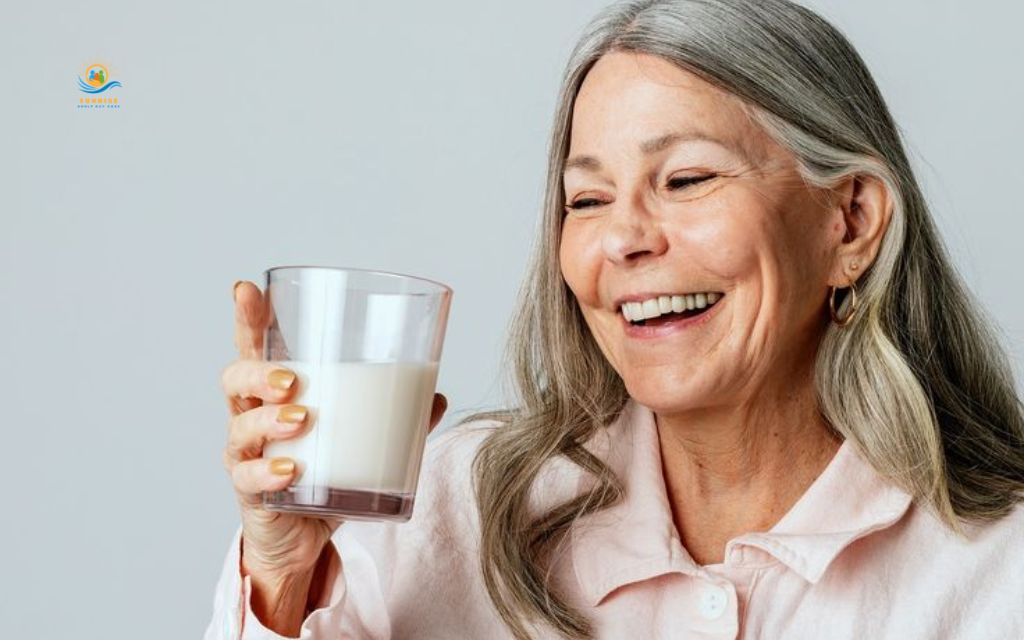
Protein powder offers more flexibility than pre-made drinks, since it can be mixed into different foods and liquids throughout the day.
The following types of protein powder are commonly used by older adults:
- Whey protein: Derived from milk, whey is absorbed quickly and is often chosen to support muscle repair after activity or illness.
- Plant-based protein: Made from sources like pea, rice, or hemp, this option suits seniors who are lactose intolerant or prefer a vegan diet.
- Collagen protein: Often marketed for joint and skin support, though it is not a complete protein and works best alongside other protein sources.
Homemade protein drink ideas
Homemade protein drinks for elderly individuals are worth considering for anyone who prefers a budget-friendly or customizable option. These can be adjusted for taste, texture, and nutritional needs more easily than many store-bought versions.
Several simple combinations can serve as a starting point for homemade protein drinks.
- Fruit and yogurt blend: Combine plain or Greek yogurt, a banana, and a splash of milk for a naturally protein-rich smoothie.
- Nut butter shake: Blend milk, a spoonful of peanut or almond butter, and a small amount of honey for extra calories and protein.
- Protein powder smoothie: Mix a scoop of protein powder with milk, frozen berries, and a handful of spinach for added nutrients.
Kết luận
There is no single best choice for protein drinks for seniors, since the right fit depends on appetite, health conditions, and whether the goal is everyday protein support or broader nutritional supplementation.
Whole foods should remain the primary source of nutrition, with protein drinks as a helpful addition rather than a replacement. Ongoing appetite changes or a diagnosed health condition are best discussed with a doctor or registered dietitian.
Tại Sunrise Adult Daycare, daily nutrition is part of supporting overall wellbeing. Our chương trình ban ngày, không phải cư trú in Denver, CO offers a supportive setting where older adults can stay engaged and active throughout the day. To learn more, cal us atl 303-226-6882.
Những câu hỏi thường (Hỏi đáp)
Are protein drinks safe for most seniors?
Most protein drinks are safe for healthy older adults when used as directed. Seniors with kidney disease or other conditions that affect protein processing should talk with a doctor before increasing protein intake, since needs can vary significantly based on individual health.
How many protein drinks should a senior have in a day?
This depends on overall diet, health status, and the reason for using a protein drink. Some seniors use 1 drink daily as a snack, while others may need more during a recovery period. A doctor or registered dietitian can offer guidance suited to the individual.
Do insurance plans cover protein drinks?
Coverage varies widely. Some Medicaid programs and commercial insurance plans cover nutritional supplements, sometimes with a letter of medical necessity from a doctor. Medicare typically does not cover protein drinks directly, so checking with a specific plan remains the most reliable way to confirm coverage.
Can protein drinks help with unintended weight loss?
Higher-calorie protein drinks, often labeled as complete nutritional supplements, can help support weight maintenance when appetite is low. Unintended weight loss should still be discussed with a healthcare provider, since it can point to underlying issues beyond nutrition alone.
What is a good protein drink for someone with diabetes?
A good protein drink for someone managing diabetes typically has low added sugar and a moderate calorie count. Checking the sugar content on the label, rather than relying on marketing claims like sugar free, gives the clearest picture.
Should seniors over 70 drink protein drinks?
Age alone is not the deciding factor. Protein drinks can help seniors over 70 who have a reduced appetite, difficulty preparing meals, or an increased need during recovery, but someone eating well and meeting protein needs through food may not need one. A doctor can help confirm whether a protein drink adds real value.
What’s better for seniors, boost or ensure?
Neither Boost nor Ensure is universally better, since both brands offer multiple formulas built for different goals. Boost High Protein and Ensure Complete are closer in protein content and general purpose, while Ensure Plus and Boost Plus are built specifically for weight gain. Comparing labels within the same goal is more useful than comparing brands as a whole.