Nhảy tới nội dung
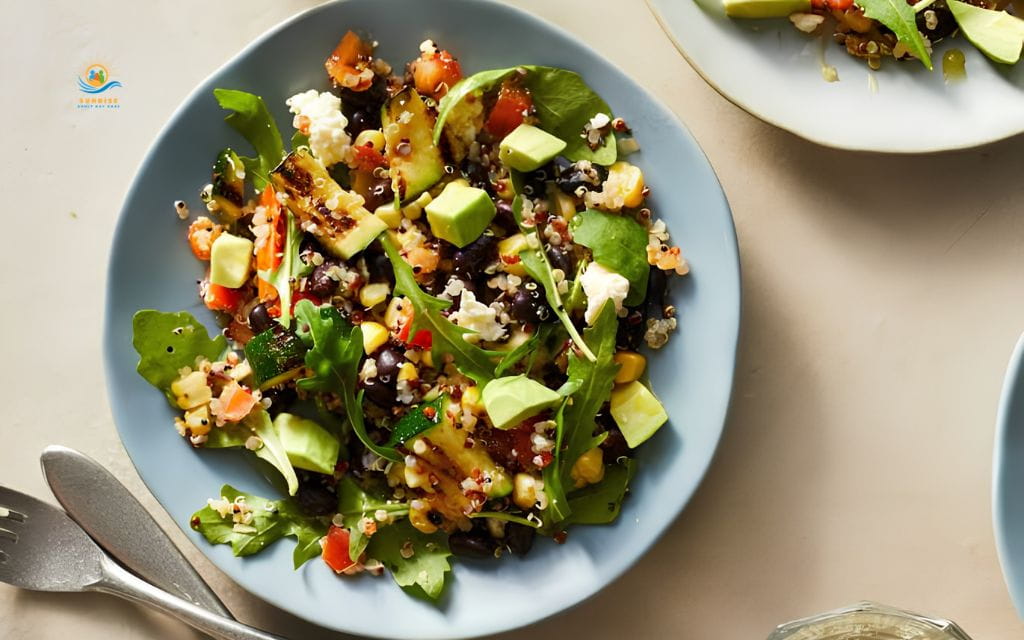
Nếu bạn hoặc người bạn yêu thương gần đây đã được nghe những từ "kháng insulin" hoặc "tiền tiểu đường", thì điều tự nhiên là cảm thấy không chắc chắn về việc bắt đầu từ đâu. Tin tốt là lựa chọn thực phẩm là một trong những công cụ mạnh mẽ nhất có sẵn để cải thiện cách cơ thể bạn phản ứng với insulin.
Hướng dẫn này đề cập đến những thực phẩm tốt nhất cho tình trạng kháng insulin, những thực phẩm nên ăn thường xuyên khi bị kháng insulin, những thực phẩm cần hạn chế, và cách xây dựng một chế độ ăn cân bằng cho tình trạng kháng insulin phù hợp với cuộc sống thực, không phải là một chế độ ăn kiêng hạn chế.
Kháng insulin là gì và nó phát triển như thế nào?
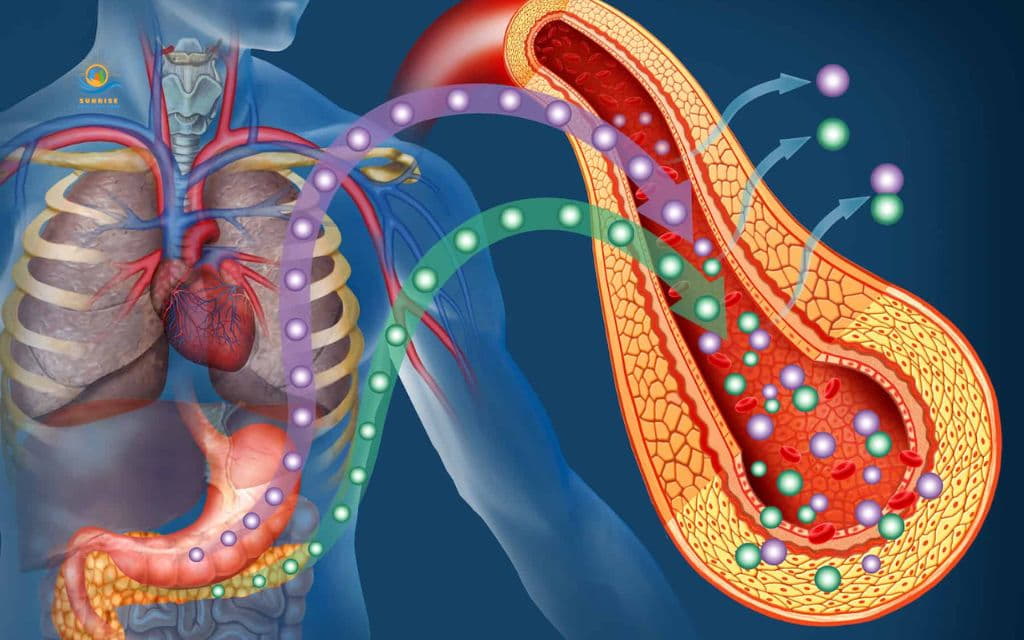
Insulin là một hormone được sản xuất bởi tuyến tụy. Nhiệm vụ của nó là giúp glucose, hay đường, di chuyển ra khỏi dòng máu và vào các tế bào của bạn, nơi nó có thể được sử dụng làm năng lượng. Khi bạn bị kháng insulin, cơ bắp, gan và tế bào mỡ của bạn không phản ứng với insulin hiệu quả như chúng nên có. Glucose gặp khó khăn hơn trong việc vào tế bào, vì vậy nó tích tụ trong máu thay vì.
Để bù đắp, tuyến tụy sản xuất nhiều insulin hơn, nhưng cuối cùng nó không thể theo kịp, và lượng đường trong máu bắt đầu tăng. Điều này phổ biến nhất ở người lớn mắc tiền tiểu đường, hội chứng chuyển hóa, PCOS, béo phì, hoặc có tiền sử gia đình mắc bệnh tiểu đường loại 2, và nó trở nên phổ biến hơn khi tuổi tác tăng, ảnh hưởng đến hơn một nửa người lớn từ 65 tuổi trở lên theo NIDDK, điều này làm cho nó trở thành một chủ đề liên quan đối với những người chăm sóc.
Chế độ ăn uống đóng vai trò trung tâm ở đây vì thực phẩm bạn ăn ảnh hưởng trực tiếp đến lượng insulin mà cơ thể bạn cần giải phóng sau bữa ăn. Lựa chọn thực phẩm thân thiện với insulin, tiêu hóa chậm và ổn định, thay vì những thực phẩm gây ra sự tăng đột ngột lượng đường trong máu, giảm bớt gánh nặng cho tuyến tụy của bạn và có thể giúp cải thiện độ nhạy insulin theo thời gian.
Những thực phẩm tốt nhất để cải thiện độ nhạy insulin
Rau không tinh bột
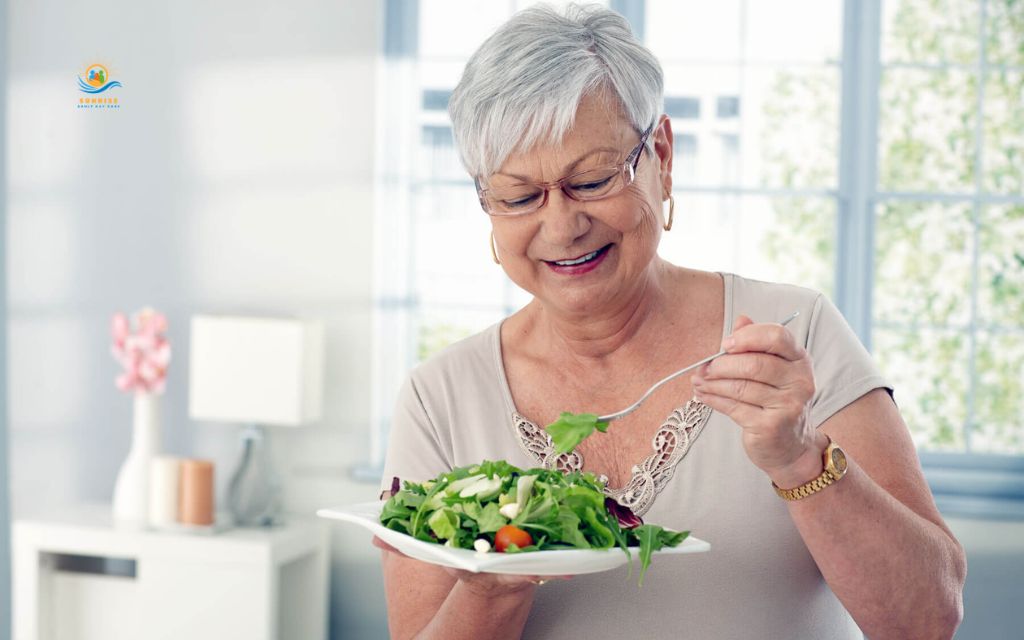
Rau không tinh bột có hàm lượng chất xơ cao và ít carbohydrate, điều này có nghĩa là chúng có tác động tối thiểu đến đường huyết trong khi vẫn cung cấp vitamin, khoáng chất và chất chống oxy hóa. Chúng cũng làm tăng khối lượng cho bữa ăn, giúp cảm thấy no và kiểm soát khẩu phần.
- Rau lá xanh như rau chân vịt và cải xoăn
- Bông cải xanh và bông cải trắng
- Ớt chuông và dưa leo
- Bí ngòi và đậu xanh
- Cà chua và cà rốt
Ngũ cốc nguyên hạt giàu chất xơ và carbohydrate phức tạp
Ngũ cốc nguyên hạt được tiêu hóa chậm hơn so với carbohydrate tinh chế vì chúng giữ lại chất xơ và lớp vỏ ngoài. Quá trình tiêu hóa chậm hơn này dẫn đến sự gia tăng dần dần của đường huyết, điều này hỗ trợ cải thiện độ nhạy insulin. Khi đọc nhãn, hãy tìm ngũ cốc nguyên hạt được liệt kê là thành phần đầu tiên.
- Yến mạch và bột yến mạch cắt thép
- Kiều mạch và gạo lứt
- Bánh mì và mì ống nguyên cám
- Lúa mạch và lúa mì bulgur
- Khoai lang ở khẩu phần vừa phải
Protein nạc
Protein không làm tăng đường huyết như carbohydrate, và nó giúp bạn cảm thấy no lâu hơn sau bữa ăn. Việc bao gồm một nguồn protein nạc trong mỗi bữa ăn cũng có thể làm chậm quá trình tiêu hóa bất kỳ carbohydrate nào được ăn kèm.
- Thịt gà và thịt gà tây
- Cá như cá hồi, cá ngừ và cá hồi xanh
- Trứng
- Đậu hũ và tempeh
- Đậu, đậu lăng và các loại đậu khác
Chất béo lành mạnh
Chất béo lành mạnh hỗ trợ sức khỏe tim mạch và làm chậm quá trình tiêu hóa dạ dày, giúp ngăn ngừa sự tăng đột ngột của đường huyết sau bữa ăn. Kết hợp một carbohydrate với một lượng nhỏ chất béo lành mạnh, chẳng hạn như thêm bơ vào bánh mì nguyên cám, là một cách đơn giản để làm cho bữa ăn thân thiện hơn với insulin.
- Bơ
- Dầu ô liu
- Các loại hạt như hạt hạnh nhân và hạt óc chó
- Hạt như hạt chia và hạt lanh
- Bơ hạt tự nhiên không thêm đường
Trái cây ít đường hơn
Trái cây hoàn toàn có thể là một phần của chế độ ăn cho người kháng insulin. Chìa khóa là kích thước khẩu phần và chọn những lựa chọn có hàm lượng chất xơ cao hơn so với lượng đường, vì chất xơ làm chậm tốc độ mà đường tự nhiên vào máu.
- Các loại quả mọng như dâu tây, việt quất và mâm xôi
- Táo và lê để nguyên vỏ
- Trái cây họ cam quýt như cam và bưởi
- Kiwi
Sản phẩm từ sữa và thực phẩm lên men
Thực phẩm từ sữa và thực phẩm lên men không đường, không ngọt cung cấp protein, canxi và trong một số trường hợp là probiotics có lợi, mà không có đường thêm vào như trong sữa chua có hương vị và các loại sữa thay thế có đường.
- Sữa chua Hy Lạp nguyên chất
- Phô mai tươi
- Kefir
- Phô mai già ở khẩu phần vừa phải
Thực phẩm cần hạn chế
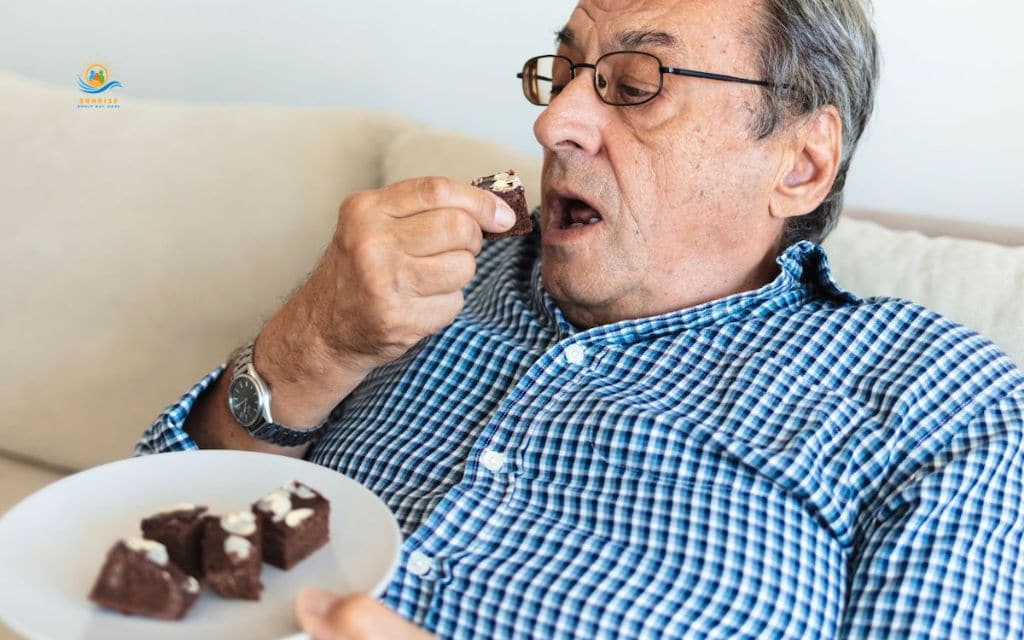
Bạn không cần phải loại bỏ hoàn toàn các nhóm thực phẩm để quản lý kháng insulin, nhưng một số thực phẩm khiến việc kiểm soát đường huyết và insulin trở nên khó khăn hơn khi ăn thường xuyên. Những thực phẩm này thường được tiêu hóa nhanh, ít chất xơ và chứa nhiều đường bổ sung hoặc tinh bột tinh chế, tất cả đều gây ra sự gia tăng đường huyết nhanh chóng và lớn hơn.
- Đồ uống có đường: Nước ngọt, trà ngọt và hầu hết nước trái cây
- Ngũ cốc tinh chế: Bánh mì trắng, gạo trắng và mì ống thông thường
- Đồ ngọt và bánh nướng: Kẹo, bánh quy, bánh kem và bánh ngọt
- Thực phẩm chiên: Khoai tây chiên và các món chiên ngập dầu có lớp bột áo
- Đồ ăn vặt chế biến cao: Khoai tây chiên và thực phẩm ăn vặt đóng gói
- Rượu, đặc biệt là trong lượng lớn hoặc khi bụng đói
Chế độ ăn Địa Trung Hải như một mô hình ăn uống
Thay vì tập trung vào từng thành phần riêng lẻ, nhiều chuyên gia dinh dưỡng đã đăng ký khuyên nên xây dựng bữa ăn dựa trên một mô hình ăn uống tổng thể, và chế độ ăn Địa Trung Hải là một trong những lựa chọn được nghiên cứu nhiều nhất để hỗ trợ độ nhạy insulin. Mô hình này nhấn mạnh rau củ, trái cây, ngũ cốc nguyên hạt, đậu, hạt, và dầu ô liu là nền tảng của hầu hết các bữa ăn, với cá và gia cầm được ăn thường xuyên hơn thịt đỏ, và đường bổ sung được giữ ở mức tối thiểu.
Điều làm cho chế độ ăn Địa Trung Hải hiệu quả đối với kháng insulin không phải là một loại thực phẩm đơn lẻ, mà là sự kết hợp tổng thể của chất xơ, chất béo lành mạnh và protein nạc hoạt động cùng nhau trong mỗi bữa ăn. Nó cũng là một mô hình bền vững, linh hoạt về văn hóa hơn là một chế độ ăn kiêng hạn chế ngắn hạn, điều này giúp dễ dàng duy trì trong nhiều năm hơn là trong vài tuần.
Lập kế hoạch bữa ăn và kiểm soát khẩu phần
Biết những thực phẩm nào giúp đỡ không phải lúc nào cũng chuyển thành một thói quen hàng tuần dễ dàng, đặc biệt là lúc đầu. Một vài chiến lược thực tiễn có thể giúp việc lập kế hoạch bữa ăn hàng ngày trở nên dễ quản lý hơn.
- Đổ đầy một nửa đĩa của bạn với rau không tinh bột: Điều này tự nhiên để lại ít chỗ hơn cho carbohydrate tinh chế mà không cần bạn phải đếm bất cứ thứ gì.
- Kết hợp carbohydrate với protein hoặc chất béo lành mạnh: Ví dụ, một quả táo với bơ đậu phộng hoặc bánh quy ngũ cốc nguyên hạt với phô mai, điều này làm chậm sự gia tăng đường huyết.
- Lập kế hoạch bữa ăn vài ngày một lần: Có sẵn nguyên liệu giúp giảm sự phụ thuộc vào thực phẩm tiện lợi khi thời gian hạn hẹp.
- Bắt đầu với một hoặc hai thay đổi: Thay thế đồ uống có đường bằng nước hoặc thêm một loại rau vào bữa tối bền vững hơn là thay đổi toàn bộ bữa ăn ngay lập tức.
Ngoài chế độ ăn: Hoạt động, cân nặng và giấc ngủ
Hoạt động thể chất
Trong quá trình tập luyện, cơ bắp có thể hấp thụ glucose từ dòng máu mà không cần nhiều insulin, điều này cải thiện độ nhạy insulin một cách trực tiếp. Cả hoạt động aerobic, như đi bộ hoặc bơi lội, và bài tập kháng lực giúp xây dựng khối lượng cơ bắp đều có lợi. Ngay cả việc đi bộ 30 phút mỗi ngày cũng có thể tạo ra sự khác biệt đáng kể theo thời gian.
Duy trì cân nặng khỏe mạnh
Mỡ thừa trong cơ thể, đặc biệt là xung quanh vùng bụng, có liên quan chặt chẽ đến tình trạng kháng insulin. Theo CDC, người lớn bị tiền tiểu đường nếu giảm cân thông qua chế độ ăn uống lành mạnh hơn và tăng cường hoạt động có thể giảm một nửa nguy cơ phát triển bệnh tiểu đường loại 2. Ngay cả việc giảm cân khiêm tốn từ 5 đến 10 phần trăm trọng lượng cơ thể cũng có thể cải thiện đáng kể độ nhạy insulin.
Giấc ngủ chất lượng
Giấc ngủ là một yếu tố thường bị bỏ qua trong kháng insulin, nhưng nghiên cứu liên tục liên kết giấc ngủ không đủ hoặc chất lượng kém với giảm độ nhạy insulin và tăng cảm giác thèm ăn đối với thực phẩm giàu carbohydrate. Nhắm đến việc có giấc ngủ đủ và nhất quán mỗi đêm hỗ trợ sự cân bằng hormone giống như chế độ ăn uống lành mạnh và hoạt động thường xuyên mà chúng ta cố gắng bảo vệ.

Làm việc với đội ngũ chăm sóc sức khỏe của bạn
Thay đổi chế độ ăn uống có thể cải thiện đáng kể tình trạng kháng insulin cho nhiều người, nhưng thực phẩm chỉ là một phần trong bức tranh lớn hơn mà nên được hướng dẫn bởi một chuyên gia y tế. Điều này đặc biệt đúng nếu bạn bị PCOS, tiểu đường đã được chẩn đoán, hoặc một tình trạng khác ảnh hưởng đến cách cơ thể bạn quản lý mức insulin cao, vì nhu cầu về thuốc và theo dõi rất khác nhau giữa các cá nhân.
Một bác sĩ có thể xác nhận chẩn đoán thông qua xét nghiệm máu và theo dõi tiến trình của bạn theo thời gian, trong khi một chuyên gia dinh dưỡng đã đăng ký có thể giúp chuyển đổi hướng dẫn chung thành một kế hoạch ăn uống cụ thể, cá nhân hóa. Những thay đổi về chế độ ăn uống và lối sống được thiết kế để hoạt động song song với việc chăm sóc y tế, chứ không thay thế nó, đặc biệt là đối với những ai đã đang sử dụng thuốc theo chỉ định.
Kết luận
Chọn nhiều rau không tinh bột, ngũ cốc nguyên hạt, protein nạc và chất béo lành mạnh, trong khi hạn chế đường bổ sung và carbohydrate tinh chế, là một trong những bước hiệu quả nhất bạn có thể thực hiện để hỗ trợ độ nhạy insulin. Kết hợp những lựa chọn thực phẩm đó với hoạt động thường xuyên, cân nặng khỏe mạnh và giấc ngủ đều đặn, và thường xuyên kiểm tra với nhà cung cấp dịch vụ chăm sóc sức khỏe của bạn, vì chế độ ăn uống hoạt động tốt nhất như một phần của kế hoạch lớn hơn thay vì là một giải pháp độc lập.
Quản lý kháng insulin thường hiệu quả nhất với những thói quen hàng ngày ổn định, bao gồm bữa ăn đều đặn, vận động và tham gia xã hội. Sunrise Adult Daycare là một ban ngày, không cư người lớn chương trình ngày tại Denver hỗ trợ người lớn tuổi và cung cấp cho những người chăm sóc gia đình một nơi đáng tin cậy để tìm đến trong suốt cả ngày. Nếu bạn đang giúp một người thân xây dựng thói quen lành mạnh hơn, hãy gọi cho chúng tôi theo số 303-226-6882.
Những câu hỏi thường (Hỏi đáp)
Thực phẩm có thực sự cải thiện độ nhạy insulin không?
Có. Đối với nhiều người, việc thường xuyên chọn thực phẩm giàu chất xơ, ít chế biến và hạn chế đường bổ sung có thể cải thiện đáng kể cách cơ thể phản ứng với insulin. Kết quả khác nhau tùy theo từng cá nhân, và việc thay đổi chế độ ăn uống sẽ hiệu quả nhất khi kết hợp với hoạt động thường xuyên, giấc ngủ đầy đủ và sự hướng dẫn từ nhà cung cấp dịch vụ y tế.
Chế độ ăn nào tốt nhất cho kháng insulin?
Không có chế độ ăn uống nào tốt nhất cho tất cả mọi người. Hầu hết các nhà cung cấp dịch vụ chăm sóc sức khỏe khuyên nên có một chế độ ăn cân bằng, giàu rau củ, ngũ cốc nguyên hạt, protein nạc và chất béo lành mạnh, chẳng hạn như chế độ ăn Địa Trung Hải, thay vì một kế hoạch ngắn hạn hạn chế hoặc theo xu hướng.
Thực phẩm có làm tăng sản xuất insulin không, và đó có phải là mục tiêu không?
Đây là một hiểu lầm phổ biến. Đối với hầu hết những người có kháng insulin, tuyến tụy đã sản xuất thêm insulin để bù đắp, vì vậy mục tiêu không phải là tăng cường sản xuất insulin hơn nữa. Thay vào đó, mục tiêu là ăn theo cách cải thiện hiệu quả mà cơ thể sử dụng insulin mà nó đã sản xuất, điều này có nghĩa là cải thiện độ nhạy insulin.
Thay đổi chế độ ăn uống có thể cải thiện độ nhạy insulin nhanh như thế nào?
Điều này khác nhau tùy theo từng người. Một số người nhận thấy sự cải thiện về năng lượng và đường huyết trong vòng vài tuần thay đổi liên tục, trong khi những người khác có thể cần vài tháng. Theo dõi thường xuyên với nhà cung cấp dịch vụ y tế là cách đáng tin cậy nhất để theo dõi tiến trình thực tế.
Kháng insulin có thể được chữa khỏi chỉ bằng chế độ ăn uống không?
Chế độ ăn uống có thể cải thiện đáng kể, và trong một số trường hợp, đảo ngược đáng kể tình trạng kháng insulin, nhưng không chính xác khi mô tả điều này như một phương pháp chữa trị đảm bảo. Di truyền, các tình trạng sức khỏe khác và sinh học cá nhân đều đóng vai trò, đó là lý do tại sao sự hướng dẫn y tế liên tục vẫn quan trọng ngay cả sau khi chế độ ăn uống và lối sống được cải thiện.