Skip to content

Holistic health for seniors looks at the whole person instead of one symptom or one diagnosis at a time. Movement, food, sleep, mood, friendships, learning, surroundings, and a sense of purpose all influence each other, and small changes in one area often ripple into the rest.
This guide explains what a whole-person approach means, walks through 6 connected areas of wellness, and shows how to turn them into a routine that fits real abilities and real schedules. It also offers practical ways for family caregivers to help without taking over.
What does holistic health for seniors mean?
The word holistic refers to the whole rather than separate parts. In health, it means considering how the body, mind, relationships, and environment work together instead of treating each concern in isolation.
The National Center for Complementary and Integrative Health describes whole person health as looking at the entire person rather than separate organs or body systems. It weighs the many factors that can push someone toward health or toward illness.
Those factors include biology, daily behaviors such as diet, activity, stress, and sleep, and the social conditions in which people live and age.
For older adults, this view matters because health concerns rarely arrive alone. Joint pain can limit walking, less walking can affect mood and sleep, and poor sleep can make it harder to stay social and sharp. Looking at the whole picture helps people spot these links early and respond to them together.
Holistic health does not replace medical care. It works alongside regular checkups, prescribed medications, and professional treatment. Holistic care for elderly adults widens the lens, so that medical needs and everyday well-being are considered side by side.
Key areas of holistic wellness for seniors
Physical wellness
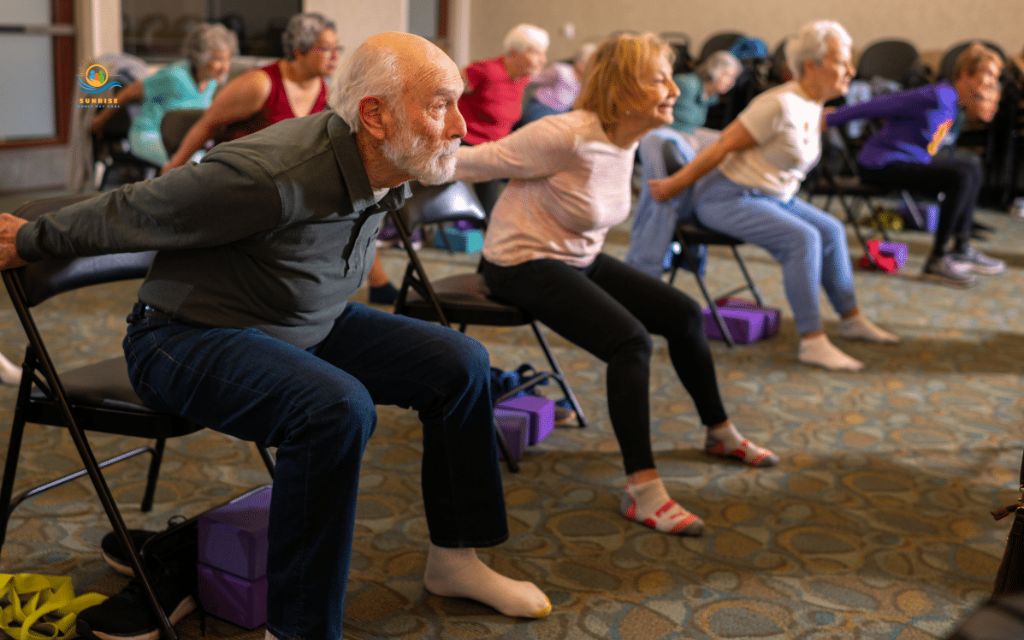
After decades of staying active through work, family, and home life, many older adults find later life a good moment to revisit movement. Exercise can range from a brisk walk around the block to a focused routine that builds balance, strength, and agility, matched to current abilities.
Exercise also works best when it is enjoyable. Group dancing, walking clubs, and fitness classes add companionship, which can make it easier to stay active. The Centers for Disease Control and Prevention recommends at least 150 minutes of moderate aerobic activity each week, plus muscle-strengthening on 2 days, for adults 65 and older.
Nutrition matters just as much. Calorie needs often drop with age while nutrient needs stay similar or rise, so nutrient-dense foods such as vegetables, fruits, whole grains, beans, and seafood help cover key vitamins and minerals. Fluids deserve attention too, since thirst can fade, and 7 to 8 hours of sleep is generally advised for adults 65 and older.
Emotional and mental wellness
Emotional wellness involves recognizing feelings, expressing them, and recovering from setbacks. Later life often brings big transitions such as retirement, health changes, and loss, so having healthy ways to process emotions matters.
Several everyday practices can help with stress and mood. Taking slow, deep breaths while seated may help calm the body’s stress response, and it can be done anywhere without equipment. Hobbies, music, and creative projects also give the mind a break from worry and add moments of pleasure to the day.
Mindfulness and meditation are popular options too. Research on these practices leans positive for anxiety and depression, but much of the evidence is preliminary, so they work best alongside professional care rather than in place of it.
Depression is a medical condition rather than a normal part of aging. Ongoing sadness, loss of interest, or changes in sleep and appetite lasting 2 weeks or longer deserve a conversation with a healthcare provider.

Social wellness
Social wellness is about feeling connected, valued, and supported. Social isolation and loneliness are associated with higher risks of heart disease, stroke, type 2 diabetes, depression, anxiety, dementia, and earlier death, which is why connection belongs alongside exercise and nutrition.
Connection does not require a crowd. Repeated, low-pressure contact is often what builds relationships over time, and shared activities make that easy. Classes, games, and group walks provide built-in conversation topics, so friendships can form without forced small talk.
Giving back helps too. Volunteering adds a regular role and a sense of purpose, which supports both connection and meaning. When distance or limited mobility makes in-person visits hard, phone or video check-ins keep relationships going.
Community resources such as libraries, senior centers, and adult day programs can make meeting people easier when transportation or mobility is limited.

Cognitive wellness
Cognitive wellness involves keeping the mind engaged through learning, problem solving, and curiosity. No activity is guaranteed to prevent memory loss or dementia, but staying mentally active is a reasonable habit that may help support brain health, and it is enjoyable in its own right.
Mentally stimulating options can match nearly any interest. Crosswords, card games, and board games combine memory, attention, and planning, often with good company. Picking up an instrument, a language, or a craft asks the brain to build unfamiliar skills instead of repeating familiar ones.
Book clubs and conversations about current events pair mental effort with social contact, which makes the habit easier to keep.
Brain health also benefits from the other areas in this guide. Physical activity, social engagement, and enough sleep have each been linked with healthier memory. Memory changes that interfere with daily life are worth discussing with a healthcare provider.

Environmental wellness
Environmental wellness covers the spaces where older adults live and spend time, including home, outdoor areas, and the wider community. Surroundings that feel safe, comfortable, and pleasant make healthy habits easier to keep.
Small adjustments can make surroundings more supportive. Good lighting, clear walkways, and secured rugs reduce tripping hazards that can make walking feel risky and discourage movement. Keeping a water bottle, walking shoes, and favorite hobby supplies in plain view also makes healthy choices the easy choice.
Time outdoors adds another layer. Walking in a park, tending a garden or window planters, or sitting in a shaded yard combines light activity, fresh air, and a change of scenery. Even small touches such as natural light and a few plants can make a room feel more inviting.

Spiritual wellness
Spiritual wellness centers on meaning, purpose, and a sense of connection to something larger than oneself. For some people that means religious practice, and for others it means nature, creativity, service, or reflection. Each path is valid.
Many routes can nurture a sense of purpose. Services, prayer groups, or study circles provide ritual, comfort, and regular contact with others who share similar values. Mentoring, volunteering, or sharing family stories lets older adults pass on what they have learned and feel useful.
Quiet time, journaling, or meditation can create space to process life experiences. The evidence on meditation is mixed, so it complements rather than replaces medical care. Spiritual wellness is personal, so it should reflect what feels meaningful to each individual rather than what others expect.

How to build a realistic holistic wellness routine
Start with a simple whole-person check-in
Take a few minutes to rate how each area feels right now, using a simple scale such as strong, okay, or needs attention. Include a trusted family member or friend if that feels helpful. The goal is awareness, not judgment.
Useful points to consider include how steady walking feels, whether meals and fluids are regular, how sleep has been, how often conversations with others happen, and what currently feels meaningful.
Choose 1 or 2 small habits
Pick 1 or 2 changes in the areas marked as needing attention, and attach each one to something already part of the day. A 10-minute walk after breakfast, a glass of water with lunch, or a weekly phone call on Sunday afternoon is easier to remember than a vague goal.
Stay with those habits for a few weeks before adding more. If a habit keeps getting skipped, shrink it rather than abandon it. Even 5 minutes of stretching still counts.
Try a sample weekly routine
The table below shows one flexible example. It is a template to adapt, not a prescription, and every activity should be matched to personal abilities and a healthcare provider’s guidance.
| Day | Body | Mind, mood, and connection |
| Monday | 15-minute walk and seated strength moves | Phone call with a friend |
| Tuesday | Balance practice at the kitchen counter | Crossword or card game |
| Wednesday | 20-minute walk or gentle exercise class | Community class or club meeting |
| Thursday | 10 minutes of stretching | Learning something new, such as a recipe or language app |
| Friday | 15-minute walk | Lunch with family or a friend |
| Saturday | Time outdoors or light gardening | Hobby or creative project |
| Sunday | Rest and light stretching | Quiet reflection, faith practice, or family call |

How family caregivers can support healthy aging
Families who want to provide holistic care for elderly relatives may find that encouragement works better than pressure. Wellness habits stick when they belong to the older adult, so the caregiver’s role is to support choices rather than dictate them.
Several caregiver habits make support feel respectful and practical.
- Ask open questions: Asking what a good day looks like or what they would like to do more of uncovers motivations that checklists miss.
- Start with enjoyment: Building on existing interests, such as gardening, music, or cards, makes new routines feel familiar rather than medical.
- Join in: Walking together or sharing a healthy meal turns a task into time together, which also supports connection.
- Adapt the environment: Placing water, walking shoes, and activity supplies where they are easy to see and reach lowers the effort needed to begin.
- Keep providers informed: Sharing observations about sleep, appetite, mood, balance, or memory with the healthcare team helps catch small changes that may be worth checking.
Caregivers need their own wellness routine too. Rest, social contact, and regular breaks protect the energy needed to keep supporting someone else. Community resources such as senior centers and adult day programs can offer structure and company for the older adult while giving caregivers time to recharge.
Conclusion
Holistic health for seniors is not about perfection or a long list of rules. It is about noticing how movement, nutrition, sleep, emotions, relationships, learning, surroundings, and purpose fit together, then making small adjustments that suit each person’s abilities. Over time, those adjustments can support independence and quality of life.
Sunrise Adult Daycare is a daytime, non-residential adult day program in Denver, Colorado, that welcomes older adults for social connection and activity during the day. Families who would like to learn how the program could fit a loved one’s routine are welcome to call 303-226-6882.
Frequently asked questions (FAQs)
What should a 70 year old be doing every day at home?
Balanced days usually include some movement, regular meals and fluids, time with other people, and one mentally engaging activity such as a puzzle or hobby. Consistent wake and bed times and a screen-free wind-down round out the day. Activities should fit personal abilities and a healthcare provider’s guidance.
Is holistic care the same as alternative medicine?
No. Holistic care focuses on the whole person and works alongside conventional medical care. Alternative medicine refers to approaches used in place of conventional treatment, while complementary approaches are used together with it. Practices such as meditation or tai chi are generally treated as complements. They should never be used to delay seeing a healthcare provider about a medical problem.
How can seniors with limited mobility practice holistic wellness?
Wellness can be adapted to many ability levels. Seated strength and stretching routines, short supported walks, and gentle balance practice near a stable surface keep the body active, while puzzles, phone calls, reading, and creative hobbies support the mind and connection. The goal is to be as active as abilities and conditions allow, and some activity is better than none.
How much physical activity do older adults need?
Adults 65 and older are advised to get at least 150 minutes of moderate-intensity aerobic activity each week, along with muscle-strengthening activities on at least 2 days and regular balance activities. People who cannot reach these amounts because of health conditions are encouraged to be as active as they safely can.
How can caregivers encourage a senior to try new wellness habits?
Begin with the older adult’s own interests and goals, offer choices instead of instructions, and suggest small first steps such as a 10-minute walk together. Celebrating small progress and respecting a decision to wait keeps the relationship positive and makes future efforts easier.
Does insurance cover holistic health?
Coverage depends on the service and the plan, since insurance rarely treats holistic health as one category. Medically necessary and preventive care is generally covered, including the yearly wellness visit under Original Medicare Part B. Original Medicare does not cover massage therapy, so checking with the insurer before starting a service helps avoid surprise costs.
What are some effective ways for older adults to cope with change?
Change feels more manageable when treated as a process rather than a test. Keeping familiar routines, staying connected with trusted people, and finding new sources of purpose, such as volunteering, can restore a sense of control. Feelings that stay heavy for 2 weeks or longer deserve a conversation with a healthcare provider.