
Staying connected, curious, and mentally active does not have to require a gym membership, a book club meeting, or even leaving the house. For millions of older adults across the country, podcasts have quietly become one of the most enjoyable and accessible tools for healthy aging.
Podcasts are simply audio programs you can listen to on a phone, tablet, or smart speaker. They cover every topic imaginable, from history and storytelling to wellness, humor, and the news. Better still, they require no special skills, no reading glasses, and no prior tech experience.
Whether you are a retired adult looking for something interesting to fill a quiet afternoon, a family caregiver searching for calming activities for a loved one, or an activity coordinator at a senior care program, podcasts for seniors offer a low-effort, high-reward way to enrich daily life.
For now, let’s start with the essentials: how to find the right podcast, and which ones are truly worth your time.
How to choose the right podcast for seniors
With millions of podcasts available, it can feel overwhelming to know where to begin. The good news is that finding a great match does not take long. Keep these simple criteria in mind as you browse.
Look for clear, easy-to-follow audio
Audio quality and speaking pace make a big difference in how enjoyable a podcast is, especially for listeners with mild hearing difficulties. Look for shows that feature:
- Hosts who speak slowly, clearly, and without excessive background noise
- Professional studio recordings rather than informal, low-quality setups
- Episodes that are conversational and relaxed in tone, not rushed or overly dense
If you are not sure how a show sounds, listen to the first two minutes of any episode. That alone tells you a great deal about pace and clarity.
Choose topics that match interests
The best podcast is one that feels like a conversation with a knowledgeable friend on a subject you genuinely enjoy. Think about what topics bring you the most pleasure:
- History and nostalgia
- True stories and human experiences
- Nature, science, or general knowledge
- Current events and news
- Humor and lighthearted entertainment
- Health and wellness
When a podcast aligns with existing interests, listening feels effortless and enjoyable rather than like a chore.
Consider length and format
Episode length matters more than many people realize. For older adults, shorter episodes tend to work best. As a general guide:
- 10 to 20 minutes: Ideal for a quick morning listen or a rest-time activity
- 20 to 30 minutes: Great for a leisurely walk, a meal, or a relaxation session
- 45 to 60 minutes or more: Better suited for dedicated listening sessions or background audio
Serial formats can be wonderful but require some commitment to follow along. Standalone episodes are often easier for casual listeners.
Accessibility features
Many podcasts now offer features that make them more accessible for older listeners:
- Transcripts: Written versions of each episode, which are helpful for listeners with hearing loss or those who prefer reading along
- Simple apps: Platforms like Spotify and Apple Podcasts are widely used, while smart speakers (Amazon Echo, Google Nest) allow hands-free listening
- Voice assistants: Saying “Hey Alexa, play [podcast name]” or “Hey Google, play [podcast name]” makes starting a podcast effortless
- Adjustable playback speed: Most podcast apps allow you to slow episodes down slightly for easier comprehension
25 best podcasts for seniors to try
Below are 12 chosen podcasts for elderly listeners and older adults of all backgrounds. Each one has been selected for its clarity, content quality, accessibility, and broad appeal to the senior audience.
1. The Daily (news & current events)
Produced by The New York Times, The Daily is one of the most widely listened-to news podcasts in the world. Each episode runs approximately 20 to 30 minutes and focuses on a single major news story, explained with depth, clarity, and calm authority.
Why it is a great choice for seniors: Rather than overwhelming listeners with a barrage of headlines, The Daily takes one topic at a time and walks through it step by step. This focused approach makes it much easier to absorb and discuss. It is a wonderful way to stay informed about the world without feeling anxious or overloaded.
Episode length: 20 – 30 minutes
Frequency: Daily, Monday through Friday

2. This American Life (human stories & news)
This American Life has been a beloved staple of public radio since 1995. Each weekly episode is built around a theme and features a collection of real-life stories told by journalists, writers, and everyday people. The storytelling is warm, nuanced, and consistently moving.
The show celebrates the full range of human experience from the funny to the heartbreaking to the quietly profound. Older adults who enjoy literature, biography, or simply a good story will find this podcast deeply satisfying. Each episode stands on its own, so there is no need to start from the beginning.
Episode length: Approximately 60 minutes
Frequency: Weekly

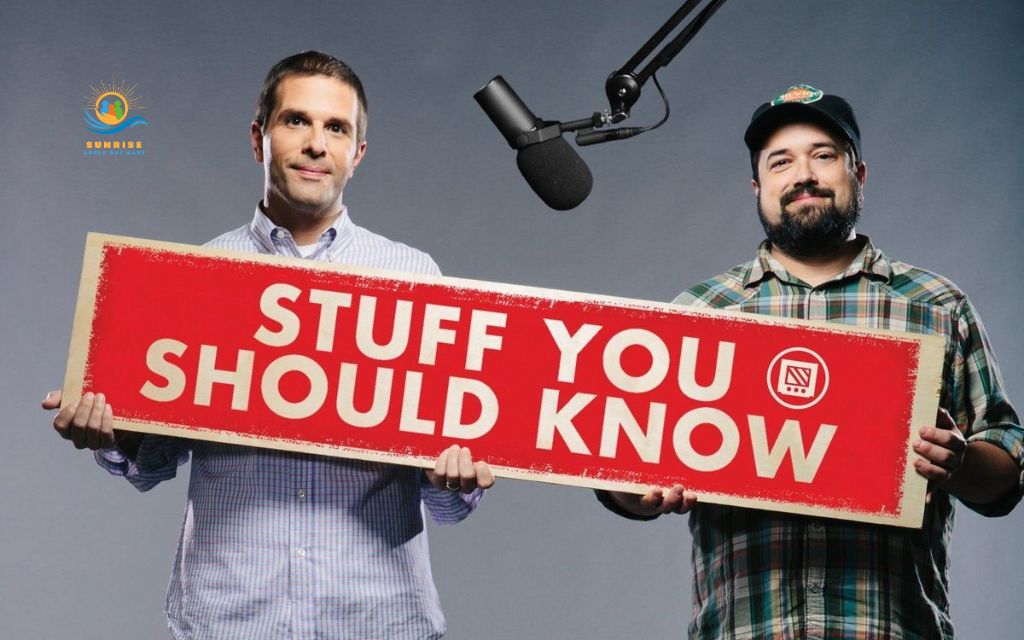
3. Stuff You Should Know (general knowledge)
Hosted by Josh Clark and Chuck Bryant, Stuff You Should Know explores a fascinating range of topics from how sleep works to the history of circuses to the science behind everyday phenomena. The format is conversational, often funny, and always informative.
The show is built for curious people who enjoy learning. It explains things clearly and in an accessible way, without condescension. For older adults who have always loved asking questions about how the world works, this podcast is endlessly rewarding.
The hosts’ natural, friendly banter also makes episodes feel like listening in on a great conversation between friends.
Episode length: 45 – 60 minutes
Frequency: Twice weekly
4. Stuff You Missed in History Class (education)
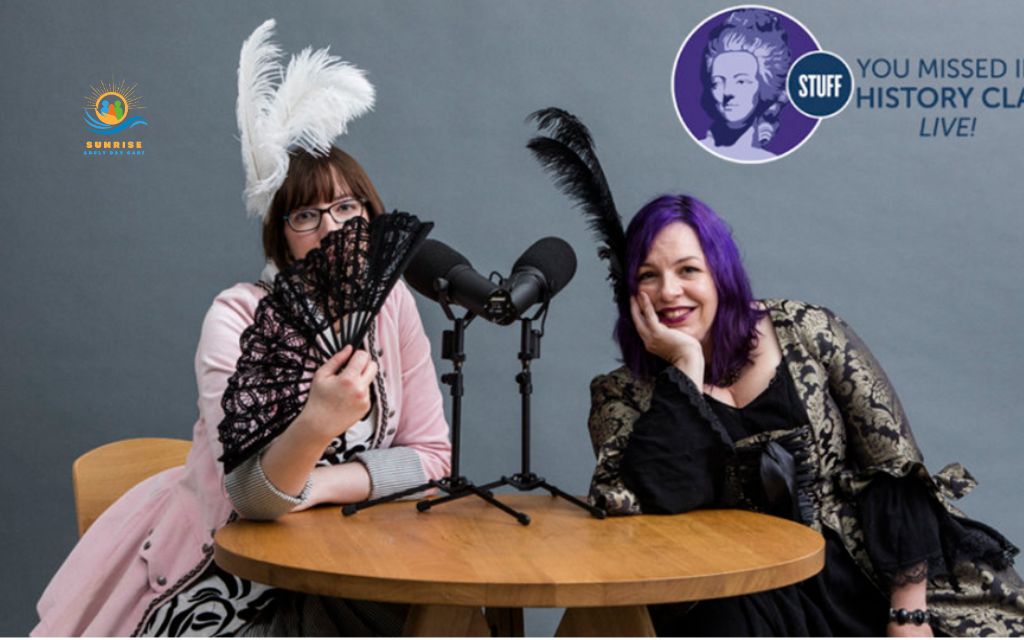
From the same network as Stuff You Should Know, this podcast focuses exclusively on historical events, figures, and periods that rarely make it into school textbooks. Episodes cover everything from forgotten battles and overlooked inventors to cultural movements and remarkable individuals.
History holds a special place for many older adults whether because they lived through significant events or simply have a lifelong passion for the past.
This podcast brings the same depth of curiosity and warm presentation to history, making it feel fresh and personally relevant. It is also a wonderful conversation starter between grandparents and grandchildren.
Episode length: 25 – 45 minutes
Frequency: Twice weekly
5. Freakonomics Radio (economics made simple)
Freakonomics Radio, hosted by journalist Stephen Dubner, takes the tools of economic thinking and applies them to surprising, real-world questions. Episodes have examined topics such as whether money buys happiness, what makes cities thrive, and how incentives shape human behavior.
The show rewards thoughtful listeners who enjoy thinking critically about everyday life. Its topics are inherently relatable because they deal with choices, trade-offs, and human nature – subjects that resonate strongly with adults who have decades of lived experience.
Episodes are well-researched, clearly narrated, and always leave listeners with something interesting to think about.
Episode length: 30 – 50 minutes
Frequency: Weekly
6. Hidden Brain (psychology & behavior)
NPR’s Hidden Brain, hosted by Shankar Vedantam, explores the unconscious patterns that drive human thinking and behavior. Each episode combines scientific research with storytelling to help listeners understand why people do what they do.
Psychology and self-reflection become even more meaningful with age and life experience. This podcast gently encourages listeners to examine their own assumptions, relationships, and habits which can be both enriching and comforting.
The production quality is excellent, and the host’s calm, thoughtful manner makes it easy to follow even when the ideas are complex.
Episode length: 30 – 50 minutes
Frequency: Weekly

7. 99% Invisible (design & everyday life)
Hosted by Roman Mars, 99% Invisible tells stories about the design of everyday things – buildings, street signs, fonts, traffic patterns, and the countless invisible systems that shape our world. The show reveals the remarkable thought and effort behind objects and spaces most people never notice.
This podcast has a gift for making the ordinary feel extraordinary. It is thoughtful, gently paced, and endlessly surprising. For older adults who have spent a lifetime moving through the world, it offers a fresh way to see familiar things.
Episodes are self-contained and easy to enjoy without any prior knowledge of design.
Episode length: 20 – 30 minutes
Frequency: Weekly

8. Criminal (true crime stories)
Criminal is a true crime podcast unlike most others in the genre. Rather than focusing on graphic details or dramatic recreations, it tells thoughtful, nuanced stories about crime, justice, and human complexity. Host Phoebe Judge’s distinctive, measured voice is both calming and captivating.
For older adults who enjoy mystery and true-life drama but prefer a gentler approach than most true crime content, Criminal strikes the ideal balance. Its storytelling is careful and humane, its production is outstanding, and episodes rarely exceed 30 minutes, making them easy to finish in one sitting.
Episode length: 15 – 30 minutes
Frequency: Biweekly
9. The Moth (personal storytelling)
The Moth features real people telling true personal stories live on stage. Stories range from hilarious to heartbreaking, from nostalgic to urgently present, covering themes like love, loss, adventure, identity, and resilience.
Storytelling is deeply human, and listening to others share pivotal moments from their lives can stir powerful memories, emotions, and connections.
Many older adults find The Moth both validating and moving because they have lived through so many of the very experiences the storytellers describe. It is also a natural conversation piece after listening.
Episode length: 20 – 60 minutes
Frequency: Weekly
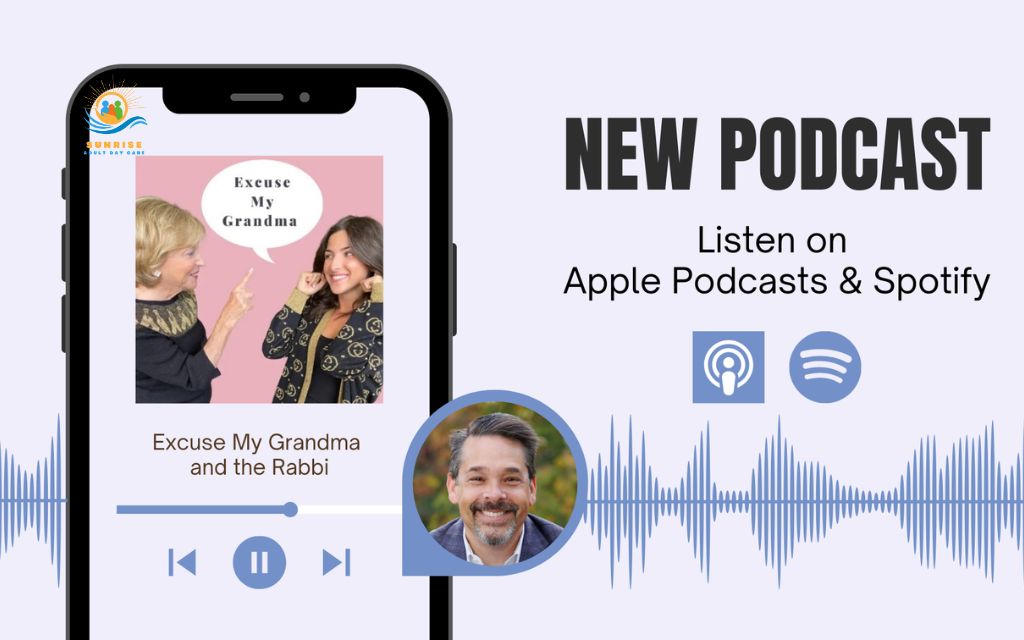
10. Excuse My Grandma (human interest & relationships)
Excuse My Grandma is a podcast that brings together grandmothers and their grandchildren to discuss modern life, relationships, culture, and the differences between generations. It is warm, funny, and often surprisingly wise.
This show offers something refreshing – it actively centers older adults as interesting, funny, and opinionated participants in contemporary conversations.
Older listeners often find it delightful to hear grandmothers saying exactly what they think about everything from technology to dating to current events. It can also spark wonderful conversations with family members after listening.
Episode length: 30 – 45 minutes
Frequency: Weekly
11. The Memory Palace (short stories & history)
The Memory Palace is a beautifully produced podcast by Nate DiMeo that tells short, lyrical historical stories. Episodes are often only five to ten minutes long and are written and narrated with an almost poetic quality that makes even small moments in history feel profound.
The brevity and beauty of The Memory Palace make it ideal for older adults who want something gentle and enriching without a significant time commitment.
Episodes can be listened to before bed, during a rest period, or at any quiet moment of the day. The calm, reflective tone is also deeply soothing.
Episode length: 5 – 15 minutes
Frequency: Irregular, but archive is extensive

12. Better Health While Aging (senior health & wellness)
Better Health While Aging is hosted by geriatrician Dr. Leslie Kernisan, MD MPH and delivers practical, research-backed information about aging health for older adults and their family caregivers.
Each episode combines clear topic explanations, expert interviews, and answers to real listener questions. Topics include cognitive health and memory, medication safety, diabetes management in older adults, vaccines, fall prevention, and dozens of other health concerns commonly faced in later life.
The carefully researched and balanced information inspires trust and confidence in listeners’ ability to make informed health decisions. Apple Podcasts Whether you are an older adult managing your own health or a family caregiver supporting a loved one, this podcast offers the kind of clear, honest medical guidance that is genuinely hard to find elsewhere.
Episode length: 20 – 50 minutes
Frequency: Bimonthly
13. Good Job, Brain! (trivia & games)
Good Job, Brain! is a quiz show disguised as a podcast. Hosts Karen Chu, Colin Felton, and Chris Kohler build each episode around a theme, mixing trivia, word games, and friendly competition. Every fifth episode is an “All Quiz Bonanza,” where each host brings an unthemed quiz.
Listeners can guess along before the answers are revealed or simply enjoy the banter. Playing along may help keep recall and attention active, and the format works well for group listening, where participants can call out answers together.
With more than 300 episodes in the archive, there is plenty to explore, and no episode requires hearing earlier ones first.
Episode length: 55 – 65 minutes
Frequency: Roughly every 2 weeks
14. Planet Money (economics & everyday money)
Produced by NPR, Planet Money explains how the economy touches ordinary life. Episodes have explored everything from beverage industry trends to the future of Social Security, always starting from a curious, down-to-earth question.
Reporters keep jargon to a minimum and define terms as they go, so no background in economics is needed. Topics such as prices, savings, and retirement benefits tend to feel relevant to adults with decades of financial experience.
Episodes are short enough to finish in one sitting, which leaves time for conversation afterward.
Episode length: 20 – 30 minutes
Frequency: Twice weekly

15. Lux Radio Theatre (classic radio drama)
Lux Radio Theatre was one of the most popular radio drama series of its era, broadcasting from 1934 to 1955. Each hour-long episode adapted a well-known film or play, often with Hollywood stars performing in front of a studio audience.
For older adults who grew up with radio, these broadcasts can bring back memories of evenings gathered around the set. The archive holds more than 900 broadcasts, available through several third-party podcast feeds and public archives, so sound quality varies. Sampling a few minutes first is a good idea, and some episodes reflect the attitudes of their time.
Episode length: Approximately 60 minutes
Frequency: No new episodes (archive of more than 900 broadcasts)
16. The Perfect Scam (fraud awareness)
Produced by AARP and hosted by Bob Sullivan, The Perfect Scam shares real stories from people who have been targeted by scams, along with insights from fraud experts and, at times, former scammers.
Each episode shows how a scam unfolds and which warning signs are easy to miss, which makes the lessons memorable. Topics have included jury duty, tech support, and romance scams, giving families and care teams an easy way to start conversations about staying safe.
Episodes stand on their own, so listeners can choose topics that matter most to them.
Episode length: 35 – 40 minutes
Frequency: Weekly, with occasional breaks
17. Living to 100 Club (aging well & lifestyle)
Psychologist Dr. Joseph Casciani hosts Living to 100 Club, a conversation-style show about aging with purpose and a positive mindset. Guests include researchers, authors, and leaders in senior care who discuss lifestyle, mental well-being, mobility, and social connection.
With more than 250 episodes, listeners can pick the topics that fit their own interests, from heart health to loneliness to caregiving. Because the show is informational, its ideas work best as conversation starters, and anyone with health questions should talk with a healthcare provider. Most episodes center on a single guest, so each conversation stands on its own.
Episode length: 20 – 45 minutes
Frequency: Every 2 to 4 weeks

18. Camp Codger (humor & life advice)
Camp Codger began in 2022 as “rocking-chair wisdom” from retired friends reflecting on life’s later chapters. Topics have included travel, making friends in retirement, holiday survival, and learning new skills at any age.
The show has changed over time. After its weekly run ended in early 2024, host Gary Ebersole relaunched it with a looser schedule, and newer episodes are often short solo reflections. Older episodes remain a good starting point, and a few newer ones touch on current events, so skimming titles first is helpful.
Episode length: 3 – 30 minutes
Frequency: Irregular
19. NPR News Now (short news updates)
NPR News Now delivers the latest headlines in about 5 minutes and is updated every hour throughout the day.
The short format suits listeners who want to stay informed without a long commitment. It works as a lighter alternative to a longer program like The Daily, and listeners can check in once a day or once a week, whatever fits their routine. Updates can be streamed at no cost, with an optional NPR+ subscription for sponsor-free listening.
Because each update is so brief, it fits easily into mealtimes, rest breaks, or the start of a group discussion.
Episode length: 5 minutes
Frequency: Hourly
20. The Bill Simmons Podcast (sports & pop culture)
Hosted by Bill Simmons of The Ringer, this podcast covers basketball, football, and other sports alongside TV, movies, and pop culture. A rotating cast of athletes, celebrities, and regular friends of the show joins the conversation.
Sports fans who followed games through the decades may enjoy the debates, nostalgic stories, and behind-the-scenes talk. Episodes run long, and the show carries an explicit rating, so it suits individual listening better than shared rooms. Pausing and resuming across the day makes the length easier to manage.
Episode length: About 2 hours
Frequency: About 3 times per week

21. You Must Remember This (Hollywood history)
Karina Longworth writes, narrates, and produces You Must Remember This, a storytelling podcast that uncovers little-known stories from Hollywood’s first century. Her episodes are heavily researched and told with a dry, polished delivery.
Each season follows a theme, such as a single star, a director, or an era, so listeners can revisit the films and performers of their own youth. Seasons vary in subject matter and some cover mature themes, so previewing a season description first is wise, especially before group listening. Longworth has made the show since 2014, so the archive offers years of material to explore.
Episode length: 45 – 55 minutes
Frequency: Weekly during each season, with breaks between seasons
22. Science Friday (science & technology)
Hosted by Ira Flatow and Flora Lichtman, Science Friday began in 1991 as a weekly public radio call-in show about science, nature, medicine, and technology. Its podcast brings those conversations to listeners anywhere.
Guests include scientists, authors, and policy experts, and listeners often phone in with their own questions. Topics range from space to the ocean to new technology, so curious listeners can choose what interests them most and skip the rest. Hosts and guests explain ideas in everyday language, and the call-in questions keep the tone relaxed. Individual segments can be enjoyed on their own, which suits shorter listening sessions.
Episode length: Varies, from short segments to full-length shows
Frequency: Weekly show, with additional segments released through the week
23. Ear Hustle (prison life & human stories)
Ear Hustle began in 2017 at San Quentin State Prison and was created by Nigel Poor and Earlonne Woods, with Antwan Williams as co-founder. It shares stories from people living inside prison and from those rebuilding their lives after release.
Episodes cover everyday routines, relationships, regret, and second chances, all told in the storytellers’ own voices. Listeners who enjoy honest first-person storytelling may find it moving. Strong language and mature themes mean it suits personal listening with headphones better than shared rooms. Each episode centers on specific people and stories, which makes it easy to follow without prior listening.
Episode length: 35 – 45 minutes
Frequency: Every 2 weeks

24. Aging in Full Bloom (aging well & caregiving)
Hosted by Lisa Stockdale, Aging in Full Bloom focuses on wellness as it relates to aging. Guest interviews with authors and experts cover subjects such as aging at home, grief, Social Security timing, travel, and conversations with parents about the future.
Many episodes speak to family caregivers as well as older adults, offering practical ideas in a friendly, conversational format. The content is informational rather than medical advice, so questions about personal health are best taken to a healthcare provider. Because episodes are interview-based, listeners can start with any topic that catches their eye.
Episode length: 20 – 30 minutes
Frequency: Every 2 weeks, with pauses between seasons
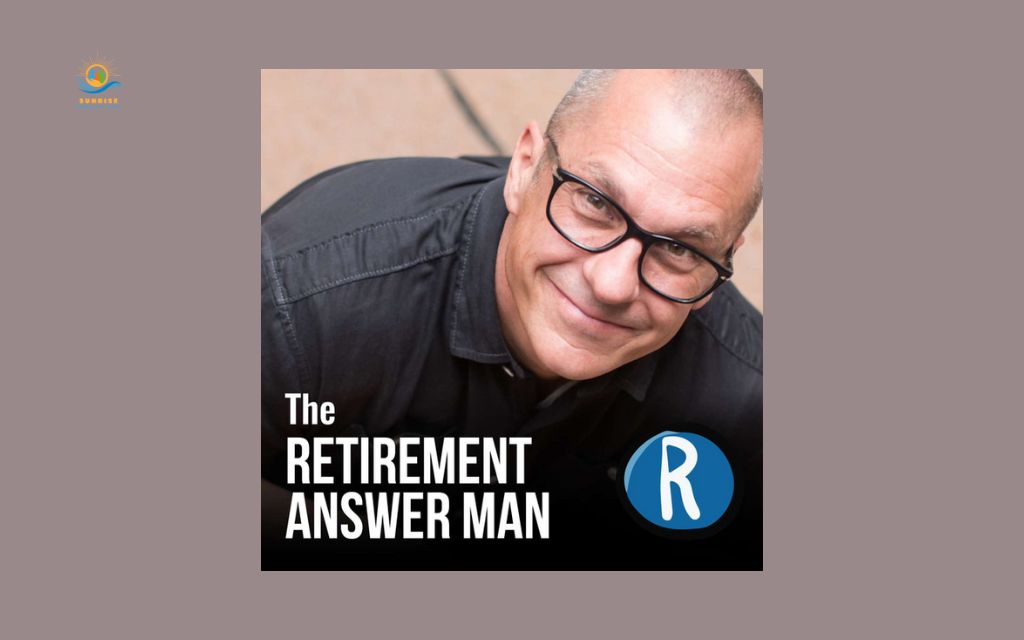
25. Retirement Answer Man (retirement planning)
Roger Whitney, a certified financial planner, has hosted Retirement Answer Man every week since 2014. The show looks at both the financial and personal sides of retirement, including income planning, health care costs, Social Security strategy, taxes, and finding purpose after work.
Listeners get answers to common questions in plain language, and many episodes also address lifestyle topics such as staying active and connected. The content is general education rather than personal financial advice, so major decisions are best reviewed with a qualified professional.
Episode length: Approximately 40 minutes
Frequency: Weekly
How podcasts support healthy aging
The benefits of podcasts for elderly adults go well beyond simple entertainment. Research in healthy aging emphasizes the importance of mental stimulation, emotional connection, and structured daily routines.
- Encouraging a healthy daily routine: Listening to a favorite show at the same time each day creates a pleasant anchor in the daily schedule. Routine is linked to mood stability, better sleep, and reduced anxiety in older adults.
- Stimulating thinking and memory: Following a narrative, absorbing new information, and processing unfamiliar ideas all engage the brain in meaningful ways. Regularly challenging cognitive functions is one of the most widely recommended strategies for maintaining mental sharpness as we age.
- Providing emotional comfort and companionship: The human voice carries warmth in a way that text simply cannot replicate. For older adults who live alone or spend long periods of quiet time at home, hearing engaging, friendly voices can genuinely reduce feelings of loneliness and isolation.
- Fitting into any lifestyle: Unlike many wellness activities, podcasts require nothing from the listener except presence. They can accompany a walk, a rest on the couch, a meal, a light gardening session, or the morning coffee routine making them uniquely adaptable to individual energy levels and mobility.
- Opening conversations: Interesting episodes naturally become conversation topics with family members, friends, or care staff – extending the social benefit beyond the listening experience itself.
Did you know?
Engaging with narrative content – such as stories and interviews – activates multiple areas of the brain simultaneously, including regions involved in memory, emotion, and language processing. Regular mental engagement through activities like podcast listening may support long-term cognitive health.
Using podcasts in daily senior activities
Podcasts are especially versatile in structured senior care settings, where building meaningful, engaging routines is a daily priority.
Here are some practical ways to incorporate podcast listening into a senior’s daily activities.
- During meals or rest time: A calm, interesting podcast playing softly in the background during lunch or an afternoon rest can reduce restlessness, encourage relaxation, and make these quieter parts of the day feel more enjoyable and meaningful.
- Group listening and discussion: Short podcast episodes make excellent group activities. Play an episode, then invite participants to share reactions, related memories, or questions. This builds social connection and cognitive engagement simultaneously.
- Pairing with light activities: Podcasts pair naturally with crafts, light exercise, gentle stretching, walking, or other low-concentration activities. The audio fills the space without demanding full visual attention, allowing participants to stay engaged while being physically active.
- A personal listening option: For seniors who prefer quiet, individual time, providing headphones and a curated playlist of favorite episodes gives them a sense of agency and personal enjoyment within a group setting.
- Family involvement: Caregiving family members can listen to the same episodes at home and then discuss them with their loved ones during visits – creating a shared experience and a natural, easy conversation bridge.
Conclusion
Finding ways to stay mentally active, emotionally connected, and meaningfully engaged is one of the most important things any older adult can do for their overall well-being.
Podcasts offer something rare: a form of enrichment that is completely free, deeply personal, endlessly varied, and accessible to almost anyone, regardless of mobility, technology experience, or schedule. Even a single episode a day can brighten a morning, spark a memory, or open a new window on the world.
The 25 podcasts for elderly listeners listed in this guide are a starting point. Each one has been selected to be accessible, enjoyable, and genuinely nourishing for older adults. Whether you are a senior choosing for yourself, a family caregiver looking for meaningful activity ideas, or a care professional seeking enriching programming, there is something here for everyone.
Experience Enriching Daily Activities at Sunrise Adult Daycare
At Sunrise Adult Daycare, we believe every day should offer older adults something to look forward to whether that is a stimulating group discussion, a gentle activity, a warm meal, or simply the pleasure of good company.
Our adult day program at Sunrise Adult Daycare is designed to support cognitive health, emotional well-being, and social connection in a safe, welcoming environment – all during regular daytime hours.
We would love to show you what a meaningful day looks like for the seniors in our program.
- Call us at 303-226-6882 to schedule a visit.
- Speak with one of our care specialists – we are here to help you find the right fit.
Frequently asked questions (FAQs)
What are the best podcasts for seniors?
The best podcasts for seniors depend on personal interests. Consistently popular choices include The Daily for current events, The Moth for storytelling, Stuff You Missed in History Class for history lovers, and The Memory Palace for short, calming listens.
Are podcasts easy for elderly people to use?
Yes, modern apps like Spotify and Apple Podcasts are straightforward, and smart speakers (Amazon Echo, Google Nest) make it even simpler with voice commands and no screen required. Many local libraries also offer free digital assistance for seniors who want help getting started.
Can podcasts help with memory?
Podcasts are not a medical treatment, but regularly following spoken narratives and learning new information provides meaningful cognitive stimulation. Many healthcare professionals recommend mentally engaging activities like podcast listening as part of a broader healthy aging strategy.
What devices are best for listening?
Smartphones and tablets work well with all major podcast apps, while smart speakers offer a completely hands-free experience through simple voice commands. Seniors with hearing loss may benefit from wired or Bluetooth headphones that include volume amplification.
Are there podcasts specifically for older adults?
Yes, a growing number of shows focus on aging well, senior health, and intergenerational conversation, with Excuse My Grandma being a standout example. That said, many general-audience podcasts in history, storytelling, and human interest are equally well-suited to older listeners.
Are podcasts free for seniors?
Yes, most podcasts are free to stream on apps such as Spotify and Apple Podcasts, and some shows also post episodes on YouTube. Podcasts are usually supported by advertising, though some offer paid memberships with ad-free or bonus episodes. The main episodes of most shows can be heard at no cost.
What are the best funny podcasts for seniors?
Camp Codger offers gentle, self-aware humor about growing older, Good Job, Brain! turns trivia into a playful contest, and Stuff You Should Know is known for friendly banter. Excuse My Grandma is also funny, though some episodes include mature language, so previewing an episode before group listening is a good idea.