Skip to content

Choosing among the many types of walking canes can feel confusing, especially if you or a loved one are facing balance problems, recovering from surgery, or living with a condition like arthritis or Parkinson’s disease for the first time. A cane is a simple tool, but the right one can restore confidence and independence, while the wrong one can leave you feeling unsteady or in pain. This guide walks through the main kinds of canes, how they differ, how to size and use one safely, and when it is worth asking a physical or occupational therapist for guidance.
Do canes help with balance and mobility?
Yes, canes genuinely help. A properly fitted cane widens your base of support, gives your muscles and joints a break, and gives your brain an extra point of contact with the ground, which improves balance. Walking aids for balance are especially useful for people with mild to moderate instability, one sided weakness, or joint pain that changes how they walk.
That said, a cane only helps as much as it fits. A cane that is too tall, too short, or the wrong style for your needs can actually throw off your posture and increase your fall risk instead of reducing it. This is why matching the right type of cane to your specific situation matters as much as deciding to use one in the first place.

Cane vs walker: Which one do you need
The cane vs walker question comes up often, and the answer usually depends on how much support you need. Here is a quick side by side comparison to help you weigh canes and walkers against each other:
| Factor | Cane | Walker |
| Weight support | Supports roughly a quarter of your body weight | Supports half or more of your body weight |
| Best suited for | Mild balance trouble, arthritis pain on one side, or an injury to one leg | Significant balance or gait problems, or needing to lean more heavily for support |
| Portability | Lighter and easier to travel with, fits in tight spaces like bathrooms or restaurant aisles | Bulkier and harder to maneuver in small spaces |
| Physical demand | Requires less upper body strength | Requires more upper body strength and coordination |
| Common use pattern | Often used as strength returns after early recovery | Often used during early recovery, with some people transitioning to a cane later |
Main types of walking canes
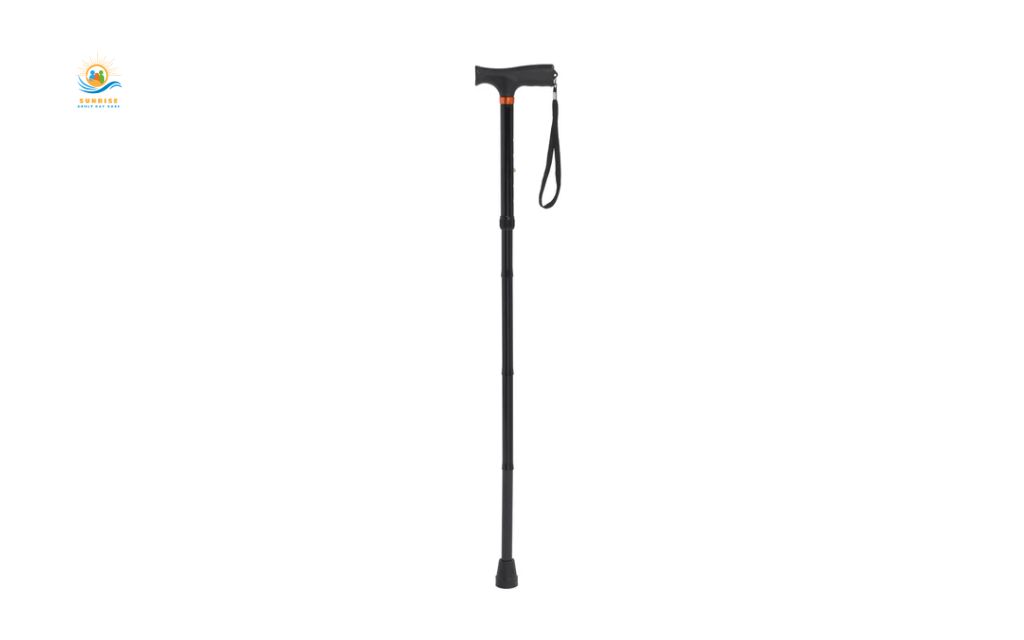
Single point canes
Single point canes, sometimes called standard canes, have one straight shaft and a single rubber tip. They are the lightest and most common kind of cane, and they work well for people who need only mild balance support or a light touch of reassurance while walking.
Offset canes
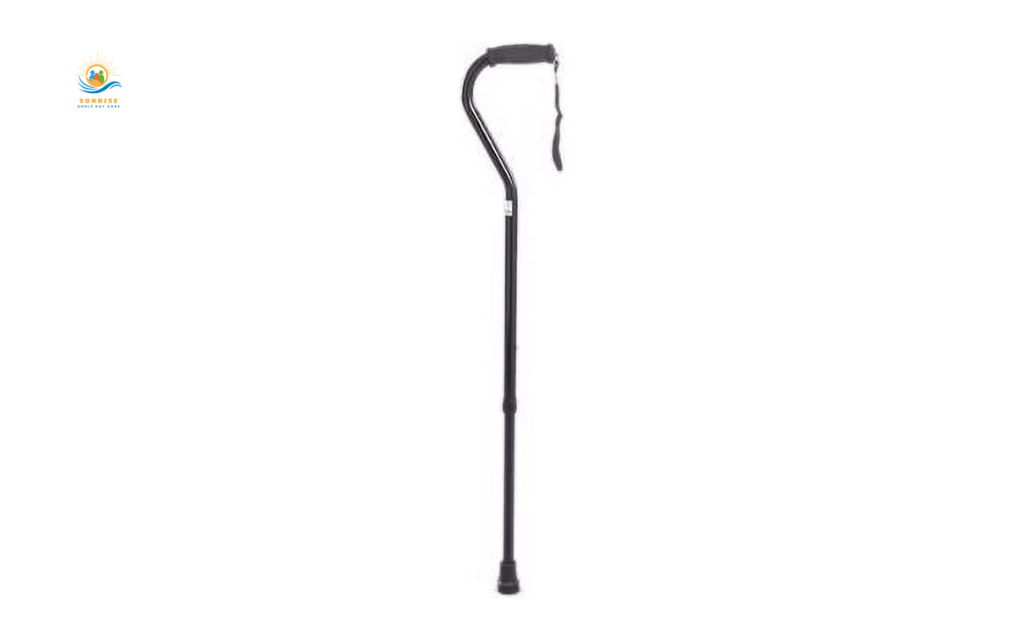
Offset canes have a handle that curves slightly forward before meeting the shaft, which places your body weight more directly over the base of the cane. This design reduces strain on the wrist and is often recommended for people with arthritis or those recovering from hip or knee surgery.
Quad canes
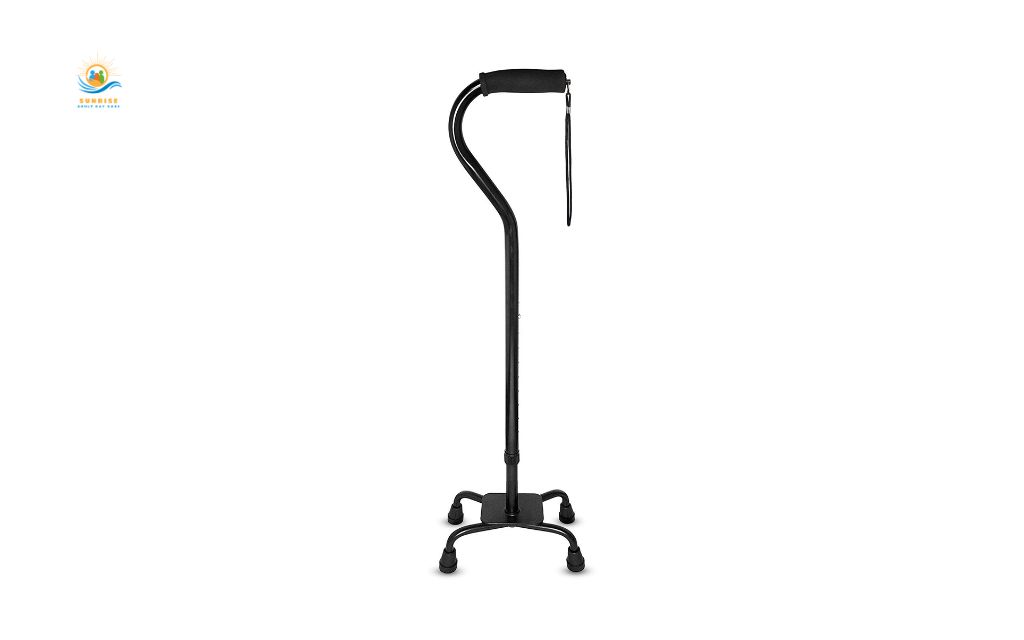
Quad canes have a four footed base instead of a single tip, which allows the cane to stand upright on its own and offers more side to side stability. They can be helpful for people with more pronounced balance issues, including some stroke survivors, though a physical therapist may caution against relying on a quad cane long term if it encourages an uneven gait pattern.
Tripod canes
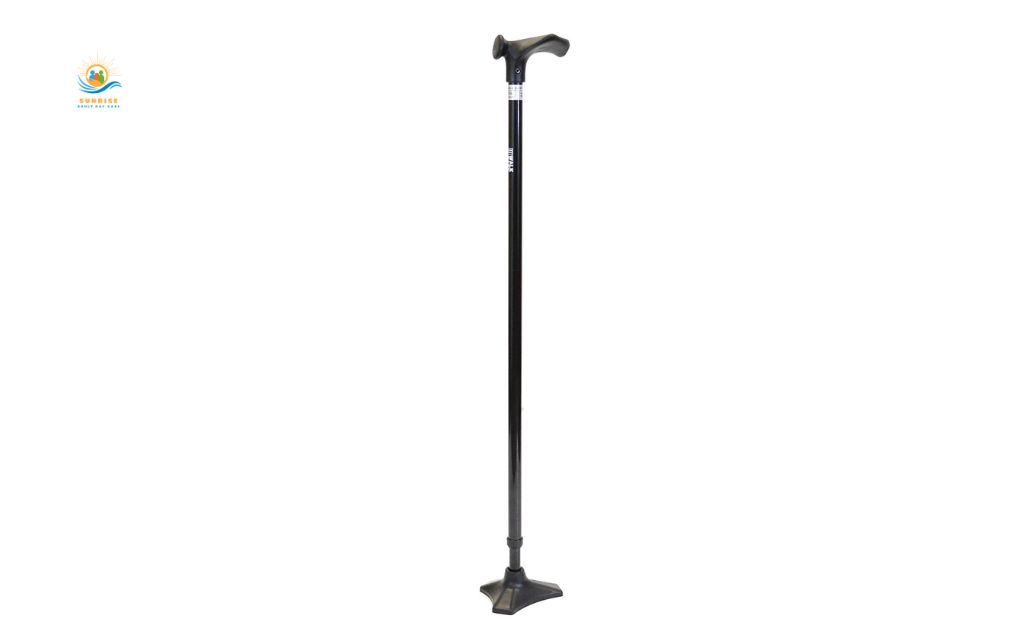
Tripod canes use a three point base, sitting between a single point cane and a quad cane in terms of stability. They are less common than the other types of canes for walking, but some users prefer the slightly wider footing without the added bulk of a full quad base.
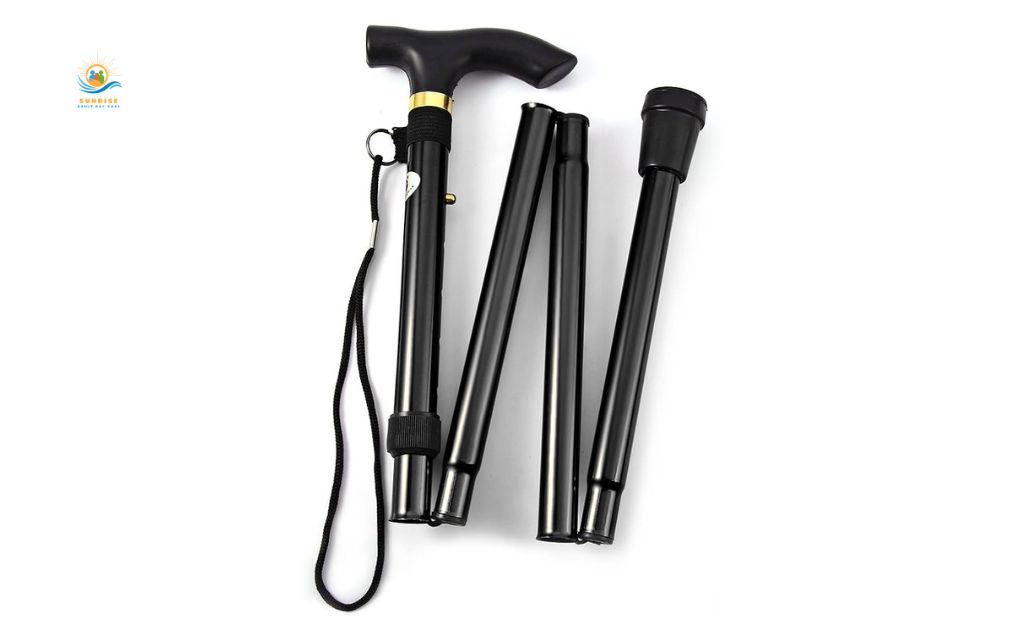
Folding and travel canes
Folding canes collapse into several short sections, usually held together with an internal elastic cord, so they fit easily into a bag or car door pocket. They are a practical choice for occasional use, travel, or as a backup cane, though they are generally not built for heavy daily weight bearing.
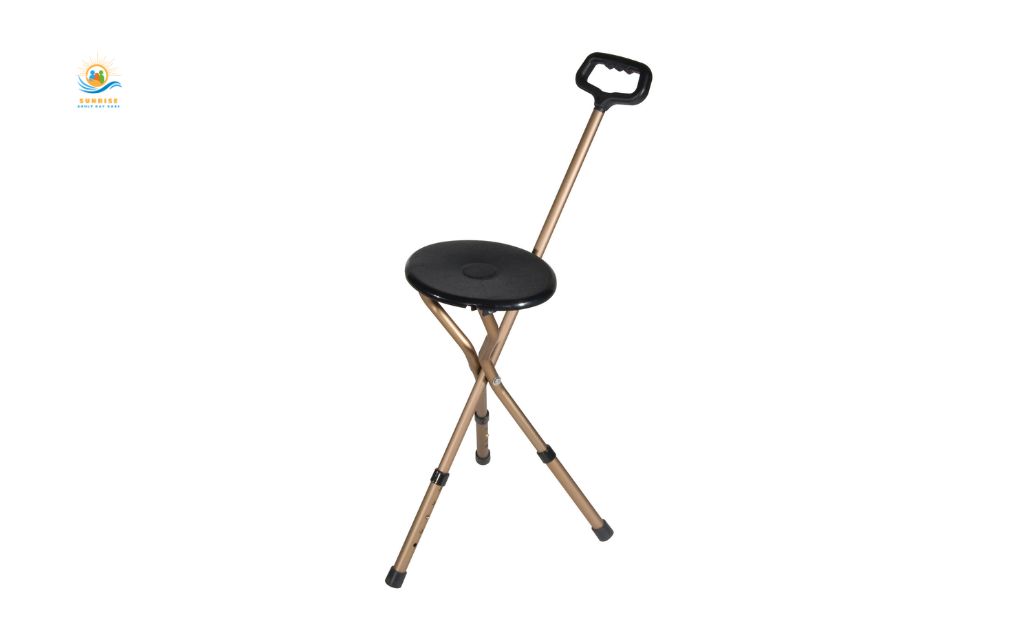
Seat canes
Seat canes include a small fold out seat built into the shaft, which can be useful for people who need to rest during longer outings such as museum visits or grocery trips. Because sitting on the small seat requires decent trunk balance, this style works best for people whose main issue is fatigue rather than significant instability.
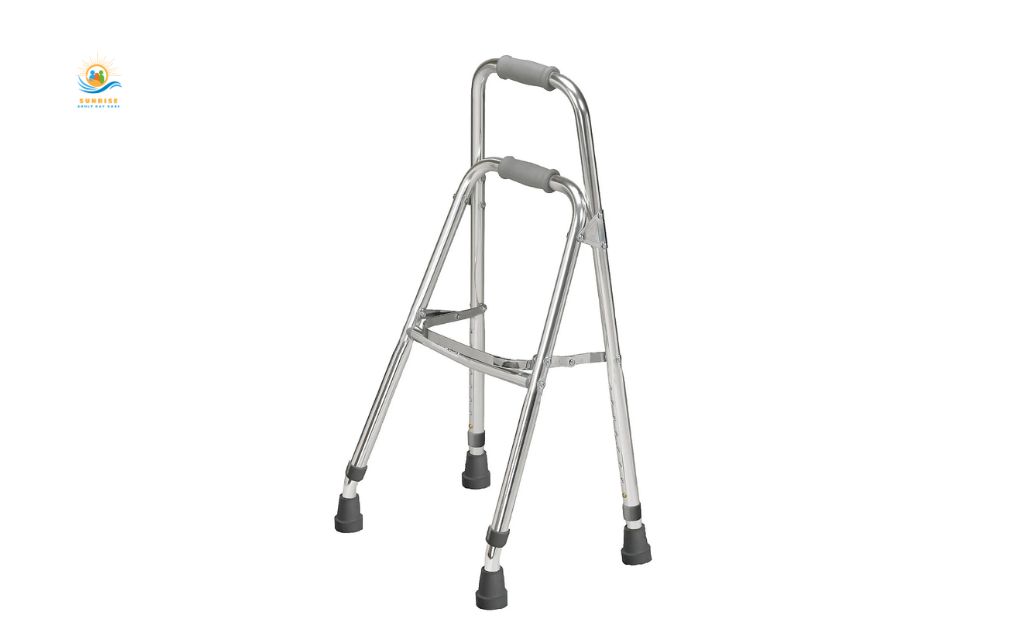
Hemi walker or hemi cane
A hemi walker, also called a hemi cane, is a hybrid device with a wider four legged base than a standard quad cane, designed for people who need walker level support but can only use one hand or arm. It is commonly used after a stroke or with other conditions that affect one side of the body.
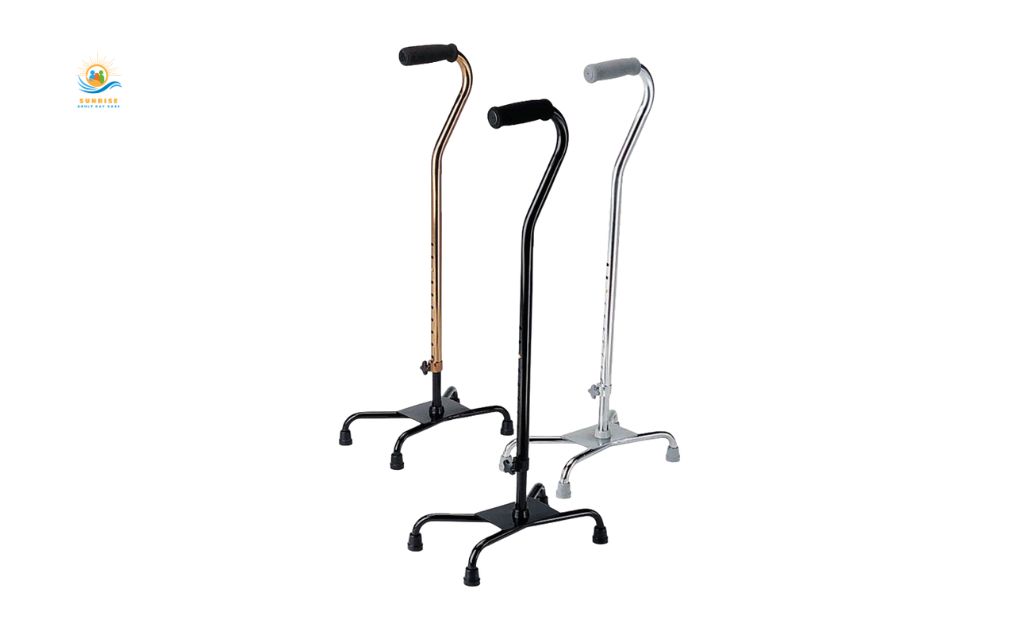
Bariatric and heavy duty canes
Bariatric canes use reinforced shafts, wider bases, and sturdier joints to safely support higher body weights than a standard cane. They are worth considering for anyone who needs extra durability regardless of body size, not only for weight capacity reasons.
Cane handle styles and why they matter
Beyond the base of the cane, the handle you choose has a big effect on comfort, especially if you have arthritis or limited hand strength.
Derby and crook handles
The derby handle has a gentle curve that rests comfortably in the palm, while the traditional crook or T-handle hooks over the forearm or a chair back. Both are common on classic canes and provide light to moderate support for everyday use.
Ergonomic and palm grip handles
Ergonomic handles, sometimes called Fritz handles, are shaped to match the natural curve of the hand and spread pressure more evenly across the palm. Palm grip handles take this a step further with a rounded top that lets the whole palm rest on the cane, which is helpful for people with weak grip strength or arthritis in the fingers.
Offset handles
As noted above, offset handles angle forward from the shaft so your weight lands more directly over the base of the cane. This handle style is frequently recommended by physical therapists for anyone who needs more substantial support than a basic straight handle provides.
Specialty canes for specific needs
Canes for neurological conditions
People living with Parkinson’s disease, multiple sclerosis, or recovering from a stroke often need a cane matched to specific gait or coordination changes. A physical or occupational therapist can recommend whether a standard cane, quad cane, or hemi walker best supports these needs, since the right choice varies by individual.
Smart canes
Smart canes add technology such as GPS tracking, fall detection, or obstacle sensing to a traditional cane frame. These can offer added peace of mind for older adults who live alone or have some vision or cognitive changes.
Adjustable and hiking style canes
Adjustable canes let you change the height with a push button mechanism, which is useful while recovering from an injury when your needs may shift. Taller hiking style walking sticks are built for outdoor trails and uneven ground, and they generally use spike tips rather than rubber tips for grip on dirt and rock.
Fashion canes
Fashion canes come in a wide range of colors, patterns, and handle materials, allowing users to express personal style without sacrificing function. For many older adults, a cane that feels like a personal accessory rather than a medical device can make it easier to use consistently.
How to choose the right cane for your situation
The best kind of cane depends on your balance, strength, medical history, and daily activities rather than any single style being best for everyone. As a general starting point:
- Mild balance concerns or general fall prevention often call for a single point cane.
- Arthritis or wrist pain often responds well to an offset or ergonomic handle.
- Post surgery recovery, particularly after hip or knee replacement, often benefits from an adjustable offset cane.
- More significant balance issues or stroke recovery may call for a quad cane or hemi walker, ideally chosen with a therapist’s input.

How to size your cane correctly
A cane that is the wrong height undermines its own purpose, so proper sizing matters as much as picking the right type:
- The wrist crease method: Stand upright in the shoes you normally wear, let your arms relax at your sides, and measure from the floor to the crease of your wrist. That measurement is a reliable starting point for your ideal cane height.
- The elbow bend check: With the cane tip resting on the floor a few inches to the side of your foot, your elbow should bend at a slight, comfortable angle, roughly fifteen to twenty degrees. If your arm is completely straight or bent sharply, the cane is likely the wrong height and should be adjusted or exchanged.
How to walk safely with a cane
Owning the right cane only solves half the problem. How you hold it, move it, and position your body determines whether it actually protects you from a fall or quietly works against you. The steps below cover the basics of safe cane technique:
- Hold the cane in the hand opposite your weaker or injured leg.
- Move the cane forward at the same time as your weaker leg.
- Step through with your stronger leg.
- Avoid placing the cane too far ahead of you.
- Keep a natural, upright posture rather than leaning heavily on the cane.
When to talk to a physical or occupational therapist?
Consider a professional evaluation if any of the following apply.
- You are unsure whether a cane or a walker is the better fit.
- You have had a recent fall or a new diagnosis affecting balance or strength.
- Your cane never quite feels comfortable, even after adjusting the height.
- You are recovering from major surgery or a neurological event such as a stroke.
Conclusion
Choosing the right cane is an important step toward staying safe and independent, but it is often just one part of a bigger picture for older adults and the families supporting them. Consistent supervision, social connection, and professional support during the day can matter just as much as the mobility aid itself.
Sunrise Adult Daycare offers a daytime, non-residential adult day program in Denver, Colorado, designed to support seniors with mobility needs, health conditions, and everyday safety in a caring, supervised setting. If you are a family caregiver exploring options for a loved one, our team is happy to answer questions about how a structured daytime program can fit into your family’s routine. Contact us at 303-226-6882 to schedule a visit today!
Frequently asked questions (FAQs)
What cane is best for arthritis?
An offset or ergonomic handle cane tends to work well for arthritis because it reduces pressure on the wrist and distributes weight more evenly across the palm.
Cane or walker, which should I choose?
A cane is generally appropriate for mild to moderate balance or strength concerns, while a walker is better suited to more significant support needs. If you are unsure, a physical therapist can assess your gait and recommend the safer option.
Which hand should hold the cane?
Hold the cane in the hand opposite your weaker or injured leg, since this position gives the best counterbalance as you step forward.
Do canes help prevent falls?
A properly fitted and correctly used cane can meaningfully reduce fall risk by widening your base of support and easing pressure on a weak or painful leg. An ill fitting cane, on the other hand, can increase fall risk, so proper sizing and technique matter.
How often should a cane tip be replaced?
Check the rubber tip regularly and replace it as soon as the tread looks smooth or worn, generally every few months with daily use.
Do I need a prescription to buy a cane?
No, canes are widely available without a prescription. If you want Medicare or insurance to help cover the cost, however, you typically need a prescription from a healthcare provider.