
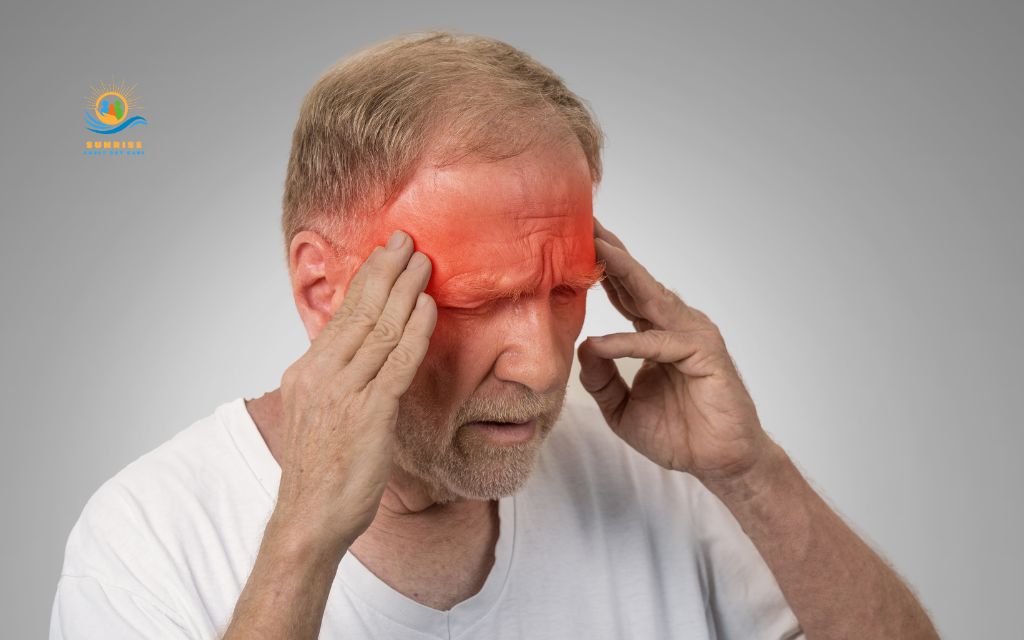
If an older parent or spouse has started gripping the furniture, walking more slowly, or saying they feel unsteady on their feet, it is natural to feel worried. Balance problems in seniors can feel frightening because they may raise the risk of falls, chip away at independence, and make ordinary tasks feel unsafe.
Balance problems in seniors can happen for many reasons, including inner ear changes, muscle weakness, vision problems,… Because the causes vary so widely, the right next step also varies.
This article explains the common causes of balance problems in older adults, the warning signs, practical steps to prevent falls at home, and when supervised daytime care may help keep a loved one safer.
What are balance problems in seniors?
Balance problems happen when a person feels unsteady, dizzy, lightheaded, or at risk of falling while standing, walking, turning, or simply moving through their daily routine.
Balance is not controlled by one body part alone. It is a teamwork system involving vision, strength, sensation, coordination, blood flow, and the inner ear. The eyes, inner ear, muscles, joints, nerves, brain, heart, and blood vessels all send signals that the brain blends together to keep the body upright and steady.
When one or more of these systems is not working well, an older adult may feel unstable or unsafe. Balance issues can be temporary, but persistent or worsening symptoms should be checked by a healthcare provider rather than dismissed.

Common signs of balance issues in older adults
Balance problems may feel different from person to person. Recognizing the signs early can help your family act before a fall happens.
Common signs of balance issues in older adults include:
- Feeling unsteady while walking
- Dizziness or lightheadedness
- A spinning feeling, also called vertigo
- Feeling faint
- Nausea with movement
- Trouble walking in a straight line
- Needing to hold furniture or walls for support
- Difficulty getting up from a chair
- Fear of falling
- Stumbling or tripping often
- Walking more slowly or cautiously
- Avoiding stairs, showers, outings, or social activities
- Recent falls or near-falls
Keep in mind that seniors do not always say “I have balance problems.” They may describe it in everyday language instead, such as “I feel off,” “I don’t trust my legs,” “I’m afraid to walk,” or “I feel dizzy when I stand up.” Listening to these phrases can help you catch a problem that a loved one might otherwise downplay.
What causes balance problems in seniors?
Balance problems in elderly adults often have more than one cause at the same time. The goal here is not to self-diagnose, but to understand what may need medical evaluation so you can ask the right questions.
Below are some of the most common reasons for loss of balance in seniors.
Benign paroxysmal positional vertigo, or BPPV
BPPV is one of the most common causes of vertigo in older adults. It may happen when tiny crystals in the inner ear shift out of place and disturb how the body senses movement. The result is a brief, intense spinning sensation triggered by certain movements.
BPPV can cause short bursts of spinning when a senior:
- Turns their head
- Rolls over in bed
- Looks up
- Bends down
- Gets in or out of bed
BPPV is often very treatable, so it is worth mentioning to a healthcare provider.
Ménière’s disease
Ménière’s disease is an inner ear disorder that may affect both balance and hearing. It tends to come and go in episodes, which can make daily activities feel unpredictable and stressful.
Possible symptoms may include:
- Vertigo
- Ringing in the ears
- Hearing changes
- Ear pressure or fullness
- Unsteadiness
- Nausea during episodes
Seniors with these symptoms should speak with a healthcare provider, especially if the episodes are new or getting worse.
Labyrinthitis
Labyrinthitis is inflammation of the inner ear, often related to an infection. Because the inner ear helps control balance, this inflammation can make a senior feel dizzy, unsteady, or as if the room is spinning.
Possible symptoms may include:
- Vertigo
- Dizziness
- Nausea
- Balance problems
- Hearing changes
- Trouble walking steadily
If symptoms appear suddenly or follow an illness, a medical evaluation can help identify the cause and the right treatment options.

Mal de Débarquement syndrome, or MdDS
Mal de Débarquement syndrome, also called MdDS, is a less common balance disorder. It can cause a lingering feeling of rocking, swaying, or bobbing, often after travel by boat, plane, train, or car.
A senior with MdDS may feel as if they are still moving even when standing or sitting perfectly still. This can affect walking confidence, daily activities, and overall comfort. Because MdDS is uncommon and can be confusing, persistent rocking or swaying sensations should be discussed with a healthcare provider.
Stroke
A stroke can affect balance when it damages areas of the brain involved in movement, coordination, strength, vision, or body awareness. Some seniors develop balance problems after a known stroke, while for others a sudden balance change can itself be a warning sign that something serious is happening.
Possible signs may include:
- Sudden trouble walking
- Weakness on one side of the body
- Facial drooping
- Trouble speaking
- Sudden confusion
- Vision changes
- Severe dizziness or loss of coordination
Sudden loss of balance with stroke-like symptoms should be treated as an emergency. Call 911 right away.
Multiple sclerosis
Multiple sclerosis, or MS, affects the central nervous system and can interfere with balance, coordination, muscle control, sensation, and walking. Although MS is often diagnosed earlier in life, some older adults continue to live with mobility and balance-related symptoms as they age.
Possible balance-related effects may include:
- Unsteady walking
- Muscle weakness
- Numbness or tingling
- Fatigue
- Poor coordination
- Dizziness
- Increased fall risk
A healthcare provider or physical therapist can help identify safe activity and mobility strategies for seniors living with MS.
High blood pressure
High blood pressure may contribute to balance concerns indirectly, especially when it is linked to circulation problems, stroke risk, heart disease, medication side effects, or dizziness. Some seniors with high blood pressure also feel unsteady if their blood pressure changes suddenly or if medication adjustments affect how they feel.

Low blood pressure
Low blood pressure can make seniors feel lightheaded, weak, dizzy, or faint, especially when standing up from a bed or chair. When this drop happens with a change in position, it is sometimes called orthostatic hypotension.
It may happen because of:
- Dehydration
- Certain medications
- Heart conditions
- Long periods of bed rest
- Poor nutrition
- Sudden position changes
Helpful prevention steps may include standing up slowly, staying hydrated if it is medically appropriate, and asking a healthcare provider to review medications.
Muscle weakness and loss of strength
Weak legs, hips, ankles, or core muscles can make it harder to stay steady, recover from a stumble, or move safely on stairs and uneven surfaces. This is one reason many people ask why older adults lose their balance so easily as the years go on.
Reduced activity after illness, surgery, hospitalization, or a fear of falling can make weakness worse, creating a cycle where less movement leads to more instability. Some seniors describe it as having “walked normally for years and now feeling unsteady,” which often reflects this gradual loss of strength and conditioning.
Vision changes
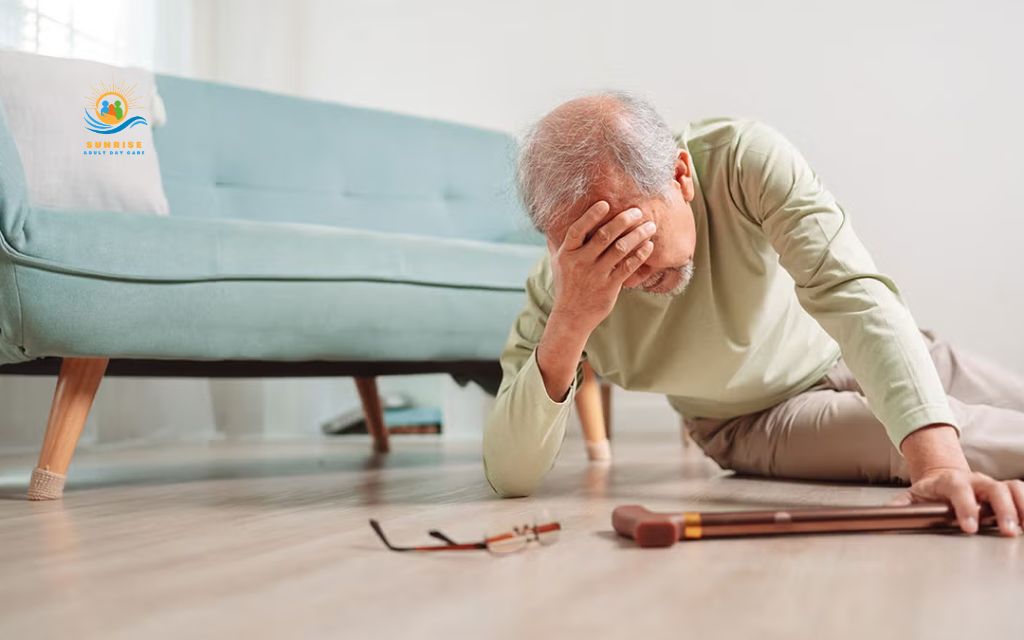
Poor vision can make it harder to see steps, curbs, rugs, uneven flooring, pets, cords, or obstacles. Cataracts, glaucoma, macular degeneration, or simply an outdated eyeglass prescription may increase fall risk. Regular eye exams are a simple, often-overlooked part of fall prevention.
Medication side effects
Some medications may cause dizziness, sleepiness, confusion, slowed reaction time, or low blood pressure. Balance problems may appear or worsen after a medication is started or a dose is changed, and the connection is not always obvious.
Families should not stop medications on their own. Instead, ask the doctor or pharmacist for a medication review to check for anything that may be affecting balance.
Foot, joint, or pain problems
Arthritis, foot pain, poor footwear, numbness, bunions, swelling, or joint stiffness can change how a person walks and increase instability. When every step hurts or feels uncertain, a senior may shift their weight in ways that make a fall more likely. Comfortable, supportive shoes and treatment for foot and joint pain can make a meaningful difference.
Is losing balance a normal part of aging?
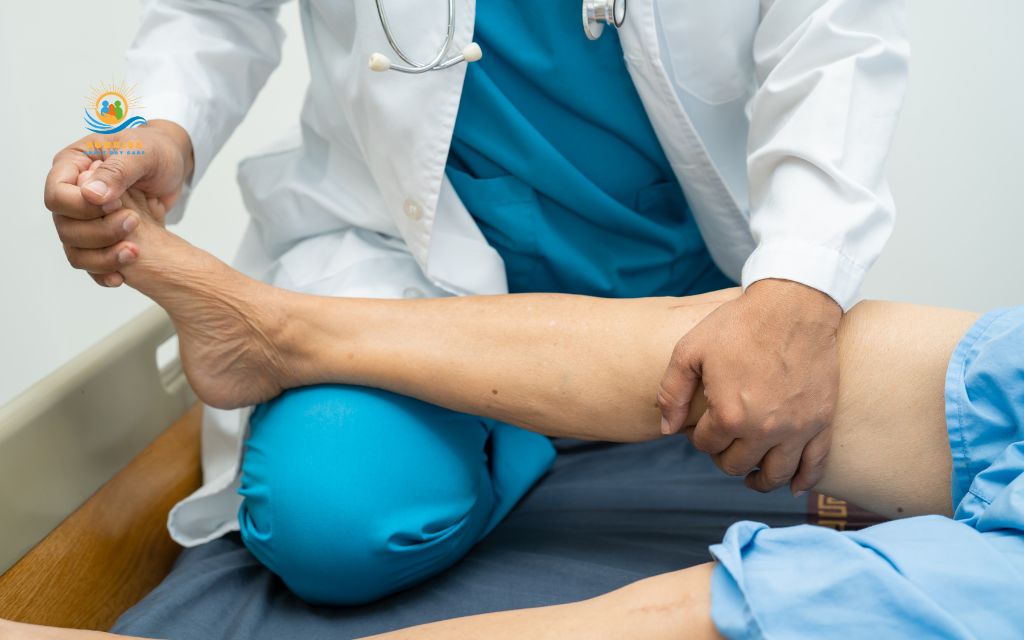
This is one of the most common questions families ask, and the honest answer takes a little nuance. Some age-related changes can affect balance, including changes in vision, strength, reaction time, sensation, and the inner ear.
So a degree of losing balance with age is not unusual. However, frequent dizziness, falls, near-falls, or a sudden loss of balance should not be dismissed as a normal part of getting older.
A few key points are worth keeping in mind:
- Mild changes in steadiness can happen with age.
- Balance problems are common, but they are not something to ignore.
- Many causes can be treated, managed, or improved.
- Early evaluation may reduce fall risk and protect independence.
Common does not mean harmless. If balance problems are changing daily life, it is worth asking why.
Treatment and support options for balance problems
Because balance problems in seniors have so many possible causes, treatment depends on what is driving the unsteadiness. A healthcare provider can help pinpoint the cause and build a plan, which may include one or more of the following approaches.
Treating the underlying cause
If balance issues are caused by blood pressure changes, infection, dehydration, vision problems, foot pain, or an inner ear condition,.., the care plan may focus on that specific issue. Treating the root cause is often the most effective way to restore steadiness.
Physical therapy and balance training
Physical therapists can help seniors improve strength, gait, posture, flexibility, and confidence with movement. Balance training may be helpful after falls, surgery, illness, or long periods of inactivity, and it can gradually rebuild the steadiness that disuse has worn away.
Vestibular rehabilitation
For some inner-ear-related balance disorders, vestibular therapy may help the brain and body adapt to balance signals. This specialized form of therapy uses targeted exercises to retrain how the body processes movement and position.
Assistive devices
Canes, walkers, grab bars, shower chairs, raised toilet seats, and proper footwear may help reduce fall risk when they are used correctly. A physical therapist can make sure a device is the right height and is being used safely, since the wrong tool or technique can sometimes create new hazards.
Medication review
Doctors or pharmacists can review medications that may contribute to dizziness, low blood pressure, sleepiness, or confusion. As prescriptions add up over the years, a periodic review is a simple step that can sometimes resolve unsteadiness on its own.

Simple ways to reduce fall risk at home
While your family works with healthcare providers on the underlying cause, there is a lot you can do at home today to make daily life safer. Many of these changes are quick, inexpensive, and surprisingly effective at preventing falls.
- Remove loose rugs or secure them firmly to the floor.
- Clear cords, clutter, and low furniture from walkways.
- Improve lighting in halls, stairs, bathrooms, and bedrooms.
- Add night lights along the path to the bathroom.
- Install grab bars in the bathroom.
- Use non-slip mats in the shower or tub.
- Keep frequently used items within easy reach.
- Wear supportive, non-slip shoes, even indoors.
- Avoid rushing to answer the phone or door.
- Stand up slowly from a bed or chair.
- Keep mobility devices nearby and within reach.
- Review fall risk with a healthcare provider.
How adult day care can support seniors with balance problems
It is important to be clear about what adult day care is and is not. Adult day care is not a replacement for medical evaluation, emergency care, or physical therapy. Instead, it can be one part of a broader support plan once a senior is stable enough to attend and a doctor has weighed in on the underlying cause.
Adult day services may help with:
- Supervised daytime routines
- Safer movement between activities
- Seated and adapted activities
- Gentle group exercise
- Social meals and hydration reminders
- Medication reminders or oversight, depending on the program
- Health monitoring, depending on the program
- Staff observation of changes in walking, dizziness, or fatigue
- Fall-risk awareness in a structured setting
- Transportation support, depending on location
- Caregiver respite during work hours
About Sunrise Adult Daycare
Sunrise Adult Daycare is a daytime, non-residential adult day program in Denver, Colorado. Seniors join us during the day for supervised routines, social connection, gentle activities, and a safe, structured environment, then return home to their families in the evening.
For families managing a loved one’s balance problems, that daytime structure can provide supervision, companionship, and adapted activities while you continue working with healthcare providers on the cause.
Visit us or call (303) 226-6882 to learn more.
Conclusion
Balance problems in seniors can happen for many reasons, including inner ear changes, medication side effects, muscle weakness, blood pressure changes, vision problems, pain, neurological conditions, and fear of falling. While some unsteadiness is common with age, it should never be ignored when it affects safety, mobility, confidence, or independence.
With medical evaluation, fall-prevention steps, safe activities, and the right level of support, many seniors can keep living with more confidence and dignity. Unsteadiness is a signal worth listening to – and, in most cases, a problem worth doing something about.
Frequently asked questions (FAQs)
Why do I feel off balance but not dizzy?
You can feel unsteady without the spinning or lightheaded sensation of dizziness. This often points to causes outside the inner ear, such as muscle weakness, reduced sensation in the feet (peripheral neuropathy), vision changes, or joint and foot problems. When the body’s strength and sensory signals weaken, steadiness can suffer even when you never feel “dizzy.” A healthcare provider can help sort out which system is involved.
How do I get rid of balance issues?
There is no single fix, because the right treatment depends on the cause. The most reliable first step is a medical evaluation to identify what is behind the unsteadiness. From there, treatment may include addressing an inner ear condition, reviewing medications, treating vision or foot problems, and working with a physical therapist on strength and balance training. Many seniors see real improvement once the underlying cause is treated.
What is the number one exercise to increase balance in seniors?
There is no single “best” exercise for everyone, but practices that challenge steadiness in a safe, supported way are frequently recommended. Standing balance work – such as standing near a sturdy counter and gradually reducing how much you hold on – and tai chi are highlighted by health experts for improving balance in older adults.
What deficiency causes you to feel off balance?
A vitamin B12 deficiency is a well-recognized cause of balance problems, because low B12 can affect the nerves that help the body sense position and movement. Low vitamin D is also associated with muscle weakness and a higher risk of falls.
When should I worry about balance problems in an elderly person?
Seek prompt medical attention if balance problems are sudden, frequent, or worsening, or if they come with fainting, repeated falls, or new dizziness. Treat it as an emergency and call 911 if unsteadiness appears alongside stroke-like signs such as facial drooping, weakness on one side, trouble speaking, sudden confusion, or vision changes. When in doubt, it is always safer to have a loved one checked.
Can balance improve in seniors?
Yes. Many causes of balance problems can be treated, managed, or improved, and steadiness is not fixed for life. With medical care, appropriate exercise, balance and strength training, and fall-prevention steps, a great many seniors regain confidence and reduce their fall risk. Improvement is often very possible, the key is identifying the cause and taking action.