Skip to content
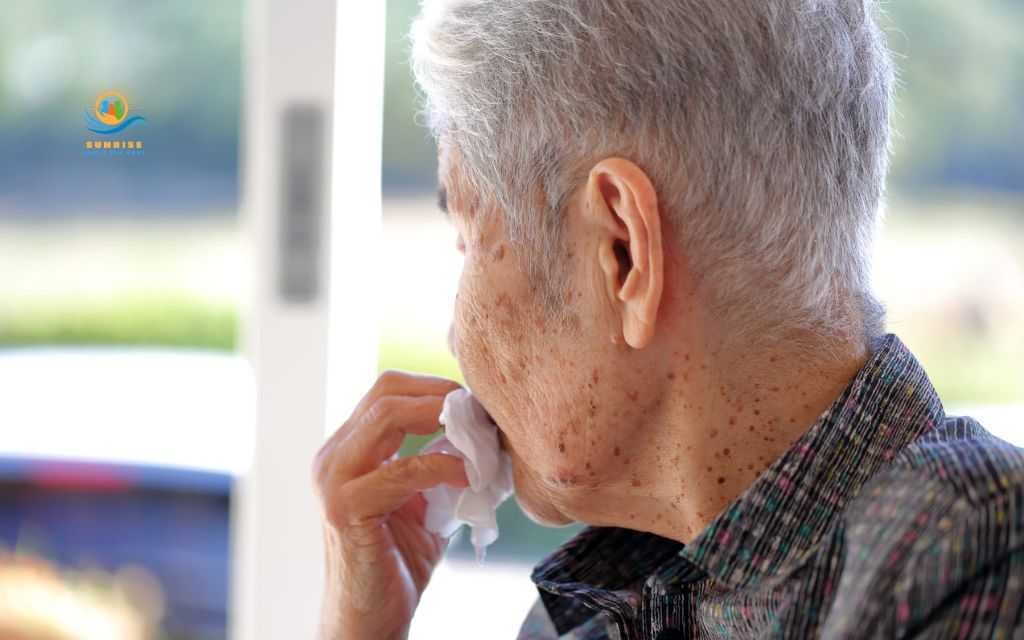
What causes drooling in elderly adults? In many cases, drooling happens because the body has trouble managing saliva.
If you are caring for an older parent or loved one and you have noticed new or frequent drooling, it is understandable to feel concerned or even a little embarrassed on their behalf. The good news is that drooling is a symptom with many possible causes, and most of them can be evaluated and managed.
This guide walks caregivers through the most common reasons older adults drool, how to tell minor causes from red-flag warning signs, and what steps to take next.
What is saliva and why is it important?
Saliva is the clear fluid made by the salivary glands in the mouth. Most people do not think about saliva until there is too much of it, too little of it, or the body has trouble managing it. In a healthy mouth, saliva flows quietly in the background, supporting comfort, digestion, and oral health every minute of the day.
Saliva plays several important roles in daily health:
- Helps keep the mouth moist and comfortable
- Makes chewing and swallowing easier
- Begins the digestion process
- Helps protect teeth and gums
- Washes away food particles
- Supports clear speech
- Helps protect the mouth from dryness, irritation, and infection
What is drooling in older adults?
Drooling in older adults happens when saliva flows out of the mouth unintentionally. Many caregivers assume this means the body is making too much saliva, and sometimes that is the case. However, in many seniors, drooling is more often related to difficulty keeping saliva in the mouth or swallowing it regularly. In other words, the production of saliva is normal, but the muscles and reflexes that usually clear it have changed.
Drooling may happen:
- During sleep
- While eating or drinking
- While talking
- While sitting quietly
- When the mouth stays open
- When posture, swallowing, or facial muscle control changes
Symptoms of drooling in older adults
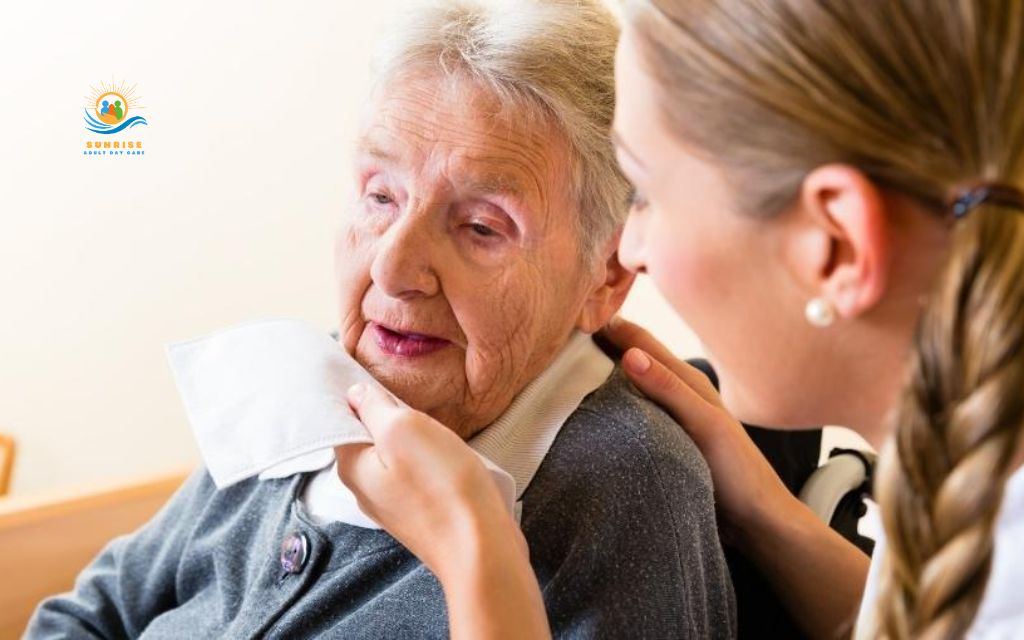
Drooling itself tends to show up through a cluster of everyday, noticeable signs. Recognizing these details early can help caregivers describe the pattern clearly during a medical visit.
Common symptoms include:
- Skin irritation, chapping, or redness around the mouth and chin
- An unpleasant odor from pooled or dried saliva
- Wet pillowcases, collars, or bibs, especially after sleep or meals
- A gurgling or wet-sounding voice after eating or drinking
- More frequent throat clearing, coughing, or extra effort while swallowing
- Disrupted sleep from a damp pillow or the need to reposition overnight
These symptoms can appear alone or together, and the pattern they form often offers useful clues about the underlying cause, which is explored next.
What is drooling a sign of?
Drooling can mean different things depending on the situation. For some seniors, it is a passing issue tied to a cold or a dental problem. For others, it may be one of several signs pointing to a deeper health concern. Understanding the possibilities can help families ask the right questions during a medical visit.
It is important to remember that drooling is a symptom, not a diagnosis. The underlying cause should be identified by a healthcare professional who can review the senior’s full health history, medications, and daily patterns.
What causes drooling in elderly adults?
Drooling in seniors often has more than one cause. Aging itself does not directly cause drooling, but several conditions that become more common with age can contribute to it. Below are the most frequent reasons older adults drool.
Swallowing problems
Difficulty swallowing, also called dysphagia, can cause saliva, food, or liquid to spill from the mouth or collect in the throat. Mayo Clinic lists drooling or spilling food from the mouth as one possible symptom of dysphagia. When the swallow reflex slows or weakens, saliva that would normally be cleared quietly throughout the day can pool in the mouth instead.
Parkinson’s disease and other neurological conditions
Parkinson’s disease can affect automatic swallowing, posture, facial expression, and muscle control. Drooling in Parkinson’s is often related to reduced swallowing frequency rather than the body making too much saliva. Because the brain sends fewer reminders to swallow, saliva can build up and spill over.
Other neurological causes may include:
- ALS
- Multiple sclerosis
- Cerebral palsy from earlier life
- Advanced dementia
- Brain injury
- Other movement disorders

Stroke
New drooling can sometimes happen after a stroke because of weakness on one side of the face, difficulty swallowing, or reduced muscle control. A senior who suddenly starts drooling, especially with other neurological changes, should be evaluated right away.
Urgent warning: Possible stroke signs
Sudden drooling combined with facial drooping, arm weakness, slurred or unusual speech, confusion, severe dizziness, or sudden trouble walking may be a stroke warning sign. Call 911 right away. Quick action can protect the brain and may save a life.
Dementia or cognitive changes
Some seniors with dementia may forget to swallow regularly, hold food or saliva in the mouth, breathe through the mouth, or lose awareness of saliva. They may also have trouble following eating and drinking cues. As cognition changes, the small automatic habits that keep the mouth comfortable can quietly slip away.
Drooling in seniors with dementia should be discussed with a healthcare provider, especially if it is new, worsening, or happening with choking, weight loss, or repeated coughing.
Medication side effects
Some medications may increase saliva production, cause sleepiness, relax muscles, or affect swallowing and awareness. Because many older adults take several medications, side effects can sometimes overlap and become noticeable even when each medication alone seems mild.
Examples may include:
- Certain dementia medications
- Antipsychotic medications
- Sedatives
- Some seizure medications
- Medications that affect muscle control or alertness
Caregivers should not stop medication suddenly. Instead, they should ask the prescribing clinician whether drooling could be a side effect and whether the dose or timing can be reviewed safely.

Dental problems, dentures, or oral pain
Poorly fitting dentures, missing teeth, mouth sores, gum disease, cavities, or oral infections can make it harder to close the mouth, chew, swallow, or manage saliva. Oral discomfort often shows up in subtle ways before a senior is able or willing to describe the pain in words.
Acid reflux, nausea, or stomach issues
GERD, nausea, or irritation in the throat can sometimes increase saliva or make swallowing uncomfortable. A senior may also drool more if reflux causes coughing, throat clearing, or a sour taste. In some cases, the body produces extra saliva as a natural response to acid irritation in the esophagus.

Mouth breathing, sleep position, or nasal congestion
Some drooling happens during sleep because the mouth stays open and swallowing slows. Side sleeping, nasal congestion, allergies, sinus issues, or sleep apnea may make this more noticeable. A pillow or two soaked overnight is a common but often overlooked clue.
Occasional sleep drooling may not be serious, but frequent sleep drooling with snoring, gasping, choking, or daytime sleepiness should be discussed with a healthcare provider, since these can point to a sleep-related breathing condition.
Infections or sudden illness
Illness can make drooling worse if the senior is weak, confused, dehydrated, congested, or having trouble swallowing. A previously stable older adult who suddenly begins drooling more, especially with other changes, deserves a same-day medical check.
Possible contributors include:
- Respiratory infections
- Throat infections
- Dental infections
- Fever or severe fatigue
- Delirium or sudden confusion
Excess saliva production or hypersalivation
In some older adults, drooling is linked to the salivary glands producing more saliva than usual, a condition sometimes called hypersalivation. This is less common than the difficulty clearing normal amounts of saliva described above, but it can occur on its own or alongside another cause on this list.
Hypersalivation may be tied to:
- Certain medications, discussed further below
- Oral or dental infections that irritate the salivary glands
- Acid reflux, which can trigger extra saliva as a protective response
- Some neurological conditions that affect the nerves controlling the salivary glands
Because hypersalivation can overlap with several other causes, a healthcare provider is often needed to determine whether excess saliva is the primary issue or a secondary effect of something else.
Diet and foods that may increase saliva
Certain foods and drinks can temporarily increase saliva production, especially acidic or strongly flavored items. Citrus fruits, tomatoes, vinegar-based dressings, and other acidic foods can stimulate the salivary glands, and some seniors notice more drooling after a glass of wine or a spicy meal.
This type of drooling is usually mild, temporary, and tied to a specific meal rather than an ongoing pattern. Keeping a brief food and symptom log can help caregivers spot whether certain items make drooling noticeably worse.
Minor vs. concerning drooling: How to tell the difference
Not every instance of drooling is a medical emergency, and not every instance is harmless. The following guide can help caregivers decide what to watch for without creating panic. When in doubt, lean toward asking a clinician rather than waiting.
Drooling may be less concerning when
- It happens only occasionally during deep sleep.
- It happens when the person is very relaxed.
- It is mild and not increasing.
- There are no problems with eating, swallowing, speech, or breathing.
- There are no new neurological symptoms.
- The person feels well otherwise.
Drooling should be checked when
- It is new or getting worse.
- It happens during meals.
- The senior coughs, chokes, or has a wet voice after eating.
- Clothing, pillows, or skin stay wet.
- There is mouth pain, dental trouble, or poorly fitting dentures.
- The senior has unexplained weight loss or avoids eating.
- There are repeated chest infections.
- The senior has dementia, Parkinson’s disease, stroke history, or other neurological conditions.
- Drooling is causing embarrassment, skin irritation, or social withdrawal.
What can happen if excessive drooling is left untreated?
Most causes of drooling can be managed once identified, but ignoring drooling that is new, frequent, or getting worse can allow certain risks to build over time.
Possible consequences include:
- Aspiration pneumonia, if saliva or food repeatedly enters the airway instead of being swallowed safely
- Skin breakdown, chapping, or infection around the mouth and chin from prolonged moisture
- Reduced eating or drinking if a senior feels self-conscious or uncomfortable during meals
- Social withdrawal or embarrassment that affects quality of life
- Disrupted sleep for both the senior and their caregiver
How doctors evaluate drooling in seniors
When a family brings up drooling at a medical visit, clinicians usually start by listening carefully and asking questions about timing and patterns. Knowing what to expect can help caregivers prepare useful notes ahead of the appointment.
Possible evaluations:
- Physical exam
- Oral and dental exam
- Medication review
- Swallowing evaluation
- Speech-language pathology assessment
- Neurology evaluation if needed
- ENT evaluation if nose, throat, or saliva gland issues are suspected
- Dental evaluation for dentures, teeth, or gum problems
Treatment options for drooling in elderly adults
Treatment for drooling depends on the underlying cause. Because so many different factors can contribute, the best approach is usually a thoughtful, step-by-step plan rather than a single fix. Below are the most common directions a care team may consider.
Treating the underlying cause
If drooling is linked to dental problems, infection, reflux, nasal congestion, medication side effects, or swallowing issues, the care team may focus on treating that cause first. In many cases, addressing the root issue reduces drooling significantly without the need for additional interventions.
Swallowing therapy and speech therapy
A speech-language pathologist may help with swallowing safety, mouth exercises, posture strategies, and safer eating techniques. These therapies can also teach caregivers practical cues to use at home or in a daytime care setting.
Dental or denture care
Dentists can check for pain, loose dentures, gum disease, cavities, or bite problems that may affect saliva control. Sometimes, a simple denture adjustment can make a meaningful difference in how comfortably a senior closes the mouth and swallows.
Medication review
A clinician may adjust medications if drooling is linked to side effects. Families should never stop or change medication without medical guidance, as some medications must be tapered carefully to avoid other health risks.
Medical treatments for excess saliva
In some cases, doctors may consider treatments that reduce saliva production, such as certain medications, injections, or other procedures. These are not right for everyone and may have side effects. A careful discussion of benefits and risks should always come first.
Daily care and comfort measures
Caregivers may help by:
- Offering gentle reminders to swallow
- Encouraging upright posture
- Keeping the face and chin dry
- Using soft cloths or absorbent pads
- Applying skin barrier cream if recommended
- Helping with oral hygiene
- Monitoring during meals
- Choosing foods and liquids recommended by the care team
- Avoiding shame or negative comments

What families should do next
If you are noticing drooling in a senior you love, taking a few clear next steps can move the situation from worry to action.
- Notice when drooling happens: sleep, meals, talking, resting, or all day.
- Write down any related symptoms, such as coughing, choking, mouth pain, confusion, or weakness.
- Review recent medication changes with a healthcare provider.
- Schedule a medical evaluation if drooling is new, frequent, or worsening.
- Ask about a dental checkup if there are dentures, mouth pain, or eating changes.
- Ask whether a swallowing evaluation is needed.
- Seek emergency help for sudden drooling with stroke symptoms, choking, breathing trouble, or severe confusion.
- Explore supportive care options if the senior needs monitoring, daily structure, or caregiver respite.
Compassionate daytime support at Sunrise Adult Daycare
Sunrise Adult Daycare is a daytime, non-residential adult day program in Denver, Colorado. Our team provides supervised activities, social connection, meal support, and gentle monitoring during the day, so seniors return home each evening to their own families and routines.
If you are caring for an older adult who is experiencing drooling, swallowing changes, or other health concerns, we are happy to talk through how daytime support may fit into your care plan.
Call (303) 226-6882 or visit us today to learn more!
Conclusion
Drooling in elderly adults can happen for many reasons, from sleep position and dental issues to medication side effects, swallowing problems, Parkinson’s disease, dementia, or stroke. Occasional drooling may be mild and easily managed at home. New, frequent, or excessive drooling, however, deserves attention, especially when it affects eating, breathing, speech, comfort, or dignity.
Families can help by watching for patterns, seeking medical guidance, supporting oral care, and responding with compassion. Drooling is rarely something to feel ashamed of. With the right evaluation and a steady, kind approach, most older adults can find real relief and reclaim more comfort in their daily lives.
Frequently asked questions (FAQs)
What causes excessive saliva in the elderly?
Excessive saliva in older adults is sometimes caused by the body producing more saliva than usual, but more often it is the result of difficulty swallowing saliva at a normal pace. Acid reflux, certain medications, dental problems, oral infections, nausea, and some neurological conditions can all contribute. A healthcare provider can help identify the specific cause.
Is drooling normal in old age?
Occasional drooling, especially during deep sleep, can be normal at any age. However, frequent or excessive drooling is not a normal part of aging on its own. When it appears or worsens, it usually points to a treatable issue such as swallowing difficulty, medication side effects, dental problems, or a neurological condition that deserves a closer look.
When should I be worried about drooling?
Drooling should be checked by a healthcare provider when it is new, worsening, happens during meals, or is paired with coughing, choking, a wet voice after eating, mouth pain, weight loss, or repeated chest infections. Sudden drooling with facial drooping, arm weakness, slurred speech, or confusion may signal a stroke and needs emergency care immediately.
How to stop drooling in old age?
Stopping or reducing drooling depends on the cause. Treatment may include addressing dental or denture issues, adjusting medications under medical supervision, swallowing therapy with a speech-language pathologist, treating reflux or nasal congestion, improving posture, and supporting oral care. In some cases, doctors may consider specific medical treatments to reduce saliva. There is no single home remedy that fits everyone.
What illnesses can cause drooling?
Several illnesses and health conditions can cause or worsen drooling in seniors, including stroke, Parkinson’s disease, dementia, ALS, multiple sclerosis, brain injury, dysphagia, GERD, respiratory or throat infections, dental infections, and sleep-related breathing problems. Medication side effects can also play a role. A clinician can help sort out which factors apply.
Why is drooling a red flag?
Drooling becomes a red flag when it is sudden, severe, or paired with other warning signs such as facial drooping, weakness on one side, trouble speaking, choking on food or liquid, severe confusion, or breathing difficulty. In these situations, drooling may be one sign of a stroke, serious swallowing problem, or another medical emergency that needs immediate evaluation.
Can dementia cause drooling?
Yes, dementia can contribute to drooling, especially in the middle and later stages. As cognitive abilities change, a senior may swallow less often, leave the mouth open, breathe through the mouth, or lose awareness of saliva. Some dementia-related medications may also affect saliva and swallowing. Any new or worsening drooling in a person with dementia should be reviewed by a healthcare provider.
What home remedy stops drooling?
There is no single home remedy that reliably stops drooling, and caregivers should avoid promises of quick fixes. Supportive measures such as upright posture during meals, gentle reminders to swallow, regular oral hygiene, keeping the chin and skin dry, treating nasal congestion, and following any swallowing strategies recommended by a speech-language pathologist can help. The underlying cause should always be evaluated by a clinician so the right approach can be chosen.
Why do older adults drool while sleeping?
During deep sleep, muscles relax, the mouth may fall open, and the reflex to swallow slows down, which can let saliva collect and spill out. Side sleeping, nasal congestion, allergies, or sleep apnea can make this more likely. Occasional sleep drooling is common and often harmless, but frequent drooling paired with snoring, gasping, or choking during sleep is worth discussing with a healthcare provider.
Can certain foods make excessive drooling worse?
Yes, acidic or strongly flavored foods, such as citrus fruits, tomatoes, vinegar, spicy dishes, and even wine, can temporarily increase saliva production in some people. This type of drooling is usually short-lived and tied to a specific food rather than an ongoing medical cause, though it is worth mentioning to a healthcare provider if it happens often.
Can drooling cause aspiration pneumonia?
When saliva, food, or liquid is not cleared properly and enters the airway instead of the esophagus, it can raise the risk of aspiration pneumonia, a lung infection caused by inhaled material. This risk is highest in seniors who also have swallowing difficulties or a weak cough reflex. A swallowing evaluation can help determine whether this risk applies and what precautions may help.
What tests may be needed for drooling in older adults?
Depending on the suspected cause, a healthcare provider may recommend a physical or oral exam, a medication review, a swallowing evaluation, a speech-language pathology assessment, or a referral to neurology or ENT specialists. The right combination of tests depends on the senior’s overall health history and other symptoms.
Can Botox help with excessive drooling?
Botox injections into the salivary glands are one option a doctor may consider for excessive drooling that has not improved with other treatments. The injections work by temporarily reducing saliva production and are typically repeated every few months. Botox is not the right choice for every senior, and any decision should be made together with a healthcare provider after reviewing benefits and risks.
What is the outlook for an older adult with excessive drooling?
Most cases of drooling in older adults can be improved once the underlying cause is identified and addressed, whether that involves a dental fix, a medication adjustment, swallowing therapy, or another targeted treatment. With the right evaluation and a consistent care plan, many seniors see meaningful improvement in comfort, confidence, and daily quality of life.