
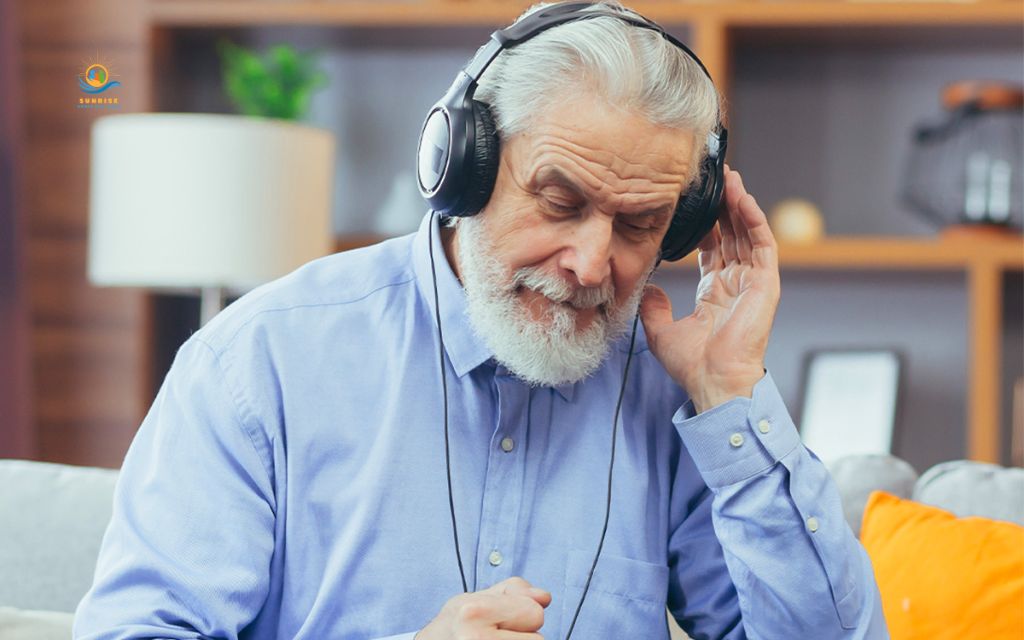
Music therapy for seniors is a structured, professional approach that uses music to support emotional, cognitive, and social wellbeing in older adults. Many families assume that turning on a favorite radio station or humming an old tune is the same thing, and while personal listening has real value of its own, music therapy is something different.
This article explains what music therapy for seniors actually involves, how it differs from simply enjoying music at home, the techniques a therapist may use, and what families can expect if they explore this option for an aging parent or loved one.
What is music therapy for seniors
Music therapy for seniors is a clinical practice in which a trained professional uses music, rhythm, and sound to address specific physical, emotional, cognitive, or social goals. Sessions are guided by a music therapist who holds board certification through the Certification Board for Music Therapists, often shown as the credential MT-BC.
Unlike a hobbyist or performer, a board certified music therapist begins with an assessment of the individual. This may include a review of medical history, current abilities, personal music preferences, and the specific challenges the person is facing, such as memory changes, low mood, limited mobility, or difficulty communicating. From there, the therapist designs a plan that uses music intentionally to work toward defined outcomes, rather than simply providing entertainment.
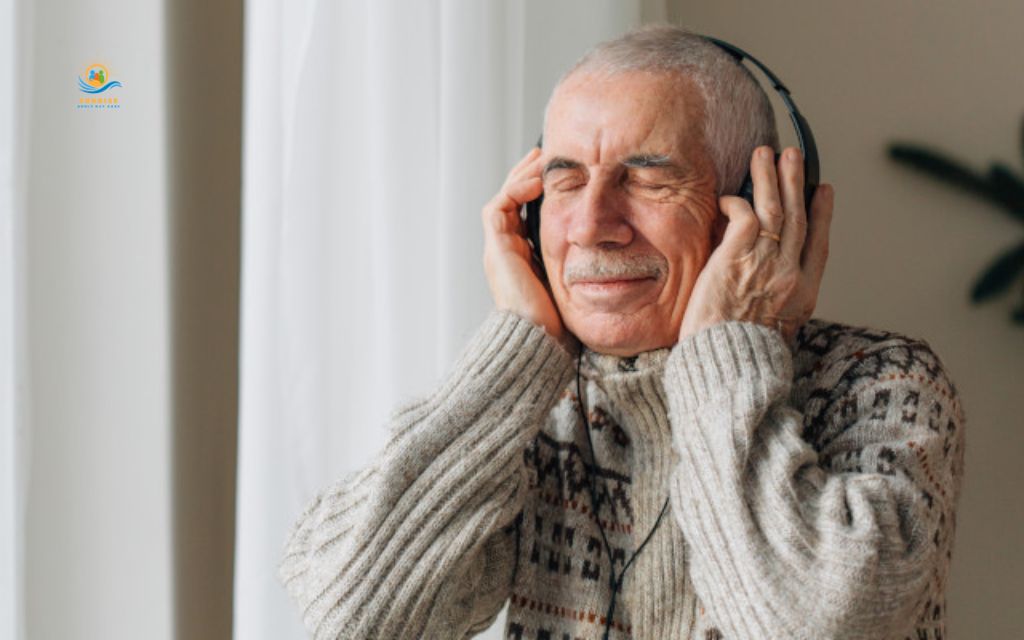
How music therapy differs from simply listening to music
Listening to a favorite song can lift someone’s mood for an afternoon, and that is a meaningful thing on its own. Music therapy for seniors goes further because it is guided by a trained professional working toward specific, individualized goals.
Several distinctions matter here:
- Assessment and goals: The music therapist evaluates the individual first and builds sessions around outcomes such as improved communication or reduced agitation, rather than general enjoyment alone.
- Clinical training: The therapist studies how music affects the brain and body and learns how to adapt techniques safely for conditions such as dementia, stroke recovery, or chronic pain.
- Ongoing evaluation: Progress is tracked over time, and the approach is adjusted based on how the person responds, much like other therapeutic disciplines.
Benefits of music therapy for seniors
Cognitive engagement
Some studies suggest that structured music activities, including listening to familiar songs, may support memory recall and general cognitive engagement in older adults, including those living with dementia. These effects appear linked to how music activates multiple regions of the brain at once, though researchers note that results can vary widely between individuals.
Emotional wellbeing
Music therapy has been associated with reduced symptoms of low mood and anxiety in some older adult populations, particularly when used alongside other forms of care. It is generally viewed as a complementary support rather than a replacement for mental health treatment.
Social connection and communication
Group based music activities, such as singing or rhythm exercises, can create natural opportunities for interaction and shared experience. For people with limited verbal communication, music sometimes provides another channel for connection with caregivers, family, and peers.
Movement and coordination
Rhythmic movement and simple instrument play may help support balance, coordination, and general physical engagement. Some research has linked music based movement programs to a lower risk of falls, though outcomes depend on the individual’s baseline mobility and the design of the program.
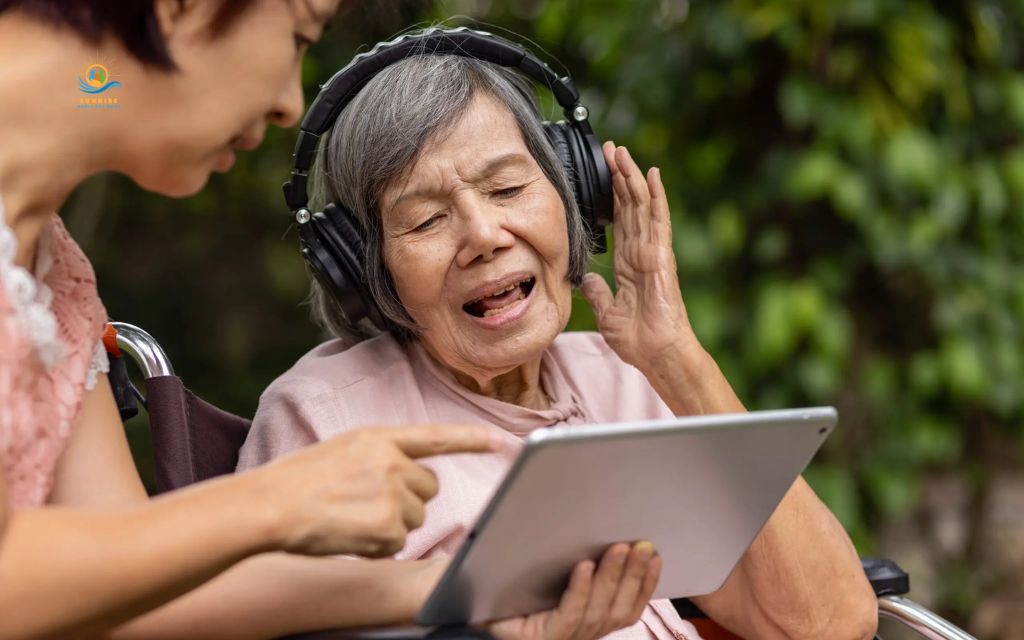
Common approaches used in music therapy sessions
Listening to familiar music
The therapist may choose music tied to a person’s past, such as songs from their young adulthood, to support memory recall, emotional expression, or relaxation. This selection is intentional rather than random, and the therapist observes how the individual responds.
Singing
Group or individual singing can support breath control, vocal strength, and social interaction. For people with speech or language difficulties, singing sometimes accesses parts of the brain that spoken language does not, which is part of why it is used in some communication focused interventions.
Playing instruments
Simple percussion instruments, keyboards, or hand chimes allow participants to engage physically and creatively, even without any musical training. Playing can support fine motor coordination and offer a sense of accomplishment.
Songwriting
Some sessions involve creating original lyrics or adapting the words of a familiar song. This can give a person a structured way to express emotions or reflect on personal experiences.
Movement to music
Gentle movement, tapping, swaying, or simple choreography set to music can support coordination, balance, and mood. The therapist adjusts the pace and complexity to match the person’s physical abilities.
Reminiscence through music
Music from a particular era can prompt conversation and storytelling. The therapist may use this to support social connection or to help someone process and share memories in a low pressure setting.
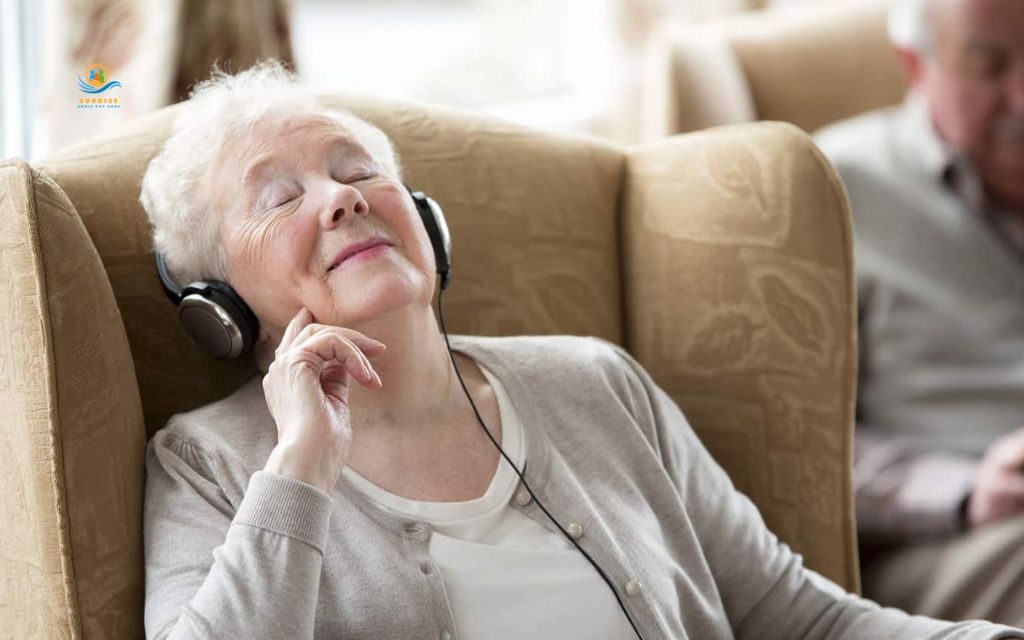
What happens during a music therapy session
Most programs begin with an initial assessment, where the therapist learns about the person’s history, abilities, and goals. Sessions themselves usually last 30 to 60 minutes and may take place one on one or in a small group, depending on the setting and the individual’s needs.
During a session, the therapist selects activities based on the day’s goals, which might shift depending on the person’s mood or energy level. For the same client, sessions built around emotional expression can look very different from those built around physical movement. Progress is documented over time, and the plan is adjusted as needs change.
Families are often welcome to observe or participate, particularly in home based or community settings, and many therapists encourage caregivers to use similar techniques between sessions.
Conclusion
Music therapy for seniors offers a structured, professional way to support memory, mood, communication, and connection in later life, using techniques and goals that go well beyond simply playing a favorite song. When delivered by a board certified music therapist, it becomes an individualized part of a person’s broader care and engagement plan, not a stand alone cure but one meaningful tool among many.
If you are looking for ways to bring more structured, meaningful activity into a loved one’s day, Sunrise Adult Daycare offers a daytime program in Denver, Colorado built around social connection, engagement, and individualized support, including music based activities as part of daily programming. To learn more, call us at 303-226-6882.
Frequently asked questions (FAQs)
Is music therapy the same as playing music for someone?
No. Playing music for enjoyment is a wonderful part of daily life, but music therapy for seniors is a clinical service delivered by a board certified professional working toward specific, individualized goals.
Do you need a diagnosis to benefit from music therapy?
Not necessarily. While music therapy is often used to support people with dementia, depression, or mobility challenges, some programs also offer it as part of general wellness and social engagement activities for older adults.
Is music therapy safe for people with dementia?
Music therapy is generally considered a gentle, non-invasive approach and is widely used in dementia care settings. As with any therapeutic service, it should be provided by a qualified professional who can adjust the approach to the individual’s needs.
Can music therapy replace medication or medical treatment?
No. Music therapy is typically used as a complementary support alongside medical care, not as a replacement for it. Any concerns about a diagnosed condition should be directed to a physician or care team.
Is music therapy covered by insurance?
Coverage varies by provider and setting. Some medical settings and specialized programs may include music therapy as a covered service, while other programs offer it as a paid add on. Checking directly with the specific provider or facility is the most reliable way to confirm coverage.