콘텐츠로 건너뛰기

Mornings can look very different for older adults. Appetite may be smaller, cooking may feel like a chore, and chewing may be harder than it used to be.
This guide to breakfast for seniors shares 24 ideas grouped by the situation they solve, whether that is a small appetite, a need for more protein or fiber, or a preference for soft textures. It also covers dietary needs, time-saving tips for caregivers, and answers to common questions.
No single breakfast suits every older adult, so treat these ideas as a menu to choose from rather than a plan to follow.
Why breakfast matters for older adults
Calorie needs tend to drop with age, but the body still needs just as many vitamins and minerals. That makes every meal a chance to include nutrient-dense foods, and breakfast is often the easiest place to start.
Starting the day with protein and fiber may help support steady energy, muscle maintenance, and appetite later in the day. Because appetite, health needs, and tastes differ, there is no single best breakfast for seniors. Even a small meal counts.

How to build a balanced breakfast
Building a healthy breakfast for older adults does not need to be complicated. The National Institute on Aging recommends choosing a variety of nutrient-dense foods while limiting added sugars, saturated fat, and sodium. Most balanced breakfasts combine the building blocks below.
- Protein: Eggs, dairy, soy foods, beans, nuts, and fish help the body build and repair tissue and may help maintain muscle.
- Fiber-rich carbohydrates: Oats, whole-grain bread, and whole-grain cereals provide fiber, which helps move food through the digestive system and may support healthy cholesterol levels.
- Fruit or vegetables: Berries, bananas, spinach, and tomatoes add vitamins, minerals, and extra fiber.
- Healthy fats: Nuts, seeds, and avocado supply mostly unsaturated fats that add flavor and energy, which can help when appetite is small.
- Fluids: Water, tea, milk, and fortified plant-based drinks support hydration, and milk or fortified alternatives also provide calcium and vitamin D for bone health.
Easy breakfast ideas for seniors with a small appetite
When appetite is low, small and nourishing usually works better than a full plate. These 6 senior breakfast ideas deliver protein, energy, and nutrients in just a few bites or sips:
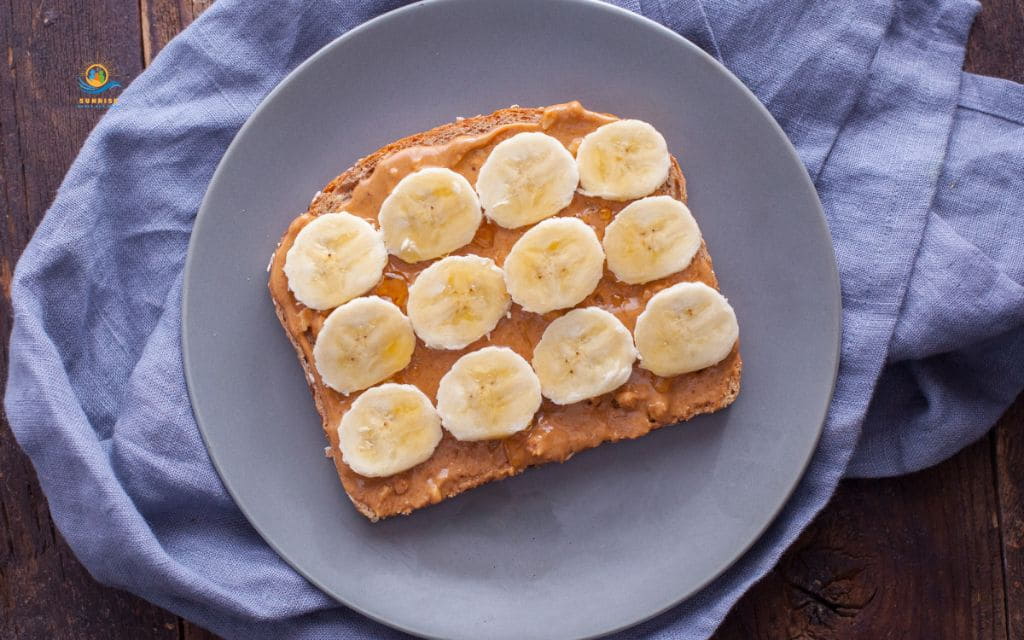
- Banana with nut butter: Soft banana slices topped with a thin layer of smooth peanut or almond butter pair quick energy with protein and fat in a few bites. Spread the nut butter thinly, since thick, sticky spreads can be harder to swallow.
- Small yogurt cup with berries: Single-serve yogurt supplies protein and calcium in a small volume. Choose plain or lightly sweetened yogurt to keep added sugar modest, and stir in a few soft berries for fiber and natural sweetness.
- Milk-based smoothie: Blending milk or yogurt with banana and berries makes a drink that can be sipped slowly through the morning, which suits people who feel full quickly. A spoonful of oats or nut butter adds extra fiber and calories.
- Cheese and whole-grain crackers with pear slices: Mild cheese adds protein and calcium, crackers provide fiber, and ripe pear slices add moisture and sweetness. This no-cook plate is easy to portion, and softer cheeses are often easier to chew.
- Half an egg and cheese English muffin: Halving the sandwich keeps the portion approachable while still delivering protein from the egg and cheese. Cook the egg until the yolk and white are firm, because adults 65 and older have a higher risk from foodborne illness.
- Ready-to-drink nutrition shake: Some doctors and dietitians recommend fortified shakes for people who are eating very little, since they concentrate calories, protein, and vitamins in a small serving. Use them with professional guidance and as a top-up rather than a replacement for regular food.
High-protein breakfast options for older adults
Protein supports the body’s ability to build and repair tissue, and some older adults fall short on protein foods. These 6 options make it simple to include a good source at breakfast:
- Egg muffin cups: Whisk eggs with chopped spinach or peppers, bake them in a muffin tin, and keep the extras for the week. Eggs provide complete protein, and the cups reheat in seconds. Bake until the centers are firm and reheat until hot.
- Greek yogurt with finely chopped nuts: Strained Greek yogurt generally contains more protein than regular yogurt. Finely chopped walnuts or almonds add healthy fats and fiber, and chopping keeps the texture manageable for people with dental concerns.
- Cottage cheese with soft peaches: Cottage cheese offers protein and calcium in a creamy, low-effort form, and ripe or canned peaches add sweetness and moisture. Choose canned peaches packed in juice or water rather than heavy syrup to limit added sugar.
- Oatmeal cooked in milk with a nut butter swirl: Cooking oats in milk instead of water adds protein and calcium, and a spoonful of nut butter adds more protein and healthy fat. The warm, creamy result is gentle to chew and easy to eat slowly.
- Tofu scramble with vegetables: Crumbled tofu sauteed with onions and peppers resembles scrambled eggs and provides plant-based soy protein for people who avoid eggs. Some tofu is made with calcium salts, so checking the label can show whether it also adds calcium.
- Smoked salmon and cream cheese on toast: Salmon supplies protein and omega-3 fats, and fatty fish are among the better food sources of vitamin D. Smoked salmon can be high in sodium, so enjoy it in small amounts, especially when blood pressure is a concern.

High-fiber breakfast ideas for older adults
Fiber helps move food through the digestive system and may support healthy cholesterol levels. These 6 ideas add it in gentle ways. Because a sudden jump in fiber can cause gas or discomfort, increase intake gradually and drink enough fluids:
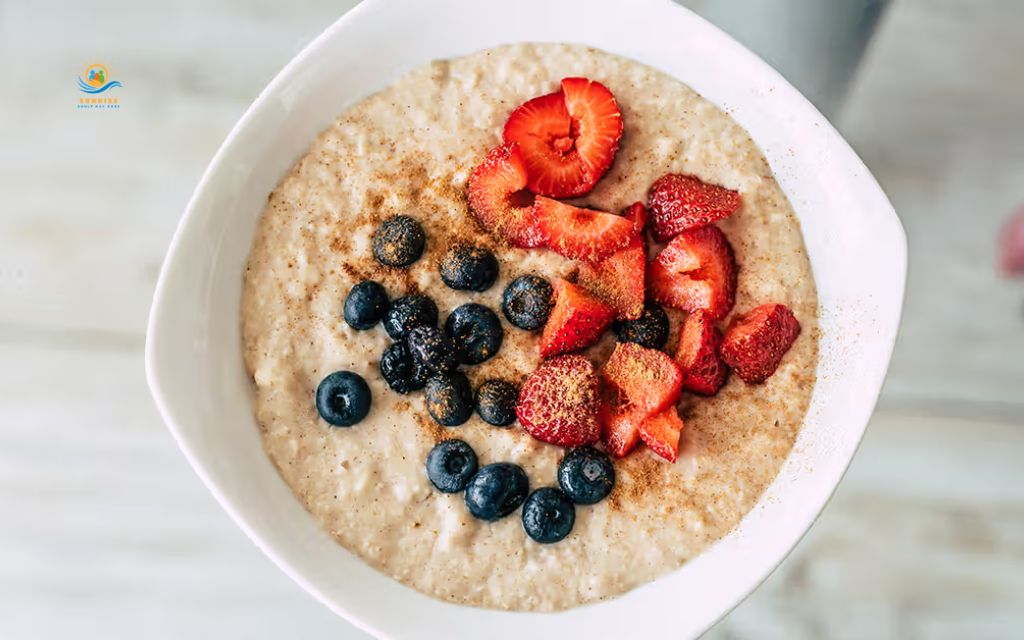
- Oatmeal with berries and chia: Oats contain soluble fiber, and berries and chia seeds add more. Stirring the chia into the oatmeal while it cooks lets the seeds soften, which keeps the texture smooth and pleasant.
- Whole-grain toast with mashed avocado: Whole-grain bread supplies fiber, and mashed avocado adds more fiber plus unsaturated fats in a soft, spreadable form that is easy to bite. Lemon juice and black pepper add flavor without extra salt.
- Overnight oats with chopped fruit: Oats soaked in milk or yogurt in the refrigerator become soft and creamy with no cooking. Diced pear, apple, or banana adds fiber, and preparing 2 to 3 jars at a time saves effort across several mornings.
- Low-sugar whole-grain cereal with banana: Look for cereals with whole grain listed first and little added sugar, then add sliced banana and milk. The milk softens the flakes, and the Nutrition Facts label makes it easy to compare fiber, sugar, and sodium.
- Berry and spinach smoothie with ground flaxseed: Blending berries, mild spinach, and yogurt or milk adds fiber and vitamins without a leafy texture. Ground flaxseed contributes more fiber and is easier to digest than whole flaxseed.
- Black bean and egg wrap: Beans provide both protein and fiber. Scramble an egg with warmed, mashed black beans and fold it into a soft tortilla. Rinsing canned beans reduces their sodium, and mashing keeps the filling tender.
Soft breakfast ideas for seniors who have trouble chewing
Missing teeth, dentures, dry mouth, and mouth pain can all make crunchy foods hard to enjoy. These 6 ideas stay tender while still delivering nutrition:
- Soft scrambled eggs: Cooking eggs slowly over low heat with a splash of milk, until no liquid egg remains, keeps them moist and tender. Shredded cheese stirred in at the end adds protein and calcium.
- Creamy oatmeal or cream of wheat: Cooking hot cereal with milk, and a little longer than the package suggests, produces a smooth texture that needs very little chewing. Mashed banana or a spoonful of nut butter adds extra nutrients.
- Banana oat pancakes: Blending ripe banana, oats, and egg into a batter makes small, tender pancakes with natural sweetness and some fiber. Topping them with yogurt or applesauce instead of syrup adds moisture and limits added sugar.
- Baked French toast casserole: Soaking bread in an egg and milk mixture overnight and then baking it creates a custardy dish that is soft all the way through. Cut it into squares and freeze extra portions for easy reheating.
- Yogurt with mashed berries or applesauce: Smooth yogurt combined with mashed raspberries or unsweetened applesauce is soft and cooling and provides protein, calcium, and fruit. Mashing breaks up berry skins and seeds, so every spoonful stays gentle.
- Cheesy grits: Slow-cooked grits with a spoonful of melted cheese make a warm, smooth bowl that is naturally soft. The cheese adds protein and calcium, and folding in a scrambled egg boosts the protein further.

Breakfast ideas for common dietary needs
Health conditions can shape which breakfasts fit best. These 3 examples show simple adjustments, though advice from a doctor or registered dietitian should always come first.
- Blood sugar concerns: Pairing carbohydrates with protein and fiber, such as oatmeal with nuts or toast with eggs, may help prevent sharp rises in blood sugar. Choosing unsweetened yogurt and whole grains over sugary cereals and pastries also helps. Ask a professional about portions and timing.
- Heart and blood pressure: Bacon, sausage, and ham can be high in sodium, so eggs, yogurt, oats, fruit, and unsalted nuts often make better everyday choices. Compare sodium on the Nutrition Facts labels of breads and cereals, and ask a healthcare professional about individual targets.
- Lactose intolerance or dairy-free eating: Lactose-free milk and plant-based drinks with added calcium and vitamin D can replace regular milk in smoothies, oatmeal, and cereal. Check the label, since not every plant-based drink is fortified.
Tips to make breakfast easier for seniors and caregivers
Even great ideas fall flat when mornings feel like too much work. These tips lower the effort for older adults and for the family members or caregivers who support them.
- Prepare ahead: Egg muffin cups, overnight oats, and baked French toast squares can be made in batches, refrigerated promptly, and reheated until hot. Freezing single portions cuts down on both cooking and food waste.
- Stock easy staples: Keep instant oats, canned fruit in juice, shelf-stable milk or fortified plant-based drinks, nut butter, and whole-grain bread on hand for mornings when nothing else is ready.
- Choose easy-open packaging: Single-serve yogurt cups and pre-cut fruit reduce the need for knives and stiff lids. Transferring foods into easy-grip containers can help when weak or sore hands make opening lids hard.
- Serve small portions: Smaller plates look less overwhelming, and seconds are easy to add if appetite picks up. Offering 2 or 3 small items often works better than 1 large plate.
- Boost flavor gently: Taste and smell can change with age, so herbs, cinnamon, lemon, and vanilla can make food more appealing without adding salt or sugar.
- Keep a routine and share the table: Eating at a regular time, ideally with company, can make breakfast feel like something to look forward to. Sipping water, tea, or milk alongside the meal also supports hydration.
결론
The right breakfast is the one an older adult will actually eat and enjoy. Start with 1 or 2 ideas from the groups above, adjust the texture and portion size to fit, and build from there. Small, consistent steps matter more than a perfect plate.
For families who need daytime support for an older loved one, 선라이즈 시니어 데이케어 offers a daytime, non-residential 성인 주간 프로그램 in Denver, Colorado, where older adults can spend the day in a supportive, social setting. To learn more, call us at 303-226-6882.
자주 묻는 질문(FAQ)
What is a good breakfast for seniors with no appetite?
Small, nutrient-dense options usually work best, such as a banana with a thin layer of nut butter, a small yogurt cup, or a milk-based smoothie sipped slowly. Eating a little at a regular time can help. If low appetite lasts more than a few days or comes with weight loss, talk with a doctor.
What are high-protein breakfast options for seniors who do not eat eggs?
Greek yogurt, cottage cheese, tofu scramble, oatmeal cooked in milk, nut butter on toast, and smoothies made with milk or yogurt all provide protein without eggs. A bean and cheese wrap is another option. People with allergies or dietary restrictions should confirm their choices with a healthcare professional.
Is it okay for seniors to skip breakfast?
Needs differ from person to person. Regular meals may help older adults meet their nutrient needs and keep energy steady, especially when appetite is small overall. Anyone with diabetes, or who takes medication with food, should check with a doctor before changing meal timing. When mornings are hard, a small snack-style breakfast can be a good compromise.
What are the best soft breakfast foods for seniors with chewing problems?
Soft scrambled eggs, creamy oatmeal, yogurt, cottage cheese, banana oat pancakes, cheesy grits, and baked French toast casserole are gentle choices. Cooking foods until tender and adding milk or yogurt for moisture helps. Ongoing trouble with chewing or swallowing deserves a professional evaluation.
What breakfasts can caregivers make ahead?
Egg muffin cups, overnight oats, baked French toast casserole, and banana oat pancakes all keep well. Refrigerate them promptly, freeze single portions, and reheat until steaming hot. Labeling containers with the date makes it easier to use them while they are fresh.