콘텐츠로 건너뛰기
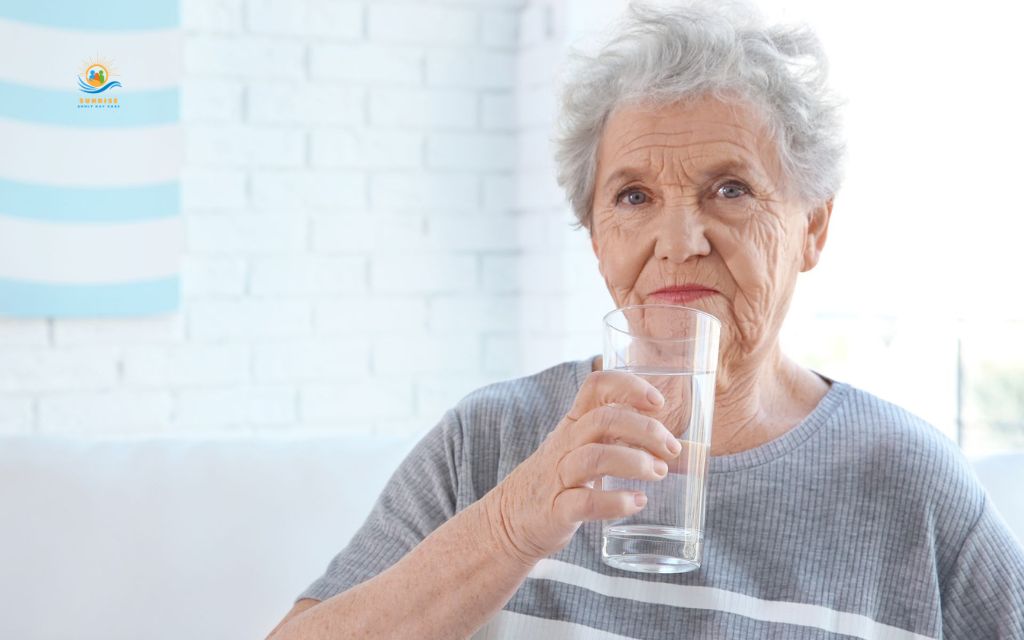
Picture an older parent who pushes lunch aside, seems more tired than usual, and feels dizzy after standing up. Nothing looks alarming, yet small changes like these can be early symptoms of dehydration in elderly adults. Older bodies hold less water and send weaker thirst signals, so low fluid levels are easy to miss.
This guide covers the early and severe signs, why confusion, dizziness, and weakness may be linked to low fluids, what raises the risk, and what caregivers can do next. It also explains when to call a doctor and when to call 911. Dehydration happens when the body loses more fluid than it takes in.
Symptoms of dehydration in elderly adults at a glance
Elderly dehydration symptoms fall into 3 levels. Treat them as a guide rather than a diagnosis, because the overall pattern matters more than any single sign. Early signs include dry mouth, darker urine, tiredness, and mild dizziness when standing. Offer small, frequent sips and water-rich foods, then recheck in a few hours.
Call the doctor the same day if symptoms do not improve with fluids, or if new irritability or sleepiness, very little urine, diarrhea lasting 24 hours or more, or vomiting that keeps fluids from staying down appear.
Call 911 or go to the emergency room for fainting, sudden or severe confusion, trouble staying awake, rapid heartbeat or fast breathing, seizures, or little or no urine. If it is hard to tell which level fits, call the doctor.
Common symptoms of dehydration in older adults
Dry mouth and reduced thirst
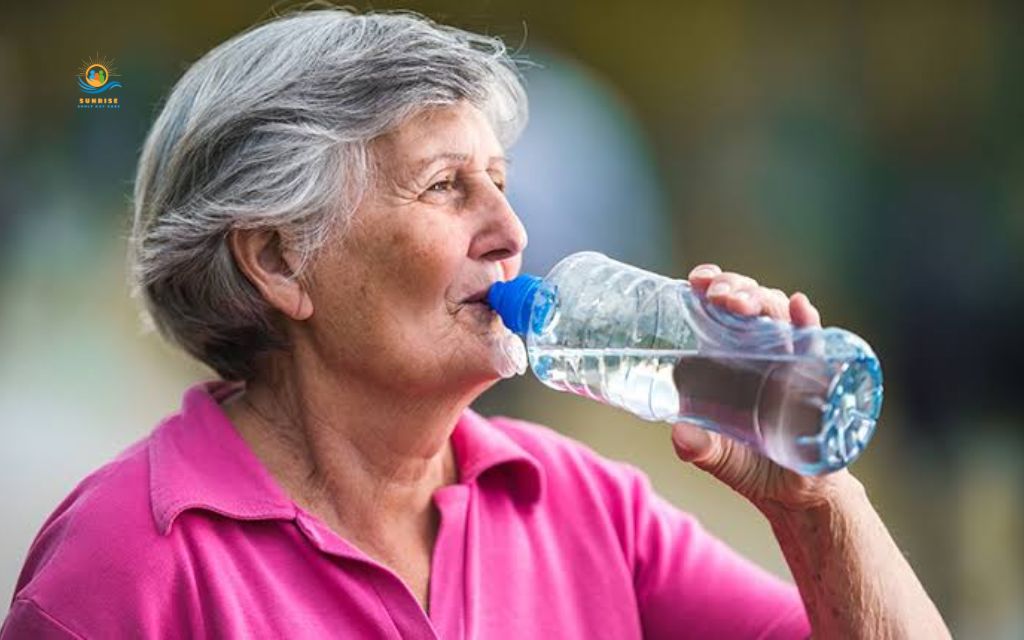
Sticky saliva, dry or cracked lips, and a dry tongue are among the earliest signs. The tricky part is that thirst often fades with age, so an older adult may feel fine even when fluid levels are already low. Waiting for someone to ask for a drink can mean waiting too long.
Dark urine or fewer bathroom trips
When the body conserves water, urine becomes darker and more concentrated, and bathroom trips become less frequent. Light yellow is the usual goal.
Keep in mind that some vitamins, medications, and foods change urine color, and incontinence briefs make it harder to track how often someone goes.
Tiredness, muscle weakness, and cramps
Lower fluid levels reduce blood volume, so the heart has less to circulate and muscles receive less oxygen and fewer nutrients. Shifts in electrolytes such as sodium and potassium can also affect how muscles work.
The result may be unusual tiredness, weak legs, or cramps that seem to come from nowhere.
Dizziness and a fast heartbeat
Lower blood volume can cause blood pressure to drop, especially when someone moves from lying or sitting to standing. The heart may beat faster to make up for it. Older adults may feel lightheaded or unsteady, which raises the risk of a fall.
Headache
Headaches can appear when fluid levels are low, although they have many other causes. If a headache comes with dry mouth, dark urine, or dizziness, low fluids are worth considering.
Before giving any pain reliever, check with a doctor or pharmacist, because some medicines can affect the kidneys or interact with prescriptions.

Dry skin and less sweating
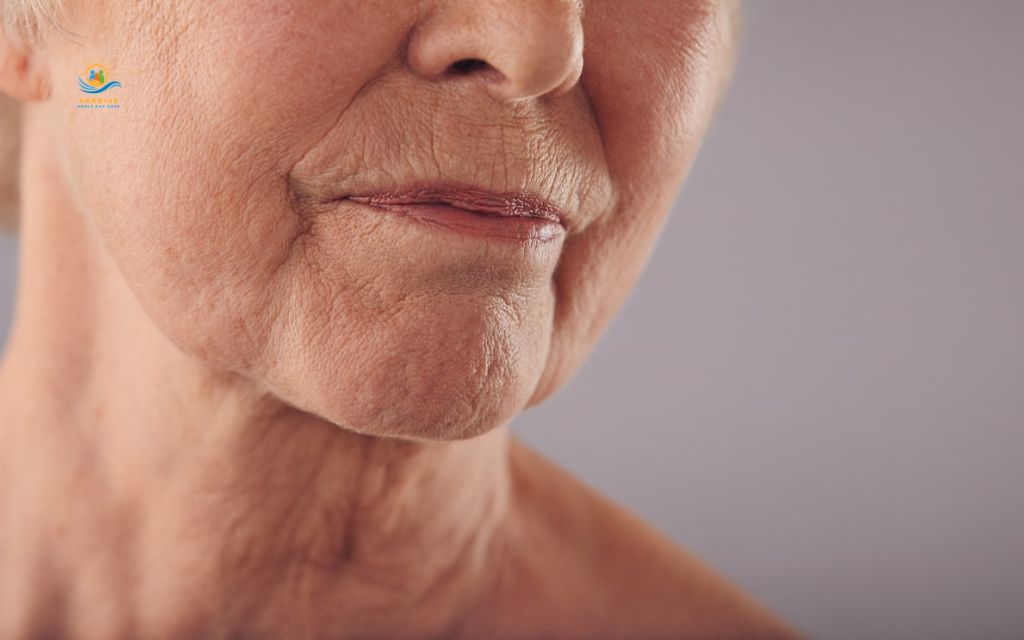
Skin may feel dry, and someone in a warm room may sweat less than expected. The skin pinch test is often mentioned online, but it is not reliable in older adults. Skin loses elasticity with age, so well-hydrated skin can still return to place slowly. Rely on the overall pattern of symptoms instead.
변비
Water helps keep stool soft as it moves through the intestines. When fluid intake is low, stools can become hard and difficult to pass. Constipation has many causes, including low fiber, limited movement, and some medications, so it works best as a supporting clue rather than a stand-alone sign.
Confusion and mood changes
Dehydration can affect attention, alertness, and mood. An older adult may seem foggy, irritable, or unusually quiet.
Confusion can also point to an infection, a medication problem, or a stroke, so new or sudden confusion should always be checked by a health care professional. The next section explains this link in more detail.
Signs of severe dehydration that need medical attention
When to call 911 or go to the emergency room
Call 911 or go to the nearest emergency room if an older adult has any of these signs.
- Fainting or trouble staying awake: Passing out or being very hard to wake can point to a serious drop in blood pressure and blood flow.
- Sudden or severe confusion: New disorientation, slurred speech, or hallucinations need urgent evaluation, because dehydration is only 1 possible cause.
- Rapid heartbeat or fast breathing: The body may be working hard to keep blood pressure and oxygen delivery steady.
- Little or no urine: Producing very little urine, or none, may mean the kidneys are under strain from low blood volume.
- Seizures or muscle twitching: Severe fluid loss can upset electrolyte balance, which may trigger these problems.
- Very high fever or hot, dry skin: A temperature of 103°F or higher, especially with no sweating, may signal heat-related illness.
When to call the doctor the same day
Call the person’s doctor the same day if any of the following apply.
- Diarrhea for 24 hours or more: Ongoing diarrhea keeps draining fluid and electrolytes, which makes it harder to catch up by drinking.
- Unusual irritability, confusion, or sleepiness: Being cranky, confused, sleepier, or less active than usual are changes worth reporting.
- Trouble keeping fluids down: Vomiting that prevents drinking calls for prompt advice, and the doctor may recommend an urgent visit.
- Fever of 102°F or higher: Fever increases fluid loss and can signal an infection that needs treatment.
- Bloody or black stool: This can point to bleeding in the digestive tract or another serious problem, so it needs prompt medical attention.
- No improvement with fluids: Symptoms that last or worsen after several hours of steady drinking need medical advice.
- Higher-risk health conditions: Diabetes, kidney disease, heart disease, or the use of water pills makes prompt advice more important.
What medical treatment may involve
Doctors can often recognize dehydration from symptoms, vital signs, and an exam. Blood and urine tests may be used to check electrolytes and kidney function and to gauge how severe the problem is.
Mild cases usually improve with fluids by mouth. Severe cases are treated in a hospital, where intravenous (IV) fluids replace water and salts under close supervision.
Causes and risk factors of dehydration in older adults
Age-related changes and everyday situations often combine to raise the risk. These are the most common causes and risk factors.
- Weaker thirst signals: The body’s thirst response tends to weaken with age, and dementia can make thirst harder to notice or act on. Many older adults do not feel thirsty until they are already dehydrated, so they drink less than the body needs.
- Smaller water reserve: Older bodies hold a lower volume of water to begin with. Even modest losses from sweating, illness, or a few skipped drinks can therefore have a bigger effect on fluid balance.
- Less efficient kidneys: Kidneys can become less able to conserve water with age, so more fluid leaves the body in urine even when intake is low. Existing kidney disease can add to this problem.
- Medications: Water pills (diuretics) and laxatives increase fluid loss through urine or stool, and some blood pressure medicines can have a similar effect. Never stop or change a dose without asking the prescriber.
- Diabetes: When blood sugar runs high, the kidneys pull extra water from the body to flush out the sugar in urine. The result is frequent urination and steady fluid loss.
- Swallowing difficulties: Thin liquids can be hard or unsafe to swallow, so a person may cough, avoid drinking, or take only small amounts. Over time, this can lower fluid intake without anyone noticing.
- Reduced mobility: Getting to the kitchen, filling a glass, or reaching the bathroom can be hard, and some older adults cannot get a drink without help. Drinks are then skipped or delayed.
- Bathroom worries: Some older adults limit fluids on purpose to avoid accidents or extra trips to the toilet. This quietly lowers intake, even when the person has access to drinks.
- Memory loss: Dementia can affect the ability to remember to drink, recognize thirst, or ask for help. Fluid intake can drop without any clear complaint.
- Fever, vomiting, or diarrhea: These cause fast fluid loss, and even minor illnesses such as the flu, bronchitis, or a bladder infection can tip the balance in an older adult.
- Hot weather and heavy sweating: Sweat losses rise in hot weather, during activity, and in warm indoor spaces, and the lost fluid needs to be replaced through the day.
What to do if you think an older adult is dehydrated
For mild symptoms in someone who is alert and able to swallow safely, start with small, frequent sips of water in a cool, comfortable place. Add water-rich foods such as soup, melon, or yogurt, avoid alcohol, and recheck in a few hours. If any severe sign appears, skip the home steps and call for help.
Take a moment to check how much the person has had to drink today, the color and frequency of urine, dryness in the mouth, dizziness on standing, and any new confusion or drowsiness. Note recent illness, hot weather, or medication changes, and share these details with the doctor if symptoms last or get worse.
Be careful before offering drinks. Do not give fluids to someone who is very sleepy, choking, or coughing when they swallow, and follow any doctor-ordered fluid limits or thickened liquid plan. Plain water does not fully replace lost electrolytes, so ask a doctor about an oral rehydration solution, and check before offering sugary sports drinks to anyone with diabetes.
How to help older adults stay hydrated every day
Prevention works best when drinking becomes part of the daily routine instead of something that comes up only when a person feels unwell. These habits make it easier for older adults to take in enough fluid.
- Tie drinks to routines: Offer a glass with medications, at every meal, and during favorite shows or activities so drinking becomes automatic.
- Make drinks appealing and easy to hold: Try different temperatures, a splash of juice, or slices of citrus or cucumber, and use a lightweight cup or a straw if grip is weak.
- Add water-rich foods: Soup, broth, melon, oranges, yogurt, and gelatin all add fluid and can help when plain water feels dull.
- Offer regular meals and light snacks: Food supplies sodium, potassium, and other electrolytes that help the body hold on to fluid.
- Watch alcohol and caffeine: Alcohol does not support hydration. Coffee and tea can still add to fluid intake in moderate amounts, but water, milk, soup, and fruit are better choices when someone is already low on fluids.
- Talk kindly about bathroom worries: If the person limits drinks to avoid accidents, plan easy toilet access and regular bathroom breaks instead of only urging them to drink more.
- Review medications: Ask a doctor or pharmacist whether any prescriptions could increase fluid loss, and never change a dose without guidance.
- Support safe swallowing: If drinking causes coughing, ask a doctor or speech-language pathologist about thickened liquids or safer drinking techniques.
- Adjust for heat and illness: Offer extra fluids and a cool space during hot weather and illness, unless a doctor has set fluid limits.
결론
Knowing the symptoms of dehydration in elderly loved ones makes it easier to act early. Dry mouth, dark urine, tiredness, and dizziness are common early clues, while fainting, sudden confusion, fast breathing, and little or no urine call for emergency help. Regular fluids and quick calls to the doctor are the safest habits.
Families who need daytime support for an older loved one can also explore an adult day program. 선라이즈 시니어 데이케어 is a daytime, non-residential program in Denver, Colorado, with activities such as gentle exercise, art, and music. To learn more, call 303-226-6882.
자주 묻는 질문(FAQ)
Can dehydration cause confusion, dizziness, and weakness in older adults?
Yes, it can. Low fluid levels may reduce blood flow to the brain and upset the balance of sodium and other electrolytes, which can affect thinking, balance, and strength. These are recognized signs of dehydration in elderly adults, but they are not specific to it, so they call for attention rather than assumptions.
When should you worry about dehydration in an older adult?
Worry sooner rather than later. Call 911 for fainting, sudden or severe confusion, rapid heartbeat, fast breathing, seizures, or little or no urine. Call the doctor the same day for diarrhea lasting 24 hours or more, new sleepiness or irritability, trouble keeping fluids down, or symptoms that do not improve with fluids.
How much water should an older adult drink each day?
Needs vary with body size, activity, weather, health conditions, and medications. Mayo Clinic notes that the average healthy adult gets enough with about 11.5 to 15.5 cups of total fluid a day, and food supplies roughly 20% of that. Anyone with heart failure or kidney disease should ask the doctor for a personal target.
What is the earliest sign of dehydration in elderly people?
Dry mouth, darker urine, and unusual tiredness are among the earliest signs. Some older adults never feel thirsty, so new dizziness when standing or a subtle change in alertness can also be early clues. Looking at the overall pattern is more reliable than waiting for the person to ask for a drink.
Is thirst a reliable way to tell if an older adult is dehydrated?
Not always. Thirst tends to fade with age, and dementia can make it harder to notice thirst or ask for a drink. Many older adults do not feel thirsty until they are already dehydrated. Offering fluids on a regular schedule works better than waiting for a request.
Can mild dehydration in an older adult be treated at home?
Often, yes. Mild cases usually improve with small, frequent sips, water-rich foods, and rest in a cool place, as long as the person is alert and can swallow safely. Call the doctor if symptoms last or worsen, and seek emergency care for confusion, fainting, or little or no urine.
Do coffee and tea count toward daily fluids for older adults?
In moderate amounts, they generally do. Mayo Clinic says tea and coffee count toward daily fluid intake. Other health sources advise limiting caffeine when someone is already dehydrated, and caffeine can affect sleep and bladder urgency. Water, milk, soup, and fruit are steadier choices, and a doctor can advise on individual needs.