Skip to content
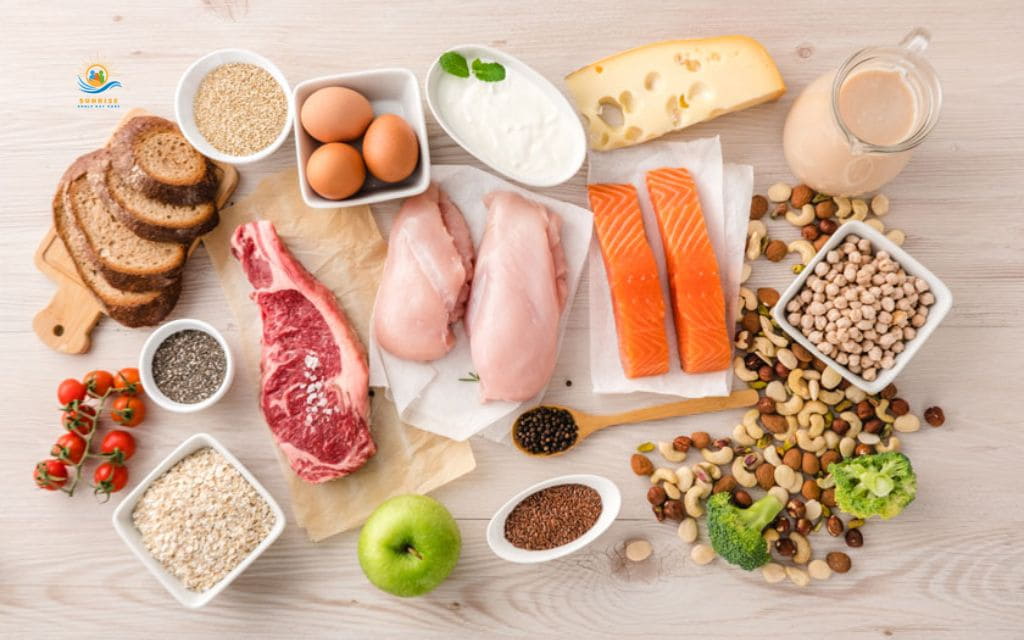
As we get older, our bodies change the way they use nutrients, and protein becomes one of the most important building blocks for staying strong and independent. Eating enough high protein foods for seniors can help support muscle strength, bone health, and overall wellbeing at every stage of aging.
This guide walks through the best animal and plant based protein sources, how much protein older adults may need, and simple ways to work protein into meals and snacks, including options that are easier to chew and prepare. The focus is on small, realistic habits, not a strict diet plan.
Why protein matters for healthy aging
Protein does more than build muscle. It supports the repair of skin, hair, and nails, helps the body heal after an injury or illness, and plays a role in immune function. For older adults, protein for elderly health is closely tied to maintaining the strength needed for everyday tasks like climbing stairs or carrying groceries.
Muscle naturally declines with age, a process sometimes called sarcopenia. Research suggests that older adults who eat adequate protein may be better able to preserve muscle mass and mobility over time. This can support independence and may lower the risk of falls, which become more serious as we age.
Some research has also linked higher protein intake to better cognitive outcomes in older adults, though this connection is still being studied and should not be viewed as a guarantee against memory decline. A balanced, protein rich diet is one part of a broader approach to healthy aging.
How much protein do older adults need
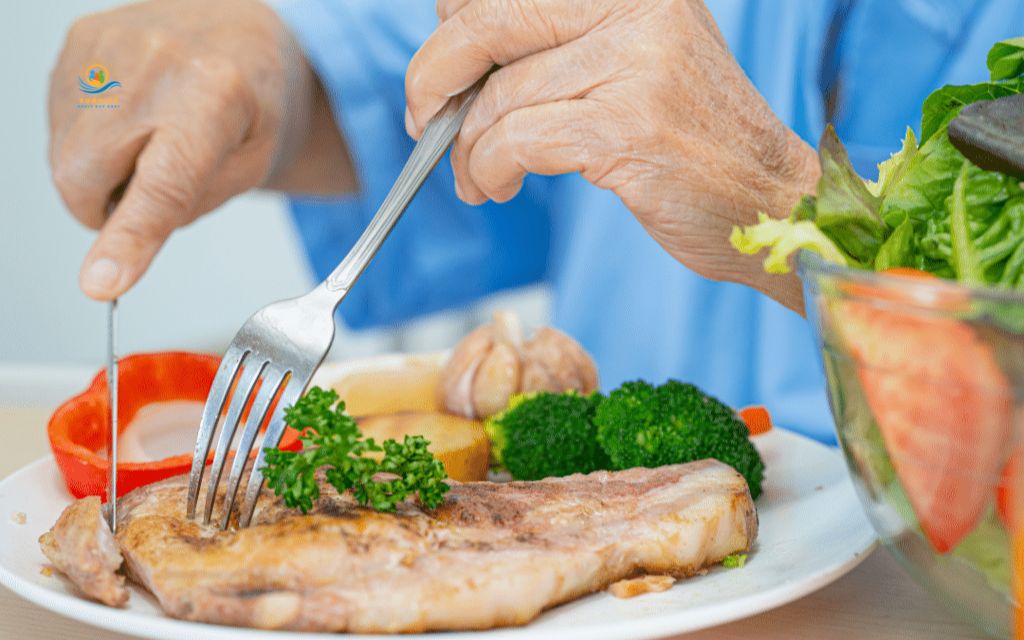
There is no single number that fits everyone. Research generally suggests that older adults may benefit from more protein than younger adults, since aging bodies do not always convert protein into muscle as efficiently. Body weight, activity level, and any existing health conditions all play a role.
Rather than focusing on hitting an exact gram target, it can help to think about including a source of protein at each meal and snack throughout the day. A doctor or registered dietitian can offer a more personalized recommendation based on individual health needs and goals.
Best animal based protein foods for seniors
Animal based foods are often called complete proteins because they contain all 9 essential amino acids the body needs. The following protein rich foods for seniors are widely available, easy to find in most grocery stores, and simple to prepare in a variety of ways.
- Poultry: Skinless chicken and turkey are lean, versatile, and work well in soups, salads, or sandwiches, making them a reliable base for regular meals.
- Fish and seafood: Salmon, tuna, and cod provide protein along with omega 3 fatty acids that may support heart and brain health.
- Eggs: A budget friendly, complete protein source that can be prepared many ways, from scrambled to hard boiled, and pairs well with vegetables or whole grain toast.
- Lean beef and pork: Cuts like sirloin, tenderloin, and pork loin offer protein along with iron and B12, though they are best enjoyed in moderation as part of a varied diet.
- Low fat dairy: Greek yogurt, cottage cheese, and milk combine protein with calcium, which supports bone health alongside muscle maintenance.

Best plant based protein foods for seniors
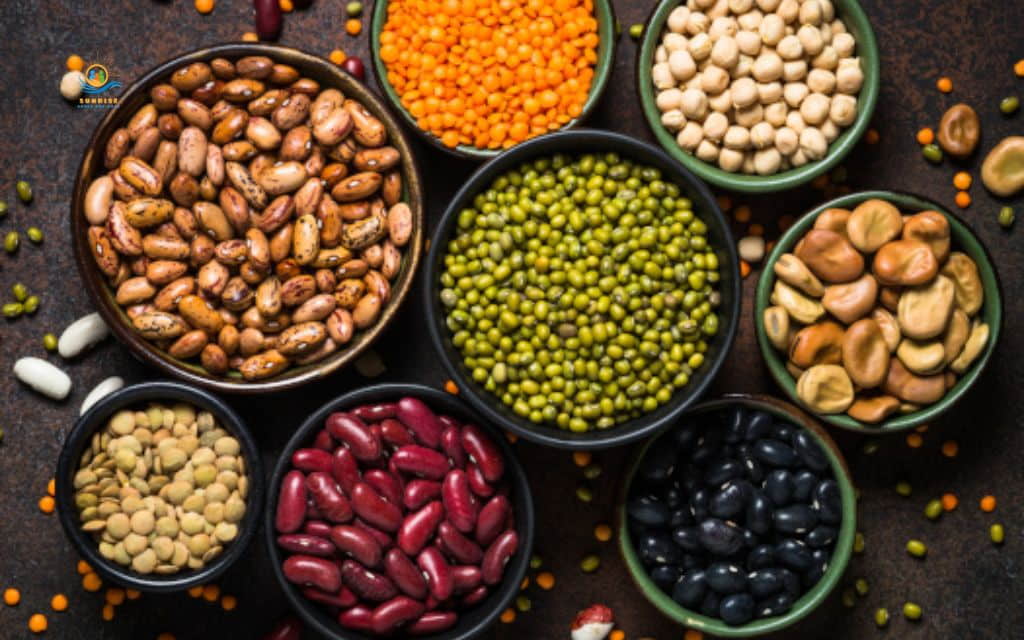
Plant based proteins are a valuable option for vegetarian, vegan, or flexitarian diets, and they bring fiber and other nutrients that animal proteins do not always provide. Combining a few different plant sources throughout the day helps ensure a fuller range of amino acids.
- Tofu and tempeh: Made from soybeans, these are considered complete plant proteins and work well in stir fries, soups, or as a meat substitute in familiar recipes.
- Lentils and beans: An affordable source of protein rich foods for elderly diets, lentils and beans also provide fiber that supports digestive health.
- Chickpeas: Versatile in salads, soups, or blended into hummus, chickpeas offer protein along with folate and potassium.
- Nuts and seeds: Almonds, walnuts, and ground flaxseed add protein and healthy fats, though whole nuts may need to be chopped or ground for anyone with chewing difficulty.
Protein content of common foods
Portion size matters as much as food choice. The table below offers a general idea of how much protein common foods provide, based on typical serving sizes, though exact amounts can vary by brand and preparation method.
| Food | Typical serving | Protein (grams) |
| Chicken breast, cooked | 3 oz | 26 |
| Salmon, cooked | 3 oz | 22 |
| Greek yogurt, plain | 1 cup | 17 |
| Cottage cheese | 1/2 cup | 12 |
| Eggs | 2 large | 12 |
| Tofu, firm | 1/2 cup | 10 |
| Milk, low fat | 1 cup | 8 |
| Lentils, cooked | 1/2 cup | 9 |
| Chickpeas, cooked | 1/2 cup | 7 |
| Almonds | 1 oz, about 23 nuts | 6 |
Easy to chew and easy to prepare protein foods
Appetite and chewing ability often change with age, and some seniors find that dental issues, dry mouth, or swallowing difficulty make certain proteins harder to eat. This does not mean protein needs to be skipped. Many nutrient dense foods for seniors can be adapted into softer, easier forms without losing their nutritional value.
- Scrambled or poached eggs: Soft in texture and easy to season, eggs remain one of the simplest proteins to prepare and eat.
- Greek yogurt and cottage cheese: Naturally soft and creamy, these pair easily with soft fruit for added flavor and nutrients.
- Ground or slow cooked meat: Cooking meat low and slow, or choosing ground poultry, makes it easier to chew while keeping the protein content intact.
- Flaked or well cooked fish: Fish becomes tender and flaky when baked or poached, making it a gentler option than tougher cuts of meat.
- Blended options: Smooth nut butters, hummus, or a protein smoothie made with real food ingredients can offer protein in a form that requires little to no chewing.
Simple ways to add protein throughout the day
Spreading protein across the day, rather than saving it for one large meal, may help the body use it more effectively. Including a protein source at breakfast, lunch, dinner, and snacks is a simple way to stay consistent without overhauling an entire diet.
High protein snacks for older adults do not need to be complicated. A few easy options to keep on hand include the following.
- Hard boiled eggs: Easy to prepare in batches and simple to grab for a quick snack.
- Yogurt cups: Portable, pre portioned, and easy to pair with berries or a small handful of nuts.
- Cheese and whole grain crackers: A simple combination that offers protein along with some fiber.
- Hummus and soft vegetables: A plant based option that also provides fiber and healthy fats.
For caregivers preparing meals for a loved one, keeping a few protein rich staples on hand, such as eggs, yogurt, canned beans, or pre cooked chicken, can make it easier to add protein to a meal without extra planning each day. Batch cooking on a slower day can also help.
A simple day built around a high protein diet for seniors might look something like this.
- Breakfast: Scrambled eggs with whole grain toast and a piece of soft fruit.
- Lunch: A salad with grilled chicken or chickpeas and a light dressing.
- Snack: Greek yogurt with berries or a small handful of nuts.
- Dinner: Baked fish with soft cooked vegetables and a whole grain like quinoa or rice.

Do older adults need protein shakes or supplements?
Whole foods are generally the best source of protein for seniors, since they provide additional nutrients like fiber, vitamins, and minerals that supplements do not. However, protein shakes or powders can be a helpful addition for someone with a small appetite, recovering from illness, or struggling to meet their needs through food alone.
Anyone considering a supplement should check the ingredient list for added sugar and speak with a doctor or registered dietitian first, especially if managing a condition like diabetes or kidney disease. A supplement works best as an addition to meals, not a replacement for them.
Conclusion
Getting enough protein does not require a complicated plan. Small, consistent choices, like adding eggs to breakfast or keeping yogurt on hand for a snack, can support strength, independence, and overall wellbeing over time as part of a varied, nutrient dense diet.
Sunrise Adult Daycare offers a supportive, daytime, non-residential program for older adults in the Denver area, with opportunities for social connection, activities, and a caring environment throughout the day. To learn more about the program and how it supports healthy aging, call us at 303-226-6882.
Frequently asked questions (FAQs)
How much protein does a senior need each day?
Protein needs vary by body weight, activity level, and health status, so there is no single number that applies to everyone. Many older adults benefit from spreading protein across each meal rather than focusing on one total number. A doctor or dietitian can offer a personalized recommendation.
What is the easiest protein for seniors to digest?
Softer proteins like eggs, Greek yogurt, cottage cheese, and well cooked fish tend to be easier to digest and chew than tougher cuts of meat. Blended options like smoothies or hummus can also be gentler choices for anyone with digestive or chewing concerns.
Can seniors eat too much protein?
Eating too much protein may not be appropriate for everyone, particularly those managing kidney disease or other health conditions. Most healthy older adults can safely include protein rich foods as part of a balanced diet, but any significant increase should be discussed with a healthcare provider first.
What are good high protein snacks for a small appetite?
Small, protein packed snacks like a hard boiled egg, a yogurt cup, or cheese and crackers can help someone with a reduced appetite get enough protein without needing to eat a large meal all at once.
What are good protein options for seniors who have trouble chewing or swallowing?
Soft proteins such as scrambled eggs, Greek yogurt, flaked fish, and smooth nut butters are often easier to manage. Ground or slow cooked meats can also help. Anyone with ongoing chewing or swallowing difficulty should speak with a doctor or speech language pathologist for personalized guidance.
How can caregivers help an older adult get enough protein each day?
Caregivers can help by keeping protein rich staples on hand, offering small snacks between meals, and adapting textures for anyone with chewing difficulty. Involving a loved one in simple meal planning can also help ensure meals include foods they enjoy and will actually eat.