Skip to content
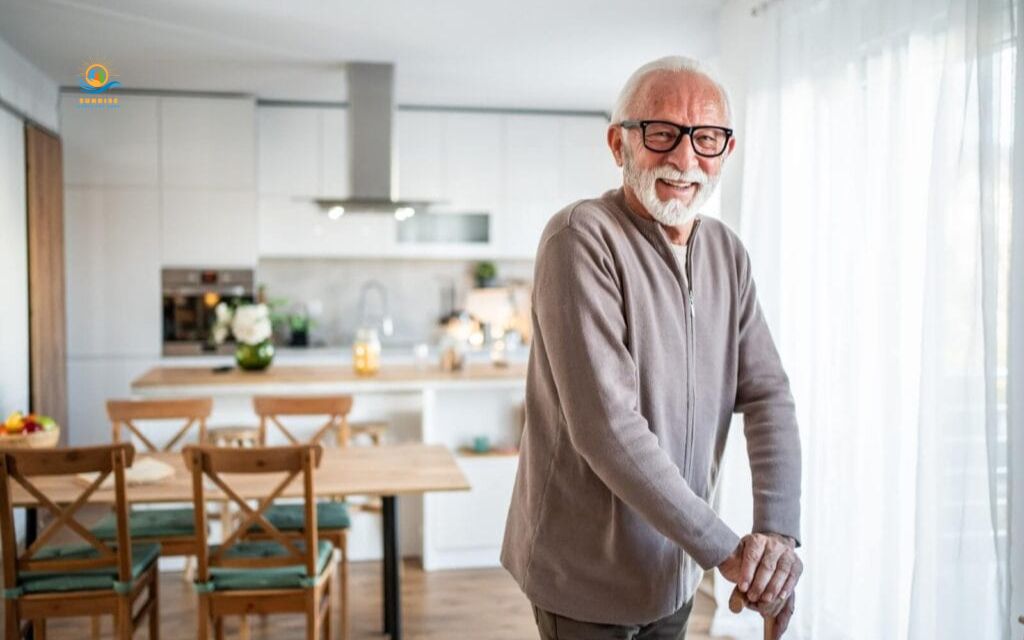
Most people hope to stay in the home they know best as the years go by. According to AARP, about 75% of adults age 50 and older say they want to remain in their current home for as long as possible.
Home modifications for aging in place make that goal more realistic. The right changes can reduce fall hazards, make daily tasks easier, and leave room for shifting mobility needs. Some are simple and inexpensive, while others involve real construction, so knowing where to start matters.
This guide covers the changes that matter most in each room, how to sort quick fixes from larger projects, what modifications may cost, and where financial help may be available.
Understanding home modifications for aging in place
Aging in place means continuing to live in your own home as you get older instead of moving to a care setting. It is one part of a larger picture that also includes in-home care, medical support, and technology, and the house itself matters because it shapes safety every day.
Falls show why modifications matter. The CDC notes that about 1 in 4 older adults falls each year, and many risk factors can be changed. The most effective home modifications for aging in place start with bathroom supports, better lighting, clear paths, and secure railings, then add wider doorways, ramps, or stair lifts as mobility needs grow.
Why planning ahead matters
The NIA advises thinking about aging in place before you need a lot of care. Early planning lets you make decisions while you are still able to weigh every option, and it leaves time to set up the home for changing needs.
Health plays a role too. The NIA suggests considering conditions such as diabetes or heart disease and how they could affect getting around later, then talking with a health care provider. Because needs change, it also recommends revisiting the plan over time.
Planning aging in place home modifications early also spreads out the cost. Small changes can be added gradually, while a rushed renovation after a fall or hospital stay can leave little time to compare quotes or look for financial help.
How to assess your home before making changes
A walk-through is the most practical first step. The NIA offers a home safety checklist worksheet, and the CDC’s STEADI program includes a Check for Safety brochure that covers similar ground. Both help turn a vague sense of risk into a specific list of problem spots.
During the walk-through, look at each area through the eyes of the person who lives there and check the following.
- Movement: Watch how the person enters the home, climbs stairs, gets in and out of the shower, and walks at night. Places where they slow down, hesitate, or steady themselves on furniture often point to a hazard.
- Lighting: Check hallways, stairs, and entrances for dim spots. Low light makes steps and obstacles harder to see, and the CDC recommends adding more or brighter bulbs.
- Floors: Look for loose rugs, cords, clutter, and uneven thresholds, which are common trip points.
- Reach: Note items that require stretching, bending, or climbing on a step stool, such as high shelves and low cabinets.
- Exits: Confirm that smoke alarms work and that a clear path leads out of every room.

Essential home modifications for seniors
Bathroom modifications for seniors
Bathrooms combine wet surfaces, hard fixtures, and tight spaces, which makes them a strong starting point. The following changes address the most common trouble spots:
- Walk-in shower: Replacing a tub with a low-threshold or curbless shower removes the high step over the tub wall. For future wheelchair use, a roll-in design with a wide entry and a fold-down seat gives more room to maneuver.
- Grab bars: The CDC recommends bars inside and outside the tub or shower and beside the toilet. Anchoring them into wall studs or solid blocking matters, because bars fastened only to tile or drywall can pull loose under body weight, and towel bars are not built to carry it.
- Raised toilet seat: Raised seats and comfort-height toilets reduce how far the knees and hips must bend when sitting and standing. Grab bars or rails beside the toilet give a place to push up from.
- Non-skid surfaces: Non-skid mats or adhesive strips inside the tub or shower and on the floor next to it improve traction on wet surfaces. Choose products that lie flat, since curled edges can become trip points.
- Shower seat: Sturdy seats or built-in benches let a person sit while washing, which helps when balance or stamina is limited.
- Handheld showerhead: Handheld units on a slide bar allow seated bathing and let a caregiver rinse without the person standing. They suit people with limited mobility especially well.
- Room to maneuver: For walker or wheelchair users, plan clear floor space in front of the toilet, sink, and shower so there is enough room to turn and transfer safely.
Kitchen modifications for seniors
Kitchens involve reaching, lifting, heat, and long periods of standing, so kitchen changes focus on comfort, reach, and fire safety:
- C-shaped or D-shaped handles: Loop-style pulls can be hooked with a few fingers or a full hand, which helps when grip strength is limited and small round knobs are hard to turn.
- Varied counter heights: Including a lower section of counter allows chopping and mixing while seated, while standard-height counters remain available for standing tasks.
- Sink height: Raising the sink can reduce bending for someone who stands while washing dishes. Open space underneath a sink lets a wheelchair user roll close instead.
- Working smoke alarms: Test alarms on a regular schedule and replace batteries when needed. Adding a carbon monoxide alarm makes sense when gas appliances are used.
- Lower shelves: Moving daily dishes, pots, and food to waist-to-shoulder height removes the need for step stools, which can be unstable to climb.
- Temperature-controlled cookware and appliances: Cookware with built-in temperature control and stoves with automatic shut-off reduce the chance of overheating if attention drifts. Induction cooktops also heat the pan directly instead of using an open flame or exposed coil.
- Pull-out shelves: Roll-out trays in deep cabinets bring items forward, which cuts down on crouching and reaching into dark corners.
Bedroom modifications for seniors
Bedrooms matter because nighttime trips to the bathroom happen when people are sleepy and lighting is low. Small changes can make those trips safer:
- Bed height: When sitting on the edge of the bed, the feet should rest flat on the floor. Beds that are too low or too high make standing up harder and more tiring.
- Reachable lighting: Lamps or touch-controlled lights within arm’s reach of the bed remove the need to cross a dark room to find a switch.
- Clear path: Keeping the route from bed to bathroom free of furniture, cords, and clutter gives a walker or cane room to move.
- Emergency access: Keeping a phone or medical alert device within reach of the bed means help can be called after a fall without getting up.
- Closet and storage: Placing frequently worn clothes at chest to waist height limits reaching overhead and bending to floor level.
Stairs, hallways, and entrances
Steps are where a stumble can turn into a serious fall, so stairs and entrances deserve careful attention. Hallways matter as well, since they link every room:
- Handrails on both sides: The CDC recommends railings on both sides of stairs. Sturdy, firmly attached rails give a secure hold in either direction, and the NIA lists loose railings as an immediate danger to fix.
- Switches at both ends: Light switches at the top and bottom of stairs mean nobody has to climb or descend in the dark.
- Step visibility: High-contrast strips on stair edges and non-slip treads help the eyes find each step and improve footing.
- Entrance lighting: Motion-activated lights at doors and steps illuminate the approach without needing a switch, which helps when the hands are full.
- Level thresholds: Low or removable thresholds reduce the toe-catch point at doorways, especially for people who shuffle or use walkers.
- Clear hallways: Keeping hallways free of furniture, cords, and clutter leaves room for a cane, walker, or wheelchair.
- Ramp or no-step entry: If steps are the only way in, a ramp may be needed, as described in the larger renovations section.
General home modifications for seniors
Some changes apply throughout the home rather than to a single room. These improve visibility, ease of use, and walking paths everywhere:
- Bedroom night lights: Plug-in or motion-activated lights near the bed and bathroom door help during nighttime trips, when eyes may need longer to adjust to low light.
- Pathway night lights: Lighting along routes between the bedroom, bathroom, and kitchen keeps obstacles visible without turning on bright overhead lights.
- Wider doorways: Doorways around 36 inches wide make room for walkers and wheelchairs to pass through comfortably, since standard door frames and hardware reduce usable width.
- Lever door handles: Levers can be pushed down with a palm, forearm, or elbow, so they do not require the gripping and twisting that round knobs do.
- Rocker light switches: Large flat panels can be pressed with a palm or fist. Versions that glow in the dark are easier to find at night.
- Lighting in dark spaces: Closets, pantries, and utility areas are often unlit, and adding lights makes items and edges visible.
- Removing throw rugs: Loose rugs can slide, and curled corners catch toes or walker legs. Clearing away trip hazards is a step the CDC recommends, and taking rugs out is the simplest way to do it.
Special home modifications for seniors with Alzheimer’s
Alzheimer’s disease and other dementias add risks that standard modifications do not fully cover, including confusion in familiar spaces and wandering.
The changes below are commonly recommended by the NIA and the Alzheimer’s Association, and the right mix depends on the person and the stage of the disease:
- Door chimes and alarms: Smart doorbells, bells hung above the door, or alarms that sound when a door opens alert caregivers early.
- Concealed door hardware: Covering doorknobs with cloth that matches the door, placing deadbolts high or low out of the line of sight, or hanging a curtain across a door can make exits less noticeable.
- Restricted access to hazardous rooms: Safety covers on knobs can keep someone out of spaces such as a workshop or basement. Never lock a person in at home, since any device used this way should still allow a quick exit in an emergency.
- Kitchen and household hazards: The NIA suggests safety knobs and an automatic shut-off switch for the stove, along with locking away cleaning products and similar items.
- Visible bathroom supports: Grab bars in a color that contrasts with the wall are easier to see, according to the NIA.
Changes to the home can also be unsettling. People in the early stage of Alzheimer’s may react to a rearranged space with confusion or irritation, so talking through each change beforehand and introducing them gradually may help.
Because safety needs shift as the disease progresses, it helps to review the home with the person’s health care team on a regular basis.
Simple upgrades vs. larger renovations
Low-cost changes to make first
Many home modifications for aging in place are quick and affordable, and most can be done in a day without a contractor:
- Brighter lighting: Higher-output bulbs, plug-in night lights, and motion lights improve visibility on stairs, in hallways, and along bathroom routes.
- Trip hazard removal: Clearing loose rugs, cords, and clutter costs only time and removes some of the most common tripping hazards.
- Hardware swaps: Lever handles, D-shaped pulls, and rocker switches replace items that need tight gripping or twisting.
- Bathroom basics: Non-skid mats, a shower seat, a handheld showerhead, and a raised toilet seat cover the bathing and toileting routine, usually at a modest cost.
- Rearranging: Moving daily items to reachable heights and opening clear walking paths costs nothing.
When larger renovations may be necessary
Renovation becomes worth considering when the layout of the home itself blocks safe daily use. The signs below suggest it may be time:
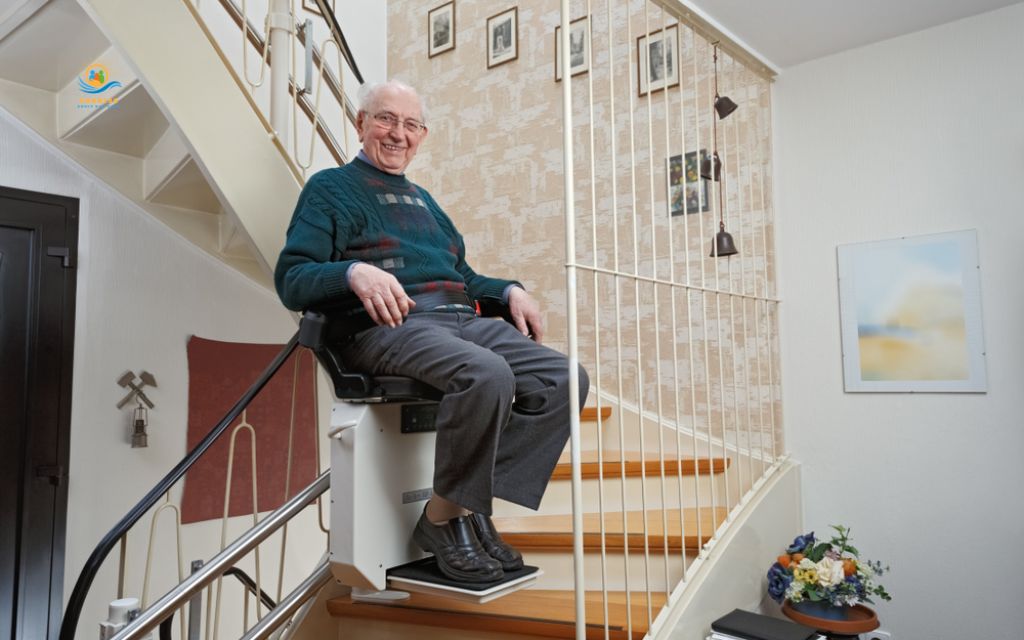
- Unsafe stairs: Stair lifts, or a bedroom and bathroom on the main floor, can keep the whole home usable when climbing becomes risky.
- Entry steps: Ramps or no-step entries become necessary when steps block a walker or wheelchair. A ramp needs a gradual slope rather than a steep one, so taller entryways need longer ramps.
- Bathrooms that cannot adapt: Converting a tub to a walk-in or roll-in shower, or widening the door, may be the only way to keep bathing safe as mobility changes.
- Narrow doorways and halls: Widening them gives walkers and wheelchairs room to pass.
The table below compares the 2 levels of change for common needs:
| Need | Simple upgrade | Larger renovation |
| Bathing | Non-skid mat, shower seat, handheld showerhead | Walk-in or roll-in shower |
| Stairs | Handrails on both sides, brighter lighting | Stair lift or main-floor bedroom and bathroom |
| Entry | Portable threshold ramp for a low step | Permanent ramp or no-step entry |
| Doorways | Clear path, lever handles | Widened doorways |
Financial assistance for home modifications
No single program covers everything, and home modifications for the elderly often depend on layering several sources. The options below are worth checking, though rules and amounts differ by program and state:
- Medicare: Original Medicare generally does not cover home modifications such as ramps or widened doors, and it treats items like grab bars and raised toilet seats as comfort or convenience purchases rather than medical necessities. Some Medicare Advantage plans offer limited extras, so review plan details.
- Medicaid: Many states offer home and community-based services waivers that may pay for ramps, grab bars, or widened doorways for people who qualify. Eligibility rules, spending limits, and waiting lists vary by state, so the state Medicaid agency or local Area Agency on Aging is the best place to ask.
- Veterans benefits: The VA offers grants for medically necessary home modifications, with larger grants available to veterans who have certain service-connected disabilities. A prescription from a VA provider is typically required to apply.
- USDA Section 504: For eligible rural homeowners with very low incomes, USDA Rural Development offers home repair loans, and homeowners age 62 and older who cannot repay a loan may qualify for a grant instead. A grant generally must be repaid if the home sells within a few years of receiving it.
- Local programs: Area Agencies on Aging and nonprofits such as Rebuilding Together may offer free or low-cost installation of items like grab bars and ramps, depending on the community. The Eldercare Locator, a federal service, can connect callers to the local agency.
When to hire a contractor or accessibility professional
Simple jobs such as installing night lights, swapping door handles, and clearing clutter suit most households. Work involving structure, plumbing, electrical wiring, or ramps is different, since mistakes can affect safety and a poorly installed grab bar can fail when it is needed.
3 types of professionals can help, depending on the project:
- Occupational therapist: Evaluates how a person moves and completes daily tasks at home, then recommends changes matched to current abilities and likely future needs. The recommendation may also support applications for programs that require documentation.
- Certified Aging-in-Place Specialist (CAPS): Holds a credential from the National Association of Home Builders earned by completing 3 courses on aging-in-place design. Holders are often remodelers, designers, or architects. The credential shows specialized training but does not replace a state contractor license.
- Licensed general contractor: Handles structural work such as widening doorways, building ramps, and converting bathrooms, including permits where required.
When comparing contractors experienced in aging-in-place home modifications, verify the license with the state board, ask for proof of liability insurance, request references from similar projects, and collect written quotes from at least 3 companies.
Programs that fund modifications may require licensed contractors or multiple bids, so check requirements before signing a contract.
Conclusion
The most effective home modifications for aging in place make a home safer to move through, easier to use, and less physically demanding. Starting with lighting, clear floors, bathroom supports, and secure railings addresses common fall hazards without a large budget.
After changes are made, review how they work in daily life and adjust as needed. The person living in the home knows best which changes feel helpful and which get in the way, so their feedback should guide each next step.
Home changes are one part of staying independent, and time spent with others is another. Sunrise Adult Daycare in Denver, Colorado, is a daytime, non-residential adult day program that offers older adults a place to spend part of the day while they continue living at home. To learn more, call 303-226-6882.
Frequently asked questions (FAQs)
Does Medicare pay for home modifications?
Original Medicare generally does not cover home modifications such as ramps or widened doorways, and it does not pay for comfort or convenience items like grab bars. It may cover certain durable medical equipment, such as hospital beds, when a doctor prescribes it for medical need. Some Medicare Advantage plans offer limited benefits.
What home modifications help seniors the most?
The most helpful home modifications for aging in place are the ones that address the biggest fall risks first, since falls are a leading cause of injury for older adults. Bathroom supports such as grab bars and non-skid mats, better lighting, clear walking paths, and secure stair railings tend to make the biggest difference before larger renovations are considered.
How much do home modifications for aging in place cost?
Costs vary widely by scope. Inexpensive fixes like grab bars, lever handles, and better lighting typically cost far less than larger projects such as a bathroom remodel, a permanent ramp, or a stair lift. Location, materials, and labor rates all affect the total, so written quotes from a few contractors give the clearest picture for a specific home.
Is there a program for seniors to remodel bathrooms?
Some programs can help cover bathroom modifications, though none apply to everyone. Medicaid waivers, VA grants for qualifying veterans, and USDA Section 504 loans and grants for eligible rural homeowners are common sources, and some Area Agencies on Aging offer no-cost bathroom safety installations. Eligibility varies by state, so check directly with each program.
What is universal design, and how does it relate to aging in place?
Universal design is an approach that makes a home usable for people of all ages and abilities, with or without functional limitations. Features such as no-step entries, lever handles, and wide doorways serve this goal. Building them in early may reduce the need for major changes later
Can someone with dementia stay at home safely with modifications?
Aging in place modifications may reduce some risks, such as falls, wandering, and kitchen hazards. Safety also depends on the stage of the disease and on available supervision, and the NIA advises not leaving a person with a history of wandering unattended. A health care provider can help decide which supports fit.
What age is considered elderly?
There is no single age that defines elderly, since health and mobility vary widely between people. Many organizations use 65 as a general reference point for older adults, though needs can differ well before or after that age. Home modifications for aging in place are usually planned around a person’s actual abilities rather than a specific birthday.