Skip to content
Staying active is one of the most powerful things an older adult can do for their health. However, joint pain, limited mobility, fear of falling, and low energy are real concerns that make traditional workouts feel unsafe or discouraging.
Staying healthy and active does not require intense or strenuous exercise. Low-impact activities for seniors are designed to be gentle on the body while still delivering meaningful benefits. Whether you are an older adult looking for a safe way to stay moving, or a caregiver searching for structured, enjoyable options for a loved one, this guide offers 14 gentle, easy-to-start activity ideas that seniors truly love.
What are low-impact activities for seniors?
Low-impact activities are forms of movement and engagement that are easy on the joints, minimize injury risk, and are appropriate for older adults across a wide range of physical abilities. Unlike high-impact exercises such as running or jumping, low-impact activities prioritize slow, controlled movement, stability, and safety.
Low-impact does not mean low-benefit. Even gentle movement and meaningful activity deliver real, lasting improvements to physical health, mental well-being, and overall quality of life.
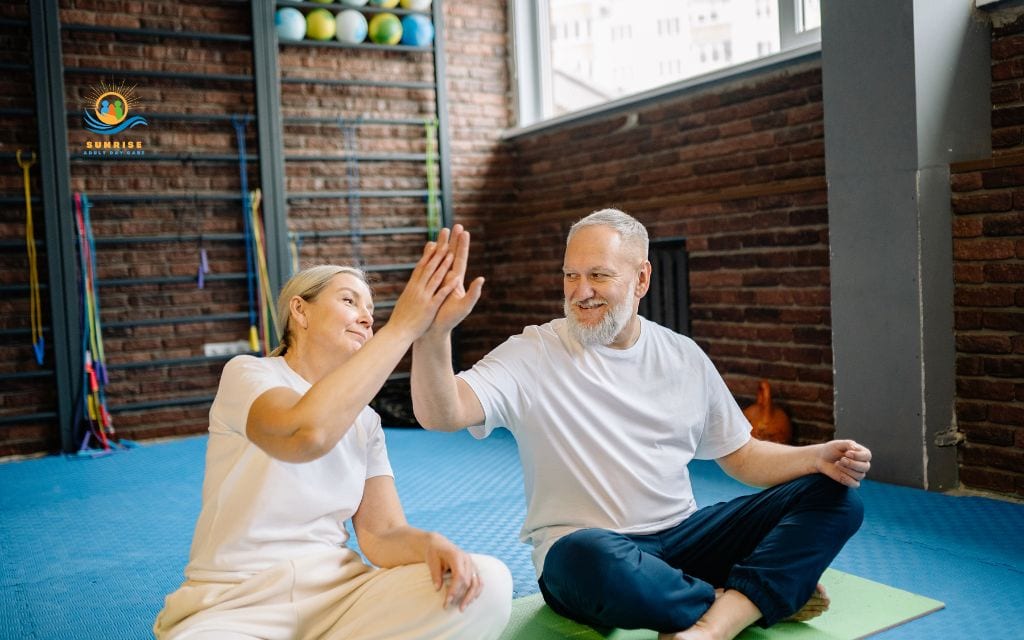
Benefits of low-impact activities for seniors
Improve mobility and flexibility
Regular low-impact movement helps keep joints fluid and muscles supple. Gentle stretching, yoga, and seated exercises can gradually improve flexibility and make everyday tasks – such as reaching, bending, and turning – feel easier and less painful. Consistent movement is one of the most effective tools available for preserving independence as the body ages.
Support heart health (low-impact cardio)
Low-impact cardio for seniors – such as walking, chair marching, or water aerobics – gently elevates the heart rate and supports cardiovascular health without placing excessive stress on joints or bones.
According to the Centers for Disease Control and Prevention (CDC), regular physical activity helps reduce the risk of heart disease, high blood pressure, and stroke in older adults. Even moderate, consistent movement adds up to significant long-term benefits for the heart and circulatory system.
Reduce risk of falls and injuries
Falls are one of the leading causes of injury among older adults. Low-impact exercises that focus on balance and coordination directly address the muscle weakness and poor balance that make falls more likely. The CDC notes that regular physical activity can significantly reduce fall risk in seniors, helping them remain safe and independent at home and in the community.
Boost mood and mental well-being
Low-impact exercise stimulates the release of endorphins – natural brain chemicals that reduce feelings of anxiety, depression, and stress. For older adults who may be navigating loneliness, grief, or the emotional weight of aging, consistent activity offers a natural and enjoyable way to lift spirits, improve sleep quality, and restore a sense of purpose and energy in daily life.
Encourage social interaction
Many low-impact activities offer valuable opportunities for social connection. Staying socially engaged is linked to better mental health, reduced cognitive decline, and an overall higher quality of life. For seniors who live alone or feel isolated, joining a group activity is not just enjoyable, it can be life-changing.
14 gentle low-impact activities for seniors
From gentle cardio to creative group activities, the following 14 options cover a wide range of needs, abilities, and interests so every senior can find something that feels right for them.
Low-impact cardio activities
Walking (Indoors or Outdoors)
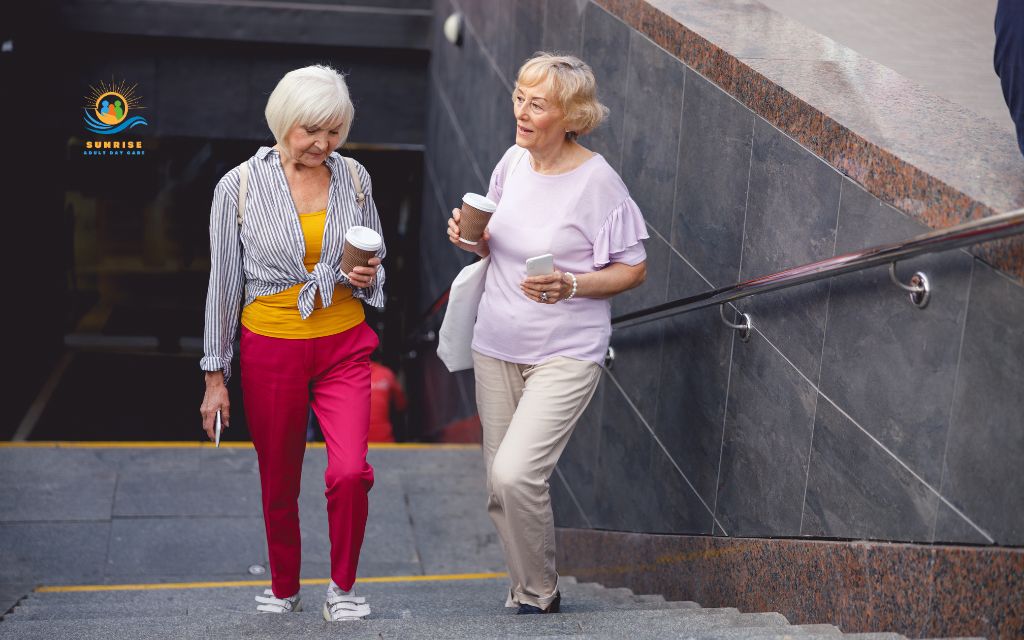
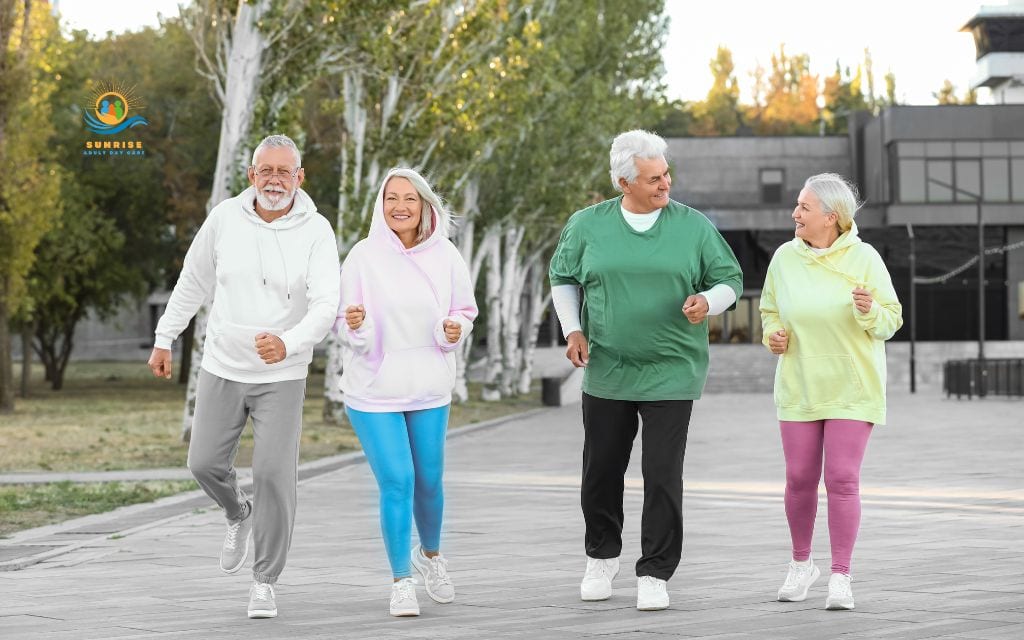
Walking is the most recommended low-impact senior workout available. It requires no equipment, no gym membership, and no special training. Whether it is a gentle stroll through a neighborhood park, a lap around the block, or a few turns down a hallway, walking improves circulation, strengthens leg muscles, and uplifts mood.
Chair marching
Chair marching is one of the best low-impact activities for seniors with limited mobility or balance concerns. Seated in a sturdy chair, the individual alternates lifting each knee in a controlled, rhythmic motion, mimicking the movement of walking while staying safely seated.
This simple exercise gets the blood flowing, gently works the hip flexors and core, and can be done anywhere, anytime. It is an excellent entry point for seniors who are beginning a more active routine.
Light dancing
Whether it is a slow waltz, a gentle line dance, or simply swaying to a favorite song, dancing engages the whole body, improving cardiovascular health, balance, coordination, and flexibility all at once.
It also stimulates the brain, as remembering steps and moving with rhythm requires focus and memory. Group dance sessions add a fun, social dimension that many seniors genuinely look forward to each week.
Water aerobics
Water aerobics is widely recognized as one of the most joint-friendly forms of low-impact cardio for seniors. The natural buoyancy of water reduces stress on the joints and spine, making it ideal for those with arthritis, osteoporosis, or post-surgical recovery needs.
At the same time, the water’s gentle resistance strengthens muscles more effectively than many land-based alternatives. Many community pools and senior centers offer guided water aerobics classes with certified instructors, making it both safe and enjoyably social.
Strength and stability activities
Chair exercises
Chair exercises are a highly adaptable category of low-impact senior workout. From seated leg raises and arm circles to gentle core twists and shoulder rolls, chair-based exercises improve strength, circulation, and range of motion without the fall risk of standing exercises.
Light resistance training (bands or light weights)
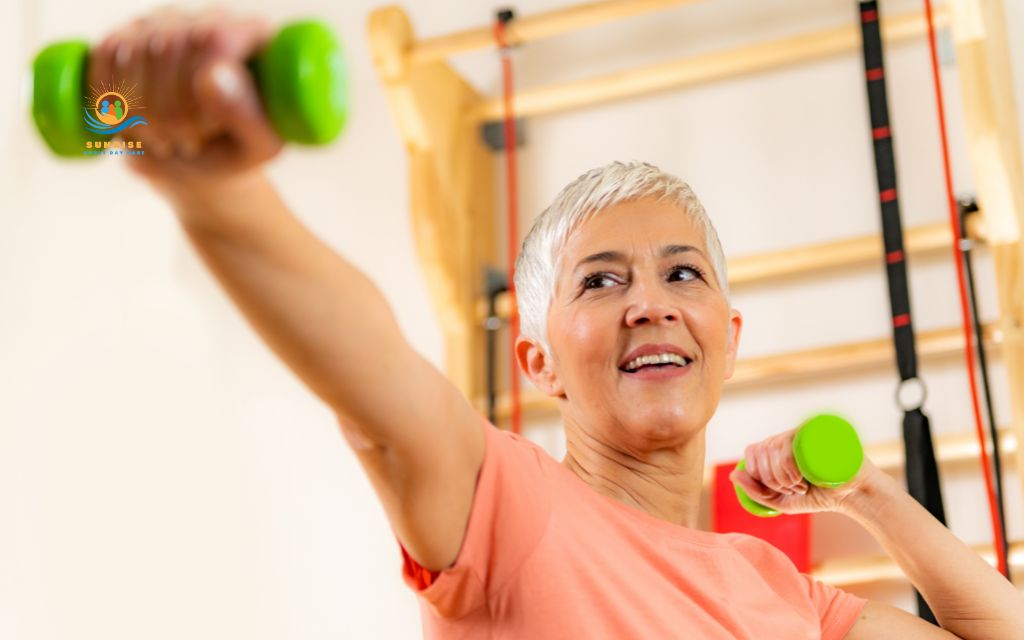
Building and maintaining muscle mass becomes important as adults age, yet many seniors avoid strength training out of concern about injury. Light resistance training using elastic resistance bands or small dumbbells (1 to 3 pounds) offers a safe, effective way for older adults to build strength gradually.
Exercises such as bicep curls, shoulder presses, and seated rows can be performed while seated or standing with support, making this form of low-impact exercise for seniors both versatile and accessible.
Sit-to-stand practice
Sit-to-stand practice may sound deceptively simple, but the ability to rise from a chair safely and independently is a strong predictor of overall mobility and quality of life.
Practicing this movement strengthens the quadriceps, glutes, and core, while reinforcing the neuromuscular patterns that protect against falls. It can be performed multiple times a day with no equipment at all.
Flexibility and stretching activities
Gentle stretching
Gentle stretching is a foundational low-impact activity for seniors that supports flexibility, reduces muscle tension, and improves posture.
Targeting the neck, shoulders, lower back, hips, and legs, a regular stretching routine can ease common aches and pains, improve range of motion, and make daily activities feel more comfortable.
Stretching is most effective when done slowly, held for 20 to 30 seconds per position, and performed consistently, ideally as part of a daily morning or evening routine.
Yoga for seniors
Senior-adapted yoga combines gentle stretching, breath awareness, and mindful movement in a format designed for older bodies. Chair yoga makes the practice accessible even for those with limited mobility or balance concerns.
Beyond physical flexibility, yoga supports mental clarity, stress reduction, and emotional resilience. Many seniors report that regular yoga practice helps them sleep better, feel calmer, and approach daily challenges with greater ease.
Tai Chi
Tai chi is an ancient Chinese practice involving slow, flowing movements, deep breathing, and meditative focus. It is one of the most researched low-impact activities for seniors, with strong evidence supporting its role in improving balance, reducing fall risk, easing arthritis symptoms, and enhancing overall well-being.
Because it requires no equipment and can be practiced indoors or outdoors, tai chi is a practical and enjoyable option for older adults at nearly every fitness level.
Balance and coordination activities
Heel-to-toe walking
Heel-to-toe walking, also known as tandem walking, involves placing one foot directly in front of the other with each step so the heel of the leading foot touches the toe of the back foot. This controlled, focused walking style challenges and strengthens balance and coordination in a low-impact, safe way.
Standing balance exercises (with support)
Simple standing balance exercises, such as single-leg standing, side leg raises, and hip extensions, can be performed while holding the back of a sturdy chair or a countertop. These movements target the muscles and neural pathways responsible for maintaining stability during everyday activities such as walking, turning, and transitioning between sitting and standing.
Recreational and social activities
Gardening (light tasks)
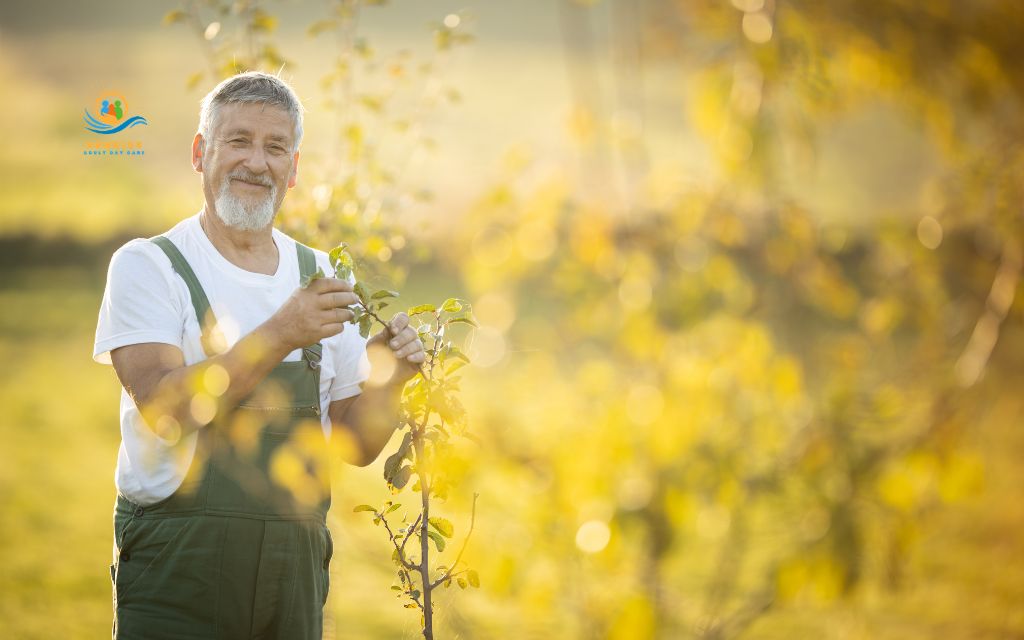
Gardening is a wonderful low-impact activity for seniors. Light gardening tasks such as planting, watering, weeding, and harvesting involve reaching, bending, gripping, and walking, all of which contribute to daily physical activity in an organic, enjoyable way.
Time spent outdoors also provides exposure to natural light, which supports vitamin D levels and a positive mood. For seniors who cannot garden outdoors, container gardening or tending indoor plants offers similarly rewarding experiences.
Group activities (games, classes, and clubs)
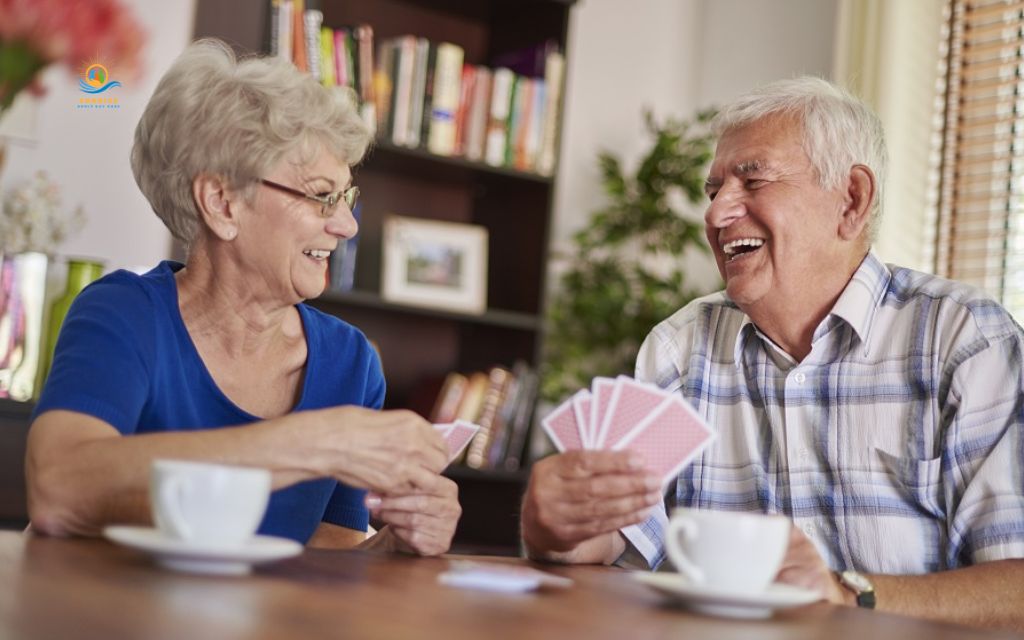
Structured group activities including board games, card games, trivia, art classes, music sessions, and themed social events provide seniors with mental stimulation, laughter, and meaningful social connection.
While these activities may not be traditional “exercise,” they engage cognitive function, reduce feelings of loneliness, and contribute to emotional well-being in ways that support overall health.
In adult day programs and senior centers, group activities are a cornerstone of daily programming because they keep participants engaged, happy, and connected.

How to choose the right activity
Consider mobility level
The most important starting point when choosing a low-impact activity is an honest assessment of the senior’s current mobility and physical limitations.
Seniors with arthritis, recent surgery, chronic pain, or balance difficulties will benefit most from seated, supported, or water-based activities. Those with greater mobility may be ready for walking programs, yoga, or light resistance training.
A conversation with the senior’s physician or a physical therapist can help identify the safest and most appropriate starting point.
Start slow and build gradually
Even with low-impact activities, it is important to begin at a gentle pace and allow the body time to adapt. Starting with just 5 to 10 minutes of activity per day and gradually increasing duration and frequency over several weeks reduces the risk of soreness, fatigue, or injury.
Progress does not need to be dramatic, small, consistent improvements over time lead to meaningful long-term gains in strength, balance, and endurance.
Focus on enjoyment, not intensity
Sustainability is the most important factor in any senior activity plan. An activity that a senior enjoys is one they will keep doing and consistency matters far more than intensity when it comes to low-impact exercise for seniors.
Involve the senior in choosing their activities, honor their preferences, and celebrate participation rather than performance. Joy and engagement are the most reliable predictors of long-term success.
Choose safe, comfortable environments
Safe, well-lit spaces with non-slip flooring, accessible seating, and nearby support structures reduce fall risk and build confidence. Comfortable temperatures, accessible restrooms, and familiar surroundings also help seniors feel at ease.
Whether at home, in a community center, or through an adult day program, prioritizing the environment is a critical component of a safe and sustainable activity plan.
Tips to stay consistent with low-impact exercise
Consistency is the key to seeing real benefits from any low-impact activity program. Here are a few simple strategies that help seniors stay on track:
- Set a simple daily routine. Choosing a consistent time each day for activity – such as morning stretches after breakfast or an afternoon walk – makes it easier to build the habit over time.
- Exercise with a friend or group. Social accountability is a powerful motivator. Seniors who participate in group classes or walk with a companion are significantly more likely to stay consistent than those who exercise alone.
- Track small progress. Keeping a simple log of activity helps seniors recognize their progress and stay motivated. Small wins deserve to be celebrated.
- Keep sessions short. 10 to 20 minutes of gentle activity is enough to deliver real benefits, especially for seniors who are just starting out. Short sessions feel manageable and are far easier to sustain over the long term.
How adult day programs support low-impact activities
For many seniors, the most effective path to consistent, safe, and enjoyable activity is through a structured adult day program. These programs are designed to meet the needs of older adults.
Supervised, safe exercise
Adult day programs employ trained staff and, in many cases, licensed health professionals who can guide seniors through appropriate low-impact activities safely. Supervision ensures that exercises are performed with proper form and that any physical limitations or medical concerns are fully accounted for. This level of professional oversight is valuable for seniors with complex health needs or a history of falls.
Structured daily routines
One of the greatest challenges for seniors who try to stay active at home is maintaining consistency without external structure. Adult day programs provide a dependable daily schedule that incorporates physical activity, social engagement, and cognitive stimulation – making it far easier for seniors to participate regularly without relying solely on self-motivation.
Social interaction and engagement
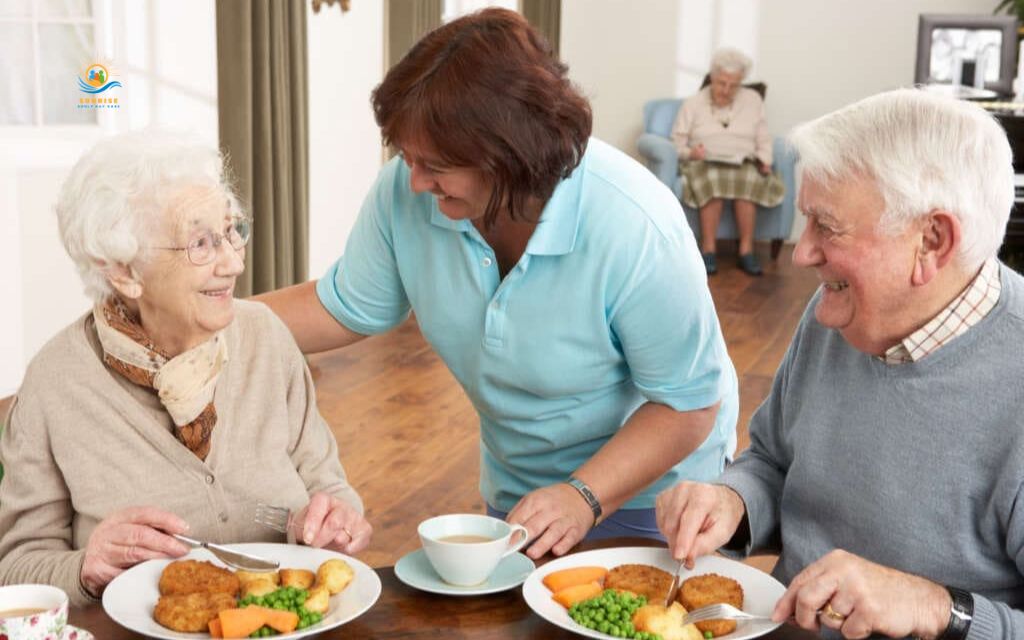
The group setting of an adult day program transforms solitary low-impact activities into shared, social experiences. Seniors who might not feel motivated to stretch or walk on their own often thrive when surrounded by peers, attentive staff, and meaningful daily interaction. Social connection in these environments has been shown to reduce isolation, improve mood, and support cognitive health over the long term.
Access to health support
Many adult day programs offer on-site access to health monitoring, wellness check-ins, medication management, and coordination with healthcare providers.
This means that seniors with chronic conditions can stay active in a setting where their health needs are understood and supported, giving both the seniors themselves and their families greater peace of mind and confidence.
Conclusion
Staying active does not require running a marathon or lifting heavy weights. For older adults, gentle and consistent low-impact activities can make a profound difference, supporting mobility, mood, independence, heart health, and social connection all at once.
Whether it is a daily walk, a gentle yoga class, an afternoon of chair marching, or a lively group game with friends, the right activity makes staying active feel less like a chore and more like a highlight of the day.
The key is finding the right fit and the right environment where seniors can truly thrive. An adult day program may be exactly that environment for your loved one.
Ready to take the next step?
- Explore local senior activity programs in your community.
- Schedule a visit to a nearby adult day center to see their programming firsthand.
- Speak with a care specialist today to find the right fit for your loved one’s needs and goals.
About Sunrise Adult Daycare
At Sunrise Adult Daycare, we believe that every older adult deserves a safe, welcoming space where they can stay active, connected, and truly engaged each day.
Our professionally supervised adult daycare programs are built around the gentle, low-impact activities that seniors love most, all thoughtfully designed to support mobility, mental well-being, and meaningful social connection in a caring, structured environment.
Ready to see the difference a great day program can make?
Contact us today to schedule a complimentary tour and discover how our compassionate team can help your loved one feel their best every single day.
Frequently asked questions (FAQs)
What are the safest exercises for seniors?
The safest exercises for seniors are those that minimize joint stress and fall risk while supporting strength, flexibility, and balance. Chair exercises, gentle stretching, walking, water aerobics, yoga for seniors, and tai chi are consistently recommended by physicians and physical therapists as safe starting points. It is always advisable to consult a healthcare provider before beginning any new exercise program, especially for seniors managing existing medical conditions.
What is low-impact cardio?
Low-impact cardio refers to cardiovascular exercise that keeps at least one foot on the ground at all times, eliminating the jarring joint impact associated with running or jumping. For seniors, effective low-impact cardio options include walking, chair marching, water aerobics, stationary cycling, and light dancing. These activities gently elevate the heart rate, improving cardiovascular fitness without placing undue stress on joints or bones.
Can seniors exercise with limited mobility?
Absolutely. Many low-impact activities for seniors are specifically designed for those with limited mobility. Chair-based exercises, gentle stretching, seated yoga, and chair marching can all be performed while seated, making them accessible to seniors who cannot stand for extended periods, have balance challenges, or are recovering from illness or surgery. The key is choosing activities that match the individual’s current ability and comfort level.
How often should seniors exercise?
The CDC recommends that adults aged 65 and older aim for at least 150 minutes of moderate-intensity activity per week, along with muscle-strengthening activities on 2 or more days per week.
Are group programs better than exercising alone?
For many seniors, group programs offer advantages over exercising alone. Group settings provide social motivation, friendly accountability, professional guidance, and the simple joy of shared experience – all of which make it easier and more enjoyable to stay consistent.