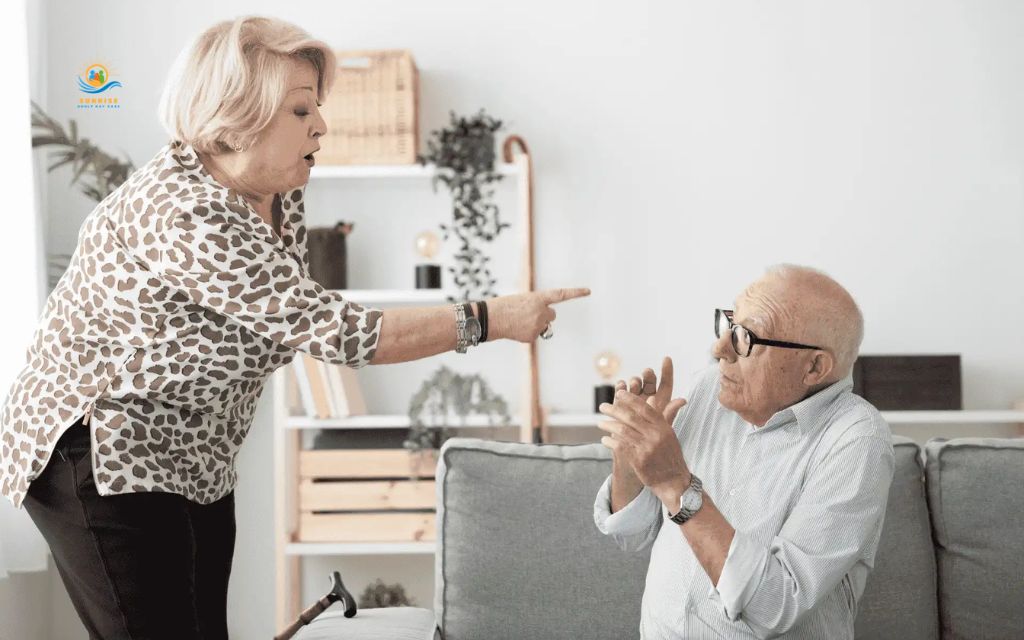
What causes aggression in the elderly: Signs, causes, and solutions

What causes aggression in the elderly

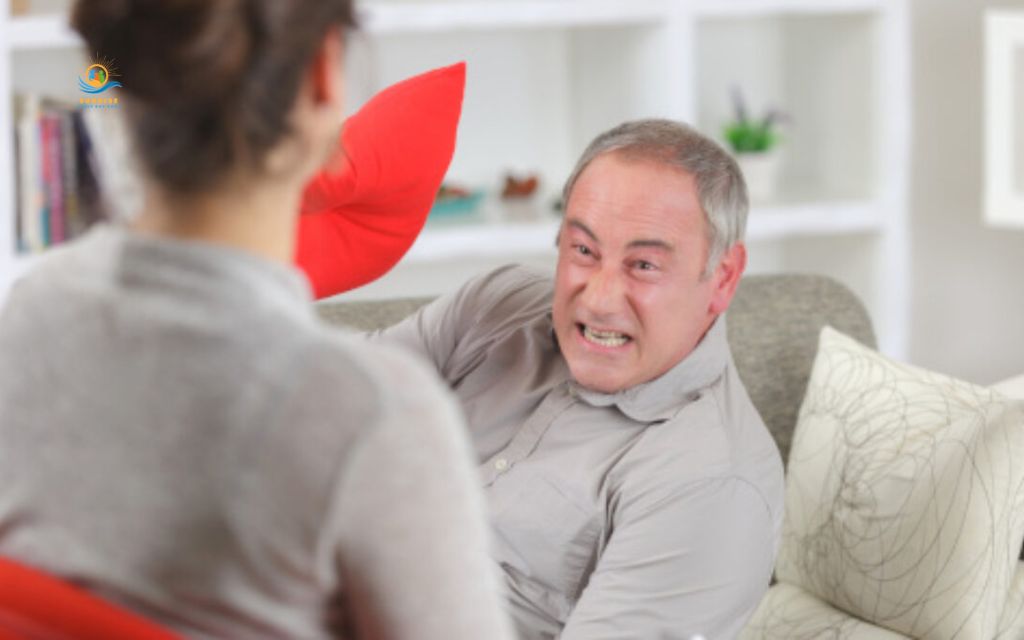
Watching a parent, spouse, or grandparent snap, yell, or even push someone away can feel like watching a stranger take the place of someone you love. It is frightening, confusing, and often deeply painful. Many caregivers find themselves quietly asking why old people get mean, or why a once gentle person now seems unrecognizable. This guide walks through the most common causes of aggressive behavior in the elderly, the warning signs that call for prompt medical attention, and practical, compassionate ways to respond.

Is aggression a normal part of aging?

No, aggression is not a normal or expected part of growing older. While personality can soften or sharpen slightly with age, sudden hostility, hitting, or verbal outbursts almost always point to an underlying medical, cognitive, or emotional cause. Treating aggression as simply “how Dad is now” can delay diagnosis of a treatable problem, so it deserves the same attention as any new physical symptom.

What causes aggression in the elderly: Is aggression a normal part of aging
Is aggression a normal part of aging

What causes aggression in the elderly

Dementia and other cognitive disorders

Dementia, including Alzheimer’s disease, vascular dementia, and Lewy body dementia, is one of the leading causes of aggressive behavior in the elderly. As the disease damages areas of the brain that control judgment and impulse, a person may lash out simply because they cannot express fear, confusion, or discomfort in words. Research suggests that as many as 96 percent of people with dementia display some form of aggression at least once, and those with Alzheimer’s disease may be roughly 5 times more likely to become aggressive than older adults without the condition.

Delirium and infections

Delirium is a sudden state of confusion that can turn a calm person combative within hours. A urinary tract infection is one of the most common triggers, and studies estimate that nearly half of older adults who develop delirium have an underlying infection. Because seniors often do not run a high fever or report classic symptoms, agitation or aggression may be the first noticeable sign that something is medically wrong.

Untreated pain

More than half of older adults live with some form of chronic pain, and many cannot easily describe where it hurts, especially if dementia is also present. Arthritis, dental problems, and pressure sores are common culprits. When touching, dressing, or moving a person triggers pain they cannot verbalize, a reflexive push or shout is often the only way they know how to communicate it.

Medication side effects and interactions

Older adults process medications differently than younger adults, which means side effects can appear even at standard doses. Sedatives, antiseizure drugs, steroids, and some over the counter allergy medications have all been linked to confusion and aggression in seniors. Anyone on multiple medications should have their full list reviewed regularly by a doctor or pharmacist to check for interactions.

우울증과 불안

Depression in older adults often looks different than it does in younger people. Instead of sadness, it can present as irritability, short temper, or angry outbursts. Anxiety works the same way, especially when an older adult feels unable to control their surroundings or communicate their worries clearly.

Neurological conditions

Conditions such as stroke, Parkinson’s disease, and traumatic brain injury can directly affect the parts of the brain responsible for emotional regulation. A stroke in particular can cause sudden personality changes, including irritability and aggression, that appear with little warning and require urgent evaluation.

Sensory impairments

Hearing loss and vision changes can make the world feel unpredictable and unsafe. An older adult with hearing loss may misinterpret quiet conversation as whispering about them, while someone with poor vision may mistake shadows for threats. Both situations can trigger a defensive, aggressive reaction that has nothing to do with intent to harm.

Post-traumatic stress and unresolved trauma

Painful memories, including combat experiences, abuse, or loss, can resurface later in life, particularly as cognitive decline lowers a person’s ability to suppress them. This is one reason veterans and trauma survivors may show new aggressive behavior in their later years, even decades after the original event.

Environmental and routine changes

A move, a hospital stay, an unfamiliar caregiver, or even rearranged furniture can be deeply disorienting for an older adult, especially one with cognitive decline. Overstimulation from loud noise, bright lights, or a crowded room can produce a fight or flight response that looks like sudden anger.

Loss of independence and control

For many seniors, small daily decisions such as what to wear or when to bathe are among the last areas of life they still control. When a caregiver takes over these choices, even with good intentions, the resulting frustration can come out as resistance or aggression. This age related aggression is often less about the specific task and more about the loss of autonomy behind it.

Dehydration, poor sleep, and malnutrition

Dehydration and inadequate nutrition can impair brain function and mood in older adults, sometimes producing confusion that closely resembles delirium. Poor sleep, which becomes more common with age, also reduces a person’s ability to manage stress and regulate emotions, making outbursts more likely later in the day.

What causes aggression in the elderly

Recognizing the signs before things escalate

Catching early warning signs of aggressive behavior in adults can make it easier to intervene before a situation becomes unsafe. Watch for the following:

  • Raised voice or shouting: Sudden yelling that is out of character for the person.
  • Clenched fists or tense posture: Physical signs of building frustration or fear.
  • Refusal to cooperate: Pushing away help with dressing, bathing, or medication.
  • Verbal threats or insults: Language that is uncharacteristically harsh or hostile.
  • Physical acts: Hitting, biting, throwing objects, or grabbing.

When aggressive behavior signals a medical emergency

Not all aggression requires the same response. A gradual increase in irritability over weeks or months may reflect ongoing cognitive decline and should be discussed at the next medical appointment. Aggression that appears suddenly, within hours or a single day, is different and usually points to an acute problem such as infection, a medication reaction, or a stroke.

Seek immediate medical attention if aggression is accompanied by any of the following:

  • Fever or new confusion: Possible signs of infection or delirium.
  • Hallucinations or severe paranoia: Seeing or believing things that are not real.
  • Self-harm or threats of harm: Any statement or action that puts the person or others at risk.
  • Sudden inability to recognize familiar people or surroundings: A marker of acute neurological change.
What causes aggression in the elderly: When aggressive behavior signals a medical emergency
When aggressive behavior signals a medical emergency

How to respond safely during an outburst

When an outburst happens, the goal is to keep everyone safe first and address the cause second:

  • Ensure safety first: Step back if you feel at risk, and call for help if the person cannot calm down.
  • Identify the immediate trigger: Consider whether they are in pain, hungry, tired, or overstimulated.
  • Stay calm and speak simply: Use short sentences such as “you are safe” or “I am here to help.”
  • Redirect rather than argue: Shift attention to a calming activity like music or a short walk instead of trying to reason.
  • Reduce stimulation: Lower noise, dim harsh lighting, and limit the number of people in the room.

Long-term strategies to reduce aggression

Beyond managing individual outbursts, consistent daily structure is one of the most effective ways to reduce elderly aggressive behavior over time. A predictable routine for meals, medication, and rest reduces the disorientation that often triggers agitation. Reviewing medications with a doctor every few months helps catch new interactions before they cause problems.

Meaningful daytime engagement also matters. Older adults who spend their days in a structured, socially connected environment, rather than isolated and understimulated, tend to show fewer behavioral episodes. Programs that offer supervised activities, consistent staff, and social interaction during the day can ease this burden for both the older adult and the family caring for them, while still allowing the person to return home each evening.

What causes aggression in the elderly: Long-term strategies to reduce aggression
Long-term strategies to reduce aggression

When to seek professional help

If aggressive behavior is frequent, worsening, or affecting safety, it is time to involve a professional care team. Start with the person’s primary care provider, who can rule out infection, review medications, and refer to a geriatrician, neurologist, or behavioral health specialist as needed. Keeping a simple log of when outbursts happen, what preceded them, and how long they lasted can make evaluation much faster and more accurate.

결론

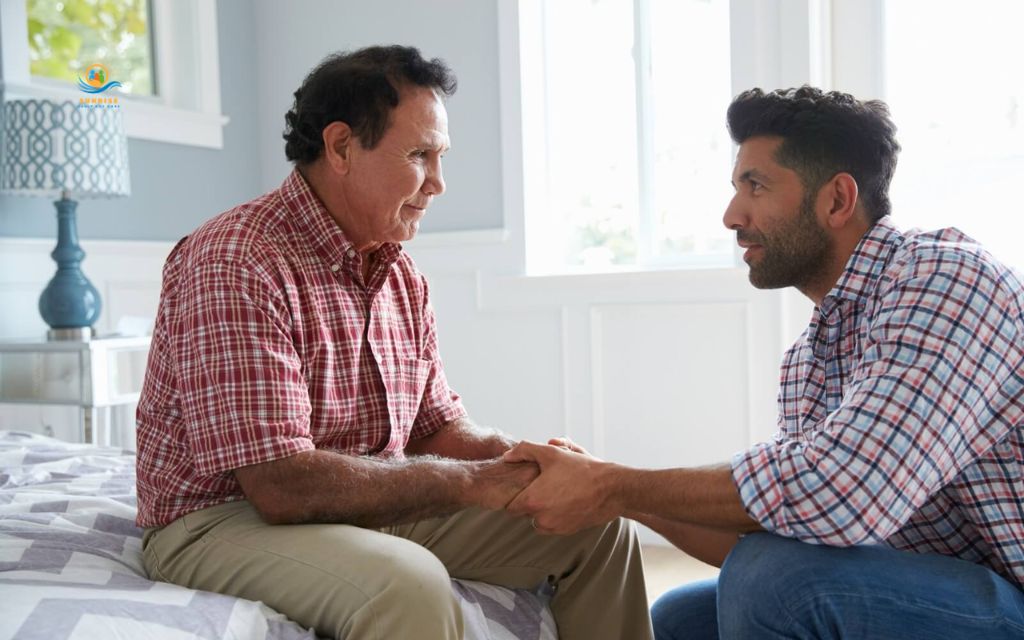
Understanding what causes aggression in the elderly is the first step toward responding with patience instead of fear. In nearly every case, aggressive behavior is the body or brain’s way of signaling pain, fear, confusion, or an unmet need rather than a deliberate choice. Identifying the root cause, working closely with a medical provider, and building a calm, predictable daily routine can make a meaningful difference for both the older adult and the family caring for them.

If you are looking for extra support during the day, 선라이즈 시니어 데이케어 offers a structured, non-residential program in Denver, Colorado, along with 간병인 서비스 designed to give families much needed respite while their loved one enjoys consistent routine, supervised activities, and social connection while allowing them to return home each evening. To schedule a visit, call us at 303-226-6882!

자주 묻는 질문(FAQ)

What is the most common cause of aggression in elderly dementia patients?

Aggression in people with dementia is most often linked to unmet needs the person cannot express, such as pain, hunger, fear, or overstimulation. It can also result from the disease itself affecting judgment and impulse control. A medical evaluation can help rule out treatable causes like infection or medication side effects.

Can a UTI really cause sudden aggression in older adults?

Yes. Urinary tract infections are a well documented cause of delirium in older adults, and sudden confusion or aggression can appear before any other symptom. This is one reason doctors often check for infection first when an older adult’s behavior changes abruptly.

Is aggressive behavior a sign that dementia is getting worse?

Not necessarily. While aggression can occur as dementia progresses, it more often signals an additional, treatable problem such as pain, infection, or a medication issue layered on top of the existing cognitive decline. A new or worsening symptom should always be evaluated rather than assumed to be inevitable.

How can I calm down an elderly parent during an outburst?

Speak slowly in a calm, reassuring tone, and avoid arguing or correcting them in the moment. Reduce noise and distractions, acknowledge their feelings, and try redirecting their attention to a soothing activity. If they cannot calm down or you feel unsafe, step back and seek help.

When should I call 911 for an aggressive senior?

Call 911 if the person is threatening harm to themselves or others, shows signs of a medical emergency such as fever or new confusion, or if you cannot safely manage the situation on your own. Always tell responders if the person has dementia so they can adjust their approach.

관련 게시물

What to bring when moving parent into assisted living checklist

What to bring when moving parent into assisted living checklist

8 최소 읽기Moving a parent into assisted living is one of the biggest transitions ...
old people choking

Old people choking: Causes, warning signs, and prevention

6 최소 읽기Watching a parent or spouse cough, gag, or struggle to swallow during ...
types of walking canes

Types of walking canes: Which one keeps you safest? 

8 최소 읽기Choosing among the many types of walking canes can feel confusing, especially ...
위로 스크롤