When people search for old people sports, they are usually looking for practical answers: which activities are safe, enjoyable, and realistic for an aging body. The phrase itself is common in everyday search language, even though senior care professionals and health organizations more often use terms like sports for seniors, sports for older adults, or sports for elderly individuals.
Aging changes the body, but it does not have to end an active lifestyle. Many sporty old people continue to play, compete, and move well into their seventies, eighties, and beyond, often with a few thoughtful adjustments. This article covers why sports matter for older adults, how to choose the right one, a full list of popular sports for older adults in 2026, safety guidance, and answers to the questions caregivers and seniors ask most.
Why old people sports matter for healthy aging
Physical activity is one of the most effective tools available for healthy aging. According to the Centers for Disease Control and Prevention (CDC), adults aged 65 and older should aim for at least 150 minutes of moderate intensity aerobic activity each week, such as thirty minutes on five days, along with muscle strengthening exercises on two or more days and activities that improve balance. Old person sport options that combine these three elements, movement, strength, and balance, tend to offer the most well-rounded benefit.
Beyond the physical side, sports for elderly adults support:
- Cardiovascular health and lower blood pressure
- Stronger bones and reduced fall risk
- Better balance and coordination
- Sharper memory and cognitive function
- Reduced stress, anxiety, and loneliness
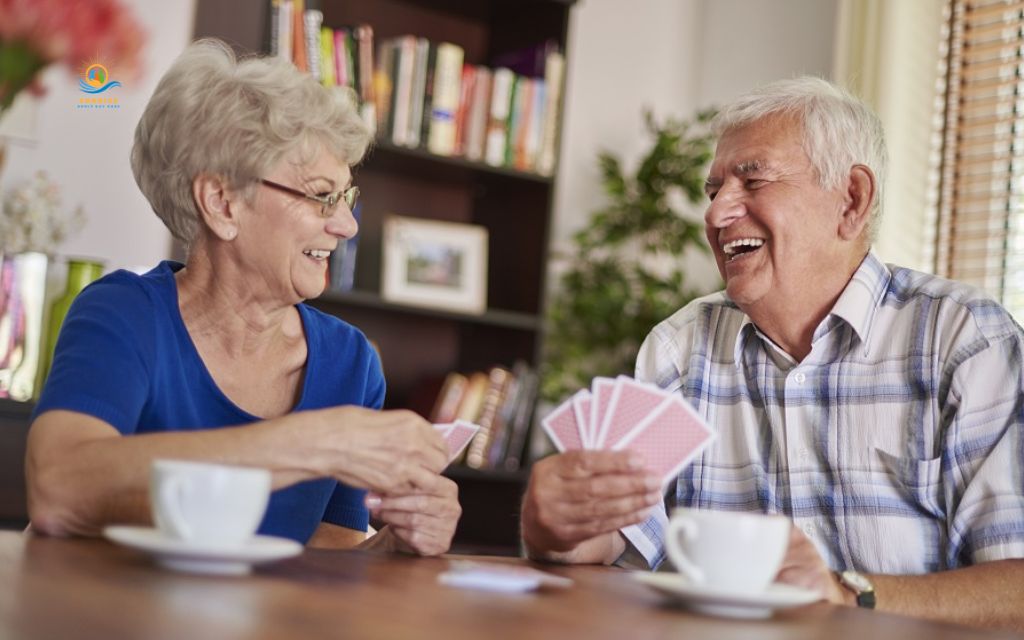
- More opportunities for friendship and social connection
The CDC also notes that regular activity helps older adults maintain independence and manage chronic conditions such as arthritis, diabetes, and heart disease, rather than making those conditions worse. Even seniors with existing health concerns generally benefit from staying active in a way that matches their current ability.

How to choose the right sport for older adults
Not every elderly people sport suits every person. The right choice depends on current health, mobility, and personal taste rather than age alone.
Consider your fitness level and mobility
Someone who has stayed consistently active for years can usually handle more demanding old person sports, such as tennis or cycling. Someone returning to activity after a long break, an illness, or an injury will do better starting with gentler, low-impact options and building up gradually.
Account for chronic health conditions
Arthritis, osteoporosis, balance disorders, and cardiovascular conditions all affect which sports are appropriate. Low-impact activities such as swimming, tai chi, or seated exercise place less strain on joints, while higher impact games like tennis or pickleball may need modification or a doctor’s clearance first.
Match the sport to your personal interests
The best old people sports are the ones a person will actually stick with. Someone who enjoys competition may prefer pickleball or bowling, while someone who values quiet focus may prefer tai chi or golf. Enjoyment drives consistency, and consistency is what produces real health benefits over time.

Popular sports for older adults in 2026
The following list covers some of the most popular sports for older adults in 2026, ranging from gentle and low-impact to more active options. Each one can typically be adapted to different fitness levels.
걷기
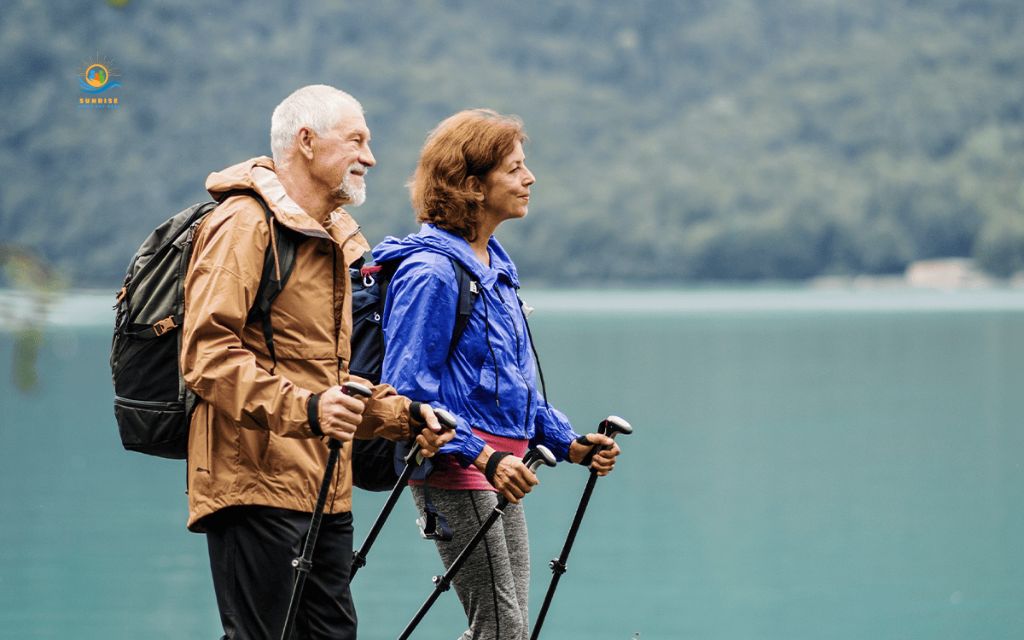
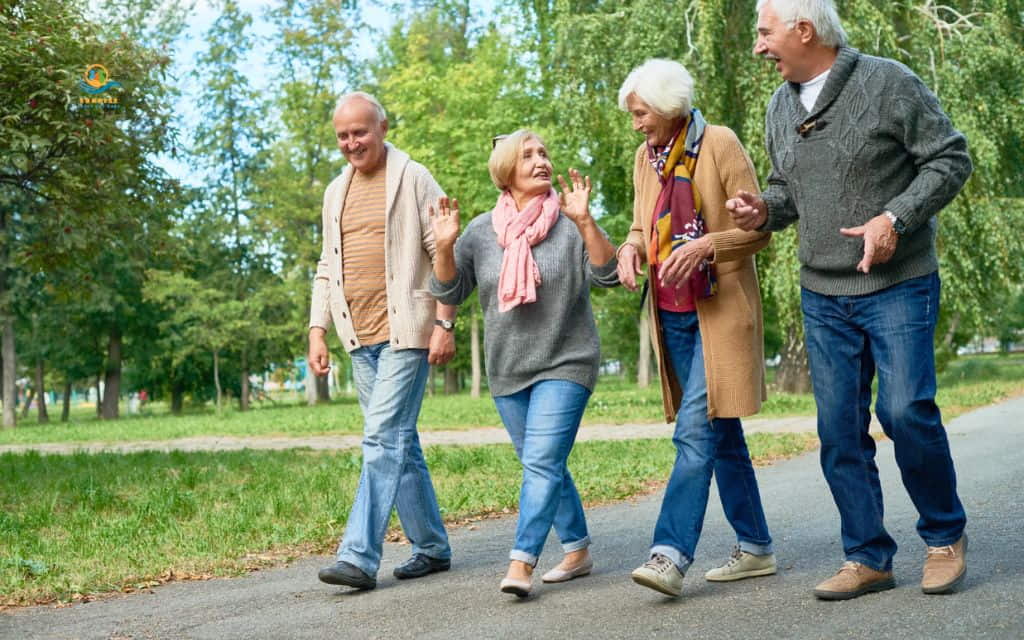
Walking remains the most accessible sport for older adults for a good reason. It requires no equipment beyond supportive shoes, can be done almost anywhere, and builds cardiovascular endurance, bone strength, and balance. Nordic walking, which uses poles for extra stability and upper body engagement, is a good next step for seniors who want a bit more intensity.

Swimming and water aerobics
Water supports body weight and removes pressure from the hips, knees, and spine, making swimming one of the gentlest full-body workouts available. It builds muscle strength, improves flexibility, and provides a solid cardiovascular workout without the joint impact of land based activity. Water aerobics classes add a social, structured format for seniors who prefer group settings.
태극권
Tai chi combines slow, controlled movement with focused breathing. It is widely recommended for older adults because it improves balance, flexibility, and lower body strength while carrying very low injury risk. Many community centers and adult day programs offer tai chi in seated or standing formats.
Yoga
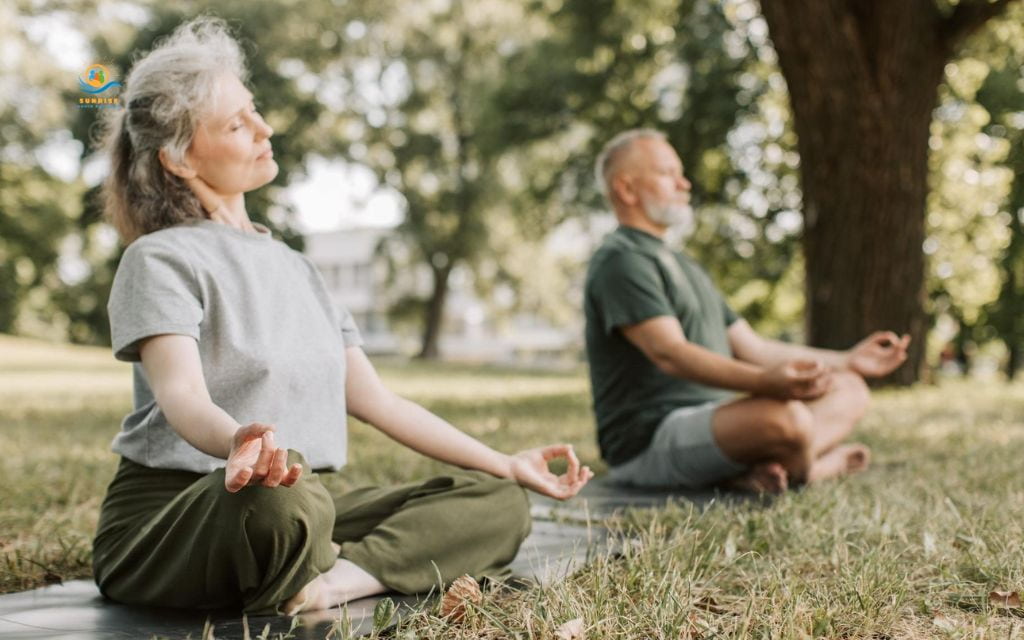
Yoga builds strength, flexibility, and balance while also supporting mental calm and stress reduction. Chair yoga adapts the same poses and breathing techniques for seniors with limited mobility or balance concerns, making it one of the more inclusive old person sport options available.

Chair volleyball and seated sports
For seniors who use a wheelchair or have significant mobility limitations, seated sports offer a way to stay engaged without added fall risk. Chair volleyball, played with a lightweight ball over a lowered net, builds upper body strength, hand-eye coordination, and reaction time while keeping the whole group involved regardless of individual mobility.
Bocce ball, croquet, and lawn bowls
These lawn games combine light physical activity with strategy and socializing. Underhand throwing or rolling motions are gentle on the joints, and the slower pace makes these some of the more approachable sports for seniors who want to stay social without a demanding physical commitment.
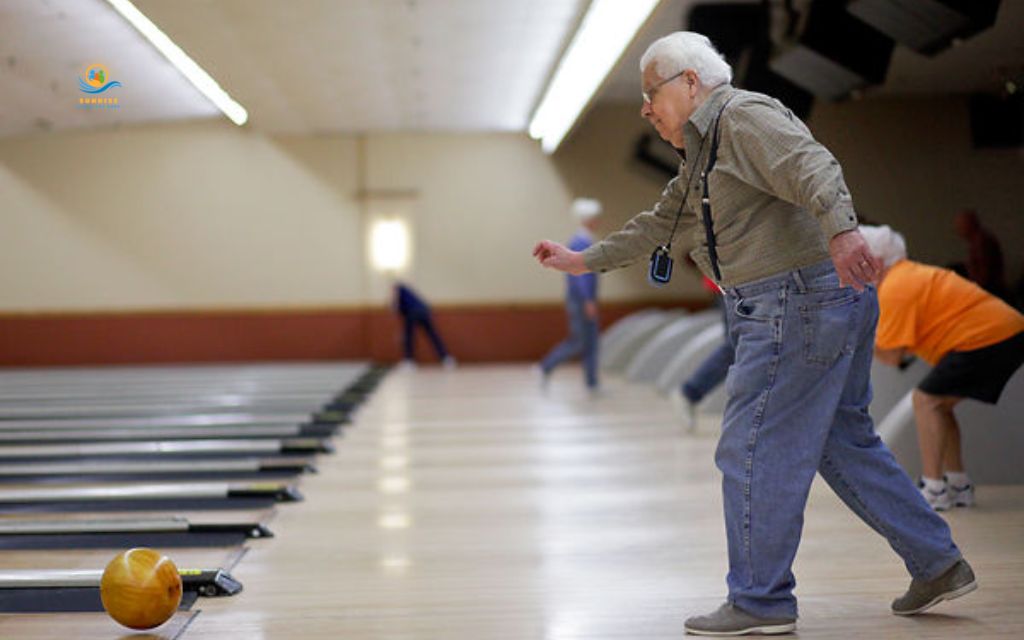
Bowling
Bowling works the arms, shoulders, and core while requiring only moderate walking. It is available indoors year-round, making it a reliable option regardless of weather, and its social, team oriented format appeals to many older adults looking for a regular group activity.

Table tennis
Table tennis, or ping pong, sharpens reflexes, hand-eye coordination, and mental focus. Because the game can be played at a slow, controlled pace, it works well for a wide range of fitness levels and is often used in senior centers to support both physical activity and cognitive engagement.
Golf
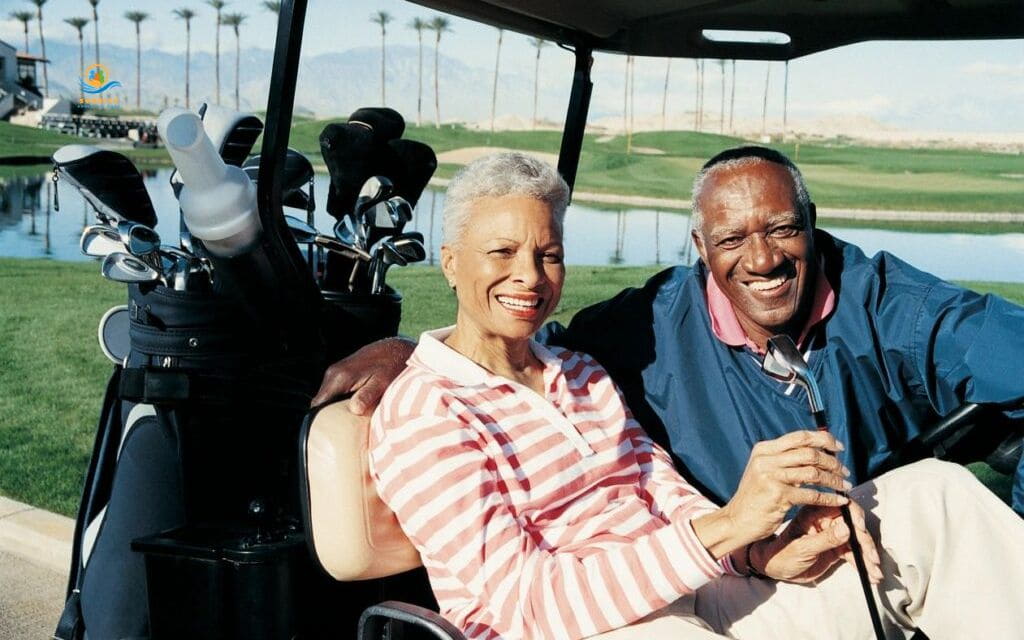
Golf offers moderate cardiovascular exercise, especially when walking the course, along with mobility and coordination benefits from the swing itself. It is also a strongly social sport, and its outdoor setting adds the benefit of fresh air and natural light.
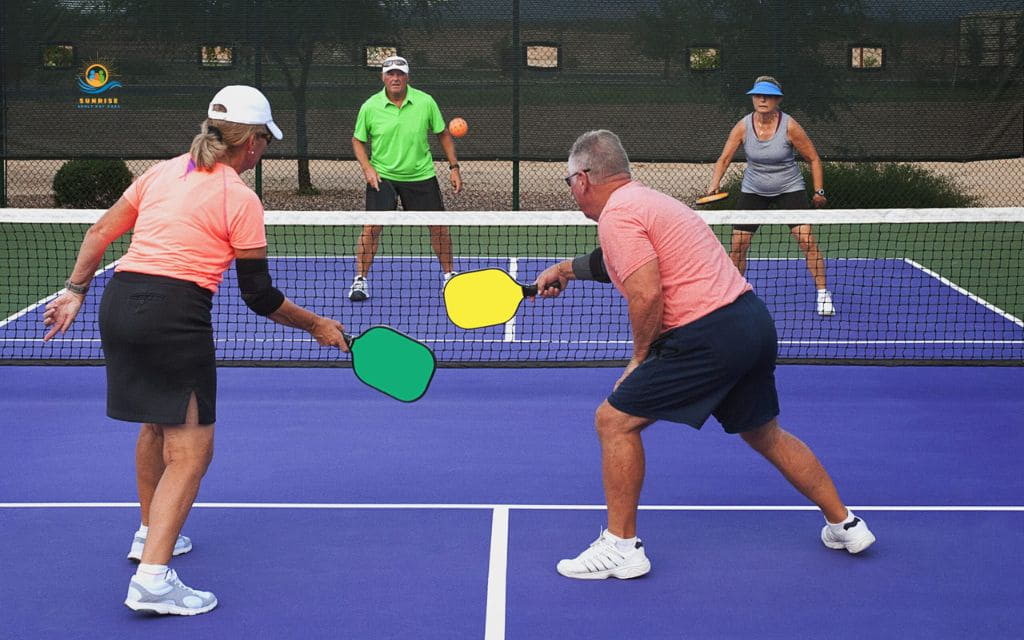
Pickleball
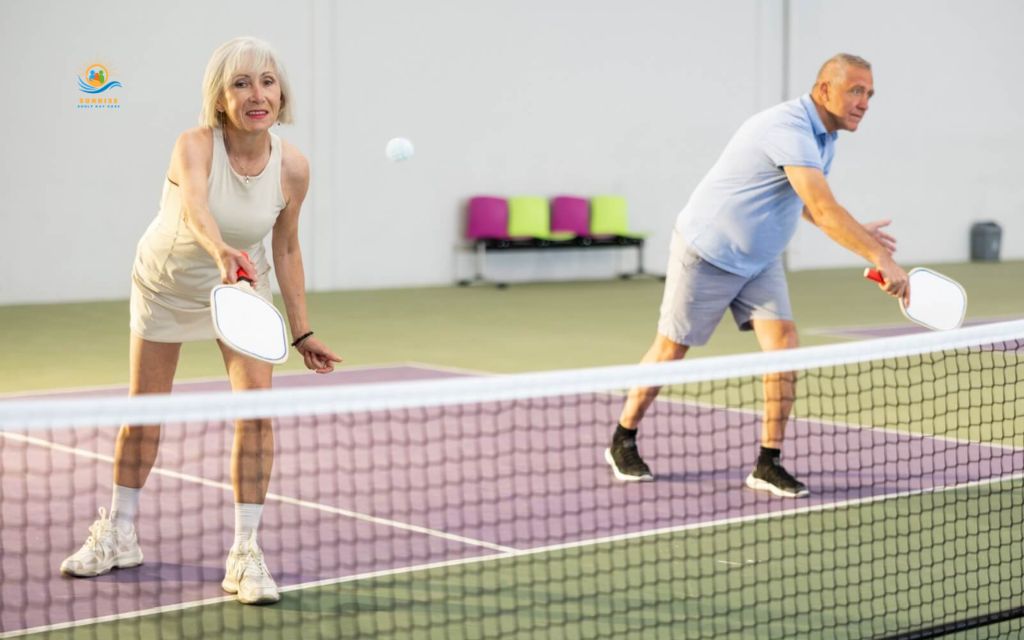
Pickleball has grown quickly in popularity among older adults because it combines elements of tennis, table tennis, and badminton on a smaller court, which means less running and lower impact than tennis. It supports cardiovascular health, coordination, and balance, though the quick side-to-side movement carries some risk of ankle or knee strain, so seniors with joint concerns should check with a doctor before starting.

Tennis for older adults
Tennis for old people remains a strong option for seniors who already have experience with the sport and want to continue at a modified pace. Old people tennis often means shorter matches, doubles play to reduce running distance, and a slower ball pace. Tennis for elderly players supports cardiovascular fitness, agility, and hand-eye coordination, though it is more demanding than pickleball or table tennis, so it suits seniors with a stronger existing fitness base. Tennis for older people who are newer to the sport can start with short rallies and gentle drills before working up to full games.
Cycling
Cycling, whether outdoors or on a stationary bike, provides a strong cardiovascular workout with minimal impact on the joints. Recumbent and adaptive bicycles are widely available for seniors who want extra stability and comfort.
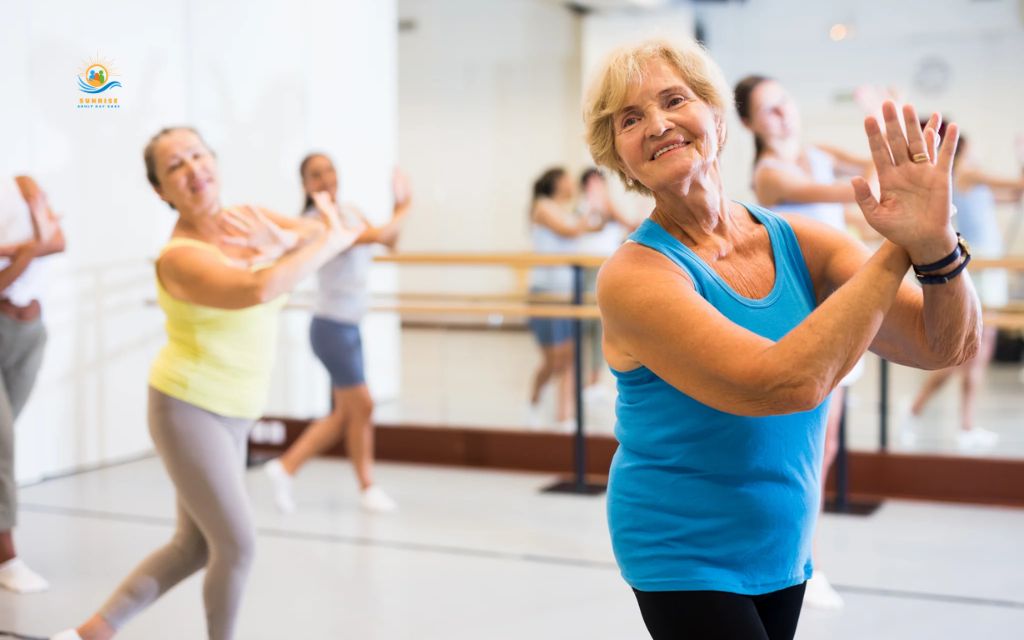
춤
Dancing works the whole body while also engaging memory and coordination through choreography and rhythm. Line dancing, ballroom, and low-impact dance fitness classes are all popular older sports favorites in community and senior center settings, largely because they combine exercise with genuine enjoyment.

Safety tips for old people sports
Staying safe while playing sports for old people comes down to a few consistent habits:
- Warm up with gentle stretching or a short walk before starting any activity
- Stay hydrated before, during, and after playing, even for low-intensity sports
- Wear supportive, properly fitted footwear suited to the specific activity
- Start at a slow pace and increase intensity gradually over several weeks
- Consult a doctor before beginning a new sport, especially with a chronic condition, recent surgery, or recent injury
- Stop and rest if pain, dizziness, or unusual shortness of breath occurs
These habits apply whether the activity is a gentle sport for the elderly, like tai chi, or a more demanding one, like tennis or pickleball.
결론
Staying active does not require competing at a high level or pushing through pain. The most valuable old people sports are the ones that match a person’s current ability, bring genuine enjoyment, and can be sustained consistently over time. Whether that means a quiet game of bocce, laps in the pool, a set of doubles tennis, or a seated round of chair volleyball, movement at any pace supports a longer, healthier, and more connected life.
For families in the Denver area, 선라이즈 시니어 데이케어 offers a daytime, non-residential setting where older adults can enjoy many of these activities in a structured, supervised environment. To learn more about daily programming and activity options, contact us at 303-226-6882!
자주 묻는 질문(FAQ)
What is the best sport for old people with arthritis?
Low-impact sports such as swimming, water aerobics, and tai chi are generally the most comfortable choices for seniors with arthritis, since they minimize stress on the joints while still building strength and flexibility. A doctor or physical therapist can help identify the safest options for a specific case.
Can elderly people who use a wheelchair still play sports?
Yes. Seated and adaptive sports, including chair volleyball, seated tai chi, and wheelchair friendly versions of games like bocce, allow older adults with limited mobility to stay active and socially engaged.
Is tennis safe for older adults?
Tennis can be safe for many older adults, particularly those with an existing fitness base, though it involves more running and quick direction changes than sports like pickleball or table tennis. Modified formats, such as doubles play and shorter matches, help reduce strain, and a doctor’s input is useful before starting or returning to the sport.
How many days a week should older adults play sports or exercise?
The CDC recommends that adults 65 and older get at least 150 minutes of moderate intensity aerobic activity each week, spread across several days, along with muscle strengthening activities on two or more days and regular balance exercises.
Is walking considered a sport for seniors?
Walking is widely recognized as one of the most effective and accessible physical activities for older adults, and structured versions such as Nordic walking or organized walking groups give it more of a sport-like format.
What sports help reduce fall risk in older adults?
Sports that build balance and lower body strength, including tai chi, yoga, and walking, are especially effective for reducing fall risk, since they train the same stability skills used in everyday movement.