Nhảy tới nội dung
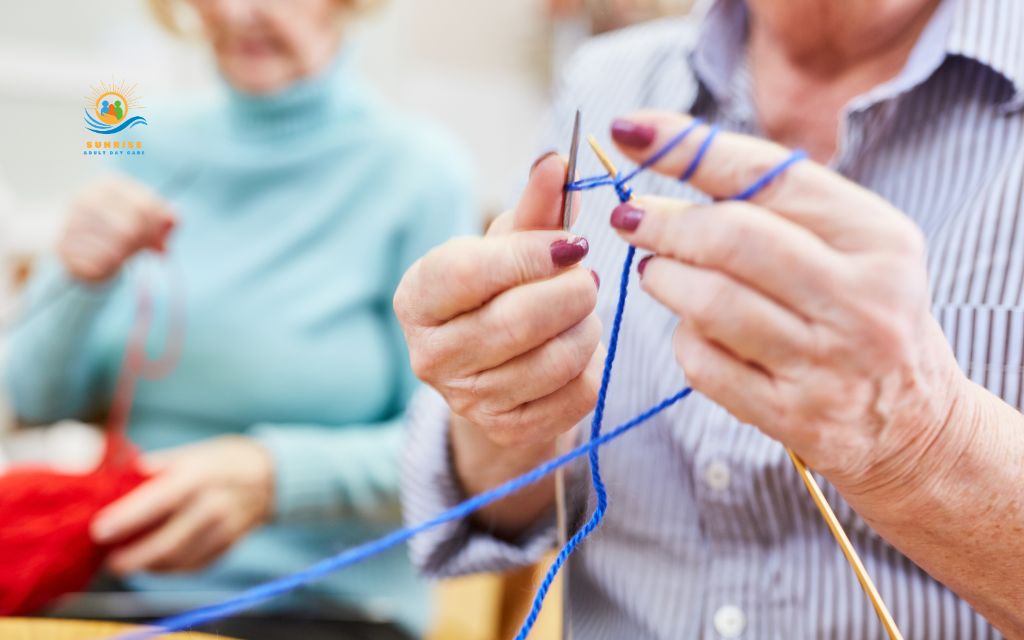
Nhiều người lớn tuổi đang tìm kiếm các hoạt động phù hợp, điều gì đó thư giãn, có ý nghĩa và nhẹ nhàng cho cơ thể. Dù bạn mới nghỉ hưu, dành thời gian ở nhà hay tham gia một chương trình dành cho người cao tuổi, có thể khó tìm được sở thích đáp ứng tất cả những tiêu chí đó mà không quá áp lực hay đòi hỏi thể lực.
Đan len mang lại chính điều đó. Chỉ với một đôi kim và một cuộn len, bạn có thể giữ cho tâm trí hoạt động, kết nối xã hội và tận hưởng cảm giác bình yên thực sự.
Nếu bạn chưa bao giờ bắt đầu đan, điều đó hoàn toàn ổn. Bạn không cần bất kỳ kinh nghiệm nào trước đó để bắt đầu. Các dự án cho người mới bắt đầu rất đơn giản, vật liệu có giá cả phải chăng, và tiến bộ sẽ đến tự nhiên với một chút thực hành.
Lợi ích tinh thần và cảm xúc của việc đan len đối với người cao tuổi
Ngoài bản thân nghề thủ công, đan len mang lại một loạt lợi ích về cảm xúc và tâm lý có thể cải thiện đáng kể sự hạnh phúc hàng ngày của người lớn tuổi.
Giúp giảm căng thẳng và thúc đẩy sự thư giãn
Chuyển động lặp đi lặp lại, nhịp nhàng của việc đan len có tác dụng làm dịu tự nhiên lên hệ thần kinh. Sự lặp lại nhẹ nhàng này có thể giúp làm chậm nhịp thở, giảm nhịp tim và làm yên tĩnh tâm trí bận rộn hoặc lo lắng. Nhiều người cao tuổi mô tả trải nghiệm đan len như một cách thoát khỏi những lo lắng hàng ngày.
Hỗ trợ sức khỏe tinh thần
Đan len mang lại cho người lớn tuổi điều gì đó để mong chờ mỗi ngày. Nó tạo ra một cảm giác có mục đích - một lý do để ngồi xuống và tập trung vào điều gì đó sáng tạo và mang tính xây dựng. Nhịp điệu đều đặn của hoạt động này mang lại một thói quen an ủi, điều này rất có giá trị cho người cao tuổi có thể cảm thấy lạc lõng khi thiếu cấu trúc của công việc hoặc lịch trình bận rộn của gia đình.
Giúp giảm bớt cô đơn và cô lập
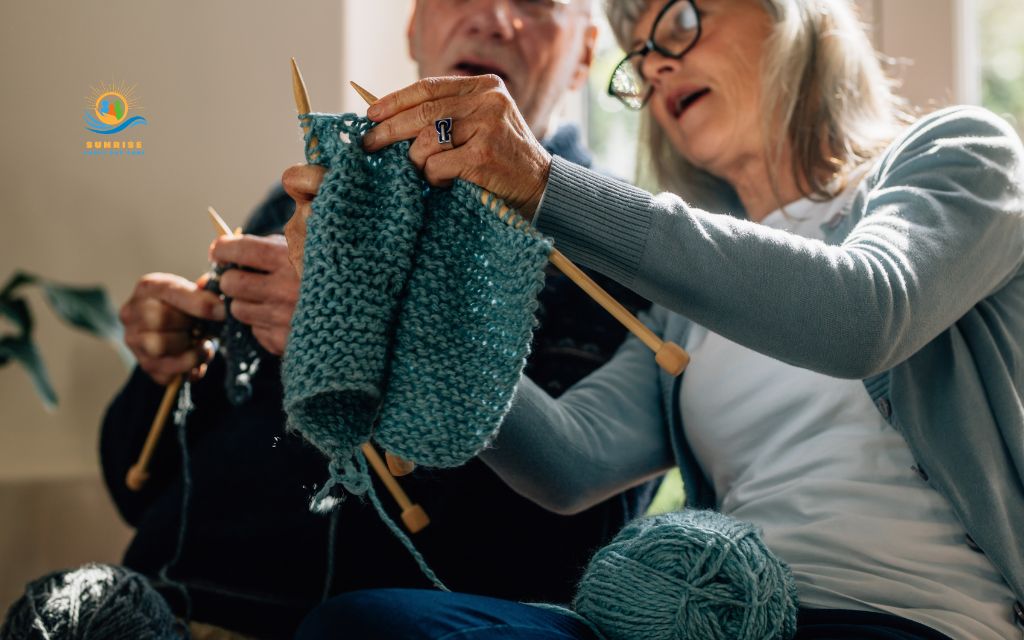
Cô đơn là một trong những vấn đề sức khỏe nghiêm trọng nhất mà người cao tuổi phải đối mặt ngày nay. Đan len, đặc biệt là trong các nhóm, tạo ra những cơ hội tự nhiên cho cuộc trò chuyện và kết nối. Chia sẻ một mẫu đan, so sánh màu sắc sợi len, hoặc đơn giản chỉ ngồi trong im lặng thân thiện với những người đan khác có thể làm giảm bớt gánh nặng của sự cô lập và nhắc nhở người cao tuổi rằng họ là một phần của cộng đồng.
Cải thiện tâm trạng và sự tự tin
Hoàn thành một dự án đan len, dù nhỏ, mang lại cảm giác thành tựu thực sự. Cầm trên tay một chiếc khăn quàng, khăn lau chén, hoặc mũ mà bạn tự tay làm ra mang đến niềm tự hào và hài lòng thực sự.
Theo thời gian, cảm giác thành tựu này xây dựng sự tự tin và củng cố hình ảnh bản thân tích cực, điều này có ý nghĩa đối với người cao tuổi khi họ đối mặt với những chuyển đổi lớn trong cuộc sống như nghỉ hưu hoặc chẩn đoán sức khỏe.
Tạo ra những khoảnh khắc thư giãn, tỉnh thức
Đan len tự nhiên thu hút sự chú ý của bạn vào khoảnh khắc hiện tại. Đếm mũi, theo dõi mẫu, và quản lý độ căng của sợi chỉ đòi hỏi sự tập trung tinh thần vừa đủ để nhẹ nhàng neo giữ nhận thức của bạn khỏi những lo lắng về quá khứ hoặc tương lai.
Đối với nhiều người cao tuổi, đặc điểm này khiến việc đan len cảm giác giống như thiền chánh niệm - một trải nghiệm yên tĩnh, tập trung, phục hồi, giúp họ cảm thấy tươi mới hơn là kiệt sức.
Lợi ích nhận thức của việc đan len đối với người cao tuổi
Giữ cho não bộ hoạt động và tham gia là một trong những khía cạnh quan trọng nhất của việc lão hóa lành mạnh. Đan len cung cấp một hình thức rèn luyện trí óc đều đặn và thú vị, thách thức não bộ theo nhiều cách khác nhau mà không bao giờ cảm thấy như một công việc nhàm chán.
Khuyến khích kích thích tinh thần
Làm theo một mẫu đan cần sự tập trung, tư duy tuần tự và chú ý cẩn thận đến chi tiết. Mỗi mũi đan là một quyết định nhỏ: loại nào, bao nhiêu, theo thứ tự nào. Sự tham gia tinh thần liên tục này giúp giữ cho não bộ tỉnh táo và hoạt động.
Hỗ trợ trí nhớ và tập trung
Đan len củng cố trí nhớ làm việc vì người đan phải nhớ họ đang ở đâu trong một mẫu, đã hoàn thành bao nhiêu hàng và bước tiếp theo là gì. Bài tập trí nhớ và sắp xếp thường xuyên này có thể giúp người cao tuổi duy trì sự tập trung và sự nhạy bén về tinh thần theo thời gian. Nhiều người đan mô tả khả năng tập trung và duy trì công việc được cải thiện, ngay cả ngoài các buổi đan của họ.
Có thể giúp hỗ trợ sức khỏe nhận thức
Mặc dù đan len không phải là một phương pháp điều trị y tế, nhưng một số nghiên cứu cho thấy rằng các sở thích đòi hỏi sự tập trung tinh thần có thể hỗ trợ sức khỏe nhận thức khi con người già đi. Người cao tuổi tham gia vào các hoạt động thủ công, bao gồm đan len, có nguy cơ phát triển suy giảm nhận thức nhẹ thấp hơn so với những người không tham gia vào các hoạt động như vậy. Giữ cho tâm trí bận rộn với các hoạt động có ý nghĩa và có cấu trúc được các chuyên gia sức khỏe lão khoa công nhận rộng rãi là một phần quan trọng của quá trình lão hóa lành mạnh.
Lợi ích thể chất của việc đan len đối với người cao tuổi
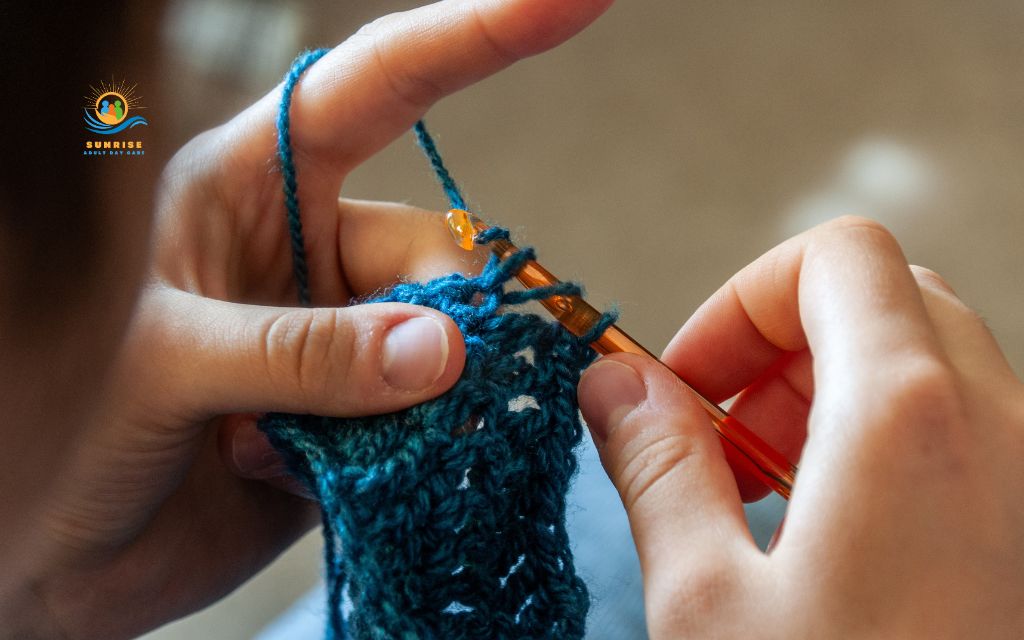
Những lợi ích về thể chất của việc đan len cho người cao tuổi thường bị đánh giá thấp. Mặc dù có vẻ như là một hoạt động thụ động, nhưng đan len lại kích thích tay, ngón tay, cổ tay và cánh tay theo cách hỗ trợ chức năng thể chất và khả năng di chuyển theo thời gian.
Cải thiện sự khéo léo và phối hợp của tay
Các động tác chính xác cần thiết để tạo ra từng mũi đan cung cấp bài tập nhẹ nhàng, đều đặn cho các cơ nhỏ và gân của bàn tay và ngón tay. Đan thường xuyên có thể giúp duy trì kỹ năng vận động tinh, sự phối hợp tay-mắt và sự linh hoạt cần thiết cho các công việc hàng ngày như cài cúc áo, viết hoặc chuẩn bị bữa ăn.
Giữ cho ngón tay và bàn tay hoạt động
Đối với người cao tuổi gặp tình trạng cứng hoặc giảm phạm vi chuyển động ở tay, việc giữ cho các ngón tay di chuyển là rất quan trọng. Đan len khuyến khích chuyển động nhẹ nhàng, lặp đi lặp lại trong phạm vi chuyển động thoải mái, có thể giúp duy trì sự linh hoạt và ngăn ngừa cứng thêm. Nhiều người cao tuổi cho biết tay họ cảm thấy linh hoạt hơn và thoải mái hơn sau một buổi đan len.
Khuyến khích cử động nhẹ nhàng của cánh tay và vai
Các động tác lặp đi lặp lại nhẹ nhàng của việc đan len không chỉ dừng lại ở đôi tay mà còn nhẹ nhàng tác động đến cẳng tay, cổ tay và vai. Những chuyển động này khuyến khích tuần hoàn và giúp duy trì phạm vi chuyển động thoải mái ở các chi trên. Đối với người cao tuổi dành nhiều thời gian ngồi với hoạt động hạn chế, sự tham gia thể chất nhẹ nhàng của việc đan len là một bổ sung đáng hoan nghênh và có lợi cho ngày.
Một hoạt động thoải mái cho người hạn chế di chuyển
Đan len không cần môi trường vật lý đặc biệt và không cần thiết bị nào ngoài kim và sợi. Nó có thể được thực hiện trên ghế bành ở nhà, trong phòng sinh hoạt tại chương trình ngày cho người lớn, hoặc trên xe lăn. Đối với người cao tuổi có khả năng di chuyển bị hạn chế do bệnh tật, hồi phục, hoặc khuyết tật, đan len mang lại một hoạt động thể chất và sáng tạo có ý nghĩa mà không cần đứng, đi bộ, hoặc ra ngoài trời.
Lợi ích xã hội của việc đan lát
Một trong những lợi ích mạnh mẽ và thường bị bỏ qua của việc đan len đối với người lớn tuổi là khía cạnh xã hội của nó. Mặc dù đan len chắc chắn có thể được tận hưởng một mình, nhưng nó cũng đóng vai trò như một chất xúc tác tự nhiên cho cộng đồng, cuộc trò chuyện và mục đích chung.
Đan len kết nối mọi người lại với nhau
Các câu lạc bộ đan len và lớp học đan nhóm đã là một phần của đời sống cộng đồng qua nhiều thế hệ. Những buổi gặp gỡ này mang lại cho người cao tuổi một sở thích chung, tạo ra một dịp xã hội thường xuyên và thân thiện mà nhiều người mong đợi mỗi tuần. Sự ấm áp xã hội của một nhóm đan len có thể là cứu cánh cho người lớn tuổi, những người có thể sẽ phải trải qua những ngày cô đơn nếu không có nó.
Khuyến khích trò chuyện và cộng đồng
Có điều gì đó rất thân thiện với cuộc trò chuyện khi nói đến việc đan len. Không giống như xem phim hay chơi một trò chơi đơn độc, đan len không đòi hỏi bạn phải tập trung hoàn toàn, để lại nhiều không gian để trò chuyện, chia sẻ câu chuyện, đặt câu hỏi và cười cùng nhau.
Các buổi đan len nhóm thường trở thành dịp để kết nối chân thành, nơi người cao tuổi chia sẻ kinh nghiệm sống, trao đổi mẹo vặt và xây dựng tình bạn thực sự.
Tuyệt vời cho chương trình chăm sóc ban ngày và hỗ trợ sinh hoạt cho người lớn tuổi
Đan len là một hoạt động nhóm có cấu trúc tuyệt vời cho các trung tâm chăm sóc ban ngày cho người lớn và các cơ sở sống hỗ trợ. Nó mang lại sự bình tĩnh và không cạnh tranh, dễ dàng điều chỉnh cho các mức độ khả năng khác nhau, và tự nhiên khuyến khích sự tương tác giữa các thành viên tham gia.
Các giám đốc hoạt động và nhân viên chăm sóc thường nhận thấy rằng các buổi đan len tạo ra một bầu không khí thư giãn, tích cực, hỗ trợ cả sự tham gia cá nhân và sự gắn kết nhóm.
Giúp người cao tuổi cảm thấy được hòa nhập và tham gia
Cảm giác là một phần của điều gì đó lớn hơn bản thân rất quan trọng đối với sức khỏe tinh thần ở mọi lứa tuổi. Khi người cao tuổi cùng nhau đan len, họ trải nghiệm cảm giác thuộc về và có mục đích chung. Cảm giác được hòa nhập và tham gia này là một trong những món quà ý nghĩa nhất mà việc đan len có thể mang lại.
Cách bắt đầu đan len cho người cao tuổi
Bắt đầu với việc đan len dễ dàng hơn nhiều người nghĩ. Với cách tiếp cận đúng, người mới bắt đầu có thể học những điều cơ bản và hoàn thành một dự án đơn giản đầu tiên chỉ trong vài buổi. Dưới đây là một số bước thực tế để giúp bạn bắt đầu.
Bắt đầu với các mẫu thân thiện với người mới bắt đầu
Tìm các mẫu được gắn nhãn "beginner" hoặc "easy." Những mẫu này thường chỉ sử dụng mũi đan (hoặc kết hợp giữa đan và purl), bao gồm các hàng thẳng thay vì tạo hình phức tạp, và tạo ra kết quả đơn giản, thỏa mãn. Ví dụ, một chiếc khăn đan cơ bản chỉ sử dụng một loại mũi đan lặp lại trên mỗi hàng, làm cho nó trở thành dự án đầu tiên hoàn hảo.
Chọn chất liệu thoải mái
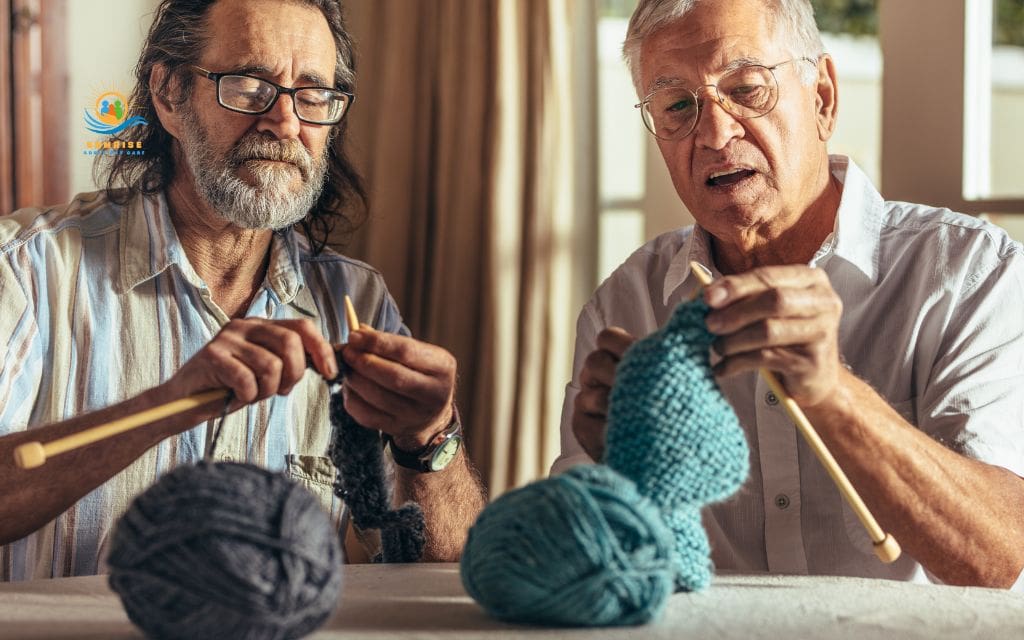
Đối với người mới bắt đầu và người lớn tuổi bị viêm khớp hoặc có sức mạnh tay hạn chế, việc lựa chọn vật liệu tạo ra sự khác biệt đáng kể. Hãy chọn sợi có trọng lượng trung bình hoặc dày (thường được ghi nhãn với số 4 hoặc 5 trên thang đo trọng lượng sợi) bằng sợi mịn, màu sáng. Sợi mịn dễ dàng trượt ra khỏi kim, và màu sáng dễ nhìn hơn. Kim tre hoặc gỗ ấm hơn khi chạm vào và ít trơn hơn kim kim loại, giúp người ít kinh nghiệm dễ dàng kiểm soát hơn.
Tham gia một nhóm hoặc lớp học đan len
Nhiều trung tâm người cao tuổi, thư viện và tổ chức cộng đồng cung cấp các lớp học đan miễn phí hoặc chi phí thấp và các nhóm đan hàng tuần dành cho người lớn tuổi. Tham gia một nhóm cung cấp hướng dẫn, khích lệ và kết nối xã hội cùng một lúc. Nếu các lựa chọn trực tiếp bị hạn chế, ngày càng có nhiều hướng dẫn đan cho người mới bắt đầu có sẵn trên YouTube và thông qua các tài nguyên kỹ thuật số của thư viện công cộng.
Luyện tập một chút mỗi ngày
Đan len tiến bộ nhanh chóng với việc luyện tập đều đặn và nhẹ nhàng. Thậm chí 15 đến 20 phút mỗi ngày cũng đủ để xây dựng sự tự tin và khéo léo. Những buổi ngắn và đều đặn sẽ dễ chịu hơn cho đôi tay so với những buổi đan len dài như marathon, và chúng khiến tiến bộ cảm thấy ổn định và đáng khen ngợi. Hãy thử đặt một mục tiêu nhỏ hàng ngày (một hàng, năm phút, hoặc một lần lặp lại mẫu) và ăn mừng mỗi cột mốc bạn đạt được.
Dự án đan len dễ dàng cho người mới bắt đầu
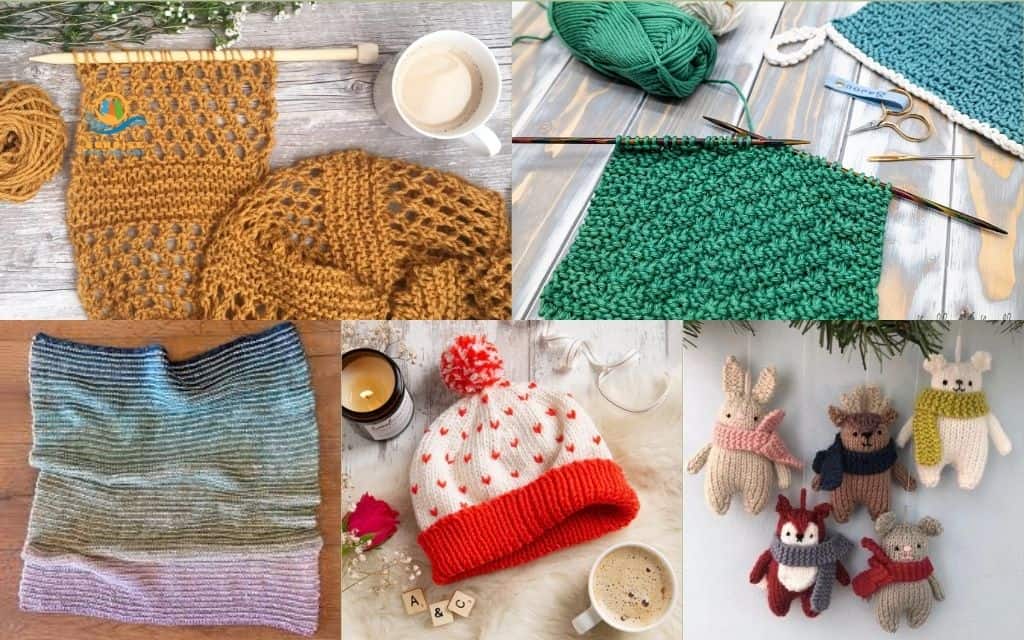
Việc chọn dự án đầu tiên phù hợp tạo ra sự khác biệt giữa một trải nghiệm khích lệ và một trải nghiệm gây nản lòng. Các dự án sau đây đều thân thiện với người mới bắt đầu, nhanh chóng hoàn thành và thực sự thỏa mãn khi thực hiện.
Khăn quàng đơn giản
Một chiếc khăn quàng cổ thẳng, hình chữ nhật là dự án khởi đầu cổ điển vì lý do chính đáng. Nó chỉ sử dụng mũi đan, không yêu cầu tạo hình hay kỹ thuật phức tạp, và tạo ra một sản phẩm thực tế mà bạn có thể thực sự đeo hoặc tặng. Chọn sợi len dày, mềm và kim đan rộng để thấy tiến độ nhanh chóng và hoàn thành chỉ trong một hoặc hai tuần đan thoải mái.
Khăn lau bát đĩa
Khăn lau bát đĩa bằng cotton nhỏ gọn và nhanh chóng hoàn thành là dự án đầu tiên yêu thích của người lớn tuổi muốn đan thứ gì đó thực tế. Chúng đủ nhỏ để hoàn thành trong một hoặc hai buổi, đủ bền để sử dụng nhiều lần và chi phí làm ra không đắt. Nhiều mẫu khăn lau bát đĩa cho người mới bắt đầu giới thiệu các mũi đan có kết cấu đơn giản, tạo thêm sự thú vị về mặt thị giác mà không quá khó khăn.
Chăn nhỏ
Một chiếc chăn đan đơn giản là một dự án trị liệu cho người cao tuổi thích cam kết sáng tạo lâu dài. Mẫu đan lặp đi lặp lại, mang tính thiền định rất thư giãn, và chiếc chăn hoàn thành là một thành tựu đẹp đẽ, hữu hình. Chăn cỡ đùi là lý tưởng: đủ lớn để có ý nghĩa, đủ nhỏ để hoàn thành trong một khoảng thời gian hợp lý.
Mũ và băng đô
Với sự trợ giúp của kim đan tròn hoặc khung đan, người mới bắt đầu đan có thể tạo ra những chiếc mũ và băng đô đơn giản. Những dự án này vừa thiết thực vừa phổ biến, và chúng là những món quà tuyệt vời cho các thành viên trong gia đình, bạn bè hoặc các chương trình quyên góp cộng đồng.
Nhiều nhóm đan len cao tuổi tổ chức các đợt đan mũ cho trẻ em cần giúp đỡ trong những tháng mùa đông, một cách ý nghĩa để kết hợp sự sáng tạo với dịch vụ cộng đồng.
Dự án trang trí theo mùa
Các món đồ trang trí nhỏ như đồ trang trí, lót ly, bí ngô, hoặc các mảnh dây trang trí mang đến những dự án nhanh chóng, lễ hội gắn liền với các ngày lễ và mùa trong suốt cả năm. Những dự án nhỏ này giữ cho việc đan len luôn mới mẻ và thú vị, cung cấp sự đa dạng tự nhiên để tránh nhàm chán, và tạo ra những món đồ trang trí đáng yêu mà người lớn tuổi có thể trưng bày trong nhà hoặc chia sẻ với người thân yêu.
Mẹo cho người chăm sóc hỗ trợ hoạt động đan len
Người chăm sóc gia đình và nhân viên chăm sóc chuyên nghiệp đóng vai trò quan trọng trong việc giúp người cao tuổi tận hưởng việc đan len một cách an toàn và vui vẻ. Một vài điều chỉnh chu đáo có thể tạo ra sự khác biệt đáng kể trong trải nghiệm.
Giữ hướng dẫn đơn giản
Chia nhỏ hướng dẫn đan thành các bước rất ngắn, đơn lẻ và cung cấp từng hướng dẫn một lần. Sử dụng ngôn ngữ rõ ràng, đơn giản và tránh làm người đan bị choáng ngợp với quá nhiều thông tin cùng lúc. Các minh họa trực quan có thể hữu ích cho người lớn tuổi, những người tiếp thu học tập thực hành dễ dàng hơn so với hướng dẫn bằng lời nói.
Tập trung vào sự tận hưởng, không phải sự hoàn hảo
Những sai lầm là một phần hoàn toàn bình thường khi học đan. Khuyến khích người lớn tuổi buông bỏ kỳ vọng về sự hoàn hảo và thay vào đó tập trung vào niềm vui của quá trình. Một mũi đan bị rơi hoặc một cạnh không đều không phải là vấn đề. Những người chăm sóc phản ứng với sự không hoàn hảo bằng sự ấm áp và trấn an giúp người lớn tuổi cảm thấy an toàn, thư giãn và được khuyến khích tiếp tục.
Khuyến khích tham gia xã hội
Hãy hỗ trợ người cao tuổi đan len cùng người khác thay vì luôn đan một mình. Giới thiệu đan len như một hoạt động nhóm trong các buổi thăm viếng, gợi ý tham gia một câu lạc bộ đan len tại trung tâm người cao tuổi địa phương, hoặc hỏi chương trình ngày cho người cao tuổi về việc đưa đan len vào lịch trình hoạt động của họ. Đan len xã hội hóa tăng cường mọi lợi ích, biến hoạt động này không chỉ là một nghề thủ công, mà còn là một nguồn kết nối thực sự.
Tạo không gian làm việc thoải mái
Thiết lập một khu vực đan len hỗ trợ an toàn và thoải mái. Sử dụng không gian có ánh sáng tốt để giảm căng thẳng cho mắt, đặc biệt khi làm việc với sợi len màu tối. Cung cấp một chiếc ghế thoải mái có tay vịn để hỗ trợ khuỷu tay và giảm mệt mỏi vai. Giữ sợi len và kim đan được sắp xếp gọn gàng và dễ dàng tiếp cận. Đối với người cao tuổi có run tay hoặc giảm ổn định, một khay đựng trên đùi hoặc đệm đùi có trọng lượng có thể cung cấp một bề mặt làm việc ổn định, hữu ích.
Kết luận
Đan len là một hoạt động toàn diện cho người lớn tuổi. Nó kết hợp sự sáng tạo, thư giãn và kết nối xã hội trong một hoạt động đơn giản chỉ cần hai cây kim và một cuộn len. Đối với người cao tuổi, nó hỗ trợ quá trình lão hóa lành mạnh theo những cách thực tế và ý nghĩa, giữ cho tâm trí hoạt động, đôi tay linh hoạt, tâm trạng phấn chấn và cảm giác cộng đồng sống động. Bạn không cần phải là chuyên gia. Bạn không cần phải bắt đầu lớn. Bạn chỉ cần bắt đầu.
Sẵn sàng để bắt đầu chưa?
- Hãy thử một dự án đan len cho người mới bắt đầu trong tuần này – một chiếc khăn quàng đơn giản hoặc khăn lau chén là điểm khởi đầu hoàn hảo.
- Tìm một nhóm đan len địa phương hoặc nhóm hoạt động cho người cao tuổi trong khu vực của bạn – nhiều trung tâm người cao tuổi và thư viện cung cấp các buổi miễn phí.
If you or your loved one would benefit from structured creative activities in a supportive daytime setting, explore what Sunrise Adult Daycare has to offer. Our người lớn chương trình ngày bao gồm các hoạt động nhóm thú vị, nghệ thuật sáng tạo và một cộng đồng ấm áp được thiết kế cho người lớn tuổi.
Gọi cho chúng tôi theo số 303-226-6882 để biết thêm chi tiết.
Những câu hỏi thường (Hỏi đáp)
Những dự án đan nào phù hợp cho người mới bắt đầu?
Các dự án đan đơn giản nhất dành cho người mới bắt đầu bao gồm những chiếc khăn quàng cổ đan bằng mũi đan garter cơ bản, những chiếc khăn lau bát hình vuông nhỏ và những chiếc băng đô ngắn. Những dự án này sử dụng các mũi đan đơn giản, không yêu cầu tạo hình phức tạp và có thể hoàn thành khá nhanh chóng.
Đan len có tốt cho trí nhớ và sự tập trung không?
Đúng, đan len có thể có lợi cho trí nhớ và sự tập trung ở người lớn tuổi. Việc theo dõi một mẫu đan yêu cầu tư duy tuần tự, trí nhớ làm việc và sự chú ý liên tục - tất cả đều cung cấp bài tập nhận thức nhẹ nhàng và đều đặn.
Có nhóm đan len cho người cao tuổi không?
Có, các nhóm đan len cho người cao tuổi rất phổ biến và dễ tìm. Nhiều trung tâm người cao tuổi, thư viện công cộng, trung tâm cộng đồng và tổ chức tôn giáo tổ chức các vòng tròn đan len thường xuyên mở cửa cho cả người mới bắt đầu và người đan len có kinh nghiệm. Các chương trình chăm sóc ban ngày cho người lớn ngày càng tích hợp đan len vào chương trình hoạt động nhóm có cấu trúc của họ. Tìm kiếm trực tuyến "nhóm đan len gần tôi" hoặc hỏi tại trung tâm người cao tuổi địa phương của bạn là một cách tuyệt vời để kết nối.
Đan len có tốt cho người cao tuổi không?
Đan len được coi là một trong những sở thích có lợi nhất cho người cao tuổi. Nó hỗ trợ kích thích tinh thần, sự khéo léo của kỹ năng vận động tinh, sức khỏe tinh thần, giảm căng thẳng và kết nối xã hội. Đây là hoạt động ít tác động, ngồi tại chỗ, dễ dàng điều chỉnh cho các hạn chế về thể chất và phù hợp với nhiều mức độ khả năng khác nhau. Các nhà trị liệu nghề nghiệp khuyến nghị đan len và các hoạt động thủ công khác như những hoạt động trị liệu có giá trị cho người cao tuổi cả ở nhà và trong các cơ sở chăm sóc.
Tôi có thể đan khi bị viêm gân không?
Đan len khi bị viêm gân có thể thực hiện được, nhưng điều quan trọng là phải tham khảo ý kiến bác sĩ hoặc nhà trị liệu nghề nghiệp trước khi bắt đầu hoặc tiếp tục bất kỳ hoạt động tay nào nếu bạn đã được chẩn đoán mắc bệnh gân. Nếu được phép đan, việc chọn kim đan công thái học, sợi len mềm nhẹ và làm việc trong các phiên ngắn với các khoảng nghỉ thường xuyên có thể giúp giảm thiểu căng thẳng. Nghỉ ngơi sau mỗi 15 đến 20 phút, nhẹ nhàng duỗi tay và cổ tay, và dừng ngay lập tức nếu bạn cảm thấy đau là những biện pháp phòng ngừa quan trọng.
Đan len có lợi cho người cao tuổi mắc chứng sa sút trí tuệ không?
Đan len có lợi cho người cao tuổi mắc chứng sa sút trí tuệ vì các động tác nhẹ nhàng, lặp đi lặp lại có thể giúp giảm lo lắng và bồn chồn. Đối với những người đã từng đan len trước đây, cảm giác quen thuộc của sợi len và kim đan có thể kích hoạt trí nhớ thủ tục, thường vẫn còn nguyên vẹn hơn so với trí nhớ ngắn hạn, mang lại cảm giác nhận biết và thoải mái ngay cả khi các khả năng nhận thức khác suy giảm. Hoàn thành ngay cả những phần nhỏ của một dự án đan len cũng mang lại cho người cao tuổi mắc chứng sa sút trí tuệ cảm giác mục đích và thành tựu có ý nghĩa, hỗ trợ sức khỏe tinh thần và giúp họ cảm thấy gắn kết và hòa nhập trong cuộc sống hàng ngày.