Khi tuổi tác ngày càng cao, khớp háng phải gánh vác một trọng trách vô cùng lớn. Chúng chịu lực nâng đỡ phần thân trên, tạo động lực cho từng bước đi của chúng ta và giúp duy trì sự thăng bằng suốt cả ngày. Tuy nhiên, đối với nhiều người cao tuổi, khớp háng lại trở thành nguyên nhân gây ra tình trạng cứng khớp, khó chịu và khả năng vận động ngày càng suy giảm.
Các bài tập cho hông dành cho người cao tuổi không cần phải quá nặng nhọc hay phức tạp. Có rất nhiều động tác an toàn, ít tác động có thể thực hiện ngay tại nhà, chẳng hạn như trên ghế, bên cạnh mặt bàn hoặc trên thảm tập. Nếu thực hiện đều đặn, những bài tập này có thể giúp cải thiện độ dẻo dai, phục hồi sức mạnh xung quanh khớp, hỗ trợ khả năng giữ thăng bằng tốt hơn và giảm nguy cơ té ngã.
Hướng dẫn này giới thiệu 12 bài tập nhẹ nhàng cho vùng hông dành cho người cao tuổi, vừa an toàn, vừa thiết thực, đồng thời được thiết kế để giúp các hoạt động hàng ngày trở nên dễ dàng và thoải mái hơn. Dù bạn đang đối phó với những cơn đau nhẹ, đang hồi phục sau một thời gian ít vận động, hay đơn giản là muốn duy trì khả năng vận động khi tuổi tác ngày càng cao, những bài tập này sẽ là một điểm khởi đầu hữu ích và dễ thực hiện.

Tại sao các bài tập cho hông lại quan trọng đối với người cao tuổi
Hông đóng vai trò trung tâm trong hầu hết mọi động tác mà chúng ta thực hiện. Hiểu rõ những lợi ích cụ thể mà việc tập luyện hông đều đặn mang lại cho sức khỏe và khả năng tự lập sẽ giúp bạn duy trì động lực và sự kiên trì dễ dàng hơn.
Cải thiện khả năng vận động và sự dẻo dai
Khớp háng là một khớp hình cầu, được thiết kế để có phạm vi chuyển động rộng. Theo thời gian, việc ít vận động, cơ bắp bị căng cứng và những thay đổi tự nhiên của khớp có thể làm hạn chế phạm vi chuyển động này. Các bài tập nhẹ nhàng cho khớp háng giúp duy trì và phục hồi độ linh hoạt, giúp khớp di chuyển tự do hơn mà không cần tốn nhiều sức.
Hỗ trợ cân bằng và phòng ngừa té ngã
Ngã là nguyên nhân hàng đầu gây chấn thương ở người cao tuổi. Các bài tập tăng cường sức mạnh vùng hông dành cho người cao tuổi, tập trung vào phần ngoài hông, cơ mông và cơ gập hông, giúp ổn định khung chậu và cải thiện khả năng phản ứng nhanh của cơ thể khi mất thăng bằng.
Giảm cứng khớp háng và đau
Nhiều người cao tuổi thường cảm thấy khớp háng bị cứng, đặc biệt là sau khi ngồi lâu hoặc vào buổi sáng sớm. Tình trạng cứng khớp này thường liên quan đến việc lưu thông máu kém, cơ bắp co cứng hoặc các bệnh lý tiềm ẩn như thoái hóa khớp. Các bài tập nhẹ nhàng dành cho người cao tuổi bị đau háng giúp thúc đẩy lưu thông máu đến vùng khớp, làm ấm các cơ xung quanh và nhẹ nhàng kéo giãn mô liên kết.
Giúp các hoạt động hàng ngày trở nên dễ dàng hơn
Các bài tập cho khớp háng dành cho người cao tuổi không chỉ tập trung vào khớp háng mà còn nhằm giúp họ lấy lại sự thoải mái và tự tin khi di chuyển trong cuộc sống hàng ngày mà không còn đau đớn hay lo lắng. Những cải thiện nhỏ nhưng đều đặn về sức mạnh và độ linh hoạt của khớp háng sẽ trực tiếp góp phần tăng cường khả năng tự lập.
12 bài tập nhẹ nhàng cho hông dành cho người cao tuổi
12 bài tập sau đây bao gồm nhiều động tác khác nhau, do đó sẽ có bài tập phù hợp với mọi mức độ linh hoạt. Hãy tập theo nhịp độ của riêng bạn, sử dụng dụng cụ hỗ trợ khi cần thiết và dừng lại ngay nếu cảm thấy đau nhói.
1. Diễu hành ngồi
Bài tập đi bộ tại chỗ là một trong những bài tập cho cơ gập hông dễ thực hiện nhất dành cho người cao tuổi, đặc biệt là những người có khả năng giữ thăng bằng hoặc khả năng vận động hạn chế. Bài tập này có thể thực hiện ngay trên ghế, nên rất an toàn và tiện lợi để áp dụng hàng ngày.
Bài tập này giúp tăng cường sức mạnh cho các cơ gập hông – những cơ chịu trách nhiệm nâng đùi lên – và cải thiện tuần hoàn máu ở phần dưới cơ thể. Nó cũng củng cố các động tác cần thiết khi đi bộ, giúp người cao tuổi cảm thấy vững vàng hơn khi di chuyển.
Cách thực hiện:
- Ngồi thẳng lưng trên một chiếc ghế chắc chắn, hai chân đặt phẳng trên sàn.
- Từ từ nâng đầu gối phải lên cao như thể đang diễu hành tại chỗ.
- Giữ nguyên tư thế ở điểm cao nhất trong 1–2 giây, sau đó hạ chân xuống sàn.
- Làm tương tự ở bên trái. Đó là một lần lặp lại.
- Hãy cố gắng thực hiện 10 – 15 lần lặp lại cho mỗi bên.
2. Cầu
Bài tập cầu là một bài tập hiệu quả giúp tăng cường sức mạnh cho vùng hông và mông, tập trung vào các cơ dọc theo mặt sau của hông – bao gồm cơ mông và cơ lưng dưới. Những nhóm cơ này đóng vai trò quan trọng trong việc duy trì tư thế, hỗ trợ quá trình đi lại và khả năng đứng dậy từ tư thế ngồi.
Cách thực hiện:
- Nằm ngửa, gập đầu gối và đặt hai bàn chân phẳng trên sàn, hai chân cách nhau bằng chiều rộng hông.
- Hãy nhẹ nhàng siết chặt cơ bụng.
- Dùng lực từ gót chân để từ từ nâng hông lên khỏi sàn cho đến khi cơ thể tạo thành một đường thẳng từ vai đến đầu gối.
- Giữ tư thế trong 2–3 giây, sau đó từ từ hạ người xuống.
- Hãy cố gắng thực hiện từ 8 đến 12 lần lặp lại.
3. Vỏ sò
Bài tập "vỏ sò" là một bài tập nhẹ nhàng thực hiện ở tư thế nằm nghiêng, tập trung vào các cơ bên ngoài hông và các cơ ổn định hông. Bài tập này thường được khuyến nghị cho người cao tuổi đang gặp tình trạng yếu cơ hông hoặc viêm khớp hông.
Cách thực hiện:
- Nằm nghiêng, hông và đầu gối gập khoảng 45 độ, hai chân chồng lên nhau.
- Giữ hai chân sát vào nhau và nhẹ nhàng siết chặt cơ bụng.
- Từ từ xoay đầu gối trên lên trên – giống như vỏ sò đang mở ra – mà không di chuyển xương chậu.
- Giữ nguyên tư thế ở điểm cao nhất trong 1–2 giây, sau đó hạ xuống từ từ.
- Hãy cố gắng thực hiện 10 – 15 lần lặp lại cho mỗi bên.
4. Bài tập duỗi hông khi đứng
Bài tập duỗi hông khi đứng giúp tăng cường sức mạnh cho cơ mông và hỗ trợ động tác đẩy chân được sử dụng mỗi khi chúng ta bước về phía trước.
Đây là một trong những bài tập cho cơ gập hông thiết thực nhất dành cho người cao tuổi, vì nó mô phỏng giai đoạn đẩy chân khi đi bộ. Việc tăng cường sức mạnh cho các cơ này có thể giúp người cao tuổi đi lại tự tin hơn và giảm mệt mỏi trong các hoạt động hàng ngày.
Cách thực hiện:
- Đứng sau một chiếc ghế chắc chắn và nắm lấy phần lưng ghế để làm điểm tựa.
- Hãy giữ lưng thẳng và nhẹ nhàng siết chặt cơ bụng.
- Từ từ duỗi thẳng một chân ra phía sau, giữ cho đầu gối hơi cong.
- Giữ nguyên tư thế trong 2 giây, sau đó trở về vị trí ban đầu.
- Hãy cố gắng thực hiện 10–12 lần lặp lại cho mỗi chân.
5. Bài tập mở hông khi đứng
Bài tập mở hông khi đứng tập trung vào các cơ bên ngoài hông, giúp duy trì sự cân bằng cho cơ thể khi đứng trên một chân – động tác này diễn ra trong mỗi bước đi của chúng ta.
Tăng cường sức mạnh cho các cơ duỗi hông giúp cải thiện sự ổn định bên, từ đó giảm nguy cơ té ngã và hỗ trợ di chuyển an toàn hơn trên bề mặt không bằng phẳng. Đây là một trong những bài tập tăng cường sức mạnh hông quan trọng nhất dành cho người cao tuổi mong muốn duy trì sự vững vàng khi đứng.
Cách thực hiện:
- Đứng bên cạnh một chiếc ghế chắc chắn và bám vào đó để giữ thăng bằng.
- Giữ lưng thẳng và hai chân dang rộng bằng hông.
- Từ từ nâng một chân sang một bên, giữ cho bàn chân uốn cong.
- Giữ tư thế trong 1–2 giây, sau đó từ từ hạ chân xuống một cách chậm rãi.
- Hãy cố gắng thực hiện 10–12 lần lặp lại cho mỗi bên.
6. Bài tập ngồi-đứng
Bài tập này giúp cải thiện sức mạnh và khả năng phối hợp cần thiết để đứng dậy từ ghế, ghế sofa hoặc giường – nhờ đó trở thành một trong những bài tập hữu ích nhất cho người cao tuổi bị đau hông. Dần dần, bài tập này sẽ giúp giảm bớt sức lực cần thiết cho động tác này và tăng cường sự tự tin trong các hoạt động chuyển động hàng ngày.
Cách thực hiện:
- Ngồi trên một chiếc ghế chắc chắn, hai chân dang rộng bằng hông và đặt phẳng trên sàn.
- Hãy nghiêng người về phía trước một chút và dồn lực vào gót chân.
- Từ từ đứng dậy, sử dụng cơ bắp chân thay vì dùng tay để đẩy người lên.
- Hãy đứng thẳng người trong giây lát, sau đó từ từ hạ người xuống.
- Hãy cố gắng thực hiện từ 8 đến 10 lần lặp lại.
7. Bài tập kéo giãn cơ gập hông khi đứng
Các cơ gập hông bị căng cứng có thể gây ra cảm giác khó chịu, tư thế sai và làm giảm độ dài bước chân. Bài tập giãn cơ nhẹ nhàng này giúp tăng cường sức mạnh cho cơ gập hông bằng cách đảm bảo các cơ vừa dẻo dai vừa khỏe mạnh.
Cách thực hiện:
- Đứng bên cạnh một chiếc ghế và bám vào đó để giữ thăng bằng.
- Bước một chân ra sau, giữ cho cả hai hông vẫn hướng về phía trước.
- Hãy nhẹ nhàng dồn trọng lượng cơ thể về phía trước cho đến khi bạn cảm thấy phần trước của hông bên sau có cảm giác căng nhẹ.
- Giữ tư thế trong 20–30 giây, sau đó đổi bên.
8. Tư thế con bướm
Tư thế con bướm là một động tác kéo giãn nhẹ nhàng khi ngồi, giúp mở rộng vùng hông trong và vùng bẹn, từ đó giúp giảm bớt sự căng cứng do ít vận động gây ra.
Cách thực hiện:
- Hãy ngồi xuống sàn hoặc trên một chiếc gối êm ái, giữ lưng thẳng.
- Hãy chụm hai lòng bàn chân lại với nhau sao cho hai đầu gối hướng ra hai bên.
- Hãy nhẹ nhàng nắm lấy bàn chân hoặc mắt cá chân và ngồi thẳng lưng.
- Bạn có thể nhẹ nhàng ấn đầu gối xuống hoặc đơn giản là thư giãn trong tư thế này.
- Giữ nguyên tư thế trong 20 – 30 giây.
9. Nâng chân thẳng khi nằm sấp
Bài tập nâng chân thẳng khi nằm sấp được thực hiện trong tư thế nằm sấp và tập trung vào cơ mông và các cơ phía sau hông, những nhóm cơ đóng vai trò quan trọng trong việc duy trì sự ổn định khi đi bộ.
Cách thực hiện:
- Nằm sấp trên một bề mặt cứng, hai chân duỗi thẳng.
- Hãy nhẹ nhàng siết chặt cơ bụng và tựa trán lên hai bàn tay.
- Từ từ nâng một chân duỗi thẳng lên cao vài inch so với sàn nhà.
- Giữ nguyên tư thế trong 2–3 giây, sau đó hạ xuống từ từ.
- Hãy cố gắng thực hiện 8 – 10 lần lặp lại cho mỗi chân.
10. Nâng hông sang một bên
Bài tập nâng hông sang bên giúp rèn luyện các cơ bên ngoài hông và cơ duỗi hông khi thực hiện ở tư thế nằm, do đó đây là lựa chọn phù hợp cho người cao tuổi cần một phương pháp tập luyện có tác động nhẹ hơn so với các bài tập đứng.
Cách thực hiện:
- Nằm nghiêng, duỗi thẳng hai chân và tựa đầu lên cẳng tay.
- Giữ hai bàn chân sát nhau và nhẹ nhàng siết chặt cơ bụng.
- Từ từ nâng chân trên lên cao, đồng thời giữ cho bàn chân cong lại.
- Giữ nguyên tư thế ở điểm cao nhất trong 2 giây, sau đó hạ xuống một cách chậm rãi và kiểm soát.
- Hãy cố gắng thực hiện 10 – 15 lần lặp lại cho mỗi bên.
11. Xoay hông
Bài tập xoay hông là một bài tập tăng cường độ linh hoạt nhẹ nhàng, giúp khớp hông di chuyển qua toàn bộ phạm vi chuyển động. Bài tập này đặc biệt hữu ích khi dùng làm bài khởi động hoặc bài thư giãn sau khi tập luyện.
Cách thực hiện:
- Đứng bên cạnh một chiếc ghế và bám vào đó để giữ thăng bằng.
- Dồn trọng lượng cơ thể lên một chân.
- Từ từ nâng đầu gối bên kia lên và xoay nó theo những vòng tròn nhỏ, nhẹ nhàng, đồng thời xoay khớp hông một cách nhẹ nhàng.
- Thực hiện 5 vòng tròn theo mỗi hướng, sau đó đổi chân.
12. Tư thế gập gối vào ngực
Tư thế gập gối vào ngực là một động tác kéo giãn nhẹ nhàng cho vùng hông và lưng dưới, giúp giảm bớt sự căng cứng tích tụ – nguyên nhân thường gây ra tình trạng cứng khớp ở người cao tuổi.
Cách thực hiện:
- Nằm ngửa, hai đầu gối co lại, bàn chân đặt phẳng trên sàn.
- Từ từ đưa một đầu gối lên gần ngực và nhẹ nhàng ôm lấy nó bằng cả hai tay.
- Giữ tư thế trong 20–30 giây, hít thở sâu.
- Hạ chân xuống và lặp lại với bên kia.
Những lưu ý về an toàn trước khi bắt đầu các bài tập cho hông
Trước khi bắt đầu bất kỳ chương trình tập luyện mới nào, điều quan trọng là bạn cần ghi nhớ một số nguyên tắc an toàn cơ bản. Những hướng dẫn này áp dụng cho cả trường hợp bạn mới bắt đầu tập luyện lẫn khi bạn quay trở lại tập luyện sau một thời gian ít vận động.
Hãy bắt đầu từ từ và di chuyển nhẹ nhàng
Không cần phải ép bản thân vượt qua cảm giác khó chịu để thu được lợi ích từ việc tập luyện. Hãy bắt đầu với số lần lặp lại ít và phạm vi chuyển động hạn chế. Hãy cho cơ thể vài tuần để thích nghi, và từ từ tăng thời lượng cũng như số lần lặp lại khi bạn cảm thấy thoải mái. Sự kiên trì theo thời gian quan trọng hơn nhiều so với cường độ tập luyện.
Hãy dùng ghế hoặc tường làm điểm tựa
Nhiều bài tập hông đứng dành cho người cao tuổi sẽ an toàn nhất khi thực hiện với một tay tựa vào ghế chắc chắn hoặc mặt bàn. Đừng ngần ngại sử dụng điểm tựa này, vì nó giúp bạn tập trung vào động tác thay vì việc giữ thăng bằng, đồng thời giảm đáng kể nguy cơ ngã trong khi tập luyện.
Hãy dừng lại ngay nếu bạn cảm thấy đau nhói
Cảm giác căng cơ nhẹ hoặc cảm giác giãn cơ nhẹ là điều bình thường và có thể dự đoán được. Tuy nhiên, nếu bạn cảm thấy đau nhói, đau đột ngột hoặc cơn đau ngày càng nặng hơn ở vùng hông, bẹn hoặc lưng dưới, hãy ngừng tập luyện ngay lập tức. Đau nhói là một tín hiệu quan trọng cho thấy có thể có vấn đề gì đó không ổn, và tuyệt đối không nên cố gắng tập tiếp khi có triệu chứng này.
Mang giày dép có độ nâng đỡ tốt
Khi tập các bài tập đứng, hãy luôn mang giày hoặc dép có đế chống trượt và hỗ trợ tốt cho bàn chân. Tránh tập luyện chỉ mang tất trên sàn cứng, vì điều này làm tăng đáng kể nguy cơ trượt ngã, đặc biệt là trong các động tác phải dồn trọng lượng lên một chân.
Hãy hỏi ý kiến bác sĩ nếu bạn bị đau dữ dội hoặc vừa trải qua phẫu thuật
Nếu bạn vừa trải qua phẫu thuật thay khớp háng, bị gãy xương háng hoặc đang phải đối phó với cơn đau háng nghiêm trọng, hãy tham khảo ý kiến của bác sĩ trước khi bắt đầu bất kỳ chương trình tập luyện mới nào. Chuyên gia vật lý trị liệu có thể thiết kế một chương trình tập luyện được điều chỉnh riêng cho tình trạng sức khỏe và giai đoạn phục hồi của bạn, đảm bảo các bài tập an toàn và mang lại lợi ích phù hợp với nhu cầu cá nhân của bạn.
Người cao tuổi nên tập các bài tập cho hông với tần suất như thế nào?
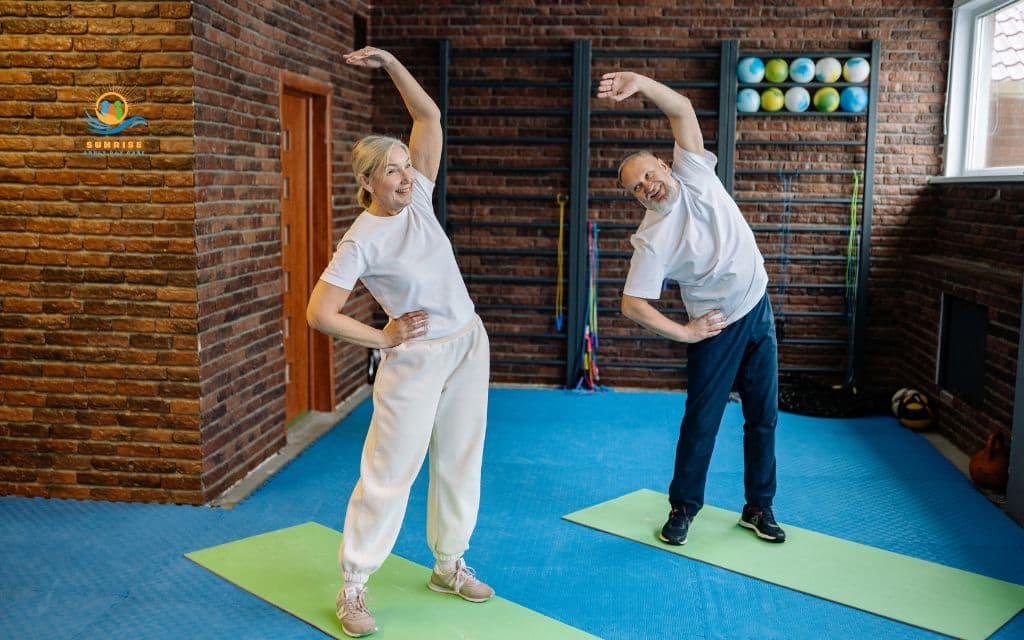
Khi nói đến sức khỏe khớp háng, sự kiên trì quan trọng hơn cường độ tập luyện. Hầu hết người cao tuổi sẽ thu được lợi ích từ việc thực hiện các bài tập nhẹ nhàng cho khớp háng từ 2 đến 4 lần mỗi tuần, xen kẽ các ngày nghỉ để cơ bắp có thời gian phục hồi và thích nghi.
Hãy bắt đầu với các buổi tập ngắn từ 10 đến 15 phút và tăng dần thời lượng khi bạn cảm thấy thoải mái hơn và sức bền được cải thiện. Một mục tiêu ban đầu phù hợp có thể là hoàn thành 2 đến 3 bài tập mỗi buổi thay vì cố gắng thực hiện hết 12 bài cùng một lúc.
Các bài tập trong hướng dẫn này cũng có thể được chia ra thực hiện trong suốt tuần – ví dụ như thực hiện các bài tập ngồi và trên sàn vào một số ngày, và các bài tập đứng vào những ngày khác. Nguyên tắc quan trọng nhất là duy trì thói quen vận động đều đặn, ngay cả khi mỗi buổi tập chỉ diễn ra trong thời gian ngắn. Những hoạt động vận động nhỏ nhưng được thực hiện đều đặn sẽ mang lại kết quả đáng kể theo thời gian.
Những dấu hiệu cho thấy người cao tuổi có thể cần được hỗ trợ nhiều hơn
Đôi khi, tình trạng yếu, cứng khớp hoặc đau hông trở nên nghiêm trọng đến mức việc tập luyện tại nhà một mình không còn đủ để đảm bảo cuộc sống hàng ngày an toàn và thoải mái. Có một số dấu hiệu cho thấy người cao tuổi có thể cần đến sự hỗ trợ chuyên nghiệp và có hệ thống hơn.
- Việc gặp khó khăn khi đi lại an toàn hoặc khó di chuyển quãng đường ngắn mà không cảm thấy khó chịu cho thấy có thể cần có những hướng dẫn cụ thể hơn.
- Nỗi lo sợ ngày càng tăng về việc bị ngã – hoặc một vụ ngã gần đây – là một dấu hiệu quan trọng cho thấy cần phải ưu tiên các biện pháp hỗ trợ thăng bằng và khả năng vận động.
- Tình trạng cứng khớp hoặc yếu cơ nghiêm trọng đến mức cản trở các hoạt động sinh hoạt hàng ngày cơ bản như mặc quần áo, di chuyển từ phòng này sang phòng khác hoặc nấu ăn cũng có thể là dấu hiệu cho thấy cần có sự can thiệp của chuyên gia.
Tương tự, nếu người cao tuổi gặp khó khăn trong việc duy trì hoạt động thể chất hoặc tham gia các hoạt động xã hội trong suốt cả ngày, một chương trình có tổ chức có thể mang lại sự thay đổi đáng kể về cả mặt an toàn lẫn chất lượng cuộc sống.
Trung tâm Chăm sóc Ban ngày cho Người lớn Sunrise có thể hỗ trợ như thế nào
Trung tâm Chăm sóc Ban ngày cho Người lớn Sunrise mang đến một môi trường ấm cúng và được giám sát chương trình ban ngày nơi người cao tuổi có thể tham gia các hoạt động rèn luyện sức khỏe có tổ chức, bao gồm các lớp học vận động nhẹ nhàng, các bài tập giữ thăng bằng và theo dõi sức khỏe.
Chương trình này được thiết kế nhằm hỗ trợ sự tự lập, xây dựng lòng tự tin, đồng thời giúp người cao tuổi duy trì sự hòa nhập xã hội và hoạt động thể chất – tất cả đều diễn ra trong một môi trường ban ngày an toàn và đầy tình thương.
Để biết thêm thông tin, hãy gọi ngay số 303-226-6882!
Kết luận
Để duy trì lối sống năng động, bạn không cần phải tập luyện cường độ cao hay sử dụng các thiết bị tập gym. Đối với người cao tuổi đang gặp phải tình trạng cơ bắp cứng, đau hông hoặc khả năng vận động giảm sút, các bài tập trong hướng dẫn này sẽ mang đến một phương pháp nhẹ nhàng và thiết thực giúp cải thiện sức khỏe trong cuộc sống hàng ngày.
Các bài tập hông đều đặn dành cho người cao tuổi có thể giúp giảm cứng khớp, tăng cường sức mạnh xung quanh khớp, cải thiện khả năng giữ thăng bằng, đồng thời hỗ trợ khả năng tự lập trong sinh hoạt hàng ngày, giúp cuộc sống trở nên thoải mái và tự tin hơn. Điều quan trọng là nên bắt đầu từ từ, tập luyện đều đặn và luôn lắng nghe cơ thể trong suốt quá trình tập.
Những động tác nhỏ, đều đặn sẽ mang lại hiệu quả tích lũy. Theo thời gian, việc dành ra vài phút mỗi ngày trong tuần để thực hiện các bài tập này có thể mang lại những cải thiện đáng kể — giúp bạn đứng dậy khỏi ghế dễ dàng hơn, đi lại vững vàng hơn và giảm bớt cảm giác mệt mỏi vào cuối ngày.
Nếu bạn hoặc người thân của bạn sẽ được hưởng lợi từ một môi trường chăm sóc sức khỏe có tổ chức, với sự hỗ trợ chuyên nghiệp, các hoạt động thể dục có hướng dẫn và cơ hội giao lưu hàng ngày, hãy cân nhắc tìm hiểu những gì chương trình chăm sóc ban ngày dành cho người lớn tại địa phương có thể mang lại.
Những câu hỏi thường (Hỏi đáp)
Các bài tập cho hông có an toàn cho người bị viêm khớp không?
Trong hầu hết các trường hợp, câu trả lời là có. Các bài tập hông nhẹ nhàng, ít tác động thường được coi là an toàn và thậm chí có lợi cho người cao tuổi bị viêm khớp, vì chúng giúp duy trì khả năng vận động của khớp và tăng cường sức mạnh cho các cơ xung quanh. Tuy nhiên, bạn nên tham khảo ý kiến của bác sĩ hoặc chuyên gia vật lý trị liệu trước khi bắt đầu.
Người cao tuổi có thể tập các bài tập cho hông trên ghế được không?
Chắc chắn rồi. Một số bài tập trong hướng dẫn này có thể thực hiện hoàn toàn trên ghế. Các bài tập hông trên ghế dành cho người cao tuổi là lựa chọn tuyệt vời cho những người lớn tuổi có khả năng giữ thăng bằng kém, vừa bị chấn thương hoặc khả năng vận động bị hạn chế đáng kể.
Người cao tuổi nên tập luyện vùng hông với tần suất như thế nào?
Hầu hết các chuyên gia y tế đều khuyến nghị người cao tuổi nên thực hiện các bài tập nhẹ nhàng cho vùng hông từ 2 đến 4 lần mỗi tuần. Bắt đầu với các buổi tập ngắn và dần dần tăng tần suất cũng như thời lượng là phương pháp bền vững và an toàn nhất để đạt được kết quả lâu dài.
Khi nào tôi nên đi khám bác sĩ vì đau hông?
Nếu bạn cảm thấy đau hông dữ dội hoặc nghiêm trọng, cơn đau tăng lên khi cử động, đau sau khi ngã hoặc chấn thương, hoặc cảm giác khó chịu khiến các hoạt động hàng ngày bị hạn chế đáng kể, bạn cần liên hệ ngay với bác sĩ. Những triệu chứng này có thể là dấu hiệu của các bệnh lý cần được khám chuyên khoa thay vì tự tập luyện tại nhà.
Bài tập nào là tốt nhất cho vùng hông?
Không có bài tập nào được coi là tốt nhất, vì các động tác khác nhau tác động đến các khía cạnh khác nhau của chức năng hông. Tuy nhiên, bài tập “cầu” được các chuyên gia vật lý trị liệu khuyến nghị rộng rãi để tăng cường sức mạnh hông cho người cao tuổi, vì bài tập này kích hoạt đồng thời cơ mông, cơ duỗi hông và cơ lưng dưới – tất cả đều là các nhóm cơ quan trọng đối với sự ổn định của hông và khả năng đi lại.
Đi bộ có giúp tăng cường sức mạnh cho vùng hông không?
Đúng vậy. Đi bộ đều đặn là một trong những cách dễ thực hiện và hiệu quả nhất để duy trì sức khỏe khớp háng cho người cao tuổi. Hoạt động này giúp tăng cường sức mạnh cho các cơ gập háng, cơ mông và cơ chân, đồng thời hỗ trợ sức khỏe tim mạch và khả năng vận động chức năng. Đi bộ sẽ mang lại hiệu quả cao nhất khi kết hợp với các bài tập tăng cường sức mạnh khớp háng dành riêng cho người cao tuổi, nhằm tác động đến các nhóm cơ cụ thể mà việc chỉ đi bộ đơn thuần có thể không kích hoạt được đầy đủ.
Tư thế ngồi nào là tốt nhất khi bị đau hông?
Khi cảm thấy đau nhức vùng hông, việc ngồi với cả hai bàn chân đặt phẳng trên sàn và hông ngang hoặc cao hơn đầu gối một chút thường giúp giảm áp lực lên khớp. Nên tránh những chiếc ghế quá thấp hoặc ghế mềm, dễ lún, vì chúng có thể gây khó khăn khi đứng dậy và làm tăng sức căng của cơ gập hông. Một chiếc ghế cứng cáp có tay vịn sẽ giúp việc ngồi thoải mái hơn và việc đứng dậy an toàn hơn.