
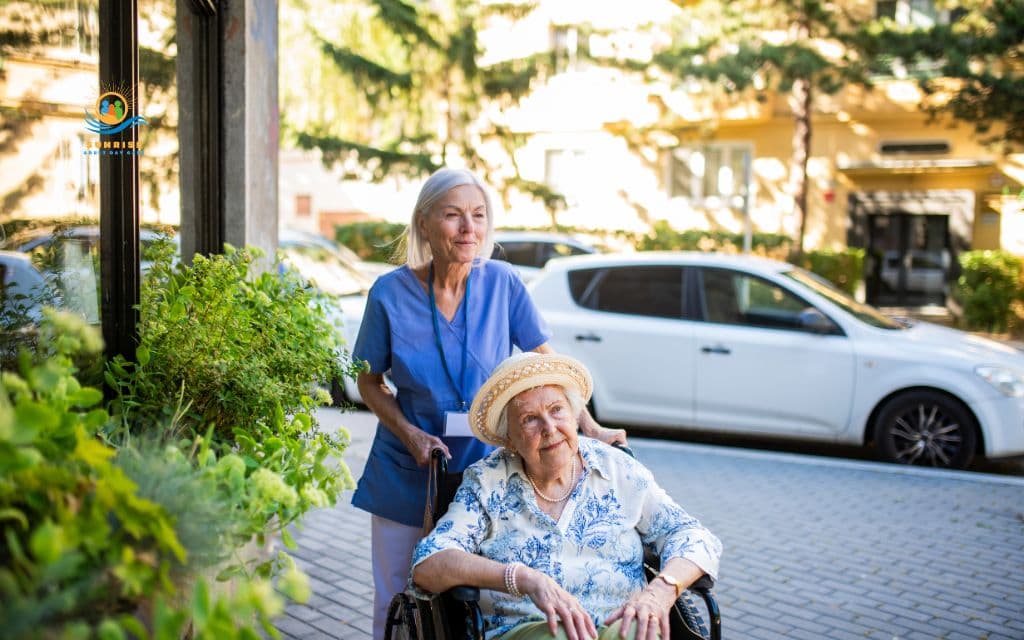
Khả năng di chuyển hạn chế không có nghĩa là từ bỏ những điều làm cho cuộc sống hàng ngày trở nên có ý nghĩa. Với một vài điều chỉnh hợp lý, người cao tuổi có thể tiếp tục di chuyển, học hỏi, sáng tạo, cười đùa và dành thời gian với người khác.
Tìm kiếm các hoạt động phù hợp cho người cao tuổi có khả năng di chuyển hạn chế có thể giúp người lớn tuổi duy trì sự năng động, kết nối, tham gia tinh thần và được hỗ trợ về mặt cảm xúc.
Người chăm sóc thường lo lắng về sự buồn chán, cô đơn, sợ ngã, trầm cảm, mất độc lập và không chắc chắn về những hoạt động nào vẫn an toàn. Tin tốt là có nhiều cách nhẹ nhàng, tôn trọng phẩm giá để giữ cho cuộc sống hàng ngày phong phú, dù là ở nhà hay thông qua sự hỗ trợ ban ngày có cấu trúc.
Nguyên nhân nào gây ra sự hạn chế di chuyển cho người cao tuổi?
Khả năng di chuyển hạn chế có thể xuất hiện theo nhiều cách khác nhau. Một số người cao tuổi gặp khó khăn trong việc đi bộ, đứng, cúi, với tay, hoặc chuyển từ ghế sang giường hoặc phương tiện. Những người khác có thể vẫn di chuyển nhưng nhanh chóng cảm thấy mệt mỏi hơn.
Hạn chế di chuyển hiếm khi chỉ do một nguyên nhân duy nhất. Thường thì, nó là kết quả của sự kết hợp của nhiều yếu tố: lão hóa tự nhiên, bệnh mãn tính, đau khớp, yếu cơ, vấn đề về thăng bằng, chấn thương, phẫu thuật gần đây, hoặc đơn giản là di chuyển ít hơn theo thời gian. Mỗi yếu tố này có thể tác động lẫn nhau.
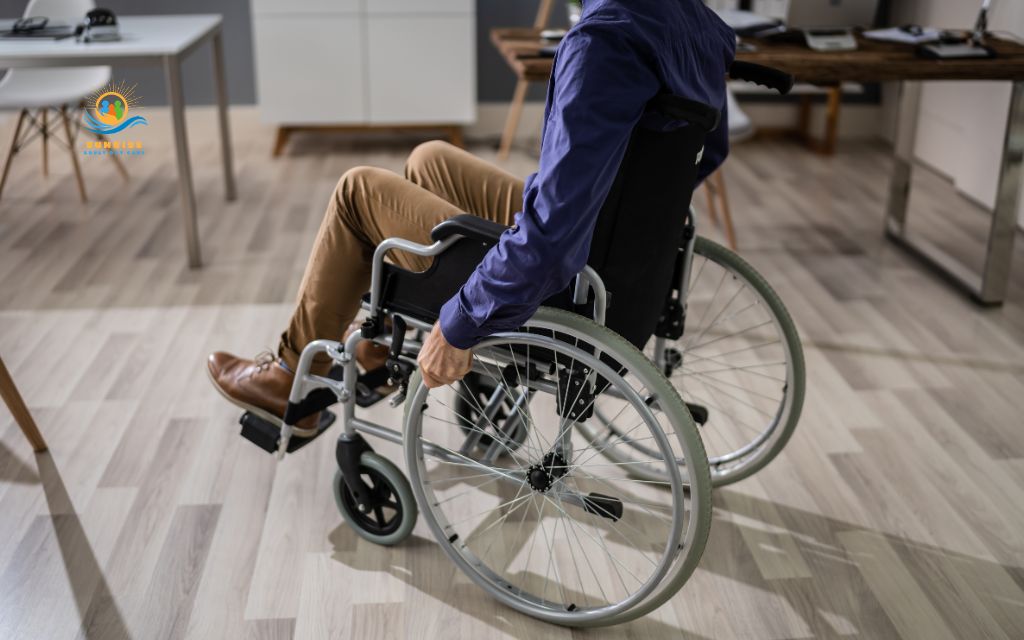
Các điều kiện có thể ảnh hưởng đến khả năng di chuyển
Nhiều tình trạng sức khỏe có thể ảnh hưởng đến cách mà người lớn tuổi di chuyển một cách thoải mái và an toàn trong suốt cả ngày. Mục tiêu ở đây không phải là chẩn đoán nguyên nhân, mà là giúp những người chăm sóc hiểu tại sao các hoạt động có thể cần được điều chỉnh. Khi các gia đình biết điều gì đang làm cho việc di chuyển trở nên khó khăn hơn, họ có thể lên kế hoạch cho các hoạt động cảm thấy hỗ trợ hơn là nản lòng.
- Viêm khớp và đau khớpViêm khớp ở đầu gối, hông, tay, vai hoặc cột sống có thể khiến việc di chuyển hàng ngày trở nên đau đớn. Người cao tuổi có thể gặp khó khăn với sự cứng nhắc vào buổi sáng hoặc sau khi ngồi quá lâu, và những chuyển động lặp đi lặp lại có thể nhanh chóng trở nên không thoải mái.
- Phục hồi sau đột quỵĐột quỵ có thể để lại cho người cao tuổi sự yếu đuối một bên, vấn đề về cân bằng, thay đổi trong lời nói hoặc mệt mỏi. Khả năng phối hợp và sử dụng một tay hoặc cánh tay có thể bị giảm, thường cần các hoạt động ngồi và có người giám sát.
- Bệnh ParkinsonNgười cao tuổi có thể gặp phải tình trạng cứng khớp, di chuyển chậm hơn hoặc run rẩy, khiến cho các nhiệm vụ nhiều bước và việc đi bộ ổn định trở nên khó khăn hơn để quản lý.
- Bệnh tim hoặc phổiBệnh tim, suy tim và COPD làm giảm sức bền và gây khó thở. Người cao tuổi nhanh chóng mệt mỏi, vì vậy các hoạt động cần có tác động thấp và được thực hiện với thời gian nghỉ ngơi thường xuyên.
- Sa sút trí tuệ hoặc thay đổi nhận thứcMất trí nhớ có thể ảnh hưởng đến phán đoán, nhận thức về an toàn và khả năng tuân theo hướng dẫn. Người cao tuổi có thể quên cách sử dụng các đồ vật quen thuộc hoặc trở nên lúng túng, khiến cho các hoạt động đơn giản có giám sát trở thành lựa chọn an toàn nhất.
- Biến đổi liên quan đến bệnh thần kinh hoặc tiểu đườngCảm giác giảm ở chân hoặc chân có thể làm mất thăng bằng và tăng nguy cơ ngã. Người cao tuổi có thể không nhận ra những chấn thương nhỏ hoặc sự thay đổi trong tư thế đứng, vì vậy các hoạt động ngồi và giày dép hỗ trợ trở nên quan trọng hơn bình thường.
- Loãng xương hoặc yếu đuốiXương yếu và sức mạnh tổng thể thấp làm tăng nguy cơ gãy xương từ những cú ngã nhẹ hoặc chuyển động đột ngột. Ngay cả những chuyển động thường ngày như đứng dậy hoặc quay người cũng có thể cần thêm sự chú ý và hỗ trợ.
- Thay đổi về thị lực hoặc thính lựcMất thị lực khiến việc phát hiện chướng ngại vật và bề mặt không bằng phẳng trở nên khó khăn hơn, trong khi mất thính lực làm cho việc nghe các chỉ dẫn nhóm dễ bị bỏ lỡ. Cả hai đều có thể dẫn đến sự do dự, rút lui khỏi các hoạt động nhóm, hoặc tăng nguy cơ ngã.
Tại sao các hoạt động lại quan trọng đối với người cao tuổi có hạn chế về di chuyển
Đối với người cao tuổi có hạn chế về di chuyển, các hoạt động có ý nghĩa hỗ trợ sức khỏe thể chất, tinh thần, kết nối xã hội, thói quen hàng ngày và cảm giác tự trọng. Chúng nhắc nhở người cao tuổi rằng họ vẫn là chính mình, với sở thích, ý kiến và những đóng góp để chia sẻ.
Các hoạt động hỗ trợ sức khỏe thể chất
Các hoạt động nhẹ nhàng, được điều chỉnh có thể giúp người cao tuổi duy trì sự linh hoạt, tuần hoàn, phối hợp và nhận thức về cơ thể. Ngay cả những chuyển động nhỏ khi ngồi cũng có thể giúp giảm cứng nhắc và khuyến khích sự thoải mái suốt cả ngày.
Các hoạt động giữ cho tâm trí luôn bận rộn
Trò chơi, câu đố, đọc sách, âm nhạc, trò chuyện và các hoạt động học tập giúp người cao tuổi giữ cho tâm trí luôn hoạt động và gắn bó với thế giới xung quanh. Một tâm trí tò mò là một người bạn tuyệt vời ở bất kỳ độ tuổi nào.
Các hoạt động giảm cô đơn và buồn chán
Sự hạn chế về di chuyển có thể khiến việc rời khỏi nhà hoặc tham gia vào những sở thích cũ trở nên khó khăn hơn. Những hoạt động có ý nghĩa giúp người cao tuổi giữ liên lạc với gia đình, bạn bè, đồng nghiệp và người chăm sóc, đồng thời mang lại cho ngày tháng một hình dạng đáng để mong chờ.
Các hoạt động hỗ trợ tâm trạng và sự tự tin
Khi người cao tuổi vẫn có thể tham gia vào các hoạt động thú vị, họ thường cảm thấy có khả năng, được trân trọng và độc lập hơn. Những thành công nhỏ (hoàn thành một câu đố, nướng bánh quy, vẽ một tấm thiệp) tích lũy lại tạo ra một cái nhìn tích cực hơn.
Các hoạt động tạo ra cấu trúc hàng ngày
Một thói quen có thể dự đoán giúp người lớn tuổi cảm thấy an toàn hơn, đặc biệt khi họ đang phục hồi sau bệnh tật, quản lý các tình trạng mãn tính, hoặc dành nhiều thời gian hơn ở nhà. Biết điều gì sẽ xảy ra tiếp theo có thể mang lại sự an tâm sâu sắc.

Các hoạt động an toàn cho người cao tuổi có hạn chế về di chuyển
Các hoạt động dưới đây có thể được thực hiện tại nhà, trong môi trường sống cho người cao tuổi, hoặc như một phần của chương trình ngày cho người lớn có giám sát. Chúng được tổ chức theo loại lợi ích mà chúng mang lại, để người chăm sóc có thể kết hợp và lựa chọn trong suốt cả ngày.
1. Các hoạt động thể chất nhẹ nhàng
Những hoạt động này giúp người cao tuổi duy trì sự vận động mà không cần phải đứng hoặc đi quá lâu. Chúng hỗ trợ sự linh hoạt, tuần hoàn, nhận thức về cơ thể và sự tự tin, tất cả đều không gây quá nhiều áp lực lên các khớp mệt mỏi hoặc năng lượng thấp.
Ví dụ như:
- Bài tập ghế với các động tác nâng tay đơn giản, xoay mắt cá chân, xoay vai, hoặc nâng chân ngồi.
- Yoga ghế hoặc kéo dãn ngồi
- Nhảy ngồi hoặc cử động tay theo nhạc yêu thích
- Hoạt động với dây kháng lực nhẹ
- Hơi thở có hướng kết hợp với chuyển động nhẹ nhàng
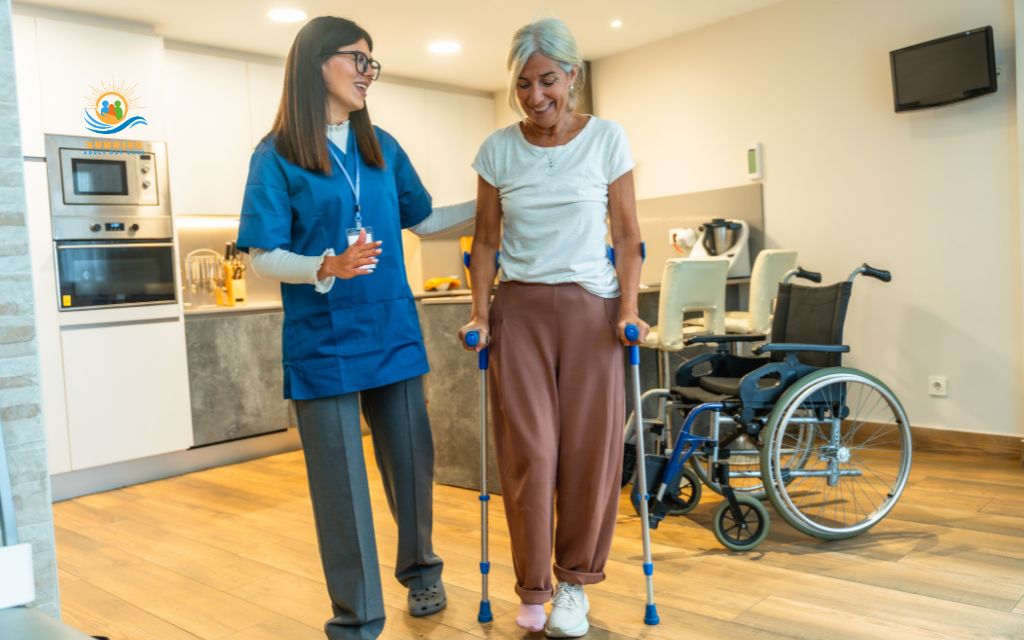
- Những chuyến đi bộ ngắn thân thiện với xe lăn hoặc đi bộ có hỗ trợ, khi an toàn
2. Các hoạt động kích thích nhận thức và não bộ
Những hoạt động này giúp giữ cho tâm trí luôn hoạt động và có thể được điều chỉnh cho các mức độ khả năng khác nhau. Chúng đặc biệt hữu ích cho người cao tuổi thích học hỏi, giải quyết vấn đề, trò chuyện hoặc các trò chơi dựa trên trí nhớ.
Chọn những hoạt động cảm thấy thú vị, không căng thẳng. Đối với người cao tuổi bị mất trí nhớ hoặc thay đổi trí nhớ, hãy dựa vào những chủ đề quen thuộc, các buổi ngắn hơn và hướng dẫn đơn giản từng bước. Mục tiêu là kết nối và tự tin, không phải kiểm tra hay thi cử.
Ví dụ như:
- Đố chữ, tìm từ, Sudoku hoặc ghép hình mảnh lớn
- Trò chơi trivia và trò chơi "hoàn thành câu"
- Sách nói, podcast, truyện ngắn hoặc buổi đọc to
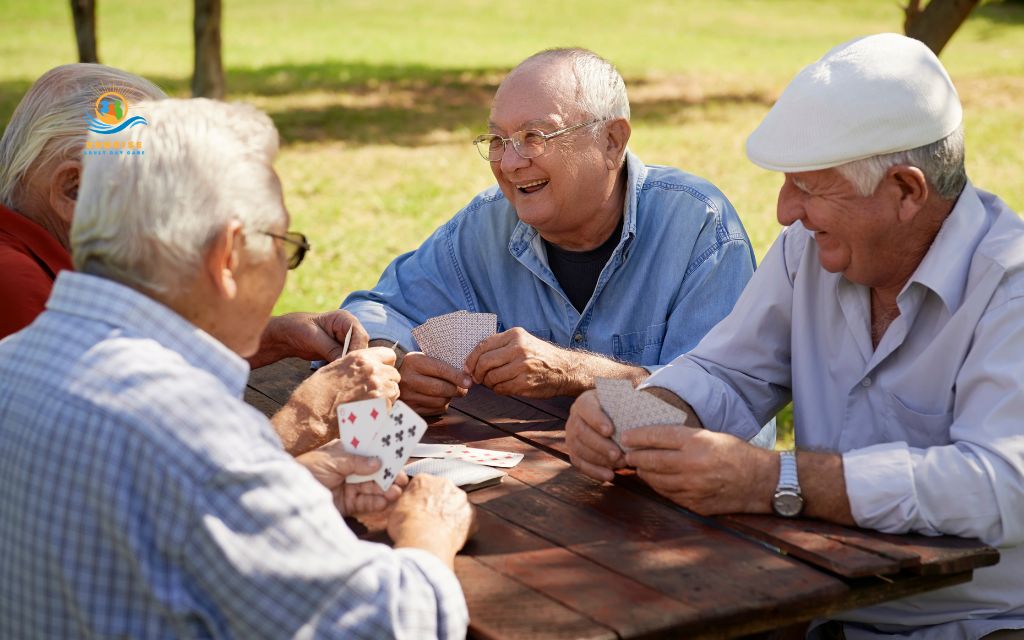
- Trò chơi bài, domino, bingo, trò chơi ghép đôi, hoặc trò chơi bàn đơn giản
- Trò chơi trí nhớ dựa trên âm nhạc, ngày lễ, truyền thống gia đình hoặc những địa điểm yêu thích
3. Các hoạt động sáng tạo và có mục đích
Các hoạt động sáng tạo giúp người cao tuổi cảm thấy có ích, thể hiện bản thân và tự hào về những gì họ vẫn có thể làm. Chúng cũng rất tuyệt vời để giảm bớt sự nhàm chán và hỗ trợ sức khỏe tinh thần. Những dự án hoàn thành trở thành những lời nhắc nhở nhỏ về khả năng.
Ví dụ như:
- Vẽ, tô màu, cắt dán, làm thiệp, hoặc thủ công theo mùa
- Nặn đất sét, cắm hoa, đan len, móc len, hoặc làm scrapbook
- Chăm sóc cây trong nhà, trồng rau thơm, hoặc trồng cây trong chậu
- Nấu ăn hoặc nướng bánh với sự hỗ trợ, chẳng hạn như khuấy, nếm, trang trí hoặc chọn công thức.
- Các dự án theo phong cách tình nguyện, chẳng hạn như viết thiệp, làm đồ thủ công đơn giản để quyên góp, hoặc ghi lại những câu chuyện gia đình
4. Các hoạt động kết nối xã hội và cảm xúc
Sự hạn chế về di chuyển có thể làm tăng nguy cơ cô đơn, điều này khiến các hoạt động xã hội trở nên đặc biệt quan trọng. Những hoạt động này giúp người cao tuổi cảm thấy được bao gồm, được trân trọng và gắn kết với những người và câu chuyện xung quanh họ.
Những hoạt động này mang đến cho người cao tuổi không gian để chia sẻ kỷ niệm, cười đùa, cảm thấy được lắng nghe và giữ kết nối với gia đình, bạn bè và người chăm sóc. Sự thuộc về là một trong những loại hình chăm sóc mạnh mẽ nhất.
Ví dụ như:
- Buổi trò chuyện cà phê, vòng tròn thảo luận, hoặc thảo luận về sự kiện hiện tại
- Nghe nhạc, hát theo, trò chơi đoán bài hát, hoặc các hoạt động nhịp điệu
- Kể chuyện, trò chuyện hồi tưởng, chia sẻ trò đùa, hoặc các buổi ghi nhớ gia đình
- Cuộc gọi video với gia đình hoặc bạn bè
- Liệu pháp thú cưng hoặc thời gian thư giãn với động vật
- Bữa ăn nhóm, lễ hội, tiệc sinh nhật, hoặc nhóm tôn giáo
5. Các hoạt động cảm giác, thư giãn và dựa trên thiên nhiên
Những hoạt động này nhẹ nhàng, bình tĩnh và dễ dàng thích ứng cho người cao tuổi có năng lượng thấp, đau đớn, lo âu hoặc hạn chế di chuyển nghiêm trọng hơn. Chúng tập trung vào sự thoải mái và hiện diện hơn là hiệu suất.
Ví dụ như:
- Ngồi ngoài trời, quan sát chim, lắng nghe âm thanh của thiên nhiên, hoặc tận hưởng không khí trong lành trên hiên nhà.
- Thư giãn có hướng dẫn, thiền, cầu nguyện hoặc bài tập thở làm dịu
- Mát-xa tay, chăm sóc bằng khăn ấm, liệu pháp hương liệu, hoặc thoa kem dưỡng da
- Xem phim yêu thích, trình chiếu ảnh gia đình, hoặc tham quan bảo tàng ảo
- Đối tượng cảm giác, vải mềm, mùi hương quen thuộc, hoặc nhạc nhẹ nhàng
- Các hoạt động đơn giản dựa trên thiên nhiên như ngửi hương thảo, chạm vào hoa, hoặc chăm sóc các cây cảnh nhỏ trong nhà.
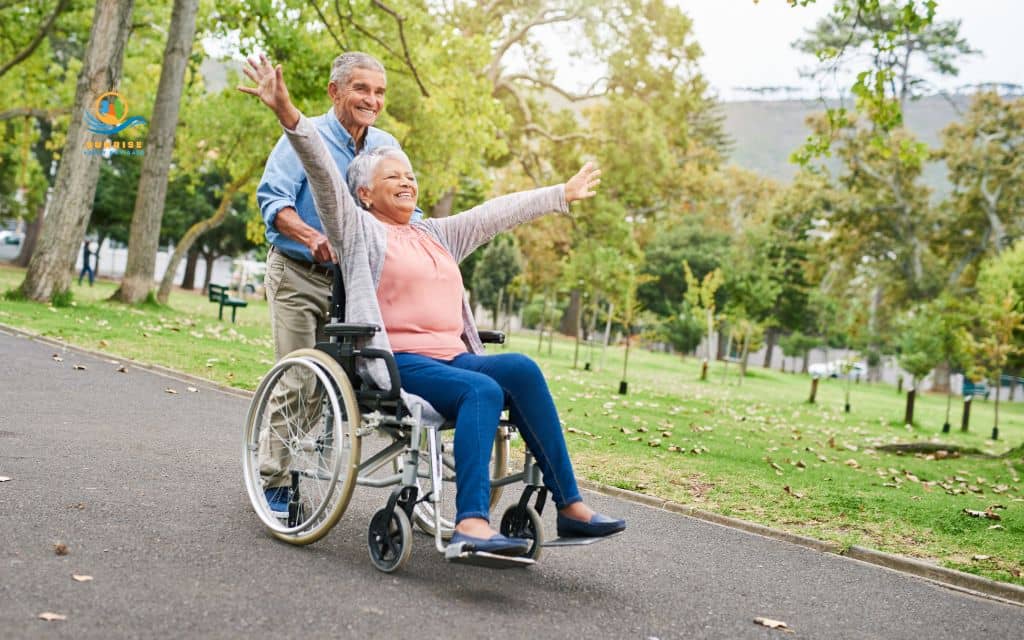
Mẹo điều chỉnh hoạt động cho người cao tuổi có hạn chế về di chuyển
Các mẹo sau đây giúp các gia đình lên kế hoạch cho những hoạt động cảm thấy khả thi và mang lại phần thưởng:
- Bắt đầu với những hoạt động ngắn, đơn giản phù hợp với mức năng lượng hiện tại của người cao tuổi.
- Cung cấp các lựa chọn ngồi khi có thể, chẳng hạn như bài tập trên ghế, trò chơi trên bàn, thủ công, âm nhạc hoặc trò chuyện.
- Sử dụng vật liệu nhẹ, công cụ dễ cầm, các mảnh lớn và bề mặt nâng cao để giảm căng thẳng về thể chất.
- Giữ cho khu vực hoạt động an toàn bằng cách dọn dẹp lối đi, cải thiện ánh sáng, loại bỏ thảm lỏng và đặt vật dụng trong tầm với dễ dàng.
- Cung cấp hướng dẫn từng bước và cho thêm thời gian.
- Xây dựng thời gian nghỉ ngơi để người cao tuổi có thể dừng lại, uống nước hoặc nghỉ nếu mệt.
- Tập trung vào sự tận hưởng, thoải mái và kết nối hơn là hiệu suất hoàn hảo.
- Thích nghi sở thích quen thuộc để phù hợp với khả năng hiện tại thay vì bắt đầu từ đầu.
- Chọn các hoạt động có giám sát khi có lo ngại về việc ngã, nhầm lẫn, phẫu thuật gần đây, bệnh nặng, hoặc nhu cầu sức khỏe phức tạp.
Nơi tìm hoạt động cho người cao tuổi có hạn chế về di chuyển
Tổ chức tôn giáo
Các nhà thờ, đền, nhà thờ Hồi giáo, hội đường và các cộng đồng dựa trên đức tin khác thường tổ chức các hoạt động thân thiện với người cao tuổi như nhóm cầu nguyện, chương trình âm nhạc, dự án tình nguyện, bữa ăn xã hội, hỗ trợ vận chuyển và thăm hỏi thân thiện. Đối với những người cao tuổi coi trọng sự kết nối tâm linh, cộng đồng quen thuộc và hỗ trợ tinh thần, những buổi gặp gỡ này có thể đặc biệt có ý nghĩa.
Tổ chức địa phương hoặc trung tâm cộng đồng
Các trung tâm cộng đồng, phòng giải trí, thư viện và các chương trình cho người cao tuổi địa phương có thể cung cấp các lớp học tác động thấp, câu lạc bộ sách, nhóm thủ công, sự kiện âm nhạc, bài tập ngồi, ngày chơi game và các buổi gặp gỡ xã hội. Khi gọi điện hoặc đến thăm, các gia đình có thể hỏi xem hoạt động có thể tiếp cận bằng xe lăn, hoàn toàn ngồi, tác động thấp, hoặc được điều chỉnh cho các mức độ khả năng khác nhau hay không.
Nhà và trung tâm cho người cao tuổi
Các trung tâm người cao tuổi, cộng đồng sống cho người cao tuổi và các chương trình ban ngày cho người lớn thường cung cấp các hoạt động có cấu trúc được thiết kế cho người lớn tuổi với các nhu cầu di chuyển khác nhau. Những chương trình này thường có nhịp độ hợp lý, được giám sát và được xây dựng dựa trên khả năng tiếp cận.
Các tổ chức từ thiện địa phương
Các tổ chức từ thiện địa phương và tổ chức phi lợi nhuận có thể cung cấp các chương trình bạn đồng hành, phương tiện di chuyển dễ tiếp cận, chương trình bữa ăn, hỗ trợ tạm thời cho người chăm sóc, nhóm hoạt động hoặc hỗ trợ dựa trên tình nguyện. Các gia đình cũng có thể liên hệ với các cơ quan dịch vụ cho người cao tuổi, tổ chức khuyết tật, nhóm hỗ trợ người chăm sóc và các tổ chức phi lợi nhuận chuyên về bệnh tật để tìm các chương trình phù hợp với nhu cầu của người cao tuổi.
Kết luận
Các hoạt động cho người cao tuổi có hạn chế về di chuyển nên tập trung vào an toàn, phẩm giá, khả năng và sự kết nối. Với những điều chỉnh phù hợp, người cao tuổi có thể tiếp tục tận hưởng việc di chuyển, trò chơi, âm nhạc, thủ công, câu chuyện, thiên nhiên, nấu ăn, thú cưng, thời gian xã hội và những thói quen đơn giản có ý nghĩa giúp một ngày trở nên như của riêng họ.
Đối với các gia đình cần nhiều hơn những ý tưởng hoạt động tại nhà, dịch vụ ban ngày cho người lớn có thể cung cấp cấu trúc, giám sát, sự tham gia xã hội, hỗ trợ liên quan đến sức khỏe và thời gian nghỉ ngơi có ý nghĩa cho người chăm sóc, tất cả trong một môi trường ban ngày không phải là nơi cư trú.
Visit Sunrise Adult Daycare
Nếu người thân của bạn có khả năng di chuyển hạn chế và cần các hoạt động an toàn ban ngày, bạn đồng hành, giám sát hoặc nghỉ ngơi cho người chăm sóc, chúng tôi người lớn chương trình ngày có thể giúp tạo ra một thói quen hỗ trợ khuyến khích sự thoải mái, phẩm giá và kết nối. Liên hệ với chúng tôi hôm nay! Gọi (303) 226-6882.
Những câu hỏi thường (Hỏi đáp)
Những trò chơi nào dành cho người cao tuổi có hạn chế về vận động?
Các lựa chọn tốt bao gồm bingo, xếp hình ghép lớn, trò chơi bài, domino, câu đố, trò chơi ghép đôi, ném bóng bay ngồi, ném bao cát và ném vòng thích ứng. Những trò chơi di động này cho người cao tuổi dễ chơi từ ghế hoặc xe lăn và có thể được điều chỉnh đơn giản hơn hoặc khó hơn tùy theo khả năng.
Những hoạt động nào người cao tuổi có thể làm khi ngồi?
Người cao tuổi có thể thực hiện các bài giãn cơ ngồi, yoga trên ghế, chơi bài, giải đố, vẽ, đan len, các hoạt động âm nhạc, đố vui, sách nói, kể chuyện, massage tay, thủ công và các vòng trò chuyện. Hầu hết các ý tưởng hoạt động cho người cao tuổi có thể được điều chỉnh thành phiên bản ngồi với rất ít thay đổi.
Những trò chơi di động nào tốt cho người cao tuổi?
Các trò chơi vận động tốt bao gồm ném bóng ghế ngồi, ném túi đậu, xếp hình lớn, bingo, trivia, bowling thích ứng, ném vòng, trò chơi bài, domino và các trò chơi vận động nhẹ nhàng. Những trò chơi này mang lại cảm giác vui vẻ và thử thách thân thiện mà không cần phải đứng hoặc đi bộ.
Làm thế nào để người chăm sóc giữ cho người cao tuổi có khả năng di chuyển hạn chế hoạt động?
Người chăm sóc có thể đưa ra những lựa chọn đơn giản, lên lịch cho các hoạt động ngắn trong suốt cả ngày, điều chỉnh sở thích yêu thích, dựa vào các lựa chọn ngồi, khuyến khích kết nối xã hội và tránh ép buộc các hoạt động cảm thấy không an toàn hoặc mệt mỏi. Một nhịp điệu dự đoán của các hoạt động nhỏ thường hiệu quả hơn so với một phiên dài.
Những hoạt động nào tốt cho người sử dụng xe lăn?
Các hoạt động thân thiện với xe lăn bao gồm tập thể dục ngồi, làm vườn dễ tiếp cận, thủ công, âm nhạc, câu đố, trò chơi bàn, thể thao thích ứng, nhóm xã hội, kể chuyện và các chuyến đi dễ tiếp cận. Nhiều ý tưởng hoạt động cho người cao tuổi có thể được điều chỉnh cho chiều cao của xe lăn với bàn nâng và vật liệu dễ lấy.
Những hoạt động nào tốt cho người cao tuổi nằm trên giường?
Các hoạt động tốt cho người cao tuổi nằm trên giường bao gồm âm nhạc, sách nói, đọc truyện, gọi video, thư giãn có hướng dẫn, massage tay, kể chuyện, phim ảnh, kỷ niệm qua ảnh và vận động nhẹ nhàng nếu được sự chấp thuận của nhà cung cấp dịch vụ y tế. Mục tiêu là sự thoải mái, hiện diện và kết nối.
Chăm sóc ban ngày cho người lớn có thể giúp người cao tuổi có hạn chế về di chuyển không?
Có. Một chương trình ban ngày cho người lớn có thể cung cấp các hoạt động có giám sát, bữa ăn, kết nối xã hội, thói quen an toàn, thời gian nghỉ ngơi cho người chăm sóc và hỗ trợ với các nhu cầu hàng ngày, tùy thuộc vào chương trình. Đối với nhiều gia đình, nó trở thành một nguồn cấu trúc và bạn đồng hành ổn định trong giờ ban ngày.