
Ăn uống lành mạnh là một trong những điều quan trọng nhất mà người cao tuổi có thể làm để cảm thấy khỏe mạnh hơn, duy trì sự tự lập và tận hưởng cuộc sống hàng ngày; tuy nhiên, việc duy trì chế độ ăn uống lành mạnh có thể trở nên khó khăn hơn khi tuổi tác tăng lên. Sự thay đổi về khẩu vị, sức khỏe suy giảm, khả năng vận động hạn chế và những nhu cầu dinh dưỡng đặc biệt đều có thể khiến việc nấu nướng hàng ngày trở thành gánh nặng thay vì niềm vui.
Tin vui là một phương pháp chuẩn bị bữa ăn chu đáo nhưng không tốn nhiều công sức dành cho người cao tuổi có thể mang lại sự thay đổi đáng kể. Chỉ cần dành một chút thời gian để lên kế hoạch và chuẩn bị thức ăn trước, người cao tuổi và những người chăm sóc có thể giảm bớt áp lực nấu nướng hàng ngày, đảm bảo luôn có sẵn những bữa ăn bổ dưỡng, đồng thời thiết lập một thói quen giúp duy trì năng lượng, sức khỏe và sự an tâm suốt cả tuần.
Hướng dẫn này sẽ giúp bạn nắm rõ mọi điều cần thiết: tại sao việc chuẩn bị bữa ăn lại quan trọng đối với người cao tuổi, những loại thực phẩm nên đưa vào thực đơn lành mạnh, các gợi ý thực tế cho từng bữa ăn trong ngày theo tuần, cùng một số chiến lược mua sắm thực phẩm.
Tại sao việc chuẩn bị bữa ăn lại quan trọng đối với người cao tuổi
Chuẩn bị bữa ăn không chỉ là một xu hướng dành cho những người trưởng thành bận rộn. Đối với người cao tuổi, việc chuẩn bị bữa ăn cho người già có thể là một trong những chiến lược thiết thực nhất để duy trì sức khỏe tốt.
Đây là lý do tại sao điều đó lại tạo ra sự khác biệt quan trọng đến vậy:
Giúp việc ăn uống lành mạnh trở nên dễ dàng hơn
Khi những món ăn giàu dinh dưỡng đã được chuẩn bị sẵn và để trong tủ lạnh, việc lựa chọn lối sống lành mạnh trở nên thật dễ dàng. Thay vì cứ mặc định chọn đồ ăn vặt chế biến sẵn hoặc bỏ bữa, người cao tuổi chỉ cần hâm nóng một món ăn đầy đủ dinh dưỡng và ngồi xuống thưởng thức một bữa ăn đàng hoàng.
Các lựa chọn thực phẩm lành mạnh đã được chế biến sẵn giúp bạn không phải mất thời gian suy nghĩ mỗi ngày, điều này có thể khiến bạn cảm thấy mệt mỏi, đặc biệt là đối với những người đang phải đối mặt với những thay đổi về nhận thức hoặc tình trạng thiếu năng lượng.
Giảm bớt áp lực nấu nướng hàng ngày
Việc phải đứng nấu nướng hàng ngày có thể khiến cơ thể và tinh thần mệt mỏi, đặc biệt là đối với người cao tuổi đang phải đối mặt với các vấn đề như viêm khớp, mệt mỏi hoặc đau mãn tính. Việc chuẩn bị bữa ăn cho người cao tuổi giúp tập trung công sức vào 1 hoặc 2 lần mỗi tuần, nhờ đó họ có thể dành thời gian còn lại trong tuần để nghỉ ngơi, giao lưu hoặc tham gia các hoạt động khác.
Giúp duy trì năng lượng và sức mạnh
Việc bỏ bữa và chế độ ăn thiếu dinh dưỡng lại khá phổ biến ở người cao tuổi, thường dẫn đến sụt cân không mong muốn, suy nhược cơ bắp và mệt mỏi. Một tủ lạnh luôn đầy ắp các bữa ăn đã được chuẩn bị sẵn sẽ đảm bảo người cao tuổi luôn nạp đủ protein, carbohydrate phức hợp và chất béo lành mạnh để duy trì khối lượng cơ bắp, hỗ trợ sức khỏe xương và duy trì năng lượng suốt cả ngày.
Giúp cơ thể được cung cấp đủ nước và dinh dưỡng
Người cao tuổi có nguy cơ bị mất nước cao hơn do cảm giác khát nước sẽ giảm dần theo tuổi tác. Việc chuẩn bị bữa ăn là cơ hội để bổ sung các loại thực phẩm giúp bù nước – như súp, sinh tố, trái cây cắt miếng và rau củ chứa nhiều nước – vào các bữa ăn hàng ngày.
Điều này cũng giúp việc lên kế hoạch cho các bữa ăn cân bằng, bao gồm vitamin, khoáng chất và chất xơ – những dưỡng chất có thể bị thiếu hụt khi ăn vội vàng hoặc bỏ bữa – trở nên dễ dàng hơn.
Khuyến khích thói quen và tính tự lập
Thói quen sinh hoạt đều đặn mang lại nhiều lợi ích cho người cao tuổi, đặc biệt là những người đang phải đối mặt với tình trạng suy giảm trí nhớ ở giai đoạn đầu hoặc lo âu. Việc biết rằng các bữa ăn đã được lên kế hoạch, chuẩn bị sẵn sàng mang lại cảm giác an tâm nhờ sự ổn định và trật tự.
Khi người cao tuổi có thể tự lo bữa ăn mà không cần phải nhờ ai nấu cho mỗi ngày, điều này giúp củng cố cảm giác độc lập, phẩm giá và khả năng tự chủ của họ – tất cả đều là những yếu tố thiết yếu cho sức khỏe tinh thần và chất lượng cuộc sống.
Nên bao gồm những gì trong thực đơn của bạn
Việc lập một thực đơn cân bằng cho người cao tuổi không nhất thiết phải phức tạp. Điều quan trọng là chọn những thực phẩm dễ chế biến, dễ tiêu hóa và giàu các chất dinh dưỡng cần thiết nhất cho quá trình lão hóa khỏe mạnh. Dưới đây là những thực phẩm bạn nên dự trữ trong bếp và ghi vào danh sách mua sắm.
Các nguồn protein ít chất béo
Protein là yếu tố thiết yếu để duy trì khối lượng cơ bắp, hỗ trợ chức năng miễn dịch và giữ gìn sức mạnh khi chúng ta già đi. Nhiều người cao tuổi không tiêu thụ đủ protein, điều này có thể làm gia tăng tốc độ mất cơ. Hãy cố gắng bổ sung đa dạng các nguồn protein dễ chế biến vào thực đơn hàng tuần.
- Ức hoặc đùi gà (nướng, luộc hoặc hầm)
- Cá đóng hộp hoặc cá tươi (cá hồi, cá ngừ, cá rô phi)
- Trứng
- Đậu và đậu lăng
- Sữa chua Hy Lạp và phô mai tươi
Thực phẩm giàu chất xơ
Chất xơ hỗ trợ sức khỏe hệ tiêu hóa, giúp điều hòa lượng đường trong máu và tạo cảm giác no. Nhiều người cao tuổi thường gặp phải tình trạng táo bón hoặc khó chịu ở dạ dày, do đó các loại thực phẩm giàu chất xơ trở nên đặc biệt quan trọng.
- Yến mạch cán mỏng và bánh mì ngũ cốc nguyên hạt
- Các loại rau đã nấu chín như bông cải xanh, cà rốt và bí
- Trái cây tươi hoặc đóng hộp (đào, lê, các loại quả mọng)
- Gạo lứt, quinoa và lúa mạch
Chất béo lành mạnh
Chất béo lành mạnh giúp duy trì sức khỏe não bộ, chức năng khớp và quá trình hấp thu các vitamin tan trong chất béo. Chúng còn mang lại hương vị giúp bữa ăn trở nên hấp dẫn hơn, điều này đặc biệt quan trọng khi cảm giác thèm ăn giảm sút.
- Quả bơ và guacamole
- Dầu ô liu dùng để nấu ăn và làm nước sốt
- Các loại hạt và bơ hạt (hạnh nhân, đậu phộng, óc chó)
- Các loại hạt như hạt chia, hạt lanh và hạt hướng dương
Thực phẩm bổ sung nước
Ngoài nước uống, nhiều loại thực phẩm cũng góp phần đáp ứng nhu cầu hydrat hóa hàng ngày. Việc đưa các thực phẩm này vào thực đơn dành cho người cao tuổi sẽ giúp đảm bảo lượng nước uống ổn định, ngay cả đối với những người hay quên uống đủ nước.
- Các món súp và nước dùng (rất tốt cho việc bù nước và dễ ăn)
- Sinh tố làm từ sữa, sữa chua hoặc nước ép trái cây
- Dưa hấu, dưa chuột và cần tây
- Cam, nho và dâu tây

Thực phẩm dễ nhai
Những thay đổi về răng miệng, khô miệng hoặc khó nuốt có thể khiến một số loại thực phẩm có kết cấu đặc biệt trở nên khó chịu, thậm chí nguy hiểm đối với một số người cao tuổi. Việc ưu tiên các món ăn mềm, dễ nhai sẽ giúp bữa ăn vẫn thú vị và an toàn.
- Rau củ luộc mềm (bí ngòi, cà rốt, đậu Hà Lan)
- Các món hầm và nướng trong nồi nấu chậm
- Sữa chua, bánh pudding và sinh tố
- Mì ống, gạo và bột yến mạch được nấu chín kỹ
- Khoai tây nghiền, đậu mềm và trứng bác
Các thành phần tốt cho tim mạch
Sức khỏe tim mạch vẫn là ưu tiên hàng đầu đối với người cao tuổi. Việc lựa chọn các nguyên liệu tốt cho tim mạch khi chuẩn bị bữa ăn hàng tuần có thể giúp kiểm soát huyết áp, giảm cholesterol và hỗ trợ sức khỏe tim mạch nói chung.
- Cá hồi và các loại cá khác giàu axit béo omega-3
- Các loại rau lá xanh như rau bina, cải xoăn và cải Thụy Sĩ
- Các loại ngũ cốc nguyên hạt như yến mạch, lúa mạch và gạo lứt
- Quả mọng, cà chua và khoai lang
- Dùng dầu ô liu thay cho bơ hoặc chất béo bão hòa
Các bữa ăn cân bằng, đa dạng về màu sắc và thành phần
Một đĩa thức ăn bắt mắt không chỉ đơn thuần là trông đẹp mắt, mà còn kích thích sự thèm ăn và thể hiện sự đa dạng về dinh dưỡng. Đối với người cao tuổi, những người có thể cảm thấy ít đói hơn, những bữa ăn đầy màu sắc bao gồm nhiều nhóm thực phẩm khác nhau sẽ dễ được họ ăn và thưởng thức hơn.
Hãy cố gắng sắp xếp ít nhất 3 nhóm thực phẩm trên mỗi đĩa: một nguồn protein, một loại rau và một loại ngũ cốc hoặc thực phẩm giàu tinh bột. Sự đa dạng giúp bữa ăn trở nên thú vị hơn và đảm bảo cung cấp đầy đủ các chất dinh dưỡng cần thiết hàng tuần.
Những ý tưởng chuẩn bị bữa ăn hàng tuần lành mạnh dành cho người cao tuổi
Một trong những lợi ích lớn nhất của việc chuẩn bị bữa ăn sẵn cho người cao tuổi chính là tính linh hoạt của nó. Bạn không cần phải nấu tất cả cùng một lúc hay tuân theo một lịch trình cứng nhắc. Hãy chọn một vài ý tưởng mỗi tuần phù hợp với mức năng lượng, nhu cầu dinh dưỡng và sở thích ẩm thực của bạn, rồi từ đó điều chỉnh cho phù hợp.
Những ý tưởng đơn giản để chuẩn bị bữa sáng
Bữa sáng định hình tâm trạng cho cả ngày. Một bữa sáng giàu dinh dưỡng không chỉ cung cấp năng lượng, giúp tăng cường sự tập trung mà còn hỗ trợ điều chỉnh cảm giác thèm ăn suốt cả ngày. Những gợi ý bữa sáng đơn giản này đều có thể chuẩn bị sẵn từ trước, giúp buổi sáng của bạn trở nên nhẹ nhàng và thoải mái.
1. Yến mạch ngâm qua đêm: Trộn yến mạch cán mỏng, sữa hoặc sữa thực vật, cùng các loại topping tùy thích (quả mọng, lát chuối, hạt chia hoặc một thìa bơ hạt) vào lọ thủy tinh hoặc hộp có nắp đậy. Để trong tủ lạnh qua đêm và lấy ra dùng ngay vào sáng hôm sau.
2. Khuôn bánh muffin trứng: Đánh đều trứng với rau củ cắt hạt lựu (ớt chuông, rau bina, nấm) và một ít phô mai bào, sau đó đổ hỗn hợp vào khuôn bánh muffin đã quét dầu và nướng ở nhiệt độ 350°F trong khoảng 20 phút. Sau khi nguội, bảo quản trong tủ lạnh tối đa bốn ngày hoặc chia thành từng phần để đông lạnh nếu muốn bảo quản lâu hơn.
3. Sữa chua với trái cây và granola: Chia sữa chua Hy Lạp vào các hộp nhỏ riêng biệt, sau đó phủ lên mỗi hộp một lớp trái cây mềm (chuối thái lát, đào hộp hoặc quả mọng đông lạnh đã rã đông) và rắc một ít granola ít đường. Nên bảo quản granola riêng để giữ nguyên độ giòn. Những bữa sáng kiểu parfait này giàu protein và canxi, dễ dàng lấy ra từ tủ lạnh và nhẹ nhàng, phù hợp cho những người có khẩu vị kém vào buổi sáng.
4. Gói sinh tố: Hãy chuẩn bị sẵn các gói sinh tố riêng lẻ bằng cách chia trái cây, rau bina và các nguyên liệu khác theo khẩu phần vào túi đông lạnh. Khi muốn uống vào buổi sáng, bạn chỉ cần đổ nguyên túi vào máy xay sinh tố, thêm sữa, sữa chua hoặc nước ép, rồi xay trong 30 giây.

Những ý tưởng đơn giản để chuẩn bị bữa trưa
Một bữa trưa được lên kế hoạch kỹ lưỡng sẽ cung cấp năng lượng cho buổi chiều và giúp tránh tình trạng sụt giảm năng lượng, vốn có thể dẫn đến việc ăn vặt không lành mạnh hoặc bỏ bữa. Những lựa chọn bữa trưa đơn giản này vừa đủ nhẹ nhàng để không gây buồn ngủ, nhưng cũng đủ no để cung cấp dinh dưỡng bền vững.
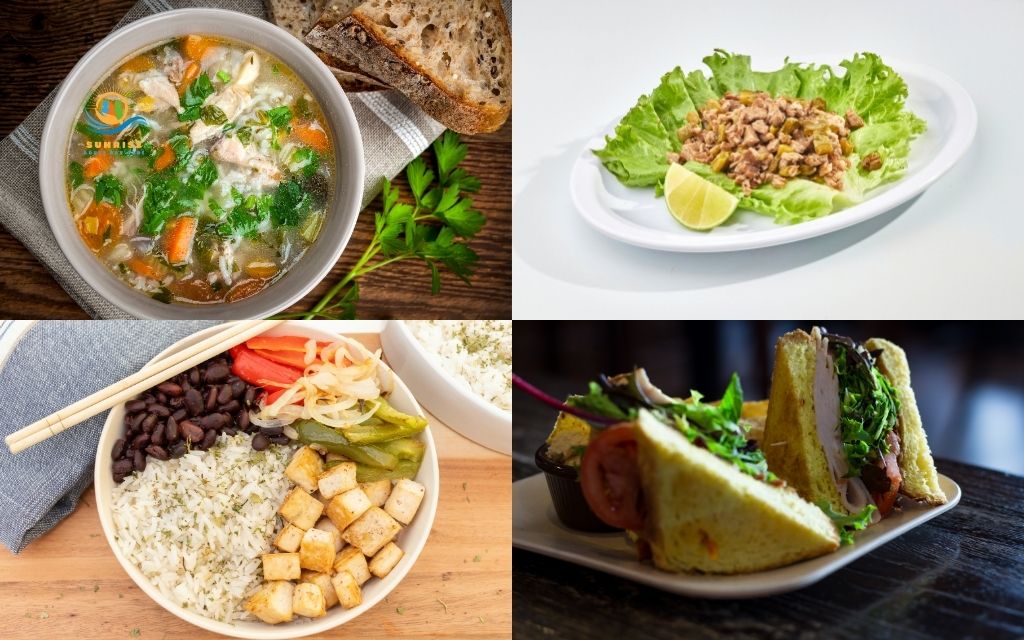
5. Súp gà và rau củ: Súp là một trong những lựa chọn chuẩn bị bữa ăn tốt nhất cho người cao tuổi: nó giúp bổ sung nước, dễ ăn, dễ hâm nóng và có thể biến tấu vô cùng đa dạng. Hãy sử dụng nước dùng ít natri và thêm nhiều loại rau củ mềm (cà rốt, cần tây, bí ngòi và khoai tây) để có một bữa ăn đầy đủ dinh dưỡng và cân bằng.
6. Bánh cuốn salad cá ngừ hoặc gà: Hãy chuẩn bị một lượng lớn salad cá ngừ hoặc gà bằng cách dùng sữa chua Hy Lạp thay cho sốt mayonnaise để có món ăn nhẹ nhàng hơn và giàu protein. Thêm cần tây hoặc dưa chuột băm nhỏ để tăng độ giòn và một nắm rau lá xanh để bổ sung dinh dưỡng. Bảo quản hỗn hợp trong tủ lạnh và cuộn vào bánh tortilla ngũ cốc nguyên hạt khi cần trong suốt tuần.
7. Món cháo ngũ cốc kèm đậu và rau củ: Hãy nấu một lượng lớn ngũ cốc nguyên hạt vào đầu tuần và dùng nó làm nền linh hoạt cho nhiều món salad ngũ cốc. Trang trí thêm đậu đóng hộp hoặc đậu luộc, rau củ nướng, cùng nước sốt đơn giản từ dầu ô liu và chanh.
8. Bánh mì kẹp thịt gà tây hoặc hummus: Chuẩn bị sẵn các nguyên liệu làm bánh mì kẹp – thịt gà tây thái lát, hummus, rau xà lách, cà chua thái lát và bánh mì ngũ cốc nguyên hạt – rồi bảo quản riêng biệt trong tủ lạnh để tiện chế biến hàng ngày. Hãy chọn các loại thịt nguội ít natri và bánh mì ngũ cốc nguyên hạt để tối ưu hóa giá trị dinh dưỡng.
Những ý tưởng đơn giản để chuẩn bị bữa tối
Bữa tối thường là bữa ăn tốn nhiều công sức nhất trong ngày, vì vậy việc chuẩn bị trước vào buổi tối trở nên đặc biệt hữu ích. Những ý tưởng bữa tối ngon miệng và bổ dưỡng này có thể được chuẩn bị trước phần lớn hoặc hoàn toàn và chỉ cần hâm nóng lại với rất ít công sức.
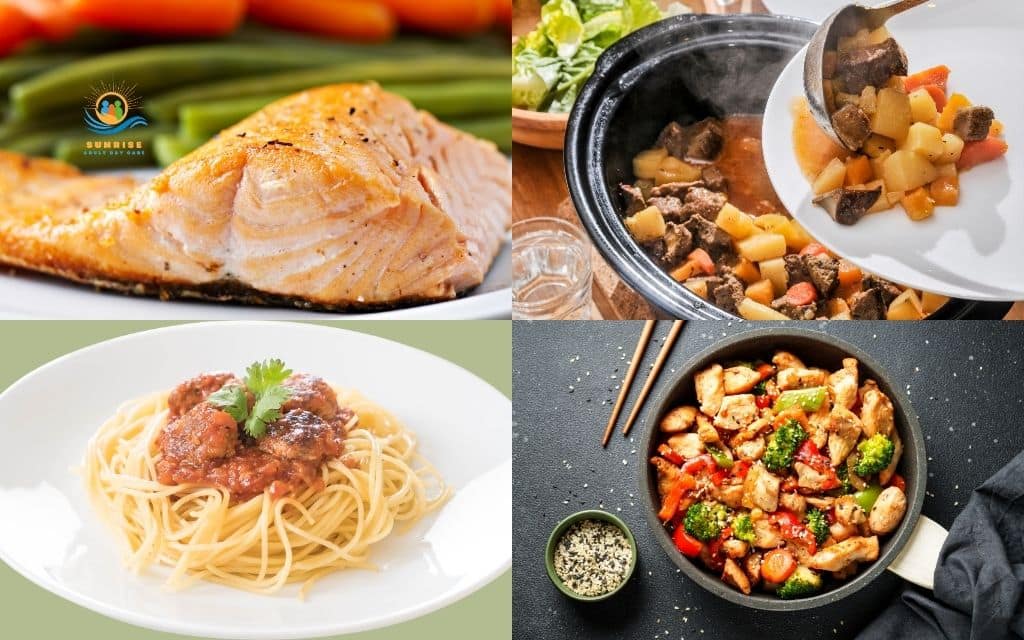
9. Cá hồi nướng với rau củ: Nướng vài miếng phi lê cá hồi cùng với một khay rau củ theo mùa (măng tây, cà chua bi, bí ngòi hoặc ớt chuông), rưới dầu ô liu và nêm gia vị với chanh, tỏi và các loại thảo mộc. Chia thành các phần nhỏ cho vào hộp đựng riêng biệt và bảo quản trong tủ lạnh tối đa ba ngày. Cá hồi là một trong những nguồn protein tốt nhất cho tim mạch, giàu axit béo omega-3 giúp hỗ trợ sức khỏe não bộ và hệ tim mạch.
10. Các món hầm nấu bằng nồi nấu chậm: Các món ăn nấu bằng nồi hầm chậm hầu như không cần thời gian nấu nướng trực tiếp. Chỉ cần cho các nguyên liệu bạn thích như thịt (thịt bò, thịt gà hoặc đậu), các loại củ, nước dùng và gia vị vào buổi sáng, chỉnh nồi ở chế độ lửa nhỏ, và bữa tối sẽ sẵn sàng vào buổi tối.
11. Mì ống kèm protein nạc và rau củ: Nấu một lượng lớn mì ống nguyên cám, sau đó trộn với sốt cà chua, thịt gà tây hoặc thịt gà nạc xay, cùng các loại rau củ cắt hạt lựu như rau bina, nấm và ớt chuông. Chia thành các phần nhỏ rồi bảo quản trong tủ lạnh hoặc tủ đông.
12. Xào cùng các loại rau mềm: Chuẩn bị một phần lớn món xào với thịt gà hoặc đậu hũ, các loại rau mềm (hoa bông cải xanh, đậu hà lan, cà rốt và cải thìa), cùng nước sốt nhẹ nhàng gồm nước tương ít natri, tỏi và gừng. Dùng kèm với cơm hoặc mì. Món xào rất nhanh hâm nóng, giàu dinh dưỡng đa dạng và dễ điều chỉnh để phù hợp với các sở thích ẩm thực hay chế độ ăn kiêng khác nhau.
Ý tưởng chuẩn bị đồ ăn nhẹ tốt cho sức khỏe
Chuẩn bị đồ ăn nhẹ cùng với các bữa chính sẽ giúp bạn luôn có sẵn những lựa chọn bổ dưỡng. Những gợi ý đồ ăn nhẹ sau đây chỉ cần chuẩn bị rất đơn giản và có thể chia thành từng phần ngay từ đầu tuần để bạn dễ dàng sử dụng trong suốt cả ngày.
13. Cốc sữa chua Hy Lạp: Chia sữa chua Hy Lạp nguyên chất hoặc có hương vị vào từng cốc nhỏ, sau đó rắc trái cây tươi hoặc trái cây đông lạnh đã rã đông lên trên. Bảo quản trong tủ lạnh tối đa năm ngày.
14. Cắt trái cây và rau củ mềm: Rửa sạch, gọt vỏ và cắt sẵn trái cây và rau củ (dưa hấu cắt khối, kiwi cắt lát, dưa chuột cắt khoanh, cà rốt luộc mềm cắt que). Bảo quản trong hộp kín để tiện ăn vặt.
15. Trứng luộc chín: Hãy luộc sẵn khoảng sáu đến tám quả trứng vào đầu tuần. Bảo quản trong tủ lạnh mà không bóc vỏ, có thể giữ được đến một tuần, để có một bữa ăn nhẹ giàu protein, tiện lợi bất cứ lúc nào.
16. Phô mai tươi và trái cây: Chia phô mai tươi thành từng phần nhỏ vào các hộp đựng và dùng kèm với đào hộp, quả mọng tươi hoặc miếng dứa. Giàu protein và canxi, đây là món ăn nhẹ lý tưởng cho người cao tuổi cần những lựa chọn mềm, dễ ăn.
17. Hỗn hợp hạt khô tự làm: Cho một lượng vừa đủ hỗn hợp các loại hạt, hạt giống và một ít trái cây sấy khô (quả nam việt quất, nho khô hoặc mơ cắt nhỏ) vào các túi nhỏ có thể đóng lại được. Hỗn hợp hạt và trái cây sấy khô là một món ăn vặt tiện lợi, không cần chế biến, cung cấp chất béo lành mạnh, protein và vị ngọt tự nhiên.
18. Sinh tố hoặc sữa lắc protein: Hãy pha các gói sinh tố (xem phần bữa sáng ở trên) để làm món ăn nhẹ vào giữa buổi sáng hoặc buổi chiều. Đối với người cao tuổi cần bổ sung calo hoặc protein, việc thêm một muỗng bột protein nguyên chất vào bất kỳ loại sinh tố nào là cách đơn giản để tăng cường dinh dưỡng.

Một số lời khuyên về việc chuẩn bị bữa ăn cho người cao tuổi
Thói quen chuẩn bị bữa ăn hiệu quả nhất là thói quen phù hợp với khả năng, lịch trình và điều kiện bếp núc của bạn. Những lời khuyên thiết thực về việc chuẩn bị bữa ăn dành cho người cao tuổi và những người chăm sóc họ sẽ giúp bạn bắt đầu mà không cảm thấy quá tải.
1. Hãy bắt đầu từ những bước nhỏ, chỉ với vài bữa ăn mỗi lần
Nếu bạn mới bắt đầu chuẩn bị bữa ăn trước, đừng cố gắng chuẩn bị thức ăn cho cả tuần chỉ trong một lần. Hãy bắt đầu bằng việc chuẩn bị 2 hoặc 3 bữa ăn chính, chẳng hạn như một nồi súp, một món giàu protein và một món ăn sáng. Khi đã quen với thói quen này, hãy dần dần mở rộng để chuẩn bị cho nhiều ngày hơn trong tuần. Bắt đầu từ những việc nhỏ sẽ giúp bạn tránh bị kiệt sức và duy trì thói quen này lâu dài.
2. Chọn những công thức nấu ăn đơn giản
Các công thức nấu ăn phức tạp với danh sách nguyên liệu dài dằng dặc và nhiều bước thực hiện có thể khiến quá trình nấu nướng trở nên mệt mỏi. Hãy tập trung vào những công thức chỉ sử dụng từ 5 đến 8 nguyên liệu, ít phải sơ chế và có thể hoàn thành trong vòng 30 đến 45 phút. Các món ăn nấu trong một nồi, món nướng trên khay và công thức nấu bằng nồi hầm chậm là những lựa chọn tuyệt vời để bắt đầu xây dựng thói quen chuẩn bị bữa ăn phù hợp cho người cao tuổi.
3. Nấu từng mẻ
Cách chuẩn bị bữa ăn hiệu quả nhất là nấu sẵn một lượng lớn các nguyên liệu cơ bản có thể chế biến theo nhiều cách khác nhau trong suốt tuần. Ví dụ, một mẻ gà nướng lớn có thể biến thành bánh cuốn vào ngày hôm nay, một tô ngũ cốc vào ngày mai, và một bữa tối đơn giản kèm rau củ vào ngày thứ ba. Tương tự, một nồi ngũ cốc đã nấu chín có thể làm nền cho các bữa trưa, bữa tối và các món ăn kèm. Nấu sẵn theo mẻ giúp tiết kiệm thời gian, công sức và tài nguyên.
4. Sử dụng các hộp đựng dễ bảo quản
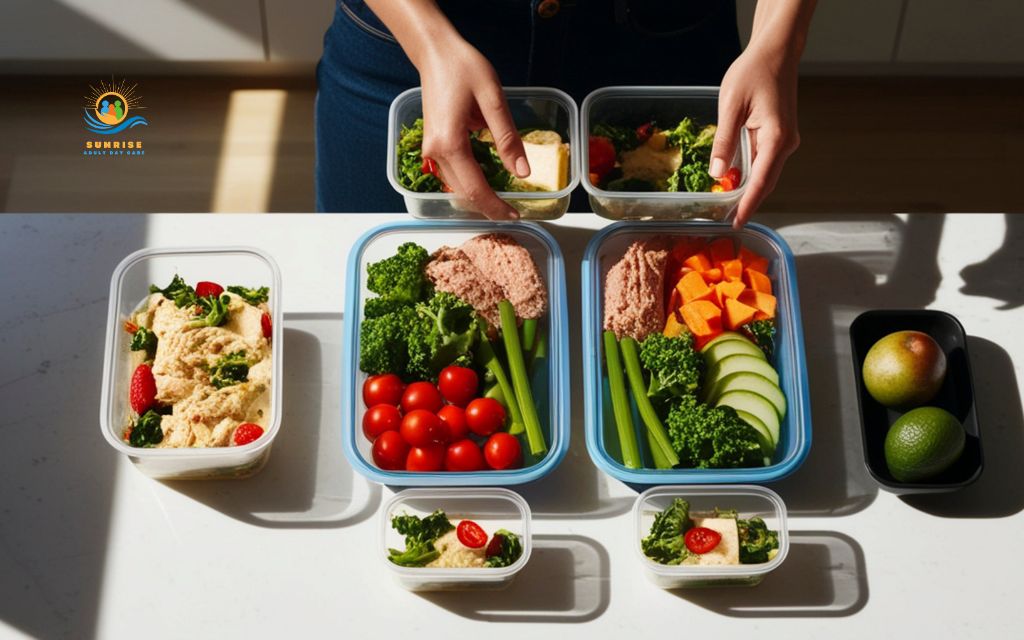
Hãy đầu tư một bộ hộp đựng trong suốt, cùng kích cỡ để bạn có thể dễ dàng nhìn thấy những gì có trong tủ lạnh mà không cần phải lục lọi các kệ. Dán nhãn ghi rõ nội dung và ngày chế biến lên mỗi hộp bằng nhãn dán và bút lông vĩnh viễn. Những hộp đựng có kích cỡ vừa đủ cho một phần ăn rất hữu ích cho người cao tuổi, những người cần kiểm soát khẩu phần ăn hoặc gặp khó khăn trong việc ước lượng lượng thức ăn.
5. Luôn chuẩn bị sẵn các món ăn vặt lành mạnh
Các món ăn vặt đã được chuẩn bị sẵn và đặt ở phía trước tủ lạnh hoặc ở tầm mắt trong tủ đựng thức ăn sẽ có khả năng được lựa chọn cao hơn so với các sản phẩm chế biến sẵn. Hãy chuẩn bị sẵn các phần ăn vặt cùng lúc với các bữa chính để việc này trở nên thật dễ dàng.
6. Sử dụng nguyên liệu đông lạnh hoặc đã cắt sẵn
Rau củ và trái cây đông lạnh cũng giàu dinh dưỡng không kém gì loại tươi và giúp tiết kiệm đáng kể thời gian chuẩn bị. Hãy chọn các loại rau củ đông lạnh không thêm muối hay nước sốt, và trái cây đông lạnh không thêm đường.
Rau củ đã cắt sẵn cũng có thể giúp giảm bớt sức lực cần thiết trong việc chuẩn bị bữa ăn cho người cao tuổi, đặc biệt là những người có sức lực hoặc sự khéo léo của bàn tay bị suy giảm.
7. Chuẩn bị nguyên liệu trước
Ngay cả khi bạn không nấu sẵn các bữa ăn đầy đủ, việc chuẩn bị sẵn từng nguyên liệu riêng lẻ cũng giúp tiết kiệm đáng kể thời gian vào những ngày bận rộn. Hãy rửa sạch và lau khô rau xà lách, chia hạt thành từng phần nhỏ cho vào túi đựng đồ ăn vặt, luộc chín một mẻ trứng, hoặc ướp sẵn thực phẩm giàu protein từ tối hôm trước. Những bước chuẩn bị nhỏ này chỉ mất vài phút nhưng sẽ giúp việc chuẩn bị bữa ăn trong suốt tuần trở nên nhanh chóng và dễ dàng hơn rất nhiều.
8. Lên lịch một ngày mỗi tuần để chuẩn bị bữa ăn
Hãy chọn một ngày cố định mỗi tuần làm thời gian dành riêng cho việc chuẩn bị bữa ăn. Nếu coi đó là một lịch trình cố định thay vì một việc làm ngẫu hứng, bạn sẽ dễ dàng duy trì thói quen này hơn.
Đối với những người chăm sóc trong gia đình, việc lên lịch cùng người thân chuẩn bị bữa ăn cũng có thể trở thành một hoạt động ý nghĩa, gắn kết, vừa giúp đảm bảo dinh dưỡng vừa củng cố mối quan hệ xã hội.
Một số mẹo mua sắm thực phẩm đơn giản dành cho người cao tuổi
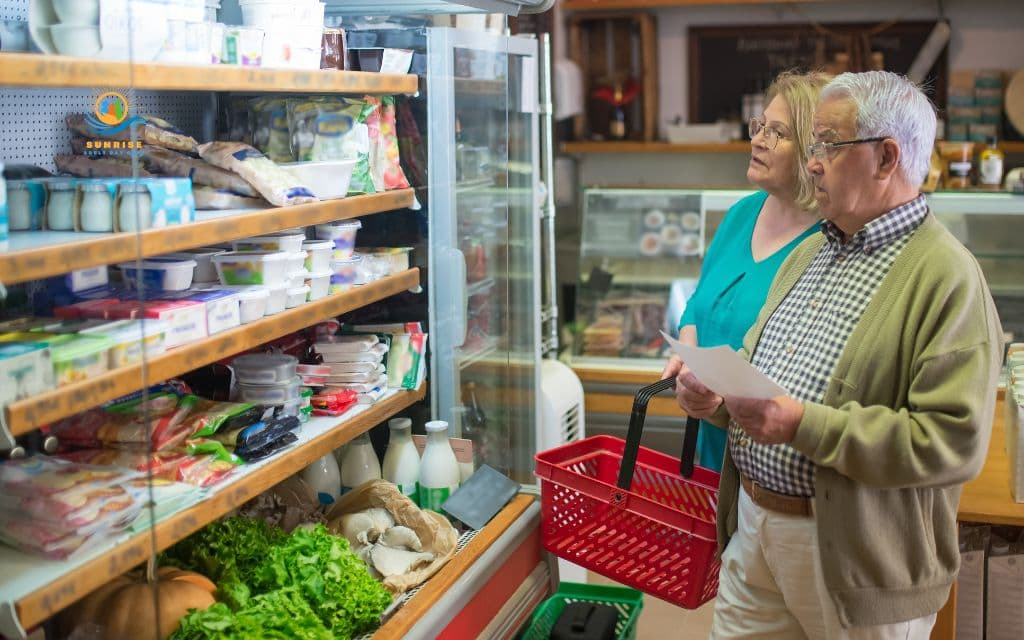
Dành ra vài phút để lên kế hoạch mua sắm trước khi ra khỏi nhà sẽ giúp giảm bớt căng thẳng, tiết kiệm chi phí và đảm bảo luôn có sẵn những nguyên liệu cần thiết.
Lập một danh sách mua sắm hàng tuần đơn giản
Hãy lập danh sách mua sắm dựa trên các bữa ăn và món ăn nhẹ mà bạn dự định chuẩn bị trong tuần đó. Sắp xếp danh sách theo từng nhóm (rau củ quả, thực phẩm giàu protein, sữa và các sản phẩm từ sữa, ngũ cốc, thực phẩm dự trữ) để việc mua sắm diễn ra hiệu quả mà không phải đi lại nhiều lần qua các lối đi.
Hãy dán một danh sách mua sắm trên tủ lạnh trong suốt tuần và ghi thêm các mặt hàng khi bạn thấy chúng sắp hết. Một danh sách được cập nhật thường xuyên dựa trên các công thức nấu ăn yêu thích của bạn sẽ giúp việc đi chợ trở nên dễ dự đoán và nhanh chóng.
Chọn nguyên liệu đông lạnh hoặc đã cắt sẵn
Như đã đề cập trong phần hướng dẫn chuẩn bị, rau củ đông lạnh, đậu đóng hộp và rau củ đã sơ chế là những lựa chọn thiết thực giúp tiết kiệm thời gian chuẩn bị. Hãy dự trữ trong tủ đông các loại thực phẩm như đậu Hà Lan đông lạnh, ngô, rau củ hỗn hợp và các loại quả mọng, đồng thời dự trữ trong tủ bếp các loại thực phẩm như cà chua đóng hộp, đậu gà, đậu lăng và cá ngừ. Những thực phẩm thiết yếu có thể bảo quản lâu dài này chính là nền tảng cho một kế hoạch bữa ăn linh hoạt và bền vững.
Mua các mặt hàng thiết yếu dễ chế biến
Hãy luôn dự trữ sẵn một số thực phẩm thiết yếu trong tủ bếp để có thể chuẩn bị bữa ăn dinh dưỡng bất cứ lúc nào, ngay cả khi nguồn thực phẩm tươi cạn kiệt. Các thực phẩm thiết yếu được khuyến nghị cho một căn bếp thân thiện với người cao tuổi bao gồm: yến mạch cán, mì ống và gạo nguyên hạt, cá hộp, nước dùng ít natri, dầu ô liu, trứng, sữa chua, bơ hạt, và các loại thảo mộc và gia vị. Những nguyên liệu này có thể kết hợp với bất kỳ loại rau củ quả tươi nào đang vào mùa và giúp bạn không cần phải đi mua sắm vào phút chót.
Nếu cần, hãy sử dụng dịch vụ giao hàng thực phẩm
Đối với những người cao tuổi gặp khó khăn khi lái xe, khả năng di chuyển bị hạn chế hoặc cảm thấy mệt mỏi vì những công việc thể chất khi đi mua sắm thực phẩm, các dịch vụ giao hàng thực phẩm trực tuyến có thể thực sự là một bước đột phá.
Hiện nay, nhiều chuỗi siêu thị lớn đã cung cấp dịch vụ giao hàng trong ngày hoặc ngày hôm sau, và một số địa phương còn triển khai các chương trình giao hàng với giá ưu đãi dành cho người cao tuổi.
Đặt hàng hàng tuần ngay tại nhà chỉ mất ngần ấy thời gian như việc viết danh sách và đi đến cửa hàng, mà không phải đối mặt với những khó khăn về thể chất và hậu cần của việc đi lại.
Các chương trình bữa ăn có kế hoạch cụ thể hỗ trợ người cao tuổi như thế nào
Dù có thói quen chuẩn bị bữa ăn tốt đến đâu, vẫn có những lúc sự hỗ trợ bổ sung sẽ mang lại sự khác biệt đáng kể. Đối với người cao tuổi, các chương trình bữa ăn có tổ chức và dịch vụ chăm sóc ban ngày dành cho người lớn có thể cung cấp sự hỗ trợ thiết yếu về dinh dưỡng và giao tiếp xã hội.
Các bữa ăn giàu dinh dưỡng theo lịch trình đều đặn
Các chương trình chăm sóc ban ngày dành cho người lớn và dịch vụ bữa ăn có tổ chức cung cấp các bữa ăn nóng, đầy đủ dinh dưỡng vào các khung giờ cố định hàng ngày. Lịch trình ăn uống đều đặn cũng giúp quản lý thuốc hiệu quả hơn, vì nhiều loại thuốc phải được uống cùng với thức ăn.
Các bữa ăn chung và thói quen hàng ngày
Các bữa ăn chung trong môi trường chương trình có tổ chức giúp tạo ra sự kết nối xã hội, mang lại sự khích lệ và tạo ra một không khí vui vẻ cho bữa ăn. Nhiều người cao tuổi ăn nhiều hơn khi bữa ăn trở thành một trải nghiệm xã hội thay vì chỉ là một hoạt động đơn độc.
Giảm căng thẳng cho người chăm sóc
Người chăm sóc trong gia đình phải gánh vác trách nhiệm rất nặng nề, và những công việc hàng ngày như lên kế hoạch, đi chợ, nấu nướng và phục vụ 3 bữa ăn mỗi ngày có thể khiến họ cảm thấy kiệt sức. Khi người thân tham gia chương trình chăm sóc ban ngày dành cho người lớn có bao gồm các bữa ăn, người chăm sóc sẽ được giải tỏa áp lực đáng kể trong ngày. Khoảng thời gian nghỉ ngơi này không chỉ mang lại sự tiện lợi; nó còn là yếu tố quan trọng giúp duy trì công việc chăm sóc lâu dài mà không bị kiệt sức.
Hỗ trợ việc uống nước và dùng thuốc
Các chương trình bữa ăn có cấu trúc cũng tạo điều kiện thuận lợi để theo dõi việc uống nước và nhắc nhở dùng thuốc một cách đều đặn. Nhân viên chương trình có thể giúp đảm bảo rằng người tham gia uống đủ nước trong suốt cả ngày và dùng thuốc đúng giờ theo lịch trình bữa ăn. Mức độ hỗ trợ chu đáo này vượt xa những gì việc chuẩn bị bữa ăn tại nhà có thể mang lại, và nó có thể tạo ra sự khác biệt đáng kể trong việc kiểm soát các bệnh mãn tính.
Sunrise Adult Daycare
Tại Trung tâm Chăm sóc Ban ngày cho Người lớn Sunrise, chúng tôi cung cấp cho các học viên những bữa ăn và bữa phụ giàu dinh dưỡng, cân bằng như một phần của chương trình hàng ngày. Chúng tôi người lớn chương trình ngày hỗ trợ quá trình lão hóa lành mạnh thông qua các hoạt động rèn luyện trí não, nghệ thuật sáng tạo, rèn luyện thể chất, theo dõi sức khỏe và các bữa ăn phù hợp với văn hóa, được thiết kế riêng để đáp ứng nhu cầu của các thành viên trong cộng đồng.
Nếu quý vị đang tìm kiếm dịch vụ hỗ trợ ban ngày bao gồm chế độ dinh dưỡng chất lượng, các hoạt động giao lưu xã hội và sự chăm sóc chuyên nghiệp cho bản thân hoặc người thân, chúng tôi rất mong được trao đổi với quý vị.
Hãy gọi cho chúng tôi theo số 303-226-6882 để tìm hiểu thêm về chương trình của chúng tôi và đặt lịch tham quan.
Kết luận
Ăn uống lành mạnh không nhất thiết phải phức tạp, tốn thời gian hay gây căng thẳng. Chỉ cần một chút lên kế hoạch và vài giờ chuẩn bị mỗi tuần, việc chuẩn bị bữa ăn cho người cao tuổi có thể biến việc đảm bảo dinh dưỡng hàng ngày từ một thách thức thường trực thành một thói quen đáng tin cậy và dễ quản lý.
Dù bạn là người cao tuổi đang muốn xây dựng thói quen ăn uống có trật tự hơn hay là người chăm sóc trong gia đình đang tìm kiếm những cách thức thiết thực để hỗ trợ người thân, những gợi ý trong cẩm nang này sẽ là một điểm khởi đầu linh hoạt. Hãy bắt đầu với một hoặc hai ý tưởng bữa ăn, kết hợp với thói quen đi chợ đơn giản, và để thói quen đó hình thành một cách tự nhiên từ đó.
Những thói quen nhỏ nhưng đều đặn sẽ góp phần mang lại những cải thiện thực sự về dinh dưỡng, năng lượng và khả năng tự lập. Và khi việc nấu ăn tại nhà gặp khó khăn, việc biết rằng có sẵn các dịch vụ hỗ trợ bữa ăn có tổ chức – thông qua các chương trình chăm sóc ban ngày cho người lớn, dịch vụ cộng đồng hoặc dịch vụ giao bữa ăn – có nghĩa là chế độ dinh dưỡng tốt vẫn luôn trong tầm tay, bất kể hoàn cảnh nào.
Một hệ thống hỗ trợ phù hợp không chỉ giúp cải thiện chất lượng bữa ăn. Nó còn giúp tăng cường an toàn, giảm bớt áp lực cho người chăm sóc, khuyến khích các mối quan hệ xã hội và nâng cao chất lượng cuộc sống nói chung.
Những câu hỏi thường (Hỏi đáp)
Những món ăn nào là phù hợp nhất để chuẩn bị sẵn cho người cao tuổi?
Các lựa chọn chuẩn bị bữa ăn tốt nhất cho người cao tuổi là sự kết hợp giữa sự cân bằng dinh dưỡng với sự tiện lợi trong chế biến và thưởng thức. Những lựa chọn hàng đầu bao gồm yến mạch ngâm qua đêm và bánh muffin trứng cho bữa sáng, súp gà rau củ và bát ngũ cốc cho bữa trưa, cùng các món hầm nấu chậm hoặc cá hồi nướng kèm rau củ cho bữa tối. Nên ưu tiên các món có kết cấu mềm, hàm lượng protein cao, cùng nhiều chất xơ và thực phẩm giúp bổ sung nước. Các bữa ăn dễ hâm nóng lại và có thể bảo quản theo phần riêng lẻ đặc biệt tiện lợi cho người cao tuổi tự lo liệu bữa ăn của mình.
Người cao tuổi có thể chuẩn bị bữa ăn một cách an toàn như thế nào?
Việc chuẩn bị bữa ăn an toàn cho người cao tuổi đòi hỏi phải tuân thủ các quy trình xử lý và bảo quản thực phẩm đúng cách. Luôn rửa tay trước và sau khi tiếp xúc với thực phẩm. Bảo quản các món ăn đã nấu chín trong hộp đựng kín khí và cho vào tủ lạnh trong vòng hai giờ sau khi nấu. Nên dùng hết các món ăn đã bảo quản trong tủ lạnh trong vòng 3 đến 4 ngày, và đông lạnh những phần dự định dùng vào cuối tuần. Ghi nhãn ngày chế biến lên tất cả các hộp đựng.
Những loại thực phẩm nào dễ ăn nhất đối với người cao tuổi?
Các loại thực phẩm mềm, ẩm và ít cần nhai thường là lựa chọn dễ ăn nhất đối với người cao tuổi. Những lựa chọn phù hợp bao gồm cháo yến mạch, trứng chiên, sữa chua, mì ống nấu chín kỹ, khoai tây nghiền, các món hầm nấu chậm, chuối chín, trái cây đóng hộp và rau củ nấu mềm.
Các dịch vụ giao đồ ăn có phù hợp với người cao tuổi không?
Dịch vụ giao đồ ăn có thể là một sự bổ sung hoặc lựa chọn thay thế tuyệt vời cho bữa ăn tự nấu tại nhà dành cho người cao tuổi. Hiện nay, nhiều dịch vụ cung cấp các gói thực đơn dành riêng cho người cao tuổi với thực phẩm có kết cấu mềm, các lựa chọn ít natri và khẩu phần được thiết kế phù hợp với người cao tuổi. Tuy nhiên, điều quan trọng là phải đánh giá các dịch vụ này dựa trên hàm lượng dinh dưỡng, chất lượng nguyên liệu và mức độ linh hoạt trong việc đáp ứng các yêu cầu chế độ ăn kiêng.
Làm thế nào để người chăm sóc có thể đơn giản hóa việc chuẩn bị bữa ăn?
Người chăm sóc trong gia đình có thể đơn giản hóa quá trình chuẩn bị bữa ăn bằng cách nấu sẵn một lượng lớn thức ăn hai hoặc ba lần mỗi tuần thay vì nấu hàng ngày, luôn dự trữ đầy đủ các loại thực phẩm thiết yếu dễ chế biến trong tủ bếp, thoải mái sử dụng nguyên liệu đông lạnh và đã sơ chế sẵn, đồng thời khuyến khích người thân tham gia vào các công việc chuẩn bị đơn giản khi có thể.
Chế độ ăn 5-4-3-2-1 là gì?
Phương pháp lập kế hoạch bữa ăn 5-4-3-2-1 là một khung hướng dẫn mua sắm thực phẩm đơn giản, được thiết kế để giúp việc lên kế hoạch bữa ăn trở nên dễ dàng hơn. Khung hướng dẫn này đề xuất: 5 loại rau, 5 loại trái cây, 4 loại ngũ cốc nguyên hạt, 3 nguồn protein, 2 sản phẩm từ sữa, 2 loại sốt hoặc gia vị, và 1 món ăn vặt. Cách tiếp cận có hệ thống này giúp đơn giản hóa quá trình mua sắm, khuyến khích sự đa dạng về dinh dưỡng và đảm bảo rằng các thành phần cơ bản của bữa ăn cân bằng luôn sẵn có.