Nhảy tới nội dung
Đối với nhiều người lớn tuổi, duy trì sự độc lập có ý nghĩa nhiều hơn là chỉ sống một mình. Nó có nghĩa là thức dậy với một mục đích, có người để kết nối và trải qua một ngày theo cách cảm thấy có ý nghĩa và an toàn.
Người lớn tuổi đã nghỉ hưu thường có một bộ ưu tiên chung: họ muốn có những thói quen hàng ngày để tạo cấu trúc cho thời gian của mình, các kết nối xã hội để chống lại sự cô đơn, và các hoạt động giúp họ duy trì sự minh mẫn về thể chất và tinh thần. Tin tốt là các hoạt động sống độc lập phù hợp có thể giải quyết tất cả những mối quan tâm này cùng một lúc.
Dù người cao tuổi hoàn toàn tự lập hay bắt đầu cần hỗ trợ nhẹ, các hoạt động được lựa chọn cẩn thận có thể giúp họ duy trì sự năng động, tự tin và kết nối với người khác. Sự kết hợp đúng đắn của các hoạt động có thể giảm nguy cơ suy giảm nhận thức, suy yếu thể chất và tác động cảm xúc của sự cô lập.
Điều gì tạo nên một hoạt động sống độc lập tốt?
Không phải hoạt động nào cũng phù hợp với mọi người lớn tuổi. Những hoạt động sống độc lập tốt nhất có một vài đặc điểm chính khiến chúng vừa thú vị vừa bền vững theo thời gian.
An toàn và linh hoạt
Một hoạt động tốt có thể được điều chỉnh để phù hợp với khả năng thể chất hiện tại của người cao tuổi. Dù ai đó có thể di chuyển hoàn toàn hay cần xe lăn, các chương trình tốt nhất đều cung cấp các điều chỉnh để không ai bị bỏ lại phía sau.
Khuyến khích sự tương tác xã hội
Tương tác xã hội là một trong những yếu tố dự đoán mạnh mẽ nhất về sự lão hóa khỏe mạnh. Các hoạt động tự nhiên đưa mọi người lại gần nhau, dù là trong nhóm nhỏ hay các buổi tụ họp lớn, đều hỗ trợ sức khỏe tinh thần và giảm nguy cơ trầm cảm và cô lập.
Hỗ trợ độc lập mà không gây áp lực
Các hoạt động hiệu quả nhất tôn trọng quyền tự chủ của người cao tuổi. Tham gia nên luôn cảm thấy như một lựa chọn, không phải là một nghĩa vụ. Cảm giác kiểm soát lịch trình của chính mình là trung tâm để duy trì phẩm giá và động lực.
Phù hợp với mức năng lượng và khả năng
Các hoạt động nên được điều chỉnh phù hợp với tình trạng hiện tại của một người, không phải tình trạng của họ 10 năm trước. Các lựa chọn quá dễ có thể khiến người ta cảm thấy bị coi thường, trong khi các hoạt động đòi hỏi thể lực quá cao có thể gây ra sự thất vọng hoặc chấn thương.
Có thể thực hiện trong nhiều bối cảnh
Các hoạt động sống độc lập tốt có thể được tận hưởng tại nhà, trong các cộng đồng người cao tuổi, hoặc thông qua các chương trình ngày dành cho người lớn có cấu trúc. Sự linh hoạt trong môi trường giúp người cao tuổi có thể duy trì sự tham gia bất kể tình hình sống của họ như thế nào.
Hơn 50 hoạt động sống độc lập mà người cao tuổi thực sự thích thú
Các hoạt động sống cao cấp xã hội khơi dậy kết nối
Kết nối con người không phải là một thứ xa xỉ, mà là một nhu cầu thiết yếu cho sức khỏe. Xây dựng các hoạt động xoay quanh kết nối xã hội chân thành là một trong những điều có tác động lớn nhất mà một chương trình sống cho người cao tuổi có thể thực hiện. Các buổi tụ họp xã hội không cần phải cầu kỳ để có hiệu quả. Ngay cả những sự kiện đơn giản, không chính thức cũng có thể tạo ra những kết nối ý nghĩa hàng ngày mà người cao tuổi mong đợi.
- Gặp gỡ cà phê và giao lưu buổi sáng
- Tiệc kem và giờ vui vẻ
- Tiệc trà và buổi họp mặt ăn trưa
- Lễ kỷ niệm sinh nhật và sự kiện ngày lễ
- Các nhóm trò chuyện và kể chuyện
- Sự kiện gặp gỡ cư dân
- Các hoạt động gia đình liên thế hệ giúp củng cố mối quan hệ với cháu và người thân trẻ tuổi.

Các buổi giao lưu xã hội hàng ngày
Không phải mọi hoạt động xã hội đều cần phải là một sự kiện được lên kế hoạch. Nhiều kết nối có giá trị nhất xảy ra thông qua những thói quen dễ dàng, không áp lực, đưa mọi người lại gần nhau suốt cả ngày.
- Đêm chiếu phim và nhóm thảo luận
- Nhóm đọc sách và sách nói cho những người yêu thích văn học và chia sẻ suy ngẫm
- Các buổi thưởng thức âm nhạc
- Karaoke và hát theo
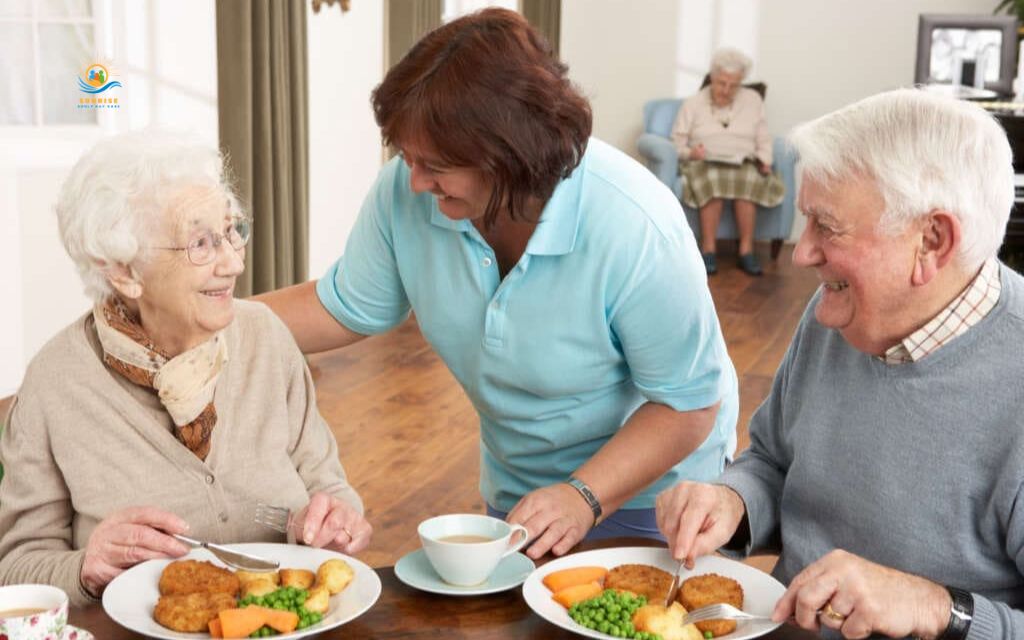
- Bữa sáng cộng đồng và bữa tối theo chủ đề
- Buổi tụ họp thư giãn tại phòng chờ
Trò chơi và cuộc thi thân thiện
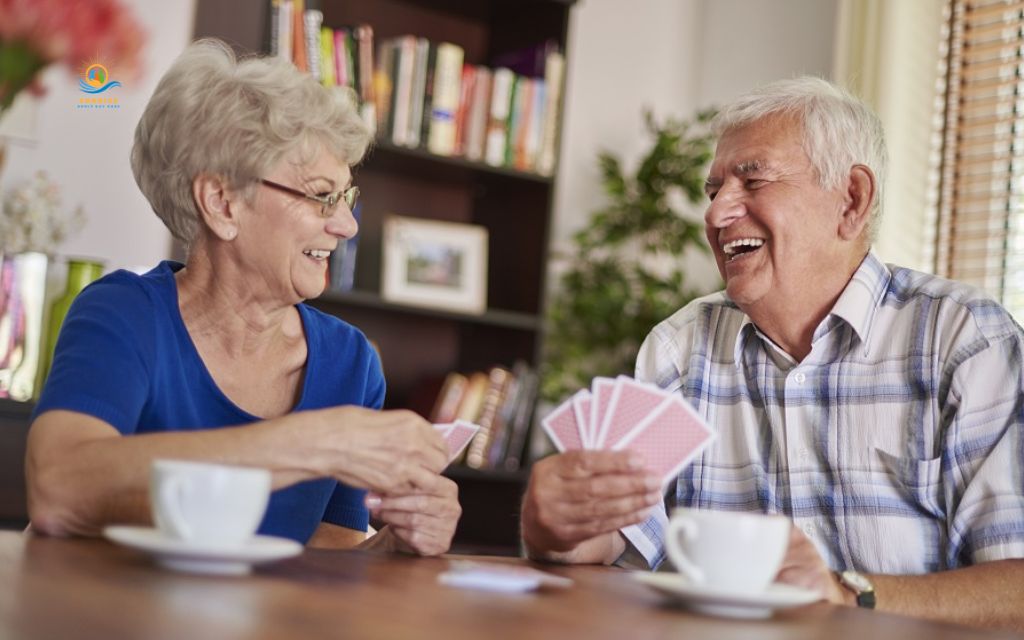
Trò chơi là một trong những hoạt động sống độc lập được người lớn tuổi yêu thích nhất. Chúng kích thích não bộ, khuyến khích tương tác xã hội thân thiện và mang lại sự hài lòng thực sự khi hoàn thành một thử thách.
- Đêm bingo kết hợp tương tác xã hội
- Cuộc thi đố vui
- Trò chơi board và giải đấu bài
- Câu lạc bộ domino và cờ vua cho người cao tuổi yêu thích các trò chơi đòi hỏi trí tuệ
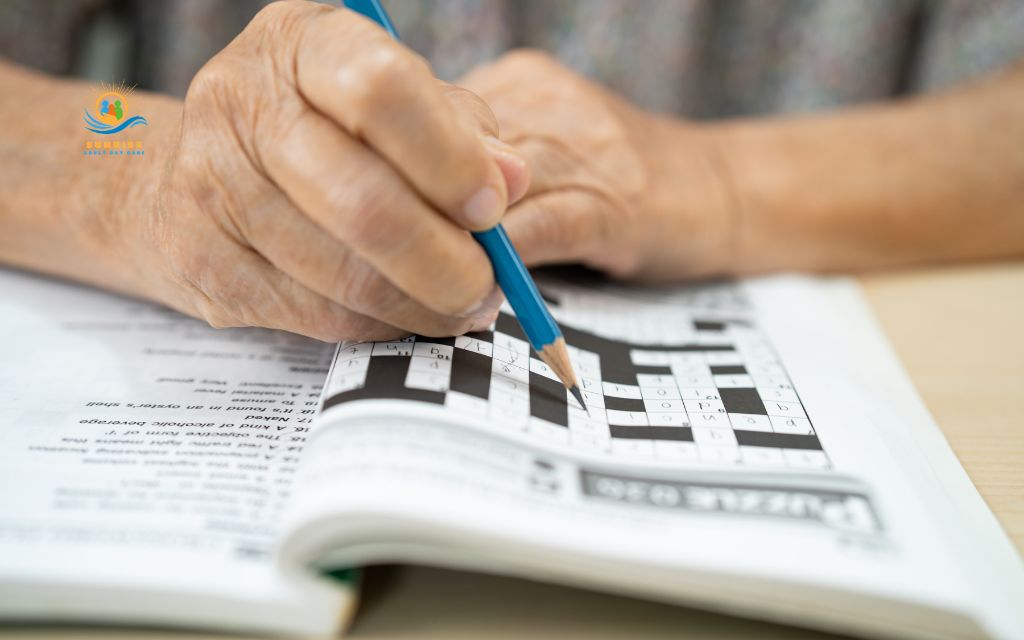
- Nhóm tìm từ và ô chữ
- Trạm câu đố và trò chơi trí tuệ có sẵn suốt cả ngày
- Trò chơi điện tử được thiết kế cho người cao tuổi, bao gồm các hệ thống dễ tiếp cận hỗ trợ phối hợp tay-mắt.
Các câu lạc bộ và nhóm do cư dân dẫn dắt
Một trong những điều mạnh mẽ nhất mà một chương trình sống cho người cao tuổi có thể làm là mời người lớn tuổi tự dẫn dắt các hoạt động của họ. Các câu lạc bộ và nhóm sở thích do cư dân dẫn dắt trao quyền cho người cao tuổi tự quản lý trải nghiệm hàng ngày của mình, củng cố cảm giác mục đích và bản sắc, điều này rất cần thiết cho sự hạnh phúc.
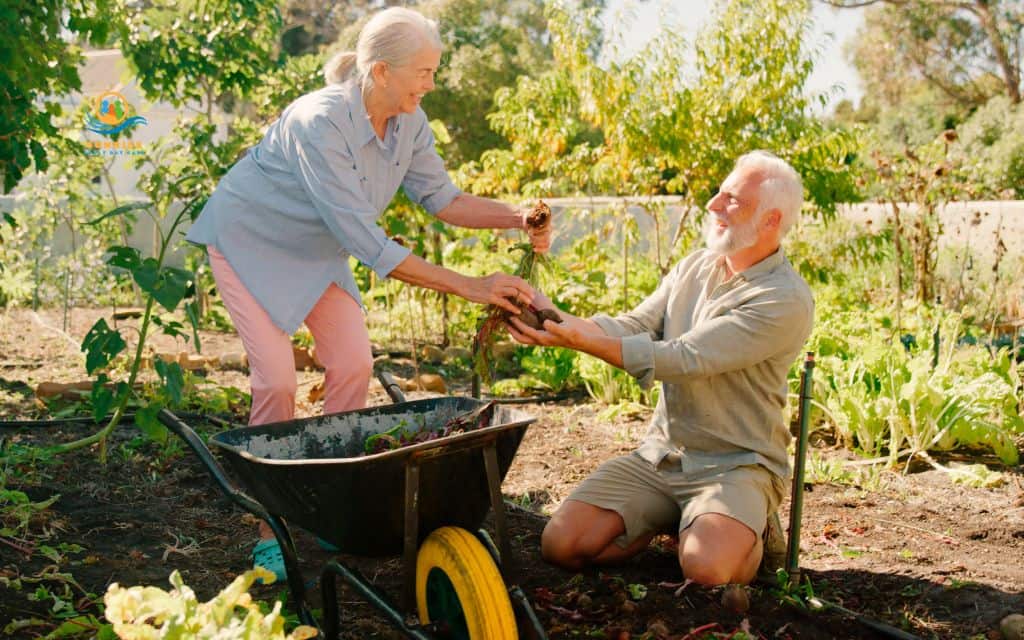
- Câu lạc bộ làm vườn nơi các thành viên chăm sóc cây trồng, chia sẻ mẹo trồng trọt và làm đẹp không gian chung.
- Câu lạc bộ sách nơi các thành viên tự chọn sách đọc và dẫn dắt thảo luận nhóm
- Câu lạc bộ đi bộ
- Nhóm nhiếp ảnh
- Các câu lạc bộ đan và móc len
- Các nhóm sở thích do cư dân dẫn dắt được tổ chức xoay quanh bất kỳ sở thích nào mà nhóm chọn theo đuổi.

Thể dục, vận động và sức khỏe tinh thần-thể chất
Hoạt động thể chất là một trong những chiến lược có bằng chứng hỗ trợ mạnh mẽ nhất cho việc lão hóa khỏe mạnh. Đối với nhiều người cao tuổi, tập thể dục theo nhóm có cấu trúc giúp dễ dàng hơn nhiều trong việc đạt được các mục tiêu thể chất một cách nhất quán.
- Chương trình tập thể dục trên ghế
- Lớp học giãn cơ nhóm
- Nhóm đi bộ giúp tăng cường sức khỏe tim mạch
- Các buổi khiêu vũ và nhảy theo hàng
- Pilates cho người cao tuổi được điều chỉnh để hỗ trợ sức mạnh cốt lõi, tư thế và sức khỏe cột sống.
- Tập luyện sức mạnh và sức bền bằng tạ nhẹ hoặc dây kháng lực
- Bài tập cân bằng và phòng ngừa té ngã
Thực hành phục hồi
Hoạt động thể chất chỉ là một khía cạnh của sức khỏe. Các phương pháp phục hồi tập trung vào mặt khác của phương trình đó - giúp người cao tuổi nghỉ ngơi, tái tạo và quản lý gánh nặng cảm xúc có thể đi kèm với sự lão hóa, thách thức về sức khỏe hoặc chuyển đổi cuộc sống.
- Các buổi thiền có hướng dẫn
- Bài tập thở sâu
- Các buổi trị liệu thư giãn
- Các bài tập kéo giãn nhẹ nhàng và thực hành chánh niệm
- Hoạt động mát-xa tay và spa
- Phòng cảm giác yên tĩnh hoặc buổi nghe nhạc thư giãn
Hoạt động ngoài trời và theo mùa
Dành thời gian ngoài trời có những lợi ích đã được ghi nhận cho người lớn tuổi, vượt xa việc tập thể dục. Tiếp xúc với ánh sáng tự nhiên hỗ trợ nhịp sinh học khỏe mạnh và sản xuất vitamin D. Không khí trong lành và môi trường tự nhiên có liên quan đến việc giảm căng thẳng, cải thiện tâm trạng và giấc ngủ tốt hơn. Các hoạt động ngoài trời cũng mang lại sự thay đổi cảnh quan tự nhiên, làm cho ngày trở nên đa dạng và kích thích hơn.
- Làm vườn và trồng hoa
- Đi bộ ngắm cảnh thiên nhiên và quan sát chim chóc
- Các trò chơi ngoài trời theo mùa như bocce ball, ném móng ngựa, hoặc các môn thể thao nhẹ trên sân cỏ
- Lớp tập thể dục ngoài trời
- Chuyến đi chợ nông sản
- Thăm vườn ươm và vườn bách thảo
Nghệ thuật sáng tạo và sở thích
Sự biểu đạt sáng tạo không phải là một xa xỉ chỉ dành cho nghệ sĩ. Đối với người lớn tuổi, việc tạo ra một thứ gì đó bằng tay mang lại cảm giác thành tựu và niềm vui mà ít hoạt động nào khác có thể sánh được. Các hoạt động nghệ thuật sáng tạo cũng hỗ trợ sự phối hợp vận động tinh, tập trung và xử lý cảm xúc.
- Hội thảo thủ công theo mùa
- Trang trí tự làm và quà tặng thủ công
- Dự án lưu giữ kỷ niệm và làm sổ lưu niệm
- Làm trang sức bằng hạt, dây và dụng cụ đơn giản
- Các buổi tô màu và vẽ tranh cho người lớn
- Hoạt động làm gốm hoặc đồ gốm
Xưởng nghệ thuật thị giác
Đối với người cao tuổi có niềm đam mê sâu sắc với nghệ thuật thị giác, một môi trường studio nghệ thuật thị giác chuyên biệt cung cấp không gian có cấu trúc để khám phá sự sáng tạo ở bất kỳ trình độ kỹ năng nào. Các chương trình nghệ thuật thị giác thường được coi là một trong những hoạt động trị liệu nhất trong các cộng đồng sống cho người cao tuổi.
- Lớp học vẽ và màu nước
- Hội thảo vẽ tranh
- Nghệ thuật cắt dán và phương tiện hỗn hợp
- Dự án nhiếp ảnh
- Hoạt động tô màu theo số
- Triển lãm nghệ thuật và phòng trưng bày thường trú

Nghệ thuật biểu diễn và âm nhạc
Âm nhạc có một trong những tác dụng trị liệu được ghi nhận rõ ràng nhất trong các hoạt động dành cho người cao tuổi. Âm nhạc tiếp cận các phần của não bộ vẫn còn khả năng tiếp nhận ngay cả trong giai đoạn suy giảm nhận thức trung bình, làm cho nó đặc biệt có giá trị đối với nhiều mức độ khả năng khác nhau.
- Dàn hợp xướng và nhóm hát
- Các buổi trị liệu âm nhạc
- Trình diễn nhạc cụ
- Các chương trình tài năng và biểu diễn
- Hội thảo sân khấu hoặc diễn xuất
Kim chỉ và nghệ thuật dệt may
Các nghề thủ công bằng kim và dệt may giữ một vị trí đặc biệt trong cuộc sống của nhiều người cao tuổi. Đối với những người đã đan, móc, hoặc may vá trong nhiều thập kỷ, những hoạt động này mang lại sự thoải mái, liên tục và sự hài lòng sâu sắc khi tạo ra một thứ gì đó hữu hình.
- Nhóm đan len
- Vòng tròn móc len
- Dự án may vá
- Câu lạc bộ chần bông
- Thêu và thủ công dệt may
- Dự án nghệ thuật sợi và vải như dệt, macrame, hoặc tranh sợi tổng hợp
Học tập suốt đời và rèn luyện trí não
Bộ não, giống như cơ thể, được lợi từ việc tập luyện đều đặn. Người cao tuổi tiếp tục thử thách bản thân về mặt trí tuệ thường duy trì chức năng nhận thức sắc bén hơn và báo cáo cảm giác có mục đích và gắn kết với cuộc sống nhiều hơn.
- Các bài giảng và nói chuyện giáo dục về lịch sử, khoa học, sự kiện hiện tại và văn hóa
- Nhóm học ngôn ngữ
- Thuyết trình về lịch sử và văn hóa
- Thảo luận về các sự kiện hiện tại
- Chiếu phim tài liệu kèm theo thảo luận nhóm có hướng dẫn
- Các hoạt động rèn luyện trí não và hội thảo về trí nhớ do các chuyên gia y tế hoặc giáo viên hướng dẫn
Các lớp học và bài giảng ngắn
Các trải nghiệm học tập ngắn hạn, đôi khi được gọi là bài giảng vi mô, cung cấp nội dung giáo dục có ý nghĩa trong một định dạng ngắn gọn, dễ tiếp thu, dễ tham gia và dễ thưởng thức. Đây là lựa chọn lý tưởng để xây dựng sự đa dạng trí tuệ vào một lịch trình hàng ngày có cấu trúc.
- Các buổi nói chuyện về sức khỏe và thể chất bao gồm các chủ đề như dinh dưỡng, giấc ngủ, quản lý bệnh mãn tính và an toàn thuốc.
- Các buổi học về dinh dưỡng
- Các buổi thảo luận về du lịch và địa lý
- Bài thuyết trình về an toàn tài chính
- Chương trình diễn giả khách mời
- Hội thảo viết sáng tạo
Trò chơi nhận thức
Mặc dù tất cả các trò chơi đều mang lại một mức độ kích thích tinh thần nhất định, nhưng một loại trò chơi nhận thức cụ thể được thiết kế với mục tiêu sức khỏe não bộ. Những hoạt động này nhắm vào khả năng tập trung, trí nhớ làm việc, giải quyết vấn đề và tốc độ xử lý.
- Câu lạc bộ ô chữ
- Sudoku và các trò chơi số
- Trò chơi ghép thẻ nhớ
- Các giải đấu đố vui được tổ chức theo thập kỷ, thể loại, hoặc nhóm sở thích cao niên
- Trò chơi chiến thuật như cờ vua, cờ tướng và cờ cá ngựa
- Câu đố logic và câu đố mẹo
Công nghệ và sự tham gia kỹ thuật số
Đối với nhiều người lớn tuổi, công nghệ có vẻ đáng sợ. Tuy nhiên, khi được tiếp cận thông qua hướng dẫn kiên nhẫn và thân thiện với người cao tuổi, các công cụ kỹ thuật số có thể mở rộng thế giới của người cao tuổi, giúp họ kết nối với gia đình, truy cập giải trí và điều hướng cuộc sống hàng ngày.
- Những điều cơ bản về smartphone: cách thực hiện cuộc gọi, gửi tin nhắn, đặt lời nhắc và sử dụng các ứng dụng thiết yếu
- Gọi video với gia đình bằng FaceTime, Zoom hoặc các nền tảng tương tự
- Hướng dẫn sử dụng mạng xã hội giúp người cao tuổi chia sẻ ảnh và kết nối an toàn với gia đình trực tuyến.
- Giáo dục an toàn trực tuyến bao gồm cách nhận diện lừa đảo, bảo vệ thông tin cá nhân và sử dụng mật khẩu an toàn.
- Chương trình chia sẻ ảnh kỹ thuật số
- Phát trực tuyến nhạc hoặc các buổi giải trí
Mục đích, tình nguyện và tham gia cộng đồng
Cảm thấy hữu ích không phải là điều nhỏ nhặt. Đối với nhiều người lớn tuổi, việc chuyển sang nghỉ hưu hoặc chương trình chăm sóc mang lại cảm giác mất mát. Các hoạt động có mục đích giải quyết điều này trực tiếp bằng cách cung cấp cho người cao tuổi những cách thực sự để đóng góp vào điều gì đó lớn hơn bản thân họ.
- Các dự án quyên góp và từ thiện như lắp ráp bộ dụng cụ vệ sinh, gói đồ dùng học tập, hoặc túi chăm sóc cho những người cần giúp đỡ.
- Lắp ráp gói chăm sóc cho các thành viên quân đội được triển khai, bệnh nhân nằm viện hoặc các thành viên cộng đồng thiếu thốn
- Cơ hội cố vấn nơi những người lớn tuổi chia sẻ kỹ năng, trí tuệ hoặc kinh nghiệm sống với người trẻ hơn.
- Bán hàng thủ công cộng đồng gây quỹ cho các mục đích từ thiện và trưng bày tác phẩm sáng tạo của cư dân.
- Sự kiện tri ân tình nguyện viên nhằm ghi nhận và tôn vinh những đóng góp của các cụ cao tuổi tích cực tham gia
Những lễ vật tâm linh và suy ngẫm
Đối với nhiều người lớn tuổi, các thực hành tâm linh và suy ngẫm là trung tâm để họ tìm kiếm ý nghĩa, đối phó với khó khăn và hiểu vị trí của mình trong thế giới. Các chương trình sống độc lập chất lượng tạo không gian cho khía cạnh này của sức khỏe mà không áp đặt bất kỳ hệ thống niềm tin cụ thể nào.
- Các nhóm thiền cung cấp các thực hành chánh niệm dễ tiếp cận cho mọi người từ mọi hoàn cảnh.
- Các vòng tròn phản chiếu tạo không gian cho suy nghĩ yên tĩnh, chia sẻ cá nhân và lắng nghe lẫn nhau.
- Các bài tập viết nhật ký biết ơn giúp người cao tuổi nuôi dưỡng sự tập trung tích cực, có chủ đích hàng ngày.
- Các buổi thư giãn yên tĩnh với nhạc nhẹ nhàng, âm thanh thiên nhiên, hoặc hình ảnh hướng dẫn yên bình.
- Những bài đọc truyền cảm hứng được rút ra từ các truyền thống đa dạng, văn học, thơ ca, hoặc trí tuệ cá nhân

Các chương trình dựa trên đức tin và phản tư
Đối với người cao tuổi có đời sống tinh thần gắn liền với một truyền thống tôn giáo cụ thể, các chương trình dựa trên đức tin mang lại nguồn an ủi, cộng đồng và sự liên tục sâu sắc. Các chương trình tôn vinh truyền thống đức tin của cư dân giúp người cao tuổi cảm thấy được nhìn nhận và tôn trọng đầy đủ.
- Các buổi thờ phượng tổ chức tại chỗ hoặc có phương tiện di chuyển đến các hội thánh địa phương
- Các buổi học Kinh Thánh hoặc thảo luận về đức tin dành cho người cao tuổi tìm kiếm ý nghĩa từ kinh thánh và suy ngẫm thần học.
- Nhóm cầu nguyện cung cấp không gian cộng đồng có cấu trúc cho thực hành tâm linh
- Các lễ hội và kỷ niệm tinh thần tôn vinh những ngày quan trọng trong các truyền thống tín ngưỡng.
- Chuyến thăm của tuyên úy cho người cao tuổi tìm kiếm hướng dẫn tâm linh, cầu nguyện hoặc chăm sóc mục vụ một đối một.
Các chuyến đi chơi và du ngoạn trong ngày
Một trong những phương thuốc hiệu quả nhất cho thói quen sống hàng ngày của người cao tuổi là cuộc phiêu lưu đơn giản đến một nơi mới. Các chuyến đi chơi và du ngoạn trong ngày tạo ra sự mong đợi, kích thích các giác quan và mang lại cho người cao tuổi những trải nghiệm đáng nhớ được chia sẻ, khơi dậy cuộc trò chuyện lâu sau khi ngày kết thúc.
- Tham quan bảo tàng
- Chuyến đi mua sắm
- Đi ăn nhà hàng
- Lễ hội cộng đồng
- Những chuyến đi ngắm cảnh qua các phong cảnh đẹp, tán lá theo mùa, hoặc các điểm thú vị địa phương
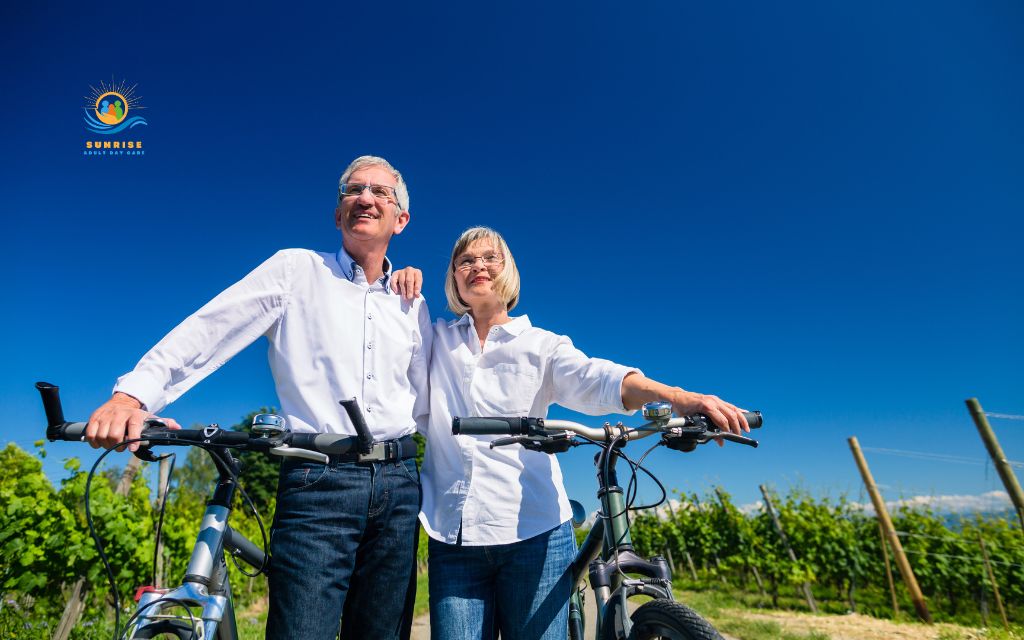
Cách chọn chương trình hoạt động phù hợp cho người cao tuổi
Với rất nhiều hoạt động sống độc lập có sẵn, thách thức thực sự là xác định sự kết hợp đúng đắn của các hoạt động và môi trường phù hợp để hỗ trợ chúng. Đối với các gia đình đang đánh giá các chương trình cho người cao tuổi, những cân nhắc sau đây có thể hướng dẫn một quyết định sáng suốt hơn.
Xem xét nhu cầu di chuyển và sức khỏe
Trước khi đăng ký vào bất kỳ chương trình nào, hãy đánh giá những gì người thân của bạn có thể làm thoải mái và an toàn hôm nay. Một người cao tuổi có khả năng di chuyển hạn chế sẽ cần các hoạt động khác so với người có thể đi lại mà không cần hỗ trợ và hoàn toàn năng động.
Hỏi về các tùy chọn thích ứng, cơ sở vật chất tiếp cận và liệu nhân viên có được đào tạo để hỗ trợ những người tham gia mắc các bệnh mãn tính như viêm khớp, tiểu đường, bệnh tim hoặc sa sút trí tuệ giai đoạn đầu hay không.
Tìm kiếm sự đa dạng hoạt động
Một chương trình toàn diện cung cấp các hoạt động bao quát toàn bộ phổ của sự khỏe mạnh: vận động thể chất, kích thích nhận thức, biểu đạt sáng tạo, gắn kết xã hội và sức khỏe cảm xúc.
Yêu cầu xem lịch hoạt động hàng tháng trước khi đưa ra quyết định. Tìm kiếm sự cân bằng giữa các loại chương trình khác nhau trong suốt tuần, và kiểm tra xem các hoạt động có thay đổi theo mùa để giữ cho mọi thứ luôn mới mẻ và hấp dẫn hay không.
Hỏi về giám sát và nhân viên
Chất lượng của một chương trình hoạt động cho người cao tuổi phụ thuộc nhiều vào những người điều hành nó. Hãy hỏi về tỷ lệ nhân viên so với người tham gia, chứng chỉ đào tạo của nhân viên, và liệu có sẵn dịch vụ giám sát sức khỏe (như kiểm tra huyết áp hoặc nhắc nhở uống thuốc) tại chỗ hay không. Đối với các gia đình có người thân có nhu cầu sức khỏe phức tạp, sự giám sát chuyên nghiệp trong ngày có thể tạo ra sự khác biệt giữa một ngày an toàn, hiệu quả và một sự cố sức khỏe có thể phòng tránh được.
Tham gia chương trình trực tiếp
Không có lượng nghiên cứu trực tuyến nào có thể thay thế cho một chuyến thăm thực tế. Hãy đến vào thời gian có hoạt động đã lên lịch và quan sát xem những người tham gia có thực sự tham gia, thoải mái và được tôn trọng hay không. Chú ý cách nhân viên tương tác với người cao tuổi: Họ có kiên nhẫn, ấm áp và chu đáo không? Không gian có cảm giác chào đón và sạch sẽ không? Có các hoạt động ý nghĩa đang diễn ra không, hay ngày chủ yếu không có cấu trúc?
Về Sunrise Adult Daycare
Sunrise Adult Daycare is a daytime người lớn chương trình ngày cung cấp các hoạt động có cấu trúc, bữa ăn dinh dưỡng, giám sát sức khỏe và tham gia xã hội sôi nổi cho người cao tuổi trong khu vực Denver.
Chương trình của chúng tôi bao gồm thể dục, nghệ thuật sáng tạo, rèn luyện trí não, hoạt động văn hóa và các chuyến đi có hỗ trợ - tất cả đều diễn ra trong một môi trường an toàn, thân thiện vào ban ngày, cho phép người cao tuổi trở về nhà mỗi tối.
Liên hệ với chúng tôi theo số 303-226-6882 để lên lịch thăm và tìm hiểu thêm về lịch hoạt động của chúng tôi.
Kết luận
Các hoạt động sống độc lập là một trong những công cụ mạnh mẽ nhất để hỗ trợ sức khỏe, hạnh phúc và phẩm giá của người cao tuổi.
Khi người cao tuổi có những cách ý nghĩa để vận động cơ thể, kích thích trí óc, thể hiện sự sáng tạo, kết nối với người khác và đóng góp cho cộng đồng của họ, lợi ích mang lại vượt xa một buổi chiều thú vị. Những hoạt động này là sự đầu tư vào sức khỏe thể chất lâu dài, sự minh mẫn về nhận thức và khả năng phục hồi cảm xúc.
Sự kết hợp đúng đắn của các hoạt động có thể giúp người cao tuổi duy trì sự độc lập lâu hơn, trải qua ít khủng hoảng sức khỏe hơn và tận hưởng chất lượng cuộc sống mà gia đình họ có thể yên tâm.
Những câu hỏi thường (Hỏi đáp)
Những hoạt động nào giúp người cao tuổi duy trì sự minh mẫn?
Các hoạt động nhận thức như giải ô chữ, trò chơi đố vui, trò chơi chiến lược như cờ vua, học ngôn ngữ và thảo luận về các sự kiện hiện tại là một trong những cách hiệu quả nhất để hỗ trợ sự nhạy bén về tinh thần.
Các chương trình chăm sóc ban ngày cho người lớn có tốt cho người cao tuổi tự lập không?
Có. Các chương trình chăm sóc ban ngày cho người lớn không chỉ dành riêng cho người cao tuổi cần chăm sóc y tế chuyên sâu. Chúng phục vụ một loạt người lớn tuổi, bao gồm cả những người chủ yếu tự lập nhưng hưởng lợi từ các hoạt động ban ngày có cấu trúc, kết nối xã hội và giám sát chuyên nghiệp. Đối với những người cao tuổi sống một mình hoặc có người chăm sóc gia đình làm việc trong ngày, chương trình chăm sóc ban ngày cho người lớn cung cấp một môi trường an toàn, hấp dẫn mà không cần phải chuyển đến cơ sở cư trú.
Làm thế nào để giúp cha mẹ tôi duy trì sự gắn kết xã hội?
Bắt đầu bằng cách hiểu những loại môi trường xã hội mà cha mẹ bạn cảm thấy thoải mái nhất – một số người lớn tuổi thích các buổi tụ họp nhỏ, thân mật trong khi những người khác thích các sự kiện nhóm lớn hơn. Từ đó, tìm kiếm các hoạt động tự nhiên kết hợp tương tác xã hội, chẳng hạn như câu lạc bộ sách, nhóm đi bộ, chương trình ăn uống chung, hoặc các trung tâm dành cho người cao tuổi có cấu trúc. Các chương trình ngày dành cho người lớn cũng là một lựa chọn tuyệt vời vì chúng cung cấp sự tiếp xúc xã hội thường xuyên, nhất quán trong một môi trường có cấu trúc và giám sát.
Chi phí trung bình hàng tháng cho cuộc sống độc lập là bao nhiêu?
Theo Khảo sát Chi phí Chăm sóc của Genworth, chi phí trung bình hàng tháng trên toàn quốc cho cuộc sống độc lập là khoảng $3,000 đến $4,500 trong những năm gần đây, mặc dù con số này thay đổi đáng kể tùy theo khu vực, tiện nghi và mức độ dịch vụ bao gồm.
5 hoạt động thiết yếu hàng ngày là gì?
5 hoạt động thiết yếu trong sinh hoạt hàng ngày (ADLs), như được định nghĩa trong các bối cảnh lâm sàng và chăm sóc người cao tuổi, bao gồm: tắm rửa, mặc quần áo, ăn uống, vệ sinh cá nhân, và di chuyển (chuyển từ vị trí này sang vị trí khác, chẳng hạn từ giường sang ghế). Những nhiệm vụ tự chăm sóc cơ bản này là thước đo chính được các nhà cung cấp dịch vụ y tế và người lập kế hoạch chăm sóc sử dụng để đánh giá mức độ độc lập chức năng của người cao tuổi.