Skip to content
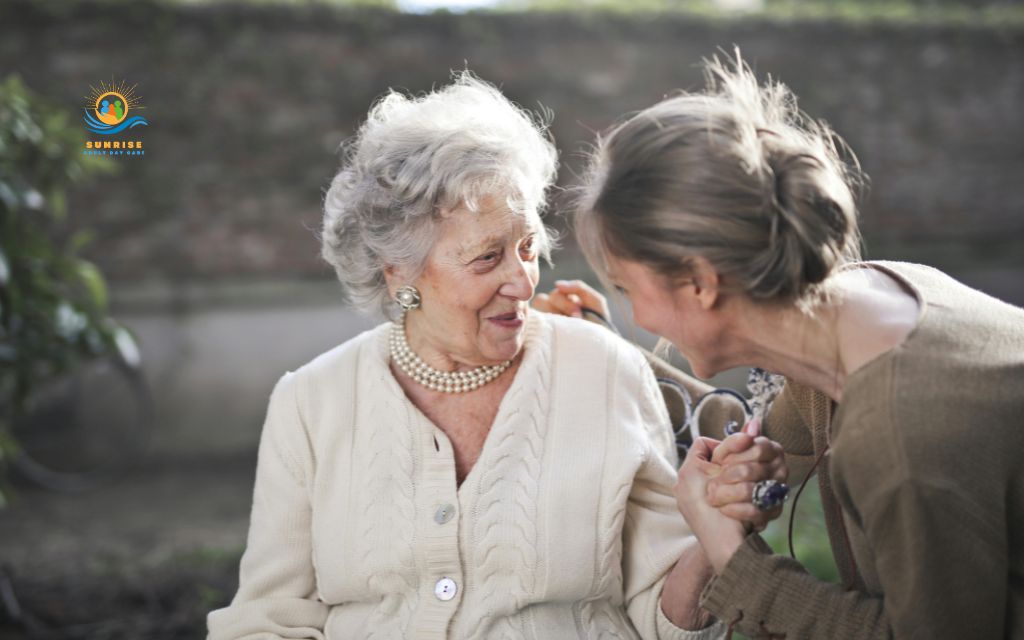
Getting dressed is one of the most personal parts of the day. For many older adults, a rushed or disorganized morning routine can feel stressful, confusing, and even unsafe. But when a caregiver or family member takes time to prepare what a senior will wear, something small becomes something meaningful.
Learning how to layout clothes for seniors can help reduce confusion and give older adults a greater sense of control over their day. From choosing soft garments to placing items in the order they should be put on, a simple dressing routine supports independence, dignity, temperature comfort, personal style, and full participation in daily activities.
This guide walks through every step of that process, from layering strategies and clothing choices to safe dressing environments and when additional daytime support may help.
Temperature sensitivity in older adults
As people age, the body’s ability to regulate temperature naturally changes. Some seniors tend to feel cold even in mildly air-conditioned rooms, while others may become overheated in heavy clothing or during warmer weather.
Several factors can influence how a senior experiences temperature, including underlying health conditions, medications, reduced circulation, lower physical activity levels, and natural changes in body composition and skin thickness that come with aging.

How layered clothing supports comfort
Layering gives seniors more flexibility throughout the day. Rather than depending on one heavy garment, caregivers can select lighter pieces that are easy to add or remove as temperatures shift. This is especially helpful for older adults who move between cool indoor spaces, warm activity areas, and outdoor environments.
Layered clothing can help:
- Keep seniors warm in cool rooms or air-conditioned spaces
- Prevent overheating when temperatures rise during the afternoon
- Support comfort during transportation, medical appointments, or adult day programs
- Make dressing more adaptable for unpredictable weather
- Reduce the need for full outfit changes throughout the day
Types of clothing layers
Base layer
The base layer is the clothing closest to the skin. It should feel soft, breathable, and comfortable against the body throughout the day.
Examples include:
- Cotton undershirts
- Soft T-shirts
- Lightweight long-sleeve tops
- Comfortable undergarments
- Moisture-wicking pieces when appropriate
Middle layer
The middle layer adds warmth without being too heavy or bulky. It should be easy to put on, easy to remove, and comfortable for extended wear.
Examples include:
- Cardigans
- Light sweaters
- Fleece tops
- Vests
- Button-front or zip-front layers
Outer layer
The outer layer protects the senior when going outside or moving between locations.
Examples include:
- Light jackets
- Coats
- Rain jackets
- Windbreakers
- Warm hats, scarves, or gloves when weather calls for them
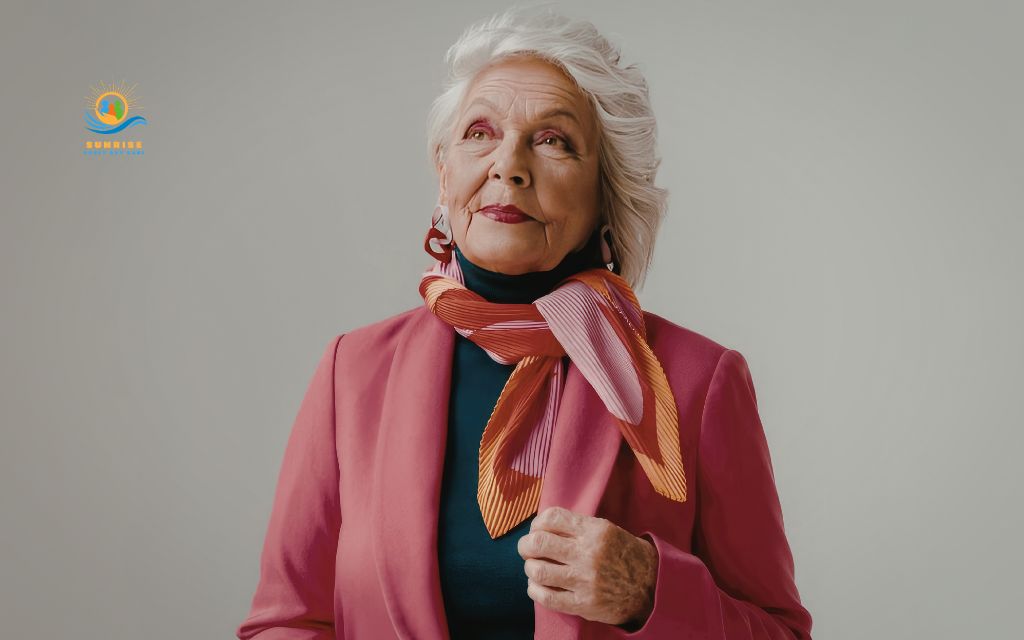
How to lay out clothes for seniors step by step
This step-by-step routine helps caregivers and family members prepare clothing in a way that supports safety, comfort, and dignity every morning.
1. Start with the preferences
Before choosing clothes, take a moment to consider what the person likes to wear. Think about their favorite colors, familiar styles, modesty preferences, cultural values, and what makes them feel confident and themselves.
2. Check the day’s weather and activities
Choose clothing based on temperature, comfort, and the day’s plans. Dressing appropriately for what lies ahead helps seniors feel prepared and at ease.
Examples:
- A light cardigan for cool indoor spaces
- Stretch pants for seated activities or exercises
- Slip-resistant shoes for walking or adult day program activities
- A nicer top for visitors, meals, or outings
- Easy layers for mornings with changing temperatures
3. Choose comfortable, safe clothing
Look for clothing that supports easy movement and reduces frustration during dressing. Comfortable clothing also helps seniors feel calmer and more cooperative during the morning routine.
4. Lay items out in the order they should be put on
Place clothing in a clear, logical sequence. This approach is helpful for seniors with memory changes, cognitive decline, or stress during morning routines. When items are laid out in order, the person can focus on one piece at a time without feeling overwhelmed.
Suggested order:
- Undergarments or incontinence products, if used
- Socks or compression stockings, if needed
- Pants, skirt, or bottom layer
- Shirt, blouse, or top
- Sweater, cardigan, vest, or outer layer
- Shoes
- Accessories, glasses, hearing aids, watch, or other daily items
5. Offer simple choices
Instead of asking an open-ended question like “What do you want to wear?” offer 2 appropriate options. This protects autonomy without creating too much pressure or confusion.
Examples:
- “Would you like the blue shirt or the green shirt today?”
- “Do you want the cardigan or the light jacket?”
- “Would you prefer the soft pants or the stretch jeans?”
Offering choices helps the senior feel respected and involved in their own routine, even when hands-on assistance is needed.
6. Make the dressing area safe and comfortable
Prepare the physical space before dressing begins. A calm, safe, well-organized environment makes the process easier for everyone.
Include:
- Good lighting so items are easy to see
- A stable chair with armrests for seated dressing
- A comfortable room temperature
- Non-slip flooring or mats
- Grab bars or physical support nearby, if appropriate
- Clothes placed within easy reach before dressing begins
- Privacy with doors or curtains closed
Encourage seated dressing whenever balance or mobility is a concern. Sitting reduces the risk of falls and gives seniors a more stable position for pulling on pants, putting on shoes, or managing fasteners.
7. Give time, privacy, and gentle support
Let the senior do as much as they can safely manage. Rushing the process or stepping in too quickly can reduce confidence and make the experience feel frustrating rather than supportive.
Caregiver tips:
- Ask before helping rather than assuming
- Explain each step calmly as you go
- Avoid rushing, even when time feels tight
- Cover areas of the body not currently being dressed to preserve privacy
- Acknowledge effort and offer encouragement in a natural, respectful tone
- Be flexible if the person becomes tired, distracted, or frustrated mid-routine
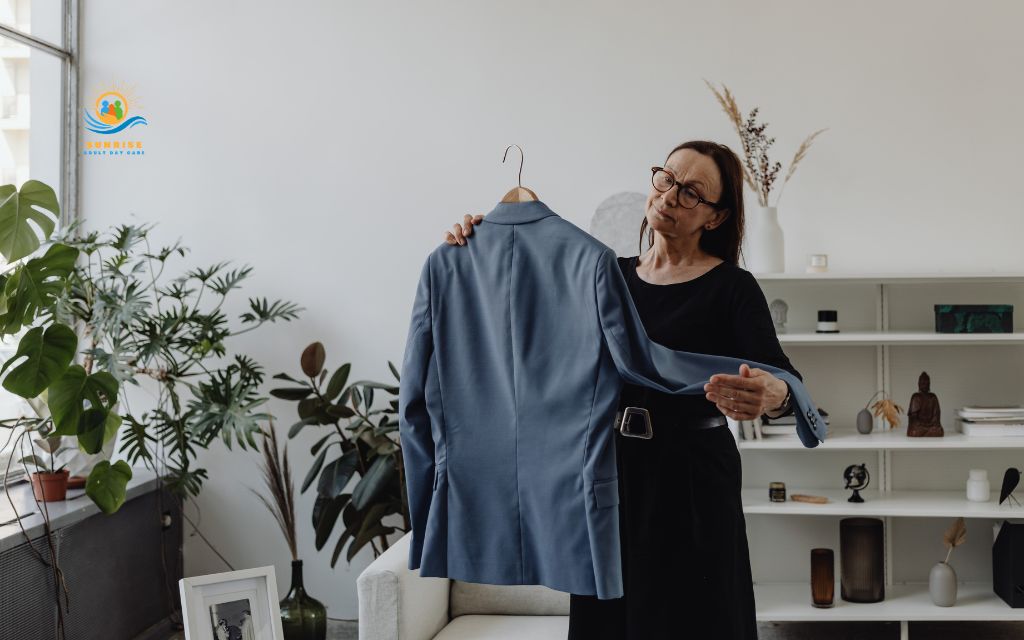
Best clothing choices for easier senior dressing
Soft, breathable fabrics
Cotton blends, bamboo, soft knits, and other breathable fabrics reduce skin irritation and help seniors stay comfortable through a full day of activities. These materials also tend to be easier to launder and maintain than delicate or structured garments.
Easy closures
Velcro, magnetic closures, larger buttons, zipper pulls, and front-opening garments help seniors who live with arthritis, hand tremors, limited grip strength, or reduced fine motor control.
Adaptive clothing designed for older adults often features these closures without compromising appearance or style.
Stretch and flexible fits
Elastic waistbands, pull-on pants, stretch skirts, and loose but well-fitted tops make dressing easier and more comfortable for seniors who spend long periods seated, walking, or participating in group activities. Flexible fits also reduce the risk of skin irritation caused by tight waistbands or seams.
Safe shoes and socks
Shoes should be stable, easy to put on, and supportive for the senior’s level of mobility. Avoid slippery soles, loose slippers that may slip off, or shoes that require complicated lacing or fastening. Non-slip socks can be helpful in some indoor settings, but for walking or participation in programs, a stable, well-fitting shoe is almost always the safer option.
Easy layers for temperature control
Lightweight layers help seniors adjust to cool morning temperatures, warm afternoon air, air-conditioned indoor spaces, or outdoor transitions throughout the day.
Cardigans, vests, and open-front sweaters are practical choices that can be added or removed without a full outfit change.

Laundry tips and maintenance for seniors’ clothing
Clean, well-maintained clothing helps older adults feel fresh, confident, and ready for daily routines, whether that means a family visit, a medical appointment, or participation in adult day program activities.
Choose gentle laundry products
Use mild, fragrance-free detergent when possible, especially for seniors with sensitive skin, allergies, or chronic skin conditions.
Harsh detergents, strong fragrances, or fabric softeners with heavy chemical residue can cause itching, dryness, and discomfort.
Always ensure clothing is fully rinsed and dried before it is worn.
Wash clothing on a consistent schedule
A regular laundry routine helps prevent odors, stains, and discomfort. This is important for seniors who experience sweating, incontinence, skin sensitivity, or frequent outfit changes throughout the day.
Helpful items to wash regularly include:
- Undergarments
- Socks
- Pajamas and sleepwear
- Everyday clothing
- Towels and washcloths
- Bedding and pillowcases
- Outer layers worn frequently
- Adaptive clothing or garments with closures that may collect moisture
Check clothing for wear, fit, and safety
Laundry time is a practical opportunity to inspect clothing for problems that may affect comfort, mobility, or safety.
Look for:
- Loose or missing buttons
- Broken or stuck zippers
- Worn or stretched elastic
- Rough interior seams or irritating tags
- Stains or odors that persist after washing
- Hems that drag along the floor
- Shoes or slippers with worn or slippery soles
- Clothing that has become too tight or too loose due to weight changes
Repair, replace, or remove unsafe items from the regular wardrobe to reduce hazards and help the senior look and feel their best.
Keep clothes easy to find and ready to wear
After washing, organize clothing in a way that supports independence and makes the morning routine easier. Fold or hang items where the senior can reach them safely, without stretching, bending too far, or navigating cluttered shelves.
For seniors in assisted living or structured care environments, built-in closets for senior living can make a significant difference in daily function. Closets designed with accessibility in mind help seniors access their own clothing independently and maintain a sense of ownership over their personal space and appearance.
How adult day care can support dressing
When dressing challenges are part of a larger pattern of difficulty with daily routines, safety, or social connection, families may find that home support alone is not enough.
Adult day care and senior day programs offer a structured daytime environment where older adults can receive attentive care, meaningful activities, and peer connection during the hours when family caregivers are at work or managing other responsibilities.
Adult day services may help with
- Structured morning and daytime routines that promote consistency and calm
- Gentle reminders for daily activities, hygiene, and personal care
- Support with activities of daily living (ADLs), depending on the program
- Nutritious meals and hydration throughout the day
- Social activities and peer engagement that reduce isolation and loneliness
- Supervised movement, gentle exercise, and seated activities
- Medication reminders or oversight, depending on the program
- Health monitoring such as blood pressure checks, depending on the program
- Caregiver respite during work hours or personal appointments
- A safe, supervised environment for seniors who should not be home alone all day
About Sunrise Adult Daycare
Sunrise Adult Daycare is a daytime, non-residential adult day program located in Denver, CO. We offer structured daily activities, social engagement, nutritious meals, and caregiver respite in a warm, welcoming environment. We are not an assisted living facility or nursing home. Call us today: 303-226-6882.
Conclusion
Laying out clothes for seniors is a simple, thoughtful routine that can make daily life feel calmer, safer, and more manageable. Done well, it supports independence, reduces confusion during the morning hours, protects physical safety, honors personal style, and helps older adults begin each day with confidence and a sense of self.
When dressing becomes a consistent challenge, families do not have to handle everything on their own. Extra support through dedicated caregivers, home care services, or adult day programs can help seniors stay comfortable, engaged, and respected throughout the day.
Frequently asked questions (FAQs)
Why is laying out clothes helpful for older adults?
Laying out clothes in advance can reduce confusion, support independence, make dressing safer, and preserve dignity. For seniors with cognitive changes, memory challenges, or anxiety around daily routines, having clothing organized and ready can create a calmer, more predictable start to the day.
What clothing is easiest for seniors to wear?
Clothing that is easiest for seniors typically includes soft, breathable fabrics, elastic or pull-on waistbands, front-opening tops, Velcro or magnetic closures, zipper pulls, stretch fabrics, and stable, easy-to-put-on shoes. Tagless or smooth-seam garments are also beneficial for seniors with sensitive skin.
How can caregivers help seniors dress without taking away independence?
Caregivers can support seniors while preserving independence by offering simple choices between two options, respecting personal style and preferences, allowing the person to do as much as they can, asking before stepping in to help, protecting privacy throughout the routine, and avoiding unnecessary rushing or criticism.
How should clothes be organized for seniors?
Keep frequently used clothing within easy reach, reduce clutter in drawers and closets, group complete outfits together on hangers, and label drawers or bins clearly. Store seasonal items separately to simplify daily choices.
What should seniors with dementia wear?
For seniors living with dementia, choose clothing that is familiar, comfortable, and simple to put on. Limit choices to one or two options to reduce overwhelm, lay out one item at a time if needed to minimize confusion, and keep the dressing routine as consistent and calm as possible each day. Front-opening garments, Velcro closures, and soft fabrics are all practical choices.