
Why is good hygiene important for older adults: 10 reasons that go far beyond cleanliness

Why is good hygiene important for older adults: 10 reasons that go far beyond cleanliness

Good hygiene is not just about appearance. For older adults, the daily habits that most people take for granted. Washing hands, brushing teeth, bathing safely, and changing clothes,… become increasingly important as the body and mind go through changes that come with age. 

Many seniors struggle to maintain hygiene because of mobility limits, memory changes, chronic pain, depression, or fear of falling in the bathroom. These challenges are real, and they deserve a thoughtful, compassionate response.

Families who step in to help should approach every conversation and every routine with patience, respect, and an unwavering commitment to dignity. How we support an older adult matters just as much as the support itself.

The connection between hygiene and overall health

Hygiene is deeply connected to whole-body wellness. Understanding this connection can help families and seniors see personal care not as a chore, but as one of the most meaningful investments in long-term health.

Hygiene helps protect the body

Consistent personal care helps reduce germs, lower the risk of infections, protect aging skin, and prevent irritation. Regular bathing and grooming also support wound care and foot health – areas that are important for seniors with diabetes or circulation issues.

One often-overlooked benefit is that clean, dry skin and regular care routines create natural opportunities to notice changes early. Cuts, rashes, swelling, bruises, or sores that might otherwise go unnoticed can be spotted during a bath, skin check, or grooming routine, allowing families or caregivers to respond sooner.

why is good hygiene important for older adults: The connection between hygiene and overall health
The connection between hygiene and overall health

Hygiene supports eating, comfort, and daily energy

Oral hygiene directly affects a senior’s ability to eat and stay nourished. When brushing and flossing are part of a daily routine, older adults are more likely to chew comfortably, avoid mouth pain, and maintain the nutrition their bodies need.

Clean clothing, fresh bedding, gentle bathing, and attentive incontinence care can also improve comfort throughout the day, support better sleep at night, and help seniors feel more energized and at ease in their bodies.

Hygiene supports emotional and social well-being

Feeling clean and cared for does more than protect physical health, it shapes how a person feels about themselves and the world around them. Good hygiene can help older adults feel confident and respected, and more willing to join meals, conversations, family visits, or adult day activities.

For seniors who may already feel isolated or uncertain about their changing abilities, something as simple as a morning grooming routine can restore a sense of dignity, structure, and connection to everyday life.

Why is good hygiene important for older adults?

Hygiene affects both the body and emotional well-being. For seniors, good hygiene is not only about cleanliness. It influences health, comfort, confidence, social connection, and quality of life. 

The benefits unfold across 2 interconnected dimensions: the physical and the emotional.

신체적 이점

1. Helps reduce germs and everyday illness

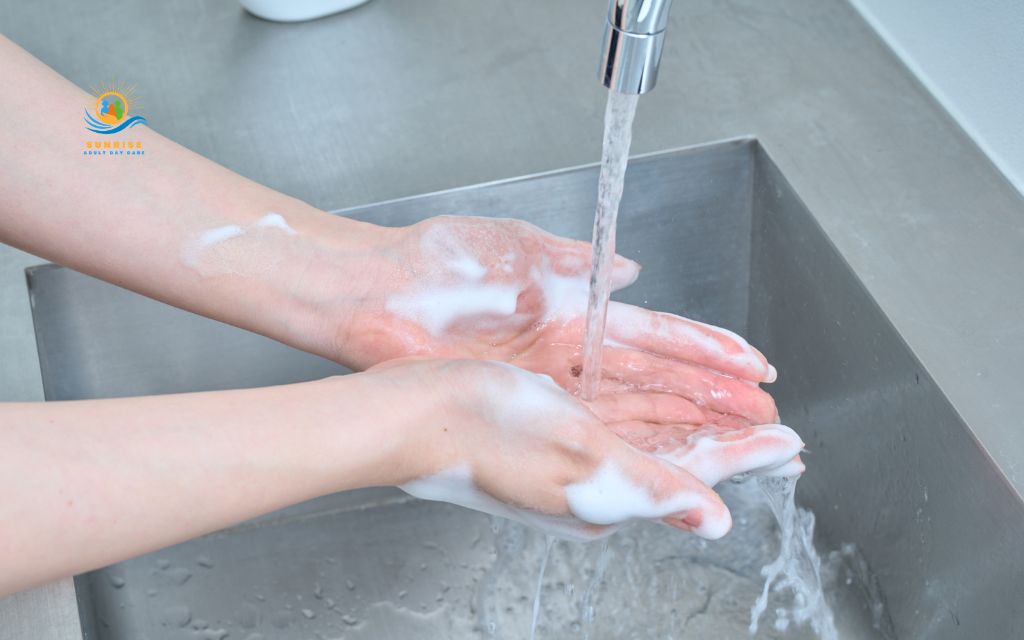
Good hygiene habits including handwashing, bathing, clean clothing, and proper toileting,… help reduce exposure to germs. This is important for older adults, who may be more vulnerable to illness or complications from infections. Simple habits practiced consistently can make a meaningful difference in how often a senior gets sick.

2. Protects aging skin

As people age, the skin often becomes thinner, drier, and more sensitive. Regular hygiene helps remove sweat, bacteria, and irritants that can lead to rashes, itching, sores, or skin breakdown. Gentle cleansing followed by moisturizing is one of the most effective ways to keep aging skin healthy and comfortable.

3. Supports better oral health

Brushing, flossing, denture cleaning, and regular dental care help older adults prevent mouth pain, gum problems, tooth decay, bad breath, and difficulty eating. Good oral hygiene supports comfort, nutrition, and confidence, all of which contribute to a senior’s overall quality of life.

4. Helps manage incontinence and odor

For seniors who experience bladder or bowel control issues, gentle and consistent hygiene helps prevent skin irritation, discomfort, odor, and embarrassment. Thoughtful continence care helps the person feel fresh, clean, and comfortable throughout the day and it preserves their dignity in the process.

5. Makes it easier to notice health changes early

Bathing, grooming, changing clothes, and skin care routines all create natural opportunities to notice signs that something may need attention – bruises, cuts, swelling, rashes, sores, changes in the feet, or signs of dental pain. Spotting these changes early can help families or care teams respond sooner and prevent small concerns from becoming larger health issues.

Why is good hygiene important for older adults?

정신적·정서적 이점

1. Preserves dignity and self-respect

Being clean, groomed, and dressed in fresh clothing can help older adults feel more like themselves. Hygiene support should always protect privacy, choice, and dignity, especially when a senior needs help with personal care. How care is offered matters as much as the care itself.

2. Improves confidence

Good hygiene can help seniors feel more comfortable around family, friends, caregivers, and peers. When someone feels clean and presentable, they are more likely to feel confident joining conversations, participating in activities, or stepping outside for outings.

3. Encourages social participation

Seniors may avoid social situations when they feel self-conscious about body odor, dental concerns, stained clothing, or grooming challenges. Consistent hygiene routines make it easier to participate in adult day programs, family gatherings, shared meals, and community activities.

4. Supports routine and emotional stability

Daily hygiene routines create a sense of structure and predictability. For older adults experiencing memory loss, loneliness, or mild cognitive decline, familiar routines can feel calming and reassuring. Simple habits like washing up in the morning, brushing teeth after meals, combing hair, and putting on fresh clothes can give the day a meaningful sense of order.

5. Reduces stress for seniors and family caregivers

When hygiene becomes difficult to manage independently, both the older adult and family caregivers can feel stressed, frustrated, or overwhelmed. Respectful support with bathing, gentle grooming reminders, toileting routines, and daily care can reduce tension on both sides and help everyone involved feel more secure.

Why hygiene can become harder with age

Several common age-related changes can make daily personal care significantly more difficult.

Mobility changes and fear of falling

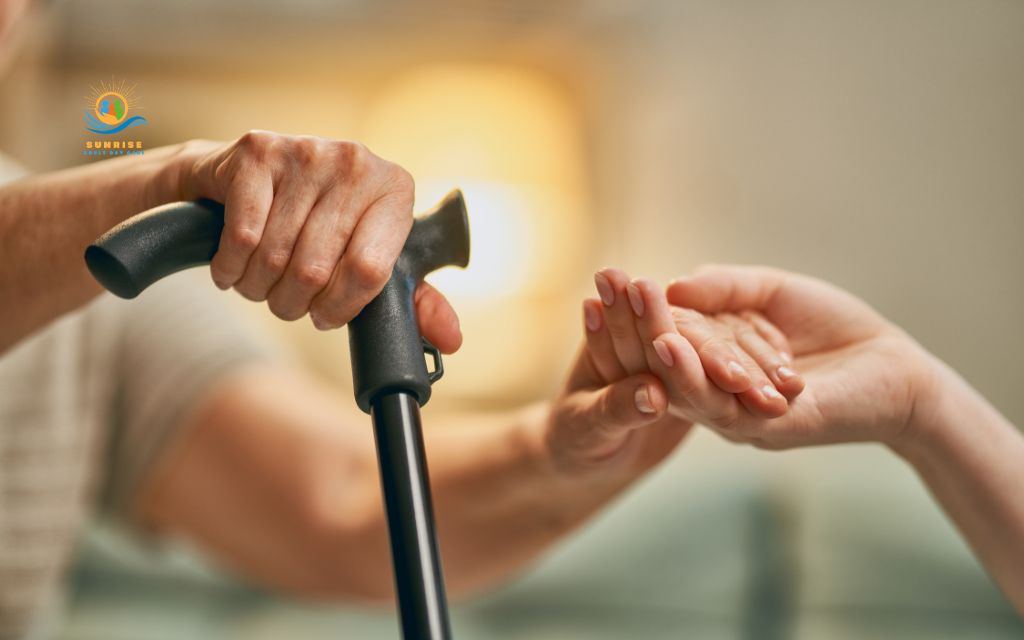
Getting in and out of the shower or bathtub can feel unsafe, particularly for seniors with arthritis, muscle weakness, joint pain, or balance problems. Standing for extended periods may be difficult or painful. Many older adults begin to avoid bathing because they are afraid of slipping.

Simple adaptations like non-slip mats, grab bars, shower chairs, and handheld showerheads can make bathing significantly safer and more comfortable.

Memory loss or dementia

A senior living with dementia or memory loss may simply forget to bathe, brush their teeth, change clothes, or use hygiene products. They may also resist help when offered, not out of stubbornness, but because they feel confused, embarrassed, or rushed.

Calm routines, familiar caregivers, and respectful reminders help reduce resistance and make personal care feel less threatening. Keeping the process predictable and unhurried makes a meaningful difference.

Low energy, depression, or loneliness

Isolation can quietly drain motivation. When a senior spends most of their time alone with little structure, daily routines like bathing or grooming may start to feel overwhelming or pointless. Depression, which is more common in older adults than many people realize, can make even basic self-care feel like an enormous effort.

A structured daytime routine that includes social interaction, gentle activity, and purposeful engagement can encourage consistency without pressure, helping seniors reconnect with their sense of purpose and daily rhythm.

Vision, dexterity, or chronic health conditions

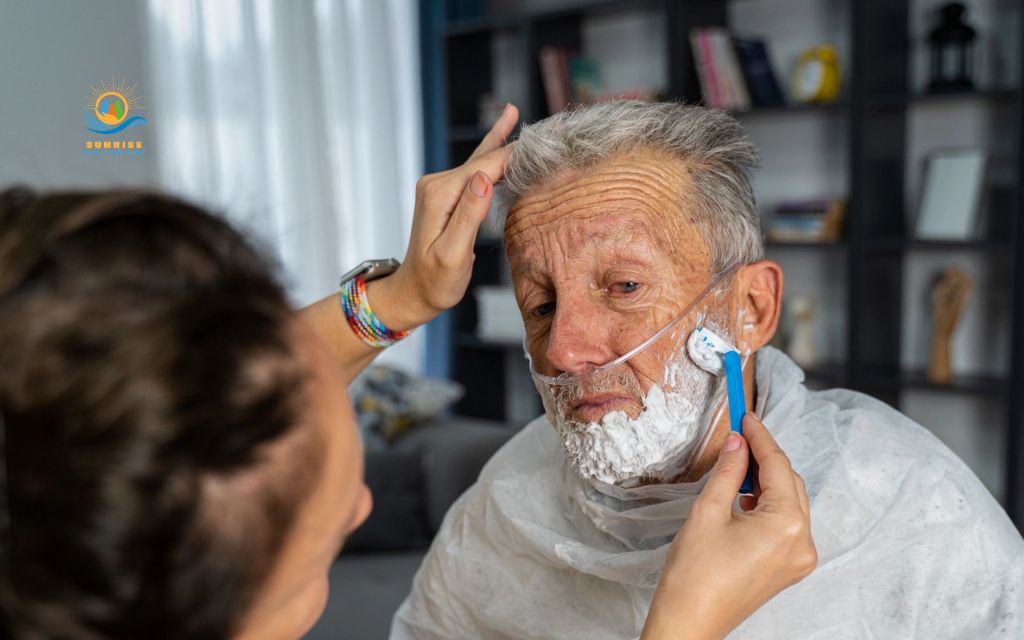
Poor vision can make tasks like shaving, nail care, and skin checks more difficult and potentially risky. Arthritis, tremors, or reduced hand strength can make toothbrushes, shirt buttons, razors, and bathing supplies harder to manage independently.

Conditions such as incontinence, diabetes, or chronic skin conditions may also require extra hygiene attention and specialized care routines. These situations often benefit from professional support or adaptive tools that make daily care easier and safer.

Why hygiene can become harder with age

Essential hygiene habits for older adults

A practical, consistent hygiene routine does not need to be complicated. The following habits form the foundation of healthy daily personal care for seniors:

  • Handwashing before meals, after using the restroom, and after contact with others
  • Bathing or showering on a safe, comfortable schedule that suits the individual’s health and preferences
  • Oral care, including brushing teeth at least twice a day and flossing daily
  • Denture care, including cleaning and soaking dentures as recommended
  • Hair brushing and grooming to maintain appearance and comfort
  • Shaving, if desired, with appropriate tools for steady hands and clear vision
  • Nail and foot care, with extra attention for seniors with diabetes or circulation concerns
  • Changing into clean clothing daily
  • Washing bedding and towels regularly
  • Incontinence care, including skin cleansing and barrier protection as needed
  • Skin moisturizing to prevent dryness, cracking, and irritation
  • Cleaning glasses, hearing aids, walkers, wheelchairs, or other personal items as part of the daily routine

How families can support hygiene without taking away dignity

For adult children and spouses who are helping a loved one with personal care, it is normal to feel uncertain, guilty, or unsure how to help without overstepping. The goal is never to take over, it is to offer just enough support to keep the person safe and comfortable while preserving their independence and sense of self.

These practical, respectful approaches can make a real difference:

  • Ask about preferences instead of giving commands. “Would you like a bath this morning or after lunch?” invites cooperation rather than resistance.
  • Keep routines predictable so the senior knows what to expect and feels more at ease.
  • Offer meaningful choices – “Would you like to wash up before or after breakfast?” – to preserve a sense of control.
  • Use warm towels, soft lighting, privacy, and gentle explanations to make the experience feel comfortable rather than clinical.
  • Prepare supplies ahead of time so the process flows smoothly and feels less like a production.
  • Use appropriate safety equipment, including non-slip mats, shower chairs, grab bars, and handheld showerheads.
  • Encourage independence in small steps – let the person do what they can, and assist only where needed.
  • Acknowledge effort warmly without being condescending. Praise should feel genuine, not patronizing.
  • Watch for signs that more support is needed, including skin changes, odor concerns, increased resistance, or mobility changes that suggest a higher level of assistance.

If hygiene routines are becoming increasingly difficult to manage at home, it may be time to explore additional support. Adult caregiver services offer supervised care, personal hygiene assistance, and structured routines during daytime hours, giving families peace of mind while keeping seniors active and engaged.

why is good hygiene important for older adults: How families can support hygiene without taking away dignity
How families can support hygiene without taking away dignity

How adult caregiver services can help

Adult caregiver services can help older adults maintain daily routines while also giving family caregivers peace of mind during the day. For seniors who need structure and support but do not require full-time residential care, a daytime caregiver program offers a practical, dignified solution.

At a quality program, seniors benefit from a supervised, safe environment during family work hours, staffed by caring professionals who understand the physical and emotional needs of older adults.

Depending on the program, adult caregiver services may include:

  • Gentle hygiene reminders to help seniors stay on track with personal care throughout the day
  • Help with grooming routines, including hair care, oral hygiene, and freshening up after meals
  • Toileting and continence support for seniors who need assistance managing incontinence
  • Medication reminders or oversight to help seniors take medications on time and as prescribed
  • Health monitoring by attentive staff who can identify changes in condition or behavior
  • Nutritious meals and hydration reminders to support energy, oral health, and overall wellness
  • Social activities, group programs, and meaningful engagement that reduce isolation and support cognitive health
  • A safe, welcoming daytime environment that allows family caregivers to work or rest with confidence
  • Support for seniors with mild cognitive decline, memory loss, or mobility limitations
  • Caregiver relief during the hours when a loved one might otherwise be home alone

Adult caregiver services do not replace the care that families provide, they complement it. By offering consistent structure, social connection, and professional support during daytime hours, programs like 선라이즈 시니어 데이케어 help seniors maintain their routines, their health, and their dignity.

결론

Good hygiene is one of the most important investments an older adult can make in their own health and quality of life. When practiced consistently and supported with care, daily personal hygiene helps protect the body, care for skin and teeth, manage incontinence concerns, reduce the risk of illness, and notice health changes before they become serious.

Beyond the physical, good hygiene preserves dignity, strengthens emotional well-being, and opens the door to social connection. For seniors, feeling clean and cared for supports the confidence, comfort, and sense of self that make everyday life meaningful.

When routines become difficult, families do not have to manage everything alone. Adult caregiver services provide structure, social connection, supervised care, and respectful support during the day, helping seniors thrive while giving families the peace of mind they deserve. 

자주 묻는 질문(FAQ)

Why is good hygiene important for older adults?

Good hygiene helps older adults reduce germs, protect sensitive skin, maintain oral health, manage odor or incontinence concerns, feel comfortable in their bodies, and preserve the dignity and confidence that support an active, connected daily life.

How often should older adults bathe?

Many older adults do not need to bathe every day. The right schedule depends on health, skin condition, activity level, incontinence needs, and personal preference. Safety and comfort should always guide the routine, and a healthcare provider can offer individualized recommendations.

Why do some seniors stop bathing or grooming?

Common reasons include fear of falling, joint pain, fatigue, depression, memory loss, dementia, poor vision, reduced grip strength, or embarrassment about needing help. Understanding the specific barrier makes it easier to offer the right kind of support.

How can caregivers help with hygiene respectfully?

Caregivers can offer choices, protect privacy, keep routines calm and predictable, prepare supplies ahead of time, use appropriate safety equipment, and encourage independence wherever possible. The goal is to support, not to take over.

Can adult caregiver care help with hygiene routines?

Yes. Depending on the program, adult caregiver services may provide hygiene reminders, toileting support, grooming routines, medication oversight, health monitoring, nutritious meals, social activities, and supervised daytime care – all within a safe and structured environment.

관련 게시물

노인을 위한 높임 화단: 무엇이며, 왜 어르신들이 좋아할까요?

노인을 위한 높임 화단: 무엇이며, 왜 어르신들이 좋아할까요?

11 최소 읽기정원 가꾸기는 어르신들에게 가장 보람 있는 취미 중 하나입니다. 그것은...
치매 감각 체험실이란 무엇이며, 왜 어르신들이 이곳에서 활기를 되찾게 될까요?

치매 감각 체험실이란 무엇이며, 왜 어르신들이 이곳에서 활기를 되찾게 될까요?

12 최소 읽기치매는 단순한 기억력 문제를 훨씬 넘어서는 질환입니다. 이는 ...
노년층을 위한 버킷리스트 가이드: 여행, 웰빙, 가족 등 330가지 이상의 실현 가능한 아이디어

노년층을 위한 버킷리스트 가이드: 여행, 웰빙, 가족 등 330가지 이상의 실현 가능한 아이디어

23 최소 읽기은퇴는 모험의 끝이 아니라, 오히려 모험의 시작입니다...
위로 스크롤