43 fun activities for seniors: Keep mind sharp, body moving, and spirits high

43 fun activities for seniors: Keep mind sharp, body moving, and spirits high

Staying active and socially connected matters at every stage of life. For older adults, having a purposeful daily routine is not just enjoyable, it supports mental sharpness, emotional well-being, and physical health.

In this guide, we share 43 fun activities for seniors that are commonly offered in adult day care settings. You will also find practical tips for caregivers and answers to the most frequently asked questions about senior activity programs.

Our goal is simple: to help you see how the right activities can support joy, confidence, mobility, and brain health every single day. 

Why fun activities for seniors matter 

외로움과 고립감 줄이기

Social isolation is one of the most significant health risks facing older adults today. According to the National Institute on Aging (NIA), loneliness and social isolation are linked to higher risks of depression, cognitive decline, and even cardiovascular disease.

Participating in group activities , whether it is a bingo game, a cooking class, or a gardening session, gives seniors regular opportunities to build friendships and feel part of a community.

두뇌 건강 및 기억력 지원

Keeping the mind active is just as important as keeping the body moving. Activities that challenge memory, attention, and problem-solving help stimulate neural pathways that support cognitive function.

The Alzheimer’s Association highlights that mentally engaging activities may help reduce the risk of cognitive decline. Creative activities such as painting, storytelling, and music appreciation have also been shown to support emotional recall and reduce agitation in individuals with memory-related conditions.

Why fun activities for seniors matter

Encourage movement and mobility

Physical activity does not have to be intense to be beneficial. Chair exercises, gentle yoga, tai chi, and indoor walking programs all help seniors maintain flexibility, strength, and balance.

The Centers for Disease Control and Prevention (CDC) recommends that older adults engage in at least 150 minutes of moderate-intensity activity per week, along with muscle-strengthening activities on two or more days.

Build confidence and purpose

Completing a craft project, finishing a puzzle, or learning a new recipe gives seniors a genuine sense of accomplishment. These small but meaningful wins support self-esteem and a sense of purpose – 2 things that can diminish when daily life loses structure and social engagement.

Create daily structure and routine

A predictable daily routine is particularly beneficial for seniors living with dementia, anxiety, or depression. Knowing what to expect each day reduces disorientation and provides emotional comfort.

43 fun activities for seniors in adult day care

Below is a comprehensive list of engaging, safe, and enjoyable activities organized by category. This mix of activity ideas for assisted living residents and adult day settings is designed to serve a wide range of ability levels.

Many of the activity ideas listed here can also be adapted for home settings. However, structured programs offer something home caregiving often cannot: daily peer interaction, trained staff, and rotating activities designed specifically for older adults.

Artistic & creative activities for seniors

Art-based activities encourage imagination, relaxation, and self-expression, and they require no prior experience to be meaningful and fun.

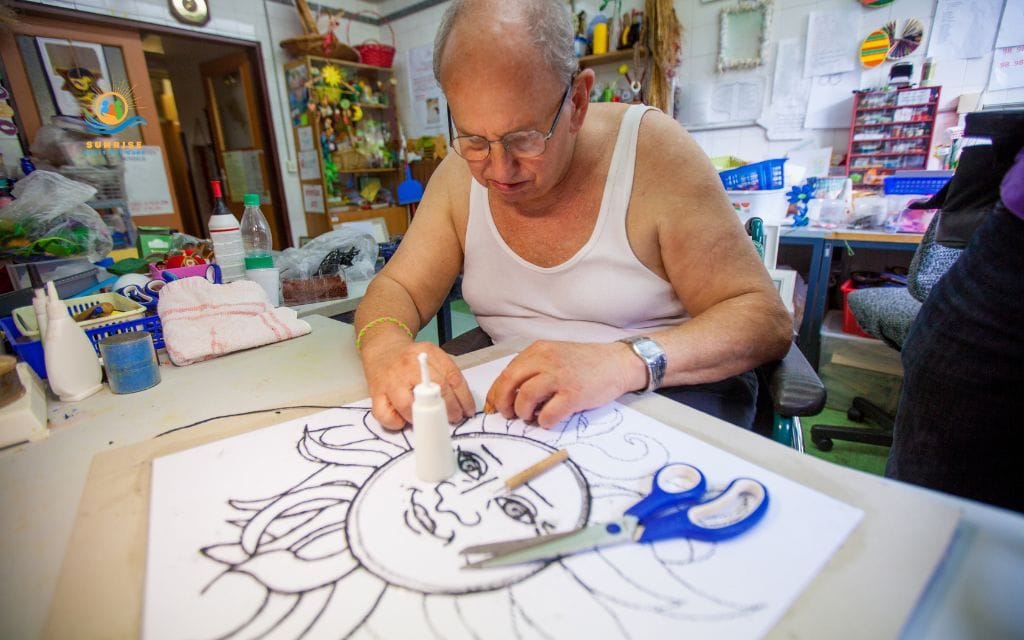
1. Painting and drawing: Watercolors, guided acrylic painting, and adult coloring books are popular choices in day programs. These activities improve fine motor control and provide a calming, meditative experience.

2. Crafting projects: Seasonal crafts, DIY decorations, and simple hands-on projects give participants something tangible to look forward to. From making autumn wreaths to decorating picture frames, crafting activities connect seniors to holidays and seasons in meaningful ways.

3. Knitting and crocheting: A calm, seated group activity that supports finger dexterity and hand-eye coordination. Many seniors already know how to knit or crochet, making this a comfortable and confidence-building activity. Finished items can even be donated to local shelters, adding a layer of purpose.

4. Scrapbooking and memory books: Seniors preserve family memories, reflect on meaningful life chapters, and practice storytelling through scrapbooking. This activity is especially beneficial for those experiencing early cognitive changes, as photo-based reminiscence supports emotional recall.

5. Making cards and handmade gifts: Creating holiday cards, birthday cards, or thank-you notes for family members and community organizations gives seniors a way to stay meaningfully connected to others. It also reinforces fine motor skills and creativity.

6. Photography activities: Nature photography outings, family album reviews, and guided photo projects offer a fresh creative outlet. Even simple smartphone photography encourages seniors to observe their surroundings with new eyes and fosters a sense of artistic pride.

7. Woodworking and model building: With appropriate supervision, simple woodworking projects or hands-on model building activities appeal to seniors who enjoy working with their hands. These projects support spatial thinking and provide a satisfying sense of completion.

8. Flower arranging: A relaxing, sensory-friendly activity using fresh or artificial flowers. The colors, textures, and scents of flowers provide gentle sensory stimulation, and the finished arrangements can be displayed throughout the program space to brighten the environment for everyone.

fun activities for seniors: Artistic & creative activities for seniors
Artistic & creative activities for seniors

Games, brain activities & cognitive fun

Mental stimulation is essential for healthy aging. These activities support memory, focus, language skills, and social interaction, all wrapped in formats that are genuinely enjoyable.

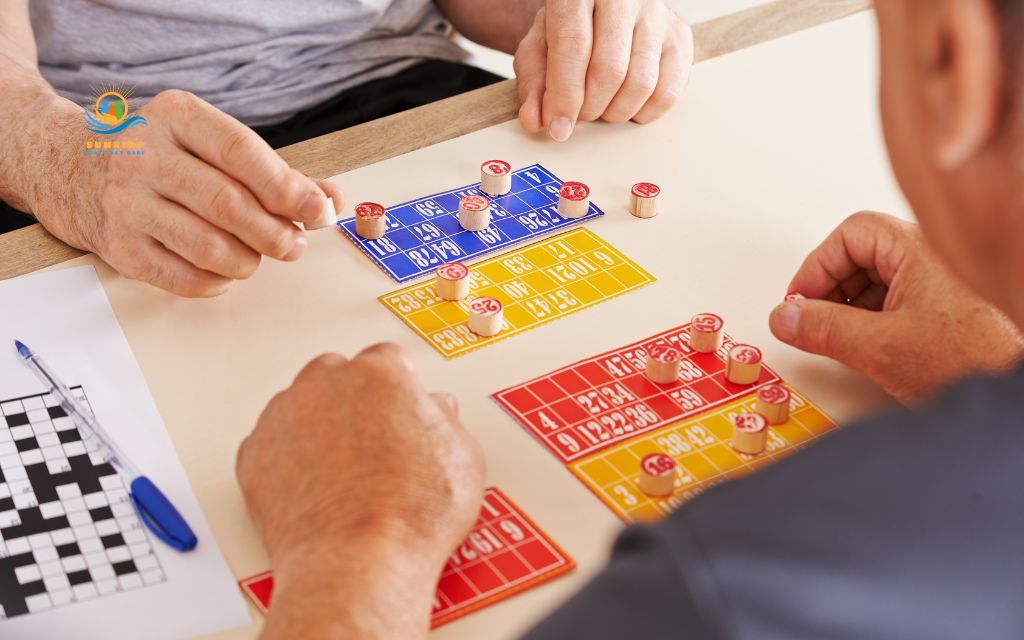
9. Bingo and trivia night: Few activities generate as much laughter and friendly competition as a good round of bingo or themed trivia. These games encourage active listening, pattern recognition, and social engagement. Bingo can be adapted for different ability levels, including large-print and picture-based versions for those with vision changes.

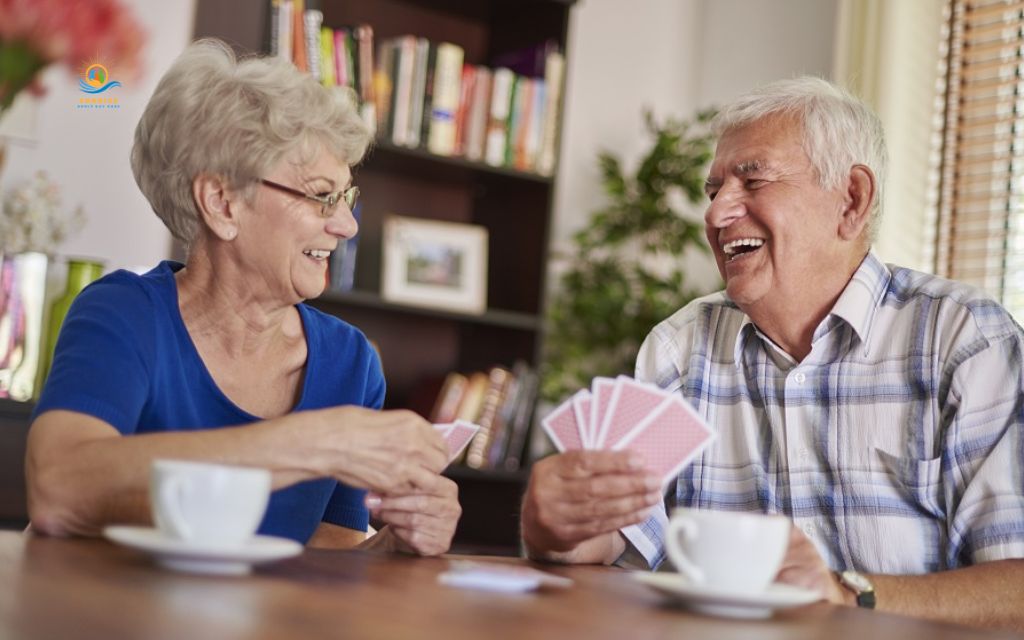
10. Board games and card games: Checkers, dominoes, chess, rummy, and other classic games are staples of senior activity programming. They sharpen strategic thinking, encourage turn-taking, and create natural conversation opportunities between participants.

11. Puzzles and word searches: Jigsaw puzzles and word search booklets help maintain concentration, visual scanning, and problem-solving skills. Group puzzle sessions are particularly popular, as they allow for collaboration and shared satisfaction when the last piece falls into place.

12. Educational classes and quizzes: History talks, themed trivia mornings, and short educational presentations tap into seniors’ existing knowledge. These sessions support lifelong learning and give participants something stimulating to think and talk about throughout the day.

13. Video games for seniors: Simple, accessible video games improve hand-eye coordination, reaction time, and digital literacy. When introduced, technology-based games can become a surprisingly popular activity among older adults.

14. Group reading and audiobooks: Reading circles, shared audiobook listening, and group discussions around a selected text encourage language engagement and social bonding. This activity works well for seniors with varying literacy or vision levels, since audiobooks and large-print editions ensure full inclusion.

15. Journaling and storytelling: Encouraging seniors to write in a journal, dictate memories to a staff member, or share stories in a group setting supports reflection, communication, and emotional processing. Storytelling is a deeply human activity that affirms dignity and validates life experience.

fun activities for seniors: Games, brain activities & cognitive fun
Games, brain activities & cognitive fun

Physical & coordination activities

Regular movement, no matter how gentle, supports strength, flexibility, balance, and cardiovascular health. The activities below are designed to be safe and accessible for older adults at a range of fitness levels.

Always consult with a healthcare provider before starting a new physical activity program. Adult day care programs employ trained staff who monitor participants and adapt exercises to individual health needs. 

16. Chair exercises: Chair exercises are ideal for seniors with limited mobility, balance concerns, or early stages of frailty. Programs include seated marching, arm circles, ankle rolls, and gentle stretching sequences.

17. Yoga and meditation: Gentle yoga adapted for older adults focuses on breathing, mindful stretching, and relaxation rather than flexibility performance. Chair yoga eliminates the need to get on the floor, making it accessible for nearly everyone. Meditation components help reduce anxiety, lower blood pressure, and promote emotional calm.

18. Tai Chi and pilates: Tai chi is well-researched for fall prevention in older adults. Gentle pilates builds core stability, which supports posture and reduces back discomfort.

19. Strength training and resistance exercises: Light free weights, resistance bands, or even canned goods can be used for gentle strength-building exercises. Maintaining muscle mass is essential for older adults.

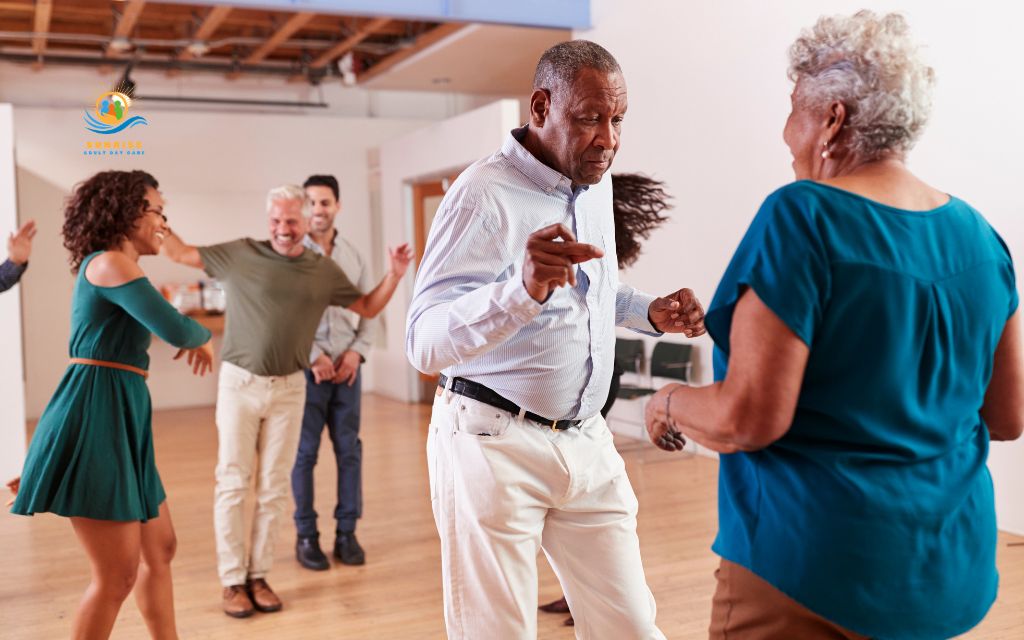
20. Dancing and line dancing: Dancing supports coordination, cardiovascular health, and mood. Line dancing is especially popular because it combines rhythmic movement with social energy and does not require a partner.

21. Walking groups or indoor walking: A structured walking group encourages regular movement, fresh air, and conversation. Walking is low-impact, requires no special equipment, and is one of the most universally accessible forms of exercise for older adults.

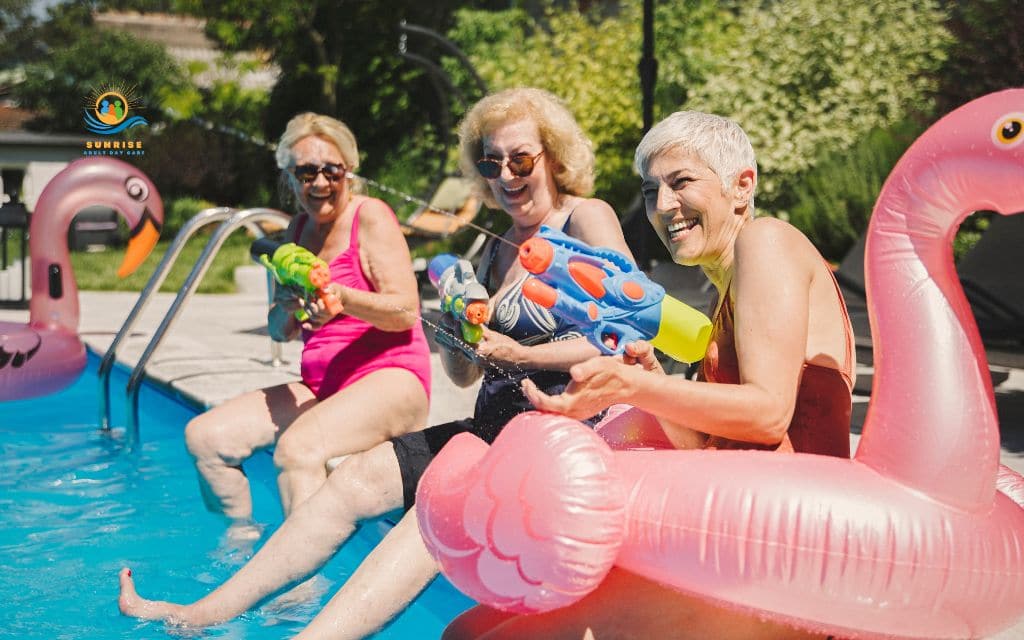
22. Swimming or water aerobics: Water buoyancy reduces stress on joints while providing meaningful resistance for muscle strengthening. Water aerobics classes are also fun and social by nature.

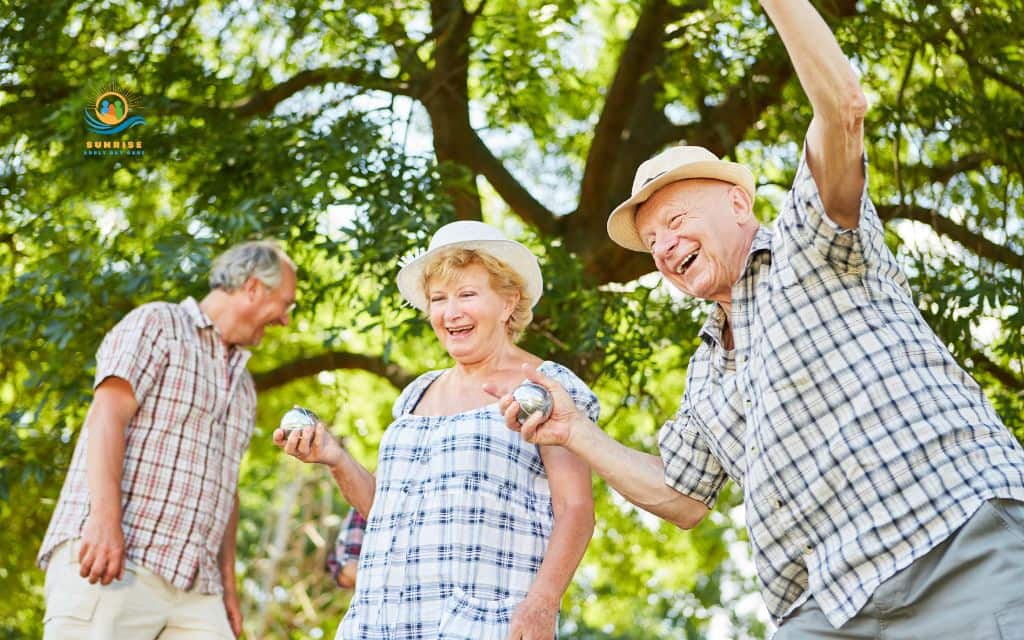
23. Garden and floor games: Bean bag toss, ring toss, and other simple group games encourage gentle movement, friendly competition, and laughter. These activities can be played seated or standing, making them versatile and inclusive for participants with varying ability levels.

fun activities for seniors: Physical & coordination activities
Physical & coordination activities

Cooking & life-enrichment activities

Familiar, meaningful activities anchor seniors to their personal history and give everyday routines a sense of dignity and purpose. Cooking-based activities are especially powerful because food connects people to culture, family, and memory.

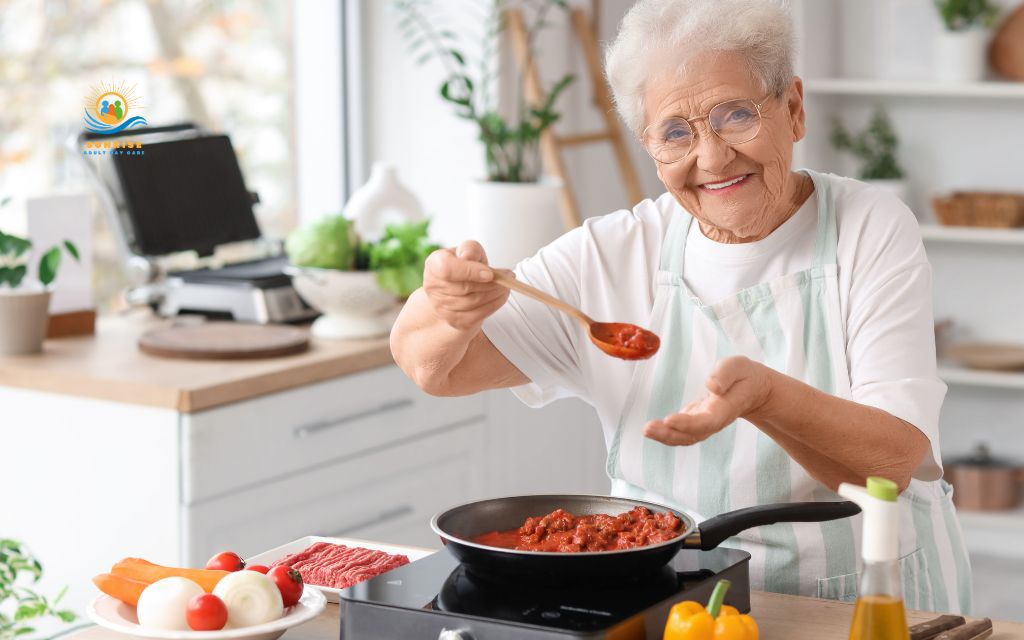
24. Cooking and baking: Simple group recipes – muffins, soups, fruit salads, holiday cookies – engage multiple senses and provide the satisfying experience of creating something edible to share.

25. Sharing family recipes: Inviting seniors to bring and share their favorite family recipes sparks reminiscence, storytelling, and cultural exchange.

26. Healthy cooking classes: Nutrition education does not have to be dry or clinical. Interactive cooking classes that highlight senior-friendly nutrition combine practical health information with hands-on fun.

27. Folding clothes or simple household tasks: Familiar activities like folding towels, sorting items, or preparing simple table settings provide a sense of routine, usefulness, and normalcy. These tasks are beneficial for seniors with dementia, who often find comfort in repetitive, purposeful movements tied to lifelong habits.

fun activities for seniors: Cooking & life-enrichment activities
Cooking & life-enrichment activities

Indoor relaxation & lifestyle activities

Comfortable, low-pressure options give seniors space to relax, enjoy entertainment, and maintain personal care routines that support dignity and self-esteem.

28. Watching movies or film nights: Classic films, beloved musicals, nature documentaries, or themed movie events create shared experiences that spark conversation and nostalgia.

29. Salon or spa day: Hair styling, gentle hand massages, and nail care services are more than cosmetic – they are meaningful expressions of self-care that affirm dignity and personal identity.

30. Indoor gardening: Small potted plants, herb gardens in containers, or tabletop flower care give seniors the sensory joy of gardening without outdoor barriers. Tending to living things supports a sense of responsibility and nurturing, which contributes positively to emotional well-being.

31. Learn social media or technology: Guided sessions on video calling, photo sharing apps, or simple smartphone functions help seniors stay connected with family and friends between program visits.

fun activities for seniors: Indoor relaxation & lifestyle activities
Indoor relaxation & lifestyle activities

Outdoor & nature activities

Fresh air, natural light, and connection with the outdoors are powerful contributors to physical and emotional well-being. When weather and health allow, outdoor activities add variety, stimulation, and joy to the weekly schedule.

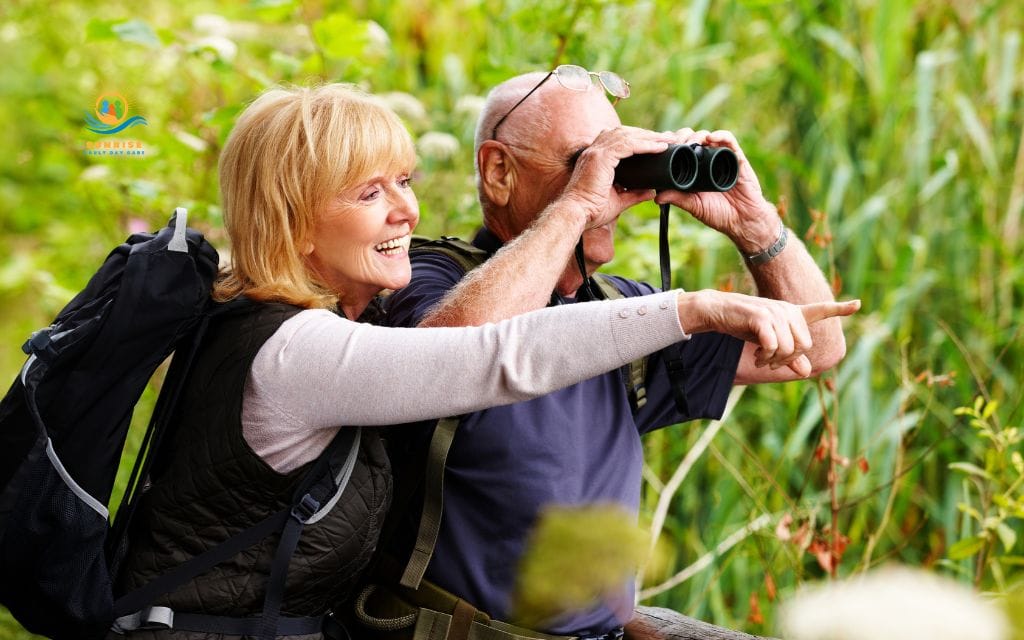
32. Bird watching: A quiet, observational activity that requires minimal physical exertion while providing sensory engagement and gentle mindfulness. Bird watching can be done from a porch, a garden bench, or even through a window, making it highly accessible for seniors with mobility limitations.

33. Gardening and nature walks: Light gardening tasks (watering plants, pulling weeds, planting seeds in raised beds) and short nature walks offer gentle physical activity alongside the therapeutic benefits of being outdoors.

34. Walking or gentle hiking: Adapted walking programs can be calibrated to any ability level, from a short stroll around a courtyard to a moderate walk along a paved trail.

35. Nursery visits or nature trips: Seasonal outings to local garden nurseries, parks, or nature centers provide sensory variety and a welcome change of environment. These excursions create memorable shared experiences and give seniors something to anticipate and reminisce about.

fun activities for seniors: Outdoor & nature activities
Outdoor & nature activities

Social & community activities

A sense of belonging is one of the most fundamental human needs. Social and community-focused activities build genuine friendships, reinforce cultural identity, and help seniors feel that they are valued contributors to something larger than themselves.

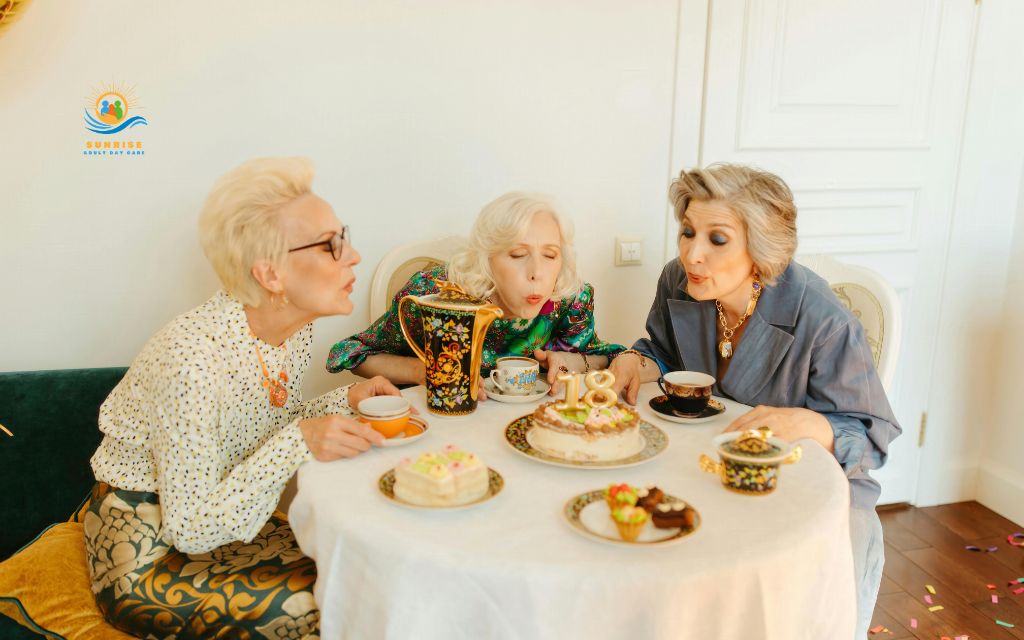
36. Tea parties and luncheon gatherings: Tea parties with themed table settings, seasonal menus, and live or recorded music give seniors something festive to look forward to and an easy social context for conversation.

37. Celebrating holidays and cultural events: Seasonal decorations, themed activities, cultural performances, and holiday music honor the diverse backgrounds of participants and create shared moments of celebration.

38. Volunteering and community projects: Donation drives, card-making for children in hospitals, simple service projects for local nonprofits, these activities give seniors a powerful sense of purpose and civic belonging. Contributing to others reinforces the understanding that aging does not diminish a person’s capacity to make a meaningful difference.

39. Educational presentations and guest talks: Guest speakers, wellness educators, local historians, musicians, or cultural performers bring fresh energy and new perspectives to the program. These presentations stimulate curiosity, encourage questions, and provide natural conversation starters for the days that follow.

Social & community activities

Activities for seniors with limited mobility or dementia

The following activity ideas for assisted living residents and adult day participants with higher support needs are specifically designed to be gentle, familiar, and accessible. 

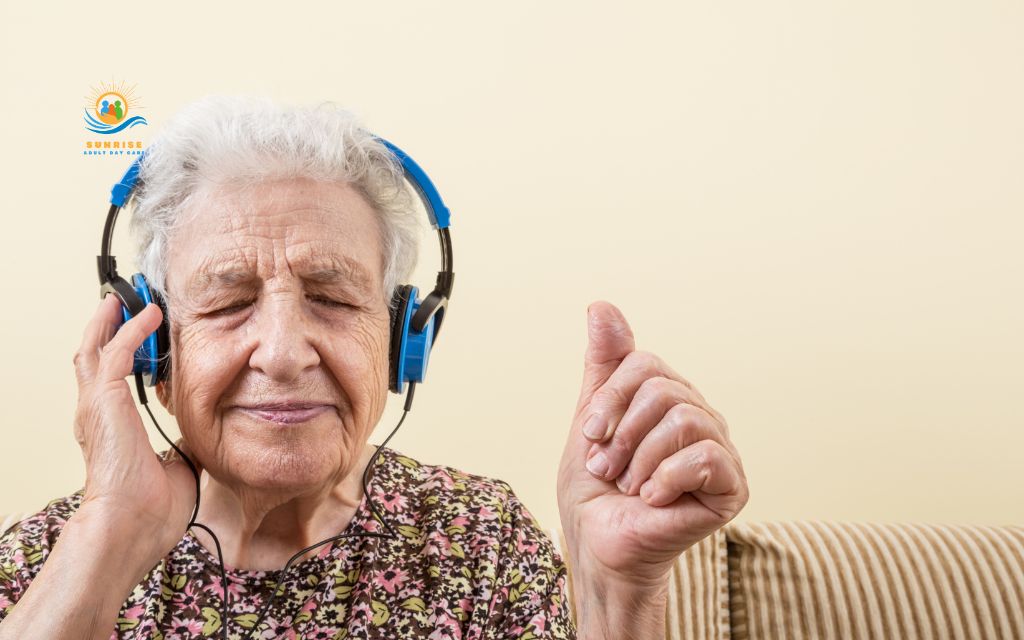
40. Sensory activities: Textured crafts, music listening sessions, gentle flower arranging, and aromatherapy-based experiences engage the senses without requiring complex coordination or cognitive effort.

41. Familiar repetitive activities: Folding towels, sorting colored objects, pairing socks, or organizing simple items into groups provides a sense of order and accomplishment. For seniors with dementia, these familiar, repetitive motions often feel intuitive and comforting, tapping into deeply ingrained procedural memories.

42. Calm group activities: Guided music sessions, soft group sing-alongs, seated storytelling circles, and gentle reminiscence groups create a peaceful, low-stimulation social environment.

43. Gentle one-on-one activities: Personalized crafts, one-on-one reading, quiet conversation, or looking through a family photo album together allow staff to meet a senior exactly where they are. These individualized moments of connection are some of the most meaningful experiences a program can offer, especially for participants who find group settings overstimulating.

fun activities for seniors: Activities for seniors with limited mobility or dementia
Activities for seniors with limited mobility or dementia

Tips for caregivers encouraging participation

Even with a wonderful activity schedule available, some seniors are hesitant to participate. This is completely normal. Here are 4 approaches that caregivers and program staff have found effective in encouraging engagement without pressure.

성과가 아닌 즐거움에 집중

Remind your loved one that there are no grades, no competitions, and no expectations of perfection. Whether they finish a painting, follow every step of a recipe, or simply sit in the room and listen to music, their presence and participation matter. Framing activities as enjoyable experiences rather than tasks reduces anxiety and builds willingness to try.

Start with familiar activities

A senior who spent years knitting, cooking, or working with their hands will often re-engage most comfortably with activities that mirror those familiar experiences. Starting with something recognizable builds confidence and reduces the intimidation of a new environment. From there, gradually expanding to new activities becomes much more natural.

Encourage social participation gradually

Some older adults need time to warm up to group settings, particularly if they have been spending extended periods at home or if social anxiety is a factor. Sitting near, rather than immediately joining, a group activity is a valid starting point. Over time, most seniors naturally gravitate toward greater engagement as they become familiar with the space, the staff, and their fellow participants.

작은 승리를 축하하세요

A completed card, a finished puzzle section, or the courage to try something new for the first time all deserve genuine acknowledgment. Positive reinforcement (expressed warmly, without condescension) builds the momentum that turns hesitant participation into genuine enthusiasm.

결론

Fun activities for seniors are far more than a way to pass the time. When thoughtfully designed and consistently offered, they are a vehicle for social connection, mental stimulation, physical wellness, and personal dignity. The right activity, even something as simple as sharing a recipe or arranging a bouquet of flowers, can transform an ordinary day into one that feels purposeful and bright.

For families researching care options, understanding what a program actually does during the day matters as much as knowing where it is located or what it costs. Ask to see activity calendars. Ask about how staff engage participants with different ability levels. Ask whether activities are adapted for seniors with dementia or limited mobility. The answers will tell you a great deal about the culture and quality of a program.

Whether your loved one thrives with creative arts, cognitive games, gentle movement, or social gatherings, the goal remains the same: to help every older adult spend their days doing things that bring them joy, connection, and a genuine sense of self.

Explore Sunrise Adult Daycare – Denver’s trusted daytime senior program

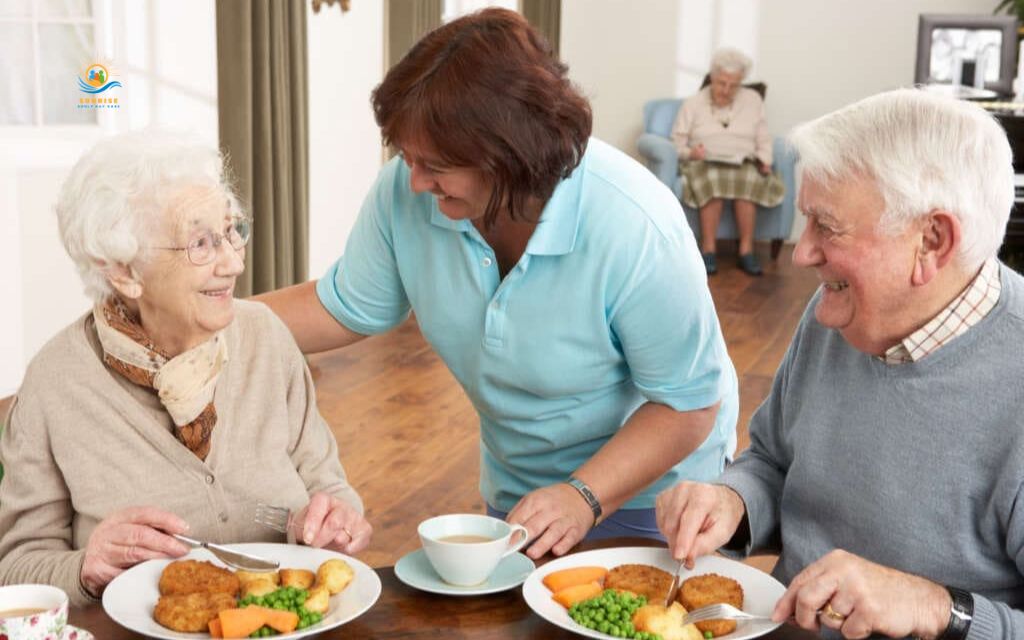
At Sunrise Adult Daycare, we offer a warm, structured daytime environment where older adults can enjoy a full schedule of engaging activities, from creative arts and music to brain fitness, gentle exercise, cultural programming, and nutritious meals.

We provide a daytime, non-residential 성인 주간 프로그램 designed to support seniors and provide meaningful respite for family caregivers. Our team works with each participant to find activities that match their interests, comfort level, and abilities.

We invite you to schedule a visit and see our program in action. Call us at 303-226-6882 to learn more. 

자주 묻는 질문(FAQ)

Are seated activities effective for older adults?

Yes, seated activities are highly effective for older adults, particularly those with balance concerns, limited mobility, or chronic conditions. Chair exercises, seated yoga, arts and crafts, card games, and musical activities all provide meaningful physical, cognitive, or emotional benefits without requiring a participant to stand or move around.

How do activities support brain health?

Activities that engage memory, language, attention, and problem-solving – such as trivia, puzzles, storytelling, and educational classes – stimulate neural connections that support cognitive function. Creative and musical activities support emotional processing and memory recall, which can be especially beneficial for seniors living with dementia or mild cognitive impairment.

What do 70-year-olds do for fun?

Adults in their 70s enjoy a wide range of activities, shaped by their personal interests, health status, and social preferences. Popular options include walking and light hiking, gardening, traveling, reading, cooking, attending cultural events, playing golf, dancing, engaging in arts and crafts, and spending time with family and friends. In adult day settings, activities are tailored to match these diverse interests while also incorporating social engagement and health-supporting components into each session.

What activities can you do with elderly people?

There is an enormous range of enjoyable activities you can share with older adults, depending on their interests and abilities. Some of the most well-received options include cooking or baking together, working on puzzles or board games, watching classic films, going for walks in nature, doing arts and crafts, looking through old photographs and sharing memories, attending cultural events or live performances, playing cards, and participating in gentle exercise programs like yoga or tai chi.

What are fun activities for elderly in nursing homes?

Nursing homes and long-term care facilities typically offer activity programming that includes bingo, arts and crafts, musical performances, movie screenings, gentle exercise classes, group outings, religious services, holiday celebrations, pet therapy visits, and one-on-one reminiscence sessions.

What are fun activities for seniors with dementia?

Seniors living with dementia benefit most from activities that are familiar, sensory-friendly, calm, and repetitive in nature. Effective options include listening to music from their era, gentle flower arranging, looking through family photo albums, simple sorting and folding tasks, seated stretching, reminiscence storytelling, and short one-on-one conversations with a trusted caregiver or staff member.


관련 게시물

노인을 위한 뜨개질이 실제로 뇌와 신체에 어떤 영향을 미칠까요? 알아야 할 16가지 이점

노인을 위한 뜨개질이 실제로 뇌와 신체에 어떤 영향을 미칠까요? 알아야 할 16가지 이점

10 많은 노년층이 편안하고 의미 있는 활동을 찾고 있습니다.
노인을위한 44 가지 쉬운 봄 공예품으로 하루를 밝게 (간단하고 재미있는 아이디어)

노인을위한 44 가지 쉬운 봄 공예품으로 하루를 밝게 (간단하고 재미있는 아이디어)

17 봄은 일년 중 가장 기분이 좋아지는 계절 중 하나이며 따뜻하고 ...
신발 없이 걷는 것이 노인의 건강 유지에 도움이 될까요? 맨발 걷기의 13가지 이점

신발 없이 걷는 것이 노인의 건강 유지에 도움이 될까요? 맨발 걷기의 13가지 이점

11 걷기는 노인들에게 가장 간단하고 접근하기 쉬운 방법 중 하나입니다 ...
위로 스크롤