What is a dementia sensory room and why do seniors thrive in one?

What is a dementia sensory room and why do seniors thrive in one?

Dementia is far more than a memory condition. It affects how a person communicates, processes their surroundings, regulates their emotions.

As the disease progresses, ordinary environments can feel confusing or overwhelming, while familiar comforts lose their grounding effect. This is why so many families and professionals look beyond medication for approaches that meet the full emotional and sensory needs of their loved ones.

A dementia sensory room provides a dedicated, safe space where sight, sound, touch, and scent are carefully curated to calm the nervous system, spark familiar memories, and support a sense of peace and belonging. These spaces are found in memory care communities, adult day centers, and dementia support programs, and for good reason: they work by meeting seniors where they are, honoring their individual history and remaining strengths.

This article explains what a dementia sensory room is and why sensory stimulation matters in dementia care.

What is a dementia sensory room?

Understanding sensory rooms

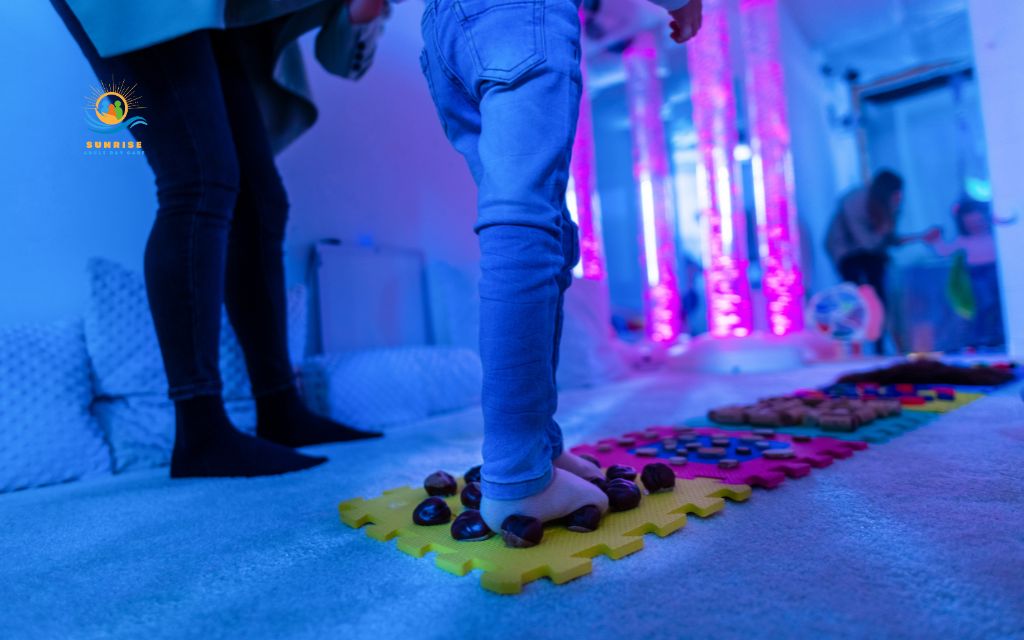
A sensory room is a specially designed space that uses controlled elements (lighting, sound, scent, texture, and movement) to provide gentle, intentional stimulation to the senses. Unlike an ordinary room, a sensory room removes unpredictable or distressing inputs and replaces them with purposeful experiences that can be adjusted to each individual’s needs. 

What is a Snoezelen room?

The concept of the controlled multisensory environment has roots in the Netherlands, where the term “Snoezelen” (pronounced “snooze-uh-len”) was coined in the 1970s. It is a blend of two Dutch words meaning to sniff and to doze, capturing the idea of gentle sensory exploration paired with deep relaxation.

An elderly Snoezelen room combines soft lighting effects, calming sounds, pleasant textures, and soothing aromas in a single environment. Originally developed for individuals with sensory or cognitive disabilities, the Snoezelen approach was gradually adapted for older adults living with dementia. Today, the terms sensory room and Snoezelen room are often used interchangeably in senior care settings.

What is a dementia sensory room?

How dementia sensory rooms work

Dementia sensory rooms work by providing a low-demand, high-comfort environment where residents or program participants can engage at their own pace.

There are no expectations, no tests, and no pressure. Instead, a caregiver or trained staff member gently introduces elements and observes how the individual responds.

The sensory input is always adapted to the person’s current mood, cognitive stage, and preferences. Sessions can last anywhere from 15 minutes to an hour depending on the individual’s tolerance and engagement level.

Over time, consistent sensory experiences can become a calming routine that reduces agitation, supports emotional regulation, and provides a reliable anchor in the person’s day.

Why sensory stimulation matters for people with dementia

How dementia affects sensory processing

As dementia progresses, the brain’s ability to process, filter, and interpret sensory information becomes impaired. Environments that most people find neutral can feel overwhelming to someone with dementia. This sensory overload often contributes to agitation, wandering, emotional outbursts, and withdrawal.

At the same time, the sensory pathways that connect to long-term memory and emotion often remain more intact than those tied to short-term memory and language.

This means that even in the later stages of dementia, a person may still respond to the smell of fresh bread, the feel of a soft blanket, or the melody of a song they loved decades ago, even when they can no longer recall words or recognize faces.

The connection between the senses, memory, and emotions

The relationship between sensory experience, memory, and emotion is deeply rooted in neuroscience. The olfactory system has a direct pathway to the limbic system, the brain’s emotional and memory center. This is why scents can trigger vivid, emotionally charged memories even in individuals with significant cognitive decline.

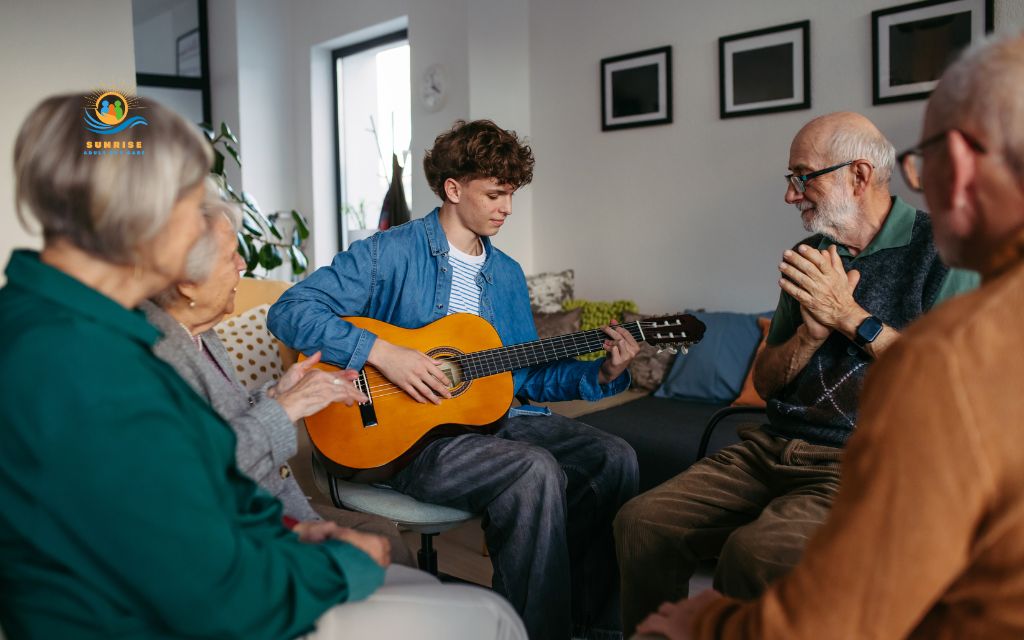
Music activates multiple areas of the brain simultaneously, including those associated with emotion, motor function, and autobiographical memory. Familiar music can reach people at all stages of dementia, reducing agitation and promoting moments of recognition and connection that other approaches cannot always achieve.

Touch and tactile stimulation similarly engage areas of the brain linked to comfort, safety, and early relational experience. Gentle textures, weighted blankets, and familiar objects can communicate safety and warmth in ways that words alone may no longer be able to. 

Why non-drug approaches are important in dementia care

Behavioral and psychological symptoms of dementia are among the most challenging aspects of the condition for both individuals and caregivers. Medications are sometimes prescribed to manage these symptoms, but they carry risks of side effects in older adults, including sedation, increased fall risk, and reduced alertness.

Sensory rooms for dementia represent one of the most well-established of these non-drug approaches. They offer a structured way to address agitation and emotional distress while also creating opportunities for meaningful connection, engagement, and moments of joy. They are not a replacement for medical care but can significantly reduce reliance on medication and improve daily quality of life.

For families seeking a more holistic approach to dementia support, sensory rooms are a meaningful indicator of quality care.

Why sensory stimulation matters for people with dementia

Benefits of dementia sensory rooms

Reduce anxiety, stress, and agitation

Sensory experiences such as calming lights, soft music, and familiar scents can help reduce distress, restlessness, and behavioral symptoms common in dementia. By replacing overwhelming stimuli with gentle, predictable sensory input, a well-designed sensory room gives the nervous system an opportunity to settle.

Many families and caregivers report that regular sensory sessions lead to calmer transitions, fewer episodes of distress, and a generally more peaceful daily experience.

Improve mood and emotional well-being

Sensory rooms create a soothing environment that promotes comfort, relaxation, and positive emotions while reducing feelings of frustration or confusion.

A session in a sensory room can shift a person’s emotional state meaningfully, even if that shift lasts only for the duration of the session. Over time, these positive experiences accumulate, contributing to an overall improvement in mood and emotional resilience.

Support memory and meaningful connections

While dementia affects the formation of new memories, long-term memories are often preserved much longer. Familiar sounds, images, scents, and objects can trigger memories, encourage reminiscence, and help seniors reconnect with loved ones and life experiences.

A piece of music from a person’s young adulthood, the scent of a flower from their garden, or the feel of a familiar fabric can open doors to memories and emotions that seem otherwise unreachable. These moments of connection are profoundly meaningful for both the individual and their family. 

Encourage engagement and social interaction

Sensory activities can spark conversations, increase participation, and help individuals stay connected with caregivers, family members, and peers.

A group sensory session involving shared music, nature sounds, or a communal tactile activity creates opportunities for connection and interaction that are accessible to people at various stages of the disease.

The low-demand environment removes performance pressure, making engagement possible even for those who might withdraw from more structured group activities.

Enhance quality of life through personalized care

Perhaps the most important benefit of a dementia sensory room is its capacity to deliver genuinely individualized care. No two people with dementia are alike. Their histories, preferences, triggers, and strengths are personal, and good dementia care must honor that individuality. By offering individualized sensory experiences, these rooms help seniors feel safe, valued, and engaged while supporting a more person-centered approach to dementia care.

What should a dementia sensory room include?

Visual stimulation elements

Visual elements in a dementia sensory room are chosen to soothe rather than stimulate. The goal is gentle engagement, not brightness or complexity.

Common visual components include:

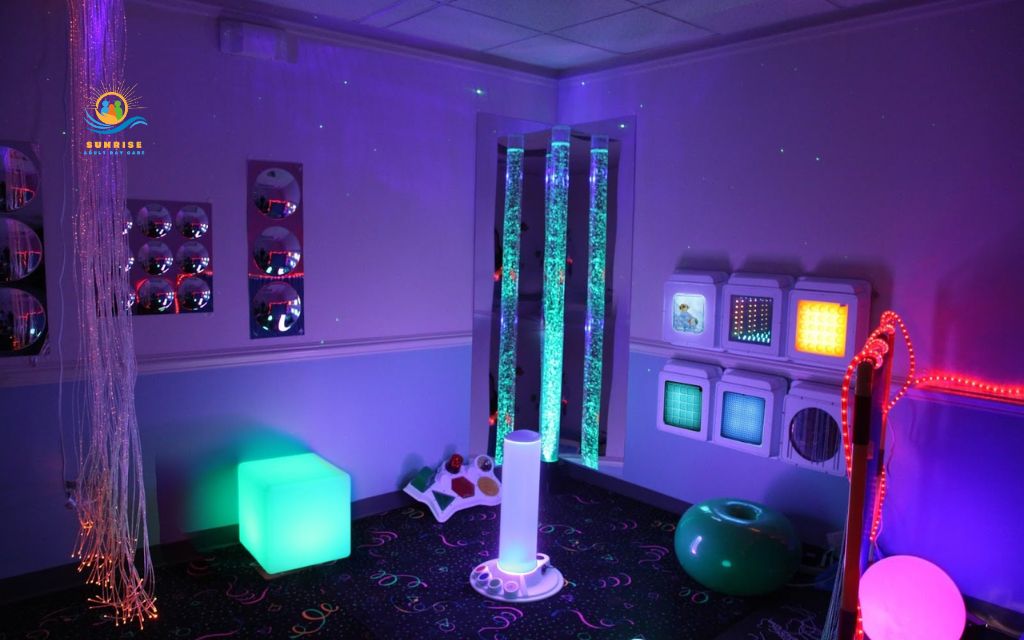
  • Bubble tubes: Tall illuminated cylinders filled with water and floating objects that provide a mesmerizing, calming visual focus
  • Fiber optic lights: Soft, color-changing strands that can be touched safely and provide gentle visual movement
  • Projection systems: Wall or floor projections of nature scenes, moving patterns, or calming imagery
  • Nature videos: Looping footage of water, forests, gardens, or birds that provide a sense of peace and connection to the natural world
  • Soft ambient lighting: Dimmable, warm-toned lighting that avoids harsh glare and creates a comfortable visual environment

Auditory stimulation elements

Sound is one of the most powerful sensory tools in a dementia sensory room. The auditory environment should be intentional and individualized, avoiding background noise or competing sounds. Typical auditory elements include:

  • Calming music: Instrumental or gentle vocal music selected for its relaxing qualities
  • Familiar songs: Music from a person’s youth or cultural background that carries emotional resonance and may trigger positive memories
  • Nature sounds: Recordings of rainfall, ocean waves, birdsong, or wind in trees that evoke calm and comfort
  • Personalized playlists: Curated selections based on each individual’s musical history and emotional associations
What should a dementia sensory room include?

Tactile stimulation elements

Touch-based activities and objects are especially valuable for people in mid to late stages of dementia when verbal communication may be limited. Tactile elements in a sensory room for dementia typically include:

  • Sensory blankets: Weighted or textured blankets that provide deep-pressure comfort and a sense of security
  • Textured cushions: Pillows with different fabric surfaces that invite exploration and tactile engagement
  • Fidget items: Objects specifically designed for gentle manipulation, such as activity boards, sensory bottles, or tactile cubes
  • Soft fabrics: A variety of natural and synthetic materials that offer pleasant tactile contrast and familiar textures

Aromatherapy and scent-based experiences

Because the sense of smell has a direct pathway to the brain’s memory and emotion centers, scent-based experiences can be effective in reaching people with dementia. 

Commonly used scents in sensory rooms include:

  • Lavender: Widely recognized for its calming and anxiety-reducing properties
  • Vanilla: A warm, comforting scent associated with positive memories for many people
  • Citrus scents: Energizing and uplifting aromas such as lemon or orange that can elevate mood
  • Familiar household smells: Scents such as baked goods, fresh coffee, or garden flowers that connect to personal memories and daily life

It is important to introduce scents gently and to ensure that individuals without known sensitivities are tested carefully, as strong or unfamiliar aromas can occasionally cause distress rather than comfort.

Interactive sensory equipment

Beyond passive sensory experiences, many dementia sensory rooms also include interactive elements that invite a degree of engagement and gentle agency:

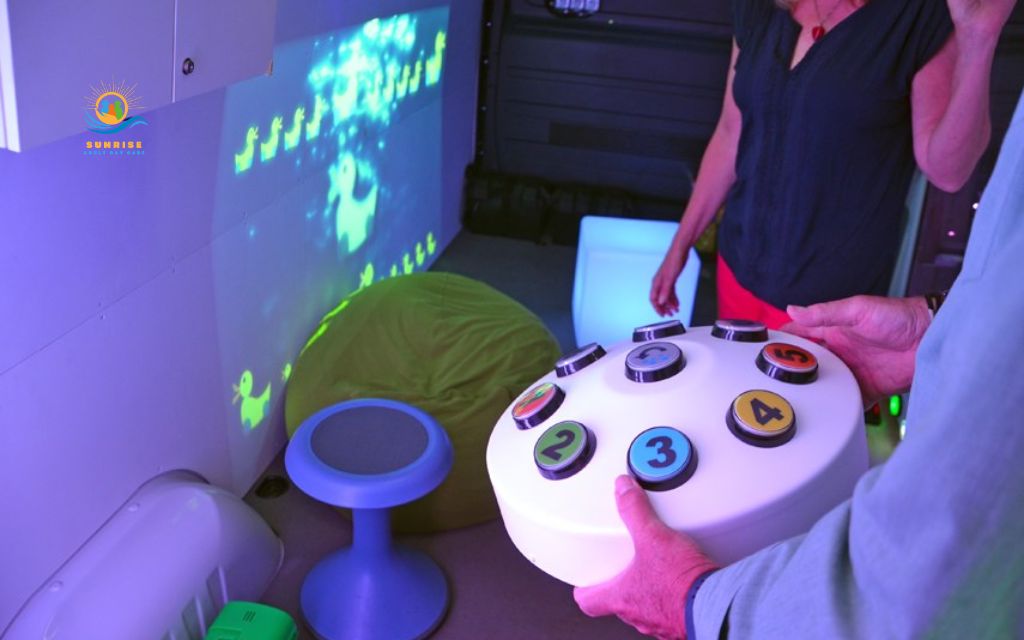
  • Sensory walls: Wall-mounted panels with buttons, levers, textures, or light-responsive elements that can be explored independently
  • Interactive light displays: Floor or wall systems that respond to touch or movement, creating a playful and engaging experience
  • Touch-activated devices: Simple audio or visual devices that respond to a person’s touch, providing a sense of cause and effect and reinforcing feelings of competence

Comfort and relaxation features

No sensory room is complete without thoughtful attention to physical comfort. The physical environment should be warm, welcoming, and easy to navigate:

  • Comfortable seating: Supportive chairs with armrests and cushioning appropriate for older adults with varying mobility
  • Recliners: Fully adjustable chairs that allow individuals to rest in a supported position during longer sessions
  • Rocking chairs: Gentle rhythmic movement is naturally calming for many people and can ease restlessness
  • Quiet spaces: Areas within or adjacent to the room where individuals can rest without sensory input when needed
dementia sensory room: Comfort and relaxation features
Comfort and relaxation features

Designing a dementia-friendly sensory room

Create a calm, non-overstimulating environment

The single most important principle in designing a sensory room for dementia is restraint. More is not better. An environment filled with competing stimuli – flashing lights, loud music, multiple scents, and cluttered surfaces – can quickly become distressing for someone with dementia, triggering the very agitation the room is intended to reduce.

Effective design focuses on 1 or 2 sensory modalities at a time. Lighting should be soft and adjustable. Sound should be at a conversational volume or lower. Scents should be mild and introduced carefully. The overall aesthetic should be clean, uncluttered, and calming — more like a cozy retreat than a sensory amusement park.

Use familiar and meaningful items

The most powerful sensory experiences in a dementia sensory room are those rooted in personal history. A generic bubble tube may capture attention momentarily, but a playlist of songs from someone’s teenage years, or the scent of the flowers they grew in their garden, can create a far deeper and more meaningful response.

Consider different stages of dementia

Dementia progresses through stages, and the appropriate sensory approach must change accordingly.

  • In early stages, individuals may benefit from more interactive and cognitively engaging elements.
  • In middle stages, reminiscence-based activities and calming sensory experiences are often most effective.
  • In late stages, gentle tactile stimulation, familiar music, and comfort-focused sensory support become primary.

A well-designed sensory room accounts for this range by including adaptable elements and by training staff to calibrate the experience to each individual’s current needs rather than applying a one-size-fits-all approach.

Prioritize comfort and safety

All elements in a dementia sensory room must be safe for older adults with varying levels of cognitive and physical ability.

Equipment should have no sharp edges, small parts, or potential choking hazards. Electrical components should be fully enclosed and meet relevant safety standards. Lighting should not include strobing or sudden bright flashes, which can be distressing and potentially dangerous for individuals with certain conditions.

The room itself should also feel safe with clear sightlines, no confusing mirrors or reflective surfaces, and easy access to exits. For individuals who experience claustrophobia or anxiety in small spaces, a larger room or open-plan design is preferable.

Make the space accessible for mobility needs

Many older adults with dementia also have mobility limitations.

  • A sensory room must be fully wheelchair and walker accessible, with wide doorways, smooth flooring, and furniture arranged to allow easy navigation.
  • Adjustable elements – lighting, audio volume, furniture height – should be operable by staff without requiring the individual to move or exert themselves.
  • Surfaces should be non-slip and any transitions between flooring types should be flush and clearly visible.

The goal is an environment that feels safe and easy to move through, not one that adds physical challenge to the already complex experience of living with dementia.

Allow choice and personal preferences

A person-centered dementia sensory room is one where the individual retains a sense of agency and choice, however that is possible given their current cognitive level.

This might mean allowing a person to reach for a texture they prefer, indicating by expression or gesture that they want a particular music selection continued, or simply acknowledging and honoring signs of enjoyment or discomfort.

Staff should be trained in reading non-verbal cues and should always be prepared to modify or end a sensory session based on the individual’s responses. The room is a tool for the person’s well-being, not a program to be completed on schedule.

Designing a dementia-friendly sensory room

How adult day centers use sensory rooms to support seniors

Adult day centers are uniquely positioned to deliver sensory room programming as part of a structured, professional daytime experience. Unlike home caregiving, these centers have the dedicated space, trained staff, and daily routine needed to make sensory support consistent, personalized, and truly effective.

Here is how adult day centers put sensory rooms to work for older adults with dementia:

  • Structured daily scheduling: Sensory sessions are built into a predictable routine, typically in the late morning or mid-afternoon when agitation tends to peak. This consistency helps participants feel safe and calm even before a session begins.
  • Professional facilitation and personalization: Trained caregivers monitor each session in real time, adjust the environment based on individual responses, and maintain detailed records to make every session more personalized over time.
  • Social connection in a low-pressure setting: Sensory rooms support small-group experiences where participants can share music, tactile objects, or calming visuals together, reducing isolation without the pressure of structured group activities.
  • Integration with the full daily program: Sensory sessions work best when paired with other activities. A typical sequence might move from morning movement to a sensory room session to a reminiscence or music group, supporting overall cognitive and emotional health throughout the day.
  • Caregiver respite and peace of mind: Family caregivers gain genuine confidence knowing their loved one is receiving individualized, evidence-informed care during the day. Consistent daytime sensory programming also often reduces agitation at home in the evenings, making caregiving more manageable for the whole family.

Explore daytime dementia support at Sunrise Adult Daycare

선라이즈 시니어 데이케어 offers a structured, compassionate daytime program for older adults living with dementia and memory concerns. Our 성인 데이케어 프로그램 provides personalized sensory activities, professional supervision, social engagement, and a calm, welcoming environment, all within a daytime, non-residential setting.

Call us at 303-226-6882 or visit us directly to learn more about our memory support activities and to schedule a tour. 

결론

Dementia sensory rooms are more than a collection of lights and sensory equipment. They provide comfort, stimulation, connection, and opportunities for meaningful engagement.

For someone living with dementia, a sensory room can transform an anxious afternoon into a peaceful one. It can turn a moment of confusion into a moment of recognition. It can offer a sense of safety in a world that increasingly feels uncertain.

For families exploring memory care or adult day services, a sensory room is a valuable sign of a person-centered approach to dementia support. It signals that a program takes the emotional, sensory, and social dimensions of dementia seriously, not just the medical ones. 

When you visit a program and see a thoughtfully designed sensory room in use, you are seeing a provider that understands what quality dementia care truly looks like. 

자주 묻는 질문(FAQ)

Do sensory rooms help people with dementia?

Yes. Research and extensive clinical experience indicate that sensory rooms can reduce agitation, anxiety, and behavioral symptoms in people with dementia while also improving mood and emotional well-being. The approach works by engaging preserved sensory and emotional pathways that remain responsive even when memory and language are significantly impaired.

What equipment is used in a dementia sensory room?

A dementia sensory room typically includes visual elements such as bubble tubes, fiber optic lights, and projection systems; auditory elements such as music systems and nature sound recordings; tactile items such as sensory blankets, textured cushions, and fidget objects; aromatherapy diffusers with calming scents; interactive equipment such as sensory walls and touch-activated devices; and comfortable seating including recliners and rocking chairs.

Can I create a sensory room at home?

Kind of. A simplified home sensory environment is possible and can be beneficial, even without specialized equipment. A quiet, comfortable space with soft lighting, a curated music playlist, pleasant scents, and familiar tactile objects can provide many of the core benefits of a formal sensory room. However, for individuals with more significant behavioral symptoms or care needs, the structured programming typically produces better outcomes.

Are sensory rooms suitable for all stages of dementia?

Yes, though the approach must be adjusted for each stage. In early-stage dementia, more interactive and cognitively engaging elements are appropriate. In mid-stage dementia, reminiscence activities and calming sensory experiences work best. In late-stage dementia, the focus shifts to comfort-centered support. A well-designed program adapts the sensory environment to the individual’s current needs and abilities rather than applying a fixed approach across all stages.

관련 게시물

노년층을 위한 버킷리스트 가이드: 여행, 웰빙, 가족 등 330가지 이상의 실현 가능한 아이디어

노년층을 위한 버킷리스트 가이드: 여행, 웰빙, 가족 등 330가지 이상의 실현 가능한 아이디어

23 최소 읽기은퇴는 모험의 끝이 아니라, 오히려 모험의 시작입니다...
부모님을 요양 시설로 모실 때 챙겨가야 할 것과 두고 와야 할 것: 꼭 필요한 체크리스트

부모님을 요양 시설로 모실 때 챙겨가야 할 것과 두고 와야 할 것: 꼭 필요한 체크리스트

13 최소 읽기부모님을 원조 생활 시설, 치매 전문 요양 시설 또는 기타 요양 시설로 모시는 것...
노년층의 일상을 더 편리하고 안전하게 만들어 주는 17가지 기능성 운동

노년층의 일상을 더 편리하고 안전하게 만들어 주는 17가지 기능성 운동

18 최소 읽기나이가 들수록 일상생활에서 움직이는 방식이 중요해집니다...
위로 스크롤