
13 safe, joyful activities for visually impaired seniors

13 safe, joyful activities for visually impaired seniors

When a parent, spouse, or older loved one begins to lose vision, families often worry about what comes next. Will daily life still feel meaningful? Will they stop enjoying the hobbies, movement, conversations, and routines that once brought them joy?

Vision loss changes how seniors engage with the world, but it does not have to take engagement away. Finding the right activities for visually impaired seniors can help older adults stay active, connected, confident, and engaged, even when some activities need to be adapted.

This guide is written for those caregivers, as well as for seniors with low vision who want to keep doing the things they love. The activities below focus on ability, adaptation, and safety, with clear ideas you can try at home and a look at how structured daytime programs can support a fuller, more social routine.

Why activities matter for seniors with vision loss

Activities support emotional well-being

Vision loss can bring waves of frustration, grief, anxiety, or loss of confidence, especially when familiar tasks feel harder.

Enjoyable, adapted activities can help seniors feel capable, included, and more in control of daily life. Small successes, such as finishing a craft, recognizing a favorite song, or sharing a memory, build emotional resilience over time.

Activities reduce isolation

Seniors with low vision sometimes pull back from outings or group settings because they worry about safety, embarrassment, or being a burden.

Accessible activities create opportunities for conversation, friendship, and companionship in a setting where vision is not the main way to participate. Even a short daily activity with another person can ease loneliness.

Activities help maintain cognitive engagement

Audio stories, trivia, music, memory games, conversation groups, and sensory activities can help keep the mind active.

Mental engagement is an important part of healthy aging, and many of these activities work well as hobbies for blind seniors who enjoy learning, storytelling, or friendly competition.

Activities support physical health and mobility

Safe movement, walking with support, chair exercise, stretching, and balance-friendly activities help seniors stay physically engaged. Gentle, regular movement supports flexibility, circulation, and body awareness, all of which contribute to a healthier lifestyle as part of aging well.

Activities create structure and purpose

A predictable schedule gives seniors something to look forward to. Knowing that morning includes music, afternoon includes a walk, and evening includes a favorite audiobook can bring a comforting rhythm to the day. Structure is helpful for older adults who spend many hours at home or rely on family caregivers.

Why activities matter for seniors with vision loss

Safety tips before starting activities

Before introducing new activities for blind elderly loved ones, it helps to set up the space and routine for success. A few simple adjustments can prevent falls, reduce frustration, and make every activity easier to enjoy.

Key safety tips:

  • Keep walkways clear of clutter, loose rugs, and cords.
  • Use strong, even lighting without harsh glare.
  • Choose high-contrast colors for tables, dishes, and activity supplies.
  • Give clear, specific verbal instructions before and during each step.
  • Keep supplies in the same place so they are easy to find.
  • Allow extra time and avoid rushing.
  • Offer a steady arm or walking support when needed.
  • Choose seated activities when balance is a concern.
  • Consider medications, fatigue, and other health conditions when planning the day.
  • Ask the senior what feels comfortable, enjoyable, and dignified.

13 safe, joyful activities for visually impaired seniors

The best activities for the blind and visually impaired use senses beyond sight, including sound, touch, smell, movement, memory, and conversation. The 13 ideas below can be adapted for different ability levels and enjoyed at home, with family, or in a group setting.

1. Music and sing-alongs

Music is one of the most accessible activities for blind and visually impaired seniors. Older adults can listen to favorite songs from their younger years, join a sing-along, play simple rhythm instruments such as shakers or tambourines, or share memories tied to specific songs.

Use familiar playlists from the senior’s young adult years, voice-controlled smart speakers, simple percussion instruments, or group music sessions in a senior program.

2. Audiobooks and podcasts

Audiobooks and podcasts are excellent hobbies for the blind elderly who enjoy learning, storytelling, news, history, faith-based content, comedy, or conversation. Listening can replace much of what reading used to offer.

Try free library audiobook apps, large-button audio devices, smart speakers with simple voice commands, or caregiver-assisted setup so the senior can start a story without struggling with small buttons.

activities for visually impaired seniors: Audiobooks and podcasts
Audiobooks and podcasts

3. Tactile crafts and textured art

Tactile activities allow seniors to create through touch rather than sight, which can be especially meaningful for someone adjusting to vision loss.

예시:

  • Clay or air-dry modeling
  • Textured collage with fabric, yarn, or paper
  • Bead sorting with large, easy-to-grip beads
  • Weaving on a simple loom
  • Felt crafts
  • Simple pottery
  • Sensory art boards with mixed textures

4. Chair exercise and gentle stretching

Movement activities can be adapted for seniors with low vision, limited mobility, or fear of falling. Chair-based exercise is a comfortable starting point.

예시:

  • Chair yoga
  • Seated stretching
  • Hand and shoulder movements
  • Light resistance bands
  • Gentle breathing combined with movement
  • Seated dance to favorite music

Use a stable chair without wheels, avoid fast or twisting movements, and choose supervised exercise when balance or health concerns exist. Always check with a healthcare provider before starting a new routine. 

5. Guided walking or nature walks

A walk with a companion lets seniors enjoy fresh air, gentle movement, and rich sensory experiences. For visually impaired elderly walkers, the focus shifts from what they see to what they hear, feel, and smell.

예시:

  • Listen to birds and neighborhood sounds
  • Feel the breeze on the face and hands
  • Notice the warmth of the sun
  • Smell flowers, grass, or trees
  • Hear water features, rustling leaves, or wind chimes

Choose familiar, flat paths. Use a cane, walker, sighted companion, or group walking program when needed, and describe upcoming changes such as curbs, slopes, or doorways.

activities for visually impaired seniors: Guided walking or nature walks
Guided walking or nature walks

6. Trivia and read-aloud games

Trivia works beautifully because it does not require strong vision. Questions can be read aloud by a caregiver, family member, group leader, or activity coordinator, making it a great option among activities for blind senior citizens in both home and group settings.

예시:

  • Music from different decades
  • Classic movies
  • History
  • Holidays and traditions
  • Food and cooking
  • Sports
  • Local memories of hometowns
  • Famous sayings and proverbs

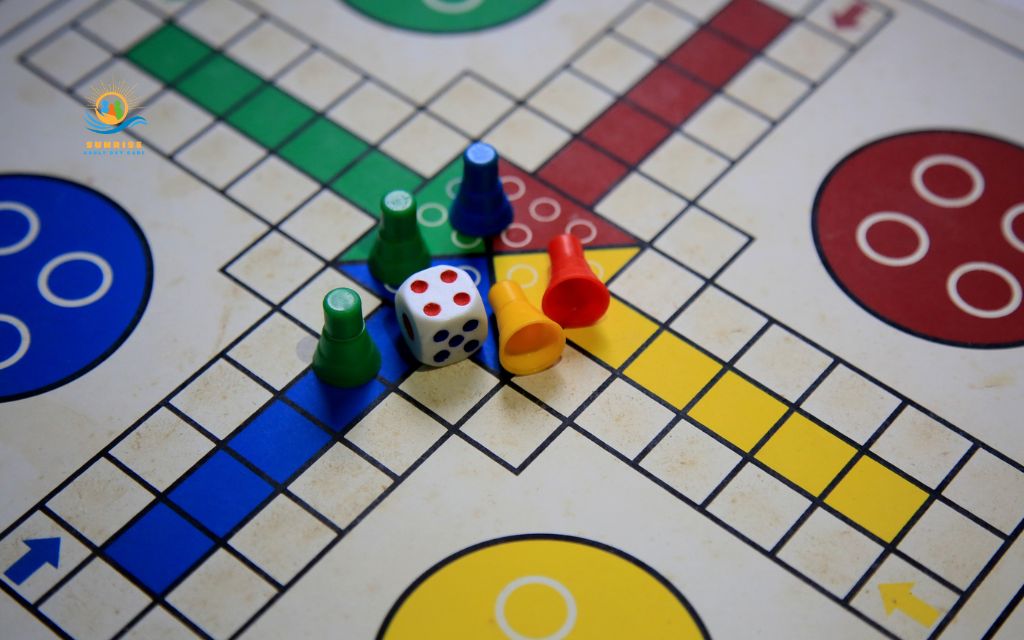
7. Adapted board games and card games

Many traditional games can be adapted for low vision or blindness, opening the door to fun social play.

Examples

  • Large-print playing cards
  • Braille playing cards
  • Raised-dot dominoes
  • Tactile bingo cards
  • Audio bingo with a caller
  • Large-print Scrabble or word games
  • High-contrast checkers

Use high-contrast pieces, raised markers, verbal cues, and uncluttered tables. Describe the board layout at the start so everyone has a clear mental picture.

activities for visually impaired seniors: Adapted board games and card games
Adapted board games and card games

8. Sensory gardening

Gardening can be adapted to focus on smell, touch, sound, and routine rather than visual detail, making it one of the more relaxing hobbies for blind seniors.

예시:

  • Herb gardening with rosemary, mint, basil, or lavender
  • Raised planters that bring soil within easy reach
  • Touch-friendly plants such as lamb’s ear
  • Scented flowers
  • Watering plants on a schedule
  • Feeling soil textures
  • Listening to outdoor sounds from a comfortable seat

9. Cooking or baking with support

Cooking can remain meaningful when tasks are adapted for safety. Working alongside a family member or caregiver allows the senior to take part without managing every step alone.

예시:

  • Stirring batter or sauce
  • Measuring pre-portioned ingredients
  • Smelling herbs and spices
  • Kneading dough
  • Tasting and discussing flavors
  • Decorating simple baked goods
  • Helping choose family recipes

Avoid unsupervised use of knives, hot surfaces, or complicated recipes when safety is a concern. Focus on the parts of cooking that the senior can do confidently with supervision. 

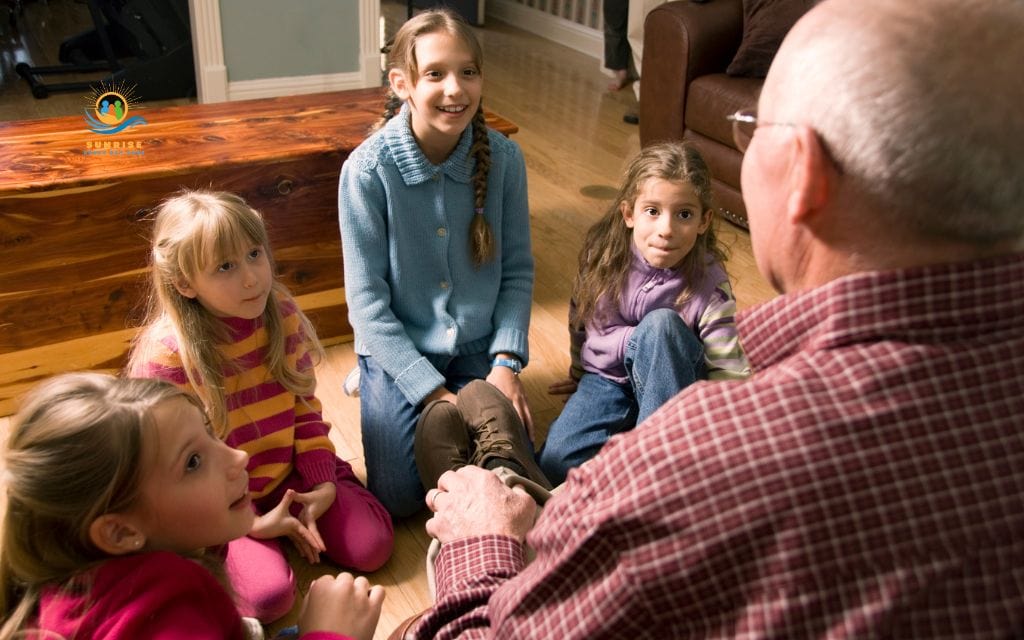
10. Storytelling and reminiscence activities

Storytelling is especially meaningful for seniors with vision loss because it relies on memory, voice, and connection rather than sight.

예시:

  • Sharing childhood memories
  • Talking about favorite music or songs
  • Recording family stories on a phone
  • Discussing old family recipes
  • Listening as family members read letters or describe photos aloud
  • Creating an audio memory journal
activities for visually impaired seniors: Storytelling and reminiscence activities
Storytelling and reminiscence activities

11. Pampering and personal care activities

Personal care activities help seniors feel confident, comfortable, and socially ready. They also create gentle one-on-one moments with a caregiver or family member.

예시:

  • Hand massage with a favorite lotion
  • Gentle aromatherapy with calming scents
  • Hair styling and brushing
  • Manicures
  • Choosing a favorite lotion or fragrance
  • Wearing a familiar scent
  • Picking out comfortable, recognizable clothing
  • Grooming support before activities or outings

12. Guided meditation, prayer, or relaxation

Quiet activities can be helpful for seniors who feel anxious, tired, or overstimulated, and they are easy to include as activities for elderly blind people regardless of mobility.

Examples

  • Guided breathing exercises
  • Prayer groups or quiet devotional time
  • Devotional readings
  • Relaxing instrumental music
  • Body awareness exercises
  • Calm sensory grounding practices

13. Play with pets

Time with pets can be comforting, joyful, and emotionally supportive for visually impaired seniors. Seniors may enjoy petting a calm dog or cat, brushing a pet with help, giving simple voice commands, or spending time with a visiting therapy animal.

Use calm, well-trained animals. Introduce the pet slowly, describe where the animal is, and supervise interaction to prevent scratches, bites, tripping, or sudden movement.

Therapy pet visits can be a wonderful option in adult day programs or senior care settings.

activities for visually impaired seniors: Play with pets
Play with pets

How to adapt activities for low vision or blindness

Many activities can remain enjoyable when the environment, materials, and instructions are adjusted for the person’s vision level, comfort, memory, and mobility. The goal is to keep the activity itself familiar while removing barriers that make it harder to take part.

Use clear verbal instructions

Describe each step before and during the activity. Avoid vague directions such as “over there,” “this one,” or “look here.” Use specific, location-based language such as “the cup is on your right” or “the large button is near the top of the board.”

Make text larger

For seniors with low vision who can still read some print, larger text can make activities easier and less tiring. Keep the wording simple, leave plenty of space between lines, and avoid crowded pages.

Use strong contrast

High contrast can help seniors distinguish objects, words, and activity materials more easily.

예시:

  • Dark text on a light background
  • Light objects on a dark tablecloth
  • Bright tape on activity edges
  • High-contrast game pieces
  • Contrasting colors for cups, plates, cards, or craft supplies

Adjust lighting and reduce glare

Good lighting can make a major difference for seniors with low vision. Use bright, even lighting without harsh glare or deep shadows.

Helpful tips include:

  • Place activities near steady, indirect light
  • Avoid shiny table surfaces that reflect light
  • Use task lamps when needed
  • Keep walkways well lit
  • Reduce glare from windows, screens, or polished surfaces
  • Ask the senior whether the lighting feels comfortable

Add touch and texture

Use raised labels, textured tape, tactile markers, large pieces, and objects that can be identified by feel. Tactile cues make games, crafts, cooking tasks, and daily routines easier to follow, and they support independence.

Keep the environment consistent

Place furniture, supplies, and personal items in predictable locations. Sudden changes can increase confusion or fall risk. A consistent setup helps visually impaired seniors move and participate with more confidence, and it reduces the need to ask for help with small things.

How adult day services can support visually impaired seniors

At-home activities are a wonderful starting point, but many families reach a moment when one person cannot manage all of a loved one’s daytime needs alone. That is where an adult day program can help. Adult day care offers visually impaired seniors a safe, structured place to enjoy activities adapted to their needs while families get reliable daytime support.

A quality program helps seniors stay socially connected, mentally engaged, physically active, and emotionally supported, rather than spending long hours alone at home. Activities at an adult day program may include:

  • Music, sing-alongs, rhythm games, and sound-based activities that invite participation through listening, memory, and group connection
  • Read-aloud sessions, audiobooks, poetry, devotionals, and storytelling groups that support conversation, memory, and emotional connection
  • Adapted games such as audio bingo, trivia, raised-dot dominoes, large-print cards, verbal word games, and memory-sharing games
  • Gentle movement activities such as chair stretching, seated dance, hand and shoulder exercises, breathing with movement, or guided walking with support
  • Social meals and conversation-based activities that help seniors enjoy food, share memories, and feel included in a group
  • Staff-supported activity adaptations, including clear verbal directions, consistent seating, uncluttered spaces, safe layouts, high-contrast materials, and respectful hands-on assistance when needed

Visit Sunrise Adult Daycare in Denver

선라이즈 시니어 데이케어 is a daytime, non-residential adult day program in Denver, Colorado. We welcome older adults, including those living with low vision or blindness, into a warm community where activities are thoughtfully adapted, routines are predictable, and dignity comes first. Families come to us for engaging daytime hours for their loved one and meaningful respite for themselves.

Call (303) 226-6882 or visit us in person to learn more or schedule a visit.

결론

Activities for visually impaired seniors should focus on ability, adaptation, safety, and connection, not on what is no longer possible.

With the right support, older adults living with low vision or blindness can continue enjoying music, stories, gentle movement, games, cooking, time outdoors, personal care moments, and meaningful conversation. Many of these activities are easy to start at home, and most can grow into shared routines that bring families closer.

For families who need more than at-home activity ideas, adult day services can provide structure, supervision, social interaction, and caregiver relief in one welcoming place. The right combination of home and community activities can help your loved one keep doing the things that bring them joy, every day.

자주 묻는 질문(FAQ)

What activities can a visually impaired person do?

Blind elderly adults can enjoy audiobooks, podcasts, music, tactile crafts, simple cooking tasks, hand massage, sensory gardening, read-aloud sessions, guided meditation, and phone or video conversations with family. The key is choosing activities that use senses beyond sight.

How do you entertain a blind elderly person?

Focus on sound, touch, smell, memory, and conversation. Try favorite playlists, audiobooks, trivia games, storytelling, hand massages, tactile crafts, scented gardening, or sharing meals together. Keeping routines predictable also helps the day feel engaging rather than overwhelming.

How can activities be adapted for seniors with low vision?

Use clear verbal instructions, high-contrast materials, tactile markers, good lighting, uncluttered spaces, large-print items, raised-dot games, and predictable routines. Place supplies in the same spot every time and describe the layout at the start of each activity.

What are good activities for blind seniors with dementia?

Helpful options include familiar music, hand massage, sensory objects, simple sorting tasks, short stories, gentle seated movement, aromatherapy, guided breathing, and calm reminiscence activities. Short, predictable activities with a familiar caregiver work best.

Can visually impaired seniors still exercise?

Yes. Many seniors with vision loss can participate in adapted exercise such as chair stretching, seated movement, walking with a sighted companion or walker, guided group exercise, or supervised therapy-based activities. Always check with a healthcare provider before starting a new routine.

Can adult day care help visually impaired seniors?

Yes. Adult day care may provide supervised activities, meals, social connection, accessible routines, caregiver respite, and support with daily needs, depending on the program. A good fit offers a safe layout, friendly staff, and activities that are easy to enjoy without strong vision.

관련 게시물

돌봄 제공자 감사의 날에 돌봄 제공자를 지원하는 방법

돌봄 제공자 감사의 날에 돌봄 제공자를 지원하는 방법

10 최소 읽기매일 수백만 명의 사람들이 일어나 다른 사람을 먼저 생각합니다.
노인을 위한 스마트한 옷 정리 방법: 존엄성을 지키기 위한 팁

노인을 위한 스마트한 옷 정리 방법: 존엄성을 지키기 위한 팁

8 최소 읽기옷을 입는 일은 하루 중 가장 개인적인 활동 중 하나입니다...
말기 질환이란 무엇이며 사랑하는 이에게 의미 있는 돌봄을 제공하는 방법은?

말기 질환이란 무엇이며 사랑하는 이에게 의미 있는 돌봄을 제공하는 방법은?

8 최소 읽기“말기 질환” 또는 “불치병”이라는 말을 들으면 누구나 큰 충격과 부담을 느낄 수 있습니다...
위로 스크롤