
보조 생활 데코 아이디어 공간을 나만의 공간으로 만드는 21가지 방법

보조 생활 데코 아이디어 공간을 나만의 공간으로 만드는 21가지 방법

Moving into assisted living is one of the most significant transitions a person and their family can face. For many seniors, the greatest fear is not the care itself, it is the thought that their new room will feel cold, impersonal, or nothing like the home they have known for decades.

With the right assisted living room ideas, even a modest apartment can become a warm, familiar, and genuinely comforting space. The most effective decorating choices do not just look nice, they also support daily routines, encourage independence, and make family visits feel natural and welcome. 

The best assisted living decorating ideas address each of these concerns directly, balancing personal style, safety, accessibility, comfort, and social connection all at once.

Why decorating matters in assisted living

Before diving into specific ideas, it helps to understand why this subject matters so much. Decorating an assisted living space has real, measurable effects on how a resident feels, functions, and connects with others each day.

Helps create a sense of home

Surrounding a person with familiar furniture, photos, and cherished objects signals to the brain that this space belongs to them. That sense of ownership reduces the disorientation that often accompanies a move and helps residents settle in more quickly and comfortably.

정서적 웰빙 지원

Research highlights the strong connection between familiar, personalized environments and improved mood in older adults. Meaningful objects and warm decor reduce feelings of grief associated with the move and support a more positive daily outlook.

Encourages independence and confidence

When a room is arranged to match a person’s habits and routine – with reading glasses always within reach, a favorite chair in the right spot, and clear pathways to move around safely – residents feel more capable and self-sufficient. This contributes to confidence and dignity.

Makes family visits more comfortable

A personalized room sends a welcoming message to family members. When the space looks and feels like Mom or Dad’s home rather than a hospital room, visits are longer, more relaxed, and more meaningful for everyone involved.

Supports memory and daily routine

For seniors living with memory challenges, familiar objects and consistent visual cues play an important role in daily functioning. Photo labels, memory boards, and recognizable belongings can help residents navigate their space with greater ease and less anxiety.

21 assisted living decorating ideas that feel like home

The following assisted living room ideas are practical, dignifying, and proven to make a real difference. Each idea balances comfort, safety, and personal expression.

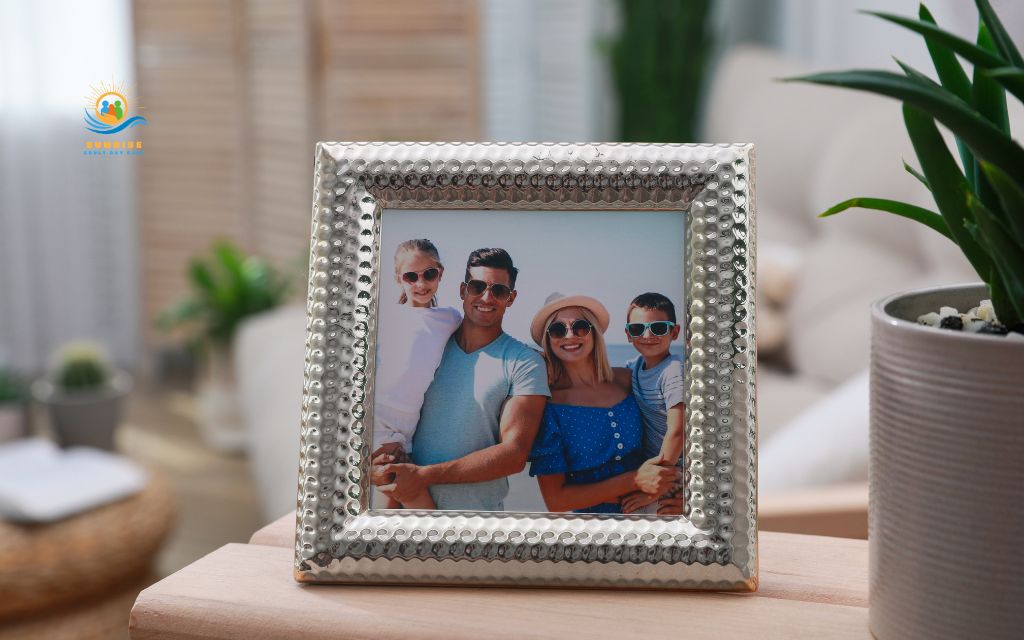
1. Display family photos and personal memories

Nothing makes a space feel more like home than the faces of the people you love. Arranging family photos throughout the room – on walls, shelves, and nightstands – gives a resident an immediate visual connection to their life story.

Consider creating a gallery wall that tells a story through images:

  • Family milestones such as weddings, graduations, and reunions
  • Photos of grandchildren and great-grandchildren at different ages
  • Beloved pets, past and present
  • Favorite vacation destinations and meaningful places
assisted living decorating ideas: Display family photos and personal memories
Display family photos and personal memories

2. Bring favorite furniture pieces

Familiar furniture is one of the most powerful tools for reducing move-in anxiety. Seeing a beloved recliner, a favorite reading chair, or a well-used side table in the new space immediately signals continuity and comfort.

Good pieces to consider bringing include:

  • A supportive recliner or upholstered armchair
  • A familiar nightstand or bedside table
  • A side table used for morning coffee or evening reading
  • Bedroom furniture that the resident has used for years 

3. Create a cozy living room area

Even in a smaller room, a designated sitting area can create a genuine sense of having a living room – a space designed for relaxing, reading, watching television, and receiving visitors.

The key elements of a cozy living room area include:

  • Comfortable, supportive seating with armrests for easy standing
  • Soft throw blankets draped within easy reach
  • A side table or tray table for glasses, remotes, and drinks
  • A small rug to anchor the seating area and add warmth

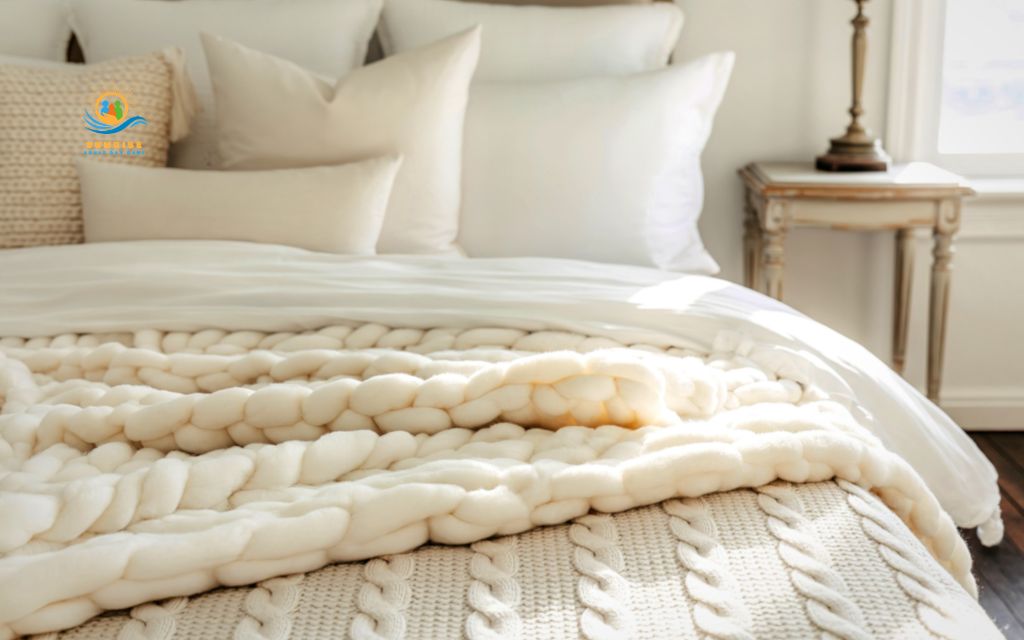
4. Add comfortable throw pillows and blankets

Soft furnishings are among the simplest and most affordable ways to make a space feel welcoming. Throw pillows in a resident’s favorite colors, and a familiar blanket folded over the arm of a chair, instantly add personality and warmth.

Choose materials that are easy to launder and comfortable for sensitive skin. A weighted blanket may also provide additional comfort for residents who experience anxiety or restlessness.

assisted living decorating ideas: Add comfortable throw pillows and blankets
Add comfortable throw pillows and blankets

5. Incorporate meaningful artwork

Art on the walls transforms a bare room into a personal space. The most meaningful artwork is not necessarily expensive or famous, it simply holds significance for the person living there.

Consider displaying:

  • Paintings or drawings created by family members, including grandchildren
  • Favorite landscape prints or scenes from meaningful places
  • Religious or cultural artwork that reflects the resident’s faith and heritage
  • Framed needlework, quilts, or other handmade pieces

6. Improve lighting throughout the space

Lighting is one of the most important elements of assisted living decorating. Poor lighting increases fall risk, causes eye strain, and can contribute to low mood, especially during winter months.

A well-lit room should include:

  • A floor lamp or table lamp near the primary seating area for evening reading
  • A dedicated reading lamp placed beside the bed or chair
  • Access to natural daylight whenever possible — keep curtains light-filtering rather than blackout
  • Nightlights in the hallway and bathroom to support safe movement during the night

7. Use memory-friendly decor

For residents living with Alzheimer’s disease or other forms of dementia, decor that supports memory and orientation is especially valuable. 

Helpful memory-friendly decor ideas include:

  • Photo labels that identify family members by name and relationship
  • A family memory board displaying photos, notes, and meaningful mementos
  • A personalized daily schedule or visual routine chart
  • A small whiteboard or chalkboard for writing the current date and any reminders

8. Create a hobby corner

One of the most dignity-affirming things a family can do is preserve a resident’s hobbies and interests within their new space. A dedicated hobby corner, even a small corner of the room, communicates that this person’s passions and pastimes still have a place in their life.

Examples of hobby corners include:

  • A knitting or needlework station with supplies neatly organized in a basket
  • A reading nook with a small bookshelf and good lighting
  • A puzzle or game table set up near a window
  • A craft area with accessible supplies for painting, drawing, or card-making
assisted living decorating ideas: Create a hobby corner
Create a hobby corner

9. Bring favorite books and collections

Whether a resident collected vintage stamps, decorative figurines, bird carvings, or cookbooks, bringing a curated selection of these items into the new space creates immediate familiarity and provides conversation starters for staff, visitors, and neighbors.

Display options include:

  • A compact bookshelf for a curated selection of favorite titles
  • A display cabinet for keepsakes and collectibles
  • Open shelving for pottery, plants, or framed items

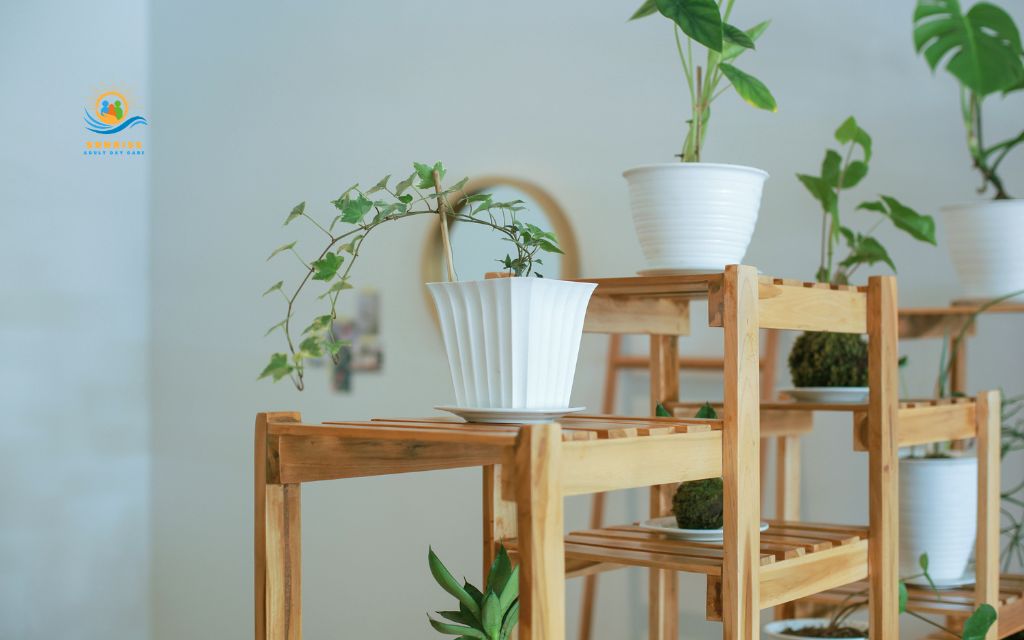
10. Add indoor plants and flowers

Plants bring life, color, and a sense of the natural world into any room. For seniors, tending to a plant can also provide gentle daily purpose and routine. Research has found that gardening and plant care activities reduce stress and improve mood in older adults.

Low-maintenance options include:

  • Pothos and spider plants
  • Succulents and cacti
  • Fresh seasonal flowers
  • An herb pot near the window
assisted living decorating ideas: Add indoor plants and flowers
Add indoor plants and flowers

11. Decorate with seasonal touches

Seasonal decorating is a simple and joyful way to keep a room feeling alive, current, and connected to the rhythms of the year. It also gives families a regular reason to visit and update the space together.

Seasonal decor ideas include:

  • Holiday decorations for Christmas, Thanksgiving, Easter, and other meaningful holidays
  • Seasonal wreaths on the door for spring blooms, autumn leaves, or winter greenery
  • Festive table accents such as a small pumpkin in fall or tulips in spring
  • A seasonal pillow cover swap on the couch or chair

12. Make the bedroom feel familiar

The bedroom is the most private and personal part of any living space. For a new assisted living resident, making this area feel as close to home as possible can significantly ease the adjustment.

Key strategies include:

  • Using the same bedding from home
  • Placing personal pillows on the bed
  • Bringing a familiar dresser or other bedroom furniture if space allows
  • Keeping a framed photo on the bedside table of family or a beloved pet

13. Incorporate meaningful religious or cultural items

Faith and cultural identity are central to many seniors’ sense of self. Incorporating meaningful religious or cultural decor honors that identity and helps maintain a sense of continuity across what can feel like a major life rupture.

Examples include:

  • Religious icons, crosses, mezuzahs, or prayer flags
  • Cultural keepsakes such as woven textiles, pottery, or folk art
  • Family heirlooms that carry generational and cultural significance
  • A small prayer or meditation corner with a candle or meaningful object
assisted living decorating ideas: Incorporate meaningful religious or cultural items
Incorporate meaningful religious or cultural items

14. Add soft window treatments

Window treatments shape both the look and the light quality of a room. For seniors, the right curtains or shades offer privacy without cutting off natural light, which is vital for mood regulation and sleep-wake cycles.

Recommended options include:

  • Sheer or linen curtains that soften light while maintaining brightness
  • Layered drapes that can be opened for daylight or closed for privacy
  • Light-filtering roller shades that are easy to operate with one hand

Choose colors that complement the rest of the room and avoid heavy, dark fabrics that can make a small space feel closed in.

15. Use decorative storage solutions

Clutter is a genuine safety hazard for older adults. Decorative storage allows a room to stay organized and walkable while still feeling warm and personal rather than clinical.

Effective storage solutions include:

  • Woven baskets on open shelving for blankets, books, and hobby supplies
  • A padded storage ottoman that doubles as extra seating or a footrest
  • Memory boxes on a shelf for storing keepsakes that are meaningful but not displayed daily
  • A rolling cart or narrow shelving unit for toiletries and personal items

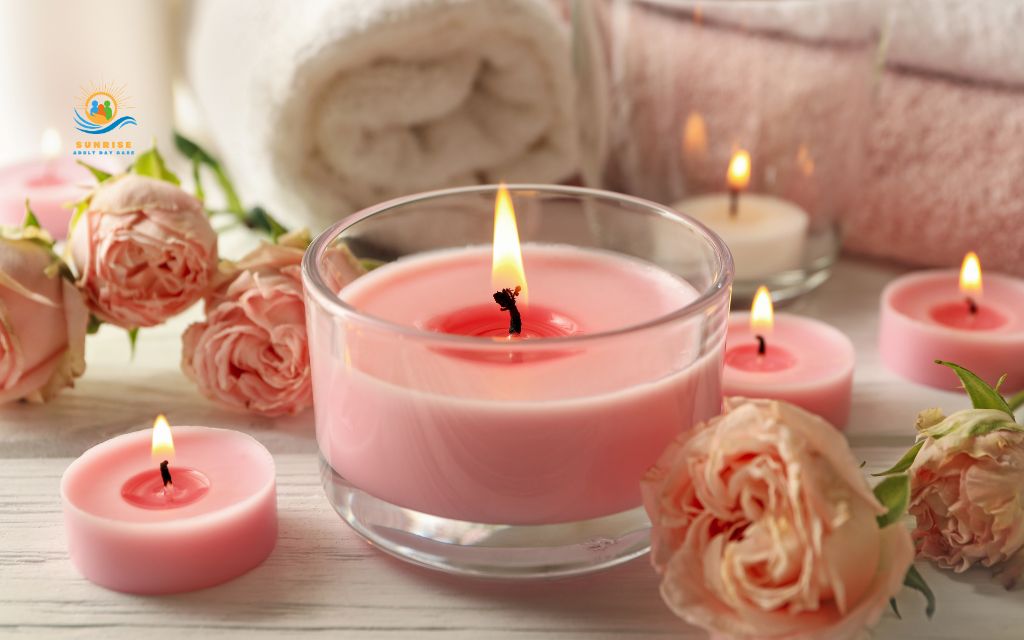
16. Create a comforting sensory environment

Home is not just a visual experience, it is sensory. The right combination of textures, scents, and sounds can recreate the feeling of a beloved home in a powerful and subconscious way.

Ideas for a comforting sensory environment include:

  • Soft, familiar textures in blankets, pillows, and chair upholstery
  • A mild, familiar scent through a diffuser or lightly scented candle
  • A small speaker for playing favorite music, radio programs, or audiobooks
  • Natural sound options such as a small tabletop fountain, if space and policy allow
assisted living decorating ideas: Create a comforting sensory environment
Create a comforting sensory environment

17. Design around daily routines

One of the most practical assisted living room ideas is to let the daily routine shape the room’s layout. When a space is organized around how a person actually lives, it promotes independence and reduces daily frustration.

Design strategies that support routine include:

  • Positioning frequently used items within easy reach of the primary chair
  • Creating a clear, organized area for medications and daily health essentials
  • Placing hobby supplies, books, and crafts at a consistent, accessible location
  • Arranging the room so the path from bed to bathroom is short and unobstructed

18. Add a functional nightstand

A well-chosen nightstand is one of the most important pieces of furniture in an assisted living room. It should keep the items a resident needs most – medications, water, glasses, a phone, a book – organized, visible, and within easy reach from bed.

Choose a nightstand with:

  • At least one drawer for personal items
  • A flat surface large enough for a lamp, water glass, and phone
  • Stability that can support a resident who may use it briefly for balance

19. Bring a favorite dresser or storage piece

A familiar dresser serves 2 purposes: it provides practical, organized clothing storage, and it carries emotional continuity. Seeing a piece of furniture used for decades can be surprisingly comforting during a difficult transition.

If bringing a dresser from home, confirm measurements in advance to ensure it fits without blocking pathways. A tall chest of drawers may be more space-efficient than a wide, low dresser in a compact room.

20. Set up technology for comfort and connection

Technology is one of the most important tools for keeping seniors connected to their families and engaged with the world. Setting up devices thoughtfully as part of the decorating process ensures they are accessible and comfortable to use from day one.

Helpful technology setups include:

  • A cell phone or landline positioned within easy reach of the primary seating area
  • A tablet or laptop set up for video calls with family members who cannot visit regularly
  • A television positioned at the correct height and distance for comfortable viewing
  • Charging stations that are organized and accessible without creating cable clutter 

21. Design the space around daily comfort and routine

The final and perhaps most important idea is this: every decorating decision should ultimately serve the person living in the space. The goal is a livable, comfortable home that makes each day a little easier, a little warmer, and a little more dignified.

Design the room with these priorities in mind:

  • A comfortable reading or activity area with good lighting
  • A clearly organized station for daily medications and health essentials
  • Hobby and interest supplies accessible without assistance
  • Easy access to frequently used items from the primary seating and sleeping areas
  • A layout that promotes movement, independence, and confidence throughout the day
assisted living decorating ideas: Design the space around daily comfort and routine
Design the space around daily comfort and routine

Assisted living move-in checklist

Use this checklist to plan what to bring when transitioning into an assisted living community. Focus on practical essentials and personally meaningful items, and measure the room carefully before moving furniture.

Furniture to bring

  • Bed (confirm size with the facility)
  • Dresser or chest of drawers
  • Nightstand
  • Couch, loveseat, recliner, or favorite armchair
  • Floor lamps or table lamps

Bedding and linens

  • Fitted and flat sheets in the correct size
  • Familiar blankets and comforter
  • Personal pillows
  • Bath and hand towels

Bathroom essentials

  • Preferred shower curtain (if applicable and permitted by facility)
  • Toiletries and personal care products
  • Bathroom accessories such as a hand mirror or small organizer

Technology and communication

  • Cell phone or landline phone
  • Tablet or computer for video calls
  • Chargers, adapters, and power strips

Personal touches

  • Family photos and framed artwork
  • Meaningful keepsakes and collectibles
  • Hobby supplies and favorite books
  • Religious or cultural items
  • Favorite decorations and seasonal accents

Important documents and contacts

  • Emergency contact list
  • Health insurance information and policy cards
  • Medical records and medication list
  • Advance directive and power of attorney documents

Decorating tips for a comfortable assisted living apartment

Beyond specific items and ideas, a few overarching principles will help guide every decorating decision in an assisted living apartment.

1. Prioritize comfort and everyday function

Choose furniture that is comfortable, supportive, and genuinely easy to use. Chairs with armrests, tables at the right height, and lamps with simple switches all serve function as much as form. Arrange the room to allow clear walking paths and easy access to the items a resident uses most often. Safety and convenience should always come before appearance.

2. Personalize the space with meaningful touches

Display family photos, beloved artwork, heirlooms, and cherished keepsakes. Bring familiar items that reflect the resident’s personality, interests, hobbies, and life story.

The most powerful decorating choices are often the simplest: a childhood photo, a treasured figurine, or a handmade quilt. Small personal touches regularly make the biggest difference in helping a new space feel genuinely like home.

3. Use color to create warmth and visibility

Incorporate a resident’s favorite colors through bedding, pillows, artwork, and accents. Use color contrast strategically to improve visibility and navigation, which is especially important for residents with vision or memory challenges.

A contrasting switch plate, a colored rug border, or different-toned furniture can all help a room feel easier and safer to move through. Choose calming, welcoming palettes rather than busy or complex patterns.

4. Refresh the space with seasonal decor

Celebrate the seasons and holidays with simple, tasteful decorations: fresh flowers in spring, a small pumpkin in autumn, a wreath on the door in winter.

Seasonal updates create excitement, support a sense of time and routine, and give family members a natural conversation topic during visits. Keep seasonal decor easy to put up and take down, and ensure nothing creates tripping hazards or clutters pathways.

5. Keep decor safe, organized, and clutter-free

Choose decorations and furniture arrangements that do not create tripping hazards or block walkways. Secure loose rugs with non-slip pads anchored to the floor. Use decorative storage solutions (baskets, ottomans, and organizers) to manage clutter without sacrificing personality. 

A clean, organized room supports safe mobility, promotes independence, and provides the peace of mind that residents and families need.

Decorating tips for a comfortable assisted living apartment

About Sunrise Adult Daycare – Denver, CO

At 선라이즈 성인 주간 보호 센터, we provide warm, structured daytime programming for older adults in a safe, welcoming environment. Our program includes enriching activities, nutritious meals, health monitoring, and meaningful social connection. 

If you are exploring daytime care options for yourself or a loved one, we invite you to visit us and learn more.

Call us at 303-226-6882 or visit 2500 S. Sheridan Blvd, Denver, CO 80219.

결론

The best assisted living decorating ideas go far beyond surface appearance. Thoughtful, intentional design can meaningfully improve comfort, safety, independence, emotional well-being, and daily social connection for any resident making this transition. The families and seniors who approach this process with care report shorter adjustment periods and higher satisfaction with assisted living.

Small personal touches often make the biggest difference. A beloved armchair, a gallery of family photos, a flowering plant on the windowsill, and a familiar bedspread can collectively transform even a modest room into a space that feels safe, familiar, and genuinely welcoming from the very first day. 

자주 묻는 질문(FAQ)

How to decorate an assisted living room?

Start with familiar furniture and meaningful personal items like photos, artwork, and cherished keepsakes. Prioritize comfortable seating, good lighting, and clear pathways for safe movement. Add soft textiles, favorite colors, and seasonal touches to bring warmth. Organize the room around the resident’s daily routine so that essential items are always within easy reach. The goal is a space that feels personal, safe, and genuinely comfortable.

How do I make an assisted living room feel like home?

The most effective approach combines familiar belongings with thoughtful personalization. Use the same bedding from home, bring a beloved piece of furniture, display family photos, and create a hobby corner that reflects the resident’s interests. Choose warm, familiar colors through pillows, curtains, and accents. Set up the room to match the resident’s daily routine, and update it seasonally to keep the space feeling alive and current.

What furniture works best in assisted living apartments?

The best furniture for assisted living combines comfort, support, and safety. Look for chairs with solid armrests that make standing easier, beds at an accessible height, nightstands with adequate surface space and storage, and dressers that fit within the room without blocking walkways. Familiar pieces from home are often the best choice because they provide both emotional continuity and practical function. Always measure the room before bringing furniture to ensure clear pathways are maintained.

Are rugs safe in assisted living?

Rugs can be used safely in assisted living spaces, but they require careful selection and proper installation. Choose low-pile, non-slip rugs and always use a high-quality non-slip pad secured to the floor. Avoid rugs with curling edges, raised patterns, or fringe that could catch on a walker or foot.

How can I decorate for someone with dementia?

Decorating for a person living with dementia requires extra attention to familiarity, orientation, and safety. Use highly familiar items from the person’s home, including furniture, photos, and cherished objects. Label photos with names and relationships. Use high-contrast colors to help the resident distinguish between surfaces, furniture, and walls. Keep the room free of clutter and visual complexity.

관련 게시물

연로하신 부모님께 물어볼 질문 체크리스트 모든 가족이 가져야 할 25가지 대화

연로하신 부모님께 물어볼 질문 체크리스트 모든 가족이 가져야 할 25가지 대화

10 최소 읽기고령의 부모님과 향후 간병에 대해 이야기하는 것은 불편하게 느껴질 수 있습니다. 하지만 기다리는 것은 ...
노인을 위한 안전한 다리 강화 운동: 근력과 균형 감각을 키우는 15가지 동작

노인을 위한 안전한 다리 강화 운동: 근력과 균형 감각을 키우는 15가지 동작

14 최소 읽기강한 다리는 가장 중요한 구성 요소 중 하나입니다 ...
돌보기 쉬운 노인을 위한 최고의 개 품종 27가지

돌보기 쉬운 노인을 위한 최고의 개 품종 27가지

14 최소 읽기많은 노인들이 개를 키운다는 생각에 끌린다 ...
위로 스크롤