Skip to content
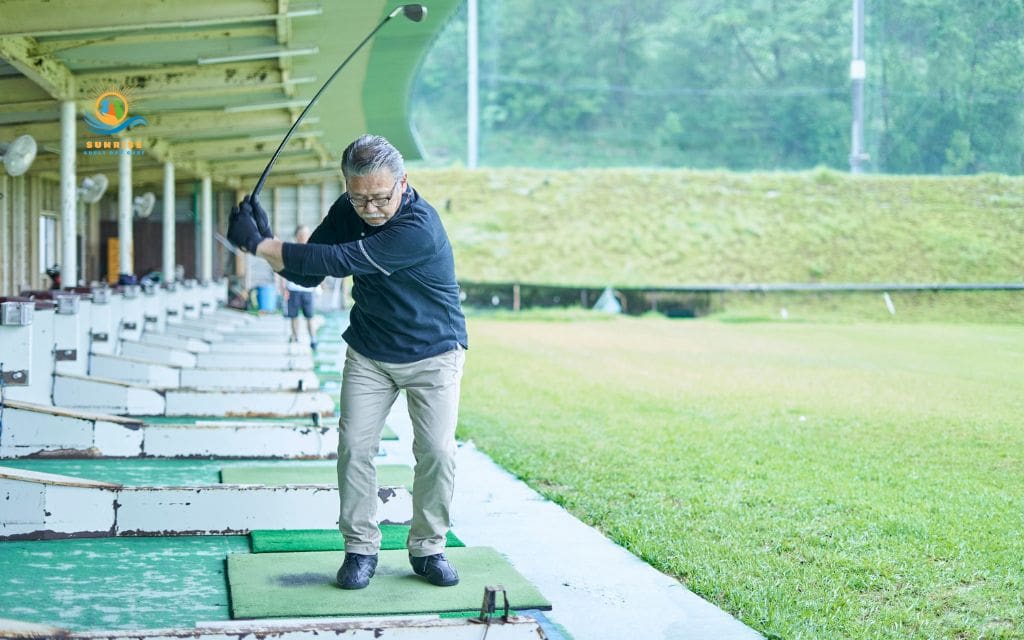
Golf is one of the most rewarding lifetime sports you can enjoy well into your later years. But as the body changes with age, many older adults begin to notice that stiffness, reduced flexibility, and balance concerns can take some of the joy out of the game.
Many senior golfers deal with common challenges such as tight muscles after a round, reduced swing power, balance issues on uneven terrain, and joint discomfort that slows them down. These changes are a normal part of aging, but they do not have to mean stepping away from the sport you love.
In this guide, we share a comprehensive set of safe, senior-friendly golf exercises covering strength, flexibility, balance, and mobility. We also discuss how structured wellness programs can provide added support, guidance, and community for seniors who want to stay active in a safe and supervised setting.
Why golf exercises matter for seniors
Golf may look like a low-impact sport from the sideline, but it places real demands on the body. A full round of golf involves walking several miles, rotating the spine repeatedly, and engaging muscles throughout the legs, core, shoulders, and arms.
Improve flexibility and range of motion
As we age, muscles and connective tissue naturally lose some of their elasticity. This reduced flexibility can limit your swing arc, making it harder to achieve a full backswing or follow-through. Stretches for golfers over 60 help maintain and restore range of motion in the shoulders, hips, and spine, allowing you to move more freely and comfortably during a round.
Build strength for a better swing
A strong, controlled golf swing depends on muscles throughout the entire body, not just the arms. Senior golf exercises that target the legs, core, and upper body help maintain the strength needed to generate power during your swing while protecting joints from unnecessary strain. Even light resistance training can support a more stable and effective movement pattern on the course.
Enhance balance and stability
Good balance is one of the most important physical attributes for a golfer of any age, and it becomes even more critical as we get older. The golf swing requires shifting weight smoothly from one foot to the other while maintaining a stable posture. Exercises for senior golfers that focus on balance and stability help train this coordination so you feel grounded and in control throughout your swing.
Reduce risk of injury and pain
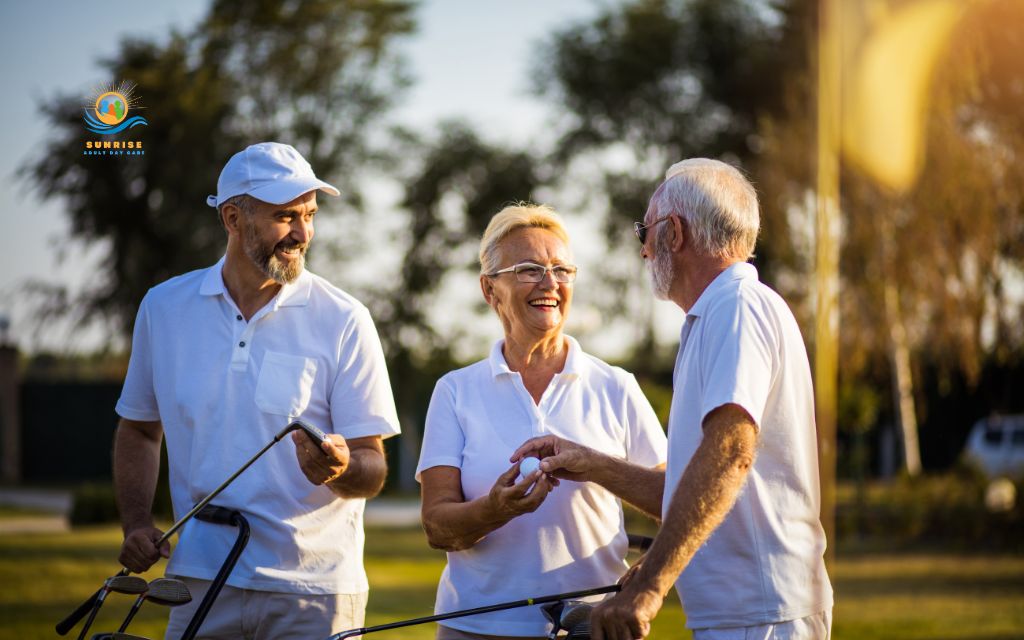
Back pain, shoulder tension, and knee stiffness are among the most common complaints from older golfers. Regular golf fitness for seniors that incorporates gentle strengthening and stretching helps protect vulnerable joints and muscles, reducing the likelihood of post-round soreness or more serious injuries. A properly warmed-up body moves more safely and recovers more quickly.
Support confidence and enjoyment on the course
When your body feels capable and comfortable, your mindset follows. Senior golfers who engage in regular mobility and fitness routines often report greater confidence on the course, more enjoyment during play, and a stronger desire to keep showing up.
Safety tips before starting golf exercises
Before beginning any new exercise routine, your safety should always come first:
- Start slowly and listen to your body. Begin with gentle movements and shorter sessions, then gradually increase intensity as your body adjusts. There is no need to rush.
- Use a chair or support if needed. Many of the exercises in this guide can be performed seated or with a chair nearby for balance support. Use that support without hesitation.
- Avoid pain, stop if discomfort occurs. There is an important difference between the mild effort of exercising and pain. If you feel sharp, sudden, or unusual discomfort, stop the movement immediately.
- Stay hydrated. Drink water before, during, and after your exercise sessions, particularly if you are exercising outdoors or in warm conditions.
- Talk to a doctor if you have health concerns. If you have a heart condition, joint replacement, osteoporosis, diabetes, or any other health concern, speak with your physician before starting a new fitness program. A physical therapist can also help you modify exercises to suit your individual needs.
Warm-up before golf
One of the most important habits a senior golfer can develop is warming up before any exercise session or round of golf. Cold muscles are less flexible and more vulnerable to strains and pulls. A brief warm-up increases blood flow to the muscles, raises your core temperature, and prepares your joints for movement.
Here are some gentle movements that work well as a pre-golf or pre-exercise warm-up:
- Arm swings: Stand with feet shoulder-width apart and swing both arms forward and backward in a smooth, controlled motion. Gradually increase the range of movement as your shoulders loosen up.
- Shoulder rolls: Roll both shoulders forward in slow, deliberate circles, then reverse direction. This helps release tension in the upper back and neck area that is common in seniors.
- Light walking: A 5-minute walk around the clubhouse, garden, or hallway is one of the simplest and most effective ways to prepare the body for more specific golf movements.
Starting every session with these gentle movements can make a significant difference in how your body feels and performs throughout your workout or round of golf.
Golf exercises for seniors (strength, flexibility & balance routine)
The following exercises are organized into five focused categories to help you build a well-rounded fitness routine. You do not need to complete all of them in a single session. Pick a few from each category to start and build from there based on how your body responds.
Golf-specific mobility and swing exercises
These exercises focus on the specific movement patterns used in golf—particularly rotation, hip mobility, and swing mechanics. They are designed to help senior golfers move more freely and comfortably during a round.
Seated torso rotation / torso twists
Sit upright in a sturdy chair with feet flat on the floor. Place your hands on your shoulders or cross your arms over your chest. Slowly rotate your upper body to the right as far as is comfortable, then return to center and rotate to the left.
This movement mimics the rotational pattern of the golf swing and helps improve spinal mobility. Perform 8 to 10 repetitions on each side.
Seated thoracic rotational stretches
Seated in a chair, place one hand behind your head and the other on your opposite knee for support. Gently rotate your upper spine, opening the chest toward the ceiling. This stretch targets the thoracic (mid-back) region, which is essential for a fluid and pain-free swing arc. Hold each rotation for three to five seconds.
Standing hip rotations
Stand with feet shoulder-width apart, holding the back of a chair for balance if needed. Gently draw slow circles with your hips in one direction, then the other. This golf fitness exercise for seniors loosens the hip joints and improves the lower body rotation that drives swing power.
Golf swing practice with light weights
Hold a light dumbbell (one to two pounds) in both hands and perform a slow, controlled golf swing motion. The added resistance encourages strength development in the swing pattern without excessive strain. Focus on smooth, deliberate movement rather than speed.
Hip flexibility exercises
Stand holding a chair for support. Slowly lift one knee toward your chest, hold for a few seconds, then lower it. Alternatively, step forward into a gentle hip flexor stretch, keeping the back straight. These movements improve lower body rotation and are particularly helpful for senior golf exercises targeting swing stability.
Strength training exercises for senior golfers
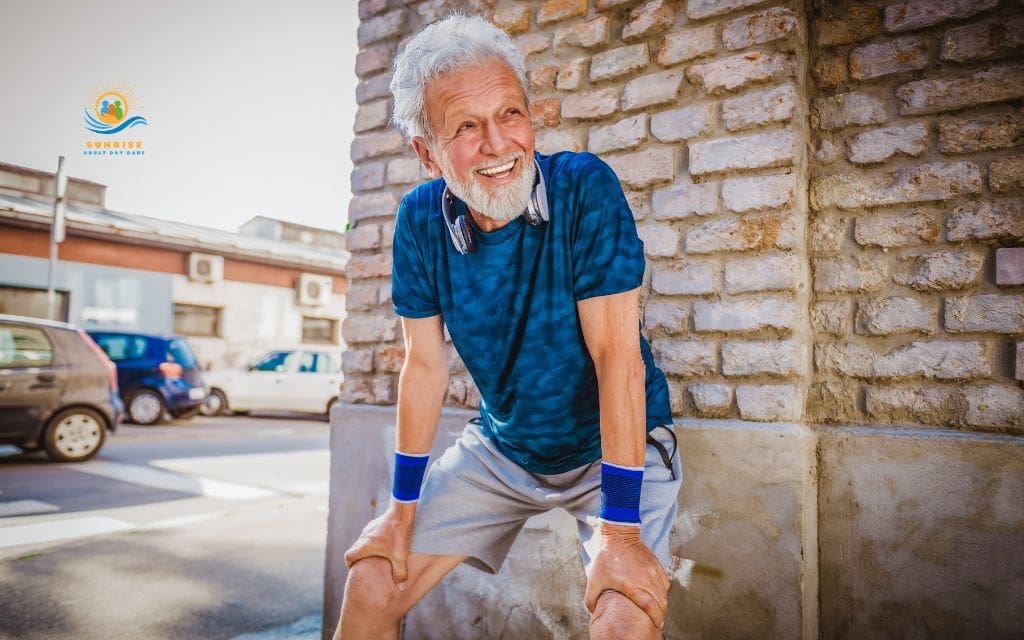
Building functional strength is a core component of golf fitness for seniors. These exercises focus on the muscle groups most important for walking the course, maintaining a stable stance, and powering through each shot.
Chair stands (sit-to-stand)
Sit near the front edge of a sturdy chair with feet hip-width apart. Slowly rise to a standing position without using your hands if possible, then gently lower back down. This exercise strengthens the quadriceps, glutes, and core. Aim for 8 to 12 repetitions.
Wall sit
Stand with your back against a wall and slowly slide down until your knees are at roughly a 90-degree angle, or as low as is comfortable. Hold the position for 10 to 30 seconds. Wall sits build lower body endurance and strengthen the muscles that support your stance throughout a round.
Bodyweight squats
Stand with feet shoulder-width apart and toes pointed slightly outward. Slowly lower your body as if sitting into a chair, keeping the chest upright and knees tracking over the toes. Rise back to standing. If full squats feel too demanding, a shallow squat or a chair-assisted version works just as well for building leg strength and mobility.
Step-ups
Using a low step or a stable stair, step one foot up, bring the other foot to meet it, then step back down. This exercise mimics the natural demands of walking a course, including navigating slopes and uneven terrain. It builds functional leg strength and improves coordination for everyday movement.
Dumbbell exercises (light weights)
Using light hand weights (1 to 3 pounds), perform gentle exercises such as seated bicep curls, overhead presses, and lateral raises. These movements build upper body strength in the shoulders, arms, and upper back – muscles that contribute to swing stability and comfort throughout a long round of golf.
Calf raises
Stand behind a chair for support with feet hip-width apart. Slowly rise onto your toes, hold for 2 seconds, then lower your heels back to the ground. Calf raises strengthen the lower legs and improve ankle stability, which is important for maintaining a solid base during your swing.
Seated leg raises / leg lifts
Sit upright in a chair with feet flat on the floor. Slowly straighten one leg until it is level with your hip, hold for three seconds, then lower it back down. This movement strengthens the hip flexors and core muscles without putting stress on the knees or lower back, making it one of the safest exercises for senior golfers with limited mobility.
Core strength exercises
A strong core is the foundation of good posture, a stable swing, and confident movement on the course. These exercises for senior golfers target the abdominal, back, and hip muscles that support everything from your stance to your follow-through.
Plank holds (modified if needed)
Begin in a modified plank position with knees on the ground and hands directly under the shoulders. Engage the abdominal muscles and hold the position for 10 to 20 seconds. As strength improves, work toward a full plank with straight legs. Core stability is one of the most important but often overlooked aspects of golf fitness for seniors.
Seated leg raises
As described in the strength section, this exercise doubles as a core engagement exercise. Focus on tightening the abdominal muscles as you lift each leg to maximize the benefit to your midsection.
Standing side bends / side stretches
Stand with feet shoulder-width apart. Place one hand on your hip and reach the opposite arm up and over in a smooth arc, feeling a stretch along the side of the torso. Return to center and repeat on the other side. This movement improves core flexibility and the lateral movement control that supports a well-balanced golf swing.
Flexibility exercises for seniors
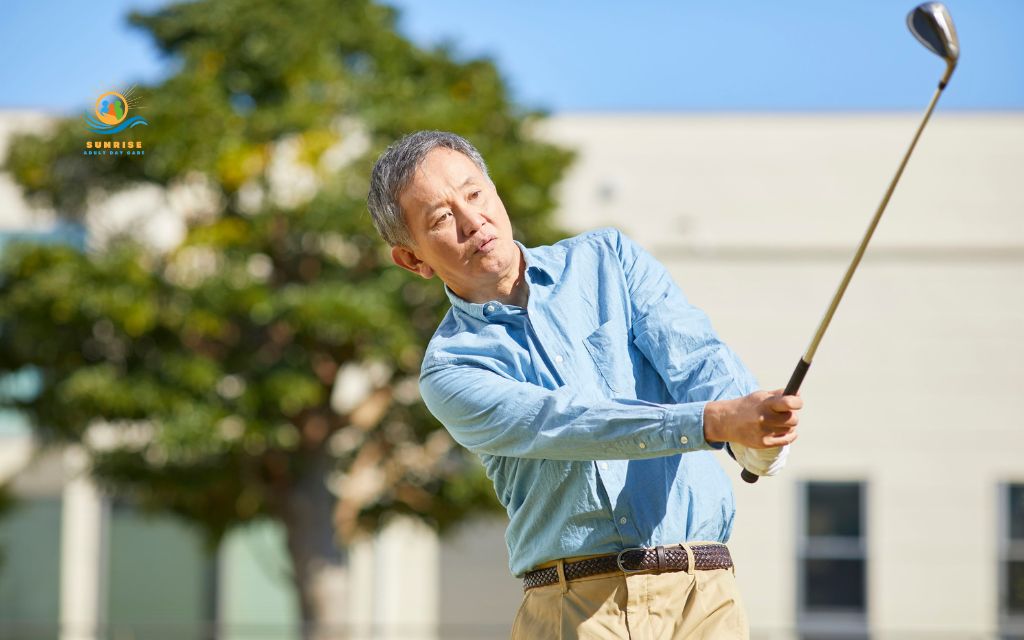
Flexibility is the foundation of a comfortable, injury-free golf game. These stretches for golfers over 60 address the key areas of the body that tend to tighten with age: the shoulders, neck, hips, hamstrings, and spine.
Shoulder rolls and standing arm circles
Roll both shoulders forward and backward in slow circles. Follow with gentle arm circles in both directions to loosen the shoulder joints and upper back. These simple movements are excellent as a warm-up and as part of a cool-down after exercise.
Wall angels
Stand with your back flat against a wall, arms out to the sides at shoulder height, and elbows bent at 90 degrees. Slowly slide both arms upward toward the ceiling and back down, keeping contact with the wall throughout. This exercise improves shoulder mobility and helps correct forward posture that can limit your swing range.
Neck stretches
Sit or stand tall. Gently tilt your head toward one shoulder, feeling a light stretch along the opposite side of the neck. Hold for 15 to 20 seconds, then repeat on the other side. Follow with slow chin-to-chest stretches. These movements reduce neck stiffness and improve comfort when tracking the ball throughout your swing.
Shoulder stretches
Bring one arm across the chest and use the opposite hand to gently press it closer to your body. Hold for 20 seconds, then switch sides. This stretch targets the posterior shoulder and is especially helpful for senior golfers who experience tension following a round.
Chest opener stretch
Stand tall and clasp your hands behind your back, palms facing inward. Gently lift the arms and open the chest toward the ceiling. Hold for 15 to 20 seconds. This stretch counteracts the forward-rounding posture that develops from sitting for long periods and improves breathing during a round of golf.
Seated hamstring stretch / standing hamstring stretch
For a seated version, sit near the edge of a chair and extend one leg straight in front of you. Gently lean forward from the hips until you feel a mild stretch in the back of the thigh. For the standing version, place one heel on a low step and lean forward gently. Tight hamstrings affect posture and hip rotation, so keeping them flexible is essential for golf fitness for seniors.
Cat-cow stretches
Begin on hands and knees (or seated in a chair for a modified version). On the inhale, gently arch the back and lift the head (cow). On the exhale, round the spine and tuck the chin toward the chest (cat). This gentle flow enhances spinal mobility and is particularly beneficial for senior golfers who experience lower back stiffness.
Ankle rolls
Seated in a chair, lift one foot off the floor and slowly rotate the ankle in full circles, first clockwise and then counterclockwise. Repeat on the other foot. This simple movement improves joint mobility and circulation in the lower legs, which is especially helpful for seniors who spend time on their feet during a round.
Balance and stability exercises
Good balance is a non-negotiable part of golf at any age. For senior golfers, it also plays a critical role in fall prevention and overall safety. These golf exercises for seniors help develop the coordination and stability needed to feel confident on and off the course.
Single-leg balance
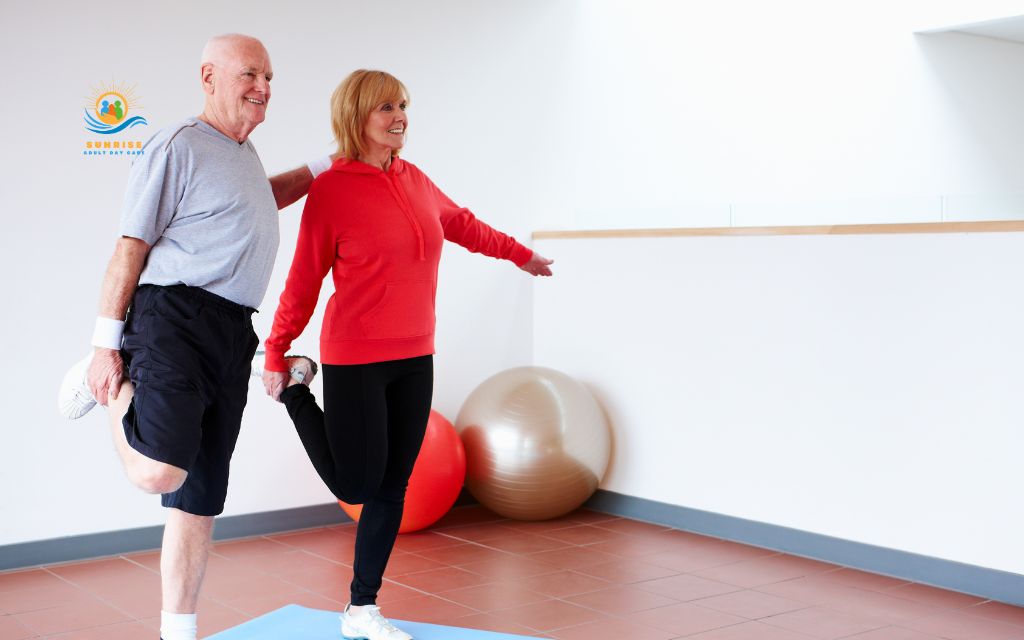
Stand behind a chair and hold the back lightly for support. Slowly lift one foot a few inches off the ground and hold for 10 to 20 seconds. Lower the foot, then repeat on the other side.
As balance improves, try performing this with fingertips only resting on the chair, then with no support at all. This exercise trains the stabilizing muscles used throughout the golf swing.
Tandem stance (heel-to-toe standing)
Stand with one foot placed directly in front of the other so that the heel of the front foot touches the toes of the back foot. Hold this position for 10 to 30 seconds, using a wall or chair for support if needed. This narrow stance challenges balance in a way that closely mirrors the demands of the golf follow-through position.
Heel-to-toe walk
Walk in a straight line, placing the heel of each foot directly in front of the toes of the other foot with each step. This activity builds dynamic balance and walking control, making it one of the most practical exercises for senior golfers who navigate courses with gentle slopes and varied terrain.
Standing on a balance pad
For golfers looking for more of a balance challenge, standing on a foam balance pad or folded towel introduces instability that forces the stabilizing muscles to work harder. Begin by holding a wall or chair and gradually reduce support as confidence increases.
Side lunges
Stand with your feet together. Step one foot out to the side, bending that knee slightly as you shift your weight, then return to standing. Keep the movement controlled and do not extend the knee beyond the toes. Side lunges improve lateral stability and strengthen the inner and outer thigh muscles that support side-to-side movement during the golf swing.
Marching in place
Stand tall and lift each knee to hip height in a slow, controlled marching pattern. Swing the opposite arm with each lift to build coordination. This exercise engages the core, hips, and legs simultaneously and is a great low-impact option for improving balance and functional mobility.
Tai Chi movements
Tai chi is a gentle, flowing practice with deep roots in balance training and mindful movement. Many simple tai chi movements – such as weight shifting, slow arm sweeps, and coordinated breathing – translate directly to the balance demands of golf. Joining a beginner tai chi class or following a senior-friendly video is a wonderful complement to a golf fitness routine.
Tips for incorporating golf exercises into your daily routine
The most effective exercise routine is one you can actually stick with. Here are some simple strategies for making senior golf exercises a regular and enjoyable part of your day:
- Start with 10 to 15 minutes a day. You do not need long sessions to see results. Even a short daily routine that covers a few key exercises is far more beneficial than an occasional intense workout.
- Combine exercise with daily habits. Try doing seated leg raises while watching your favorite program, shoulder stretches while waiting for morning coffee, or calf raises while standing at the kitchen counter.
- Stay consistent rather than intense. The goal is to move a little every day, not to push your limits. Gentle, regular movement is far more effective and sustainable than sporadic high-effort sessions.
- Mix different exercise types. Rotate through strength, flexibility, balance, and mobility exercises across different days to give each muscle group adequate rest and keep the routine feeling varied and engaging.
Do’s and don’ts for golf exercises
Do
Warm up before exercising. Always begin with a few minutes of light movement such as shoulder rolls, arm swings, or a slow walk to prepare the body for more specific exercises.
Use support such as a chair or wall if needed. There is no benefit to struggling with an exercise unsupported. Using assistance makes the movement safer and allows you to build strength gradually.
Move slowly and safely. Focus on the quality of each movement rather than how many repetitions you can complete. Controlled, deliberate motion produces better results and reduces injury risk.
Don’t
Push through pain. Pain is your body’s signal that something is wrong. Stop any exercise that causes sharp, unusual, or worsening discomfort and consult with a healthcare professional before continuing.
Skip warm-ups. Exercising cold muscles increases your risk of strain or injury. Even five minutes of gentle movement before a session can make a meaningful difference in how your body responds.
Overexert yourself. More is not always better. Senior golf fitness programs are most effective when they are built on gradual progress. Give your body time to adapt before increasing intensity or duration.
How often should seniors do golf exercises?
For most seniors, exercising 2 to 4 times per week provides an effective balance of activity and recovery. Aim for short sessions of 10 to 20 minutes focused on 2 or 3 exercise categories at a time.
For example, you might focus on flexibility and mobility on Monday and Thursday, balance and strength on Wednesday and Saturday. This structure gives different muscle groups time to rest between sessions while ensuring consistent movement throughout the week.
Above all, focus on consistency rather than effort. A short session you complete regularly will deliver far better results than an ambitious session you attempt once and then abandon. The most successful senior golf fitness programs are built on simple, repeatable habits.
How structured wellness programs help senior golfers
For many older adults, exercising independently at home can feel uncertain or isolating. Structured wellness programs, such as those offered at adult daycare programs, provide a safe, engaging, and socially rich environment that supports consistent participation and better outcomes.
Supervised exercise for safety
One of the most significant advantages of a structured program is professional supervision. Trained staff can observe your form, offer modifications for exercises that feel uncomfortable, and ensure that each activity is appropriate for your individual health status and ability level.
Group activities for motivation
Exercising alongside others is a proven motivator. Many seniors find that participating in group fitness activities is far more enjoyable and sustainable than working out alone. The energy of a group setting makes it easier to show up consistently and to push through the occasional moment of low motivation.
Personalized support
A quality wellness program does not take a one-size-fits-all approach. Staff can work with you to create an activity plan that accounts for your fitness level, any existing health conditions, and your personal goals, including supporting your enjoyment of golf. This personalized attention ensures that the exercises you perform are both safe and genuinely effective for your needs.
Social engagement
Golf has always been as much about connection as it is about sport. A structured wellness program offers that same sense of community in an exercise setting.
Sharing movement routines, celebrating progress, and enjoying conversations with peers adds a meaningful social dimension to physical activity that supports both mental and emotional well-being.
For seniors who may otherwise feel isolated, this aspect of structured programs can be just as valuable as the exercise itself.
Conclusion
Golf is a sport that can bring joy, purpose, and connection throughout every chapter of life. With the right preparation and a consistent approach to golf fitness for seniors, there is no reason you cannot continue playing the sport you love with confidence, comfort, and genuine enjoyment for many years to come.
Whether you are a longtime golfer looking to protect your swing, or a caregiver exploring safe activity options for a loved one, the exercises and strategies in this guide offer a practical starting point. Building strength, flexibility, and balance does not require expensive equipment or intense effort – just a few minutes each day and a commitment to moving safely.
Ready to take the next step toward a more active and supported lifestyle?
- Explore local senior fitness programs in your area to find structured, supervised exercise opportunities.
- Join a guided exercise group designed for older adults to stay motivated and socially connected.
- Talk to a wellness specialist at a senior day center near you to learn how a personalized activity program can support your golf game and your overall well-being.
Frequently asked questions (FAQs)
What are the best golf exercises for seniors?
The best golf exercises for seniors combine four key elements: flexibility stretching, strength training, balance practice, and golf-specific mobility work. Among the most effective options are seated torso rotations for swing mobility, chair stands for leg strength, single-leg balance exercises for stability, and hamstring stretches for lower body flexibility. The ideal routine is one that feels manageable, safe, and enjoyable enough to maintain consistently over time.
How can I improve my golf swing safely?
To improve your golf swing safely as a senior, focus on exercises that develop spinal rotation, hip flexibility, and core stability. Seated thoracic rotational stretches, standing hip rotations, and light dumbbell swing practice are all excellent starting points. Always warm up before practicing swing movements and avoid forcing range of motion beyond what feels comfortable.
Are these exercises safe with limited mobility?
Yes. The majority of the exercises in this guide include seated or supported variations that are appropriate for seniors with limited mobility. Chair-based exercises such as seated leg raises, seated torso rotations, and seated hamstring stretches allow you to engage key muscle groups without the balance demands of standing exercises. If you have specific mobility concerns, consult with a physical therapist or wellness professional.
How often should I exercise?
Most older adults benefit from exercising two to four times per week, with sessions lasting 10 to 20 minutes. Consistency is more important than duration or intensity. Short, regular sessions are more effective than occasional long workouts, and they give the body time to recover and adapt between sessions. Listen to how your body feels and adjust your frequency accordingly.