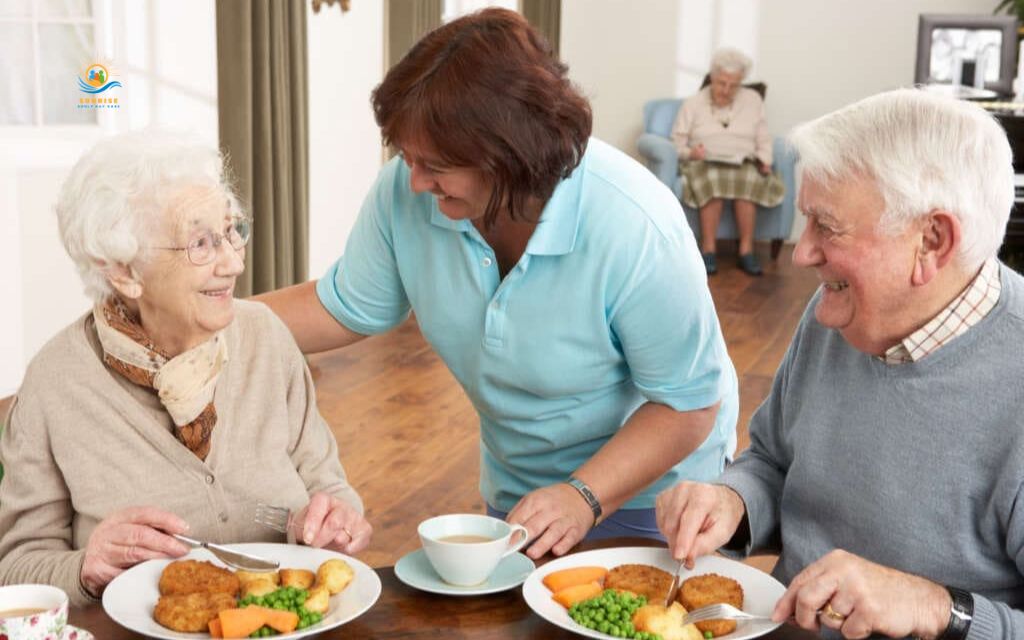
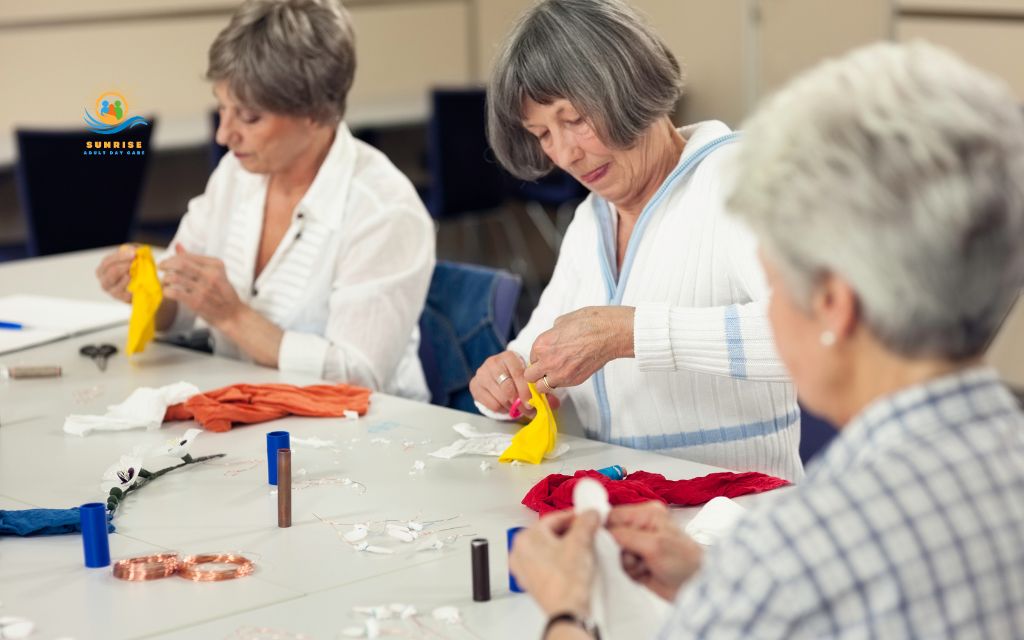
La demencia puede hacer que incluso los momentos cotidianos resulten confusos, frustrantes o solitarios para las personas mayores. En medio de los cambios en las rutinas y las capacidades, las familias suelen plantearse la misma pregunta: ¿qué podemos seguir haciendo juntos que nos haga sentir bien?
La respuesta es que las manualidades sencillas y prácticas siguen siendo una de las formas más accesibles de aportar tranquilidad, conversación y una alegría serena al día de una persona.
Por qué las manualidades son beneficiosas para las personas mayores con demencia
Favorece la actividad cognitiva
Incluso las manualidades más sencillas requieren que el cerebro realice pequeñas tareas cognitivas fáciles de manejar: elegir un color, clasificar botones, reconocer una forma, seguir una instrucción de un solo paso o decidir dónde colocar una flor. Estas pequeñas decisiones mantienen la mente activa sin exigir ese tipo de resolución de problemas complejos que puede resultar estresante en la demencia.
Proporciona estimulación sensorial
El tacto, la vista y el olfato suelen seguir siendo vías de conexión muy eficaces mucho después de que la memoria verbal comience a fallar. Las telas suaves, las cuentas lisas, la arcilla cálida, las hierbas aromáticas, los papeles de colores vivos y las cintas con textura estimulan los sentidos de una manera suave y sin exigencias.
Este tipo de estímulos multisensoriales puede resultar relajante para alguien que se siente inquieto, y estimulante para alguien que ha estado callado o retraído. En muchas manualidades sencillas para pacientes con demencia, la experiencia sensorial es la actividad en sí misma, y eso es suficiente.
[Por qué las manualidades son beneficiosas para las personas mayores con demencia]
Fomenta la interacción social
Hacer manualidades juntos ofrece a la persona algo que mirar, sobre lo que hablar y compartir sin necesidad de mantener una conversación completa. Un cuidador puede hacer comentarios sobre los colores, plantear preguntas sencillas sobre una flor o una foto, o simplemente trabajar en silencio junto a su ser querido.
En entornos grupales, las manualidades generan de manera natural momentos de risas, solidaridad y sentido de pertenencia, lo cual es una de las razones por las que los programas diurnos estructurados para adultos recurren a ellas con tanta frecuencia.
Aporta sentido y rutina
La demencia puede privar a una persona de muchas de las funciones cotidianas que antes desempeñaba: trabajadora, cocinera, jardinera, anfitriona. Las manualidades ofrecen un objetivo pequeño y alcanzable: hacer una tarjeta para un nieto, decorar una maceta para el patio, terminar una sección de un mural grupal. Integrado en un ritmo diario o semanal predecible, esta sensación de “tener algo que hacer hoy” favorece la orientación, reduce la agitación y le da al día una estructura reconfortante.
Fomenta los recuerdos positivos y la evocación del pasado
Los objetos cotidianos son poderosos desencadenantes de recuerdos. Un carrete de hilo puede traernos a la mente la cesta de costura de nuestra madre. El aroma a pino puede transportarnos directamente a una Navidad de nuestra infancia.
Los proyectos con fotos, los pósteres de árboles genealógicos y los álbumes de recortes invitan a recordar el pasado de una manera que resulta segura y autónoma. A menudo, los cuidadores descubren que estas manualidades les abren las puertas a historias que nunca antes habían escuchado: pequeños regalos que surgen simplemente al sentarse juntos.
50 manualidades sencillas para personas con demencia que les llenan de alegría
La siguiente lista reúne ideas de manualidades adaptadas a las personas con demencia, centradas en la creatividad, la estimulación sensorial, la reminiscencia y la diversión sin presiones.
Algunas son perfectas para momentos a solas en la mesa de la cocina; otras resultan ideales en entornos grupales, como programas diurnos para adultos y centros de atención a la demencia. Elige algunas que se adapten a los intereses, las capacidades y el nivel de energía de tu ser querido, y no dudes en simplificar cualquier paso si es necesario.
1. Arreglos florales: Proporcione un jarrón pequeño, unas tijeras que hayan superado las pruebas de seguridad y una variedad de flores frescas o artificiales. Combinar colores, alturas y texturas estimula la creatividad y ofrece una experiencia sensorial relajante.
2. Decoración de macetas: Las macetas sencillas de terracota o plástico se convierten en lienzos para pintar, pegar calcomanías o colocar retazos de tela: una actividad sencilla de pintura o decoración con calcomanías cuyo resultado final es muy útil.
3. Rocas pintadas: Las piedras lisas del tamaño de la palma de la mano son ideales para una relajante actividad de pintura en la que se utilizan motivos sencillos, puntos y colores vivos, fáciles de manejar incluso para manos cansadas.
4. Arte con flores prensadas: Presiona los pétalos entre libros pesados durante unos días y, después, colócalos sobre cartulina bajo un plástico adhesivo transparente. Una manualidad tranquila y relajada, llena de belleza natural.
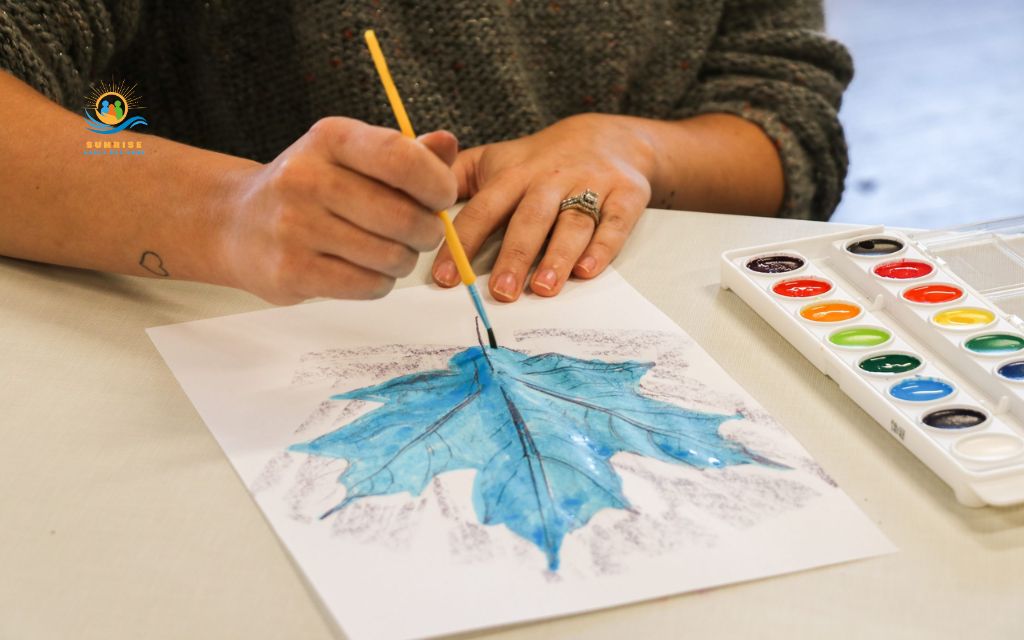
5. Calcos de hojas: Coloca una hoja debajo de un papel fino y frótala con el costado de un crayón. La imagen aparece como por arte de magia, lo que hace que esta actividad sea un éxito seguro para cualquier nivel de habilidad.
6. Pintura de una casita para pájaros: Las casitas para pájaros de madera sin terminar son fáciles de trabajar y tienen una forma tridimensional, lo que ofrece muchas superficies para dar toques de color, trazar rayas y decorarlas.
7. Macetas de barro: Decora macetas pequeñas para flores o hierbas aromáticas que luego puedas disfrutar en el interior o en un alféizar soleado.
8. Collages de la naturaleza: Recoge hojas, flores secas, ramitas y elementos naturales durante un paseo al aire libre, y luego colócalos sobre un fondo de papel.
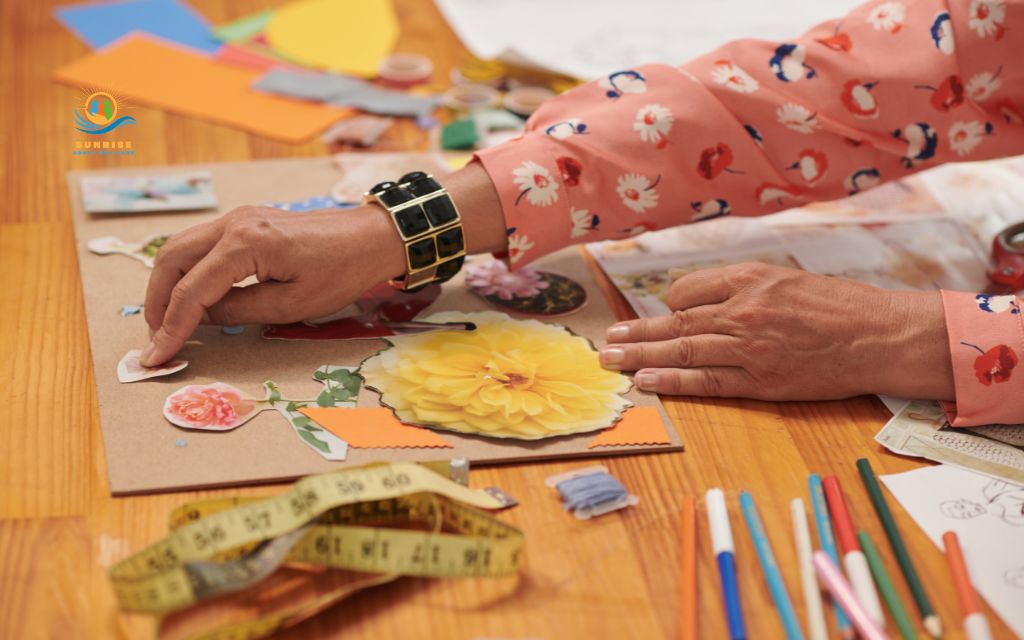
9. Collages sensoriales: Las telas suaves, el papel texturado, las cintas y los botones, combinados sobre un cartón resistente, crean un proyecto táctil que invita a tocar y explorar.
10. Arte con papel de seda: El hecho de poder rasgar y pegar fácilmente papel de seda sobre un contorno proporciona una suave estimulación sensorial y un acabado brillante y con textura.
11. Decoración de velas: Envuelve las velas cilíndricas apagadas con cintas decorativas, pegatinas y rotuladores de pintura. Recuerda siempre incluir una advertencia de seguridad para que la vela se mantenga apagada si la utiliza una persona con demencia.

12. Collage bañado por el sol: Los collages alegres con motivos primaverales o veraniegos, elaborados con papel de colores y recortes de revistas, animan el ambiente, sobre todo en los meses de invierno.
13. Campanillas de viento: Una manualidad sensorial suave con sonidos relajantes y un montaje sencillo. Haz nudos en los cordones de antemano y deja que la persona mayor elija y coloque las campanillas.
14. Modelado en arcilla: Actividad sensorial manual suave en la que se utiliza arcilla blanda que no se seca. Apretar, amasar y dar forma a la arcilla tiene un efecto relajante y estimula las habilidades motoras finas.
15. Cajas de recuerdos: Decora cajas resistentes y llénalas de recuerdos especiales, fotos, postales y pequeños objetos que se puedan disfrutar una y otra vez.
16. Álbumes de recortes: Las fotos familiares, las pegatinas, los pies de foto y las preguntas para recordar se unen en un libro personal que a menudo da pie a historias muy interesantes.
17. Tarjetas de felicitación personalizadas: Las tarjetas hechas a mano para las fiestas, los cumpleaños o para los seres queridos transmiten una sensación de participación y conexión que va más allá de la mesa de manualidades.

18. Pósters de árboles genealógicos: Los proyectos familiares sencillos y visuales, con fotos y nombres, ayudan a afianzar la identidad y las relaciones de una manera clara y tranquilizadora.
19. Marcadores: Los marcadores personalizados con tus colores favoritos, citas o fotos familiares son rápidos de hacer, útiles y fáciles de terminar de una sola vez.
20. Rompecabezas con imágenes: Rompecabezas sencillos y personalizados, creados a partir de fotografías familiares —impresas y recortadas en entre 6 y 12 piezas grandes—, que combinan el recuerdo con la satisfacción de haberlo “terminado”.
21. Flores de papel: Manualidades florales sencillas con papel de colores o papel de seda. Los pétalos ya vienen precortados, así que lo importante es apilarlos y darles forma.
22. Flores de papel crepé: Materiales para manualidades suaves y flexibles que se pueden moldear fácilmente para crear rosas, margaritas o peonías, incluso con una motricidad fina limitada.
23. Dalias gigantes de papel: Las flores decorativas de gran tamaño son ideales para actividades en grupo y para la estimulación visual; su gran tamaño hace que sean más fáciles de manejar.
24. Pintura en acuarela: Las acuarelas son indulgentes, fluidas y hermosas, independientemente de cómo se mueva el pincel. Pega el papel a la mesa con cinta adhesiva para mantenerlo firme.

25. Arte con pegatinas: Una actividad sencilla y sin complicaciones. Las pegatinas para cartulina, diarios o ventanas permiten dar rienda suelta a la creatividad sin necesidad de tijeras ni pegamento.
26. Manualidades con pompones: Los pompones suaves y coloridos se pueden pegar en tarjetas, marcadores de libros o coronas para darles un toque alegre al instante.
27. Pintar por números: Actividad de pintura guiada con poca presión y repeticiones relajantes. Elige juegos con números más grandes, diseñados para principiantes o personas mayores.
28. Dibujos para colorear para personas mayores: Las páginas para colorear para adultos, con líneas sencillas y marcadas, evitan los detalles recargados que pueden resultar abrumadores y favorecen una concentración tranquila y meditativa.
29. Collages con formas de espuma: Las figuras de espuma autoadhesivas se despegan y se pegan en papel, marcos o cajas: sin líos con el pegamento, sin esperas y con un montón de colores.
30. Creación de collages: Proyectos sencillos de recortar y pegar en los que se utilizan imágenes y colores conocidos de revistas, calendarios o fotos impresas.
31. Origami sencillo: Manualidades sencillas con papel doblado, adaptadas al nivel de habilidad. Empieza con un abanico o un barquito básicos utilizando papel con pliegues ya marcados.
32. Collares de cuentas pintadas: Las cuentas de colores y los proyectos sencillos de ensartar en un cordón rígido ayudan a mejorar la coordinación mano-ojo y se terminan rápidamente.
33. Pulseras pintadas a mano: Joyas personalizadas con técnicas sencillas de pintura sobre brazaletes de madera, brazaletes rígidos o moldes de plástico.
34. Proyectos con abalorios: Manualidades sencillas con cuentas para hacer pulseras y adornos. Elige cuentas grandes y un terminal de cordón rígido para que sea más fácil ensartarlas.
35. Bandejas para joyas de arcilla para hornear: Bandejas decorativas de arcilla con texturas y motivos. Un adulto o cuidador se encarga de la cocción en el horno; la persona mayor disfruta dando forma a la arcilla.
36. Imanes decorativos: Divertidos imanes para el refrigerador hechos con formas de espuma o piezas de madera pintadas: pequeños, rápidos de hacer y muy gratificantes.
37. Tazas personalizadas: Decora tazas con rotuladores, pegatinas o rotuladores de pintura especiales para cerámica. Un regalo especial en cuya creación ha participado el mayor.

38. Mantas de felpa con nudos: Mantas sin costuras hechas con tiras de tela suave. El movimiento repetitivo de atar las tiras resulta relajante y da como resultado un producto cálido y útil.
39. Envases de vidrio reciclados: Tarros decorados para flores, materiales o recuerdos. Utiliza tarros ligeros y pinturas aptas para manualidades.
40. Galletas de azúcar decoradas: Combina la creatividad, la estimulación sensorial y las rutinas cotidianas de la cocina: una actividad multisensorial muy apreciada en muchos programas de atención diurna para adultos.
41. Posavasos con forma de fruta: Posavasos decorados o pintados con motivos de frutas de colores vivos: pequeños, alegres y fáciles de exhibir en casa.
42. Creación de tarjetas: Las tarjetas hechas a mano para familiares y amigos son una forma significativa de mantenerse en contacto y fortalecer las relaciones.
43. Coronas navideñas compartidas: Coronas de primavera, otoño o para las fiestas, elaboradas en grupo. Cada uno aporta su parte y el resultado se comparte.

44. Murales o pinturas colectivas: Una hoja grande de papel o un lienzo en el que cada persona dibuja una flor, deja la huella de su mano o añade un toque de color. Ideal para centros de atención diurna para adultos.
45. Colcha colaborativa o arte textil: Cada participante decora un solo cuadrado de tela con pintura, rotuladores para tela o un sencillo aplique, y los cuadrados se unen para formar una colcha o un tapiz colectivo. Un hermoso proyecto de larga duración que rinde homenaje a todos los participantes.
46. Proyectos comunitarios de álbumes de recortes: Crea un álbum de recortes compartido en torno a un tema como “las estaciones favoritas”, “los lugares donde hemos vivido” o “las recetas que nos encantan”. Cada persona mayor aporta una página, lo que da pie a conversaciones y recuerdos en todo el grupo.
47. Talleres de decoración navideña: Talleres de temporada para crear calabazas de Halloween, centros de mesa para el Día de Acción de Gracias, decoraciones para las fiestas de invierno o guirnaldas de primavera. Los elementos típicos de estas fiestas resultan reconfortantes, y las piezas terminadas dan un toque especial a los espacios comunes.
48. Sesiones grupales de arreglo floral: Coloca una mesa larga con una variedad de flores, hojas verdes y jarrones pequeños para que cada persona pueda crear su propio arreglo floral junto a los demás. Compartir los materiales fomenta una conversación distendida y un intercambio de ideas útiles.
49. Tejer o hacer ganchillo: Los movimientos repetitivos de las manos pueden resultar relajantes y familiares, sobre todo para las personas mayores que solían tejer o hacer ganchillo en el pasado. Ofrezca lana gruesa, agujas o ganchillos grandes y puntos sencillos, sin presionar para que terminen un proyecto.
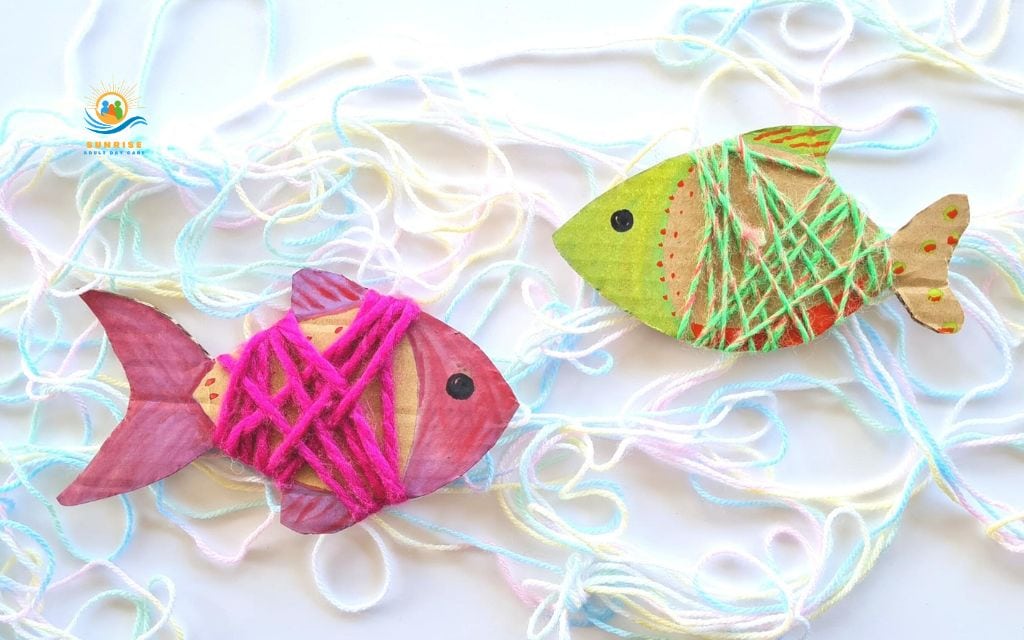
50. Manualidades con hilo: Una actividad sencilla y repetitiva con texturas suaves y colores vivos. Envuelve hilo de colores alrededor de letras de cartón, pequeñas figuras de madera o marcos de fotos para crear una manualidad relajante que no requiere ninguna habilidad especial.
Consejos para cuidadores que realizan manualidades en casa
Para realizar actividades manuales con pacientes de Alzheimer y demencia en casa no se necesita una formación especial, materiales caros ni una sincronización perfecta. Lo que se requiere, sobre todo, es paciencia y la disposición a seguir el ritmo de tu ser querido.
Los siguientes consejos para cuidadores te ayudarán a crear una experiencia tranquila y digna que ambos esperarán con ilusión.
Mantén tus expectativas flexibles
Prepara la manualidad, invita a participar y luego no te preocupes por el resultado. Algunos días, la actividad puede durar veinte minutos y dar como resultado una tarjeta terminada. Otros días, puede durar cinco minutos y dar como resultado una pila de botones ordenados, y eso sigue siendo un éxito. La flexibilidad protege tanto la dignidad de tu ser querido como tu propia tranquilidad.
Centrémonos en la experiencia que compartimos
La manualidad es el puente; la conexión es el destino. Comenta los colores que elija tu ser querido, tararea una canción conocida, comparte un recuerdo que te traigan los materiales o simplemente siéntense en silencio uno al lado del otro. Los investigadores y los profesionales de la salud destacan que la participación significativa y la interacción social cálida favorecen el bienestar emocional de las personas con demencia, que es precisamente lo que aportan estos momentos compartidos.
Elige temas y colores que te resulten familiares
Lo familiar nos da seguridad. Si tu ser querido era jardinero, opta por proyectos relacionados con las flores y la naturaleza. Si pasó décadas horneando con la familia, las galletas decoradas y las tarjetas con recetas le harán sentir como en casa. Los colores favoritos, los lugares emblemáticos de su ciudad natal, las mascotas queridas y las fiestas tradicionales le dan a la manualidad un toque personal reconfortante.
Resérvate tiempo suficiente
Apresurarse es la forma más rápida de generar frustración. Prepara los materiales con anticipación, deja pausas largas y omite los pasos que parezcan difíciles. Una manualidad que “debería” llevar veinte minutos puede tardar una hora, y ese ritmo más lento es parte del regalo, no un problema que hay que resolver.
Esté atento a los signos de cansancio o frustración
Fíjate si muestra inquietud, si repite las preguntas, si frunce el ceño, si suspira o si retira las manos. Estas son señales amables de que es hora de hacer una pausa con delicadeza. Deja el proyecto para más tarde, cambia a algo aún más sencillo o pasa a una actividad reconfortante que no sea manual, como mirar juntos un álbum de fotos. Terminar mientras la experiencia sigue siendo positiva ayuda a tu ser querido a sentirse exitoso y dispuesto a intentarlo de nuevo la próxima vez.
Conclusión
En el mejor de los casos, las manualidades para personas con demencia son mucho más que una forma de pasar la tarde. Ayudan a las personas mayores a sentirse tranquilas, conectadas, creativas e integradas. Un puñado de papel, unas gotas de pintura, una fotografía familiar o un trozo de tela suave pueden convertirse en la puerta de entrada a un momento significativo que tanto la persona mayor como el cuidador recordarán.
El cuidado de familiares en casa es gratificante, pero también puede resultar agotador. Los programas diurnos estructurados para adultos mayores están diseñados para aliviar esa carga, ofreciendo entornos seguros y estimulantes donde las personas mayores pueden participar en manualidades adaptadas a la demencia, actividades sociales y rutinas diarias tranquilas, rodeadas de personal capacitado y compañeros. Para muchas familias, estos programas ofrecen exactamente el tipo de participación creativa y supervisada que es difícil de recrear en casa día tras día.
Visite el centro de atención diurna para adultos Sunrise en Denver, Colorado
Sunrise Adult Daycare es un centro de atención diurna no residencial programa diurno para adultos. Nuestro equipo da la bienvenida a las personas mayores, incluidas aquellas que padecen demencia o Alzheimer, a un entorno acogedor y supervisado, donde se ofrecen manualidades, actividades grupales, conversación y cuidados.
- Descubra nuestras opciones de programas diurnos para adultos adaptados a las necesidades de las personas con demencia
- Pregunta por nuestro programa semanal de actividades y actividades artísticas
- Programe una visita para ver las actividades terapéuticas en acción
Póngase en contacto con nosotros ahora mismo: Llame al 303-226-6882
Preguntas frecuentes (FAQ)
¿Qué actividades manuales son adecuadas para pacientes con demencia?
Las mejores manualidades son sencillas, sensoriales y flexibles, como la pintura con acuarelas, los collages con pegatinas, los collages sensoriales, las piedras pintadas, las flores de papel y los collares de cuentas. Elige actividades con pocos pasos, materiales de gran tamaño y en las que no haya un resultado “incorrecto”, para que la atención se centre en la diversión y no en el resultado.
¿Son útiles las manualidades para los pacientes con Alzheimer?
Sí. Las manualidades para pacientes con Alzheimer pueden mejorar el estado de ánimo, reducir la inquietud y crear oportunidades sutiles para la interacción social y el recuerdo. Funcionan porque estimulan habilidades que se conservan durante mucho tiempo, como la percepción, el reconocimiento de colores y la capacidad de seguir instrucciones sencillas, incluso cuando otras habilidades se ven afectadas.
¿Cómo contribuyen las manualidades al cuidado de la memoria?
Las manualidades aportan estructura, estímulos sensoriales y un propósito significativo a la jornada, lo cual constituye uno de los objetivos fundamentales de la atención a personas con problemas de memoria. Los materiales y temas familiares suelen despertar recuerdos de forma natural, mientras que las manualidades en grupo fomentan el sentido de pertenencia y reducen el aislamiento en los hogares de ancianos para personas con demencia y en los programas diurnos para adultos.
¿Qué tipo de arte es adecuado para las personas con demencia?
Las actividades artísticas que no suponen una gran presión y que estimulan los sentidos son las más adecuadas: acuarelas, pintar por números, collages sencillos, modelar con arcilla, láminas para colorear diseñadas para adultos y murales en grupo. Las actividades artísticas más útiles son aquellas con resultados flexibles, temas familiares y materiales que sean fáciles de sujetar y utilizar.
¿Qué color resulta relajante para las personas con demencia?
Los tonos suaves y fríos —especialmente los azules claros, los verdes suaves y los neutros cálidos— suelen considerarse relajantes para las personas que viven con demencia. Los rojos intensos y los estampados recargados pueden resultar demasiado estimulantes, mientras que un contraste claro entre los objetos y el fondo facilita el procesamiento visual durante las actividades manuales.