

Cada día, millones de personas se despiertan y ponen a alguien más primero. Ayudan a un padre anciano a vestirse, recuerdan a un cónyuge que tome sus medicamentos, preparan comidas, organizan transporte y se sientan con un ser querido en momentos difíciles, todo sin pedir reconocimiento a cambio. El Día de Apreciación del Cuidador es un momento para hacer una pausa y cambiar eso.
El Día de Apreciación del Cuidador es un momento para reconocer a los miembros de la familia, amigos y cuidadores profesionales que apoyan a los adultos mayores, personas con discapacidades y seres queridos con necesidades de salud.
Es un momento para decir gracias de maneras que sean sinceras y significativas. Pero la apreciación no tiene que detenerse en palabras amables. Para muchos cuidadores, el apoyo práctico importa aún más.
Esta guía explica qué es el Día de Apreciación del Cuidador, por qué es importante y cómo las familias pueden hacer que el día sea un poco más solidario para las personas que dan tanto.
Una breve historia del cuidado
El cuidado siempre ha sido parte de la vida familiar y comunitaria. Mucho antes de que existieran los servicios formales de atención a personas mayores, los miembros de la familia, vecinos, comunidades de fe y redes de apoyo locales intervinieron para ayudar a los adultos mayores, personas con enfermedades e individuos con discapacidades a manejar la vida diaria. El cuidado estaba entrelazado en el tejido de la vida comunitaria cotidiana.
Con el tiempo, los cambios en la esperanza de vida, la estructura familiar y la naturaleza del trabajo transformaron lo que significa cuidar. A medida que los adultos comenzaron a vivir más tiempo y las condiciones de salud crónicas se volvieron más comunes, las demandas sobre los cuidadores familiares crecieron. Hoy en día, muchos hijos adultos, cónyuges y amigos cercanos se encuentran gestionando el cuidado mientras también tienen trabajos, crían a sus propias familias y navegan por sus necesidades de salud personal.
Los cuidadores modernos pueden ayudar con el apoyo emocional, el transporte, la preparación de comidas, los recordatorios de medicamentos, el cuidado personal, la supervisión de la seguridad y la coordinación de citas médicas. El alcance de este trabajo es significativo, sin embargo, gran parte de él sigue siendo invisible.
El Día de Apreciación del Cuidador refleja una creciente conciencia de que los cuidadores merecen reconocimiento, recursos y apoyo práctico. No es solo un día para decir gracias, sino también un recordatorio de que el cuidado no debería recaer en una sola persona.
¿Qué es el Día de Apreciación del Cuidador?
El Día de Apreciación del Cuidador es una observancia reconocida dedicada a honrar a las personas que brindan cuidado, apoyo, compañía, asistencia personal, transporte, recordatorios de medicamentos, consuelo emocional y ayuda diaria para otros. Es un día para reconocer un papel que a menudo se lleva a cabo de manera silenciosa y constante, sin alardes.
La observancia anima a las familias, comunidades, organizaciones de salud y proveedores de cuidado de ancianos a tomar acciones significativas para apoyar a los cuidadores en sus vidas.

¿Cuándo es el Día de Apreciación del Cuidador?
Diferentes organizaciones reconocen la apreciación de los cuidadores en diferentes fechas. Algunas fuentes mencionan el Día de Apreciación del Cuidador el 13 de noviembre, mientras que otras reconocen el Día Nacional de Apreciación del Cuidador el 3 de marzo. Además, el Día Nacional de los Cuidadores se celebra el primer viernes de febrero de cada año.
Debido a esto, las familias y comunidades pueden ver múltiples fechas utilizadas a lo largo del año. La conclusión más importante no es una fecha específica del calendario, sino la práctica de hacer de la apreciación hacia los cuidadores una prioridad constante y continua, no solo un momento anual.
Los desafíos que enfrentan los cuidadores
Cuidar a otros puede ser profundamente significativo. Crea conexión, expresa amor y brinda consuelo a alguien que lo necesita. Pero también puede ser uno de los roles más exigentes que una persona asume. Para apreciar verdaderamente a los cuidadores, es útil entender lo que están enfrentando.
Desafíos emocionales y físicos del cuidado de personas
Cuando un ser querido comienza a tener dificultades con las tareas diarias y pierde parte de su independencia, el peso emocional sobre un cuidador puede ser profundo.
Es común que los cuidadores atraviesen una mezcla silenciosa de emociones: preocupación por el futuro, tristeza por lo que ha cambiado, culpa por lo que más se podría haber hecho y un persistente sentido de duelo que no siempre tiene un nombre.
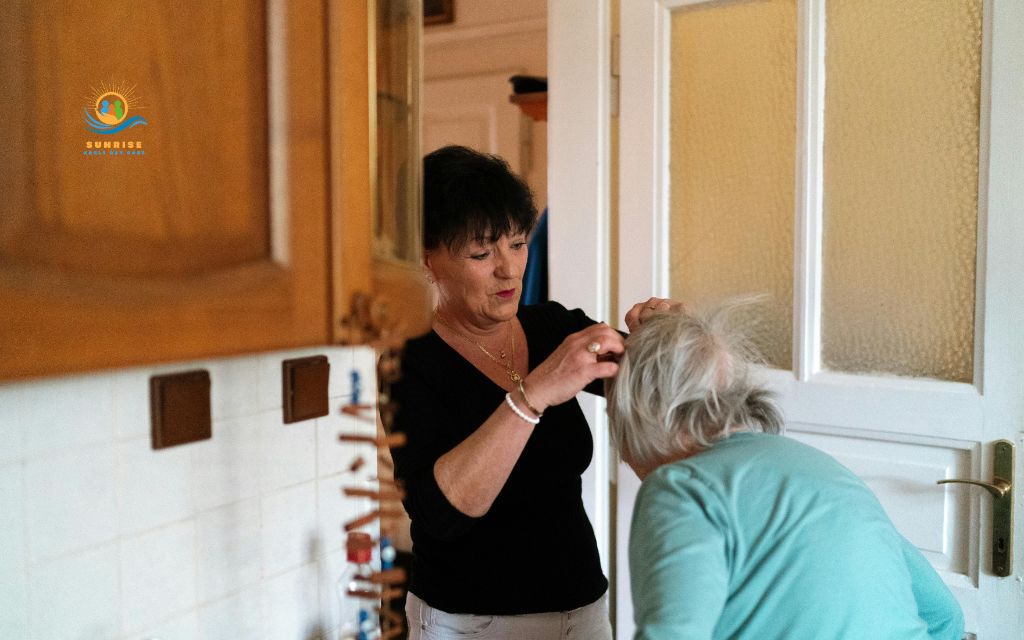
El aspecto físico del cuidado no es menos exigente. Las tareas diarias como ayudar con la higiene personal, vestir a alguien, asistir con el movimiento y las transferencias, cocinar, hacer mandados y responder a las necesidades nocturnas pueden desgastar el cuerpo de manera constante.
El sueño interrumpido, la fatiga crónica, la tensión muscular y la reducción del tiempo personal son realidades comunes para los cuidadores que entregan su energía a otra persona, día tras día.
Desafíos financieros del cuidado de personas
El cuidado también puede generar una presión financiera real. Algunos cuidadores reducen sus horas de trabajo, toman licencias no pagadas o se alejan de oportunidades profesionales para brindar atención. Otros gastan fondos personales en suministros médicos, transporte, costos del hogar o servicios profesionales para cubrir las lagunas en la atención.
Incluso cuando las familias están completamente comprometidas a hacer lo mejor para su ser querido, la realidad financiera del cuidado puede sentirse abrumadora. Por eso, planear con anticipación, explorar programas comunitarios y comparar opciones como el cuidado de respiro, el cuidado en casa y los servicios diurnos para adultos puede ser tan importante.
Agotamiento y aislamiento
El agotamiento de los cuidadores puede desarrollarse cuando el estrés continuo no tiene suficiente espacio para el descanso o la recuperación. No ocurre de una vez. Se acumula gradualmente a medida que los cuidadores superan la fatiga, omiten sus propias citas, cancelan planes con amigos y dejan de lado sus necesidades personales indefinidamente.
Los signos comunes del agotamiento del cuidador incluyen agotamiento persistente, irritabilidad, problemas de sueño, ansiedad, tristeza, resentimiento o la sensación de que simplemente no hay tiempo para uno mismo.
La aislamiento añade otra capa de dificultad. Los cuidadores que sienten que no pueden dejar a su ser querido solo pueden dejar de asistir a eventos sociales, ver a amigos o tomarse descansos. Con el tiempo, este aislamiento afecta tanto al cuidador como al adulto mayor que están apoyando.
La importancia del apoyo
El apoyo ayuda a proteger el bienestar del cuidador
Los cuidadores necesitan las mismas cosas que todos necesitan: sueño, comidas nutritivas, tiempo para las relaciones y acceso a su propia atención médica. Cuando el cuidado consume cada hora disponible, estas necesidades básicas quedan relegadas. Con el tiempo, ese patrón tiene un costo serio.
El apoyo práctico puede tomar muchas formas: ayuda con las comidas, transporte, diligencias del hogar, recogida de medicamentos, programación de citas, o simplemente cubrir un turno de cuidado para que el cuidador principal pueda dormir, asistir a una cita médica o pasar unas horas fuera sin preocupaciones.
Cada una de estas contribuciones protege directamente la capacidad del cuidador para seguir presente.
El apoyo ayuda a los ancianos a recibir una atención más constante
Cuando un solo cuidador se siente abrumado, las rutinas que más importan para un adulto mayor suelen ser las primeras en descuidarse.
Un sistema de apoyo más fuerte y distribuido ayuda a garantizar que los adultos mayores reciban ayuda más constante con las cosas de las que dependen: comidas, cuidado personal, vestirse, recordatorios de medicamentos, supervisión y compañía.
La consistencia en estas áreas no es un detalle menor. Apoya directamente la salud física de un adulto mayor, su sentido de dignidad y su estabilidad emocional.
El apoyo puede reducir el aislamiento tanto para los cuidadores como para los ancianos
La soledad afecta a ambas personas. Aumenta el riesgo de depresión, ansiedad y retiro emocional tanto para los cuidadores como para los adultos mayores.
Los sistemas de apoyo crean más oportunidades para una conexión humana genuina. Los programas diurnos para personas mayores brindan a los adultos mayores un compromiso social estructurado, actividades y relaciones entre pares a lo largo del día.
Los grupos de apoyo para cuidadores ofrecen un espacio donde los cuidadores pueden hablar con honestidad, compartir experiencias y sentirse comprendidos por personas que saben exactamente por lo que están pasando. Las visitas familiares, los recursos comunitarios y las responsabilidades compartidas de cuidado contribuyen a la sensación de que nadie enfrenta esto solo.
El apoyo es una de las formas más significativas de aprecio.
Las palabras amables importan. Una nota de agradecimiento, un momento de reconocimiento sincero, un gesto considerado, estas cosas pueden significar mucho para un cuidador que rara vez escucha que su trabajo es reconocido.
Pero el Día de Apreciación del Cuidador tiene su significado más pleno cuando la apreciación se convierte en acción. Ofrecer ayuda constante, organizar un respiro confiable, compartir las responsabilidades de cuidado o explorar programas diurnos para personas mayores que brindan a los cuidadores un tiempo genuino para ellos, estos son los gestos que marcan una diferencia duradera.
Cómo celebrar el Día de Apreciación del Cuidador
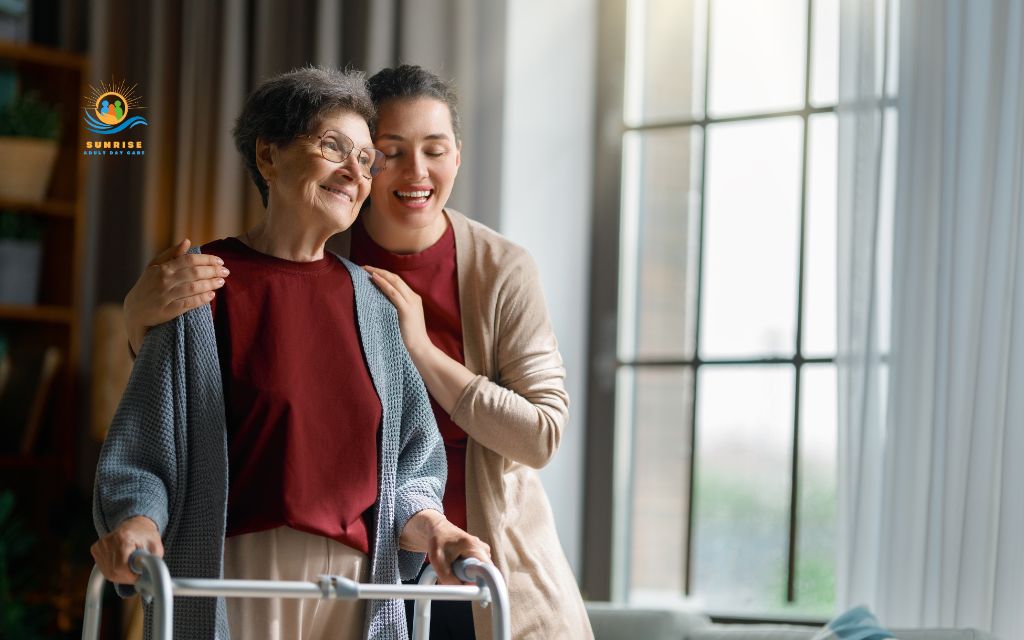
Celebrar el Día de Apreciación del Cuidador no tiene que ser costoso o elaborado. Las celebraciones más significativas combinan un reconocimiento sincero con un apoyo práctico que ayuda a los cuidadores a sentirse vistos, valorados y menos solos.
Comienza con un agradecimiento sincero
Un agradecimiento simple y específico puede tener más peso de lo que muchos cuidadores esperan. La apreciación genérica es amable, pero nombrar exactamente lo que hace un cuidador hace que el mensaje se sienta real.
En lugar de solo decir "gracias por todo", intenta ser específico:
- Gracias por asegurarte de que mamá asista a cada una de sus citas, incluso cuando tu agenda está llena.
- “Veo cuán paciente eres en los días difíciles, y significa más de lo que imaginas.”
- “Tu cuidado ayuda a papá a sentirse seguro, respetado y amado, y eso le da a toda nuestra familia tranquilidad.”
Ofrece ayuda práctica, no solo ánimo
Muchos cuidadores escuchan: "Déjame saber si necesitas algo", pero pueden estar demasiado agotados o abrumados para dar seguimiento a una oferta vaga. Un enfoque más solidario es ofrecer ayuda clara y específica que elimine la carga de tener que pedir.
Formas prácticas de apoyar a un cuidador incluyen:
- Llevar la cena o llenar el refrigerador con comidas listas para llevar
- Cubriendo un turno de cuidado para que el cuidador principal pueda alejarse
- Ayuda con la lavandería, compras de supermercado o tareas del hogar
- Recoger recetas o manejar un asunto médico
- Llevando al adulto mayor a una cita programada
- Asumiendo llamadas telefónicas, papeleo, coordinación de seguros o programación
Dale al cuidador tiempo para descansar
Entre las cosas más significativas que puedes ofrecer a un cuidador está el tiempo ininterrumpido para sí mismo. Esto puede significar organizar unas horas de cobertura familiar, contratar a un cuidador profesional de respiro por una tarde, o explorar servicios de día para adultos que proporcionen atención estructurada y supervisada para el adulto mayor durante el día. El tiempo para descansar no es un lujo para los cuidadores. Es lo que hace posible una atención sostenible y compasiva.
Celebra con un regalo considerado
Un regalo bien elegido puede ser una expresión significativa de aprecio cuando refleja las necesidades y circunstancias reales del cuidador. Algunas ideas útiles incluyen:
- Una suscripción de entrega de comidas o una tarjeta de regalo para restaurantes
- Una tarjeta de gasolina para ayudar a compensar los costos de transporte
- Una tarjeta de regalo de autocuidado para un masaje, corte de cabello o experiencia de spa
- Una carta escrita a mano describiendo exactamente cuánto significa su cuidado
- Un servicio de limpieza para aliviar una carga del hogar
- Una canasta de bocadillos o artículos de confort que rara vez se toman el tiempo para comprar para sí mismos
El mejor regalo no tiene que ser caro. Es algo que dice claramente: “Veo cuánto das, y quiero apoyarte.”
Reconocer también a los cuidadores profesionales
Los cuidadores profesionales a menudo forman lazos genuinos con las personas a las que apoyan. Se presentan de manera constante, brindan asistencia y aportan estabilidad a las familias. Una tarjeta de agradecimiento, una reseña positiva dejada en línea, una nota amable para su supervisor o una comunicación respetuosa y cálida pueden ayudar a los cuidadores profesionales a sentir que su trabajo es valorado.
Si deseas hacer un regalo físico, asegúrate de revisar las políticas de la organización de cuidado con anticipación, ya que algunas agencias tienen pautas sobre la aceptación de regalos.
Convierte la apreciación en apoyo continuo
El Día de Apreciación del Cuidador puede ser más que un solo gesto. Puede ser el punto de partida para un plan de cuidado más sostenible. Las familias que utilizan el día para crear un calendario de cuidado compartido, redistribuir responsabilidades entre hermanos, programar descansos regulares o explorar programas diurnos para adultos generan un cambio real y duradero para los cuidadores que aman.

Cómo mostrar aprecio más allá de un día
Los cuidadores merecen reconocimiento todos los días del año, no solo en las fechas designadas. Aunque el Día de Apreciación del Cuidador y el Día Nacional de los Cuidadores crean momentos importantes de concienciación, el apoyo más impactante es el que se presenta de manera constante.
Ideas prácticas de apoyo durante todo el año incluyen:
- Programar descansos regulares de respiro para que el cuidador principal tenga tiempo predecible para alejarse.
- Compartiendo las responsabilidades de cuidado entre hermanos, familiares extendidos o amigos cercanos
- Creando un plan de cuidado de respaldo para situaciones inesperadas o enfermedad del cuidador
- Chequeo emocional: no solo preguntar sobre el adulto mayor, sino también preguntar cómo está el cuidador.
- Animar al cuidador a asistir a sus propias citas médicas y de salud mental.
- Explorando servicios diurnos para adultos o programas estructurados para personas mayores que ofrecen supervisión durante el día, actividades y conexión social.
- Conectando al cuidador con un grupo de apoyo para cuidadores local o en línea
- Utilizando recursos comunitarios como Meals on Wheels, programas de transporte o servicios de coordinación de cuidados.
- Celebrando pequeñas victorias y reconociendo el progreso, no solo los momentos difíciles.
Conclusión
El Día de Apreciación del Cuidador es una oportunidad significativa para reconocer a los miembros de la familia, amigos y cuidadores profesionales que dan tanto de sí mismos al servicio de alguien a quien aman.
Una nota reflexiva, una conversación sincera o un regalo pequeño y personal pueden tener un gran significado. Pero para muchos cuidadores, la apreciación más valiosa es práctica: tiempo para descansar, ayuda confiable con las tareas diarias, responsabilidad compartida y la confianza que proviene de saber que su ser querido está seguro y comprometido mientras se alejan.
Si tu cuidador familiar necesita un descanso, o tu ser querido podría beneficiarse de una supervisión segura, actividades diarias significativas, comidas nutritivas y una conexión social genuina durante el día, nuestro programa diurno para personas mayores en Guardería Sunrise Senior puede ayudar.
Te animamos a que te pongas en contacto y explores cómo el cuidado diurno estructurado puede brindar alivio a los cuidadores y enriquecimiento a los adultos mayores que apoyan.
Preguntas frecuentes (FAQ)
¿Cuál es el tema para la Semana de Apreciación del Cuidador 2026?
Los temas para las celebraciones de apreciación de cuidadores varían según el organismo organizador y a menudo se anuncian más cerca de la fecha de la celebración. Organizaciones como AARP, la Alianza Nacional para el Cuidado y Caregiver Action Network publican regularmente temas actualizados. Revisar sus sitios web oficiales antes de la celebración es la mejor manera de encontrar el tema del año actual.
¿Qué día es el Día Nacional del Cuidador?
El Día Nacional de los Cuidadores se celebra el primer viernes de febrero de cada año. Se centra específicamente en reconocer a los cuidadores profesionales que brindan atención a largo plazo y cuidados paliativos. Fechas separadas, incluyendo el 3 de marzo y el 13 de noviembre, también son reconocidas por diferentes organizaciones como el Día de Apreciación del Cuidador Nacional.
¿Qué color tiene el Mes Nacional de los Cuidadores?
Noviembre es el Mes Nacional de los Cuidadores de Familia, y el morado se asocia comúnmente con la concienciación y la defensa de los cuidadores. Este color se utiliza en campañas de concienciación, cintas y materiales promocionales por organizaciones de apoyo a cuidadores en todo el país.
¿Hay un símbolo para los cuidadores?
Varios símbolos están asociados con el cuidado y la concienciación sobre los cuidadores. Una cinta morada se utiliza comúnmente para representar el apoyo y la defensa de los cuidadores. Una mano abierta o 2 manos entrelazadas también se utilizan para simbolizar la naturaleza de dar y recibir cuidado. Algunas campañas utilizan una imagen de un corazón en la mano para transmitir compasión y dedicación.
¿Cuál es un buen regalo para el Día de Apreciación del Cuidador?
Regalos considerados para cuidadores incluyen suscripciones de entrega de comidas, ayuda con el supermercado, tarjetas de gasolina, artículos de autocuidado como tarjetas de regalo para masajes o spas, una carta escrita a mano expresando aprecio específico y sincero, un servicio de limpieza, o el regalo de un respiro a través del apoyo familiar, cuidado profesional en el hogar, o la inscripción en un programa diurno para adultos. El regalo más significativo a menudo refleja las necesidades diarias reales del cuidador en lugar de un artículo genérico.
¿Cómo puede el cuidado diurno para adultos apoyar a los cuidadores familiares?
Adult day care provides structured daytime supervision, engaging activities, nutritious meals, and social connection for older adults who benefit from routine and companionship. For family caregivers, this creates reliable, predictable time during the day to rest, work, attend personal appointments, or manage other responsibilities. Programs like Sunrise Adult Daycare in Denver are specifically designed to support both older adults and the families who care for them.
¿Por qué es importante la apreciación de los cuidadores?
La apreciación de los cuidadores es importante porque reconoce un papel a menudo invisible y emocionalmente exigente. Cuando los cuidadores se sienten vistos y valorados, puede reducir la sensación de aislamiento y agotamiento. Más allá del reconocimiento emocional, la apreciación que se traduce en apoyo práctico —como la distribución de las responsabilidades de cuidado, descansos de respiro o servicios diurnos para adultos— ayuda a los cuidadores a mantener su salud, conservar sus relaciones y continuar brindando atención de calidad a lo largo del tiempo.