Finding the best cats for elderly family members involves more than picking a breed off a list. The right cat depends on temperament, activity level, grooming needs, household setup, and the physical realities of daily care, not on age or breed reputation alone. This guide walks through what actually matters when choosing a feline companion for an older adult, along with 12 breeds worth considering and the practical questions worth asking before bringing any cat home.
Why cats make good companions for seniors
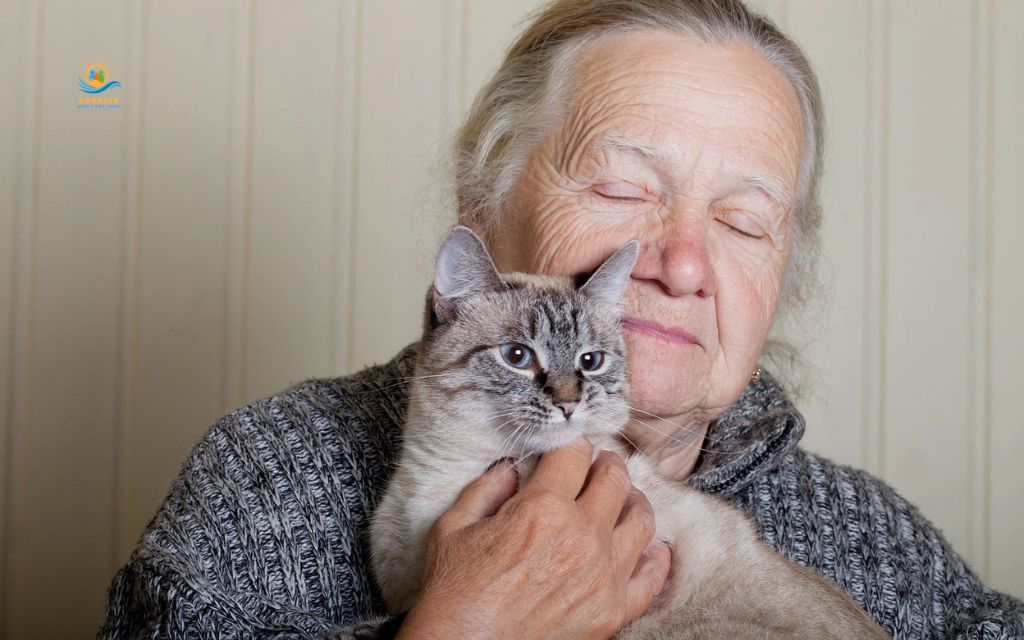
The bond between cats and seniors is often stronger than people expect. Cats do not need daily walks, they use a litter box instead of requiring outdoor trips, and they can be perfectly content in an apartment or a single-story home. For many older adults, a cat’s quiet presence offers company, a sense of routine, and something to care for, all without the physical demands that a larger or higher-energy pet might bring. That said, cats still require real commitment: feeding, grooming, litter maintenance, and veterinary care do not disappear just because the animal is low maintenance compared to a dog.
What to consider before choosing a cat
Before looking at specific breeds, it helps to think through a few practical factors. Cats for the elderly are not one-size-fits-all, and the right match depends on the person’s living situation, mobility, and daily routine as much as it does on breed.
- Temperament and energy level: A calm, low-key cat suits someone who wants a quiet lap companion, while a more playful or vocal cat may suit someone with time and energy to interact often.
- Grooming and shedding: Short-haired breeds generally need only weekly brushing, while long-haired breeds may need daily attention to prevent matting.
- Litter box accessibility: A low-sided, easy-to-reach litter box matters more than people realize, especially for someone with limited mobility or arthritis in the hands or knees.
- Veterinary needs: Some breeds are prone to specific health conditions, which can mean more frequent vet visits and higher long-term costs.
- Household and housing rules: If the person lives in a senior living community, it is worth confirming pet policies, weight limits, and any deposit requirements before adopting.
- Physical ability: Lifting a litter box, carrying a cat, or managing a larger breed can be a real consideration for someone with reduced strength or balance concerns.
Best cats for elderly: top breed options to consider
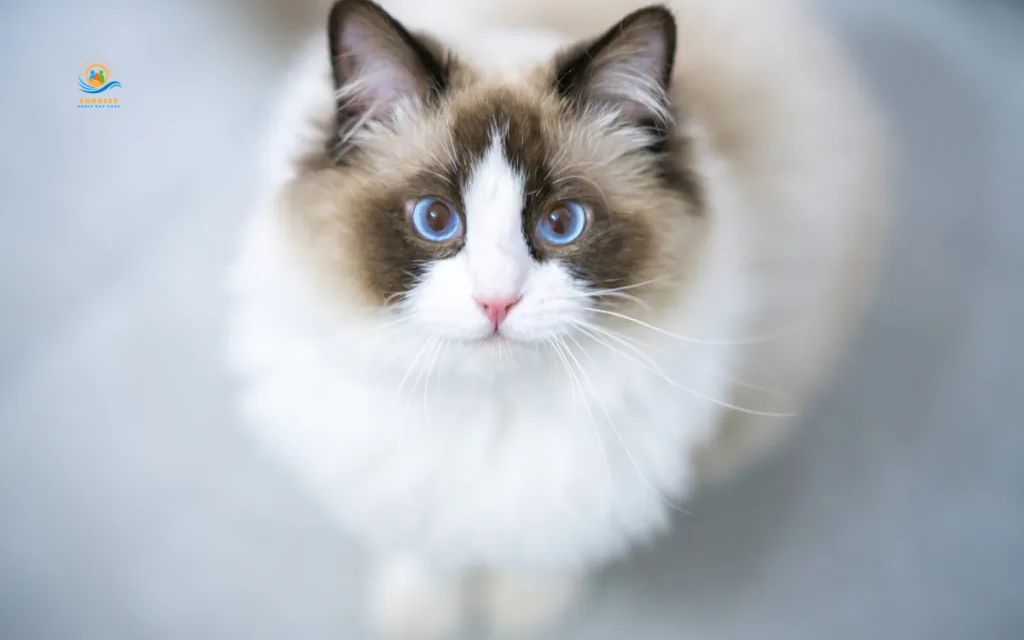
Ragdoll
Ragdolls are known for a relaxed, affectionate temperament and a tendency to go limp when picked up, which many owners find endearing and easy to handle. Their semi-long coat needs brushing a few times a week to prevent tangles. They tend to follow their owners around the house and enjoy being close by rather than constantly demanding attention. Best for someone who wants a large, gentle, people-oriented cat and does not mind moderate grooming.
British shorthair
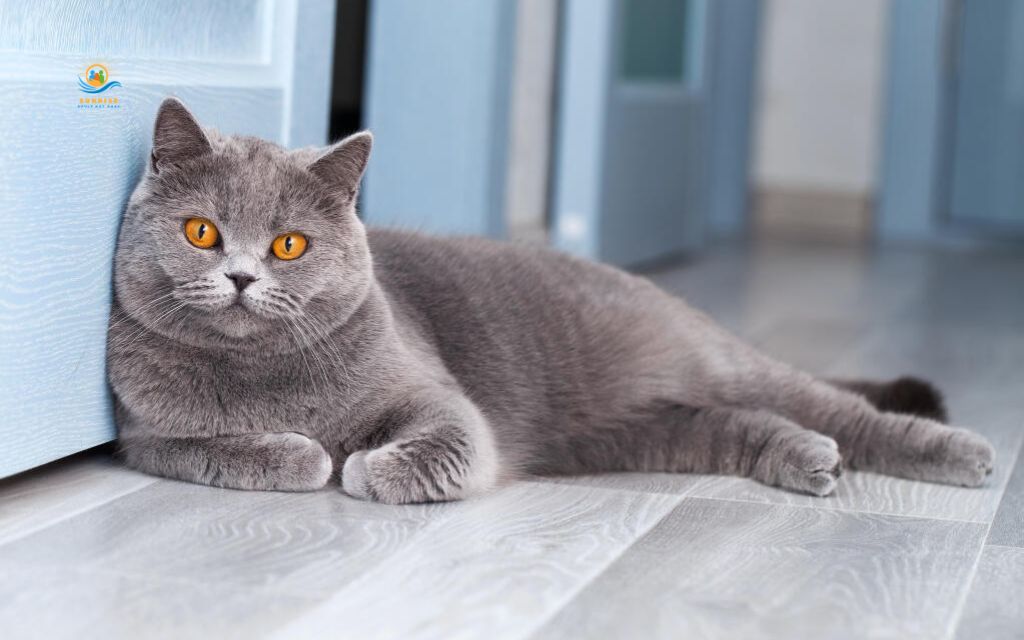
The British shorthair has a dense, plush coat that only needs weekly brushing, and a calm, independent personality that does not require constant engagement. They are affectionate on their own terms rather than clingy, and they tend to be sturdy and generally healthy. Because they can be prone to weight gain if underactive, portion control matters. Best for someone who wants a low-maintenance, self-sufficient companion.
Russian blue
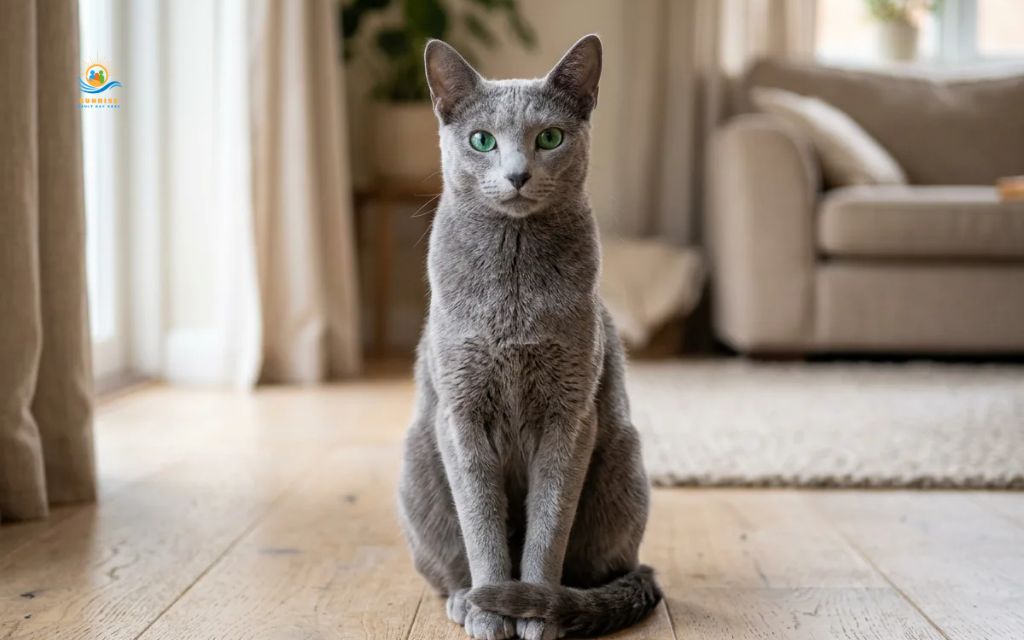
Russian blues are quiet, gentle cats with a short, dense coat that sheds relatively little and needs minimal grooming. They bond closely with their owner but can be reserved or shy around unfamiliar people, so they may take time to warm up in a new home. Best for someone who prefers a calm one-on-one bond over a highly social pet.
American shorthair
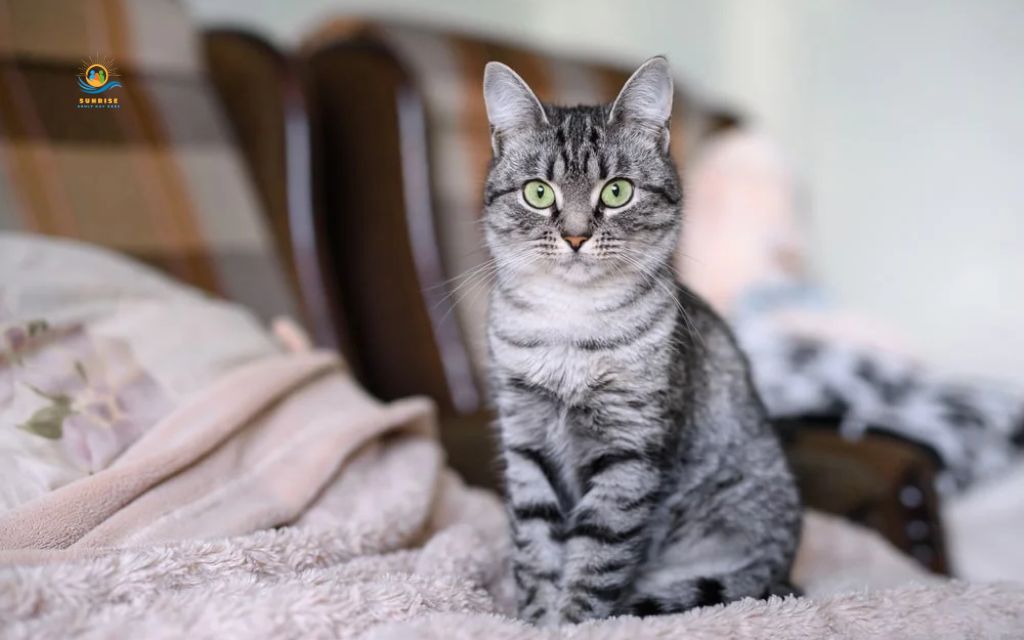
The American shorthair is adaptable, even-tempered, and generally in good health, striking a balance between independence and affection. Grooming is easy, typically weekly brushing, and they tolerate being left alone for stretches of the day without distress. Best for a household that wants a resilient, easygoing all-around cat.
Persian
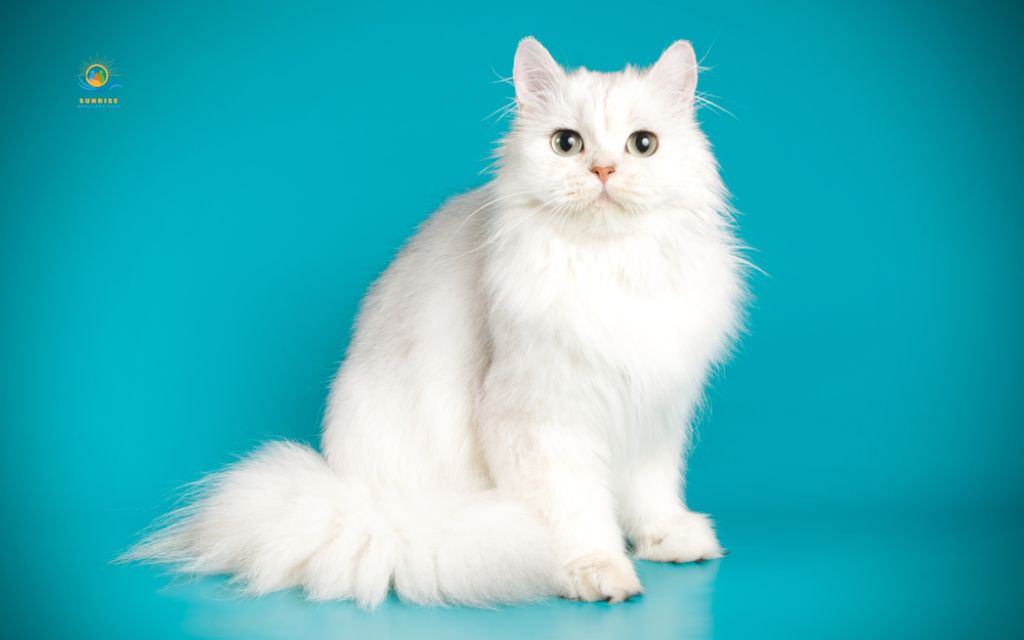
Persians are known for a sweet, docile temperament and a long, luxurious coat, but that coat requires daily brushing to prevent matting and occasional professional grooming. Their flatter facial structure can also mean more attention to eye care and breathing comfort. Best for someone who enjoys grooming as a bonding activity and has the time for daily coat care.
Birman
Birmans are gentle, affectionate cats with a semi-long coat that, unlike the Persian’s, does not mat as easily and needs only moderate brushing. They are known for wanting to stay close to their owner and can be mildly chatty without being overly vocal. Best for someone who wants a devoted lap companion without heavy grooming demands.
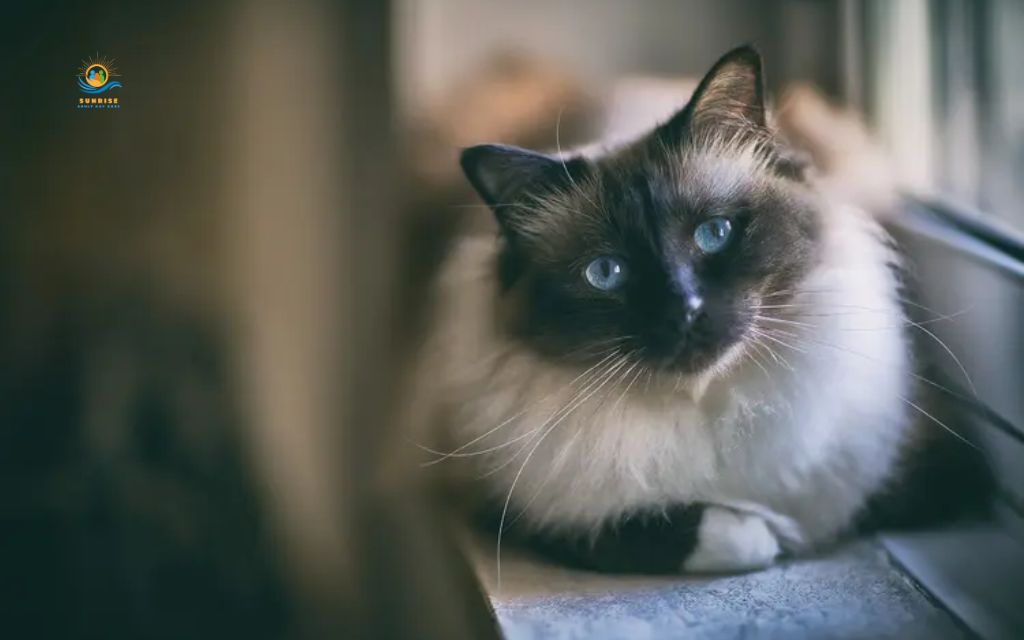
Scottish fold
Recognizable by their folded ears, Scottish folds tend to have a sweet, easygoing temperament and moderate energy. Because the same genetic trait responsible for the folded ears can also affect cartilage and joints, regular veterinary checkups are especially important for this breed. Best for someone prepared for closer health monitoring in exchange for a calm, affectionate companion.
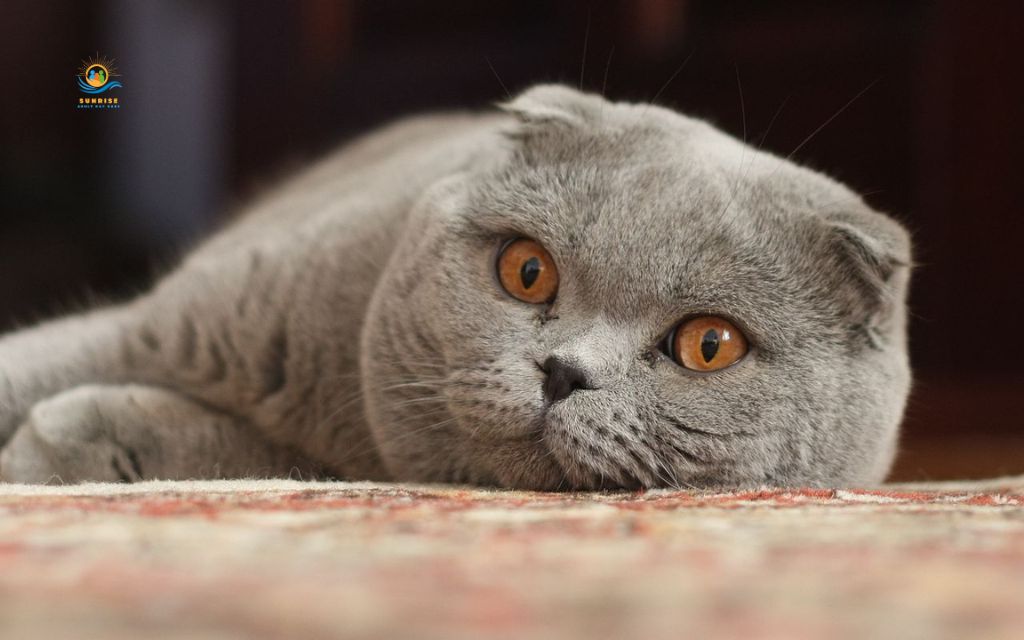
Chartreux
The Chartreux is a quiet breed that rarely meows, communicating instead through body language and the occasional chirp. Their dense, water-resistant coat needs only weekly brushing, and they are known for being loyal and affectionate once bonded. Best for someone who wants a low-noise, low-maintenance cat with a steady personality.
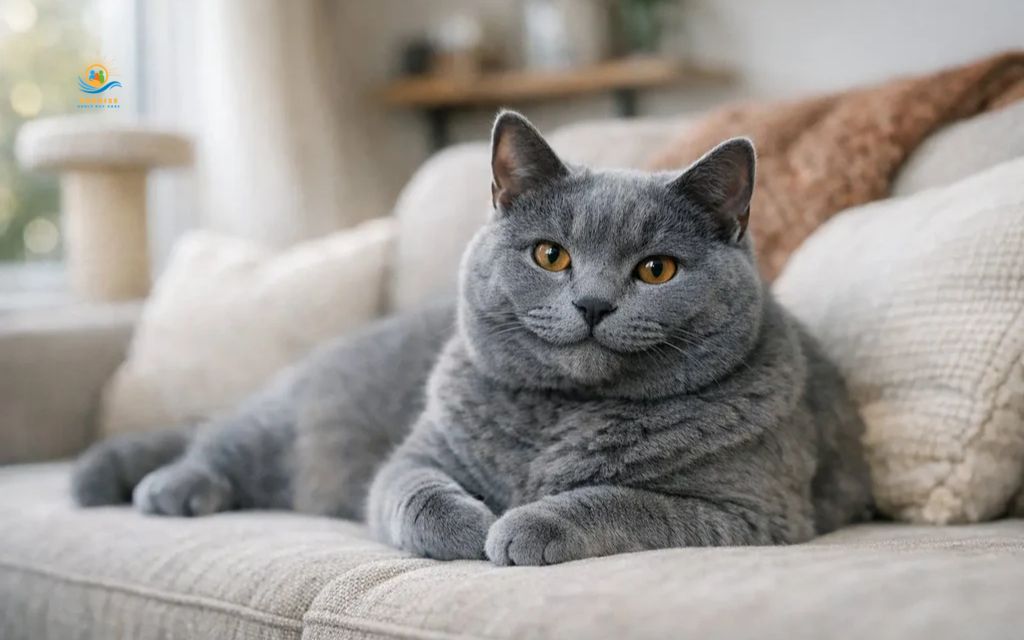
Maine coon
Maine coons are large, sociable cats with a semi-long coat that needs regular brushing, especially during shedding season. They are often described as dog-like in their loyalty and tend to be more playful and active than many other calm breeds on this list, which is worth factoring in for someone who prefers a quieter pace. Best for a household with some space and an interest in a bigger, more interactive cat.
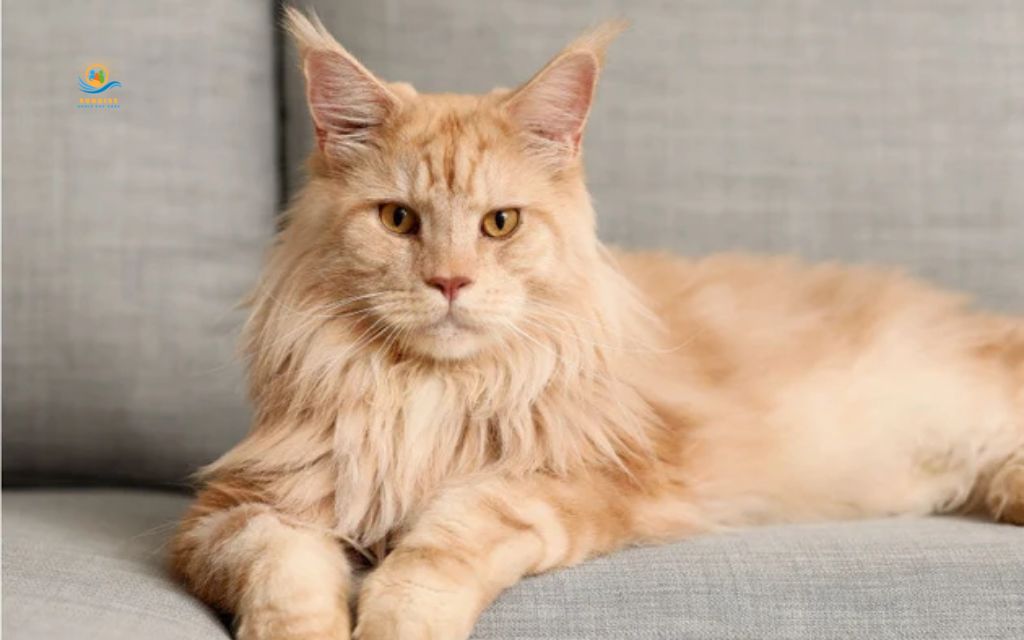
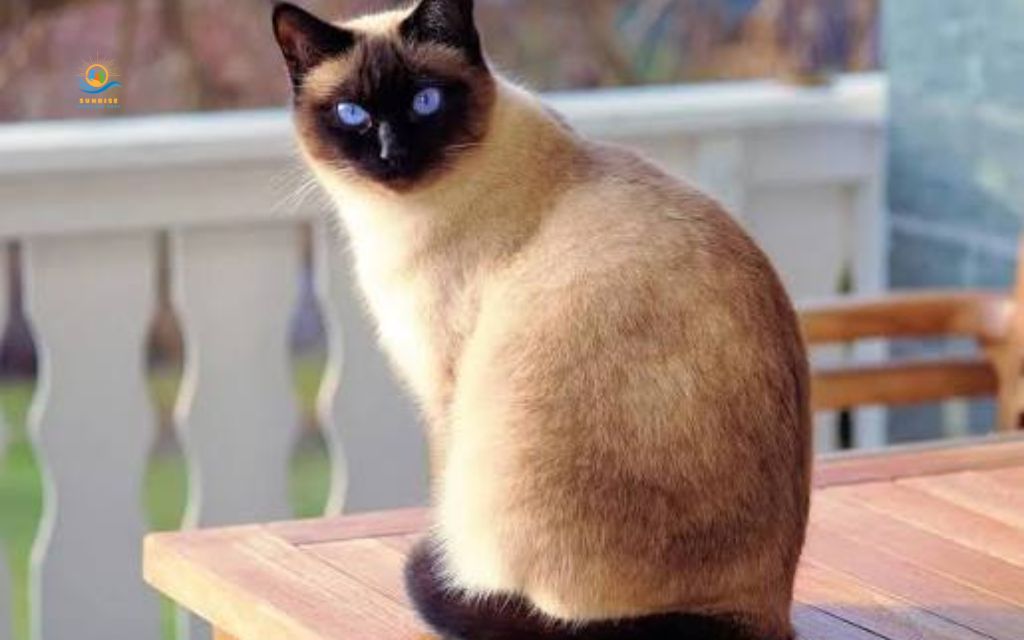
Siamese
Siamese cats are highly social, vocal, and thrive on interaction, making them a good fit for someone who wants a cat that communicates and engages often. Their short coat needs minimal grooming, but their need for attention is higher than most breeds on this list. Best for an older adult who wants an interactive, talkative companion rather than a quiet background presence.
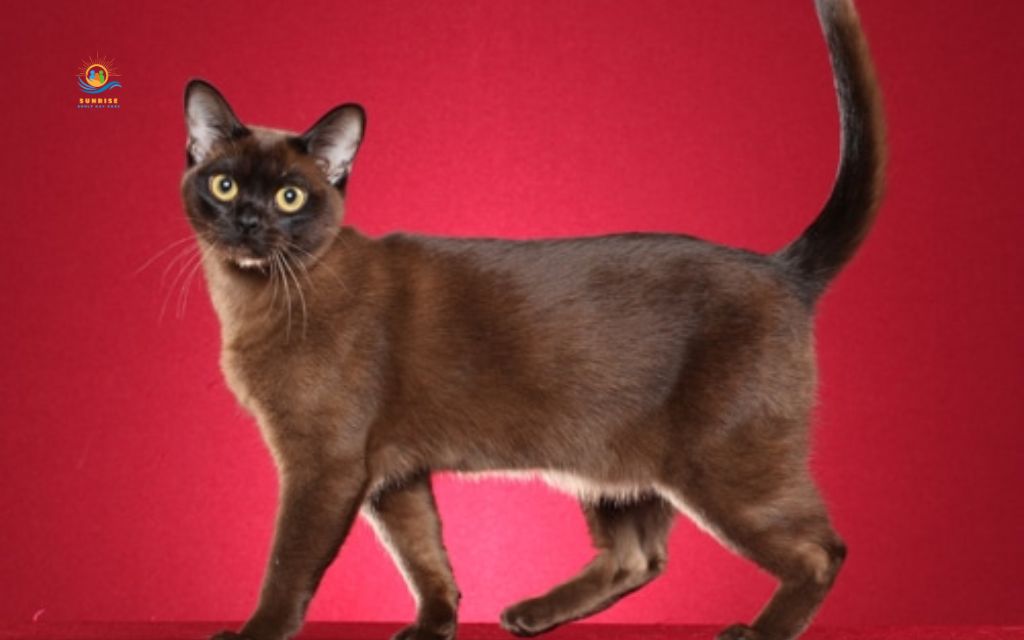
Burmese
Burmese cats are affectionate, people-oriented, and tend to stay playful well into adulthood. Their short coat is easy to maintain with weekly brushing, and they generally enjoy being involved in daily household activity. Best for someone who wants a sociable lap cat with moderate energy.
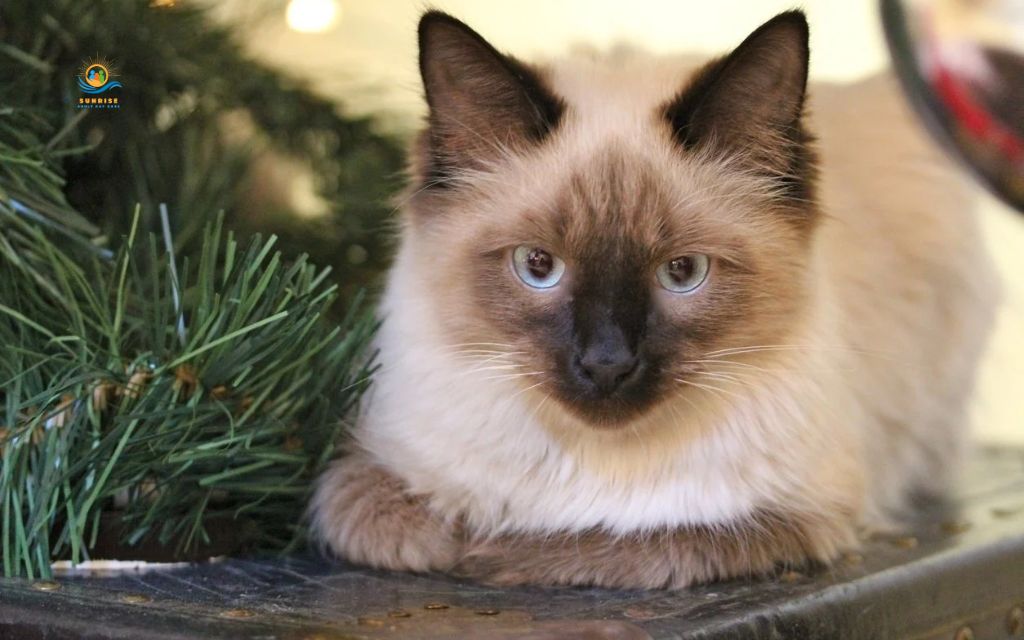
Himalayan
A cross between the Persian and Siamese, the Himalayan combines a calm, quiet temperament with a long coat that needs daily brushing, and shares some of the Persian’s facial structure considerations around eye care and breathing comfort. Best for someone who wants a serene companion and has the time for consistent daily grooming.
Planning for ongoing care and cost
Owning a cat comes with ongoing responsibilities that are worth planning for in advance. Regular expenses include food, litter, and routine veterinary checkups, while less frequent but important costs include vaccinations, dental care, and emergency veterinary visits. Some breeds with known health tendencies, such as those prone to joint or respiratory issues, may need more frequent monitoring over time.
It is also worth considering pet insurance or setting aside a small emergency fund, since unexpected veterinary costs can arise regardless of breed. For someone on a fixed income, discussing these costs honestly with family members or a veterinarian before adopting can prevent financial strain later.
Conclusión
The best cats for elderly adults are not defined by a single breed, but by how well a cat’s temperament, energy level, and care needs match the person’s daily life. Caring for a pet is one part of a fuller daily routine, and many family caregivers are also balancing work, errands, and their own responsibilities alongside a loved one’s care.
Guardería Sunrise Senior offers a supportive, engaging programa diurno, giving older adults social activities and professional support during the day while caregivers attend to work or take a needed break. To learn more about how we can fit into your family’s daily routine, call us at 303-226-6882.
Preguntas frecuentes (FAQ)
Are older cats less healthy or more expensive than kittens?
Not necessarily. While some senior cats may need more frequent checkups, many live long, healthy lives with routine care, and adoption fees for adult cats are often lower than for kittens. A veterinary exam before adoption can give a clear picture of any cat’s current health regardless of age.
Can an older adult handle a kitten’s energy?
It depends entirely on the person. Some seniors enjoy the activity and stimulation a kitten brings, while others find the unpredictability tiring. There is no universal answer, which is why matching energy level to lifestyle matters more than age alone.
Do hypoallergenic cat breeds exist?
No cat breed is completely allergen free, though some breeds produce fewer allergens or shed less, which can reduce symptoms for some people. Anyone with cat allergies should spend time with a specific cat before adopting to see how they react.
Is it better to adopt from a shelter or buy from a breeder?
Both are valid options depending on the goal. Shelters often have adult cats with known personalities and lower fees, which can simplify finding a good match. A responsible breeder may be a better fit for someone who wants a specific breed with predictable traits, provided the breeder follows ethical health screening practices.
Is it better to adopt from a shelter or buy from a breeder?
Both are valid options depending on the goal. Shelters often have adult cats with known personalities and lower fees, which can simplify finding a good match. A responsible breeder may be a better fit for someone who wants a specific breed with predictable traits, provided the breeder follows ethical health screening practices.
Will a cat be too much responsibility for someone living alone?
For many older adults living independently, a cat is manageable and even beneficial, offering companionship without the physical demands of a larger pet. The key is being realistic about mobility, daily routine, and having a backup plan, such as a family member or neighbor who can help during illness or travel.