

Mover a un padre a una vivienda asistida, cuidado de la memoria u otro entorno de cuidado es una de las decisiones más significativas que una familia puede tomar. Los días previos a la mudanza están llenos de preguntas: ¿Estarán cómodos? ¿Se sentirán en casa? ¿Olvidamos algo importante?
Estas preocupaciones son completamente naturales. La mayoría de ellas se pueden aliviar con un poco de planificación anticipada. Saber exactamente qué llevar al trasladar a un padre a un centro de cuidados elimina una gran parte de la incertidumbre, para que puedas concentrarte en lo que más importa: el confort y el bienestar de tu ser querido.
Esta guía sirve como una lista de verificación completa y paso a paso para la mudanza a un hogar de asistencia para cuidadores familiares. Ya sea que tu padre o madre esté haciendo la transición a un hogar de asistencia, cuidado de la memoria, un asilo de ancianos o un programa de cuidado diurno para adultos, este recurso te guiará a través de cada categoría esencial, desde documentos personales y medicamentos hasta artículos de confort y electrónicos.

Preparándose para la mudanza: Lo que las familias deben hacer primero
Antes de comenzar a empacar cajas, algunos pasos de preparación pueden hacer que todo el proceso de mudanza a una vivienda asistida sea significativamente más fluido. Utiliza las semanas previas al día de la mudanza para sentar las bases y asegurarte de que nada se pase por alto.
Confirma las políticas de mudanza de la instalación
Cada entorno de atención tiene sus propios procedimientos de mudanza, requisitos de programación y listas de verificación de documentación. Contacta al coordinador de admisiones de la instalación con anticipación para entender qué día y hora está programada la mudanza, si necesitas firmar documentos por adelantado y si hay reglas específicas para llevar pertenencias personales. Obtener esto confirmado por escrito puede ayudar a evitar sorpresas.
Solicitar una lista de empaque recomendada
La mayoría de las comunidades de vida asistida y centros de atención de buena reputación proporcionan su propia lista de empaque recomendada. Esta lista reflejará el tamaño de la habitación de la instalación, las comodidades disponibles y cualquier artículo que esté prohibido por razones de seguridad o políticas.
Siempre solicita esta lista y compárala con la lista de verificación general a continuación. Es uno de los pasos más prácticos al aprender cómo trasladar a un padre anciano a una vivienda asistida.
Revisar el tamaño de la habitación y el espacio de almacenamiento
Uno de los errores más comunes que cometen las familias es llevar demasiado. Antes de la mudanza, pide las dimensiones exactas de la habitación y la capacidad de almacenamiento, incluyendo el espacio del clóset, el espacio de los cajones y el espacio en las estanterías. Luego, mide los artículos personales más grandes que estás considerando llevar, como un sillón favorito o una estantería, para confirmar que encajarán cómodamente sin abarrotar el espacio.
Entender lo que ofrece la instalación
La mayoría de las instalaciones de cuidado proporcionan artículos básicos como un marco de cama, una cómoda y una mesita de noche. Algunas también suministran sábanas, toallas y artículos de tocador como parte de su paquete de atención.
Saber exactamente qué se proporciona ya evita que dupliques artículos y te ayuda a priorizar lo que realmente necesita venir de casa.
Crea una línea de tiempo interactiva
Una línea de tiempo en movimiento elimina la presión de último minuto. Intenta comenzar el proceso de planificación al menos de 4 a 6 semanas antes del día de mudanza. Usa las primeras semanas para deshacerte de cosas y reducir el tamaño, las semanas intermedias para reunir y etiquetar artículos, y los últimos días para empacar lo esencial y completar cualquier papeleo pendiente. Una línea de tiempo clara mantiene a todos en la misma sintonía y reduce el estrés de manera significativa.

Qué llevar al trasladar a un padre a un centro de cuidados
Esta sección cubre cada categoría principal que debes abordar al crear tu lista de verificación para mudarte a una vivienda asistida. Trabaja en cada categoría con cuidado y recuerda: el objetivo no es llevarlo todo, sino llevar las cosas correctas.
Documentos personales esenciales
Los documentos son la base de una transición exitosa. Estos son los elementos que no puedes permitirte dejar atrás, porque afectan directamente la atención médica de tu padre, la protección legal y el acceso a los beneficios del seguro.
Identificación y documentos legales
- Licencia de conducir o identificación emitida por el gobierno
- Tarjeta de Medicare y cualquier tarjeta de seguro suplementario
- Documentos de poder notarial (financieros y médicos)
- Directivas anticipadas, incluyendo testamento vital y órdenes de No Reanimar (DNR) si aplica.
- Lista de contactos de emergencia con números de teléfono para miembros de la familia inmediata, médicos y abogados.
Guarda los originales en una carpeta segura y proporciona a la instalación copias fotográficas. Almacena los originales con un familiar de confianza o en una caja fuerte a prueba de fuego, no en la sala de cuidados donde pueden perderse o extraviarse.
Información médica
- Una lista actual y completa de todos los medicamentos recetados con dosis y horarios.
- Nombre, número de teléfono y dirección de la oficina del médico de cabecera
- Información de contacto de especialistas (cardiólogo, neurólogo, etc.)
- Lista documentada de todas las alergias, incluyendo alergias a medicamentos, alimentos y ambientales.
- Un resumen de las condiciones de salud actuales y la historia médica relevante
- Registros de vacunación, incluyendo influenza, neumonía y COVID-19 (si aplica)
Ropa y artículos personales
La ropa cómoda y práctica apoya la dignidad diaria y la facilidad de cuidado. Busca prendas que sean fáciles de poner y quitar, especialmente si tu padre o madre tiene movilidad limitada o está recibiendo asistencia para el cuidado personal.
Ropa cotidiana
- 5 a 7 conjuntos cómodos (mezcla de blusas casuales, pantalones y vestidos según se prefiera)
- Pijamas o camisones (al menos 2 o 3 juegos)
- Ropa interior (al menos 7 a 10 pares)
- Calcetines: opciones cómodas y sin costuras son ideales para adultos mayores con diabetes o problemas de circulación.
Ropa de temporada
- Suéteres ligeros o cárdigans para temperaturas más frescas en las instalaciones
- Una chaqueta o abrigo cálido adecuado para el clima local
- Equipo para la lluvia como un impermeable o paraguas plegable
Zapatos y calzado amigable con la movilidad
- Zapatos cerrados antideslizantes para uso diario
- Zapatos cómodos para caminar con buen soporte
- Pantuflas con suelas antideslizantes para uso en interiores

Ropa de cama y lencería
La ropa de cama personal de casa puede hacer una enorme diferencia en la rapidez con la que tus padres se adaptan a su nuevo entorno. Las texturas y olores familiares brindan comodidad y un sentido de continuidad.
Mantas y cobijas favoritas
Si tus padres tienen una manta o edredón querido que asocian con calidez y descanso, llévalo. Incluso si la instalación proporciona ropa de cama básica, una manta personal añade un confort emocional que la ropa de cama estándar simplemente no puede replicar.
Cojines de casa
Una almohada familiar apoya tanto la calidad del sueño como el bienestar emocional. Muchos adultos mayores descubren que dormir en su propia almohada facilita significativamente el período de ajuste inicial.
Sábanas (si se permite)
Confirma con la instalación si se permiten sábanas personales, especialmente si el tamaño de la cama es diferente a lo que tu padre está acostumbrado en casa. Si se permite, lleva uno o dos juegos de sábanas en un tamaño que se ajuste a la cama de la instalación.
Protectores de colchón
Un protector de colchón impermeable es un artículo práctico que protege el colchón y simplifica la lavandería. Muchas instalaciones los requieren o los recomiendan encarecidamente.
Artículos de tocador y suministros de cuidado personal
Las rutinas de cuidado personal están profundamente ligadas a la identidad y la dignidad. Llevar productos familiares le da a tus padres control sobre uno de los aspectos más personales de la vida diaria.
Cepillo de dientes y pasta dental
Lleva un cepillo de dientes extra junto con un suministro suficiente de pasta de dientes. Se recomienda generalmente un cepillo de dientes de cerdas suaves para los adultos mayores.
Productos para el cuidado del cabello
Incluye champú, acondicionador y cualquier producto de peinado que tus padres usen regularmente. Si tu padre o madre ve a un profesional para cortes de cabello o coloración, confirma si la instalación tiene un salón en el lugar o si necesitarás organizar citas externas.
Productos para el cuidado de la piel
Lleva sus humectantes regulares, protector solar y cualquier producto de cuidado de la piel medicado que utilicen. La consistencia en el cuidado de la piel ayuda a mantener la comodidad y previene la irritación.
Suministros para dentaduras
Si tu padre usa dentaduras postizas, empaca adhesivo para dentaduras, una solución de limpieza para dentaduras, un contenedor de almacenamiento y al menos un cepillo de limpieza de repuesto. Etiqueta el contenedor claramente con su nombre.
Suministros para audífonos
Si tu padre usa audífonos, empaca un suministro de baterías de repuesto, un kit de limpieza y un estuche de transporte protector. Asegúrate de que el personal de cuidado esté informado sobre los audífonos para que puedan ayudar con el mantenimiento.
Artículos de afeitado y cuidado personal
Incluye una rasuradora (eléctrica o manual, dependiendo de lo que prefiera tu padre), crema o gel de afeitar, y cualquier otro artículo de cuidado personal que use regularmente, como limas de uñas o un cepillo para el cabello.
Medicamentos y esenciales de salud
La gestión de medicamentos es uno de los aspectos más críticos de la transición a un entorno de atención. La desorganización en esta área puede tener consecuencias reales para la salud, así que abórdalo con cuidado y de manera sistemática.
Siempre coordina la entrega de medicamentos directamente con el personal de enfermería de la instalación antes o el día de la mudanza. Nunca asumas que los medicamentos se gestionarán automáticamente. Confirma el proceso por escrito con el equipo de admisiones.
Medicamentos recetados
Traiga todos los medicamentos recetados actuales en sus envases originales etiquetados por la farmacia. Asegúrese de que las etiquetas estén actualizadas y sean precisas, y de que haya suficiente suministro para durar al menos una o dos semanas mientras la instalación establece una relación con la farmacia.
Instrucciones para la administración de medicamentos
Proporcione instrucciones escritas para cualquier medicamento que tenga requisitos específicos de tiempo, interacción con alimentos o necesidades especiales de administración, como triturar o disolver. Esto apoya una gestión de medicamentos consistente y segura por parte del personal de atención.
Equipo médico
Si tu padre utiliza alguno de los siguientes, confirma con la instalación que se puede acomodar y tráelo el día de la mudanza:
- Andador o caminadora
- Caña
- Silla de ruedas o silla de transporte
- Máquina CPAP o BiPAP con todos los accesorios, incluyendo máscara, tubos y agua destilada.
- Monitor de presión arterial o medidor de glucosa en sangre (si se monitorea a sí mismo)
- Equipo de oxígeno portátil (si aplica, confirme los requisitos de energía con la instalación con anticipación)

Artículos de comodidad y familiaridad
La investigación muestra que los objetos familiares reducen la ansiedad durante las grandes transiciones de la vida. Para los adultos mayores que se mudan a un nuevo entorno de cuidado, la presencia de objetos personales significativos puede marcar la diferencia entre una habitación que se siente institucional y una que se siente como en casa.
Fotos familiares
Lleva fotos enmarcadas de familiares, amigos y mascotas queridas. Colócalas en la mesita de noche o en la cómoda para crear una sensación inmediata de conexión y calidez. Si es posible, etiqueta la parte posterior de las fotos con nombres y fechas para apoyar la conversación y la memoria.
Libros favoritos
Si tu padre es un lector, lleva una pequeña selección de sus libros favoritos, ediciones de letra grande si es necesario, o libros en audiolibro. Leer es una actividad calmante y cognitivamente estimulante que puede facilitar la adaptación.
Artículos religiosos o espirituales
Una Biblia, un rosario, un libro de oraciones u otro símbolo religioso puede ser profundamente reconfortante en un nuevo entorno. Muchos adultos mayores encuentran que la continuidad espiritual es especialmente estabilizadora durante cambios significativos en la vida.
Recuerdos y recuerdos personales
Una pequeña colección de objetos significativos – una pieza de arte decorativo que les encanta, una figurita apreciada, un cojín favorito – ayuda a que el nuevo espacio se sienta personal. Mantén el número manejable para que la habitación no se sienta desordenada.
Silla favorita o mueble pequeño
Si el tamaño de la habitación lo permite, un sillón favorito o una pequeña mesa lateral pueden ser una pieza ancla que haga que toda la habitación se sienta familiar. Siempre mide el espacio primero y confirma con la instalación que se permite el mobiliario personal antes de hacer el esfuerzo de transportarlo.
Dispositivos electrónicos y de comunicación
Mantenerse conectado con la familia y amigos es esencial para la salud emocional y la calidad de vida. Un conjunto bien elegido de herramientas de comunicación puede ayudar a tus padres a sentirse menos aislados y más involucrados con las personas que aman.
Teléfono celular
Un teléfono celular es uno de los artículos más importantes para mantener la conexión familiar. Asegúrate de que los contactos estén preprogramados y de que el teléfono esté configurado con un tamaño de fuente y volumen accesibles.
Tableta o laptop
Una tableta suele ser más fácil de usar para los adultos mayores que una laptop. Permite hacer videollamadas, navegar por fotos, jugar y disfrutar de entretenimiento. Configura cualquier aplicación de videollamadas (FaceTime, Zoom, Google Meet) antes del día de mudanza para que tus padres puedan conectarse de inmediato.
Cargadores y cables de alimentación
Lleva cargadores para cada dispositivo y considera una regleta si la habitación tiene pocas tomas de corriente. Etiqueta todos los cargadores con el nombre de tu padre.
Auriculares o dispositivos auditivos
Un par de auriculares o audífonos cómodos permite que tus padres vean televisión o escuchen música sin molestar a los demás. Los audífonos inalámbricos o los auriculares de diadema pueden ser más fáciles de manejar que las opciones intrauditivas.
Lista de contactos familiares
Imprime y lamina una lista de contactos familiares clave con nombres, números de teléfono y etiquetas de relación. Colócala en un lugar visible en la habitación, esto es valioso tanto para tus padres como para el personal de cuidado.

Qué NO llevar al trasladar a un padre a un centro de cuidados
Saber qué dejar atrás es tan importante como saber qué empacar. Llevar los artículos equivocados puede llevar a desorden, riesgos de seguridad, riesgos financieros o violaciones de la política de la instalación.
Grandes cantidades de efectivo
Limita el efectivo en la habitación a una cantidad pequeña y manejable, típicamente no más de veinte a cuarenta dólares para compras incidentales. La instalación puede ofrecer un sistema de cuenta de gastos personales para transacciones más grandes. Llevar grandes sumas de efectivo aumenta el riesgo de pérdida o robo.
Joyería valiosa
Deja las joyas caras, sentimentales o irremplazables en casa o en una caja de seguridad del banco. Los objetos cotidianos se pueden extraviar fácilmente en entornos de cuidado compartido, y las piezas valiosas pueden perderse durante el baño, actividades o lavandería. Lleva en su lugar piezas simples y económicas.
Coleccionables caros
Una valiosa colección de figuritas, monedas, sellos u otros objetos de valor es mejor mantenerla segura en casa o guardarla con la familia. Si una pieza en particular tiene un profundo significado sentimental, lleva en su lugar una fotografía de ella.
Muebles inseguros
Evita llevar muebles con esquinas afiladas, patas inestables o peligros de tropiezo significativos. Las mesas de café con poca altura y las mesas laterales inestables son especialmente riesgosas en un entorno de cuidado. El personal de la instalación puede asesorarte sobre qué piezas son apropiadas.
Desorden excesivo
Una habitación abarrotada crea riesgos de caídas y dificulta que el personal brinde una atención segura y eficiente. Menos realmente es más en una sala de atención. Concéntrate en los elementos con una función diaria genuina o un fuerte significado emocional.
Aparatos restringidos
La mayoría de las instalaciones de cuidado restringen o prohíben ciertos electrodomésticos, incluidos tostadoras, hervidores eléctricos, calefactores y placas de cocción, debido a las regulaciones de seguridad contra incendios. Siempre confirma la política de electrodomésticos de la instalación antes de llevar cualquier artículo eléctrico más allá de la electrónica estándar.
Consejos para reducir tus pertenencias antes de mudarte a una vivienda asistida
La reducción de tamaño es una de las partes más cargadas emocionalmente al trasladar a un padre a una instalación de cuidado. Requiere equilibrar la practicidad con la compasión. Las siguientes estrategias pueden ayudar a que el proceso sea más manejable para todos los involucrados.
- Comienza a reducir tus pertenencias varias semanas o meses antes de la mudanza. Las decisiones apresuradas sobre los objetos a menudo conducen al arrepentimiento. Date a ti y a tus padres suficiente tiempo para tomar decisiones reflexivas.
- Mide primero el nuevo espacio habitable y usa esas dimensiones como tu guía. Si no cabe, no puede venir. Y tener límites físicos claros facilita algunas decisiones.
- Clasifica todas tus pertenencias en 4 categorías: Conservar, Donar, Dar a la Familia o Almacenar. Asigna una pila o bolsa dedicada para cada una y trabaja a través de las habitaciones de manera sistemática.
- Enfócate en objetos significativos que brinden comodidad y familiaridad. Una manta favorita o un álbum de fotos atesorado le sirven a tus padres mucho mejor que una caja de revistas viejas.
- Involucra a tus padres en las decisiones siempre que sea posible. Incluso si el deterioro cognitivo es un factor, ofrecer opciones dentro de un conjunto manejable de alternativas preserva la dignidad y la autonomía.
- Digitaliza fotos y documentos importantes para reducir el desorden físico. Un álbum de fotos familiar compartido en línea permite que todos accedan a los recuerdos sin necesidad de almacenar impresiones en un espacio pequeño.
- Etiqueta todas tus pertenencias personales antes del día de mudanza. Usa un marcador permanente, etiquetas de planchar o calcomanías personalizadas en ropa, contenedores y artículos personales.
- Elige la calidad y el valor sentimental sobre la cantidad. Una pequeña selección curada de artículos significativos crea un ambiente más cómodo que una habitación llena de demasiadas cosas.
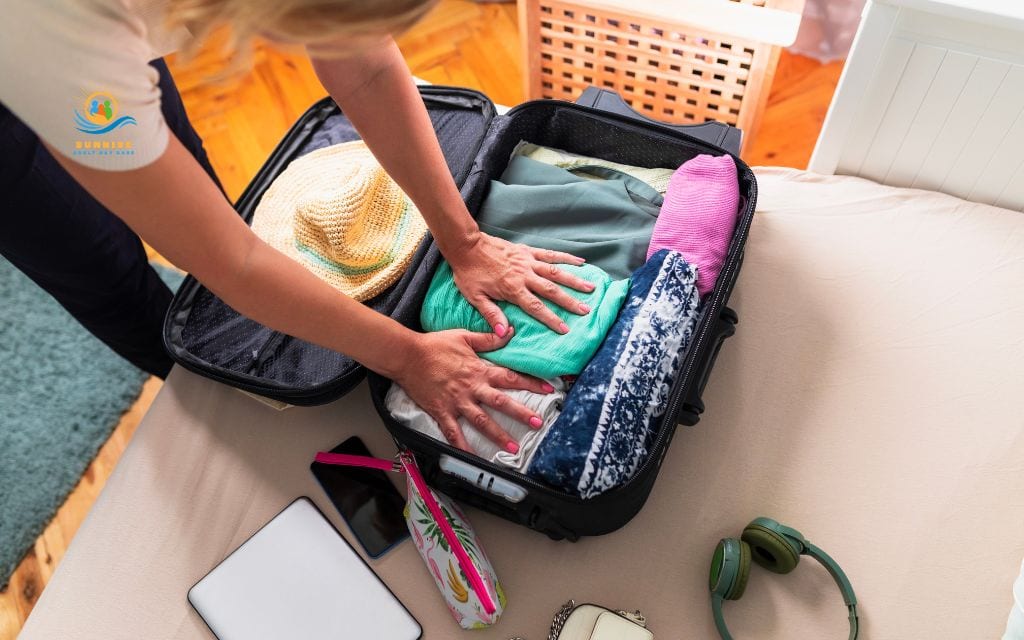
Qué hacer después de trasladar a tu padre a una residencia de ancianos
El trabajo no termina el día de la mudanza. Las semanas y meses posteriores a una mudanza a un centro de cuidado son igual de importantes que la fase de preparación. La participación continua y la atención de los miembros de la familia influyen significativamente en qué tan bien un adulto mayor se adapta a su nuevo entorno.
Ayúdalos a adaptarse a su nueva rutina
Cada centro de atención opera con un horario diario estructurado, y las rutinas son profundamente beneficiosas para los adultos mayores, especialmente para aquellos que viven con demencia o deterioro cognitivo. Anima a tus padres a participar en las comidas, actividades grupales y eventos sociales tan pronto como sea posible.
Dale a tus padres permiso para sentirse inseguros o incómodos al principio. La adaptación toma tiempo, y la mayoría de los adultos mayores comienzan a sentirse más cómodos dentro de las primeras 2 a 4 semanas una vez que las rutinas se vuelven familiares.
Mantente conectado e involucrado
La participación regular de la familia es uno de los mejores indicadores de la calidad de vida en un entorno de cuidado. Visita con la frecuencia que tu horario permita, mantén rutinas consistentes de llamadas telefónicas o videollamadas, y ayuda a tus padres a mantenerse conectados con la familia extendida y amigos de toda la vida.
Más allá de las visitas personales, mantén una comunicación abierta y continua con el personal de atención de la instalación. Pide actualizaciones, participa en las reuniones del plan de atención y expresa cualquier inquietud de inmediato.
Ser un miembro de la familia comprometido señala al personal que su padre tiene defensores que se preocupan profundamente por su bienestar.
Monitorea su bienestar y comodidad
Presta atención a los cambios en el estado de ánimo, apetito, calidad del sueño y participación social de tu padre en las semanas posteriores a la mudanza. Un cierto grado de tristeza o retiro es normal durante el período de adaptación. Sin embargo, los cambios prolongados deben ser abordados con el personal de cuidado y el médico principal de inmediato.
Participa activamente en las discusiones sobre la planificación del cuidado y en las revisiones trimestrales. Estas reuniones son oportunidades para expresar preocupaciones, actualizar preferencias de cuidado y asegurar que las necesidades de tu padre/madre sigan siendo atendidas a medida que cambian con el tiempo.
Conclusión
Mover a un padre a un centro de cuidados es una de las decisiones más personales y emocionalmente significativas que una familia puede tomar. Ninguna lista de verificación puede capturar completamente el peso de ese momento, pero saber exactamente qué llevar al trasladar a un padre a un centro de cuidados puede darle a las familias una cosa menos de qué preocuparse durante un tiempo ya de por sí exigente.
Los elementos más importantes son aquellos que apoyan la comodidad, familiaridad, seguridad y rutinas diarias de tu padre o madre. Cuando un adulto mayor entra a una nueva habitación de cuidado y ve su manta favorita en la cama, fotos familiares en la cómoda y artículos de tocador familiares en el baño, el espacio comienza a sentirse menos extraño y más como un lugar al que pueden llamar hogar.
Whether your parent is moving into assisted living, memory care, a nursing home, or a structured daytime program like Sunrise Adult Daycare, the principles remain the same: bring the essentials, leave the clutter behind, and build the conditions for comfort, connection, and dignity.
¿Listo para explorar opciones de cuidado diurno para su ser querido?
¿Tu padre o madre aún no está listo para un cuidado residencial a tiempo completo? Guardería Sunrise Senior ofertas estructuradas programación diurnaactividades terapéuticas, participación social, comidas nutritivas y asistencia con medicamentos en un ambiente cálido y supervisado, sin requerir colocación residencial. Llámanos al 303-226-6882 para hablar con un asesor de atención o visítanos para obtener más información y programar un recorrido.
Preguntas frecuentes (FAQ)
¿Qué necesitan las personas al mudarse a una vivienda asistida?
Al mudarse a una vivienda asistida, los residentes necesitan documentos personales (identificación, tarjetas de seguro, poder notarial), un suministro de ropa y calzado cómodo, artículos de tocador y cuidado personal, todos los medicamentos actuales en envases etiquetados, equipo médico como andadores o máquinas CPAP, y objetos de consuelo significativos como fotos familiares y ropa de cama familiar. El objetivo es llevar lo que apoye las rutinas diarias, la salud física y el bienestar emocional, manteniendo la habitación manejable y segura.
¿Qué no llevar a una vivienda asistida?
Evita llevar grandes sumas de efectivo, joyas valiosas, coleccionables costosos, aparatos peligrosos o prohibidos, y cualquier artículo que genere riesgos de caída o desorden excesivo. Las armas y herramientas potencialmente peligrosas están estrictamente prohibidas en todos los entornos de cuidado con licencia. Siempre revisa la lista específica de artículos restringidos de la instalación antes del día de mudanza, ya que las políticas varían.
¿Cuánta ropa debe traer un residente?
Un punto de partida práctico es de 5 a 7 conjuntos para el uso diario, 2 a 3 pijamas, de 7 a 10 pares de ropa interior y calcetines, ropa de temporada adecuada para el clima local, y 2 o 3 pares de calzado de apoyo y antideslizante. La mayoría de las instalaciones de cuidado tienen servicios de lavandería en el lugar, por lo que una rotación de dos semanas es generalmente suficiente. Etiqueta todas las prendas antes de mudarte.
¿Pueden los residentes traer sus propios muebles?
Muchas comunidades de vida asistida y cuidado de la memoria permiten a los residentes traer muebles personales, como un sillón favorito o una pequeña mesa lateral, siempre que quepan de manera segura en la habitación y cumplan con los estándares de seguridad de la instalación. Siempre confirma con la instalación antes de transportar cualquier mueble y mide las dimensiones de la habitación con anticipación para asegurarte de que las piezas encajen sin crear peligros.
¿Cómo ayudo a mis padres a adaptarse a la mudanza?
Las estrategias más efectivas incluyen visitar regularmente durante las primeras semanas, ayudarles a personalizar su habitación con objetos familiares y significativos, fomentar la participación en las comidas programadas y actividades grupales, y mantener una comunicación abierta con el personal de la instalación sobre cualquier inquietud. Asegura a tus padres que la adaptación toma tiempo y que algunos sentimientos de incertidumbre son completamente normales.
¿Qué es diferente al mudarse a un centro de cuidados de memoria?
Los entornos de cuidado de la memoria tienen características de seguridad adicionales y programación especializada diseñada para individuos que viven con la enfermedad de Alzheimer, demencia y otras condiciones cognitivas. Al prepararse para una mudanza a un centro de cuidado de la memoria, es especialmente importante llevar artículos con una fuerte familiaridad sensorial, ya que estos proporcionan comodidad y estabilidad. Evite artículos que puedan causar confusión o representar riesgos de seguridad, como cerraduras, objetos afilados o electrónicos que requieran una operación compleja. El equipo de cuidado de la memoria de la instalación puede proporcionar una lista de empaque personalizada basada en la condición específica de su padre y la etapa de cuidado.