Skip to content

Watching a parent slow down, forget familiar names, or tire from tasks they once handled with ease is one of the hardest parts of being a family caregiver. It raises quiet but urgent questions: which common illnesses in elderly adults should we be watching for, and how do we know when something is serious?
This guide covers the most common illnesses in elderly people, from chronic conditions and infections to cognitive and mental health concerns. For each one, you will find the warning signs to recognize, the steps families can take, and how early action makes the most meaningful difference.
How aging makes the body more vulnerable to illness
Over decades, the body accumulates damage that gradually slows nearly every system. Bones and muscles weaken, the heart works harder against stiffer arteries, and the immune system becomes less effective at defending against pathogens. Balance and sensory function also decline, often before anyone notices a problem.
What makes old people diseases especially complex is how interconnected they are. One condition rarely stays contained: reduced mobility leads to weight gain, which strains the heart and worsens blood sugar. Polypharmacy adds yet another layer, as managing multiple prescriptions at once raises the risk of drug interactions that can mask or mimic new illnesses. This is why common illnesses in elderly adults are best caught early, before one condition quietly sets off another.
Learn more: Normal heart rate for elderly

The 11 most common illnesses in elderly adults
High blood pressure (hypertension)
High blood pressure is the most prevalent age related illness in adults over 65 and also one of the most deceptive. The heart pumps blood against arteries that have narrowed and stiffened over time, forcing pressure upward, yet most people feel nothing. This is what makes hypertension especially dangerous: it can silently damage the heart, kidneys, and blood vessels for years before a stroke or heart attack reveals itself.
Signs and symptoms to watch for:
- Persistent headaches or a feeling of pressure in the head
- Dizziness, blurred vision, or difficulty with balance
- Shortness of breath during light activity
- Nosebleeds that occur without obvious cause
- Note: many people with hypertension have no symptoms at all, which is why it is called “the silent killer”
How to keep it under control:
- Monitor blood pressure at home regularly using a validated cuff device
- Reduce sodium intake to under 1,500 mg per day for older adults
- Exercise daily, including both aerobic and strength-based activity
- Follow a doctor’s guidance on medications such as ACE inhibitors or diuretics
- Maintain a healthy weight and limit alcohol consumption
High cholesterol
For many older adults, arthritis is the condition that first changes daily life in a visible way. It comes in two main forms: osteoarthritis, caused by the gradual wearing down of joint cartilage, and rheumatoid arthritis, an autoimmune condition where the immune system attacks joint tissue. Both cause pain, swelling, and stiffness that can make everyday tasks like opening a jar or climbing stairs genuinely difficult.
Signs and symptoms to watch for:
- High cholesterol itself causes no physical symptoms
- The first warning may be a cardiovascular event such as a heart attack or stroke
- A routine annual lipid panel blood test is the only reliable way to detect it
- Risk increases with age, a sedentary lifestyle, and a diet high in saturated fats
How to keep it under control:
- Get an annual lipid panel blood test to track LDL, HDL, and triglyceride levels
- Avoid saturated fats (red meat, full-fat dairy) and eliminate trans fats entirely
- Stay physically active with at least 30 minutes of moderate exercise most days
- Do not smoke and limit alcohol consumption
- Take statins or other cholesterol-lowering medications as prescribed by a physician

Arthritis
For many older adults, arthritis is the condition that first changes daily life in a visible way. It comes in two main forms: osteoarthritis, caused by the gradual wearing down of joint cartilage, and rheumatoid arthritis, an autoimmune condition where the immune system attacks joint tissue. Both cause pain, swelling, and stiffness that can make everyday tasks like opening a jar or climbing stairs genuinely difficult.
Signs and symptoms to watch for:
- Joint tenderness, warmth, or visible swelling around one or more joints
- Morning stiffness that lasts longer than 30 minutes
- Reduced range of motion that limits daily activities
- Pain that worsens with activity or after periods of rest
- Grinding or clicking sensations in the knees, hips, or hands
How to keep it under control:
- Practice low-impact exercise regularly, such as swimming, chair yoga, or walking
- Maintain a healthy weight to reduce stress on knees, hips, and ankles
- Use anti-inflammatory medications as recommended by a physician
- Attend physical therapy to strengthen supporting muscles around affected joints
- Apply heat or cold packs to reduce pain and swelling during flares
Obesity and weight-related conditions
Obesity is one of the most consequential old people ailments because of how broadly it affects other systems. Excess weight is directly linked to a wide range of chronic conditions including type 2 diabetes, heart disease, sleep apnea, and osteoarthritis. After age 65, managing weight becomes more complicated as metabolism slows and physical activity is often limited by joint pain or fatigue.
Signs and symptoms to watch for:
- Gradual, unexplained weight gain, particularly around the abdomen
- Increased fatigue during activities that were previously manageable
- Worsening joint pain in the knees, hips, or lower back
- Shortness of breath with minimal exertion
- New or worsening sleep disturbances, including snoring or sleep apnea
How to keep it under control:
- Work with a registered dietitian to build a sustainable, nutrient-dense eating plan
- Focus on food quality rather than calorie restriction alone
- Incorporate safe strength-building exercises to preserve muscle mass
- Ask a physician about Medicare-covered obesity screening and behavioral counseling
- Set realistic weight goals, since losing even 5 to 10% of body weight produces measurable health benefits
Diabetes (type 2)
Type 2 diabetes is a condition that rarely travels alone. When blood sugar remains chronically elevated because the body can no longer produce or use insulin effectively, it begins to affect nearly every organ system. Kidney disease, cardiovascular damage, nerve pain, vision loss, and slow-healing wounds are all potential downstream complications, which is why early diagnosis and consistent management matter so much.
Signs and symptoms to watch for:
- Frequent urination, especially at night
- Unusual thirst that is not relieved by drinking water
- Unexplained fatigue or weakness
- Blurred vision that comes and goes
- Slow-healing cuts, sores, or bruises, especially on the feet
How to keep it under control:
- Follow a diet low in refined carbohydrates, added sugars, and processed foods
- Aim for 150 minutes of moderate exercise per week to improve insulin sensitivity
- Monitor blood sugar levels at home as directed by a physician
- Schedule regular HbA1c tests to track long-term blood sugar control
- Take diabetes medications or insulin exactly as prescribed and never skip doses
Cancer
Cancer becomes more common with age for a biological reason: decades of cellular replication create more opportunities for DNA errors, and the immune system gradually loses its efficiency at identifying abnormal cells. Among older adults, the most frequently diagnosed types include colorectal, breast, prostate, lung, and skin cancer. Many of these are highly treatable when caught through routine screening.
Signs and symptoms to watch for:
- Unexplained weight loss of 10 pounds or more without dietary changes
- A new lump, mass, or swelling in any part of the body
- Changes in bowel or bladder habits that persist for more than a few weeks
- Blood in the stool, urine, vomit, or when coughing
- A sore that does not heal, or a skin lesion that changes in size, shape, or color
How to keep it under control:
- Schedule routine cancer screenings: colonoscopies, mammograms, PSA tests, and annual skin checks
- Avoid tobacco in all forms and limit alcohol consumption
- Wear broad-spectrum sunscreen and avoid peak UV exposure
- Maintain a healthy weight and stay physically active
- Report any new or unusual symptoms to a physician promptly rather than waiting

Heart disease and stroke
Heart disease is the leading cause of death among Americans 65 and older. It develops when plaque builds up in the arteries supplying the heart, restricting blood flow and raising the risk of a heart attack. The specific diagnosis varies widely, ranging from coronary artery disease and heart failure to arrhythmia, but the underlying risk factors are largely the same.
Stroke, though a distinct medical emergency, shares many of the same risk factors: high blood pressure, high cholesterol, diabetes, smoking, and physical inactivity.
Signs and symptoms to watch for:
- Chest pain, tightness, or pressure, especially during physical activity
- Shortness of breath during mild exertion or while lying flat
- Swollen ankles or feet, unexplained fatigue, or a rapid or irregular heartbeat
- For stroke, use F.A.S.T.: Face drooping on one side, Arm weakness, Speech slurred or strange, Time to call 911 immediately
- Sudden severe headache, vision changes, or loss of coordination may also signal stroke
How to keep it under control:
- Follow a heart-healthy diet low in saturated fat, sodium, and added sugar
- Exercise daily and maintain a healthy weight
- Take prescribed medications such as blood thinners, statins, or beta-blockers consistently
- Monitor blood pressure and cholesterol levels regularly with a physician
- Never smoke, and seek help to quit if currently a smoker
Depression and anxiety
Depression is among the most overlooked diseases of the elderly, and also among the most treatable. It is not a normal or inevitable part of aging, yet it often goes unrecognized because its symptoms can be mistaken for physical illness or dismissed as a natural response to life changes. Left untreated, depression accelerates cognitive decline, weakens immune function, and significantly reduces quality of life.
Signs and symptoms to watch for:
- Persistent sadness, emptiness, or a flat emotional affect lasting more than 2 weeks
- Loss of interest or pleasure in hobbies and social activities that were previously enjoyed
- Changes in appetite, unexplained weight gain or loss, and disrupted sleep patterns
- Fatigue, difficulty concentrating, and feelings of worthlessness or hopelessness
- Anxiety presenting as excessive worry, restlessness, or physical symptoms like a racing heart
How to keep it under control:
- Encourage open conversation with a primary care physician, who can screen and refer as needed
- Explore psychotherapy options such as cognitive behavioral therapy (CBT), which is highly effective for older adults
- Discuss antidepressant medications with a physician if therapy alone is insufficient
- Build consistent social routines, since regular human connection is one of the strongest protective factors
- For a mental health crisis, dial or text 988 to reach the Suicide and Crisis Lifeline, available 24 hours a day
Alzheimer’s disease and other forms of dementia
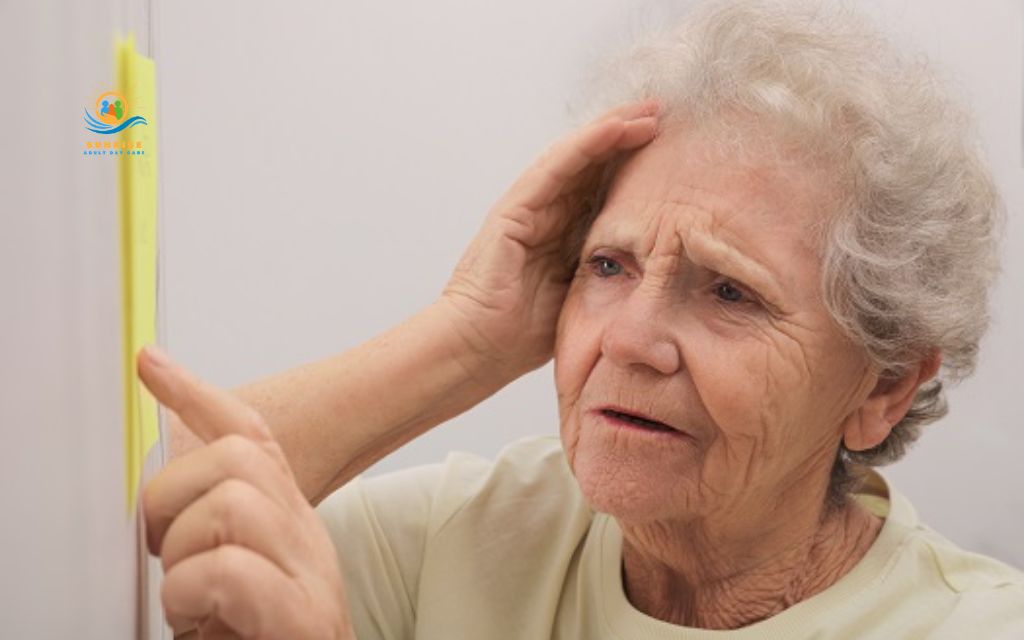
Alzheimer’s disease is the most common cause of dementia. Dementia is not a single disease but an umbrella term for a cluster of symptoms including memory loss, confusion, and changes in personality or behavior. Alzheimer’s causes these symptoms through the gradual buildup of amyloid plaques and tau tangles in the brain that disrupt and eventually kill nerve cells.
Signs and symptoms to watch for:
- Asking the same question or repeating the same story multiple times within a short period
- Forgetting the names of close family members, familiar places, or recent events
- Getting lost on a route that was once very familiar
- Trouble managing finances, following instructions, or completing tasks that were once routine
- Noticeable personality shifts such as increased suspicion, irritability, apathy, or social withdrawal
How to keep it under control:
- Seek a formal cognitive assessment early so families can plan and access support resources
- Ask a physician about medications such as cholinesterase inhibitors that may slow progression in early stages
- Incorporate daily cognitive stimulation through conversation, puzzles, music, and social engagement
- Establish safe home routines and clear visual cues to reduce confusion
- Connect with the Alzheimer’s Association for caregiver education, local support groups, and care planning tools
Learn more: how to deal with a parent with early dementia
COPD and chronic respiratory conditions
Chronic obstructive pulmonary disease (COPD) is a progressive lung condition that does not reverse, but can be meaningfully slowed with the right care. It encompasses two primary forms: emphysema, where the air sacs in the lungs are progressively destroyed, and chronic bronchitis, marked by persistent airway inflammation and mucus buildup. Smoking is the leading cause, though long-term exposure to air pollution or chemical fumes also contributes.
Signs and symptoms to watch for:
- A chronic cough that produces mucus or phlegm, especially in the morning
- Shortness of breath during ordinary activities such as walking or dressing
- Wheezing and chest tightness that worsens during respiratory infections
- Frequent colds or respiratory infections that take longer than usual to resolve
- Fatigue and unintentional weight loss in advanced stages
How to keep it under control:
- Quit smoking, as cessation is the single most effective step to slow COPD progression
- Avoid secondhand smoke, chemical fumes, and air pollution when possible
- Use bronchodilator inhalers and other prescribed medications consistently
- Enroll in a pulmonary rehabilitation program to rebuild breathing capacity and endurance
- Stay current on flu and pneumococcal vaccines, since infections are the leading trigger of COPD flares
Asthma
Asthma in older adults is frequently underdiagnosed because its symptoms are often mistaken for signs of heart disease, COPD, or simply “getting older.” Like many old people illnesses, asthma in seniors requires a different diagnostic approach than in younger patients.
Signs and symptoms to watch for:
- Recurring episodes of shortness of breath, especially at night or early morning
- Chest tightness or a sensation of pressure when breathing
- Persistent dry cough that does not produce mucus
- Wheezing that comes and goes, often triggered by cold air, allergens, or exercise
- Symptoms that worsen during allergy season or after exposure to dust, mold, or pet dander
How to keep it under control:
- Work with a physician or allergist to identify and document personal asthma triggers
- Use prescribed controller inhalers (such as corticosteroids) daily, not only during episodes
- Keep a rescue inhaler accessible at all times and ensure caregivers know how to use it
- Get the annual high-dose flu vaccine and pneumococcal vaccine to reduce respiratory infection risk
- Avoid known environmental triggers including tobacco smoke, strong fragrances, and dusty spaces
Other age-related illnesses families should not overlook
Osteoporosis and bone fractures
Osteoporosis causes bones to become porous and brittle, dramatically raising the risk of fractures from falls, or even from a cough or minor bump. It affects an estimated 10 million Americans, the vast majority of them women over 65. The condition is largely silent until a fracture occurs, most often in the hip, spine, or wrist.
Falls and balance disorders
Falls are not an illness, but they are among the most consequential health events linked to common illnesses in elderly adults. They typically result from a combination of muscle weakness, impaired balance, medication side effects, and home hazards. Structured physical activity, home safety modifications, and regular medication reviews are the most effective ways to reduce risk.
Learn more: Balance problems in seniors

Urinary tract infections (UTIs)
Urinary tract infections are among the most frequently misunderstood ailments of the elderly because they rarely present as expected. Instead of the usual burning or urgency, UTIs in seniors often cause sudden confusion, agitation, or a personality change, symptoms that are easily mistaken for dementia or stroke. Prompt medical evaluation and consistent hydration throughout the day are the two most important protective steps.
Pneumonia and influenza
The flu and pneumonia are far more dangerous for adults over 65 than for any other age group, because a weakened immune system and underlying chronic conditions make recovery significantly harder. What resolves in a week for a younger adult can become a serious hospitalization for a senior. Annual vaccination is the most effective and accessible form of prevention.
Learn more: flu shots and seniors
Vision and hearing loss
Gradual loss of vision and hearing is among the most underappreciated old age ailments because its consequences extend well beyond the senses themselves. Uncorrected vision raises fall risk, while untreated hearing loss is closely linked to accelerated cognitive decline. Annual eye and hearing exams, along with timely use of corrective aids, go a long way in protecting overall health.

Parkinson’s disease and other neurological conditions
Parkinson’s disease is a progressive neurological condition caused by the loss of dopamine-producing nerve cells, leading to tremors, muscle rigidity, slowed movement, and postural instability that raises fall risk. Early diagnosis allows families to begin physical and speech therapy before function declines significantly. While there is no cure, medication and structured exercise programs can manage symptoms effectively for many years
Early warning signs that something is wrong
Physical warning signs
Physical changes that warrant a conversation with a doctor include:
- Unexplained weight loss of more than 5% of body weight over six months
- A noticeable new shortness of breath during activities the senior previously handled without difficulty
- Persistent fatigue that does not improve with rest over several days
- Frequent falls or new unsteadiness when walking, turning, or standing from a chair
- Changes in bladder or bowel habits that persist for more than two weeks
- Swollen ankles or feet, slow-healing wounds, or bruises that appear without clear cause
Cognitive and emotional warning signs
Cognitive changes are often the first sign families notice, yet they are also the most frequently minimized. Forgetting an appointment once is normal; repeatedly forgetting recent conversations or becoming disoriented in a familiar neighborhood is not.
Other red flags include:
- Difficulty managing finances or following a recipe that was once routine
- Increased confusion in the late afternoon or evening, known as sundowning
- Noticeable personality changes such as growing suspicion, irritability, or social withdrawal
- Persistent sadness, anxiety, or a flat emotional affect that is new and unexplained
When to call 911 vs. when to schedule a visit
Call 911 immediately if a senior experiences:
- Sudden facial drooping on one side, arm weakness, or slurred speech (stroke signs)
- Severe chest pain or pressure lasting more than a few minutes
- Sudden shortness of breath at rest
- A serious fall with potential head injury or inability to get up
- Sudden confusion, loss of consciousness, or suspected medication overdose
Schedule an urgent primary care visit within a few days for:
- New unexplained weight loss noticed over several weeks
- A persistent cough lasting more than 3 weeks
- New fatigue without an obvious cause
- Changes in bowel or bladder habits that do not resolve on their own
- A noticeable decline in memory or daily functioning over a period of weeks
How families can support healthier aging at home
Preventive habits that lower disease risk
Annual wellness visits, a balanced diet, and consistent physical activity are the 3 pillars of disease prevention for older adults. Seniors should see their primary care physician at least once a year for screenings covering blood pressure, cholesterol, blood sugar, and cognitive health, many of which are covered by Medicare at no out-of-pocket cost.
A diet rich in vegetables, whole grains, fish, and healthy fats reduces cardiovascular and metabolic risk. Thirty minutes of moderate movement most days, even a daily walk, lowers the likelihood of heart disease, diabetes, falls, and depression. Staying current on recommended vaccines adds a final, high-impact layer of protection.
Medication management for seniors
Medication errors are a leading cause of hospitalizations in adults over 65 and a hidden complication of managing common illnesses in elderly adults across multiple specialists. Scheduling an annual medication review with a pharmacist or primary care physician helps identify duplicate medications, interactions, and drugs that are no longer appropriate for an older adult (a category known as the Beers List).
Practical tools like weekly pill organizers, blister packs, and smartphone reminder apps reduce the risk of missed or doubled doses. Family members who help manage medications should keep an up-to-date list of every drug, dosage, and prescribing doctor, and bring that list to every appointment.
Mental health and social connection
Seniors who spend most of their days alone, whether due to mobility limitations, the loss of a spouse, or a demanding family schedule, are at significantly higher risk of depression, anxiety, and accelerated cognitive decline. Loneliness is not simply an emotional experience; it has real, measurable effects on physical health, including weakened immune function and faster memory loss.
Keeping older adults socially engaged, through a weekly lunch group, a faith community, a senior center, or a structured day program, gives the aging brain the stimulation it needs to stay sharper for longer. Even small, consistent moments of connection carry meaningful protective benefits over time.
Creating a safer home environment
Most falls and medication errors happen at home. A safety walkthrough by a family member or occupational therapist can identify risks before an injury occurs. Key areas to address include removing loose rugs and clutter from walkways, installing grab bars in the bathroom, and improving lighting in hallways and stairwells.
Using non-slip bath mats and stair treads, checking that medications are stored correctly and not expired, and considering a medical alert device for a senior who lives alone all add meaningful layers of protection. Smart home tools such as motion-sensor lighting and automatic stove shut-off devices can further reduce daily risk.
See more: 5 pillars of wellness
How adult day care helps manage common illnesses in seniors
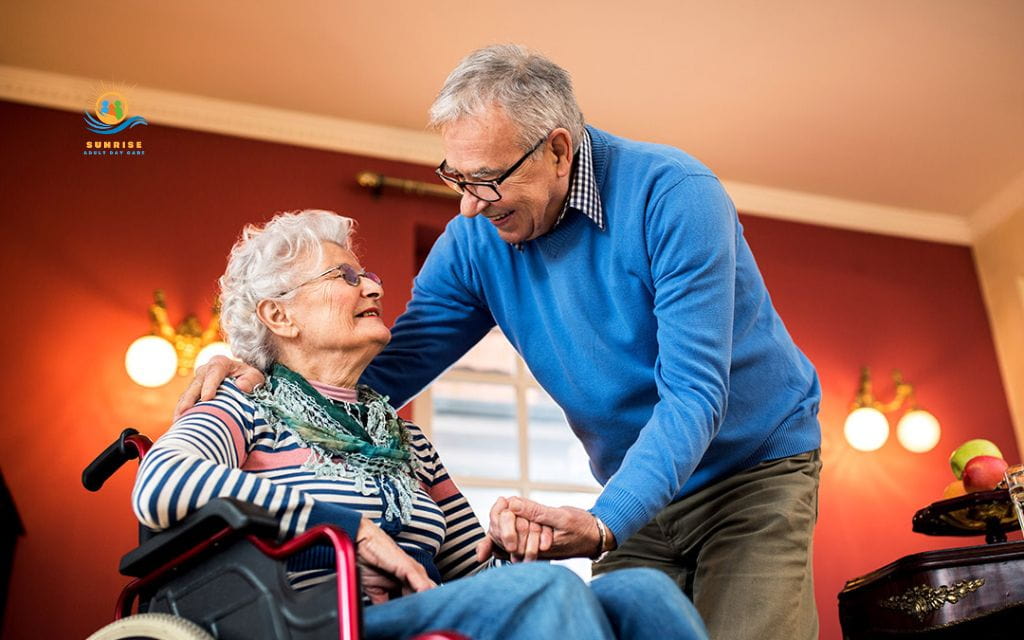
For families navigating the daily demands of eldercare, a structured adult day program offers a level of support that is difficult to replicate at home. Here is what consistent attendance typically provides:
- Daily nursing oversight: Licensed staff monitor vital signs, blood pressure, blood sugar, and medications throughout the day, catching small changes before they become serious.
- Cognitive and physical engagement: Group activities, memory exercises, and supervised movement help slow the progression of age related illnesses like mild cognitive impairment and help maintain mobility and balance.
- Condition-appropriate nutrition: Meals are planned around common diagnoses including diabetes, heart disease, and swallowing difficulties, supporting health goals that are hard to manage at home.
- Social connection: Regular interaction with peers and staff reduces the isolation that accelerates depression and cognitive decline in older adults.
- Caregiver relief: When a loved one is safely supervised during the day, family caregivers can work, rest, and attend to their own health without guilt or anxiety.
Conclusion
The common illnesses in elderly adults are far more manageable than many families realize. With early detection and the right daily support in place, most disease for old age can be slowed, treated, or lived with well. The difference often comes down to acting before a crisis rather than responding to one.
If you are caring for an aging parent in Denver, Colorado or Garland, Texas, you do not have to figure this out alone. Sunrise Adult Daycare exists to be that support, a place where your loved one is genuinely known, carefully monitored, and warmly welcomed every day.
Schedule a tour of our facility and see how we help your loved one stay safe, active, and well-cared for, so you can focus on the moments that matter most. Call us at 303-226-6882 or schedule a tour of our facility and see how we help your loved one stay safe, active, and well-cared for.
Frequently asked questions (FAQs)
What is the most common illness in elderly adults?
High blood pressure (hypertension) is the most common illness in elderly adults in the United States, according to the National Council on Aging. It is followed closely by high cholesterol and arthritis. The high prevalence of hypertension makes routine blood pressure monitoring at home and during medical visits one of the most important preventive habits for any senior and their family.
What are the early signs of illness in seniors?
Early signs of common illnesses in elderly people are often subtle and non-specific. Physical red flags include unexplained weight loss, new shortness of breath, persistent fatigue, slow-healing wounds, and increased falls or unsteadiness. Cognitive and emotional signals include repeating questions, confusion in familiar places, withdrawal from social activities, and difficulty managing tasks that were previously routine.
How can families prevent common diseases of the elderly?
Families can meaningfully reduce the risk of common illnesses in elderly loved ones by supporting five key habits: ensuring annual wellness visits and recommended health screenings, encouraging 30 minutes of daily physical activity, helping maintain a nutrient-dense diet low in sodium and added sugar, promoting social engagement and cognitive stimulation, and conducting a home safety assessment to reduce fall risk.
What age is considered frail in the elderly?
Frailty is a clinical syndrome rather than a fixed age threshold, but it is most commonly identified in adults over 80. Clinically, frailty is defined by the presence of three or more of the following five criteria, established by geriatric researcher Dr. Linda Fried: unintentional weight loss of more than 10 lbs in the past year, self-reported exhaustion, weakness measured by grip strength, slow walking speed, and low physical activity.
What are the big 4 diseases of aging?
The “big 4” diseases of aging, the most severe common illnesses in elderly Americans, are cardiovascular disease (including heart disease and stroke), cancer, diabetes, and dementia (including Alzheimer’s disease). These 4 conditions account for the majority of illness, disability, and death in adults over 65 in the United States.
When should I consider adult day care for my parents?
Adult day care is worth exploring when any of the following situations arise: your parent is spending most of the day alone with little structured activity, you have noticed early memory changes or increased fall risk, you are managing caregiving alongside a full-time job and feeling overwhelmed, or your parent has chronic conditions such as diabetes, heart disease, or early-stage dementia that benefit from daily medical supervision.