Skip to content
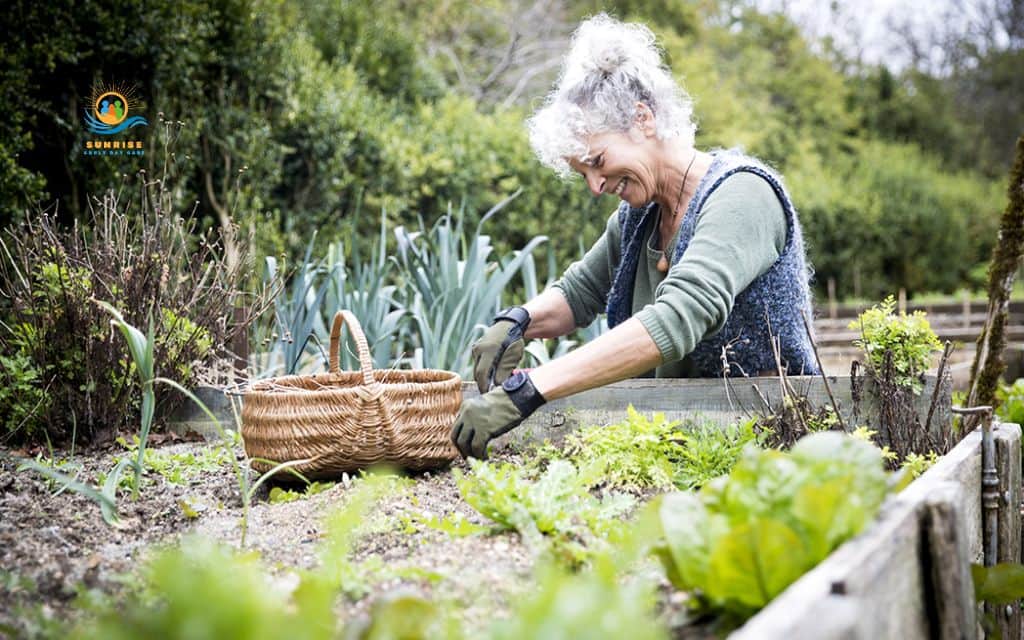
Gardening is one of the most rewarding hobbies for older adults. It keeps the body moving, the mind engaged, and the spirit refreshed. But as the years go on, the physical demands of traditional gardening can become genuinely difficult or even painful.
That is where raised garden beds make all the difference. By bringing the soil up to a comfortable working level, raised garden beds make gardening more accessible, comfortable, and enjoyable for seniors.
Whether you are gardening at home, enjoying the green spaces of a senior community, or participating in an organized activity at an adult day care program, the right raised bed can help you maintain independence while reducing physical strain.
This guide walks you through the best options available, the ideal heights and materials, what to plant, and practical tips to make the most of your garden.
Why raised garden beds are ideal for seniors
Less bending and kneeling
The most immediate benefit of a raised garden bed is the elimination of deep bending and kneeling. When a bed is elevated to waist height, you can tend to your plants while standing upright or sitting on a chair.
This reduces pressure on the lower back, hips, and knees. For seniors managing chronic back pain or recovering from joint surgery, this single feature can be the difference between gardening and not gardening at all.
Easier access for people with arthritis or joint pain
Arthritis affects millions of older adults and is one of the most common reasons people pull back from physical hobbies. Raised garden beds eliminate the need to lower yourself to ground level entirely. You work at a natural arm height, use ergonomic tools more effectively, and spend far less time in positions that strain inflamed joints.
Improved safety and stability
Raised garden beds with wide, stable edges allow seniors to sit or lean safely while working. Some designs come with built-in seating edges or sturdy frames that can double as support surfaces. For seniors who use canes or walkers, there is no need to lower themselves to the ground at all, which keeps them upright, balanced, and safe throughout their gardening session.
More comfortable gardening sessions
When gardening does not hurt, it is possible to enjoy it for longer. Raised beds allow seniors to garden at a pace and posture that suits their body. Many older adults find they can spend 30 to 45 minutes in a raised bed garden without the fatigue or discomfort they would experience at the same time on their knees.
Reduced weeding and maintenance
Raised beds give you full control over what goes into the soil, which means you can start with a high-quality, weed-resistant growing medium. Because the soil in a raised bed is not walked on or compressed, it stays loose and well-drained, which reduces the need for frequent turning or tilling. Fewer weeds mean less bending and less time on maintenance tasks.
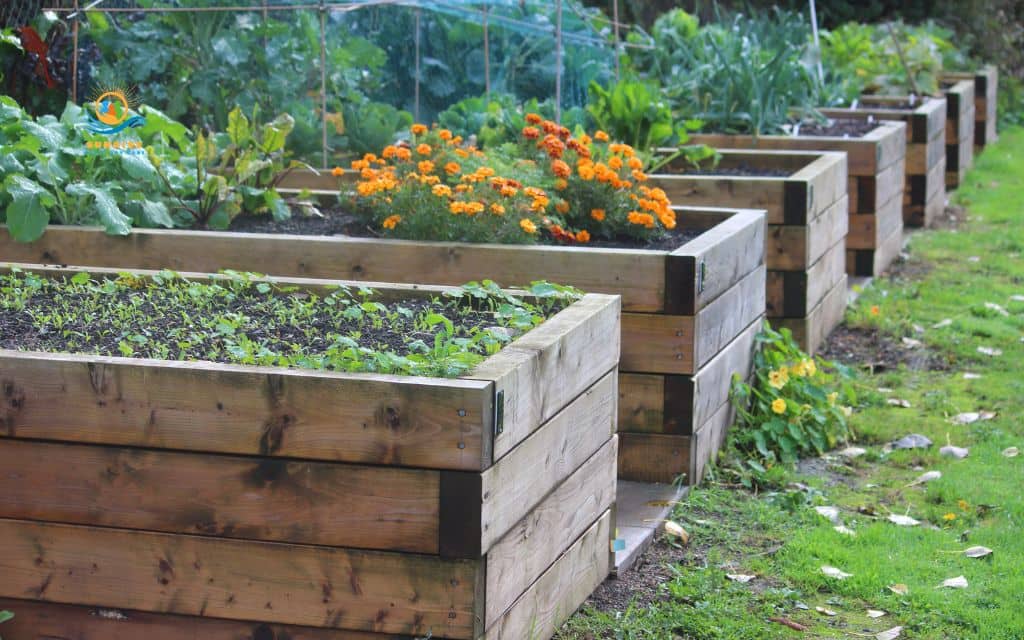
Best types of raised garden beds for elderly
Raised garden beds come in many forms, and the right type depends on your mobility level, available space, budget, and gardening goals. Here is a look at the most popular options for older adults.
Elevated raised garden beds
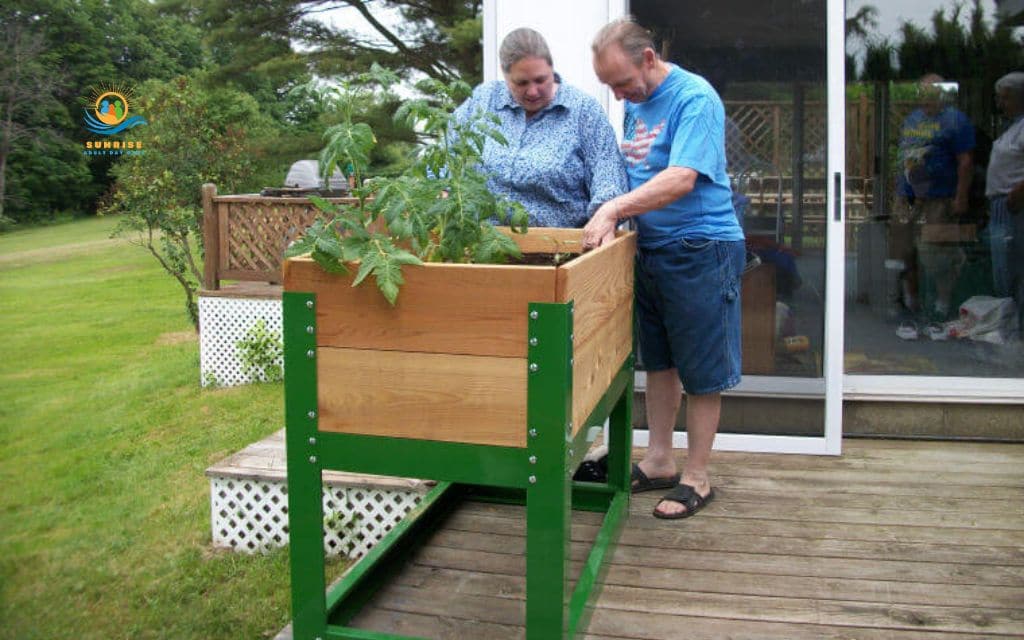
Elevated raised garden beds sit on legs, bringing the planting surface up to waist height or even counter height. These are the gold standard for seniors who want to avoid bending entirely.
Elevated beds are popular for patios, balconies, and small spaces where in-ground planting is not an option. They pair with a garden stool or chair, allowing seniors to alternate between standing and sitting without interrupting their work.
Many elevated designs also include under-frame storage shelves for tools and supplies.
Traditional raised garden beds
Traditional raised garden beds sit on the ground and are 6 to 24 inches tall. They are among the most affordable and versatile options available and are suitable for most home gardens with reasonable outdoor space.
While they do not eliminate bending completely, a height of 18 to 24 inches significantly reduces the amount of stooping required compared to in-ground planting. These beds are available in kit form, easy to assemble, and can be customized to virtually any size.
Wheelchair-accessible raised garden beds
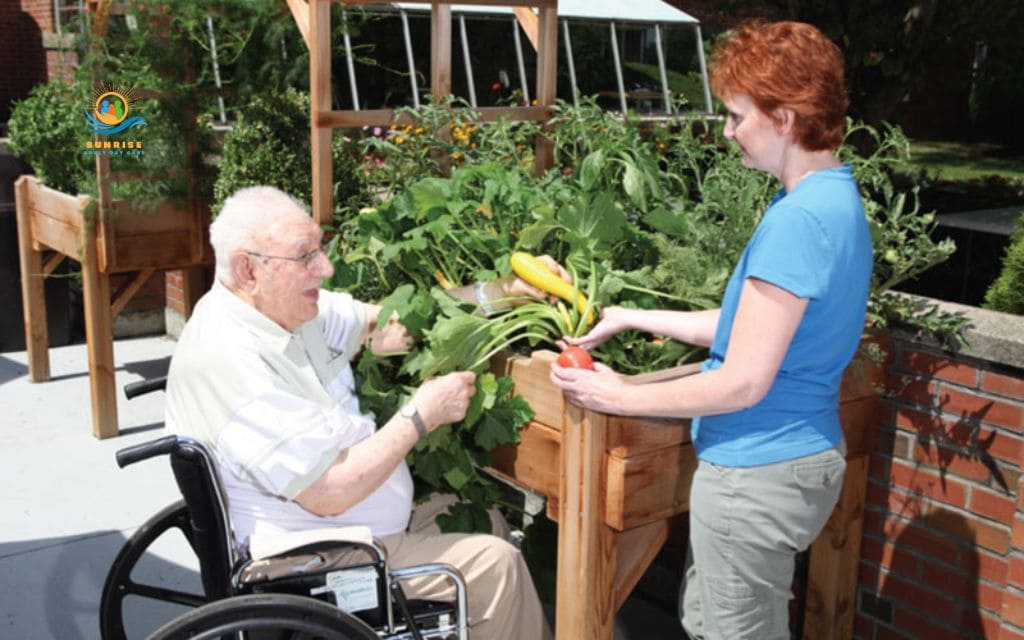
Wheelchair-accessible raised garden beds are designed with open or recessed space underneath so a wheelchair can roll under the planting surface. This brings the soil within easy reach from a seated position without requiring the gardener to stretch or strain.
ADA-friendly designs typically feature a planting surface between 28 and 32 inches high, a depth of no more than 12 inches (so the back of the bed is reachable from the front), and a width of no more than 24 to 30 inches on each side.
Raised beds with built-in seating
Some raised garden bed designs come with wide, flat edges sturdy enough to sit on, effectively building a seating area directly into the bed. This is an excellent feature for seniors with limited stamina who need to take frequent rest breaks. Rather than walking away from the bed to find a chair, the gardener simply sits on the edge, rests for a few minutes, and picks right back up.
Modular raised garden systems
Modular raised garden systems consist of interlocking sections that can be configured into countless shapes and sizes. You can start small with a single panel kit and expand over time as your interest and energy levels allow. If your mobility changes, the layout can be reconfigured to make access easier, corners can be opened up, paths widened, or height sections added.
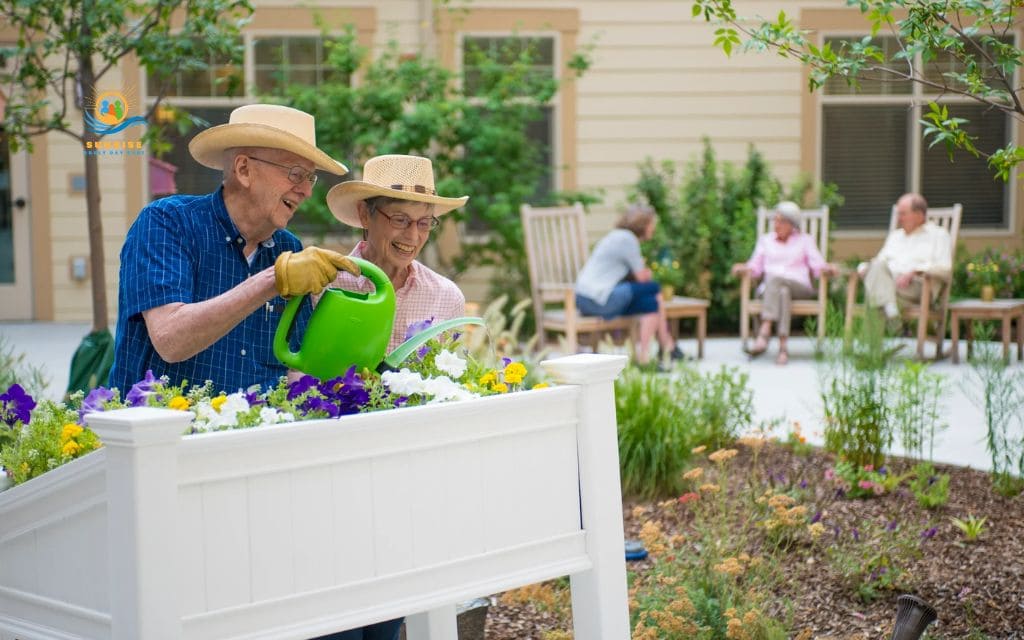
What is the best height for raised garden beds for elderly?
Height is the single most important factor when choosing a raised garden bed for an older adult. Here is a straightforward guide to the most common height ranges and who each one suits best:
- 12 – 18 inches: A modest improvement over in-ground planting, this height is best suited to younger, fully mobile seniors who primarily want better drainage and soil quality rather than reduced physical strain.
- 24 inches: Widely regarded as the most practical comfort height for older adults. Most seniors can tend the near edge with very little bending, and a low garden stool brings the soil right to elbow level for seated gardening.
- 30 – 36 inches: Ideal for seniors who want to garden entirely without bending or who experience significant back or hip pain.
- 28–36 inches with open clearance underneath: The recommended range for wheelchair-accessible raised beds. The open space allows the wheelchair to roll directly under the planting surface, bringing soil within comfortable reach from a seated position.
Choosing the right material for your garden bed
The material your raised garden bed is made from affects its longevity, appearance, weight, and how much maintenance it requires. Here is an overview of the most common options.
Wooden raised garden beds
Wood is the traditional choice for raised garden beds and remains a popular option for good reason. It looks natural in a garden setting, insulates soil temperature well, and is easy to work with for DIY projects.
- Cedar and redwood are the top choices for outdoor use because they are naturally resistant to rot, insects, and moisture.
- Untreated pine is a less expensive alternative but will deteriorate more quickly in wet climates.
- Pressure-treated lumber is durable but requires careful selection of modern, arsenic-free formulas to ensure it is safe for growing food.
Metal raised garden beds
Galvanized steel and Corten (weathering steel) raised garden beds have surged in popularity in recent years, and for good reason. They are extremely durable, weather-resistant, and virtually maintenance-free. A quality metal raised bed can last 20 years or more without rotting, warping, or requiring repainting.
Composite raised garden beds
Composite raised garden beds are made from a blend of recycled wood fibers and plastic. This combination gives composite beds the natural look of wood without the susceptibility to rot, insects, or moisture damage.
They do not need to be painted, sealed, or treated, and they hold up well in all climates. Many composite products also incorporate recycled materials, making them an eco-friendly option.
Composite beds are generally heavier than plastic alternatives but lighter than solid wood, and they are available in a range of colors and finishes. For seniors who want a low-maintenance garden bed that still looks like wood, composite is an excellent middle-ground choice.
Plastic and resin raised garden beds
Plastic and resin raised garden beds are the lightest and most portable option available, which makes them practical for seniors who may want to rearrange their garden space or move the bed indoors during winter.
They are also among the most affordable options and can be assembled in minutes without tools. While they may not last as long as wood or metal beds, high-quality UV-stabilized resin can hold up well for many years.
Best plants for raised garden beds for seniors
One of the biggest advantages of raised garden beds is that you control the soil, which means you can grow almost anything. That said, the best choices for seniors are plants that reward a modest investment of time and energy with reliable, satisfying results.
Here are the top picks across 3 categories:
Easy vegetables to grow
Vegetables are among the most rewarding things to grow in a raised bed. They offer the satisfaction of producing food, and many can be harvested repeatedly throughout the season.
The following are among the easiest and most productive choices for seniors.
- Lettuce: Fast-growing and can be harvested leaf by leaf over many weeks. Grows well in shallow beds and partial shade, making it ideal for smaller or partially shaded patios.
- Tomatoes: One of the most popular choices for raised beds. Bush-type or determinate varieties stay compact and productive without requiring extensive staking. Cherry tomatoes are particularly easy and prolific.
- Green beans: Bush varieties require no staking and produce a generous harvest from a small space. They are easy to plant from seed and ready to pick within about 50 to 60 days.
- Peppers: Both sweet and mild pepper varieties thrive in the warm, well-drained soil of a raised bed. They are low-maintenance once established and produced throughout the summer.
Low-maintenance herbs
Herbs are among the most practical and sensory-rich plants for a senior garden. They require minimal space and care, and many can be harvested repeatedly.
The scent and texture of fresh herbs also make them a wonderful choice for sensory garden programs in adult day care settings.
- Basil: Grows quickly in warm weather and thrives in the excellent drainage of a raised bed. Pinch off flower buds as they appear to keep the plant producing flavorful leaves all season.
- Mint: Easy to grow and nearly impossible to kill, though it should be planted in its own container or confined area within the bed to prevent spreading. Peppermint and spearmint are both popular choices.
- Parsley: A hardy, versatile herb that grows well in both sun and partial shade. It can be harvested continuously throughout the growing season and is useful in the kitchen.
- Chives: One of the lowest-maintenance herbs available, chives come back year after year and require almost no attention. They also produce attractive purple flowers that pollinators love.
Colorful flowers for pollinators
Flowers add beauty, color, and life to a raised bed garden and many varieties are also excellent pollinator plants that support bees and butterflies.
- Marigolds: Hardy, long-blooming, and pest-resistant. Marigolds are easy to grow from seed or transplant and produce vivid orange and yellow blooms all summer long.
- Zinnias: Fast-growing and brilliantly colorful, zinnias are one of the easiest and most rewarding flowers to grow from seed. They bloom continuously and are excellent for cutting.
- Lavender: A calming, fragrant perennial that thrives in the well-drained soil of a raised bed. Lavender’s scent has well-documented relaxing properties, making it a thoughtful choice for senior garden spaces.
- Coneflowers (Echinacea): Tough, drought-tolerant perennials that return year after year. They produce beautiful purple or pink blooms beloved by butterflies and bees and require very little attention once established.
Raised bed gardening tips for seniors
A well-chosen raised garden bed is a great start, but a few practical habits can make the experience even safer, more comfortable, and more rewarding.
- Choose easy-to-grow, low-maintenance plants such as herbs, lettuce, tomatoes, and marigolds. Starting with forgiving plants builds confidence and ensures early success.
- Use ergonomic tools and lightweight equipment to reduce strain on the hands, wrists, and back. Look for tools with cushioned grips, extended handles, and lightweight designs made specifically for ease of use.
- Install a drip irrigation or self-watering system to minimize watering chores and conserve energy. Self-watering raised beds with built-in reservoirs are particularly convenient and help prevent both overwatering and underwatering.
- Add mulch around plants to reduce weeds, retain soil moisture, and lower overall maintenance needs. A 2- to 3-inch layer of organic mulch can dramatically cut down on the time spent weeding and watering.
- Garden safely and comfortably by taking regular breaks, staying hydrated throughout each session, and choosing to work during the cooler parts of the day to avoid heat exhaustion.
Conclusion
Gardening does not have to stop as the body changes. Raised garden beds give older adults the tools to continue doing something they love without the pain or strain that traditional gardening can bring. The right design can improve comfort, safety, independence, and genuine daily enjoyment.
Whether used at home by an independent senior, incorporated into an assisted living outdoor space, or set up as part of a structured activity in an adult day care program, accessible raised garden beds support far more than plant growth. They support physical health through gentle activity, emotional well-being through purpose and achievement, and meaningful social connection when gardening is shared with others.
The best raised garden bed for a senior is the one that fits their body, their space, and their goals, and there has never been a wider or better selection of options to choose from.
About Sunrise Adult Daycare
At Sunrise Adult Daycare, we believe that staying active, engaged, and connected is at the heart of healthy aging. Our structured daytime programs include meaningful activities that bring seniors together in a warm, supportive environment. Explore how our adult daycare program can help your loved one stay active and live with purpose.
Call us at 303-226-6882 or visit us in person to learn more.
Frequently asked questions (FAQs)
What is the best raised garden bed height for seniors?
The most widely recommended height for seniors is 24 to 30 inches. This range allows most older adults to work comfortably while standing with minimal bending, and it is also suitable for seated gardening with a stool or chair.
Are raised garden beds easier for people with arthritis?
Yes. Raised garden beds eliminate the need to lower your body to the ground, which is one of the most painful movements for people with arthritis in the knees, hips, and lower back. Working at an elevated surface also allows the use of ergonomic tools at a natural arm angle, reducing grip strain on arthritic hands and wrists.
Can wheelchair users use raised garden beds?
Absolutely. Wheelchair-accessible raised garden beds are designed with open space underneath so the chair can roll directly under the planting surface. This places the soil within comfortable reach without any bending or stretching. Look for beds with at least 27 inches of knee clearance underneath and a planting depth of no more than 12 inches.
What vegetables grow best in raised beds?
Raised beds are well suited to a wide range of vegetables. Lettuce, tomatoes, peppers, green beans, cucumbers, radishes, and carrots all perform extremely well due to the excellent drainage and loose, nutrient-rich soil. For seniors, compact bush-type tomatoes and cut-and-come-again salad greens are among the easiest and most rewarding choices.
Are elevated garden beds worth the cost?
For seniors with mobility limitations, arthritis, or back pain, elevated garden beds are often absolutely worth the investment. The ability to garden without bending or kneeling can extend a person’s active gardening years significantly and make the activity genuinely pain-free. Budget-friendly elevated options are available at many price points, and the long-term benefit to physical and mental well-being is substantial.
How deep should a raised garden bed be?
For most vegetables, herbs, and flowers, a soil depth of 12 inches is sufficient. Root vegetables like carrots and parsnips benefit from 18 inches or more. For wheelchair-accessible beds, keeping the planting depth at 12 inches or less is important so that the back of the bed remains easily reachable from the front without stretching.
How to build a raised garden bed for the elderly?
To build a senior-friendly raised garden bed, choose rot-resistant wood such as cedar or use galvanized steel panels, and set the frame height at 24 to 30 inches using sturdy corner posts or legs. Keep the width to no more than 24 inches on each reachable side so all plants can be tended without overreaching. Fill with a quality garden mix of topsoil, compost, and perlite. Add wide, flat edges sturdy enough to sit on for added comfort and safety.
What are the drawbacks of raised garden beds?
The main drawbacks are the upfront cost and the need to fill the bed with purchased soil, which adds to the initial investment. Raised beds also dry out more quickly than in-ground gardens in hot weather, which means more frequent watering unless a drip or self-watering system is installed. Finally, very tall beds require careful consideration of structural stability to ensure they will not tip under the weight of wet soil.