
Many seniors spend a large portion of their time indoors. Mobility limitations, chronic health conditions, and harsh weather all make it harder to get out and stay active. When days begin to blur together, boredom is not far behind. And boredom, over time, can quietly lead to loneliness, low mood, and a decline in both physical and mental well-being.
The good news is that there are many safe, enjoyable, and meaningful indoor activities for seniors that suit every ability level. Whether someone is looking for a light mental challenge, a creative outlet, a way to stay physically active, or simply a reason to smile, the right activity can make a real difference in how a day feels.
In this guide, we share 29 practical indoor activities for older adults, along with tips for staying engaged at home. We also touch on when a more structured daytime program might offer the social connection, supervision, and enrichment that home life alone may not fully provide.
Benefits of indoor activities for seniors
Staying active and engaged indoors is about much more than passing time. Research shows that regular mental, social, and physical engagement plays a meaningful role in healthy aging. Here is what the right activities can do.
Reduce loneliness and isolation
Social disconnection is one of the most serious health risks for older adults. According to the National Institute on Aging, social isolation is associated with increased risks of depression, cognitive decline, and even cardiovascular disease.
Indoor activities that involve other people, whether a video call with grandchildren, a board game with a neighbor, or group crafts at a senior center, help maintain the human connection that is so vital to well-being.
Support brain health and memory
Activities like puzzles, word games, trivia, and learning new skills challenge the brain to form and strengthen neural connections. According to the Alzheimer’s Association, mentally stimulating activities may help delay the onset of cognitive decline and support memory function in older adults.
The goal is not perfection. It is gentle, consistent engagement. Even activities that feel simple, such as sorting photographs or playing a familiar card game, can keep the mind active and focused.
Encourage gentle physical movement
For seniors with limited mobility, exercise does not have to mean strenuous workouts. Gentle chair exercises, light stretching, and even slow indoor walking can improve circulation, maintain muscle strength, reduce joint stiffness, and support balance. Physical activity also releases endorphins, which naturally lift mood and reduce feelings of anxiety.
The Centers for Disease Control and Prevention (CDC) recommends that older adults get at least 150 minutes of moderate-intensity activity per week, and that even small amounts of movement are better than none.
Indoor activities make it possible to meet this goal safely, regardless of the weather outside.
Improve mood and daily routine
Structure and purpose are powerful contributors to emotional well-being. Seniors who have a predictable daily routine, with dedicated time for activities they enjoy, tend to report higher levels of happiness and a stronger sense of identity and meaning.
Creative activities like painting, knitting, or baking also provide a tangible sense of accomplishment. Finishing a scrapbook page, completing a puzzle, or baking a batch of cookies gives older adults something concrete to feel proud of, which can be a meaningful mood booster, especially on difficult days.
29 safe indoor activities for seniors
The activities below are organized into six groups to make it easy to find the right fit for any mood, ability level, or occasion. Mix and match across categories for a well-rounded and enjoyable daily routine.
1. Reading books or magazines
Reading is one of the most accessible and rewarding indoor activities for the elderly. Large-print books, audiobooks, and digital e-readers make reading easier for seniors with vision challenges. Local libraries often offer free home delivery services for older adults, and many public libraries provide free access to audiobooks and digital titles through apps like Libby.

2. Listening to music or radio
Music has a remarkable ability to lift mood, trigger happy memories, and even soothe anxiety. Whether it is a favorite radio station, a curated playlist of songs from younger years, or a classical music channel, listening to music is a simple and deeply satisfying activity.
For seniors with dementia, familiar music can be particularly powerful in reducing agitation and sparking emotional engagement.
3. Watching favorite TV shows or movies
Enjoying a familiar television series, a classic film, or a nature documentary is a comfortable way to spend quiet time indoors. Streaming services offer a wide range of content suited to older viewers, and many seniors enjoy discussing what they watched with family members or caregivers afterward, turning a solo activity into a social one.
4. Looking through photo albums
Browsing through photographs is a meaningful activity that combines nostalgia with gentle mental engagement. For seniors with mild cognitive decline, looking at familiar faces and places can help stimulate memory and conversation. Families can help by organizing albums by decade, person, or occasion to make the experience even more enjoyable.
5. Journaling or writing letters
Writing is a wonderful way for seniors to process thoughts, preserve memories, and stay connected to others. A daily journal entry does not need to be long or formal. Even a few sentences about the day, a favorite memory, or something to be grateful for can be meaningful. Writing handwritten letters to family members or old friends adds a warm, personal touch that email often cannot replicate.

6. Coloring or simple art
Adult coloring books have grown enormously in popularity among older adults, and for good reason. Coloring is meditative, requires no artistic skill, and produces a finished product that can be shared or displayed. Simple sketching and doodling offer a similar benefit. Art activities like these encourage focus and creativity while keeping hands gently busy.
7. Crossword puzzles
Crossword puzzles are a classic brain-stimulating activity that challenge vocabulary, general knowledge, and problem-solving skills. They are available in newspapers, books, and free online versions.
Beginners can start with simple puzzles and work up to more challenging ones at a comfortable pace. Doing crosswords regularly is associated with better cognitive function in older adults.
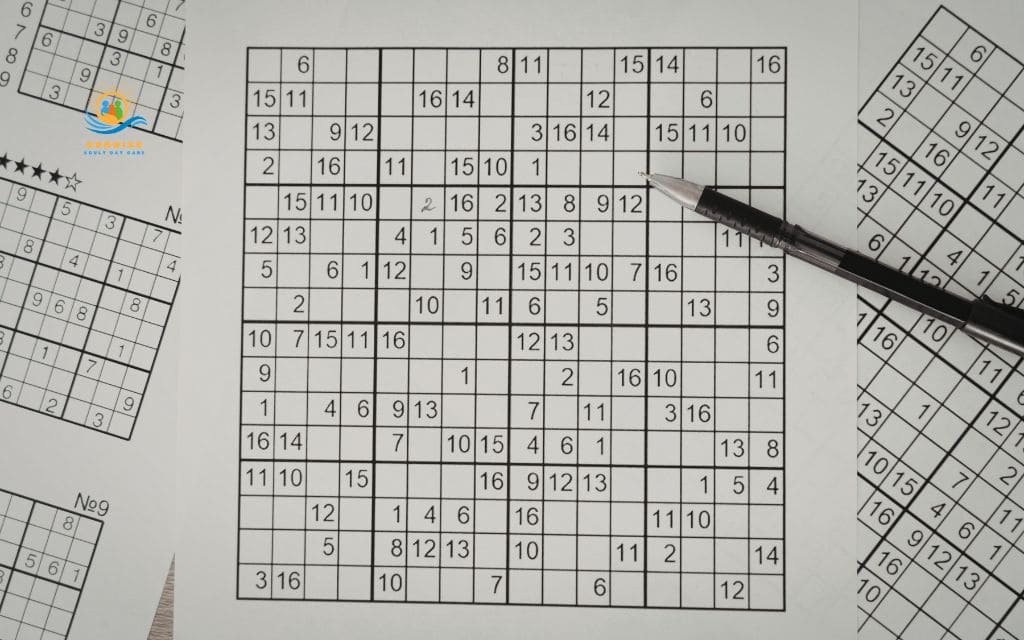
8. Sudoku or number games
Sudoku is a logic-based number puzzle that does not require mathematical ability, only reasoning and patience. It is available in print and on tablets or smartphones. Other number games, such as KenKen or simple math puzzles, offer similar cognitive benefits. These activities help seniors practice concentration and logical thinking in a low-pressure, enjoyable format.
9. Word search puzzles
Word search puzzles are gentle on the mind while still providing meaningful mental stimulation. They are well-suited for seniors at varying cognitive levels, including those with mild memory concerns, because they feel achievable without being frustrating. Large-print versions are widely available and make them accessible for those with reduced vision.
10. Memory card games
Memory matching games, where players flip cards and try to find matching pairs, are fun for seniors on their own or with a partner. These games exercise short-term memory and attention.
Classic card games such as Go Fish, War, or Gin Rummy also provide excellent mental engagement and can double as social activities when played with caregivers or family members.
11. Trivia games
Trivia is a social and mentally stimulating activity that works wonderfully in groups. History, geography, music, and pop culture trivia are particularly popular among older adults because they draw on long-term memory, which tends to remain strong even as short-term memory changes. Families can host trivia nights at home, or seniors can find trivia apps and TV game shows that offer a similar experience.
12. Learning something new (language, hobby)
Learning a new skill at any age challenges the brain in particularly meaningful ways. Free or low-cost apps like Duolingo make it easy for seniors to explore a new language at their own pace. Online platforms like YouTube offer beginner tutorials for drawing, cooking, gardening, photography, and hundreds of other hobbies. The process of learning, not just the result, is what provides the greatest cognitive benefit.
13. Painting or drawing
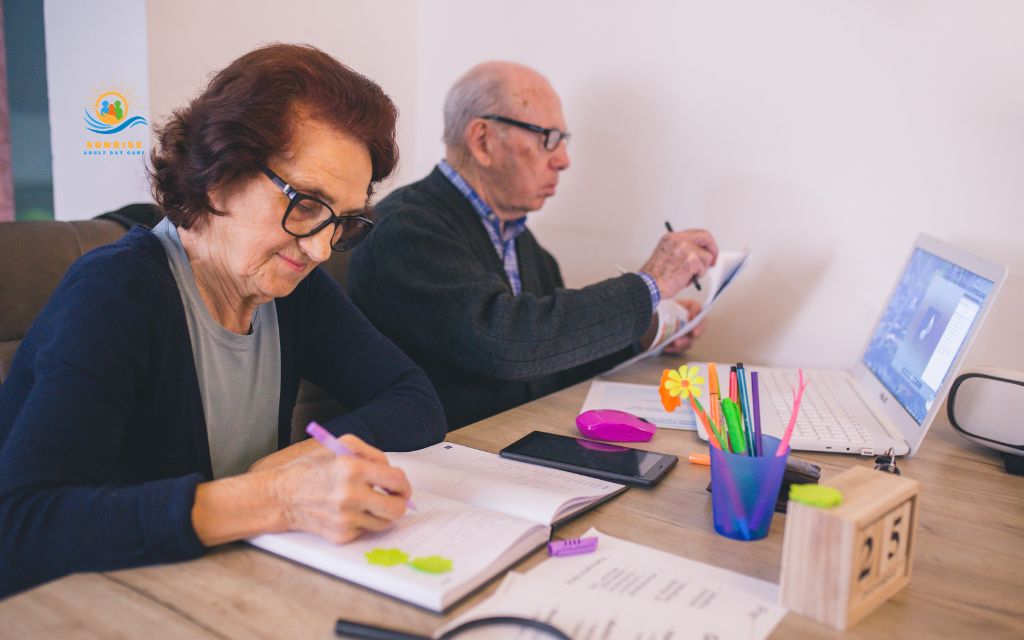
Painting and drawing are accessible to seniors at virtually all skill levels. Watercolor sets, acrylic paints, and simple pencil sketching require minimal setup and can be done at a table or even in a comfortable chair. The goal is not to produce a masterpiece but to enjoy the process of creating. Many seniors find these activities deeply calming and satisfying.
14. Knitting or crocheting
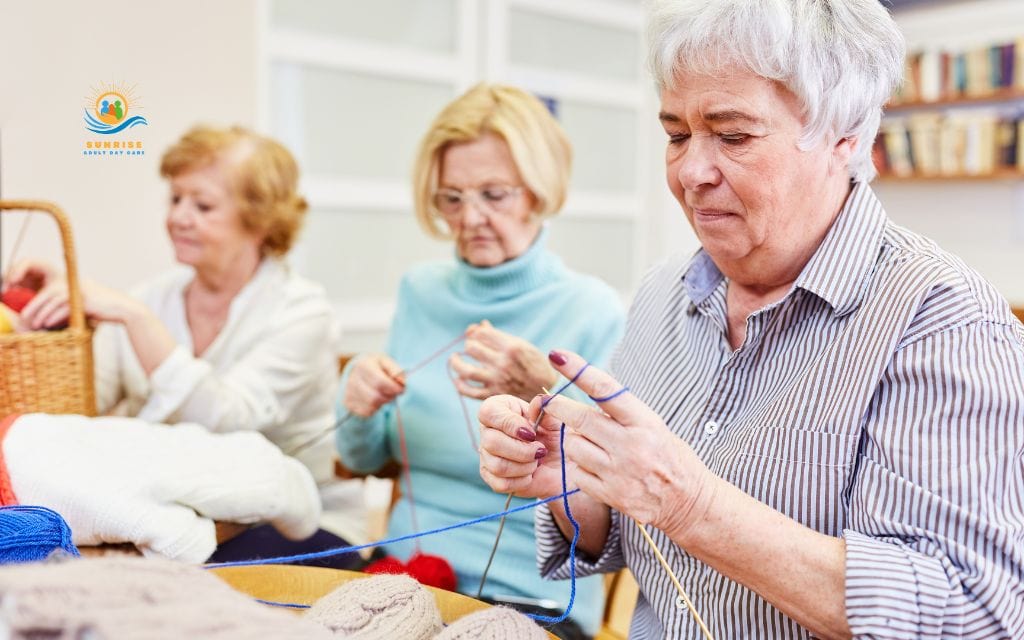
Knitting and crocheting are beloved activities among older adults that combine gentle hand movement with a creative and productive outcome. Working on a scarf, a small blanket, or a simple dishcloth gives seniors a tangible project to look forward to each day.
These activities are also known to reduce stress and improve fine motor skills. Beginners can learn from free online videos or community classes.
15. Scrapbooking
Scrapbooking combines creative expression with personal storytelling. Seniors can spend happy hours gathering photographs, handwritten notes, ticket stubs, and other mementos to create a lasting memory book for themselves or to share with family.
The activity gently engages memory, creativity, and fine motor skills all at once. Digital scrapbooking tools offer an alternative for those who prefer working on a tablet or computer.
16. DIY crafts
Simple DIY craft projects can be adapted to any ability level and interest. Making decorative items for the home, creating holiday decorations, assembling simple birdhouses, or making homemade candles are just a few examples.
Craft kits designed for adults are available at most hobby stores and online retailers, making it easy to get started without needing to gather individual supplies.
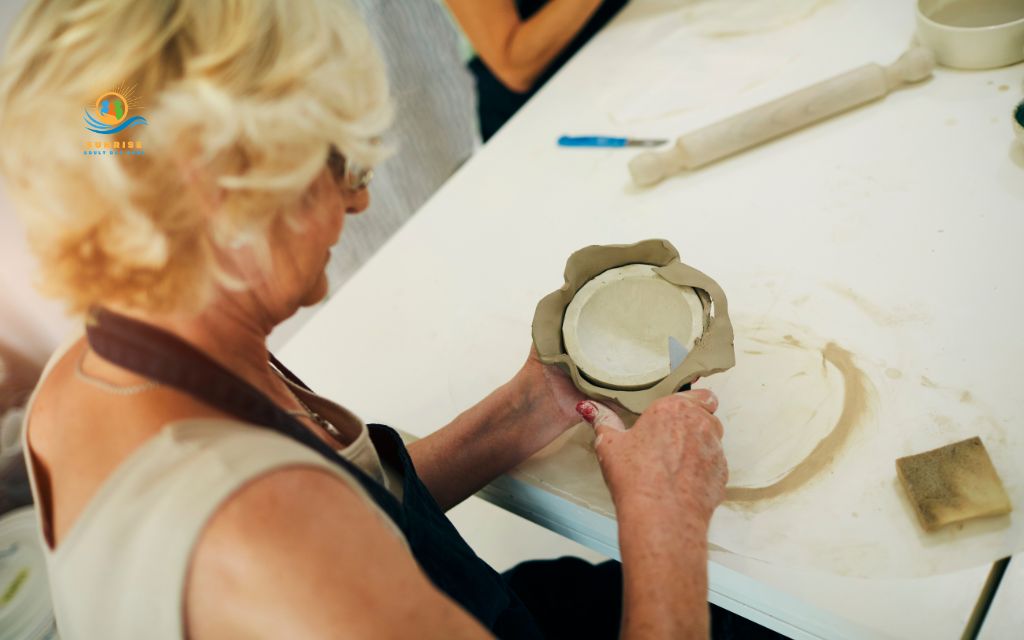
17. Making greeting cards
Creating handmade greeting cards for birthdays, holidays, or just-because occasions is a deeply meaningful activity that also strengthens social bonds.
Seniors can use card stock, stamps, stickers, pressed flowers, or simple watercolor to design unique cards for family and friends. The knowledge that something handmade will bring joy to a recipient adds an extra layer of purpose to the activity.
18. Video calls with family
Regular video calls with children, grandchildren, and old friends help seniors stay connected to the people who matter most. Platforms like FaceTime, Zoom, and Google Meet are free and increasingly easy to use on tablets and smartphones.
Even a short weekly call can dramatically reduce feelings of isolation and give seniors something to look forward to. Caregivers can help set up scheduled calls to create a dependable routine.

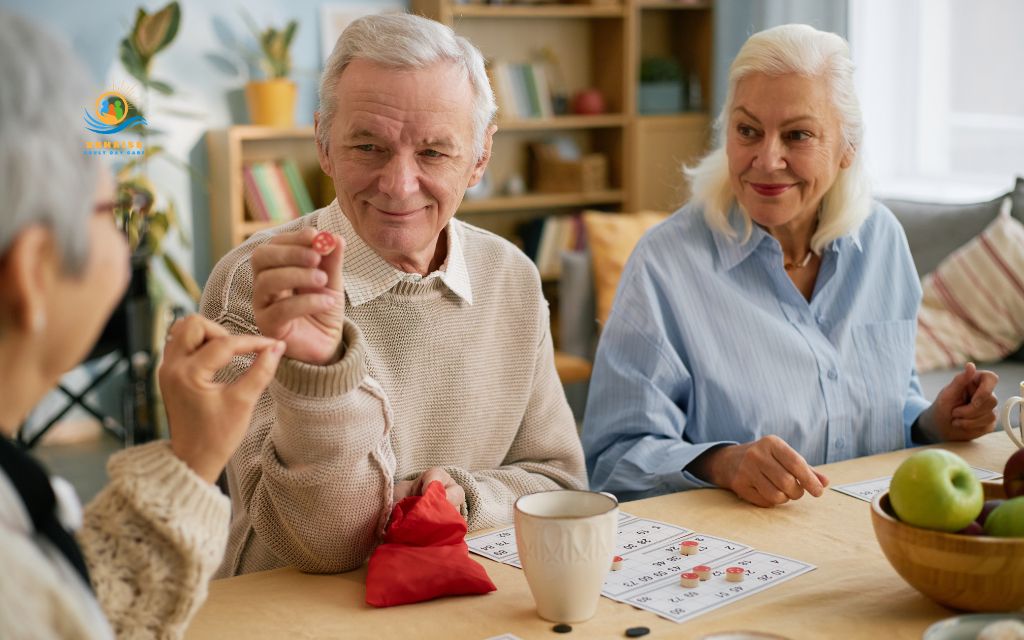
19. Playing board games with others
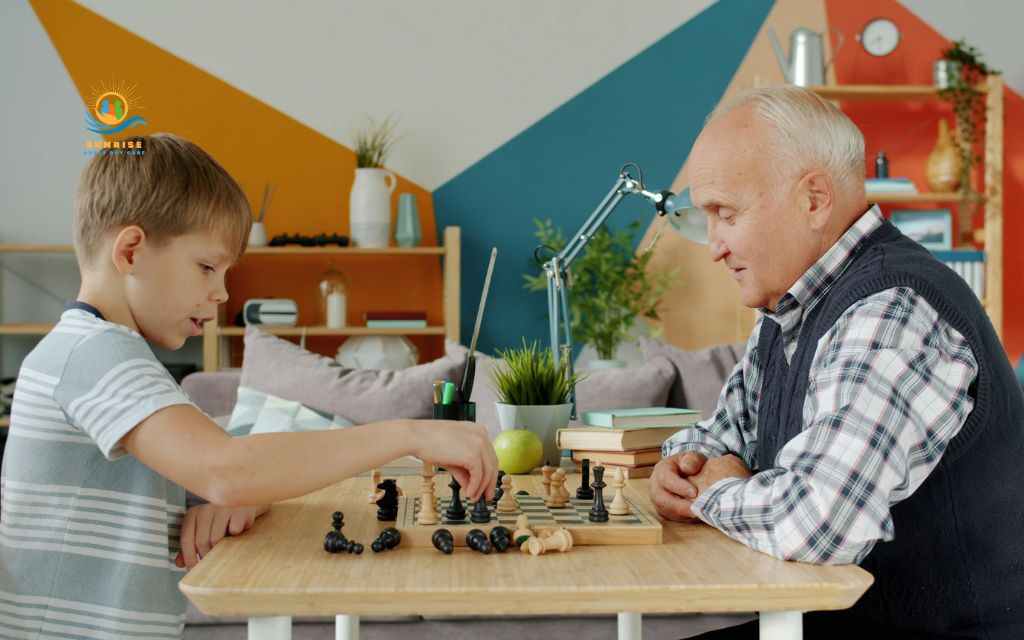
Classic board games such as Scrabble, Checkers, Chess, Dominoes, and Bingo provide enjoyable competition and social engagement for seniors.
Playing games with family members, neighbors, or fellow participants in a senior program creates shared experiences and laughter. Games also provide a structured activity during visits that can help reduce the awkwardness of not knowing what to say or do during longer visits.
20. Storytelling or sharing memories
Encouraging seniors to share stories from their lives is one of the most respectful and enriching activities caregivers can offer. This can be as informal as asking about childhood memories during a meal, or as structured as recording life stories for a family archive.
The process of recounting and sharing experiences validates the senior’s identity, history, and wisdom while also providing meaningful cognitive engagement.
21. Group activities with friends or caregivers
Any activity becomes richer when shared with someone else. Cooking together, watching a film, working on a puzzle side by side, or simply sitting and talking over a cup of tea all count as meaningful group engagement.
For seniors whose social world has narrowed, even brief regular interactions with a trusted caregiver can provide the human warmth and belonging that is essential to emotional health.
22. Chair exercises
Chair-based exercises are ideal for seniors with limited mobility, joint pain, or balance concerns. Seated leg lifts, arm circles, gentle torso rotations, and ankle rolls can all be performed safely from a sturdy chair.
Many free chair exercise videos designed specifically for older adults are available on YouTube. Chair exercises can be done daily and contribute meaningfully to maintaining muscle tone and flexibility.
23. Stretching routines
Gentle stretching helps reduce muscle stiffness, improve flexibility, and ease the discomfort of conditions like arthritis. A simple morning stretching routine, even 5 – 10 minutes, can significantly improve how a senior feels throughout the day.
Slow, controlled stretches targeting the neck, shoulders, back, and legs are safe for most older adults. A physical therapist can recommend a personalized stretching plan for seniors with specific health needs.
24. Indoor walking
Walking is one of the simplest and most beneficial forms of exercise for older adults. When outdoor conditions are unsafe or uncomfortable, walking inside the home, along a hallway, or at a local indoor mall provides the same cardiovascular and mobility benefits. Even short distances of walking throughout the day add up to meaningful physical activity.
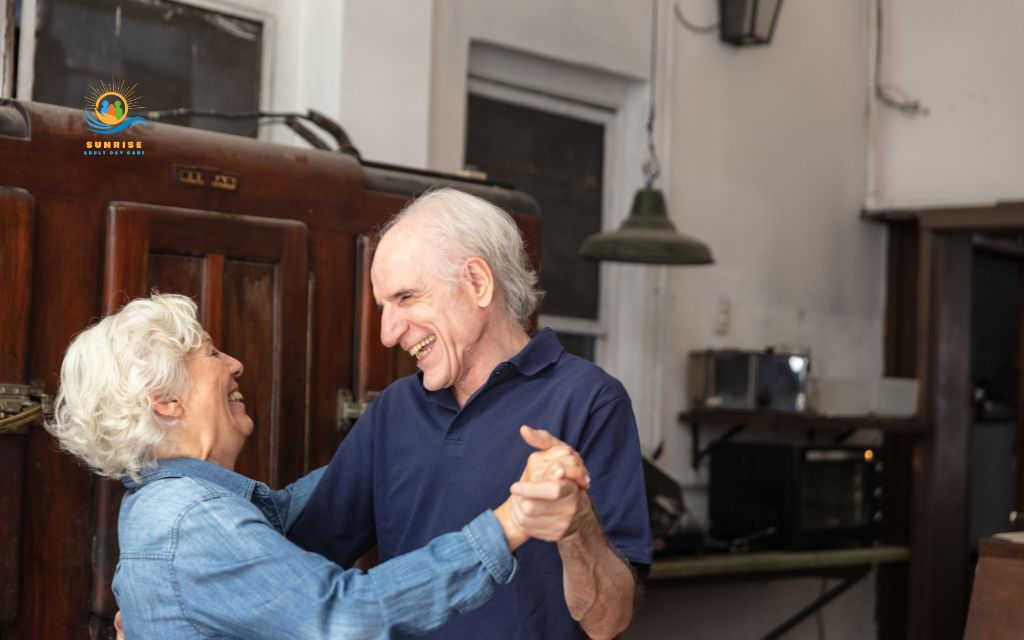
25. Dancing to music
Dancing combines physical movement with the mood-lifting power of music, making it one of the most enjoyable light physical activities for seniors. Chair dancing or gentle slow dancing in a small space requires no formal skill and no special equipment. Seniors who enjoy dancing often find it lifts their spirits immediately.
26. Cooking simple meals
Preparing a simple meal is a practical, sensory-rich activity that gives seniors a sense of independence and contribution. Stirring soup, assembling sandwiches, or preparing a simple salad can all be done safely with appropriate supervision.
Cooking engages multiple senses at once and often sparks happy food memories. For seniors with cognitive decline, keeping recipes simple and familiar helps make the experience enjoyable rather than frustrating.
27. Baking together
Baking is a wonderful shared activity between seniors and family members or caregivers. The process of measuring ingredients, mixing batter, and waiting for something to come out of the oven is structured, engaging, and produces a delicious reward.
Baking simple items like cookies, muffins, or a banana bread provides a satisfying creative and sensory experience and often becomes a cherished routine.
28. Organizing small spaces
Helping to organize a drawer, sort through a collection, arrange photographs, or tidy a small shelf gives seniors a sense of control and accomplishment. This type of gentle, productive activity can be particularly grounding for seniors who feel that much of their daily life is managed by others. It is important to keep the scope small and manageable to ensure the task feels rewarding rather than overwhelming.
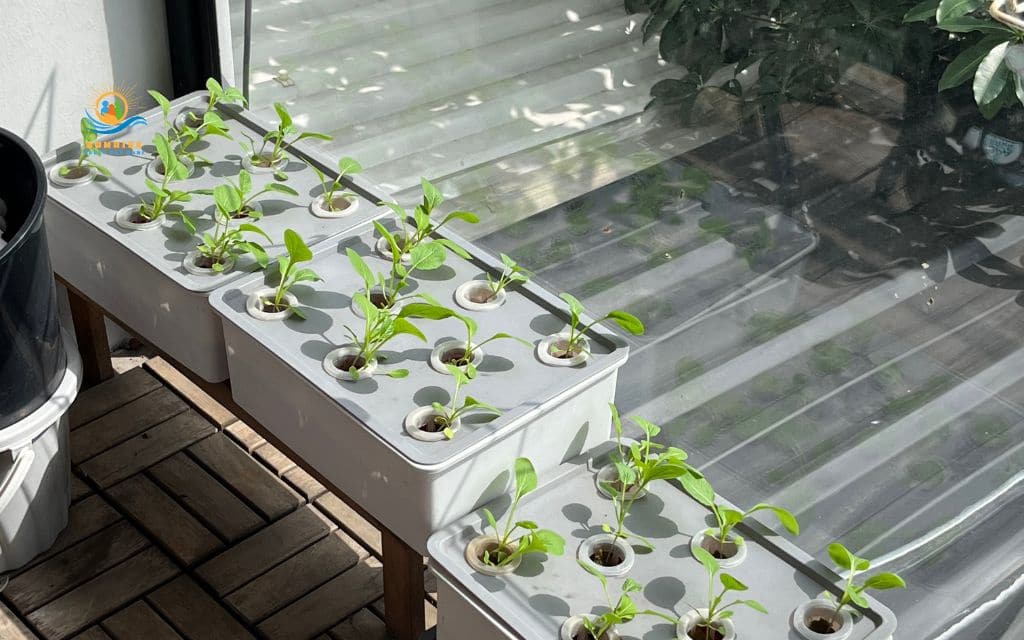
29. Indoor gardening (plants, herbs)
Caring for a living plant gives seniors a daily sense of responsibility and the pleasure of watching something grow. Herbs like basil, mint, and chives are easy to grow and offer the added bonus of being used in cooking. Raised plant trays and accessible containers make indoor gardening easy for seniors with limited mobility.
Tips to keep seniors engaged indoors
Having a list of activities is a great start. Keeping seniors consistently motivated and engaged over time requires a thoughtful approach. These practical tips can help.
- Keep a daily routine. A daily schedule with dedicated activity time helps seniors know what to expect and something to look forward to. A simple posted schedule on the refrigerator or wall can serve as a gentle, helpful reminder.
- Mix different types of activities. Rotating between relaxing, creative, cognitive, social, and physical activities throughout the week keeps the routine fresh and ensures that different aspects of well-being are supported each day.
- Focus on enjoyment, not performance. The goal of any senior activity is participation and pleasure, not perfection. Avoid measuring or evaluating how well an activity is done. Praise effort, not outcome, and follow the senior’s lead on pace and level of challenge.
- Encourage social interaction. Whenever possible, invite a family member, neighbor, or caregiver to join in an activity. Even brief shared engagement has a significant positive impact on a senior’s mood and sense of belonging.
- Adapt activities to the individual. What works beautifully for one senior may not interest another. Pay attention to cues about what brings energy and joy, and be willing to experiment. The best activity is always the one the senior actually enjoys.
- Celebrate small wins. Finishing a puzzle, completing a drawing, baking cookies, or writing a full journal entry all deserve recognition. Acknowledging accomplishments, no matter how small, reinforces a sense of purpose and capability.
Conclusion
Staying active and engaged indoors is not just about filling time. It is one of the most important things older adults and their caregivers can do to support healthy, joyful aging.
Even small, simple activities, done regularly and with intention, can bring meaningful improvements to mood, mental sharpness, physical well-being, and the overall quality of life.
The 29 activities shared in this guide offer a wide range of options for seniors at all ability levels. Whether someone is deeply independent or needs a little extra support, there is something here that can spark interest, connection, and a reason to look forward to each new day.
At the same time, it is worth recognizing that home activities have their limits. When loneliness becomes persistent, when a caregiver is stretched too thin, or when a senior needs more structured social engagement, professional supervision, meals, medication support, or dementia-friendly programming, an adult day program can make a transformative difference.
A structured daytime program offers what home-based activities often cannot: a community of peers, trained staff, purposeful group programming, nutritious meals, and the kind of safe, supervised environment where older adults can truly thrive.
Discover a Brighter Day at Sunrise Adult Daycare
Sunrise Adult Daycare, located at 2500 S. Sheridan Blvd, Denver, CO, offers a warm, welcoming daytime program for older adults that combines social engagement, gentle physical activities, cognitive enrichment, nutritious meals, and compassionate supervision – all in one safe, community-focused setting.
If you are an older adult looking for meaningful daily engagement, or a family caregiver seeking the right level of daytime support for a loved one, we invite you to reach out.
- Schedule a visit and explore our program: Call us at 303-226-6882
- Talk to a care specialist: Our team is happy to answer your questions and help
Frequently asked questions (FAQs)
What are some fun activities for senior citizens?
Fun activities for senior citizens span a wide range of interests and abilities. Popular options include crossword puzzles, painting, knitting, baking, trivia games, board games, and video calls with family. The best activities are ones that match the senior’s personal interests, accommodate their current physical and cognitive level, and involve some element of social connection.
What do 70 year old people do for fun?
Adults in their 70s are a wonderfully diverse group with a wide range of interests and abilities. Many enjoy reading, traveling (when health allows), gardening, volunteering, attending cultural events, cooking, playing cards or board games, watching films, and spending time with grandchildren. Indoors, activities like puzzles, watercolor painting, music, crafts, and gentle exercise are all popular choices.
What are the indoor activities for the elderly?
Indoor activities for the elderly include a broad spectrum of options organized around physical movement, mental stimulation, creative expression, social connection, and practical daily tasks. Examples include chair exercises, stretching, gentle indoor walking, crossword puzzles, word searches, painting, knitting, scrapbooking, reading, listening to music, baking, indoor gardening, board games, trivia, journaling, and video calls with family.
What to do with seniors on a rainy day?
A rainy day is the perfect time to explore cozy, comfortable indoor activities. Consider setting up a favorite board game, baking something warm together, watching a classic film, working on a puzzle, browsing through old photo albums, or starting a simple craft project. Music-based activities like listening to favorite songs or gentle dancing can also bring energy and joy to an otherwise gray day.
Are there free activity ideas for seniors?
Yes, many of the best senior activities cost nothing at all. Public libraries offer free books, audiobooks, and e-books through apps like Libby, while YouTube provides thousands of free tutorials for chair exercises, painting, crafts, and more. Puzzles, card games, journaling, indoor walking, and local senior center programs are also completely free.
How can I keep an elderly loved one engaged at home?
Start by identifying what they genuinely enjoy, then build a simple daily routine around those interests. Rotating between creative, physical, and social activities throughout the day adds variety and structure. Involving the senior in choosing their own activities and staying connected through regular visits or video calls also makes a meaningful difference.
When should I consider a senior day program?
A structured adult day program is worth considering when home-based activities no longer meet a senior’s social, cognitive, or physical needs. Key signs include persistent loneliness, caregiver burnout, a dementia diagnosis requiring supervision, or the need for help with meals or medication during the day. A quality program offers peer connection, trained staff, and a safe environment that benefits both the senior and the family caregiver.