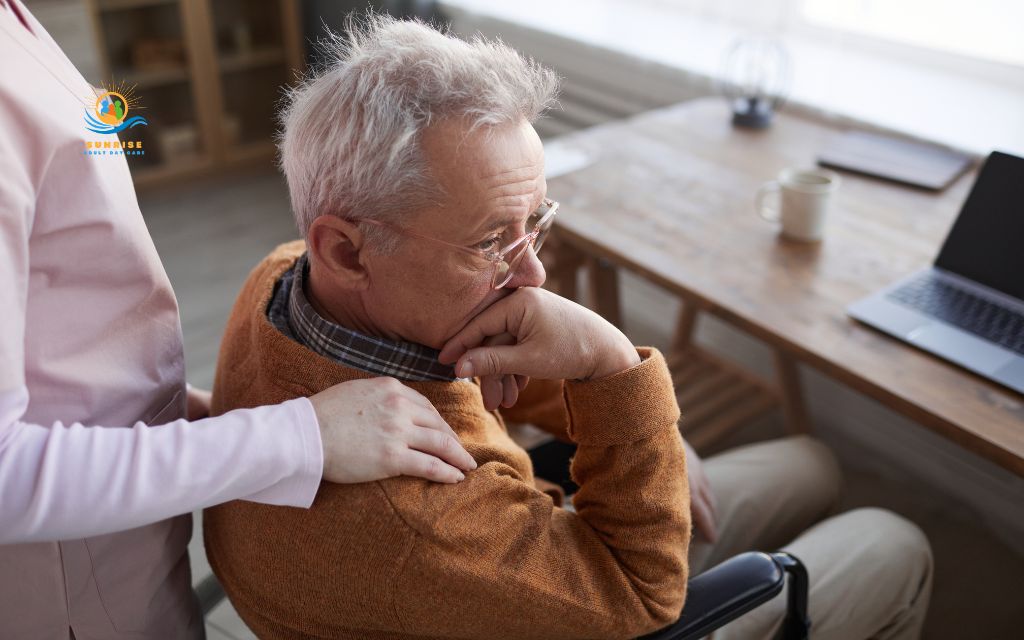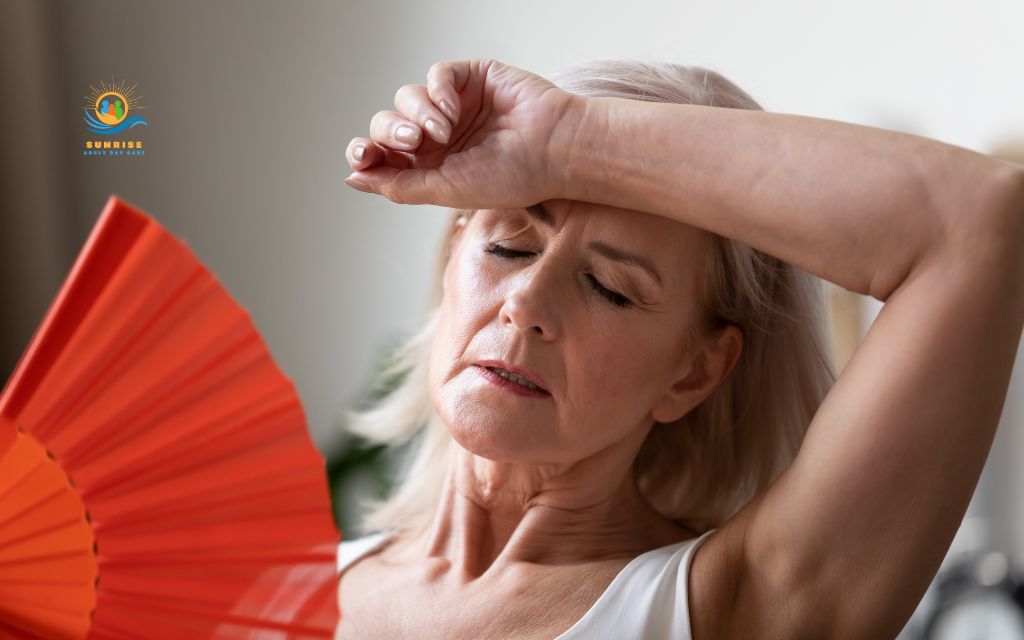
Temperature changes can affect older adults more than younger people and the difference can be serious. Many seniors and family caregivers find themselves asking the same urgent questions: “What temperature is dangerous for elderly people?” or “Is it safe to go outside today?”.
These are fair questions, and the good news is this: with the right awareness and a few simple precautions, most temperature-related risks can be managed safely.
This article will help you understand:
- Safe vs. dangerous temperatures for older adults
- Warning signs of heat stress and cold stress
- Practical safety tips for daily life
- How a structured daytime program can provide a consistently safe environment
TL, DR: What temperature is dangerous for elderly
- Temperatures above 85 – 90°F are dangerous for most seniors, especially with humidity
- Temperatures below 32°F, with wind chill, can be life-threatening
- Safe indoor temperatures range from 68 – 75°F year-round
- A daily routine that includes supervision, hydration, and a climate-controlled environment makes a meaningful difference
Why seniors are more sensitive to temperature
To understand what temperature is dangerous for elderly individuals, it helps to understand what happens to the body as we age.
The human body regulates its internal temperature through sweating, circulation, and muscle activity. As we get older, each of these systems becomes less efficient. This means that by the time a senior feels too hot or too cold, the body may already be under significant stress.
Key reasons older adults are more vulnerable:
- Reduced ability to sweat
- Reduced ability to retain body heat
- Slower circulation, making it harder to move warmth to the extremities
- Chronic health conditions such as heart disease, diabetes, and kidney disease
- Medications that affect hydration, blood pressure, or sweat response, including diuretics, beta-blockers, and antihistamines
- Decreased thirst sensation, leading to dehydration before a senior realizes it
- Social isolation, which reduces the chance someone will notice warning signs early
What temperature is too hot for seniors?
Heat is one of the most serious environmental risks for older adults. Understanding what temperature is too hot for seniors can be lifesaving, especially during summer months.
General temperature guidelines for hot weather
| Temperature Range | Risk Level for Seniors |
| Above 85°F (29°C) | Elevated risk – caution advised, especially with humidity |
| Above 90°F (32°C) | High risk – dangerous for many seniors |
| Above 100°F (38°C) | Extreme risk – limit all outdoor activity |
Temperature alone does not tell the full story. When humidity is high, the body struggles even harder to cool down. A day that feels like 95°F (35°C) due to humidity can be as dangerous as a drier day at 104°F (40°C). Always check the heat index, not just the thermometer.
Why heat is dangerous for older adults
As the body overheats, several dangerous processes unfold:
- Dehydration happens faster, especially when a senior does not feel thirsty
- The body struggles to cool down due to reduced sweating
- Blood flow to the heart and brain is strained
- Risk of heat exhaustion and heat stroke rises significantly
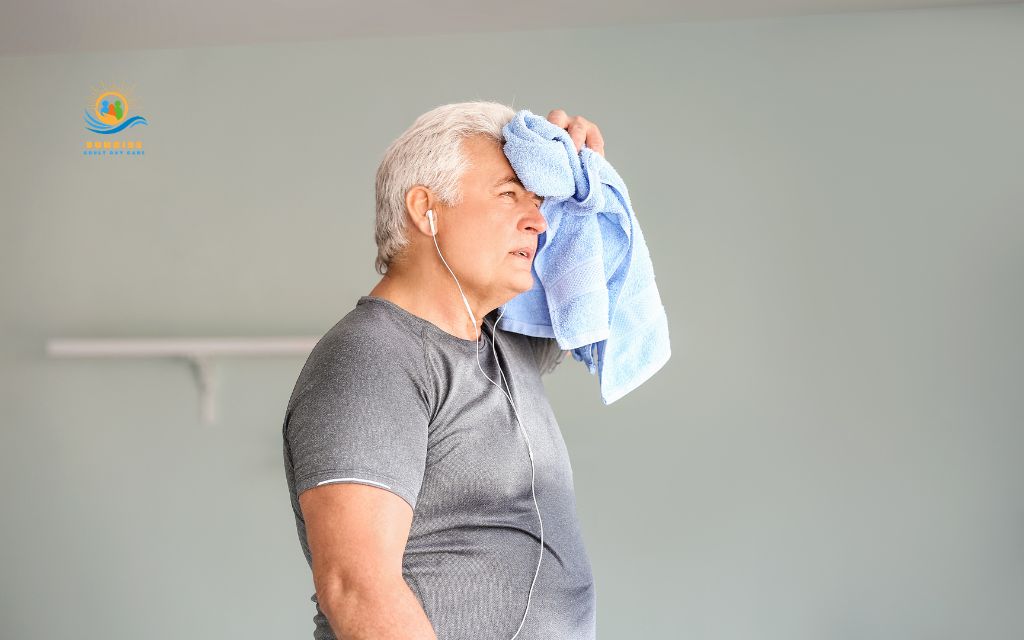
Warning signs of heat-related illness
Recognizing heat-related illness early can prevent a medical emergency. Symptoms typically progress in stages.
Early warning signs
- Unusual thirst
- Fatigue or low energy out of proportion to activity
- Chóng mặt hoặc choáng váng
- Heavy sweating
- Muscle cramps
- Flushed or pale skin
Serious warning signs
- Confusion, disorientation, or unusual behavior
- Rapid or weak pulse
- Nausea or vomiting
- Hot, dry skin (a sign that the body has stopped sweating)
- Loss of consciousness
If a senior shows any of these signs during hot weather, call 911 immediately. Heat stroke is a medical emergency.
What temperature is too cold for seniors?
Cold weather carries its own serious risks for older adults. Understanding what outdoor temperature is dangerous for elderly individuals is just as important as knowing the heat limits.
General temperature guidelines for cold weather
| Temperature Range | Risk Level for Seniors |
| Below 50°F (10°C) | Discomfort risk – dress warmly, limit exposure |
| Below 32°F (0°C) | Dangerous – hypothermia and fall risk increase |
| Below 20°F (-7°C) with wind chill | Extreme risk – avoid outdoor exposure |
Why cold is dangerous for older adults
- The body loses heat more quickly than it can generate it
- Reduced circulation means extremities (hands, feet, and ears) are vulnerable to frostbite
- Risk of hypothermia increases rapidly once core body temperature begins to drop
- Ice and slippery surfaces significantly raise the risk of falls
- Cold air can trigger cardiovascular events in seniors with heart conditions
Warning signs of cold-related illness
Cold stress and hypothermia can develop gradually, making it easy to overlook early signs.
Early warning signs
- Shivering
- Cold or numb hands and feet
- Slowed movement or coordination problems
- Unusual fatigue
- Pale or bluish skin around the lips or fingertips
Serious warning signs
- Confusion, slurred speech, or memory problems
- Weak or irregular pulse
- Extreme fatigue or drowsiness
- Loss of coordination or inability to stand
Hypothermia is a medical emergency. Call 911 immediately and move the person to a warm environment while waiting for help.

What is a safe indoor temperature for seniors?
Indoor temperature management is just as important as outdoor awareness. An unhealthy room temperature for adults can cause health problems even without anyone going outside.
Recommended indoor temperature range
| Season / Condition | Recommended Indoor Temp |
| General year-round comfort | 68 – 75°F (20 – 24°C) |
| Sleeping / nighttime | 65 – 70°F (18 – 21°C) |
| Caution below | 65°F (18°C) – hypothermia risk indoors |
| Caution above | 78°F (26°C) – heat stress risk indoors |
Why indoor temperature matters
- A home that is too warm can cause heat exhaustion, dehydration, and sleep disruption
- A home that is too cold can trigger hypothermia, worsen joint pain, and increase fall risk
- Many seniors on fixed incomes reduce heating or cooling to save money
- Power outages during summer heat waves or winter storms can make a home dangerous within hours
Practical temperature safety tips for seniors
Whether it is a hot July afternoon or a cold January morning, these practical steps can significantly reduce the risks associated with temperature extremes.
In hot weather
- Drink water consistently throughout the day. Do not wait until thirsty
- Stay indoors in air-conditioned areas during peak heat hours
- Wear light-colored, loose-fitting, breathable clothing
- Use fans and close blinds to reduce indoor heat buildup
- Apply sunscreen when outdoors – sunburn worsens heat stress
- Avoid alcohol and caffeine, which accelerate dehydration
- Check in on neighbors or family members who live alone
In cold weather
- Dress in layers: moisture-wicking base layer, insulating mid-layer, and windproof outer shell
- Keep the home heated to at least 68°F (20°C)
- Wear hats, gloves, and warm socks – heat is lost quickly through the head and extremities
- Avoid prolonged outdoor exposure, even on sunny winter days
- Use non-slip footwear to reduce fall risk on icy surfaces
- Have emergency supplies ready in case of power outages or winter storms
Year-round tips
- Monitor weather daily – check the heat index in summer and wind chill in winter
- Check on older adults regularly, especially those living alone
- Keep emergency contacts and local resources readily available
- Review medications regularly with a doctor, as some increase temperature sensitivity
- Have a backup plan for power outages: a designated cooling or warming location in the community

How daily programs help seniors stay safe
For many older adults maintaining a safe temperature at home every day can be a real challenge. Adult day programs provide a consistent, supervised environment that addresses this challenge directly.
What a quality adult day program provides:
- Climate-controlled environment: A safe indoor temperature maintained year-round — no relying on an aging home heating or cooling system
- Trained staff supervision: Staff who are trained to recognize the early and serious signs of heat stress and cold-related illness
- Structured activities: Daily routines that keep seniors engaged and active while avoiding outdoor exposure during dangerous temperature conditions
- Consistent hydration and nutrition support: Regular reminders and assistance with drinking water, balanced meals, and snacks
- Social connection: Interaction with peers and staff, reducing the isolation that makes temperature emergencies more dangerous
- Emergency response readiness: Protocols in place for medical situations, including heat stroke or hypothermia
A safe, comfortable day at Sunrise Adult Daycare
At Sunrise Adult Daycare, our climate-controlled facility keeps seniors comfortable, engaged, and cared for throughout the day – no matter what the weather outside is doing.
Our staff monitors each participant’s well-being, ensures regular hydration, and manages daily activities that are safe and enjoyable year-round.
Sunrise Adult Daycare is an chương trình ban ngày dành cho người lớn, not a residential facility. Participants enjoy professional support and meaningful social connection during the day, then return home to their families each evening.
Call us at 303-226-6882 to learn more about our services and how we can support your loved one’s health and safety.
Kết luận
Temperature extremes – both heat and cold – pose real and serious risks to older adults. But with awareness, preparation, and the right support, those risks can be significantly reduced.
For seniors who live alone, those managing chronic conditions, or families seeking peace of mind during extreme weather, a structured adult day program is one of the most practical and caring solutions available.
Câu hỏi thường gặp (FAQ)
What temperature is too hot for seniors?
Temperatures above 85°F (29°C) begin to pose elevated risk for most older adults, particularly when combined with high humidity. Above 90°F (32°C), the danger increases significantly for seniors with chronic health conditions, reduced sweating ability, or dehydration risk.
What outdoor temperature is dangerous for elderly individuals?
Any outdoor temperature above 90°F or below 32°F carries significant risk for older adults. Wind chill in cold weather and the heat index in hot weather are equally important measures. They reflect how temperature actually feels on the body, which is the true indicator of danger. Checking both before any outdoor activity is an essential daily habit for seniors and caregivers.
What is an unhealthy room temperature for adults, especially seniors?
Indoor temperatures below 65°F (18°C) can trigger hypothermia risk and worsen respiratory or cardiovascular conditions in older adults. Temperatures above 78°F (26°C) indoors can cause heat stress, especially during extended hot spells.
What temperature is dangerous to walk in for seniors?
Seniors should avoid outdoor walking when temperatures exceed 85 – 90°F or fall below 32°F with wind chill. Ice, low visibility, and high humidity add additional risk regardless of the thermometer reading. When outdoor walking is not safe, climate-controlled indoor walking is an excellent alternative that keeps seniors active without exposure to dangerous conditions.
How can caregivers help seniors stay safe in extreme temperatures?
Caregivers can check the daily heat index and wind chill before planning any outdoor activity, ensure consistent hydration throughout the day, keep the home within a safe temperature range, and watch for early warning signs of heat exhaustion or hypothermia. For families who cannot provide daytime supervision, enrolling a senior in an adult day program – such as Sunrise Adult Daycare in Denver – provides climate-controlled safety, staff monitoring, and structured support every weekday.