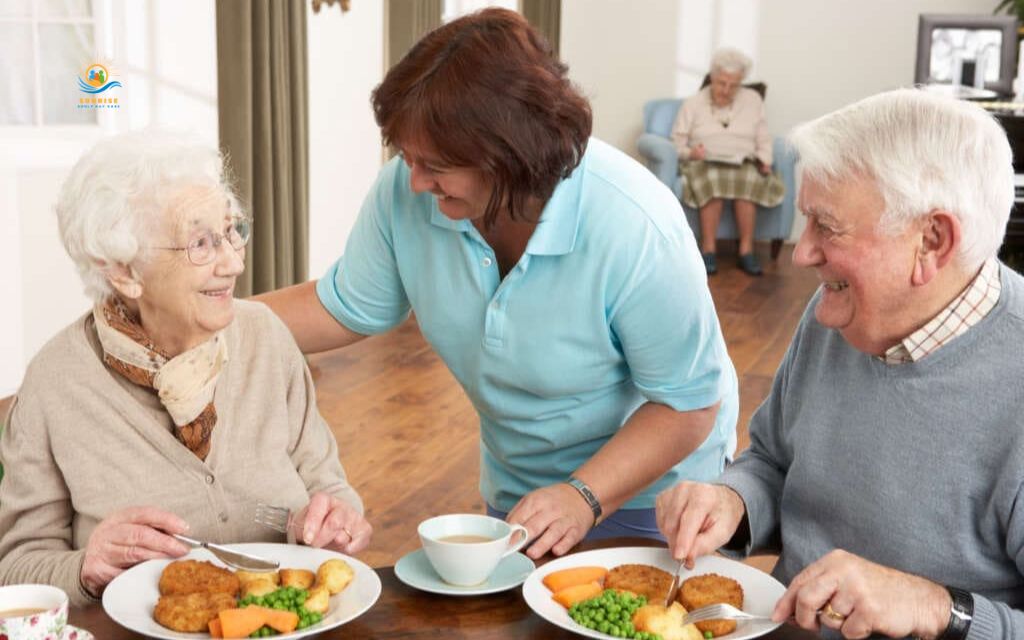
Theo Trung tâm Kiểm soát và Phòng ngừa Dịch bệnh (CDC), gần 1 trong 5 người trưởng thành từ 65 tuổi trở lên đã mất hết răng. Khi việc nhai trở nên khó khăn hoặc đau đớn, nhiều người cao tuổi bắt đầu tránh các loại thực phẩm mà họ từng yêu thích, và điều đó có thể dẫn đến dinh dưỡng kém, giảm cân ngoài ý muốn và giảm chất lượng cuộc sống.
Tin vui là các bữa ăn mềm không nhất thiết phải nhạt nhẽo, nhàm chán, hay không ngon miệng. Với các công thức nấu ăn phù hợp và một vài chiến lược chuẩn bị đơn giản, người cao tuổi không có răng vẫn có thể thưởng thức những món ăn ngon, đầy màu sắc và bổ dưỡng.
Bài viết này chia sẻ 25 công thức nấu ăn dễ dàng cho người không có răng, được sắp xếp theo loại bữa ăn và nhu cầu dinh dưỡng. Nó cũng đề cập đến những thực phẩm tốt nhất để ăn khi không có răng, các chất dinh dưỡng quan trọng mà người lớn tuổi cần, mẹo nấu ăn thực tế, và cách các chương trình ngày dành cho người lớn có thể hỗ trợ dinh dưỡng cho người cao tuổi.
Thực phẩm có thể ăn mà không cần răng
Bạn thực sự có thể ăn gì mà không cần răng? Chìa khóa là chọn những thực phẩm mềm, dễ nhai bằng nướu, hoặc có thể nghiền, xay nhuyễn, hoặc xay mà không mất đi hương vị hay giá trị dinh dưỡng. Dưới đây là các loại thực phẩm chính an toàn, thỏa mãn để ăn khi không có răng.
Trái cây mềm
Nhiều loại trái cây tự nhiên nhẹ nhàng với nướu và hầu như không cần nhai:
- Chuối chín là lý tưởng. Đào (tươi, đóng hộp trong nước trái cây, hoặc nấu chín) dễ bị nát.
- Dưa lưới chín và dưa lê cung cấp độ ẩm mọng nước mà không có kết cấu cứng
- Các loại quả mềm như việt quất, mâm xôi và dâu tây nấu chín giàu chất chống oxy hóa và dễ ăn.
- Nước sốt táo, lê chín nghiền và xoài xay nhuyễn cũng là những lựa chọn tuyệt vời
Rau củ đã nấu chín
Rau sống thường quá cứng và giòn đối với những người không có răng, nhưng nấu chín sẽ biến chúng trở nên tuyệt vời:
- Cà rốt hấp hoặc nướng trở nên mềm và ngọt tự nhiên
- Bí đỏ và bí ngòi nấu chín dễ dàng nghiền bằng nĩa
- Đậu xanh nấu trong nước dùng cho đến khi mềm vẫn giữ được chất dinh dưỡng trong khi dễ nuốt.
- Rau bina xào với một chút dầu ô liu hoặc xay nhuyễn vào súp cung cấp sắt và vitamin mà không cần nhai.
Mục tiêu là nấu rau cho đến khi chúng có thể dễ dàng bị ép giữa 2 ngón tay.
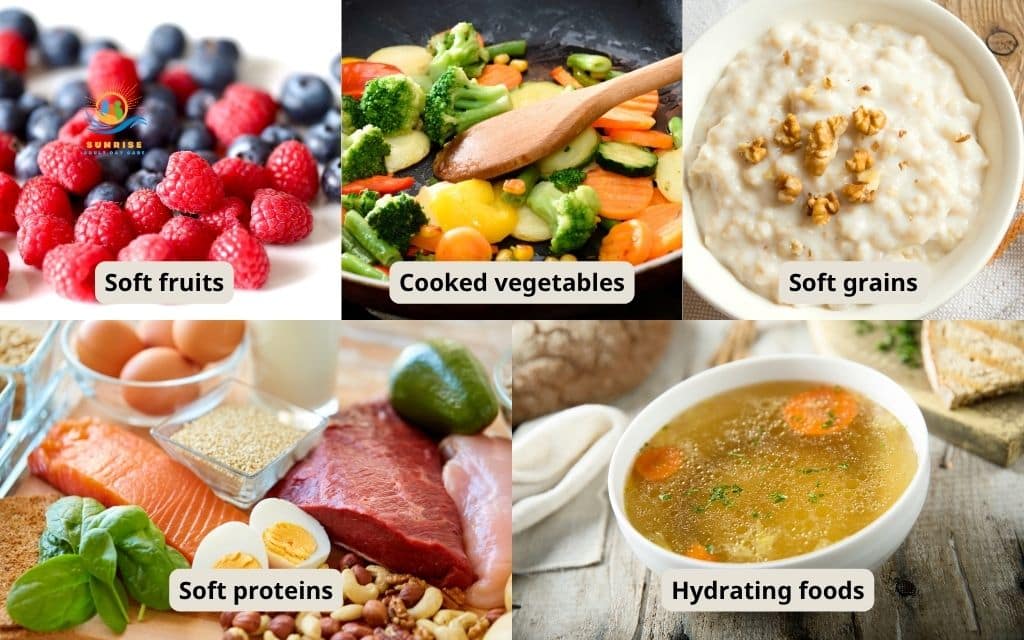
Protein mềm mại
Protein rất quan trọng đối với người lớn tuổi để duy trì sức mạnh cơ bắp, hỗ trợ quá trình hồi phục và duy trì mức năng lượng. May mắn thay, nhiều thực phẩm giàu protein tự nhiên mềm hoặc có thể dễ dàng chế biến theo cách đó.
- Trứng bác hoặc trứng chần nhanh chóng, tiết kiệm và nhẹ nhàng.
- Cá như cá hồi, cá rô phi và cá tuyết tự nhiên mềm và không cần nhai nhiều.
- Sữa chua Hy Lạp và phô mai tươi thông thường đều mịn màng, giàu protein và sẵn sàng để ăn ngay từ hộp.
- Đậu phụ mềm thấm gia vị và là lựa chọn thực vật tuyệt vời.
- Đậu và đậu lăng nấu chín kỹ
Ngũ cốc mềm
Ngũ cốc cung cấp năng lượng, chất xơ và sự thoải mái. Cháo yến mạch nấu chín là một trong những món ăn mềm bổ dưỡng nhất có sẵn - nó ấm áp, no nê và có thể tùy chỉnh vô tận với trái cây, mật ong hoặc sữa chua.
Mì ống nấu chín kỹ (đặc biệt là các loại hình nhỏ như orzo hoặc elbow macaroni) trở nên mềm đủ để ăn mà không cần răng. Gạo trắng hoặc gạo lứt nấu cho đến khi hơi dính cũng rất tốt.
Kem lúa mì và grits là những món ăn sáng cổ điển với độ mịn tự nhiên. Bánh mì mềm được làm ẩm với súp, nước dùng, hoặc nước sốt cũng là một lựa chọn quen thuộc và dễ chịu.
Thực phẩm bổ sung nước
Người lớn tuổi có nguy cơ mất nước cao hơn vì cảm giác khát thường giảm đi theo tuổi tác:
- Thực phẩm có hàm lượng nước cao có tác dụng kép vì chúng cung cấp dinh dưỡng và hydrat hóa cùng lúc.
- Các món súp nước dùng là một trong những thực phẩm quý giá nhất cho người cao tuổi không có răng: chúng ấm, thơm ngon, cung cấp nước và có thể chứa rau mềm, mì và protein tất cả trong một bát.
- Sinh tố pha trộn trái cây, sữa chua và sữa thành bữa ăn có thể uống được
- Sữa chua, thạch trái cây, và cốc trái cây đóng gói trong nước ép hoàn thiện danh sách thực phẩm mềm thân thiện với việc cung cấp nước.
Thực phẩm cần tránh khi không có răng
Biết những thực phẩm cần tránh cũng quan trọng như biết những gì nên ăn. Các loại thực phẩm sau đây có thể gây rủi ro thực sự cho người cao tuổi không có răng, bao gồm nghẹt thở, tổn thương nướu, hư hại dụng cụ nha khoa và khó chịu tiêu hóa.
- Các loại hạt và hạt giống cứng: Hạnh nhân, đậu phộng, hạt hướng dương, và các mặt hàng tương tự
- Thịt dai, khó nhaiBít tết, sườn heo, và thịt khô
- Rau củ tươi giònCà rốt, cần tây, bông cải xanh, và dải ớt chuông
- Thực phẩm dính và daiCaramel, taffy, kẹo dẻo, và xôi dẻo
- Bánh mì cứng và bánh quy giònBánh mì baguette giòn, bánh quy cứng, và bánh mì bagel
- Vỏ và da cứng: Vỏ táo, vỏ nho và hạt ngô có lớp ngoài cứng
Mẹo dinh dưỡng cho người cao tuổi không có răng
Khi mất răng hoặc khó khăn trong việc nhai hạn chế lựa chọn thực phẩm, các khoảng trống dinh dưỡng có thể phát triển một cách âm thầm theo thời gian. Hiểu rõ các chất dinh dưỡng quan trọng mà người lớn tuổi cần giúp việc lập kế hoạch bữa ăn trở nên dễ dàng hơn nhiều để thực sự hỗ trợ sức khỏe và sức sống.
Ưu tiên protein để tăng cường sức mạnh
Protein là nền tảng của sức khỏe cơ bắp, và duy trì khối lượng cơ bắp trở nên ngày càng quan trọng khi chúng ta già đi. Protein giúp người cao tuổi duy trì sức mạnh cơ bắp, duy trì năng lượng suốt cả ngày, và hỗ trợ phục hồi sau khi ốm hoặc phẫu thuật.
Các thực phẩm mềm giàu protein tuyệt vời bao gồm trứng khuấy hoặc trứng chần, sữa chua Hy Lạp, phô mai tươi, cá mềm như cá hồi hoặc cá rô phi, đậu phụ mềm, đậu nghiền và đậu lăng, và sinh tố protein làm từ sữa hoặc sữa chua làm nền.
Nhắm đến việc bao gồm một nguồn protein trong mỗi bữa ăn và hầu hết các bữa ăn nhẹ là một mục tiêu thực tế cho người lớn tuổi có giới hạn về kết cấu thực phẩm.
Bổ sung chất xơ cho tiêu hóa
Chất xơ hỗ trợ chức năng ruột khỏe mạnh, giúp duy trì mức đường huyết ổn định và hỗ trợ sức khỏe tim mạch. Các nguồn chất xơ dễ ăn phù hợp cho người cao tuổi không có răng bao gồm bột yến mạch nấu chín, khoai lang nghiền, sốt táo, trái cây chín mềm và rau nấu chín kỹ như cà rốt, bí đỏ và rau bina. Thêm hạt lanh xay hoặc hạt chia vào sinh tố hoặc sữa chua là một cách đơn giản khác để tăng cường lượng chất xơ mà không làm thay đổi kết cấu đáng kể.
Tập trung vào việc cung cấp nước
Khuyến khích uống đủ nước thường xuyên - cả qua đồ uống và qua thực phẩm - là một ưu tiên hàng ngày trong việc chăm sóc. Các thực phẩm mềm giúp cung cấp nước bao gồm súp nấu từ nước dùng, sinh tố, sữa chua, món tráng miệng gelatin, và cốc trái cây. Cung cấp đồ uống trong mỗi bữa ăn và bữa phụ, và giữ một ly nước hoặc nước ép pha loãng ở nơi dễ thấy suốt cả ngày, hỗ trợ thói quen uống nước tốt hơn.
Thêm chất béo lành mạnh để cung cấp calo và năng lượng
Chất béo lành mạnh có mật độ calo cao, là cách hiệu quả để duy trì cân nặng cơ thể khỏe mạnh mà không cần khẩu phần lớn. Chất béo lành mạnh cũng hỗ trợ sức khỏe não bộ, giảm viêm và giúp cơ thể hấp thụ các vitamin tan trong chất béo.
Các lựa chọn mềm dễ dàng bao gồm bơ chín hoặc guacamole, dầu ô liu rưới lên rau nấu chín hoặc súp, bơ hạt mịn phết lên bánh mì mềm, và sữa chua nguyên kem.

Vitamin A
Vitamin A rất cần thiết cho sức khỏe mắt, chức năng miễn dịch và sự toàn vẹn của da — tất cả đều là những lĩnh vực đặc biệt quan trọng ở tuổi già. Thiếu vitamin A có thể làm suy giảm thị lực và làm yếu phản ứng miễn dịch.
Các nguồn thực phẩm mềm giàu vitamin A bao gồm khoai lang nghiền (một trong những thực phẩm giàu vitamin A nhất hiện có), cà rốt nấu chín và nghiền, và bí đỏ xay nhuyễn mịn, rất tuyệt khi khuấy vào bột yến mạch, sữa chua hoặc súp.
Vitamin C
Vitamin C hỗ trợ sức khỏe miễn dịch, chữa lành vết thương và hấp thụ sắt từ thực phẩm có nguồn gốc thực vật. Đây là một loại vitamin tan trong nước, có nghĩa là cơ thể không lưu trữ nó, vì vậy việc tiêu thụ hàng ngày đều đặn là quan trọng.
Các nguồn vitamin C dễ ăn phù hợp cho người cao tuổi không có răng bao gồm sinh tố trái cây làm từ dâu tây, xoài, hoặc nước ép cam quýt; quả mọng chín mềm; sốt táo mịn; và các loại trái cây xay nhuyễn. Các múi cam quýt nghiền hoặc nấu chín kỹ (không có màng cứng) là một lựa chọn khác.
Vitamin D
Vitamin D rất quan trọng cho việc hấp thụ canxi, sức mạnh của xương, chức năng cơ bắp và ngăn ngừa té ngã. Nhiều người lớn tuổi thiếu vitamin D, một phần vì khả năng tổng hợp vitamin D từ ánh sáng mặt trời của da giảm theo tuổi tác.
Các nguồn thực phẩm mềm cung cấp vitamin D bao gồm sữa tăng cường, sữa chua và cá béo như cá hồi hoặc cá ngừ đóng hộp trong nước.
Trong nhiều trường hợp, việc bổ sung vitamin D được khuyến nghị – người chăm sóc nên thảo luận điều này với bác sĩ của người cao tuổi.
Vitamin B12
Vitamin B12 hỗ trợ chức năng não, chuyển hóa năng lượng và sức khỏe thần kinh. Các nguồn thực phẩm mềm chứa B12 bao gồm trứng khuấy hoặc trứng chần, các sản phẩm từ sữa như sữa chua và phô mai tươi, cá đóng hộp hoặc nấu chín, và ngũ cốc ăn sáng tăng cường được làm mềm với sữa ấm. Bổ sung B12 hoặc tiêm B12 có thể phù hợp cho người cao tuổi gặp khó khăn trong việc hấp thụ.
Canxi
Canxi rất cần thiết để duy trì mật độ xương, hỗ trợ co cơ và điều chỉnh chức năng thần kinh. Mặc dù canxi nổi tiếng với vai trò trong sức khỏe xương, nó cũng đóng vai trò trong nhịp tim và đông máu. Người lớn tuổi, đặc biệt là phụ nữ sau mãn kinh, có nhu cầu canxi tăng cao.
Các thực phẩm mềm giàu canxi dễ ăn bao gồm sữa chua thường hoặc có hương vị, phô mai cottage, các loại phô mai mềm như ricotta hoặc brie, và pudding làm từ sữa nguyên kem. Nước cam bổ sung canxi cũng có thể được tiêu thụ như một loại đồ uống hoặc khuấy vào sinh tố.
Sắt
Sắt hỗ trợ tuần hoàn oxy qua dòng máu, sản xuất năng lượng và chức năng miễn dịch khỏe mạnh. Thiếu máu do thiếu sắt thường gặp ở người lớn tuổi và gây ra mệt mỏi, yếu đuối và khó tập trung.
Các thực phẩm giàu sắt mềm bao gồm đậu và đậu lăng nấu chín kỹ (nghiền hoặc phục vụ nguyên trong súp), thịt mềm như thịt bò nấu chậm hoặc gà tây xay, và rau bina xay nhuyễn trong súp hoặc sinh tố.
Mẹo chuẩn bị thức ăn mềm cho người lớn tuổi
Những kỹ thuật chuẩn bị đơn giản này giúp mỗi bữa ăn an toàn hơn, ngon hơn và dễ ăn hơn cho người lớn tuổi không có răng.
- Nấu thức ăn cho đến khi thực sự mềmHấp hoặc luộc rau cho đến khi nĩa xuyên qua mà không gặp trở ngại; sử dụng nồi nấu chậm hoặc nồi áp suất cho thịt để đạt được độ mềm rã.
- Thêm độ ẩm với nước dùng, nước sốt và nước chấmNấu ngũ cốc và rau trong nước dùng, phục vụ thịt với sốt kem hoặc nước sốt, và rưới dầu ô liu lên bất kỳ món ăn nào để việc nhai và nuốt dễ dàng hơn.
- Cắt tất cả thực phẩm thành miếng nửa inch hoặc nhỏ hơnLoại bỏ vỏ cứng, sợi và màng xơ trước khi phục vụ để giảm nguy cơ nghẹn.
- Giữ hương vị đa dạng và hấp dẫnSử dụng các loại thảo mộc tươi, gia vị ấm, một chút chanh hoặc một ít phô mai để ngăn chế độ ăn mềm trở nên đơn điệu.
- Cung cấp 4 đến 6 bữa ăn nhỏ mỗi ngày thay vì 3 bữa lớnCác phần nhỏ hơn cảm thấy dễ quản lý hơn và các món ăn nhẹ mềm như sữa chua hoặc súp ấm lấp đầy khoảng trống dinh dưỡng giữa các bữa ăn.
25 công thức nấu ăn dễ dàng cho người cao tuổi không có răng
25 công thức nấu ăn sau đây dành cho người không có răng được sắp xếp theo loại bữa ăn và tập trung vào dinh dưỡng.
Công thức bữa sáng nhẹ nhàng
Một bữa sáng bổ dưỡng sẽ tạo nên khởi đầu tốt cho ngày mới. Những ý tưởng bữa sáng này dành cho người không có răng rất ấm áp, thoải mái và dễ chuẩn bị.
Cháo yến mạch kem với chuối
Bột yến mạch là một trong những món ăn mềm đa dạng và dễ chế biến nhất. Khi nấu với sữa tươi hoặc hỗn hợp sữa và nước, nó trở nên đặc, kem và cực kỳ thỏa mãn. Chuối chín cắt lát thêm vị ngọt tự nhiên, kali và kết cấu mịn màng hòa quyện hoàn hảo trong từng muỗng.
Cách chuẩn bị:
- Nấu 1/2 cốc yến mạch cán trong 1 cốc sữa nguyên chất trên lửa vừa, khuấy thường xuyên, trong khoảng 5 phút cho đến khi đặc và mịn.
- Bắc ra khỏi bếp, nghiền nửa quả chuối chín, khuấy đều với một chút mật ong và một nhúm quế.
- Dùng khi còn ấm
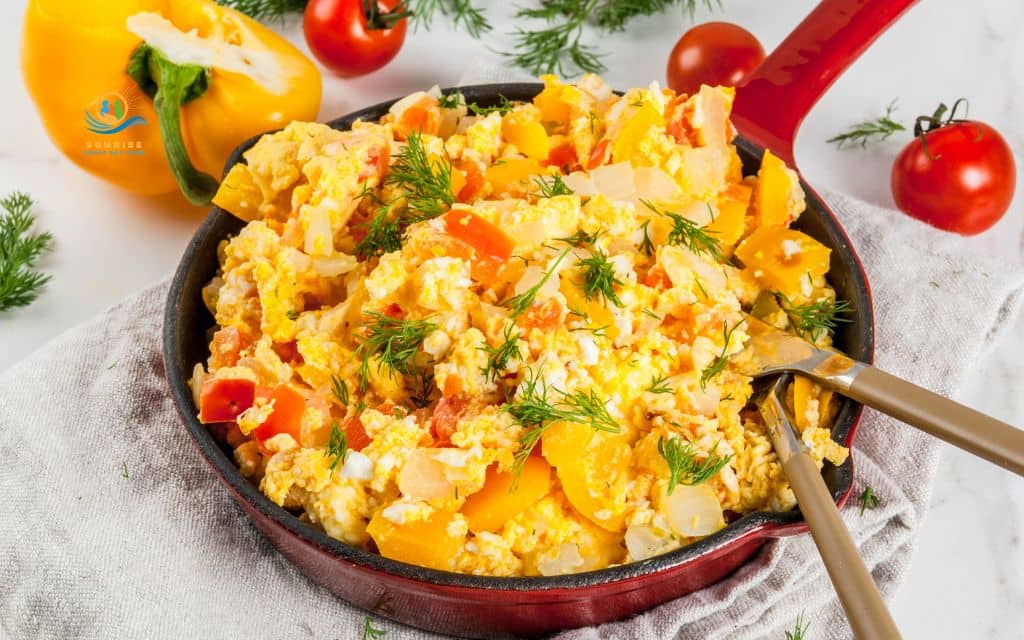
Trứng bác với phô mai
Trứng bác là món ăn mềm tiêu chuẩn vàng cho người cao tuổi không có răng. Chúng hầu như không cần nhai, nấu trong vài phút và cung cấp protein chất lượng cao trong mỗi bữa ăn trong ngày.
Cách chuẩn bị:
- Đánh tan 2 quả trứng lớn với 2 muỗng canh sữa tươi, một chút muối và một chút tiêu đen.
- Nấu trong chảo chống dính ở lửa nhỏ với một miếng bơ nhỏ, khuấy nhẹ nhàng và liên tục cho đến khi vừa chín tới nhưng vẫn mềm và ẩm.
- Ngay lập tức nhấc khỏi bếp và khuấy đều với 2 muỗng canh cheddar bào sợi hoặc một muỗng ricotta.
Sinh tố sữa chua và trái cây
Sinh tố là một trong những công cụ dinh dưỡng mạnh mẽ nhất cho người cao tuổi không có răng. Chúng có thể cung cấp protein, canxi, vitamin, chất xơ và nước trong một khẩu phần uống duy nhất - không cần nhai. Sữa chua Hy Lạp thêm vào kết cấu kem và tăng cường protein đáng kể so với sữa chua thông thường.
Cách chuẩn bị:
- Trộn 3/4 cốc sữa chua Hy Lạp nguyên chất với 1/2 cốc sữa nguyên kem, 1/2 quả chuối chín và 1/2 cốc quả mọng tươi hoặc đông lạnh (việt quất, dâu tây hoặc miếng xoài đều rất hợp)
- Xay cho đến khi hoàn toàn mịn. Để tăng cường dinh dưỡng, khuấy thêm một muỗng canh hạt lanh xay hoặc một muỗng bơ hạt trước khi xay.
4. Bánh pancake mềm với sốt táo
Bánh kếp tự làm với bột hơi đặc hơn sẽ nấu lên mềm và ẩm. Mềm hơn nhiều so với phiên bản giòn của quán ăn. Thay vì dùng siro, phủ lên chúng với sốt táo ấm sẽ thêm chất xơ, vitamin C và vị ngọt tự nhiên mà không có kết cấu dính có thể gây khó khăn cho người cao tuổi có răng giả.
Cách chuẩn bị:
- Trộn 1 cốc bột mì đa dụng, 1 muỗng canh đường, 1 muỗng cà phê bột nở, 1/4 muỗng cà phê muối, 1 quả trứng, 3/4 cốc sữa tươi, và 2 muỗng canh bơ đã tan chảy thành một hỗn hợp mịn.
- Nấu trên chảo chống dính đã được bôi nhẹ dầu ở lửa vừa-thấp cho đến khi các bong bóng nhỏ xuất hiện trên bề mặt, sau đó lật và nấu cho đến khi vừa chín.
- Dùng kèm với sốt táo không đường ấm rưới đều lên trên
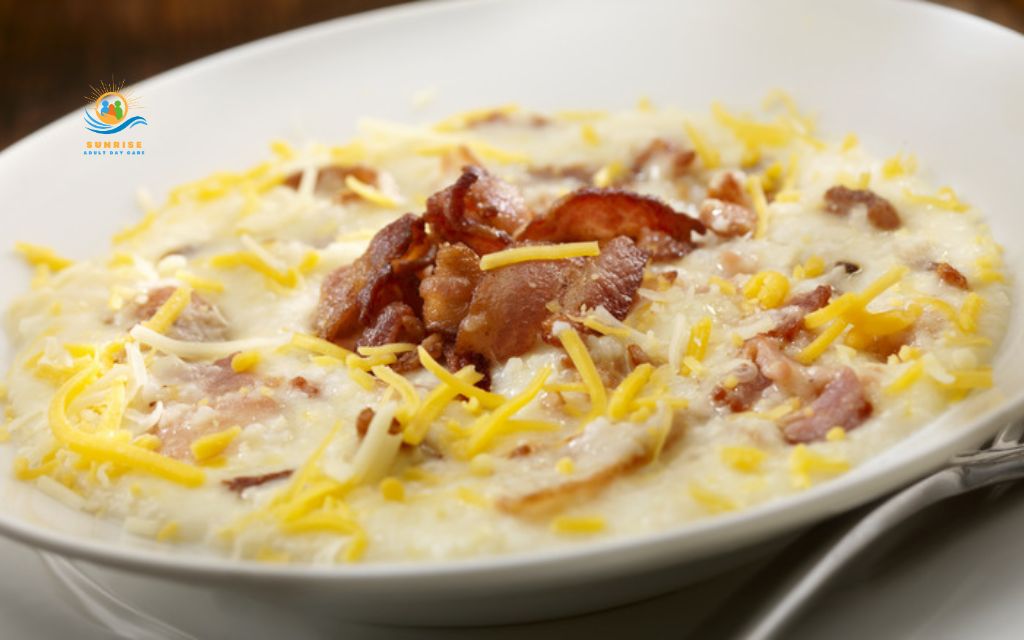
5. Bột kem lúa mì hoặc cháo bắp
Cả Cream of Wheat và grits (ngô xay) đều nấu thành cháo mịn, ấm với độ mượt tự nhiên không cần nhai. Chúng tiết kiệm, dễ chuẩn bị và rất linh hoạt với cả hương vị ngọt và mặn.
Cách chuẩn bị:
- Nấu cream of wheat theo hướng dẫn trên bao bì, sử dụng sữa tươi thay vì nước.
- Khuấy đều một miếng bơ, một thìa cà phê chiết xuất vani, và một chút mật ong hoặc siro cây phong.
- Phủ lên trên với trái cây xay nhuyễn hoặc chuối nghiền
Công thức bữa trưa dễ làm
Bữa trưa nên cân bằng, thỏa mãn và dễ chuẩn bị. Những ý tưởng bữa trưa mềm cho người không có răng, bao gồm các lựa chọn mà bà hoặc ông không có răng của bạn sẽ thực sự thích, cung cấp dinh dưỡng và sự thoải mái mà không cần chuẩn bị phức tạp.
6. Súp gà và rau củ
Một bát súp gà được nấu kỹ có lẽ là món ăn mềm dễ chịu nhất trên thế giới. Nước dùng ấm áp giúp cung cấp nước và làm dịu, thịt gà xé nhỏ cung cấp protein nạc, và rau củ nấu mềm thêm vitamin và chất xơ. Khi nấu đủ lâu, mọi thành phần đều trở nên mềm mại đủ để ăn mà không cần dùng nhiều lực nhai.
Cách chuẩn bị:
- Đun nhỏ lửa 1 pound ức gà hoặc đùi gà không xương trong 6 cốc nước dùng gà ít muối với 2 củ cà rốt thái nhỏ, 2 cọng cần tây và 1 củ khoai tây nhỏ thái hạt lựu trong 25 đến 30 phút.
- Lấy gà ra và xé thành miếng nhỏ bằng 2 cái nĩa
- Cho gà trở lại nồi, thêm 1/2 cốc mì nhỏ hoặc gạo mềm, và nấu thêm 10 phút nữa.
- Nêm muối, tiêu và ngò tươi
Salad cá ngừ với bơ nghiền
Cá ngừ đóng hộp là một trong những nguồn protein mềm tiện lợi nhất hiện có. Thay thế mayonnaise bằng bơ chín nghiền thêm chất béo không bão hòa đơn tốt cho tim mạch, kali và kết cấu kem mịn giúp kết dính salad một cách tuyệt vời.
Cách chuẩn bị:
- Đổ nước một hộp cá ngừ 5 ounce đóng gói trong nước
- Nghiền nửa quả bơ chín trong một cái bát với một ít nước cốt chanh tươi và một nhúm muối.
- Trộn cá ngừ đã ráo nước và khuấy đều cho đến khi hòa quyện
- Phục vụ trên bánh mì rất mềm, khuấy vào mì ống ấm, hoặc ăn trực tiếp bằng thìa mềm.
8. Salad trứng
Salad trứng là một công thức cổ điển thân thiện với người không có răng vì một lý do. Trứng luộc chín được nghiền thành một lớp nhân kem, dễ phết, giàu protein, thỏa mãn và không cần nhai. Nó nhanh chóng chuẩn bị, tiết kiệm và dễ dàng điều chỉnh hương vị để phù hợp với sở thích cá nhân.
Cách chuẩn bị:
- Luộc chín 4 quả trứng, để nguội hoàn toàn và bóc vỏ.
- Nghiền trứng bằng nĩa trong bát cho đến khi không còn miếng lớn nào.
- Khuấy đều 2 muỗng canh mayonnaise hoặc sữa chua Hy Lạp nguyên chất, 1 muỗng cà phê mù tạt Dijon, một nhúm paprika, muối và tiêu đen.
- Phục vụ trên bánh mì rất mềm, trong bánh cuốn mềm, hoặc tự nó
Khoai lang nghiền với bơ
Khoai lang nghiền là một nguồn dinh dưỡng dồi dào trong một gói mềm mại, thân thiện với nướu. Chúng giàu beta-carotene, chất xơ và kali, và vị ngọt tự nhiên của chúng có nghĩa là cần rất ít đường bổ sung để làm cho chúng trở nên ngon miệng.
Cách chuẩn bị:
- Gọt vỏ và cắt khối 2 củ khoai lang vừa
- Hấp hoặc luộc cho đến khi hoàn toàn mềm, khoảng 15 đến 20 phút
- Để ráo nước hoàn toàn, sau đó nghiền với 2 muỗng canh bơ không muối và 2 đến 3 muỗng canh sữa tươi ấm cho đến khi mịn và kem.
- Nêm với một chút muối và rắc một ít quế nếu muốn
Mì ống và phô mai
Mì ống và phô mai là một món ăn an ủi được yêu thích vì lý do chính đáng, và khi được làm từ đầu với sốt phô mai thật, nó cũng là một bữa ăn thực sự bổ dưỡng cho người cao tuổi không có răng. Mì ống khuỷu tay nấu lâu hơn một hoặc hai phút so với al dente trở nên mềm đủ để ăn mà không cần nhiều nỗ lực. Sốt phô mai kem thêm canxi, protein và độ béo ngậy thỏa mãn.
Cách chuẩn bị:
- Nấu 1 cốc mì ống khuỷu tay cho đến khi rất mềm
- Để ráo và để riêng
- Trong cùng một nồi, đun chảy 2 muỗng canh bơ ở lửa vừa, đánh đều với 2 muỗng canh bột mì đa dụng, và nấu trong 1 phút.
- Từ từ đánh tan 1,5 cốc sữa tươi nguyên chất, khuấy liên tục cho đến khi đặc lại, khoảng 4 phút.
- Nhấc khỏi bếp và khuấy đều 1 cốc phô mai cheddar bào sợi cho đến khi tan chảy và mịn.
- Thêm mì đã ráo nước và khuấy đều để phủ.
Công thức nấu ăn tối nhẹ nhàng
Bữa tối cho người cao tuổi không có răng nên đầy đủ, ấm áp và bổ dưỡng. Những công thức nấu ăn tối an ủi cho người không có răng này sử dụng phương pháp nấu chậm, hầm và nhẹ nhàng để tạo ra kết quả mềm mại, thỏa mãn mỗi lần.
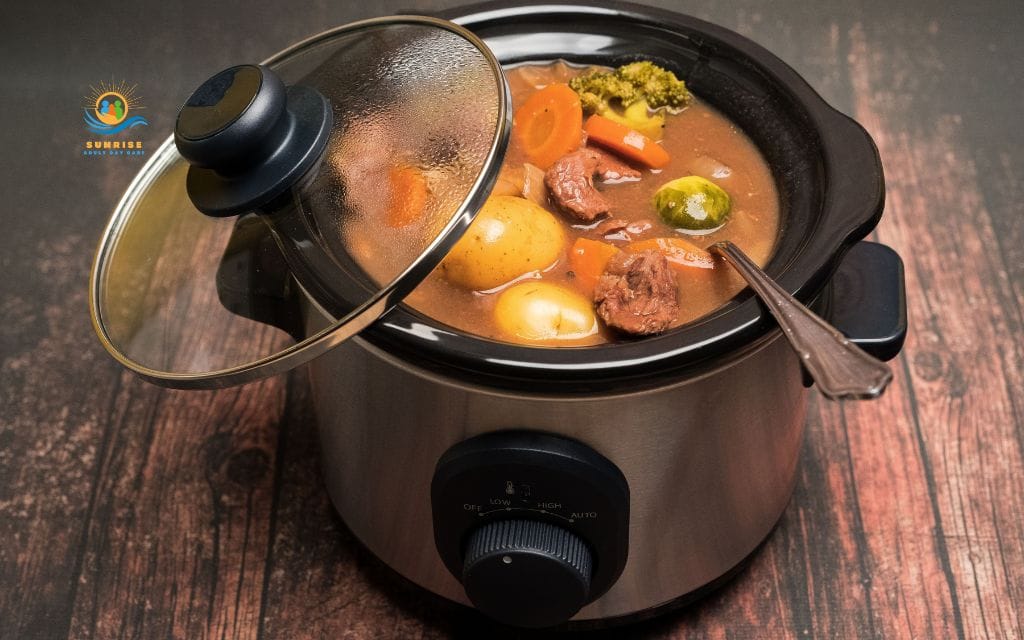
11. Món bò hầm nấu chậm
Nồi nấu chậm là một trong những dụng cụ nhà bếp quý giá nhất để nấu các món ăn mềm. Nhiều giờ nấu ở nhiệt độ thấp và ẩm làm mềm ngay cả những miếng thịt bò dai nhất thành kết quả mềm như bơ, có thể xé bằng thìa. Rau củ hấp thụ nước dùng đậm đà và trở nên hoàn toàn mềm. Đây là một trong những bữa ăn mềm hoàn chỉnh, bổ dưỡng và thỏa mãn nhất có thể có.
Cách chuẩn bị:
- Đặt 1,5 pound thịt bò cắt thành khối 1 inch, 2 củ khoai tây gọt vỏ và cắt khối, 2 củ cà rốt thái lát, 1 củ hành tây băm nhỏ, và 2 tép tỏi băm vào nồi nấu chậm.
- Đổ vào 2 cốc nước dùng bò ít natri, 1 muỗng canh sốt cà chua, và 1 thìa cà phê cỏ xạ hương khô.
- Nấu ở nhiệt độ thấp trong 8 giờ hoặc nhiệt độ cao trong 4 đến 5 giờ
- Xé thịt bằng hai cái nĩa trước khi phục vụ
12. Khoai tây nghiền với nước sốt
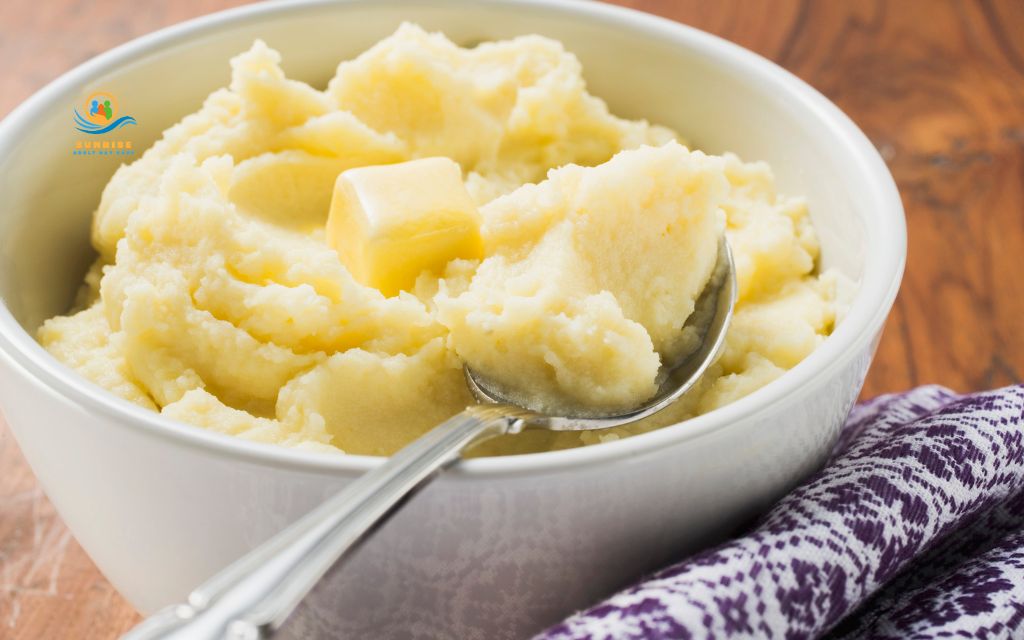
Khoai tây nghiền cổ điển là món ăn mềm vượt thời gian mà hầu hết người cao tuổi đã lớn lên cùng và vẫn yêu thích. Khi được làm với bơ thật và sữa nguyên kem, chúng trở nên kem mịn, dễ chịu và đủ giàu calo để hỗ trợ duy trì cân nặng.
Cách chuẩn bị:
- Gọt vỏ và cắt làm tư 4 củ khoai tây Yukon Gold vừa. Luộc trong nước muối cho đến khi mềm hoàn toàn, khoảng 20 phút.
- Để ráo nước hoàn toàn. Nghiền với 3 muỗng canh bơ không muối và 1/3 cốc sữa tươi ấm cho đến khi rất mịn và bông.
- Để làm nước sốt, đánh tan 2 muỗng canh bơ và 2 muỗng canh bột mì trong một cái nồi nhỏ, thêm 1,5 cốc nước dùng gà hoặc bò ấm, và khuấy đều cho đến khi đặc lại.
13. Cá nướng sốt kem
Cá là nguồn protein lý tưởng cho người cao tuổi không có răng. Cá tuyết, cá rô phi, cá bơn, và cá hồi là những lựa chọn mềm nhất. Một loại sốt kem đơn giản sẽ thêm độ ẩm, độ béo, và canxi từ sữa, làm cho bữa tối này trở nên đơn giản nhưng đầy đủ dinh dưỡng.
Cách chuẩn bị:
- Làm nóng lò ở nhiệt độ 375°F. Đặt hai miếng phi lê cá 4 ounce (cá tuyết, cá rô phi, hoặc cá hồi) vào một đĩa nướng đã được bôi dầu nhẹ.
- Nêm muối, tiêu trắng và vắt nước chanh tươi
- Nướng trong 12 đến 15 phút cho đến khi cá dễ dàng tách ra bằng nĩa. Trong khi đó, đun chảy 1 muỗng canh bơ trong một cái nồi nhỏ, thêm 1/2 cốc kem tươi và một muỗng Dijon mustard, và đun nhỏ lửa cho đến khi hơi đặc lại.
- Rưới sốt kem lên cá trước khi phục vụ
14. Bánh pie cottage hoặc bánh pie shepherd
Cottage pie (làm từ thịt bò xay) và shepherd’s pie (làm từ thịt cừu xay) đều được phủ một lớp khoai tây nghiền mịn màng dày. Nhân thịt có kết cấu mịn và nhiều nước sốt, rau củ được nấu mềm, và lớp khoai tây bên trên mang lại cảm giác thoải mái và năng lượng từ tinh bột trong một món ăn.
Cách chuẩn bị:
- Xào 1 pound thịt bò xay nạc với 1 củ hành nhỏ thái hạt lựu và 2 tép tỏi băm nhuyễn trong chảo.
- Thêm 1 cốc nước dùng bò, 1 muỗng canh sốt cà chua, 1/2 cốc đậu Hà Lan đông lạnh (đã rã đông), và 1 củ cà rốt thái hạt lựu (đã nấu mềm)
- Đun nhỏ lửa trong 10 phút cho đến khi sệt lại
- Chuyển sang một đĩa nướng, phủ lên trên với khoai tây nghiền kem, và nướng ở 375°F trong 20 phút cho đến khi mặt trên có màu vàng nhạt.
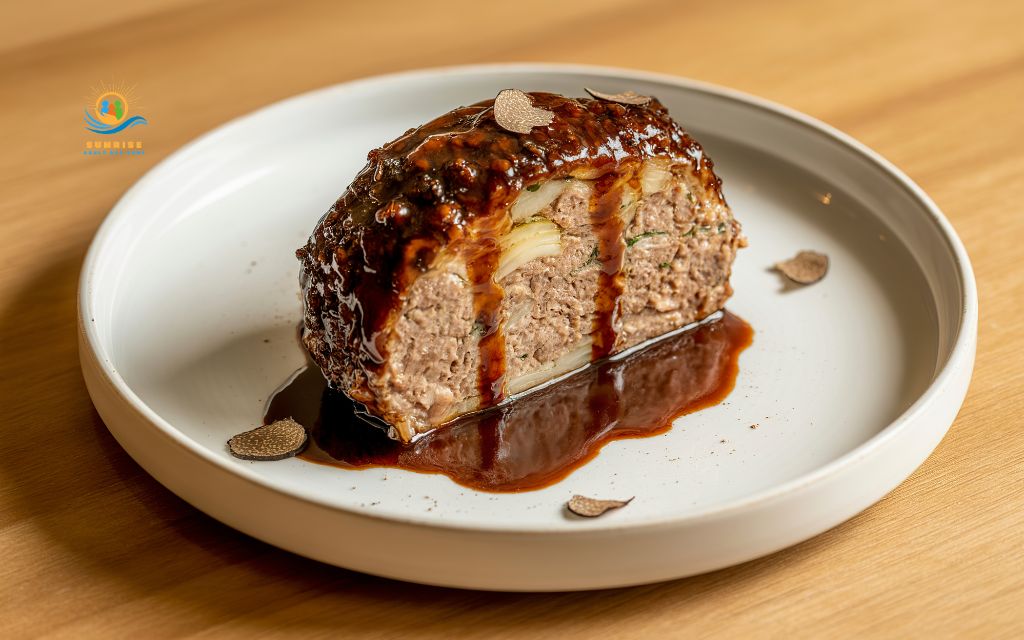
15. Thịt gà tây xay nướng mềm
Thịt nướng truyền thống làm từ gà tây xay thay vì thịt bò thì nhẹ hơn, ẩm hơn và dễ cắt thành những lát mềm, dễ dùng nĩa. Thêm vụn bánh mì ngâm sữa (một kỹ thuật gọi là panade) giúp bên trong ẩm và ngăn không cho ổ bánh trở nên đặc hoặc vụn.
Cách chuẩn bị:
- Ngâm 1/3 cốc vụn bánh mì thường trong 3 muỗng canh sữa nguyên chất trong 2 phút
- Kết hợp với 1 pound thịt gà tây xay, 1 quả trứng, 2 muỗng canh ketchup, 1 muỗng cà phê nước sốt Worcestershire, muối và tiêu đen.
- Trộn nhẹ nhàng và tạo thành ổ trong khay nướng đã thoa dầu.
- Phết một lớp mỏng sốt cà chua trộn với một chút mật ong lên trên.
- Nướng ở 350°F trong 50 đến 55 phút cho đến khi chín. Để nghỉ 10 phút trước khi cắt lát.
- Dùng kèm với khoai tây nghiền và nước sốt
Thực phẩm mềm giàu protein
Những lựa chọn tập trung vào protein này hoạt động như bữa trưa nhanh, đồ ăn nhẹ thỏa mãn, hoặc món ăn bổ sung để hỗ trợ sức khỏe cơ bắp và năng lượng cho người lớn tuổi không có răng.
16. Phô mai tươi với trái cây
Phô mai tươi là một loại thực phẩm giàu protein đáng kể với kết cấu mềm mại, dễ phết. Một khẩu phần nửa cốc chứa khoảng 13 gram protein. Khi kết hợp với trái cây mềm, nó trở thành một bữa ăn nhỏ hoàn chỉnh mà chỉ mất chưa đến hai phút để chuẩn bị.
Cách chuẩn bị:
- Múc 1/2 cốc phô mai tươi nguyên kem vào bát
- Phủ lên trên với đào chín nghiền, quả mọng xay nhuyễn, hoặc chuối cắt lát
- Rưới một ít mật ong nếu muốn
17. Parfait sữa chua Hy Lạp
Sữa chua Hy Lạp chứa lượng protein gấp đôi so với sữa chua thông thường và có kết cấu dày, mịn mà người cao tuổi không có răng có thể dễ dàng thưởng thức. Kết hợp với trái cây mềm và một chút mật ong tạo ra một món tráng miệng hấp dẫn, đẹp mắt như ở nhà hàng mà lại đơn giản để chuẩn bị.
Cách chuẩn bị:
- Trong một ly hoặc bát, xếp lớp 3/4 cốc sữa chua Hy Lạp nguyên chất, 1/4 cốc quả mọng xay nhuyễn hoặc mứt trái cây, và một ít mật ong.
- Lặp lại các lớp nếu muốn
- Dùng ngay hoặc bảo quản trong tủ lạnh tối đa 2 ngày
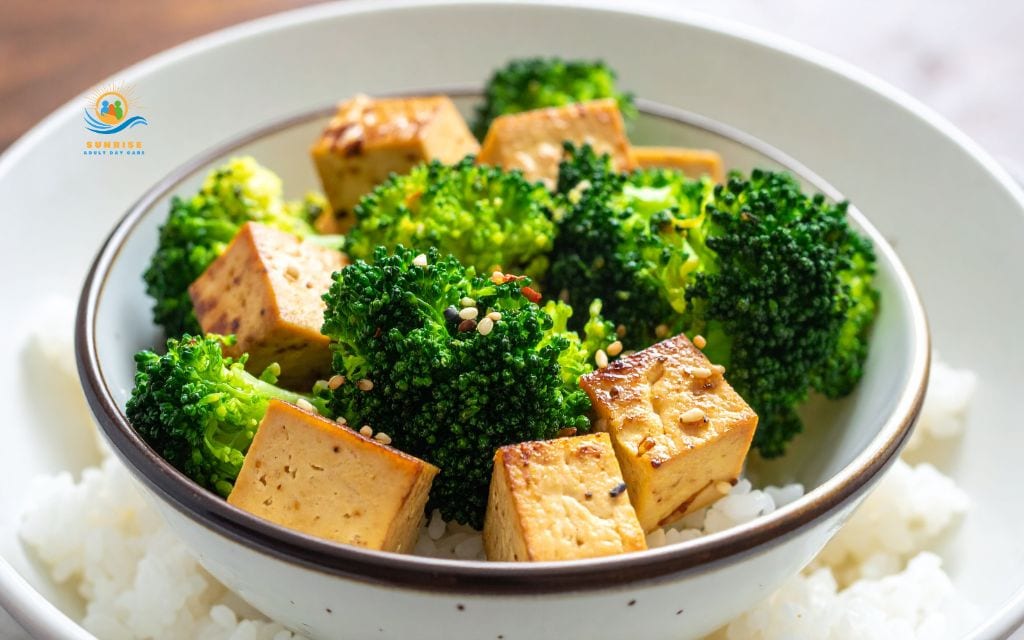
18. Đậu phụ mềm xào
Đậu phụ non hoặc mềm có nguồn gốc thực vật, gần như không có calo khi ăn riêng, và hấp thụ hương vị tuyệt vời. Khi nấu nhanh trong một loại nước sốt mặn với rau rất mềm, nó trở thành một bữa ăn hoàn chỉnh, giàu protein, hoàn toàn thân thiện với nướu và lý tưởng cho người cao tuổi thích hoặc cần một chế độ ăn thực vật.
Cách chuẩn bị:
- Nhẹ nhàng ép và cắt khối đậu phụ non thành hình khối
- Nấu 1/2 cốc bí ngòi thái lát mỏng và 1/4 cốc cà rốt bào sợi trong chảo với 1 thìa cà phê dầu mè cho đến khi rất mềm.
- Thêm đậu phụ cắt khối và 2 muỗng canh nước tương ít muối trộn với 1 muỗng cà phê mật ong và 1/2 muỗng cà phê dầu mè. Khuấy nhẹ nhàng và nấu trong 3 đến 4 phút.
- Dùng kèm với cơm nấu mềm
19. Sinh tố protein
Một ly sinh tố protein được pha chế tốt có thể phục vụ như một bữa ăn thay thế hoàn chỉnh hoặc một bổ sung calo và dinh dưỡng đáng kể cho người cao tuổi gặp khó khăn trong việc ăn đủ lượng thức ăn rắn. Khả năng tùy chỉnh gần như vô tận.
Cách chuẩn bị:
- Xay nhuyễn 1 cốc sữa nguyên kem hoặc sữa thực vật bổ sung, 3/4 cốc sữa chua Hy Lạp không đường, 1/2 quả chuối chín, 1/2 cốc quả mọng hỗn hợp đông lạnh, và 1 muỗng canh bơ hạt cho đến khi hoàn toàn mịn.
- Để bổ sung dinh dưỡng, thêm hạt lanh xay, một muỗng canh bí đỏ nghiền, hoặc một nắm rau chân vịt tươi (nó hòa quyện không thấy và bổ sung sắt).
20. Đậu nghiền với phô mai
Đậu nghiền (dù tự làm hay từ hộp) có độ mịn, kem, mềm tự nhiên, lý tưởng cho người cao tuổi không có răng. Chúng giàu protein thực vật, chất xơ và sắt. Phô mai mềm tan chảy thêm canxi và độ béo ngậy thỏa mãn.
Cách chuẩn bị:
- Hâm nóng 1 cốc đậu nghiền đóng hộp ít natri trong một cái nồi nhỏ trên lửa vừa với một chút nước hoặc nước dùng gà để làm loãng kết cấu.
- Múc vào bát và rắc lên trên 2 muỗng canh phô mai cheddar nhẹ hoặc Monterey Jack bào sợi. Để phô mai tan chảy từ độ ấm của đậu.
- Dùng kèm với miếng bánh tortilla rất mềm hoặc tự ăn riêng
Đồ ăn nhẹ mềm và món tráng miệng
Đồ ăn nhẹ và món tráng miệng đóng vai trò quan trọng trong việc duy trì lượng calo và làm cho bữa ăn trở nên thú vị. Những lựa chọn dễ thưởng thức này không cần nấu nướng, chuẩn bị tối thiểu và không cần nhai chút nào.
21. Sốt táo
Sốt táo là một trong những thực phẩm mềm phổ biến và đa dụng nhất cho người cao tuổi không có răng. Nó có vị ngọt tự nhiên, giàu vitamin C và nhẹ nhàng với nướu nhạy cảm. Các loại không đường là tốt nhất để tránh đường dư thừa.
Cách làm tại nhà:
- Gọt vỏ và bỏ lõi 4 quả táo
- Nấu trong 1/4 cốc nước ở lửa vừa cho đến khi mềm hoàn toàn (khoảng 15 phút)
- Nghiền hoặc xay nhuyễn đến khi mịn
- Thêm một chút quế và một ít mật ong nếu muốn
- Bảo quản trong tủ lạnh tối đa một tuần
22. Pudding và custard
Pudding tự làm và bánh custard nướng là những món tráng miệng mịn màng, mượt mà không cần nhai và rất dễ chịu khi ăn. Khi được làm từ sữa nguyên kem và trứng, chúng cung cấp protein, canxi và vitamin B12 đáng kể cùng với vị ngọt dễ chịu.
Cách chuẩn bị (bánh pudding vani đơn giản):
- Đánh tan 3 muỗng canh bột bắp và 3 muỗng canh đường trong nồi
- Từ từ đánh tan 2 cốc sữa nguyên kem
- Nấu trên lửa vừa, khuấy liên tục, cho đến khi đặc lại, khoảng 6 đến 8 phút.
- Nhấc khỏi bếp và khuấy đều 1 thìa cà phê chiết xuất vani và một miếng bơ nhỏ.
- Đổ vào đĩa phục vụ và làm lạnh cho đến khi đông lại
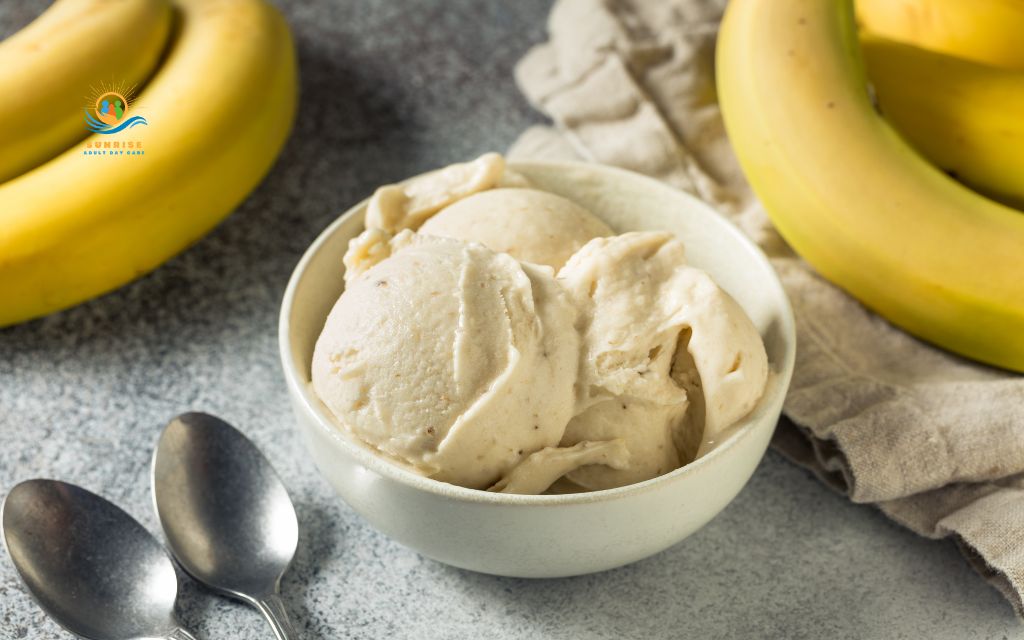
23. Kem chuối
Chuối chín đông lạnh được xay nhuyễn mịn tạo ra một món tráng miệng đông lạnh ngọt tự nhiên, không chứa sữa. Nó không có đường bổ sung, không có sữa (phù hợp cho người lớn tuổi nhạy cảm với lactose), và chỉ mất chưa đến năm phút để chuẩn bị.
Cách chuẩn bị:
- Bóc vỏ 2 quả chuối chín, cắt thành lát tròn và đông lạnh trên khay phẳng ít nhất 3 giờ hoặc qua đêm.
- Xay nhuyễn các lát chuối đông lạnh trong máy xay thực phẩm cho đến khi hoàn toàn mịn và kem – khoảng 3 đến 4 phút xay, thỉnh thoảng cạo các mặt.
- Phục vụ ngay lập tức như kem mềm hoặc cho vào tủ đông trong 30 phút để có kết cấu cứng hơn.
24. Cốc trái cây mềm
Cốc trái cây đóng hộp hoặc tươi được đóng gói trong nước ép của chính chúng cung cấp một món ăn nhẹ nhanh chóng, tiện lợi, không cần chuẩn bị, giàu nước và vitamin. Chúng lý tưởng để dùng giữa các bữa ăn nhằm duy trì độ ẩm và cung cấp một lựa chọn nhẹ nhàng, sảng khoái.
Cách chuẩn bị:
- Chọn đào, lê, cam quýt hoặc trái cây hỗn hợp đóng hộp trong nước ép thay vì xi-rô (để tránh thêm đường quá mức)
- Để ráo nhẹ và phục vụ trực tiếp trong cốc hoặc bát nhỏ
- Để làm phiên bản tự làm, kết hợp các loại trái cây mềm đã chín kỹ, gọt vỏ và cắt nhỏ (đào, chuối, dưa, kiwi) trong một cái bát nhỏ với một chút nước cam.
25. Chè gạo
Chè gạo là một món tráng miệng cổ điển, được yêu thích và mang lại cảm giác thoải mái, có từ hàng thế kỷ qua ở nhiều nền văn hóa. Được làm từ gạo hạt ngắn nấu chậm trong sữa có đường, nó trở nên kem mịn, mềm mại và vô cùng dễ chịu.
Cách chuẩn bị:
- Kết hợp 1/2 cốc gạo trắng hạt ngắn với 2,5 cốc sữa nguyên chất, 3 muỗng canh đường và một nhúm muối trong một cái nồi vừa.
- Nấu ở lửa vừa nhỏ, khuấy thường xuyên, trong 25 đến 30 phút cho đến khi gạo mềm hoàn toàn và hỗn hợp đặc và kem.
- Nhấc khỏi bếp và khuấy đều với 1/2 thìa cà phê chiết xuất vani và một nhúm quế.
- Dùng khi ấm hoặc lạnh
Chương trình chăm sóc ban ngày cho người lớn hỗ trợ dinh dưỡng cho người cao tuổi như thế nào
Đối với nhiều người lớn tuổi không có răng hoặc gặp khó khăn trong việc nhai, việc quản lý dinh dưỡng tại nhà có thể thực sự là một thách thức, đặc biệt khi người chăm sóc cũng phải quản lý công việc, trách nhiệm gia đình và các yêu cầu khác.
Người lớn chương trình ngày offer a structured, community-based environment where senior nutrition can be supported daily by trained, attentive staff. At Sunrise Adult Daycare in Denver, Colorado, nutrition and mealtimes are treated as central components of daily well-being.
Chương trình bữa ăn nhẹ và bữa ăn mềm
Adult day programs typically provide meals and snacks as part of their daily programming. At Sunrise Adult Daycare, the daily routine includes structured mealtimes with nutritious food options. Staff can accommodate dietary needs, including texture-modified meals for participants with chewing difficulties, dentures, or tooth loss.
Giờ ăn có giám sát
Ăn uống an toàn đòi hỏi nhiều hơn chỉ là thức ăn mềm - nó đòi hỏi thời gian, sự bình tĩnh và giám sát thích hợp. Tại một chương trình chăm sóc ban ngày cho người lớn, nhân viên có mặt trong bữa ăn để hỗ trợ những người tham gia cần thêm thời gian, động viên hoặc giúp đỡ trực tiếp.
Sự giám sát này có thể có giá trị đối với người cao tuổi ăn chậm, gặp khó khăn nhẹ trong việc nuốt, hoặc có nguy cơ bị sặc. Thời gian ăn uống tại Sunrise được tiếp cận với sự kiên nhẫn, tôn trọng và chú ý cá nhân.
Hỗ trợ hydrat hóa và dùng thuốc
Việc duy trì đủ nước suốt cả ngày được khuyến khích tích cực tại các chương trình chăm sóc ban ngày cho người lớn. Nhân viên có thể cung cấp nước, nước ép, trà thảo mộc hoặc các lựa chọn thực phẩm bổ sung nước theo các khoảng thời gian đều đặn. Nhiều chương trình chăm sóc ban ngày cho người lớn cũng có thể hỗ trợ nhắc nhở uống thuốc, bao gồm cả các loại bổ sung hỗ trợ sức khỏe xương, dinh dưỡng hoặc tiêu hóa.
Ăn uống xã hội và thói quen
Một trong những khía cạnh ít được đánh giá cao nhất của bữa ăn là khía cạnh xã hội của chúng. Nghiên cứu liên tục cho thấy rằng người lớn tuổi ăn uống tốt hơn khi họ chia sẻ bữa ăn với người khác thay vì ăn một mình.
At Sunrise Adult Daycare, participants eat together in a social, community setting, which naturally encourages better food intake and makes mealtimes a genuinely pleasant part of the day rather than a chore.
Giám sát sự thèm ăn và dinh dưỡng
Nhân viên tại các chương trình chăm sóc ban ngày cho người lớn có vị trí tốt để nhận thấy các dấu hiệu sớm của suy dinh dưỡng – giảm cảm giác thèm ăn, tránh ăn liên tục, giảm cân không mong muốn, hoặc thay đổi về năng lượng và sự tỉnh táo. Những quan sát này có thể được chia sẻ với người chăm sóc gia đình và các nhà cung cấp dịch vụ y tế, cho phép can thiệp kịp thời trước khi các vấn đề sức khỏe liên quan đến dinh dưỡng trở nên nghiêm trọng.
Mẹo để bữa ăn trở nên thú vị hơn
Kết cấu thức ăn mềm là cần thiết, nhưng bữa ăn cũng cần phải cảm thấy thú vị, trang trọng và mang tính xã hội. Những chiến lược đơn giản này tạo ra sự khác biệt thực sự:
- Sử dụng hương vị yêu thích và món ăn quen thuộcXây dựng bữa ăn xung quanh những món mà người lớn tuổi đã yêu thích. Một bà cụ không còn răng sẽ ăn một cách hào hứng hơn nhiều từ một bát súp đậu của mẹ bà ấy so với một ly sữa dinh dưỡng không quen thuộc.
- Ăn cùng nhau xã hội hóaNgười lớn tuổi ăn ngon hơn khi họ chia sẻ bữa ăn với người khác. Bất cứ khi nào có thể, hãy ngồi và ăn cùng với người cao tuổi thay vì chỉ đơn giản là phục vụ họ.
- Giữ phần ăn nhỏ và dễ quản lýMột đĩa đầy có thể khiến bạn cảm thấy choáng ngợp. Những phần ăn nhỏ hơn trong bát đĩa hấp dẫn sẽ dễ dàng hơn để thưởng thức và cảm thấy hài lòng hơn khi hoàn thành.
- Làm cho bữa ăn trở nên đầy màu sắc và hấp dẫnSự hấp dẫn về thị giác thực sự kích thích sự thèm ăn. Khoai lang cam sáng, sốt cà chua đỏ tươi, và trái cây đầy màu sắc đều gửi tín hiệu đến não rằng bữa ăn đáng để thưởng thức.
- Khuyến khích ăn chậm, thư giãnMột môi trường yên tĩnh không có sự phân tâm cho phép người lớn tuổi ăn theo tốc độ của riêng họ, giảm nguy cơ nghẹn và tăng sự thích thú.
Kết luận
Mất răng hoặc khó khăn khi nhai không có nghĩa là kết thúc của những bữa ăn thỏa mãn, bổ dưỡng hoặc vui vẻ. Như hướng dẫn này đã chỉ ra, có một thế giới công thức nấu ăn ngon lành dành cho những người không có răng, từ cháo yến mạch kem và trứng bác vào buổi sáng đến món hầm thịt bò nấu chậm và cá nướng vào bữa tối, với nhiều món ăn nhẹ giàu protein và món tráng miệng an ủi ở giữa.
Các bữa ăn mềm có thể cung cấp mọi dưỡng chất thiết yếu mà người lớn tuổi cần: protein cho sức mạnh, chất xơ cho tiêu hóa, canxi cho xương, chất béo lành mạnh cho sức khỏe não bộ, và một lượng lớn vitamin và khoáng chất để hỗ trợ miễn dịch, năng lượng và sức sống tổng thể.
Với các kỹ thuật chuẩn bị đúng cách – nấu chín kỹ, nước sốt giàu độ ẩm, khẩu phần nhỏ và gia vị tinh tế – thức ăn mềm có thể thực sự ngon miệng.
Những câu hỏi thường (Hỏi đáp)
Người không có răng nên ăn loại thịt nào?
Các lựa chọn tuyệt vời bao gồm món bò hầm nấu chậm, gà xé từ súp gà hoặc nồi nấu chậm, gà tây xay trong thịt nướng hoặc sốt, cá ngừ hoặc cá hồi đóng hộp, và cá nướng mềm như cá tuyết hoặc cá rô phi. Thịt xay trộn với sốt ẩm hoặc nước sốt cũng dễ ăn với áp lực nướu tối thiểu.
Những thực phẩm mềm nào tốt cho người cao tuổi?
Các thực phẩm mềm tốt cho người lớn tuổi bao gồm trứng ở bất kỳ dạng nào, sữa chua Hy Lạp và phô mai cottage, bột yến mạch nấu chín kỹ, rau nghiền hoặc xay nhuyễn (khoai lang, cà rốt, bí đỏ), cá nấu mềm, thịt nấu chậm, súp kem, khoai tây nghiền, mì mềm với sốt, sinh tố xay, chuối chín, và bánh pudding hoặc kem trứng.
Sinh tố có tốt cho người cao tuổi không có răng không?
Sinh tố là một công cụ dinh dưỡng tuyệt vời cho người cao tuổi không có răng khi được làm từ các thành phần giàu dinh dưỡng. Một ly sinh tố có thể cung cấp lượng protein đáng kể (từ sữa chua Hy Lạp hoặc bơ hạt), canxi (từ sữa hoặc sữa chua), vitamin và chất chống oxy hóa (từ trái cây), chất xơ (từ hạt lanh xay hoặc trái cây mềm), và nước. Sử dụng sữa nguyên kem hoặc sữa chua nguyên chất làm nền cũng đảm bảo đủ calo cho người cao tuổi gặp khó khăn trong việc duy trì cân nặng.
Những loại thực phẩm nào dễ nuốt nhất?
Các loại thực phẩm dễ nuốt nhất là các loại xay nhuyễn mịn, chất lỏng đặc, và các kết cấu mềm tự nhiên không cần nhai và tạo thành một khối đồng nhất trong miệng. Ví dụ bao gồm sữa chua mịn, súp xay nhuyễn, khoai tây nghiền với nước sốt, trứng bác mềm, bơ, chuối, và bánh pudding.
Cách chuẩn bị thức ăn cho người không có răng?
Chuẩn bị thức ăn cho người không có răng bao gồm bốn chiến lược chính: nấu mọi thứ kỹ lưỡng cho đến khi mềm (rau củ nên mềm khi ấn nhẹ bằng ngón tay; thịt nên dễ xé), thêm độ ẩm qua nước dùng, nước sốt, nước thịt, hoặc dầu ô liu, cắt tất cả thực phẩm thành miếng nhỏ khoảng nửa inch hoặc nhỏ hơn, và sử dụng các dụng cụ nhà bếp như máy xay thực phẩm, máy xay sinh tố, hoặc dụng cụ nghiền khoai tây để đạt được độ mịn hoặc nghiền mềm khi cần thiết.