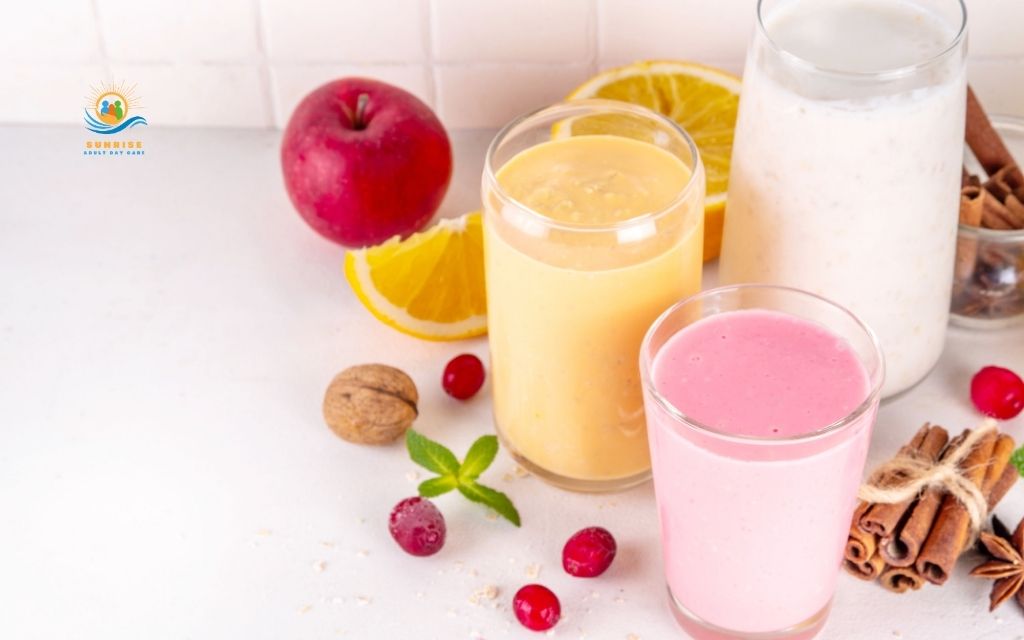
Getting enough nutrition can be harder than it sounds once you or a loved one reaches their 60s, 70s, or beyond. Appetite tends to shrink. Chewing certain foods becomes uncomfortable. A recent illness can leave the body running on empty for weeks.
For many older adults, these everyday challenges quietly add up to unintentional weight loss and widening nutritional gaps, even when mealtimes still happen on schedule.
That is exactly why nutritional drinks for seniors have become one of the most commonly recommended tools in elder care today. Physicians, registered dietitians, and adult day care coordinators regularly suggest them as a practical, low-effort way to add calories, protein, and key vitamins when ordinary food intake falls short.
This guide is written for retired older adults, family caregivers, and adult day care staff who want clear, trustworthy answers. By the end, you will know:
- When nutritional drinks are helpful (and when they are not)
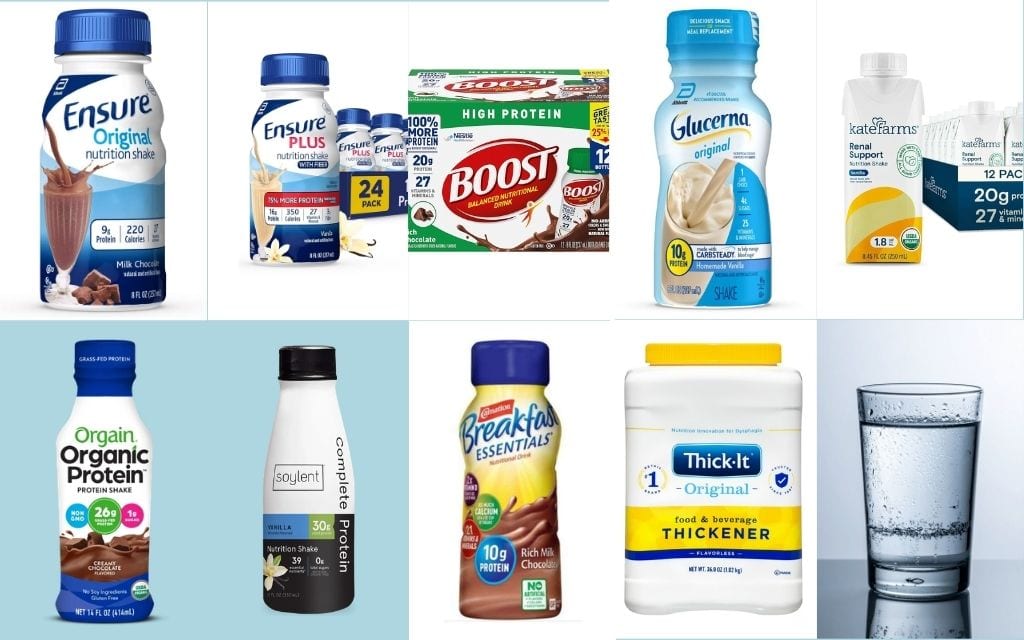
- The 15 best nutritional drinks for seniors, matched to specific conditions
- What ingredients to look for and what to avoid on product labels
- How to work drinks safely into daily routines or structured care programs
The information provided in this article is for informational purposes only and is not intended to replace advice from a physician or nutrition professional. If you or someone in your family has health concerns, please consult a qualified medical professional for accurate guidance.
When nutritional drinks are helpful for seniors
Nutritional drinks, sometimes called oral nutritional supplements (ONS) in clinical settings, are not meant for everyone. But for certain situations, they can make a meaningful, measurable difference. Below are the most frequent reasons a clinician or caregiver might reach for one.
Poor appetite
Appetite naturally decreases with age. Hormonal shifts, slower digestion, certain medications, and reduced physical activity all play a role. Many older adults simply feel full after a few bites and struggle to consume enough calories throughout the day.
A nutrient-dense drink – consumed between meals rather than instead of them – can quietly fill that gap without forcing anyone to sit through another large plate of food.
Unintentional weight loss
Losing weight without trying to is one of the clearest warning signs of malnutrition risk in older adults. When the body drops more than 5 percent of total body weight within 6-12 months, muscle mass, immune function, and wound-healing capacity can all decline together. High-calorie, high-protein drinks for seniors are specifically designed to help reverse this trend in a manageable, drinkable form.
Recovery after illness or surgery
Post-hospital discharge is one of the highest-risk nutritional windows for older adults.
The European Society for Clinical Nutrition and Metabolism (ESPEN) highlights the role of oral nutritional supplements during hospitalization and the weeks following discharge, when the body needs extra protein and micronutrients to rebuild tissue, restore strength, and reduce readmission risk.
Energy drinks for seniors formulated for recovery provide an accessible way to meet those elevated demands.
Difficulty chewing or swallowing
Dental problems, denture fit issues, dry mouth from medications, and swallowing disorders (dysphagia) can make solid food genuinely difficult or unsafe. Liquid nutrition sidesteps those mechanical barriers entirely.
For individuals with dysphagia, specially thickened nutrition drinks – prescribed and monitored by a speech-language pathologist – provide the appropriate texture consistency to reduce aspiration risk.
Chronic conditions requiring nutritional precision
Some health conditions change the way the body processes specific nutrients. Seniors managing type 2 diabetes, for example, need drinks that release carbohydrates slowly to avoid blood sugar spikes.
Those with chronic kidney disease may need products with limited potassium, phosphorus, and protein. Condition-specific formulas exist for exactly these scenarios, and choosing the right one matters more than picking the most popular brand.
What to look for in nutritional drinks for seniors
Reading a nutrition label feels straightforward until you are staring at a shelf of nearly identical-looking bottles with wildly different ingredient profiles.
Here is what actually matters and why:
Protein content
Protein is the single most important macronutrient for maintaining muscle mass in older adults, and most seniors do not get enough of it from food alone. Look for drinks that provide 10 to 20 grams of high-quality protein per serving.
Products listing whey, casein, or pea protein as primary sources are generally preferable over those relying on collagen protein alone, which lacks certain essential amino acids.
Calorie density
Caloric needs vary significantly. A senior recovering from surgery and struggling with poor appetite needs a calorie-dense formula (350 to 500 calories per serving).
Someone who simply wants to supplement a light meal may do better with a moderate-calorie option (150 to 250 calories) to avoid unintended weight gain.
Match the calorie level to the individual’s actual goal.
Sugar levels
Many mainstream nutritional drinks contain surprisingly large amounts of added sugar, sometimes 15 to 20 grams per serving. This is a critical concern for older adults managing diabetes or insulin resistance.
Look for products with low added sugar (under 10 grams per serving) and a low glycemic index rating whenever possible. Products formulated for blood sugar management will note this explicitly on the label.

Essential vitamins and minerals
Quality nutritional drinks for seniors should provide meaningful amounts of:
- Vitamin D: supports bone density and immune function, commonly deficient in older adults
- Calcium: maintains bone strength and reduces fracture risk
- Vitamin B12: critical for nerve function and red blood cell production; absorption declines with age
- Magnesium and potassium: support heart and muscle function
- Vitamin K: important note: if you or a loved one takes warfarin (a blood thinner), vitamin K intake must remain consistent. Always flag this with your physician or pharmacist before switching products
Fiber content
Digestive slowdown is common in older adults, and many nutritional drinks contain little to no dietary fiber. Where possible, choose products that include at least 2 to 3 grams of fiber per serving to support gut health and reduce constipation risk, which is a frequent side effect of heavy use of low-fiber liquid supplements.
15 best nutritional drinks for seniors
Every older adult has a different combination of health conditions, taste preferences, dietary restrictions, and financial realities. The following recommendations are organized by specific need so that you can match the right product to the right situation.
Always confirm new supplements with a healthcare provider, especially if chronic conditions or medications are involved.
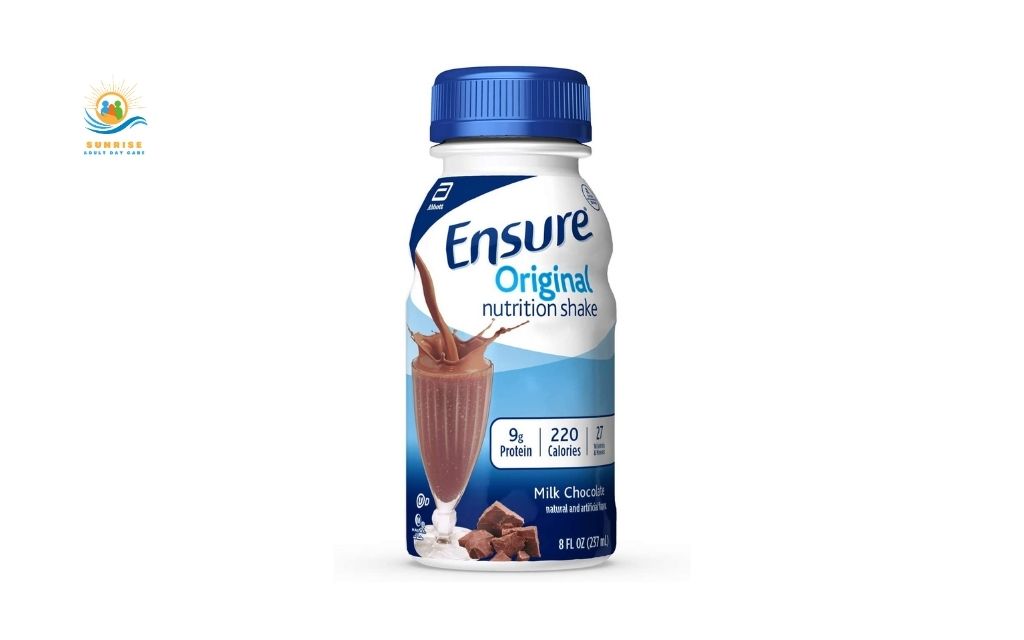
Ensure Original
Phù hợp nhất cho: Older adults who need balanced, everyday nutritional support with no specific medical condition driving the choice.
Ensure Original is one of the most widely recognized and physician-recommended nutrition drinks for seniors, and for good reason. Each serving provides a balanced combination of protein, carbohydrates, fat, and 26 essential vitamins and minerals.
It is moderate in both calories and protein, making it suitable as a between-meal supplement rather than a high-intensity recovery formula. It is widely available in pharmacies, grocery stores, and online, and comes in several flavors that most older adults find palatable.
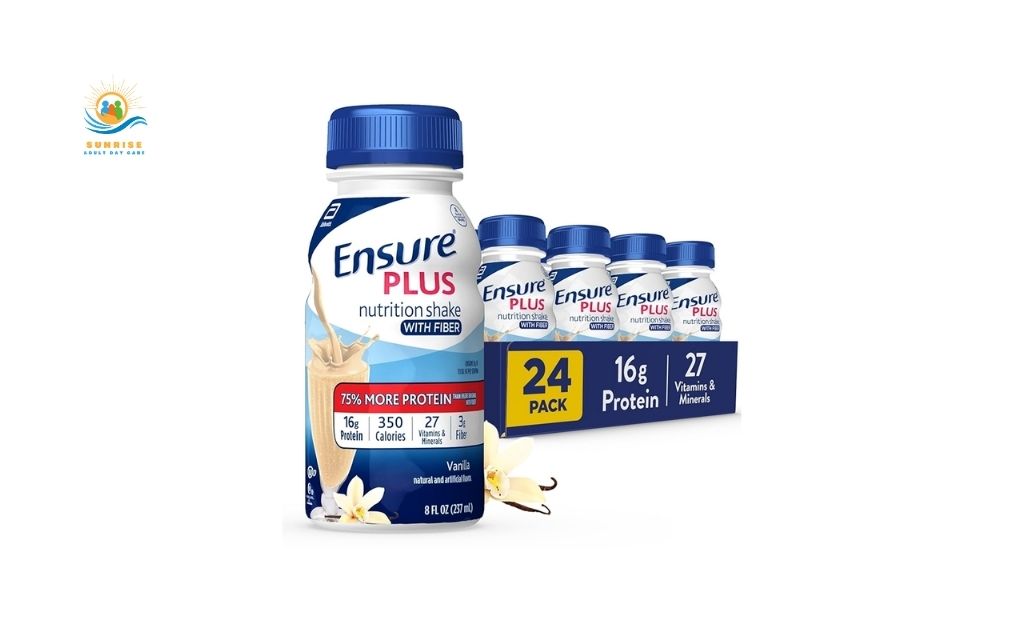
Ensure Plus
Phù hợp nhất cho: Seniors experiencing unintentional weight loss, chronic poor appetite, or recovering from an illness that has left them underweight.
Ensure Plus delivers significantly more calories and protein than the original formula, making it a go-to choice when weight restoration is the primary goal. The higher calorie density means fewer servings are needed to achieve a meaningful nutritional impact – an important consideration for older adults who already feel full quickly or have a limited appetite.
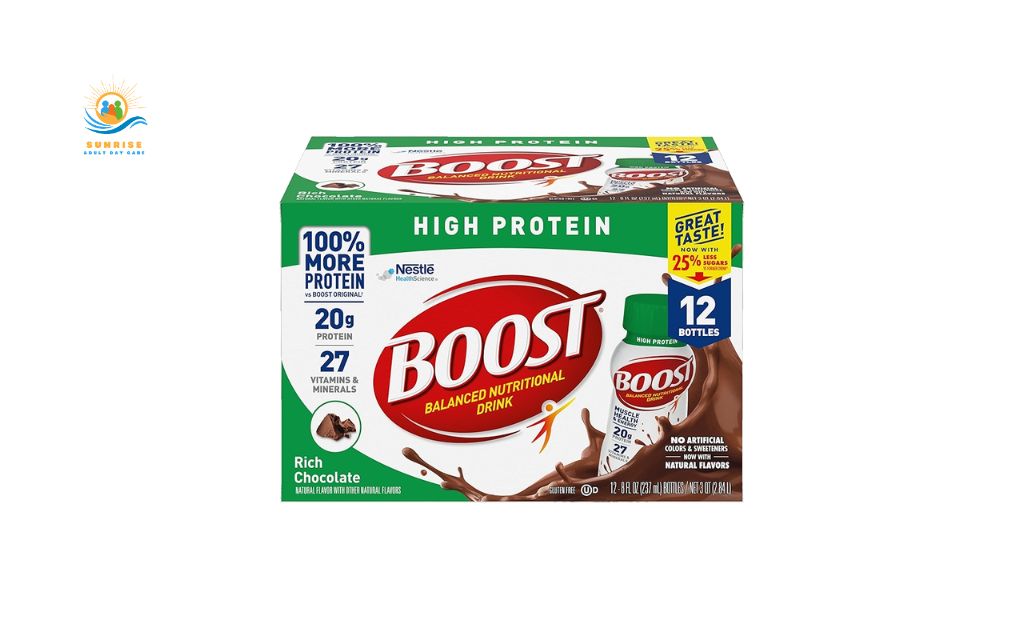
Boost high protein
Phù hợp nhất cho: Active or semi-active seniors focused on preserving or rebuilding muscle mass without consuming excess calories.
Muscle loss accelerates after age 60 and becomes one of the leading contributors to falls, weakness, and functional decline.
Boost High Protein is specifically designed to support muscle maintenance with a higher protein-to-calorie ratio than most standard formulas.
It is a particularly good fit for seniors participating in gentle exercise programs or physical therapy, where the muscles need quality protein to respond and recover.
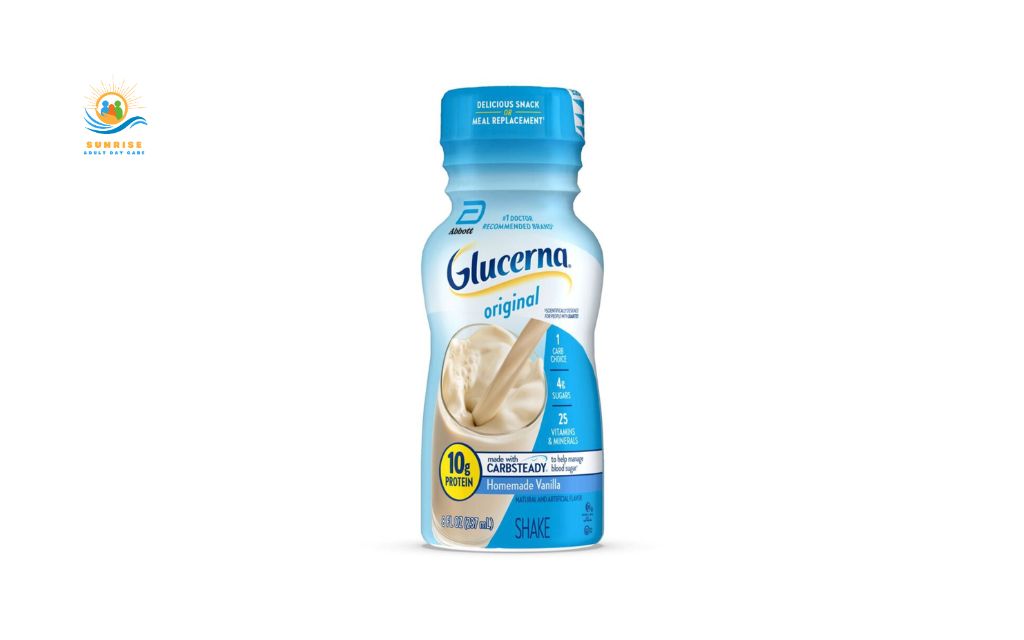
Glucerna
Phù hợp nhất cho: Seniors with type 2 diabetes or insulin resistance who need a nutrition drink that will not spike blood glucose levels.
Glucerna is one of the most clinically studied nutritional drinks for elderly adults managing blood sugar. Its carbohydrate profile is designed with a slow-digesting blend that produces a lower glycemic response compared to standard nutrition shakes.
Glucerna also contains a blend of monounsaturated fats and soluble fiber that further supports blood sugar stability. For any older adult with diagnosed diabetes, this is typically the first formula a dietitian will reach for.
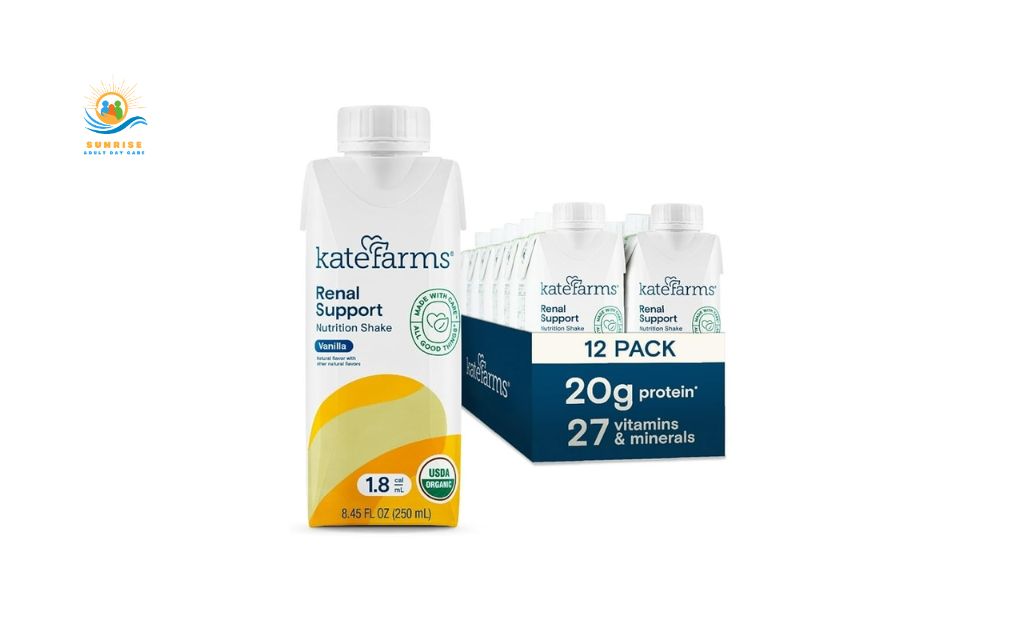
Kate Farms nutrition shake
Phù hợp nhất cho: Seniors following a vegan or dairy-free diet, those with milk protein allergies, or older adults who prefer organic ingredients.
Kate Farms has established itself as a premium plant-based option in the clinical nutrition space. Unlike many plant-based alternatives that sacrifice protein quality for ingredient purity, Kate Farms uses a pea protein blend that delivers a complete amino acid profile comparable to dairy-based formulas.
The ingredients are USDA-certified organic, and the product is free from the most common allergens: dairy, soy, gluten, and corn.
It is also well-tolerated by those with sensitive digestive systems.
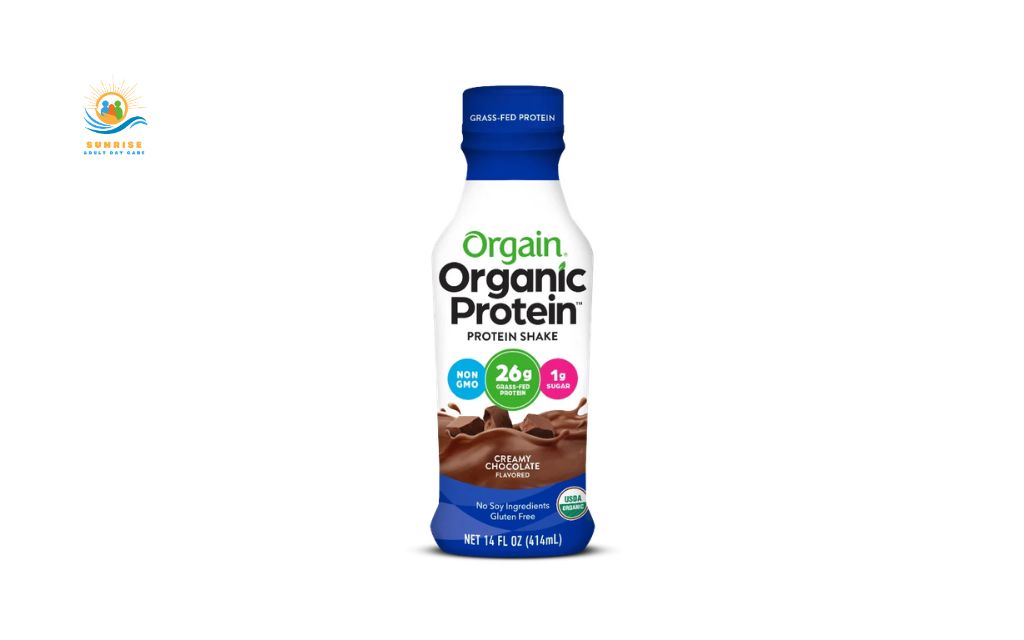
Orgain Organic nutrition shake
Phù hợp nhất cho: Nutrition-conscious seniors and caregivers who want a cleaner label without artificial additives, at a more accessible price point than premium clinical brands.
Orgain Organic offers a middle ground between conventional nutrition drinks and premium plant-based clinical formulas.
The protein blend is plant-based (pea, chia seeds, and brown rice), the sweetener is organic agave, and there are no artificial preservatives or growth hormones.
While it is not specifically designed for clinical malnutrition, it is an excellent everyday nutritious drink for elderly adults who are looking for something more natural than the major pharmaceutical brands.
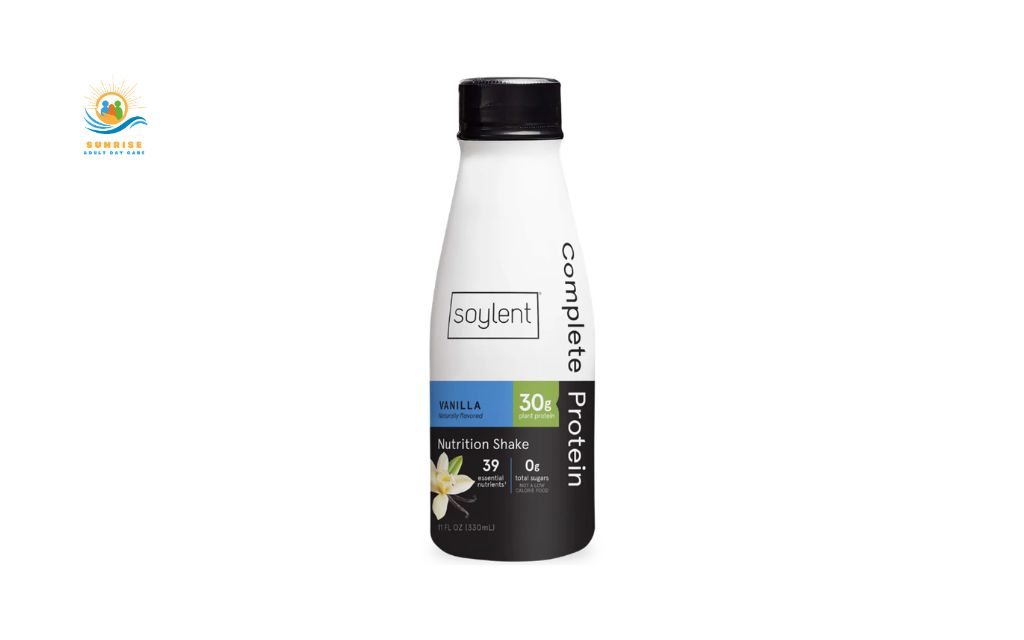
Soylent nutrition shake
Phù hợp nhất cho: Independent older adults who want a simple, ready-to-drink option with balanced macronutrients and minimal preparation required.
Soylent is a meal replacement originally designed for busy working adults, but its nutrient completeness and convenience have made it a practical option for some older adults as well. Each bottle provides a balanced ratio of protein, carbohydrates, and fat alongside a meaningful micronutrient profile.
It is not condition-specific, but for a senior who simply needs a reliable, complete supplement when a full meal is not feasible, Soylent delivers straightforward nutrition in a clean package.
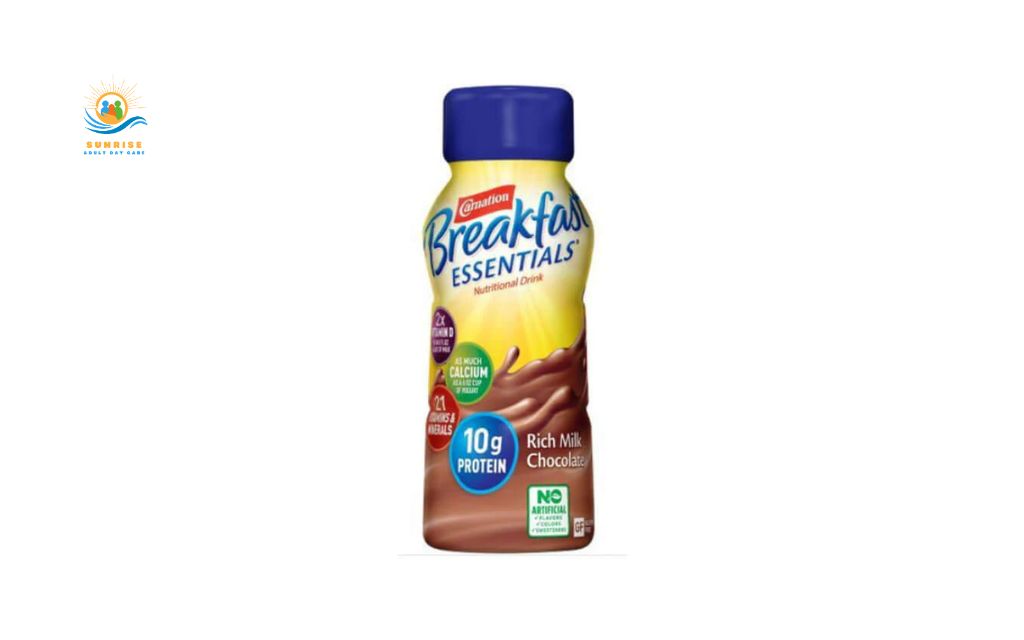
Carnation Breakfast Essentials
Phù hợp nhất cho: Seniors and caregivers looking for an accessible, affordable way to boost nutrition without the higher cost of clinical formulas.
Carnation Breakfast Essentials is a powdered supplement designed to be mixed with milk, which increases the protein and calcium content beyond what the powder alone provides.
It is significantly less expensive than most ready-to-drink clinical products and provides 21 vitamins and minerals per serving.
While it is not formulated specifically for seniors and lacks the clinical research base of brands like Ensure or Boost, it is a reasonable budget-conscious option for older adults who are already eating reasonably well but want a simple daily nutritional boost.
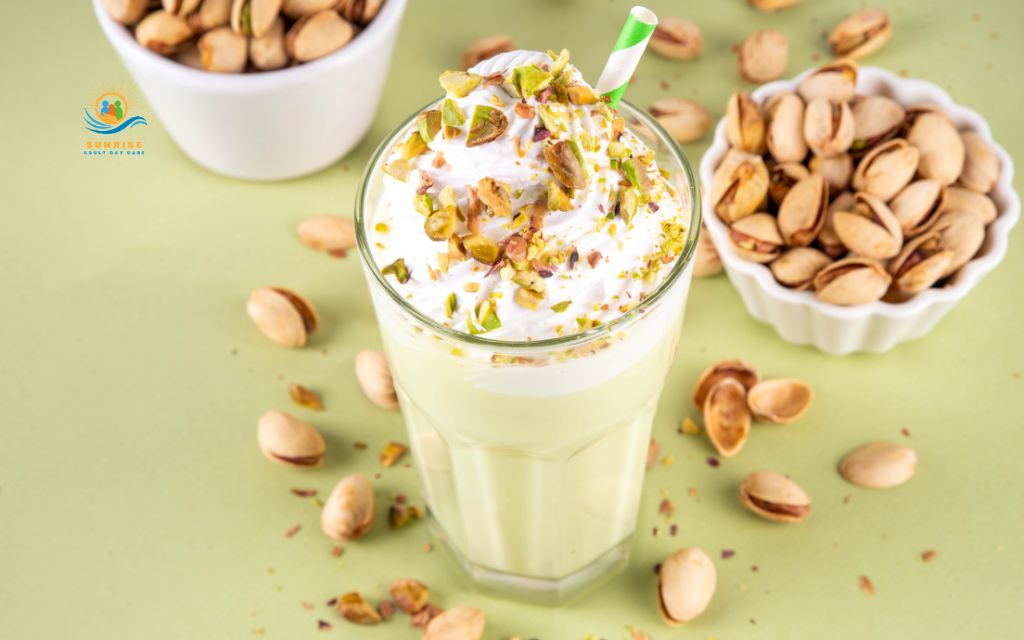
Homemade protein smoothies
Phù hợp nhất cho: Seniors whose caregivers want full control over ingredients, especially those with multiple food allergies, texture preferences, or specific caloric targets.
Commercial products are not the only option.
Homemade smoothies allow caregivers and family members to tailor every ingredient to the individual’s specific nutritional needs, taste preferences, and physical limitations – at a fraction of the cost of clinical products.
This approach also allows for the inclusion of whole food ingredients like fresh fruit, leafy greens, oats, and natural nut butters, which commercial drinks frequently cannot replicate.
Two practical, nutrient-dense examples:
- Recovery smoothie: plain Greek yogurt + banana + peanut butter + honey + whole milk – delivers protein, potassium, healthy fat, and natural calories
- Bone health smoothie: fortified milk + frozen blueberries + rolled oats + flaxseed + a splash of orange juice – provides calcium, vitamin C, fiber, and omega-3s
The primary caution with homemade smoothies is consistency. Without careful planning, it is easy to either under- or over-shoot caloric and protein targets.
Using a simple nutrition-tracking app for the first few weeks can help establish reliable recipes.
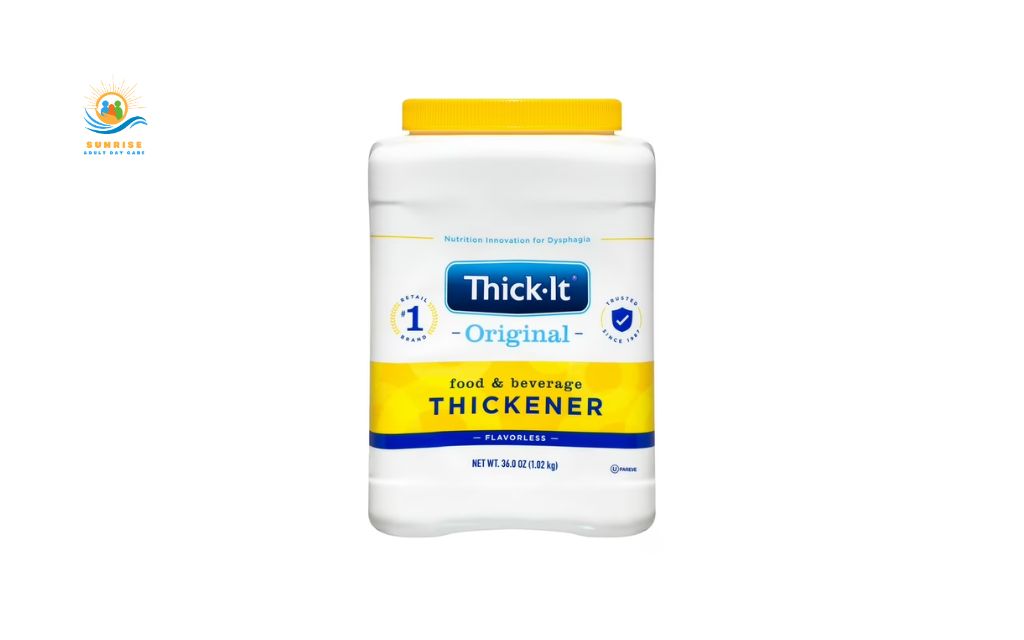
Thickened nutrition drinks
Phù hợp nhất cho: Older adults with diagnosed dysphagia who require modified-texture liquids to swallow safely.
Dysphagia (difficulty swallowing) affects a significant portion of older adults, particularly those who have had a stroke, Parkinson’s disease, or head and neck cancer. For these individuals, standard thin liquids carry genuine aspiration risk.
Thickened nutrition drinks are specially formulated to meet IDDSI (International Dysphagia Diet Standardisation Initiative) texture levels – ranging from slightly thick to extremely thick – ensuring that the fluid moves at a rate the swallowing muscles can handle safely.
Brands like Thick-It and Hormel Novatek produce ready-to-use thickened drinks, while standard thickening agents can be added to existing formulas such as Ensure or Boost under clinical guidance.
- Always prescribed and monitored by a speech-language pathologist (SLP)
- Texture level (nectar-thick, honey-thick, pudding-thick) must match the individual’s swallowing assessment
- Never attempt to manage dysphagia with thickened drinks without a professional evaluation first
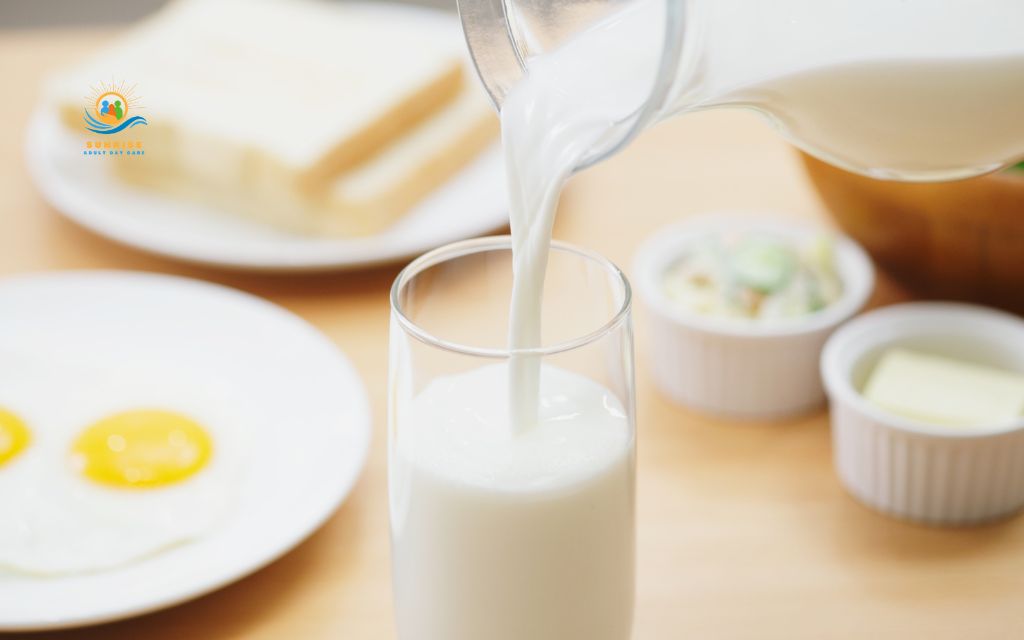
Milk
Phù hợp nhất cho: Seniors who tolerate dairy well and want a simple, affordable, whole-food drink that delivers protein, calcium, and vitamin D in one glass.
For older adults, whole milk or fortified low-fat milk provides a powerful combination of high-quality protein (about 8 grams per cup), calcium, phosphorus, and vitamin D – 3 nutrients that work together to slow age-related bone density loss and maintain muscle function.
It is also one of the most cost-effective nutritious drinks for the elderly, widely available and requiring no preparation.
- For seniors who are underweight or have poor appetite, whole milk delivers more calories per cup than reduced-fat versions.
- For those managing weight more carefully, fortified low-fat or skim milk provides the same protein and micronutrient profile with fewer calories.
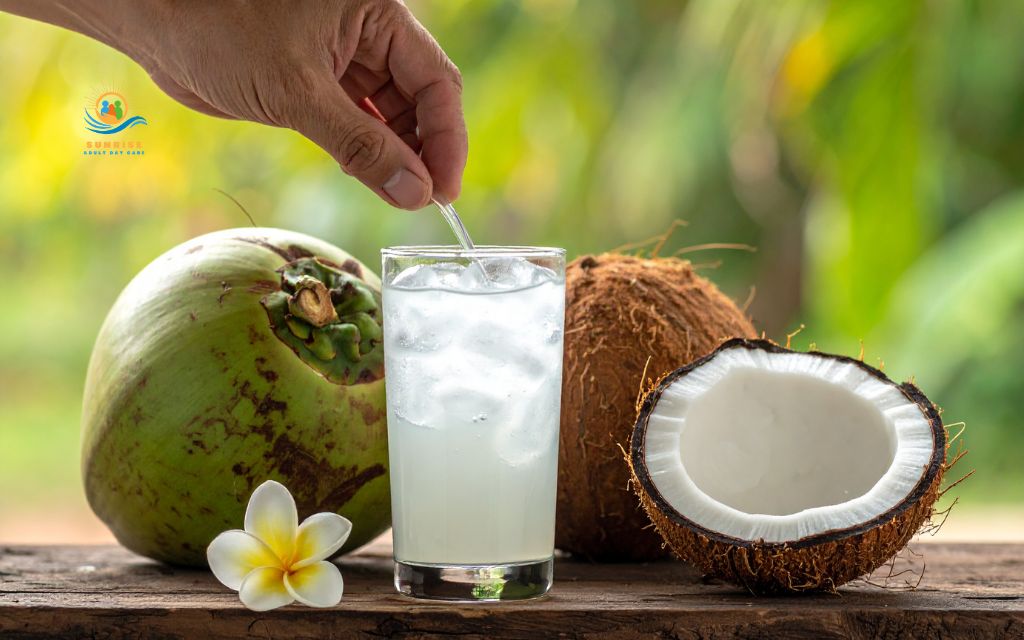
Coconut water
Phù hợp nhất cho: Seniors who struggle with adequate hydration, experience leg cramps, or need a low-calorie electrolyte drink that is gentle on the stomach.
Dehydration is one of the most underestimated health risks for older adults. Coconut water provides a gentle, naturally flavored hydration solution that supplies key electrolytes – most notably potassium, magnesium, and sodium – in proportions that closely resemble the body’s own fluid composition.
Unlike commercial sports drinks, which are often loaded with added sugar and artificial dyes, coconut water contains naturally occurring sugars and is free from artificial additives. It is not a high-protein or high-calorie option, but as part of a broader daily fluid intake strategy.
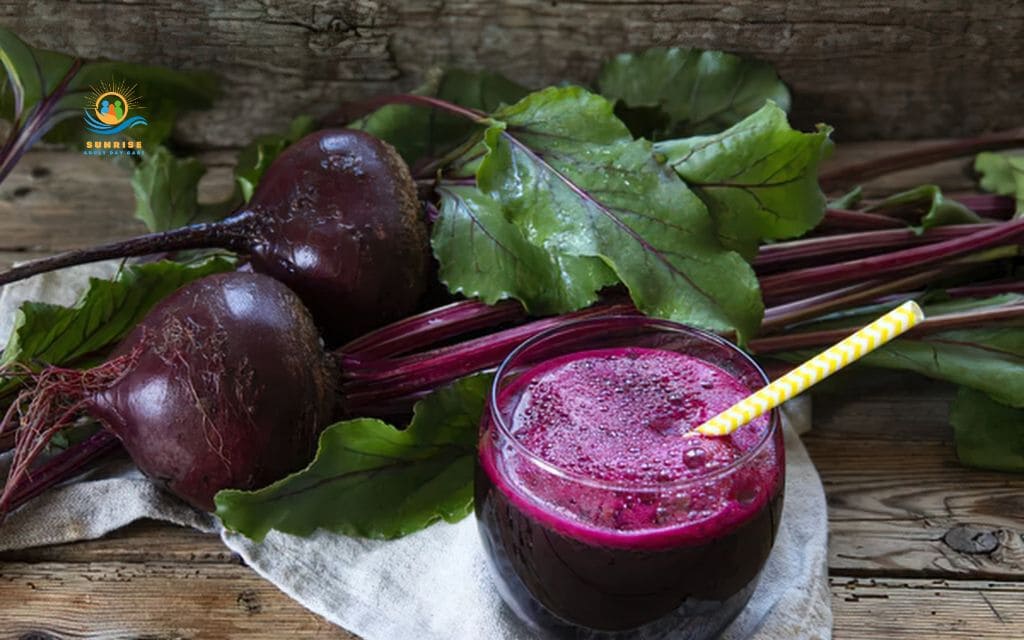
Vegetable juice
Phù hợp nhất cho: Seniors who struggle to eat enough vegetables, want to increase their intake of vitamins and minerals, and prefer a savory drink option over sweet formulas.
For older adults who find it difficult to prepare or consume adequate amounts of vegetables, vegetable juice offers a practical shortcut to a meaningful micronutrient boost.
A single 8-ounce serving of a quality vegetable juice blend can provide significant amounts of vitamins A, C, and K, as well as lycopene, potassium, and folate – nutrients that play important roles in immune function, cardiovascular health, and cellular repair.
The key qualifier for seniors is choosing low-sodium versions.
Standard commercial vegetable juices can contain upwards of 600 to 900 mg of sodium per serving – a substantial portion of the daily recommended limit, particularly concerning for older adults managing hypertension or fluid retention.
Water
Phù hợp nhất cho: Every senior, every day – water is the single most essential drink for elderly adults and the foundation upon which all other nutritional strategies are built.
It would be easy to overlook water in a list focused on nutritional drinks, but doing so would be a significant oversight.
Adequate hydration is foundational to virtually every physiological process in the aging body: kidney function, medication clearance, digestion, temperature regulation, cognitive clarity, and joint lubrication all depend on consistent fluid intake.
The general guideline for older adults is approximately 6 to 8 cups (1.5 to 2 liters) of fluid per day, though individual needs vary based on body size, activity level, medications, and climate.
Water should form the base of that daily fluid intake, with nutritional drinks, milk, coconut water, and juices providing supplementary hydration alongside their nutritional benefits.

Fruit juice
Phù hợp nhất cho: Seniors who need an accessible source of vitamin C or a palatable drink to accompany medications and supplements – when consumed in small, controlled portions.
Fruit juice occupies a complicated position in senior nutrition. On one hand, 100% fruit juices, particularly orange juice, grapefruit juice, and pomegranate juice, provide meaningful amounts of vitamin C, folate, and antioxidants that support immune function and vascular health.
On the other hand, fruit juice is stripped of the dietary fiber that whole fruit contains, and the concentrated natural sugars can raise blood glucose levels quickly.
The practical recommendation for older adults is to treat fruit juice as a condiment rather than a beverage: small portions (4 ounces, or half a standard glass) alongside a meal rather than large servings consumed independently. This approach captures the micronutrient benefits while limiting the glycemic impact.
How to use nutritional drinks safely
Choosing the right nutrition drink for a senior is only half the equation. How, when, and how much the drink is consumed matters just as much as what is in the bottle.
The following practical guidelines apply whether you are managing your own nutrition, caring for a loved one at home, or coordinating supplemental nutrition in an adult day care setting.
Best time to drink
Timing nutrition drinks strategically produces better outcomes. The most effective windows are:
- Mid-morning (around 10:00 a.m.): after a light breakfast when appetite begins to dip
- Mid-afternoon (around 3:00 p.m.): between lunch and dinner as a structured snack
- Immediately after a small meal: as a calorie and protein booster when the plate was barely touched
Avoid giving a nutrition drink immediately before a meal, as the liquid volume can reduce appetite for the actual food – which is counterproductive when the goal is to maximize overall intake.
Watch portion size
More is not always better. Consuming too many high-calorie nutrition drinks can lead to:
- Unintended excess calorie intake
- Elevated blood sugar, particularly dangerous for those with diabetes or pre-diabetes
- Gastrointestinal discomfort (bloating, nausea, and diarrhea) are common when liquid supplements are consumed in too-large quantities too quickly
In most cases,1 – 2 servings per day is appropriate as a supplement alongside regular meals. Clinician-directed programs may recommend more, particularly during active recovery periods.
Monitor weight and energy
Nutritional supplementation should produce measurable, observable results over time. Track the following and share findings with a healthcare provider at each visit:
- Body weight: weigh consistently (same time of day, same clothing) once or twice per week
- Energy levels: note improvements in alertness, stamina, or mood over a two- to four-week period
- Appetite changes: is the person eating more food alongside the drinks, or are the drinks replacing food entirely?
- Gastrointestinal tolerance: any new or worsening symptoms of bloating, nausea, or bowel changes should be discussed with a clinician
Nutritional drinks in adult day care programs
For older adults who attend a structured adult day care program, nutritional support happens within a network of scheduled meals, social connection, and wellness activity. Here is how adult day programs typically support senior nutrition:
Scheduled snack times
Structured programs build nutritional drink servings into the daily schedule as a consistent mid-morning or mid-afternoon snack. This regularity removes one of the most common barriers to supplement adherence: remembering to take it. When a nutrition drink is part of a predictable daily routine alongside a group of peers, compliance is substantially higher than it is at home.
Nutrition monitoring
Adult day care staff are positioned to observe intake patterns that family members at home often miss. Trained staff can track whether a participant consumed their supplement, monitor for signs of weight loss or muscle wasting, and flag concerns to family caregivers or the participant’s physician before the situation worsens. This kind of real-time, consistent monitoring is one of the most valuable aspects of structured daytime care for nutrition management.
Social dining
Research consistently shows that older adults eat and drink more when they are sharing a meal or snack with others versus eating alone.
The social atmosphere of adult day programs naturally stimulates appetite and makes the act of consuming a nutritional supplement feel less clinical and more enjoyable.
This effect is real and measurable, and it is one of the reasons that programs combining social engagement with structured nutrition support tend to produce better outcomes than isolated home-based supplementation.
Health screening and referrals
Beyond daily monitoring, adult day care programs often conduct periodic weight checks, nutritional risk screenings, and health assessments.
Staff can identify early signs of malnutrition and facilitate timely referrals to a registered dietitian, primary care physician, or speech-language pathologist when specialized intervention is needed.
This integrated, proactive approach to senior nutrition is exactly what clinical bodies like ESPEN recommend: routine screening, early intervention, and ongoing monitoring rather than reactive management after a crisis has already developed.
Kết luận
Nutritional drinks for seniors are not a perfect solution, and they are not the right answer for every situation. But for the millions of older adults managing poor appetite, unintentional weight loss, recovery from illness, swallowing difficulties, or chronic conditions like diabetes, they represent a practical tool for bridging genuine nutritional gaps.
The key is choosing thoughtfully – matching the product to the specific need, reading the label carefully, timing the drink appropriately, and keeping a healthcare provider in the loop, especially when medications are involved.
The best nutritional drink for a senior is not necessarily the most popular brand. It is the one that fits that individual’s body, condition, taste preferences, and daily routine.
When nutritional drinks are combined with balanced meals, regular physical activity, and the kind of structured social support that a quality adult day care program provides, they become one part of a broader, more powerful approach to senior health and well-being. The goal is not just adequate nutrition – it is sustained strength, energy, and quality of life.
Supporting Senior Nutrition at Sunrise Adult Daycare in Denver
Tại Trung tâm Chăm sóc Người lớn Sunrise (2500 S. Sheridan Blvd, Denver, CO), nutrition is never an afterthought. Our structured daytime program provides nutritious meals and scheduled snacks, staff who monitor intake and hydration, and the kind of warm social dining environment that naturally encourages older adults to eat and drink more.
Whether a participant needs a specific nutritional supplement, a modified-texture drink, or simply the company of friends to make mealtime feel worthwhile again, our compassionate team is here to help. If you are looking for a safe, engaging daytime program where your loved one’s nutritional well-being is actively supported, we invite you to reach out.
Call us at 303-226-6882 to schedule a tour today.
Câu hỏi thường gặp (FAQ)
Are nutritional drinks safe for seniors?
Yes, nutritional drinks are generally safe for older adults when used appropriately and in moderation. They are recommended by physicians and registered dietitians to help seniors meet their daily calorie and protein requirements when food intake alone is insufficient.
What is the best nutritional drink for seniors?
The best nutritional drink for any senior depends on that individual’s specific health needs, dietary restrictions, and goals. Ensure Original and Boost High Protein are strong general-purpose choices; Glucerna is the preferred option for those managing diabetes; Kate Farms or Orgain are excellent for those following a plant-based or dairy-free diet; and thickened formulas are essential for anyone with a diagnosed swallowing disorder.
Can seniors drink nutrition shakes every day?
Yes, many older adults incorporate nutrition shakes into their daily routine as a consistent mid-morning or mid-afternoon snack, and this is generally well-tolerated. The important principle is that daily use should supplement a varied diet of whole foods, not replace it. Long-term use of liquid supplements as a primary food source, without clinical oversight, can lead to nutritional imbalances or gastrointestinal side effects.
Are nutritional drinks good for seniors with diabetes?
Standard nutrition drinks are not recommended for older adults with diabetes due to their high sugar and rapidly digested carbohydrate content. However, products specifically formulated for blood sugar management are designed with a slow-release carbohydrate blend that minimizes blood sugar spikes.
Can nutritional drinks replace meals for seniors?
In most situations, nutritional drinks are intended to supplement meals, not permanently replace them. A food-first approach remains the clinical standard because whole foods provide fiber, phytonutrients, and a variety of compounds that liquid supplements cannot fully replicate. Meal replacement with nutritional drinks may be appropriate in specific short-term clinical situations but only under direct guidance from a physician or registered dietitian.