Nhảy tới nội dung
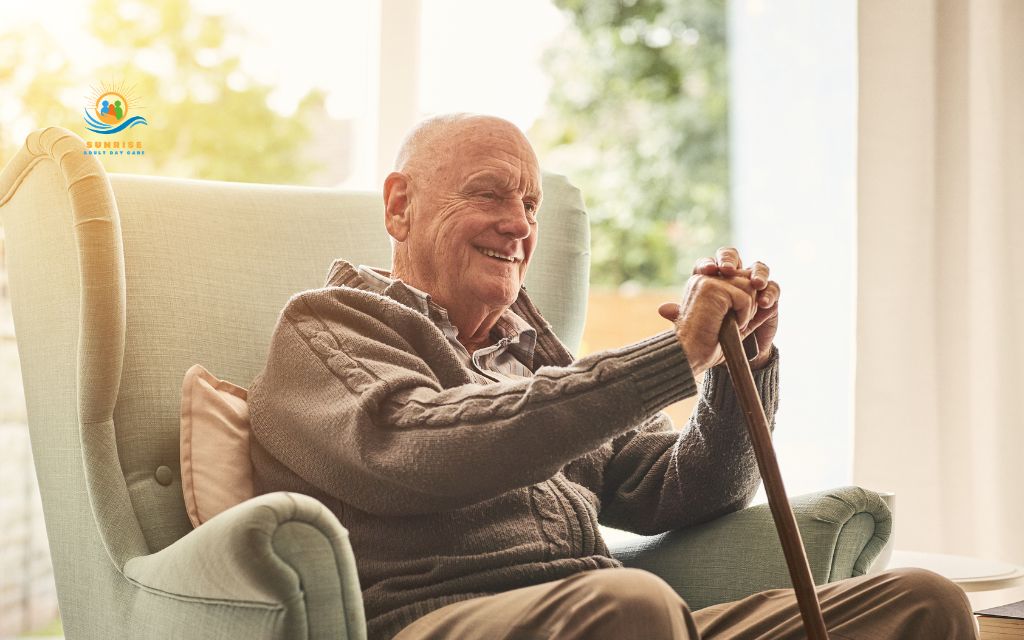
Cuộc sống hưu trí có thể mang lại những cảm nhận hoàn toàn khác biệt khi bạn phải trải qua một mình. Nhiều người cao tuổi sống một mình phải đối mặt với cảm giác cô đơn, lo lắng về an toàn tại nhà và sự băn khoăn về cách xây dựng một chương mới trong cuộc đời.
Tuy nhiên, có một điều quan trọng cần lưu ý: việc sống một mình không có nghĩa là bạn phải đối mặt với tuổi già mà không có sự hỗ trợ. Trên khắp nước Mỹ, ngày càng có nhiều người cao tuổi sống một mình – và các cộng đồng, chương trình cũng như các hình thức chăm sóc đã được phát triển để đáp ứng nhu cầu của họ.
Hướng dẫn này dành cho những người cao tuổi sống một mình cũng như các con cái đã trưởng thành và những thành viên gia đình yêu thương họ. Chúng ta sẽ cùng tìm hiểu những thách thức đặc thù khi nghỉ hưu một mình, khám phá các khu cộng đồng dành riêng cho người cao tuổi độc thân, chia sẻ những lời khuyên để đảm bảo an toàn và duy trì kết nối, đồng thời giải thích lý do tại sao dịch vụ chăm sóc ban ngày dành cho người cao tuổi là một trong những lựa chọn hỗ trợ ban ngày hiệu quả và tiết kiệm nhất hiện nay.
Thực tế của việc nghỉ hưu một mình
Đối với nhiều người cao tuổi, tuổi hưu mang lại cảm giác vừa tự do vừa bấp bênh. Khi bạn còn độc thân, sự cân bằng đó có thể trở nên đặc biệt mong manh. Hiểu rõ những thách thức thực sự là bước đầu tiên để đối mặt với chúng một cách tự tin và sáng suốt.
Cô lập xã hội và cô đơn về mặt tình cảm
Một trong những rủi ro lớn nhất đối với người cao tuổi sống một mình là tình trạng cô lập xã hội. Khi lịch trình làm việc hàng ngày kết thúc mà không có người bạn đời ở nhà, mạng lưới quan hệ xã hội từng giúp họ duy trì sự gắn kết có thể nhanh chóng bị phai nhạt.
Nghiên cứu của Viện Quốc gia về Lão hóa xác nhận rằng tình trạng cô lập xã hội ở người cao tuổi có liên quan đến nguy cơ cao hơn về trầm cảm, suy giảm nhận thức và thậm chí là bệnh tim mạch. Thực tế, về mặt tác động đến sức khỏe, tình trạng cô đơn mãn tính được so sánh tương đương với việc hút 15 điếu thuốc mỗi ngày.
Đối với những người hưu trí sống một mình, sự thay đổi này có thể diễn ra từ từ và âm thầm. Những ngày không có ai trò chuyện, những tuần không có hoạt động ý nghĩa và những tháng không có mục đích sống có thể gây ra những tác động nghiêm trọng đến cả sức khỏe tinh thần lẫn thể chất.
Các vấn đề về an toàn và sức khỏe
Việc sống một mình đặt ra những vấn đề an toàn rất thực tế đối với người cao tuổi. Trong một gia đình có hai người, trường hợp khẩn cấp về y tế của một người sẽ nhanh chóng được phát hiện và xử lý kịp thời. Đối với người cao tuổi sống một mình, “lưới an toàn” đó sẽ không còn nữa. Một cú ngã, một cơn đau tim hay một cơn bệnh đột ngột có thể đe dọa tính mạng nếu không có ai ở gần để ứng phó.
Ngoài các trường hợp khẩn cấp, việc theo dõi sức khỏe định kỳ thường bị bỏ qua khi người cao tuổi sống một mình. Huyết áp, đường huyết, lịch dùng thuốc và các kiểm tra sức khỏe tổng quát là những lĩnh vực mà người cao tuổi sống một mình có thể dễ bị lơ là.
Sức khỏe tim mạch đặc biệt cần được quan tâm thường xuyên, bởi theo Trung tâm Kiểm soát và Phòng ngừa Dịch bệnh (CDC), bệnh tim mạch vẫn là nguyên nhân hàng đầu gây tử vong ở người cao tuổi tại Hoa Kỳ.
Những thách thức về tài chính và lập kế hoạch
Những người cao tuổi độc thân phải gánh vác toàn bộ gánh nặng về tương lai tài chính của mình mà không có thu nhập từ bạn đời, lương hưu hay trợ cấp an sinh xã hội để bổ sung cho thu nhập của bản thân. Thực tế này đòi hỏi một cách tiếp cận có chủ đích hơn trong việc lập kế hoạch tài chính.
Không có nguồn thu nhập thứ hai để dựa vào khi chi phí y tế tăng cao, không có khoản chi tiêu chung trong gia đình để giảm bớt gánh nặng về nhà ở, và cũng không có khoản tiết kiệm hưu trí dự phòng để sử dụng trong trường hợp khẩn cấp.
Đồng thời, nhiều người hưu trí sống một mình có thể có khoản tiết kiệm hưu trí ít hơn so với những người cùng lứa tuổi. Việc hiểu rõ cách tối đa hóa các khoản trợ cấp An sinh Xã hội, quản lý chi phí nhà ở và lập kế hoạch cho các chi phí chăm sóc dài hạn không phải là điều tùy chọn. Đó là điều thiết yếu.
Cộng đồng hưu trí dành cho người độc thân là gì?
Các khu dân cư dành cho người cao tuổi độc thân là những môi trường sinh sống được thiết kế dành cho người trưởng thành từ 55 tuổi trở lên, trong đó nhiều người sống một mình.
Khác với các viện dưỡng lão hay cơ sở chăm sóc người mất trí nhớ, các khu dân cư này được xây dựng dành cho những người vẫn còn khá tự lập nhưng mong muốn có được hệ thống hỗ trợ xã hội, các biện pháp an toàn và sự tiện lợi mà một môi trường sống có tổ chức mang lại.
Các cộng đồng này bao gồm từ các khu chung cư dành riêng cho người cao tuổi và các khu nhà phố đến các khu phức hợp sinh hoạt độc lập với đầy đủ dịch vụ. Điểm chung của chúng là sự chú trọng vào tinh thần cộng đồng, phong cách sống và những nhu cầu thiết thực của người cao tuổi đang tự chủ trong cuộc sống của mình.
Hầu hết các khu dân cư dành cho người cao tuổi độc thân đều cung cấp một số dịch vụ kết hợp sau đây:
- Các hoạt động xã hội được tổ chức như các lớp tập thể dục, hội thảo nghệ thuật, đêm chiếu phim, câu lạc bộ sách và các chuyến dã ngoại trong ngày
- Cuộc sống không cần lo lắng về việc bảo trì, với các công việc như thiết kế cảnh quan, sửa chữa và bảo dưỡng tòa nhà đều do nhân viên đảm nhận
- Xây dựng cộng đồng gắn kết thông qua các khu vực chung, không gian ăn uống và các sự kiện được tổ chức
- Các tính năng an toàn tại chỗ bao gồm hệ thống gọi khẩn cấp, lối vào được bảo vệ và sự hiện diện của nhân viên
- Các tiện ích thiết thực như dịch vụ vận chuyển, nhà hàng tại chỗ và vị trí gần các phòng khám y tế
Những lý do nên chọn khu nghỉ hưu dành cho người độc thân
Đối với nhiều người cao tuổi sống một mình, việc chuyển đến sinh sống tại một khu dân cư dành cho người cao tuổi được xem là một bước ngoặt lớn. Tuy nhiên, đối với những ai đã thực hiện bước chuyển đổi này, những lợi ích mà họ nhận được thường được mô tả là đã thay đổi hoàn toàn cuộc sống của họ.
Dưới đây là những lý do thuyết phục nhất khiến những người hưu trí độc thân lựa chọn các cộng đồng này:
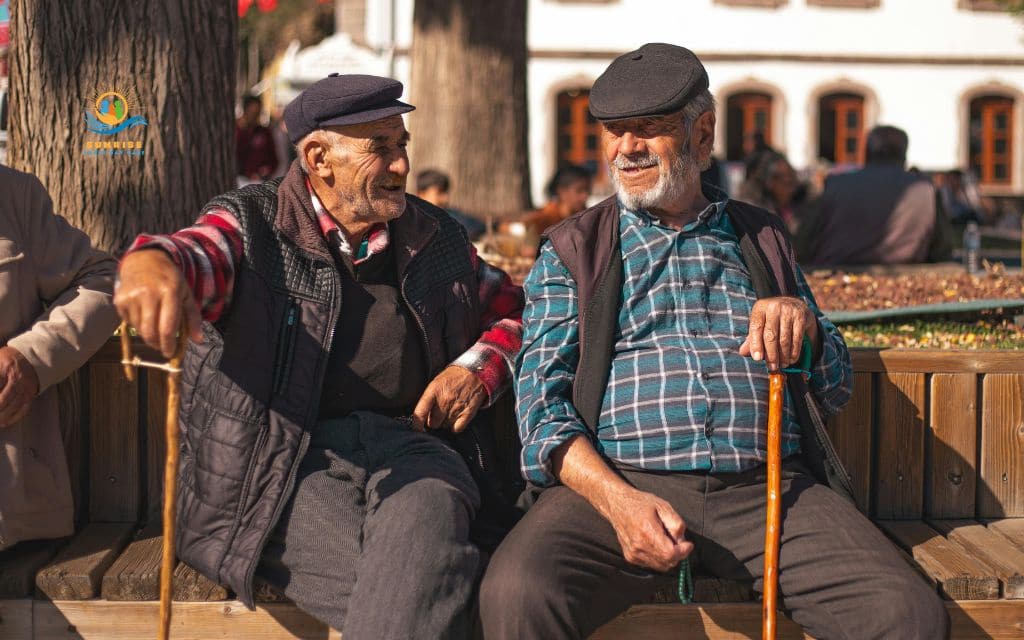
- Giảm bớt cảm giác cô đơn và bị cô lập: Một cộng đồng có tổ chức giúp việc kết nối xã hội trở thành điều bình thường, chứ không phải là ngoại lệ. Các hoạt động hàng ngày, bữa ăn chung và những không gian sinh hoạt chung thoải mái khiến việc bị cô lập trở nên khó khăn hơn rất nhiều.
- Các hoạt động và đời sống xã hội được tích hợp sẵn: Thay vì phải tự mình tìm kiếm từng cơ hội giao lưu xã hội, cư dân có thể tận hưởng lịch trình các sự kiện đa dạng cùng một cộng đồng sẵn có gồm những người bạn đồng trang lứa có chung những trải nghiệm cuộc sống.
- Môi trường sống an toàn hơn: Các hệ thống ứng phó khẩn cấp, nhân viên trực tại chỗ cùng với sự quan tâm chung của hàng xóm và nhân viên cộng đồng giúp cuộc sống hàng ngày của người cao tuổi sống một mình trở nên an toàn hơn đáng kể.
- Sự tiện lợi và hỗ trợ: Các dịch vụ bảo trì, vận chuyển và đôi khi cả ăn uống đều được cung cấp ngay trong cộng đồng, giúp giảm bớt gánh nặng hậu cần cho những người cao tuổi sống một mình phải tự lo liệu mọi việc.
- Ý thức về mục đích và sự thuộc về: Cuộc sống cộng đồng mang đến cho những người hưu trí sống một mình lý do để thức dậy, mặc quần áo và tham gia các hoạt động, điều này có mối liên hệ mật thiết với sức khỏe tinh thần và thể chất khi về già.
Chi phí sinh hoạt tại các khu dân cư dành cho người độc thân về hưu là bao nhiêu?
Chi phí là một trong những vấn đề cấp bách nhất đối với những người cao tuổi độc thân đang tìm hiểu các lựa chọn về cộng đồng hưu trí. Khi không có thu nhập hay khoản tiết kiệm từ người bạn đời để dựa vào, việc nắm rõ chi phí phải chi trả là điều thiết yếu để đưa ra quyết định hợp lý và bền vững.
Câu trả lời trung thực là chi phí có sự chênh lệch rất lớn tùy thuộc vào loại hình khu dân cư, vị trí của nó và mức độ dịch vụ được cung cấp. Dưới đây là một cái nhìn tổng quan:
| Loại cộng đồng | Chi phí hàng tháng thông thường | Bao gồm những gì |
| Cộng đồng người lớn tuổi năng động từ 55 tuổi trở lên | 1.400 – 3.000 TPD | Tiền thuê nhà, tiền điện nước, tiện ích |
| Cộng đồng sống tự lập | 1.000–5.000 TPD/tháng | Bữa ăn, dịch vụ dọn dẹp, các hoạt động |
| Cộng đồng Chăm sóc Liên tục (CCRC) | 1.430.000 – 1.470.000+/tháng | Dịch vụ chăm sóc theo từng cấp độ, từ chăm sóc cơ bản đến chăm sóc chuyên sâu |
| Chương trình Chăm sóc Ban ngày cho Người lớn | $70 – $150/ngày | Bữa ăn, theo dõi sức khỏe, các hoạt động xã hội |
Ngoài ra, một số cộng đồng áp dụng mô hình thuê nhà, trong khi một số khác yêu cầu khoản phí gia nhập cao (thường dao động từ 100.000 đến 500.000 TPD hoặc cao hơn đối với các Cộng đồng hưu trí chăm sóc liên tục).
Trước khi quyết định gia nhập bất kỳ cộng đồng nào, điều quan trọng là phải nắm rõ toàn bộ cơ cấu tài chính, những gì sẽ xảy ra nếu nhu cầu chăm sóc của bạn tăng lên, cũng như các biện pháp bảo vệ tài chính nào được áp dụng trong trường hợp cộng đồng đó gặp khó khăn.
Làm thế nào để tôi có thể chi trả cho các khu dân cư dành cho người cao tuổi này?
Đối với những người cao tuổi độc thân không có nguồn tài chính từ bạn đời, việc chi trả chi phí sinh hoạt tại khu dân cư dành cho người cao tuổi đòi hỏi sự lên kế hoạch sáng tạo và cẩn thận. Các nguồn tài chính sau đây thường được sử dụng:
- Tiền tiết kiệm hưu trí: Thường là nguồn tài chính chính cho những người cao tuổi đã tiết kiệm đều đặn trong suốt thời gian đi làm.
- Thu nhập từ bảo hiểm xã hội: Các khoản trợ cấp hàng tháng mang lại nguồn thu nhập ổn định. Những người cao tuổi độc thân đã kết hôn ít nhất 10 năm cũng có thể đủ điều kiện nhận trợ cấp cho vợ/chồng hoặc trợ cấp cho vợ/chồng đã ly hôn, giúp tăng thu nhập hàng tháng.
- Thu nhập hưu trí: Nếu bạn từng làm việc trong khu vực công, ngành giáo dục hoặc các ngành có tổ chức công đoàn, chế độ hưu trí có thể mang lại nguồn thu nhập hàng tháng ổn định để giúp trang trải các chi phí sinh hoạt.
- Số tiền thu được từ việc bán nhà: Đối với những người cao tuổi độc thân sở hữu nhà riêng, việc bán tài sản này có thể mang lại một khoản tiền lớn để chi trả cho việc chuyển đến sinh sống tại một khu dân cư dành cho người cao tuổi. Trong nhiều trường hợp, việc chuyển từ nhà riêng sang nơi ở trong khu dân cư dành cho người cao tuổi cũng giúp giảm bớt các chi phí hàng tháng.
- Quyền lợi cho cựu chiến binh: Những người cao tuổi độc thân từng phục vụ trong quân đội có thể đủ điều kiện nhận các khoản trợ cấp của Cục Cựu chiến binh (VA) nhằm hỗ trợ chi phí cho các dịch vụ chăm sóc tại nhà hoặc dịch vụ chăm sóc ban ngày dành cho người lớn.
- Bảo hiểm chăm sóc dài hạn: Các hợp đồng bảo hiểm được ký kết trước khi nghỉ hưu có thể chi trả một phần chi phí sinh hoạt hoặc chi phí chăm sóc, tùy thuộc vào các điều khoản của gói bảo hiểm.
- Khoản vay cầu nối hoặc thế chấp ngược: Đối với những chủ nhà cần huy động vốn từ giá trị tài sản thế chấp trước khi bán nhà, các công cụ tài chính này có thể cung cấp nguồn vốn ngắn hạn trong thời gian chờ bán nhà.

Cách người cao tuổi độc thân chuẩn bị cho tuổi hưu: Những lời khuyên thiết thực
Việc lập kế hoạch cho cuộc sống hưu trí khi còn độc thân đòi hỏi những hành động có chủ đích trên nhiều phương diện, bao gồm tài chính, xã hội, sức khỏe và hậu cần. Những chiến lược thiết thực sau đây có thể giúp những người hưu trí độc thân xây dựng một cuộc sống hưu trí vừa an toàn vừa trọn vẹn.
Vượt qua những lo lắng về tài chính
Hãy nhận thức rằng việc tự mình quản lý tài chính hưu trí thực sự khó khăn hơn so với việc quản lý cùng với người bạn đời.
Hãy lập một bản ngân sách hàng tháng chi tiết, xác định các nguồn thu nhập cố định của bạn, dự trù các chi phí y tế có thể phát sinh, và lập một quỹ dự phòng dành riêng cho các chi phí y tế hoặc nhà ở bất ngờ. Bạn nên cân nhắc gặp gỡ một cố vấn tài chính để rà soát kế hoạch của mình ít nhất một lần mỗi năm.
Lập kế hoạch chiến lược bảo hiểm xã hội
Đối với người cao tuổi đã ly hôn hoặc góa bụa, việc lập kế hoạch an sinh xã hội cần được đặc biệt quan tâm:
- Người cao tuổi góa bụa có thể được hưởng trợ cấp cho người còn sống dựa trên hồ sơ làm việc của người phối ngẫu đã qua đời, và có thể nhận được tối đa 100% mức trợ cấp của người phối ngẫu đã qua đời nếu mức này cao hơn mức trợ cấp của chính họ.
- Những người cao tuổi đã ly hôn và từng kết hôn ít nhất 10 năm cũng có thể nhận trợ cấp dành cho vợ/chồng mà không ảnh hưởng đến trợ cấp của người vợ/chồng cũ.
Liên hệ với Cơ quan An sinh Xã hội (ssa.gov) hoặc một cố vấn tài chính chuyên về các chế độ trợ cấp có thể giúp bạn xác định chiến lược nhận trợ cấp phù hợp nhất với hoàn cảnh của mình.
Xác định người đại diện về tài chính và sức khỏe
Mỗi người cao tuổi đều cần chỉ định ít nhất một người đáng tin cậy để thay mặt đưa ra các quyết định về tài chính và y tế trong trường hợp họ không còn khả năng tự quyết định. Điều này có nghĩa là cần lập một văn bản ủy quyền lâu dài về tài chính và một văn bản ủy quyền chăm sóc sức khỏe hoặc văn bản ủy quyền y tế để đưa ra các quyết định y tế. Nếu không có các văn bản này, các thành viên trong gia đình có thể gặp phải những rào cản pháp lý khi muốn giúp đỡ bạn trong tình huống khẩn cấp, và tòa án có thể phải can thiệp. Hãy liên hệ với một luật sư chuyên về pháp luật người cao tuổi để đảm bảo các văn bản này được lập đúng quy định.
Xây dựng kế hoạch chăm sóc dài hạn
Người cao tuổi sống một mình có xu hướng phải dựa vào sự hỗ trợ của các nhân viên chăm sóc chuyên nghiệp trong giai đoạn về già, do không có người bạn đời để đảm nhận vai trò chăm sóc không chính thức.
Hãy suy nghĩ kỹ về những mong muốn của bạn liên quan đến việc chăm sóc dài hạn ngay từ bây giờ, khi bạn vẫn còn đủ minh mẫn và khả năng tự quyết để đưa ra những quyết định đó. Khi nhu cầu của bạn thay đổi, bạn muốn sống ở đâu? Bạn mong muốn mức độ chăm sóc như thế nào? Ai sẽ là người giám sát việc chăm sóc cho bạn? Hãy ghi chép lại những mong muốn của bạn và chia sẻ chúng với người được ủy quyền, gia đình và các nhân viên y tế của bạn.
Giữ lịch trình hàng ngày
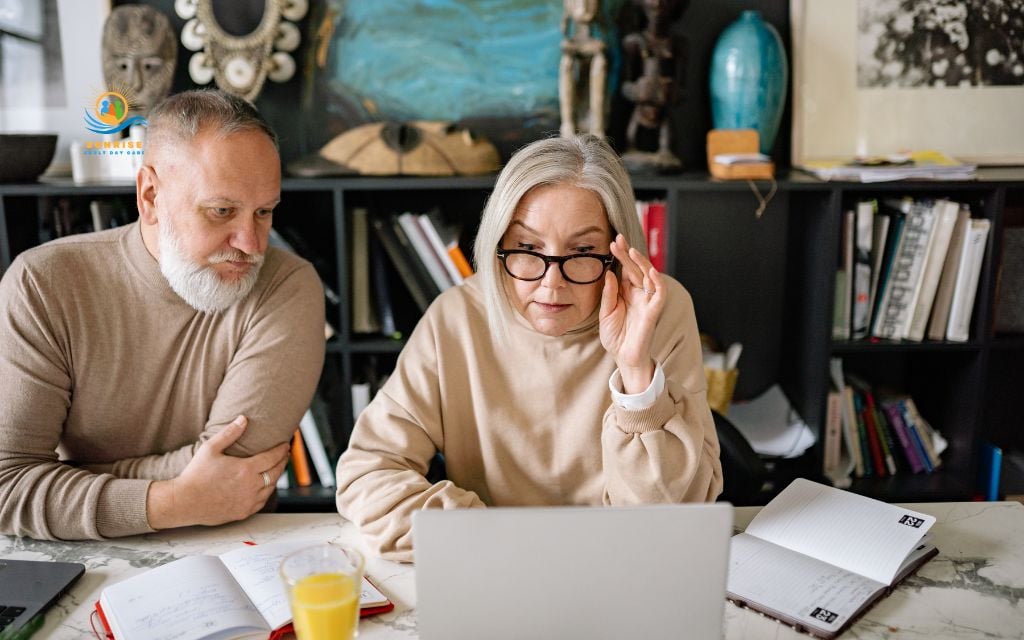
Thói quen sinh hoạt là một trong những yếu tố quan trọng nhất nhưng lại thường bị đánh giá thấp đối với chất lượng cuộc sống trong giai đoạn hưu trí. Các nghiên cứu cho thấy những người cao tuổi duy trì thói quen sinh hoạt hàng ngày đều đặn thường có tâm trạng tốt hơn, chức năng nhận thức nhạy bén hơn và ý thức về mục đích sống rõ ràng hơn.
Ngay cả những thói quen đơn giản như đi dạo buổi sáng, ăn cơm cùng bạn bè hay tham gia một chương trình hàng tuần cũng có thể mang lại những tác động tích cực đáng kể.
Hãy duy trì sự kết nối và giao lưu
Hãy coi việc kết nối xã hội là một ưu tiên có chủ đích, chứ không phải là điều được nghĩ đến sau cùng. Hãy tham gia các nhóm địa phương phù hợp với sở thích của bạn – như câu lạc bộ đi bộ, câu lạc bộ sách, cộng đồng tôn giáo, tổ chức tình nguyện hoặc các chương trình tại trung tâm người cao tuổi.
Đối với những người hưu trí sống một mình tại Denver, các tổ chức như Cơ quan Phục vụ Người cao tuổi thuộc Hội đồng Chính quyền Khu vực Denver (DRCOG) và chương trình My Denver PRIME của thành phố cung cấp các nguồn lực và chương trình dành riêng cho người cao tuổi.
Nếu bạn cảm thấy khó khăn khi thường xuyên ra khỏi nhà, chương trình chăm sóc ban ngày dành cho người lớn có thể mang đến một môi trường giao lưu có tổ chức vào các ngày trong tuần.
Xây dựng mạng lưới hỗ trợ
Mạng lưới hỗ trợ dành cho người cao tuổi sống một mình không cần phải rộng lớn, mà chỉ cần đáng tin cậy. Hãy tìm những người hàng xóm mà bạn tin tưởng, bạn bè hoặc người thân sống gần đó, cũng như những mối quan hệ trong cộng đồng có thể ghé thăm và hỏi thăm khi bạn gặp khó khăn. Hãy cho mọi người biết lịch trình sinh hoạt hàng ngày của bạn để họ có thể nhận ra ngay nếu có bất kỳ sự thay đổi nào. Việc là một phần của cộng đồng sẽ giúp tăng khả năng có người nhận ra và phản ứng kịp thời nếu bạn cần sự giúp đỡ.
Tránh cảm giác cô đơn về mặt tình cảm
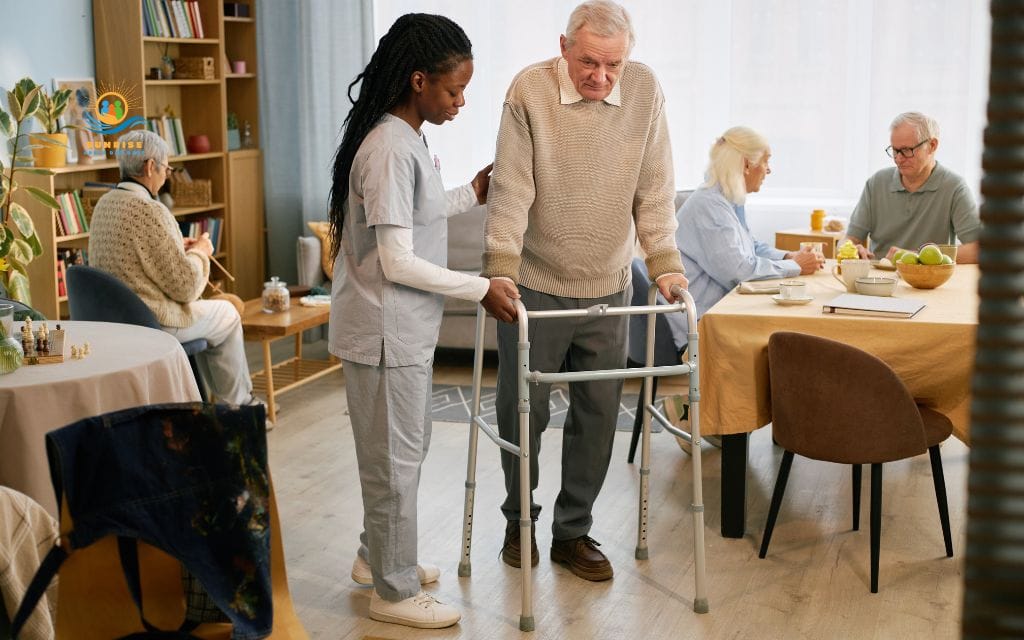
Có một sự khác biệt quan trọng giữa việc sống một mình và cảm giác cô đơn. Nhiều người cao tuổi độc thân sống tự lập và cảm thấy gắn bó sâu sắc với thế giới xung quanh. Trong khi đó, một số người khác dù sống giữa đám đông nhưng vẫn cảm thấy vô cùng cô lập.
Cảm giác cô đơn về mặt tình cảm – cảm giác rằng không ai thực sự hiểu hay thấu hiểu bạn – là dạng cô đơn có mối liên hệ chặt chẽ nhất với trầm cảm và suy giảm chức năng nhận thức. Đầu tư vào các mối quan hệ có ý nghĩa, dù là thông qua tình bạn, hoạt động cộng đồng, tín ngưỡng hay các chương trình liên thế hệ, là một trong những điều quan trọng nhất mà người cao tuổi sống một mình có thể làm để bảo vệ sức khỏe của mình.
Đừng từ bỏ đam mê du lịch
Hiện nay, nhiều công ty lữ hành và đại lý du lịch chuyên tổ chức các chương trình dành cho người hưu trí đi du lịch một mình, cung cấp những chuyến đi theo nhóm được thiết kế riêng cho những người tham gia độc thân. Du lịch cùng các đoàn có tổ chức hoặc thông qua các mạng lưới du lịch dành cho người cao tuổi có thể giúp chuyến đi an toàn hơn, tiết kiệm hơn (do không phải trả phụ phí phòng đơn) và mang lại nhiều cơ hội giao lưu hơn so với việc đi du lịch một mình. Việc duy trì niềm vui khám phá và trải nghiệm những điều mới mẻ thực sự góp phần quan trọng vào việc nâng cao chất lượng cuộc sống trong giai đoạn hưu trí.

Hãy cân nhắc việc nhận nuôi một con vật cưng
Vật nuôi mang lại thói quen sinh hoạt đều đặn, sự động viên tinh thần vô điều kiện, động lực để hoạt động thể chất và cảm giác được cần đến. Các nghiên cứu đã chỉ ra rằng việc nuôi vật nuôi ở người cao tuổi có liên quan đến tỷ lệ trầm cảm thấp hơn và mức độ hài lòng với cuộc sống cao hơn. Các trại cứu hộ địa phương thường có những con vật già hơn, tính cách điềm đạm, rất phù hợp với những người cao tuổi sống một mình.
Đầu tư vào một hệ thống cảnh báo
Các hệ thống phản ứng khẩn cấp cá nhân (PERS) hiện đại bao gồm các thiết bị đeo được có khả năng tự động phát hiện ngã, tính năng liên lạc hai chiều với các dịch vụ cấp cứu, và chức năng theo dõi GPS dành cho người cao tuổi thường xuyên hoạt động bên ngoài nhà.
Đối với những người cao tuổi sống một mình, việc trang bị hệ thống cảnh báo sẽ giúp giảm đáng kể nguy cơ xảy ra tình huống khẩn cấp mà không ai phát hiện. Có nhiều hệ thống như vậy với mức phí dưới $40 mỗi tháng, và một số có thể được chi trả bởi các chương trình Medicare Advantage hoặc bảo hiểm chăm sóc dài hạn.
Chọn một người để thường xuyên liên lạc
Hãy thiết lập một thói quen liên lạc đơn giản hàng ngày hoặc cách ngày với một người đáng tin cậy – có thể là hàng xóm, thành viên gia đình, bạn bè hoặc điều phối viên chương trình. Việc liên lạc này không cần phải phức tạp: một tin nhắn ngắn, một cuộc gọi điện thoại, hoặc thậm chí một tín hiệu đã thỏa thuận trước (chẳng hạn như kéo rèm cửa sổ lên mỗi sáng) cũng có thể được dùng để xác nhận tình trạng sức khỏe.
Hãy chăm sóc sức khỏe tim mạch của bạn
Theo Trung tâm Kiểm soát và Phòng ngừa Dịch bệnh (CDC), bệnh tim là nguyên nhân hàng đầu gây tử vong ở người Mỹ từ 65 tuổi trở lên.
Đối với những người cao tuổi sống một mình, không có người thân bên cạnh để theo dõi sức khỏe hàng ngày, việc tự chịu trách nhiệm về sức khỏe tim mạch là điều đặc biệt quan trọng. Điều này có nghĩa là cần đi khám sức khỏe định kỳ, theo dõi huyết áp và cholesterol, duy trì hoạt động thể chất, áp dụng chế độ ăn uống tốt cho tim mạch, kiểm soát căng thẳng và không hút thuốc.
Các chương trình chăm sóc ban ngày dành cho người lớn thường bao gồm việc theo dõi sức khỏe định kỳ như một phần của dịch vụ, qua đó mang lại sự giám sát thêm về sức khỏe tim mạch cho những người tham gia.
Hãy tìm kiếm sự hỗ trợ nếu bạn cảm thấy quá tải
Quá trình chuyển tiếp sang giai đoạn hưu trí có thể thực sự khó khăn, và không có gì phải xấu hổ khi tìm kiếm sự hỗ trợ khi cảm thấy gánh nặng về mặt tinh thần quá lớn.
Các nhà trị liệu, chuyên gia tư vấn, các nhóm hỗ trợ dành cho người cao tuổi góa bụa hoặc ly hôn, cùng các cộng đồng tôn giáo đều mang đến những phương thức hữu ích để giúp mọi người vượt qua nỗi buồn, lo âu hay sự bối rối.
Đường dây nóng của Cơ quan Quản lý Dịch vụ Sức khỏe Tâm thần và Lạm dụng Chất gây nghiện (SAMHSA) (1-800-662-4357) có thể kết nối người gọi với các nguồn hỗ trợ về sức khỏe tâm thần hoàn toàn miễn phí. Việc tìm kiếm sự giúp đỡ là biểu hiện của sự khôn ngoan, chứ không phải là sự yếu đuối.
Tại sao dịch vụ chăm sóc ban ngày cho người cao tuổi lại là một lựa chọn thông minh dành cho những người cao tuổi sống một mình
Trong số tất cả các hình thức hỗ trợ dành cho người cao tuổi sống một mình, các chương trình chăm sóc ban ngày cho người lớn nổi bật là một trong những giải pháp thiết thực, dễ tiếp cận và hiệu quả nhất. Đối với những người cao tuổi sống một mình, những người coi trọng sự độc lập và môi trường sống quen thuộc tại nhà nhưng lại cần thêm sự kết nối, sự sắp xếp có trật tự và sự giám sát hàng ngày, dịch vụ chăm sóc ban ngày cho người lớn chính là cầu nối hoàn hảo.
Giúp giảm bớt cảm giác cô đơn và bị cô lập
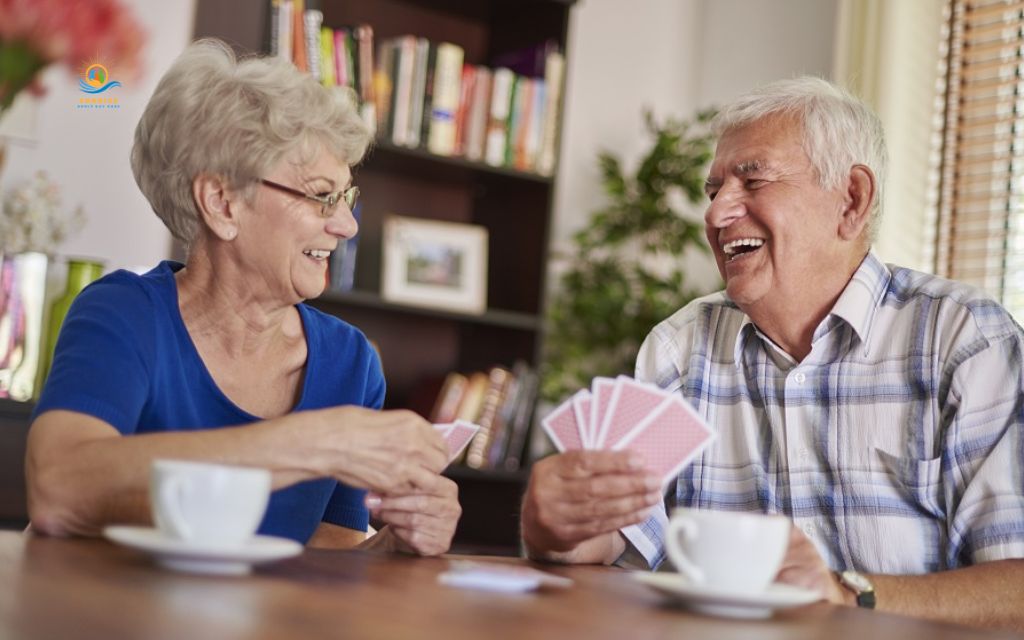
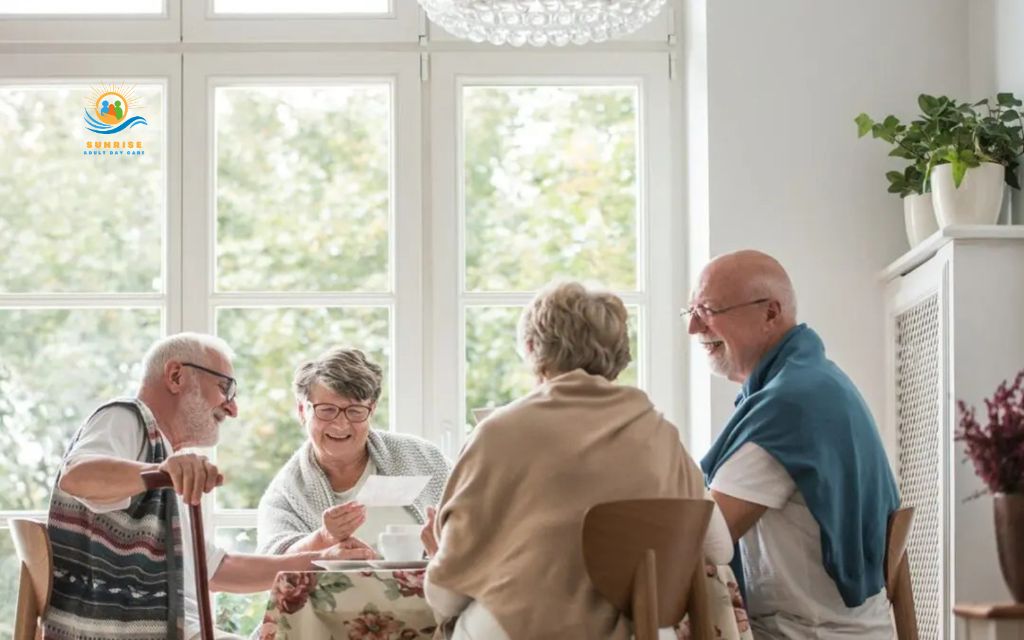
Các chương trình chăm sóc ban ngày dành cho người lớn vốn dĩ là những môi trường mang tính xã hội. Hàng ngày, các thành viên tham gia tương tác với bạn bè, nhân viên và người hướng dẫn hoạt động trong một không gian ấm cúng và có tổ chức. Tình bạn được vun đắp một cách tự nhiên thông qua các bữa ăn chung, các hoạt động sáng tạo, trò chơi và những cuộc trò chuyện nhóm.
Đối với những người cao tuổi sống một mình, việc tham gia chương trình chăm sóc ban ngày dành cho người lớn vài lần mỗi tuần có thể mang lại những thay đổi tích cực đáng kể cho sức khỏe tinh thần và tâm lý.
Giúp thiết lập thói quen và lịch trình hàng ngày
Một trong những lợi ích quý giá nhất của chương trình chăm sóc ban ngày dành cho người lớn chính là lý do để thức dậy, mặc quần áo và ra ngoài mỗi ngày. Cấu trúc của chương trình phản ánh nhịp sinh hoạt hàng ngày mà các nghiên cứu đã chỉ ra là có tác dụng hỗ trợ chức năng nhận thức, sức khỏe thể chất và tâm trạng.
Hỗ trợ sức khỏe và an toàn
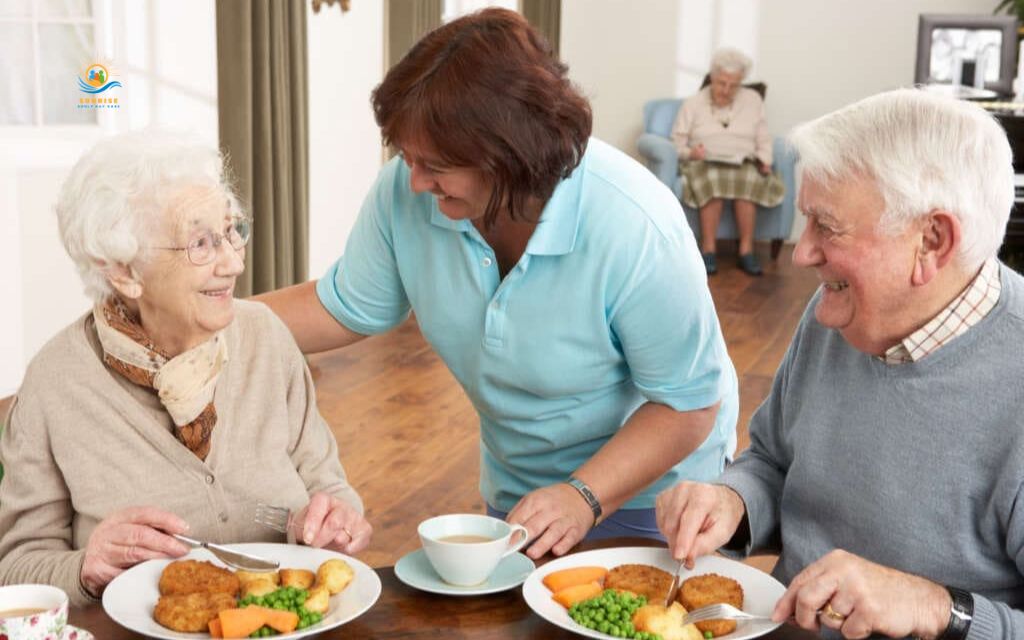
Hầu hết các chương trình chăm sóc sức khỏe ban ngày dành cho người cao tuổi đều bao gồm các dịch vụ theo dõi sức khỏe như đo huyết áp, nhắc nhở dùng thuốc và quan sát tình trạng sức khỏe bởi đội ngũ nhân viên được đào tạo chuyên nghiệp. Đối với những người cao tuổi sống một mình và không có ai ở nhà để phát hiện nếu có điều gì bất thường, mức độ giám sát sức khỏe hàng ngày này mang lại sự an tâm thực sự, cho cả người cao tuổi lẫn gia đình của họ.
Giúp người cao tuổi duy trì sự tự lập lâu hơn
Bằng cách cung cấp sự hỗ trợ ban ngày, các hoạt động giao lưu xã hội, theo dõi sức khỏe và chế độ dinh dưỡng trong ngày, các chương trình chăm sóc ban ngày dành cho người lớn giúp giảm bớt gánh nặng chung của việc sống một mình và trì hoãn nhu cầu phải chuyển sang các hình thức chăm sóc chuyên sâu hơn.
Những người cao tuổi sống một mình thường xuyên tham gia các chương trình chăm sóc ban ngày dành cho người lớn sẽ có điều kiện thuận lợi hơn để tiếp tục sống an toàn tại chính ngôi nhà của mình – và đối với đại đa số họ, đó chính xác là nơi họ mong muốn được ở.
Giới thiệu về Trung tâm Chăm sóc Ban ngày cho Người lớn Sunrise, Denver, Colorado
Trung tâm Chăm sóc Ban ngày cho Người lớn Sunrise là một địa chỉ uy tín Chương trình chăm sóc ban ngày dành cho người lớn phục vụ cộng đồng Denver. Chương trình của chúng tôi được thiết kế dành cho người cao tuổi mong muốn duy trì lối sống năng động, gắn kết và khỏe mạnh trong khi vẫn sinh hoạt độc lập tại nhà. Vào mỗi ngày trong tuần, các thành viên tham gia sẽ được tận hưởng:
- Các bữa ăn và món ăn nhẹ bổ dưỡng, do đầu bếp chế biến
- Các hoạt động rèn luyện trí não và phát triển nhận thức
- Các chương trình nghệ thuật sáng tạo, âm nhạc và văn hóa
- Các lớp học rèn luyện thể chất và vận động
- Theo dõi sức khỏe, bao gồm kiểm tra huyết áp
- Dịch vụ chăm sóc ấm áp, lấy sự tôn trọng làm trọng tâm từ đội ngũ giàu kinh nghiệm của chúng tôi
Hãy gọi cho chúng tôi theo số 303-226-6882 để biết thêm thông tin hoặc đặt lịch tham quan miễn phí.
Kết luận
Sống độc thân khi về hưu không có nghĩa là sống cô đơn, và chắc chắn không có nghĩa là phải chấp nhận một cuộc sống hẹp hòi hơn những gì bạn xứng đáng được hưởng. Trên khắp đất nước, hàng triệu người hưu trí độc thân đang tự tay xây dựng cho mình một cuộc sống phong phú, gắn kết và có ý nghĩa theo cách riêng của họ. Chìa khóa nằm ở việc đưa ra những lựa chọn có chủ đích về cộng đồng, sự an toàn, nề nếp sinh hoạt và các mối quan hệ xã hội, thay vì để những điều đó tùy thuộc vào may rủi.
Một kế hoạch hưu trí phù hợp cho người cao tuổi độc thân cần bao gồm tất cả các yếu tố sau:
- Một nền tảng tài chính vững chắc, được xây dựng dựa trên các dự báo thực tế và chiến lược an sinh xã hội hợp lý
- Các biện pháp bảo vệ pháp lý thông qua giấy ủy quyền và giấy ủy quyền chăm sóc sức khỏe
- Một kế hoạch chăm sóc dài hạn được truyền đạt rõ ràng đến những người thân thiết trong cuộc sống của bạn
- Tham gia các hoạt động xã hội thường xuyên – dù là thông qua cộng đồng, bạn bè, các nhóm tôn giáo hay các chương trình
- Giám sát sức khỏe thông qua việc chăm sóc y tế định kỳ, theo dõi và duy trì thói quen sống lành mạnh
- Một mạng lưới hỗ trợ gồm những người hiểu rõ và luôn quan tâm đến bạn
- Lịch trình hàng ngày giúp mỗi ngày có mục đích và nhịp điệu
Những bước đi nhỏ bé hôm nay sẽ góp phần xây dựng nền tảng cho một tương lai tươi sáng hơn, an toàn hơn và gắn kết hơn. Bạn không cần phải tìm ra mọi giải pháp ngay lập tức, nhưng cũng không cần phải đối mặt với mọi thứ một mình.
Những câu hỏi thường (Hỏi đáp)
Lựa chọn chăm sóc nào là tốt nhất cho người cao tuổi sống một mình?
Lựa chọn tốt nhất phụ thuộc vào tình trạng sức khỏe, khả năng tài chính và nhu cầu xã hội của từng người. Các chương trình chăm sóc ban ngày dành cho người lớn là lựa chọn lý tưởng cho những người cao tuổi muốn tiếp tục sống tại nhà nhưng vẫn có được nếp sinh hoạt đều đặn và cơ hội giao lưu hàng ngày, trong khi các khu dân cư dành cho người về hưu lại phù hợp với những ai đã sẵn sàng cho một môi trường sống mới.
Có những khu dân cư dành riêng cho người về hưu độc thân không?
Hầu hết các khu dân cư dành cho người cao tuổi (từ 55 tuổi trở lên) đều chào đón cư dân độc thân, và nhiều nơi có tỷ lệ cư dân sống một mình khá cao – đặc biệt là phụ nữ. Một số khu dân cư còn chủ động tổ chức các hoạt động thân thiện với người độc thân, chẳng hạn như các lựa chọn ăn uống dành cho người sống một mình, dịch vụ kết nối bạn cùng phòng và các sự kiện giao lưu dành riêng cho cá nhân.
Nếu sống một mình, làm thế nào để tôi có thể duy trì các mối quan hệ xã hội khi về hưu?
Hãy chủ động đặt việc kết nối xã hội lên hàng đầu bằng cách tham gia các trung tâm người cao tuổi, cộng đồng tôn giáo, nhóm tình nguyện hoặc các lớp tập thể dục. Các chương trình chăm sóc ban ngày dành cho người lớn đặc biệt hiệu quả, vì chúng mang đến một nhóm bạn đồng trang lứa ổn định cùng các hoạt động hàng ngày mà không yêu cầu bạn phải thay đổi nơi ở.
Nếu tôi sống một mình và cần sự giúp đỡ vào ban ngày thì phải làm thế nào?
Hãy thiết lập thói quen liên lạc hàng ngày với một người thân cận đáng tin cậy, trang bị hệ thống ứng phó khẩn cấp cá nhân và cân nhắc đăng ký tham gia chương trình chăm sóc ban ngày dành cho người lớn để được giám sát và theo dõi sức khỏe vào các ngày trong tuần. Hãy liên hệ với Cơ quan Chăm sóc Người cao tuổi tại địa phương để tìm hiểu các dịch vụ hiện có gần nơi bạn sinh sống.
Chi phí hàng tháng tại các khu dân cư dành cho người cao tuổi độc thân là bao nhiêu?
Chi phí dao động trong khoảng từ 1.200–3.000 USD/tháng đối với các cộng đồng dành cho người lớn năng động đến 3.000–7.000 USD trở lên/tháng đối với các Cộng đồng Hưu trí Chăm sóc Liên tục (CCRC). Các chương trình chăm sóc ban ngày cho người lớn có chi phí hợp lý hơn nhiều, dao động từ $70–$150/ngày, với một phần chi phí được bù đắp bởi Medicaid, trợ cấp cựu chiến binh hoặc bảo hiểm chăm sóc dài hạn.