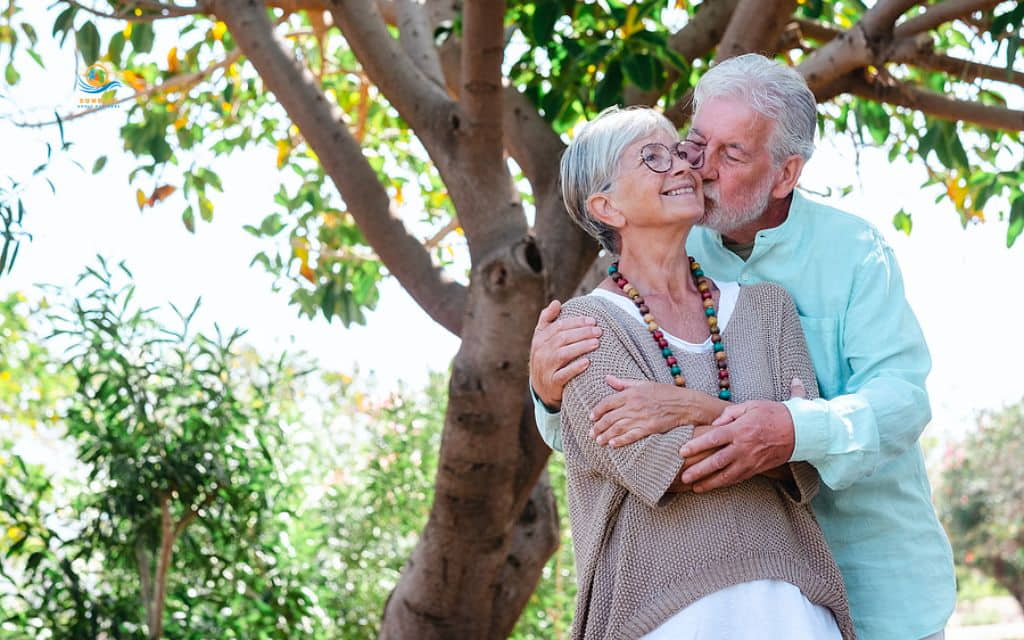

Có một nỗi đau đặc biệt khi chứng kiến người mình yêu thương trở thành một người mà mình không còn nhận ra nữa. Thật dễ dàng – và cũng rất con người – khi tự hỏi: Tại sao người già lại hay cáu kỉnh?
Tuy nhiên, câu hỏi đó, dù có thể hiểu được, lại ẩn chứa một giả định đáng để xem xét. Nó cho rằng tính hay cáu kỉnh chỉ đơn thuần là một phần của con người khi về già. Rằng sự cáu kỉnh là một kết cục tự nhiên ở cuối cuộc đời dài đằng đẵng.
Cơn giận dữ và tính cáu kỉnh ở người cao tuổi có thể ảnh hưởng đến các mối quan hệ, gây căng thẳng trong quan hệ gia đình, và đôi khi là dấu hiệu của những vấn đề sức khỏe tiềm ẩn cần được quan tâm đúng mức. Tuy nhiên, việc tìm hiểu nguyên nhân gốc rễ luôn là bước đầu tiên và quan trọng nhất.
Bài viết này sẽ giúp bạn hiểu:
- Những nguyên nhân phổ biến nhất khiến người cao tuổi dễ cáu kỉnh hoặc tức giận
- Khi cơn giận dữ ở người cao tuổi có thể là dấu hiệu của một vấn đề sức khỏe cần được đánh giá
- Những cách thiết thực và tôn trọng để cải thiện tâm trạng và giao tiếp trong gia đình
- Các chương trình ban ngày có cấu trúc rõ ràng và các hoạt động giao lưu xã hội thường xuyên có thể mang lại sự thay đổi tích cực như thế nào
Tính hay cáu kỉnh có phải là một phần bình thường của quá trình lão hóa không?
Việc già đi bản thân nó không tự động khiến một người trở nên cáu kỉnh hay dễ nổi giận. Các nghiên cứu trong lĩnh vực tâm lý học và lão khoa cho thấy rằng sức khỏe tinh thần – bao gồm khả năng kiên nhẫn, biết bằng lòng và cảm thấy vui vẻ – có thể được duy trì hoặc thậm chí còn được cải thiện ở giai đoạn sau của cuộc đời đối với nhiều người.
Tuy nhiên, quá trình lão hóa thường đi kèm với một loạt thách thức rất thực tế, có thể dần dần làm suy yếu khả năng phục hồi về mặt tinh thần theo thời gian:
- Những thay đổi đáng kể về sức khỏe thể chất và cơn đau ngày càng gia tăng
- Những mất mát to lớn – về bạn bè, người bạn đời, vai trò và sự tự lập
- Sự kiểm soát đối với các quyết định hàng ngày và môi trường bị hạn chế
- Những thay đổi trong chức năng nhận thức và trí nhớ
Khi những khó khăn này chồng chất lên nhau, chúng có thể dẫn đến sự cáu kỉnh, bực bội và những biểu hiện bề ngoài trông giống như tính khí khó chịu. Nhưng sự cáu kỉnh đó hầu như luôn là phản ứng trước một vấn đề thực sự, chứ không phải là khuyết điểm trong tính cách.
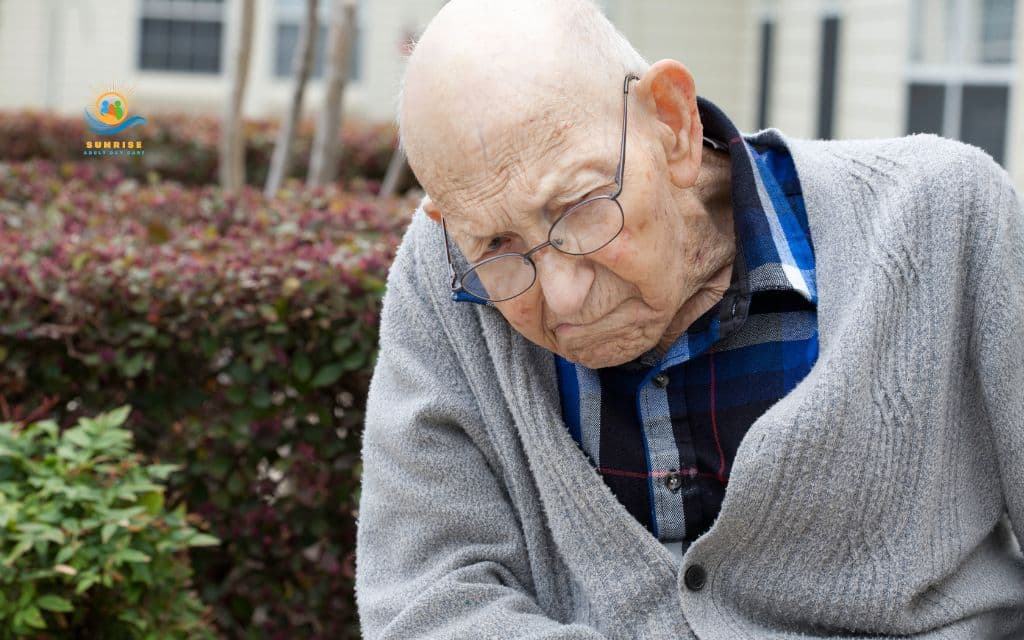
Tại sao người già hay cáu kỉnh? Những lý do phổ biến
Cơn giận ở người cao tuổi hiếm khi chỉ xuất phát từ một nguyên nhân duy nhất. Trong hầu hết các trường hợp, tính dễ cáu kỉnh ở người cao tuổi phản ánh sự kết hợp của các yếu tố về thể chất, cảm xúc, xã hội và đôi khi là y tế, những yếu tố này ngày càng chồng chất theo thời gian.
Dưới đây là phân tích chi tiết về các yếu tố góp phần phổ biến nhất.
Đau mạn tính hoặc các vấn đề sức khỏe
Cảm giác khó chịu về thể chất kéo dài là một trong những nguyên nhân thường bị bỏ qua nhất dẫn đến cơn giận ở người cao tuổi. Khi một người thức dậy mỗi sáng với những cơn đau nhức khớp, cơn đau thần kinh rát bỏng, hoặc sự kiệt sức do phải đối phó với một căn bệnh nghiêm trọng, thì ngay cả người kiên nhẫn nhất cũng có thể nhanh chóng đạt đến giới hạn chịu đựng của mình.
Các tình trạng thường gặp liên quan đến đau có thể góp phần gây ra tính cáu kỉnh bao gồm:
- Viêm khớp (đặc biệt là viêm xương khớp và viêm khớp dạng thấp)
- Bệnh thần kinh hoặc đau do tổn thương thần kinh
- Các bệnh mãn tính như bệnh tim, tiểu đường hoặc bệnh phổi tắc nghẽn mãn tính (COPD)
- Đau lưng và cột sống gây hạn chế khả năng vận động
Khi cơn đau không được kiểm soát tốt, nó sẽ tạo ra một cảm giác bực bội âm ỉ. Người cao tuổi, đặc biệt là nam giới, thường ít khi thẳng thắn chia sẻ về cơn đau hay những khó khăn về mặt tinh thần, điều này có nghĩa là chính sự cáu kỉnh đó thường trở thành dấu hiệu duy nhất cho thấy có điều gì đó không ổn.
Cô đơn và sự cô lập xã hội
Kết nối xã hội không phải là một thứ xa xỉ đối với người cao tuổi, mà là một yếu tố cơ bản của sức khỏe tinh thần và thể chất.
Sau khi nghỉ hưu, mất đi người bạn đời hay những người bạn thân thiết, hoặc khi khả năng di chuyển bị hạn chế, nhiều người cao tuổi nhận ra rằng thế giới của họ đang dần thu hẹp lại. Ít cuộc trò chuyện hơn. Ít lời mời hơn. Ít lý do để ra khỏi nhà hơn.
Tình trạng cô lập xã hội ở người cao tuổi có mối liên hệ chặt chẽ với:
- Dễ cáu kỉnh hơn và thiếu kiên nhẫn
- Trầm cảm và tâm trạng u uất kéo dài
- Mất đi mục đích và động lực
- Suy giảm nhận thức diễn ra nhanh hơn
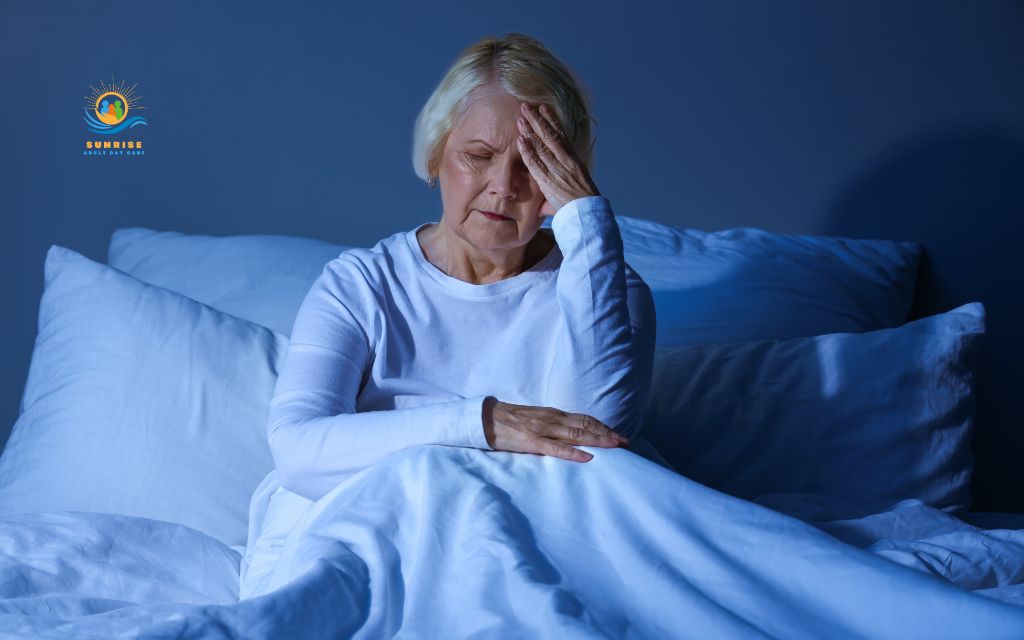
Các vấn đề về giấc ngủ
Tình trạng ngủ kém rất phổ biến ở người cao tuổi, và tác động của nó đối với tâm trạng là tức thì và có thể đo lường được. Những thay đổi trong chu kỳ ngủ-thức, sự nhạy cảm gia tăng với tiếng ồn, đau mãn tính và một số loại thuốc đều có thể khiến việc có được giấc ngủ ngon trở nên khó khăn hơn khi con người già đi.
Chỉ cần một hoặc hai đêm ngủ không ngon giấc cũng có thể gây ra:
- Tính khí dễ nổi nóng hơn hẳn và khả năng chịu đựng sự bực bội kém hơn hẳn
- Sự mệt mỏi về thể chất làm suy giảm khả năng chịu đựng về mặt cảm xúc
- Khó tập trung hoặc đưa ra quyết định
- Sự nhạy cảm gia tăng đối với các yếu tố gây căng thẳng mà bình thường có thể kiểm soát được
Khi các vấn đề về giấc ngủ trở thành mãn tính, tác động tích lũy của chúng đối với tâm trạng có thể rất nghiêm trọng. Một người cao tuổi có vẻ luôn cáu kỉnh có thể chỉ đơn giản là do quá mệt mỏi.
Tác dụng phụ của thuốc
Nhiều người cao tuổi phải dùng nhiều loại thuốc để kiểm soát các bệnh mãn tính, và điều này tạo ra một nguy cơ đáng kể nhưng thường bị bỏ qua: các tác dụng phụ ảnh hưởng đến tâm trạng. Một số loại thuốc được biết là có tác động đến tính khí, sự ổn định cảm xúc và sức khỏe tổng thể.
Các loại thuốc có thể gây ra tình trạng dễ cáu gắt hoặc thay đổi tâm trạng bao gồm:
- Corticosteroid
- Một số loại thuốc điều trị huyết áp, chẳng hạn như thuốc chẹn beta
- Thuốc hỗ trợ giấc ngủ, bao gồm cả benzodiazepine
- Một số loại thuốc giảm đau
Việc dùng nhiều loại thuốc cùng lúc (polypharmacy) làm tăng nguy cơ xảy ra tương tác thuốc, có thể ảnh hưởng đến tâm trạng theo những cách khó lường.
Trầm cảm hoặc lo âu
Trầm cảm là một trong những vấn đề sức khỏe tâm thần thường bị hiểu lầm nhất ở người cao tuổi – phần lớn là do nó không phải lúc nào cũng biểu hiện theo cách mà mọi người thường nghĩ.
Trong khi những người trẻ tuổi bị trầm cảm có thể thể hiện qua những biểu hiện như buồn bã, khóc lóc hoặc cảm giác tuyệt vọng, thì người cao tuổi thường có xu hướng thể hiện tình trạng trầm cảm của mình qua sự cáu kỉnh, bực bội và thu mình lại.
Các dấu hiệu cho thấy tình trạng dễ cáu gắt ở người cao tuổi có thể bắt nguồn từ trầm cảm hoặc lo âu bao gồm:
- Tính dễ cáu kỉnh kéo dài hoặc khả năng chịu đựng thất vọng kém trong nhiều tình huống
- Tính cách thu mình và mất hứng thú với những hoạt động từng yêu thích
- Mất kiên nhẫn trong các tương tác hàng ngày
- Thể hiện cảm giác mình vô dụng hoặc là gánh nặng
Viện Sức khỏe Tâm thần Quốc gia (NIMH) cho biết trầm cảm ở người cao tuổi là một tình trạng phổ biến, thực sự tồn tại và có thể điều trị được. Nhận thức rằng sự tức giận ở người cao tuổi, dù là nam hay nữ, có thể là biểu hiện của trầm cảm là một sự thay đổi quan điểm có ý nghĩa, mở ra cơ hội để nhận được sự hỗ trợ phù hợp.
Thay đổi nhận thức
Khi trí nhớ hoặc khả năng tư duy thay đổi, điều đó có thể gây ra sự thất vọng sâu sắc. Hãy tưởng tượng bạn phải vất vả để nhớ lại một từ mà bạn đã dùng suốt cả cuộc đời, mất phương hướng giữa chừng câu chuyện, hoặc cảm thấy bối rối ở một nơi mà bạn vốn rất quen thuộc. Trải nghiệm đó khiến người ta mất phương hướng và sợ hãi, và thường dẫn đến sự tức giận.
Cần nhận thức rõ rằng sự bực bội và tức giận do những khó khăn về nhận thức gây ra không phải là dấu hiệu của tính cách xấu. Đó là những phản ứng cảm xúc tự nhiên trước một trải nghiệm gây lo lắng sâu sắc. Sự kiên nhẫn, sự sắp xếp có trật tự và những lời an ủi nhẹ nhàng từ người chăm sóc sẽ mang lại hiệu quả rất lớn trong những lúc như vậy.
Cơn giận có phải là dấu hiệu của bệnh sa sút trí tuệ không?
Đây là một trong những câu hỏi phổ biến nhất mà mọi người thường đặt ra khi nhận thấy những thay đổi về tính cách hoặc tâm trạng ở người thân cao tuổi. Câu trả lời khá phức tạp: Cơn giận đôi khi có thể đi kèm với những thay đổi về nhận thức, nhưng bản thân cơn giận không phải là dấu hiệu đáng tin cậy của chứng sa sút trí tuệ.
Sa sút trí tuệ là thuật ngữ chung chỉ một nhóm các bệnh lý có đặc điểm là sự suy giảm về trí nhớ, ngôn ngữ, khả năng giải quyết vấn đề và các chức năng nhận thức khác, với mức độ nghiêm trọng đến mức cản trở cuộc sống hàng ngày. Những thay đổi về hành vi và tính cách được coi là các triệu chứng đặc trưng của một số loại sa sút trí tuệ, đặc biệt là sa sút trí tuệ vùng trán-thái dương, loại bệnh chủ yếu ảnh hưởng đến thùy trán của não và có thể gây ra những thay đổi tính cách rõ rệt ngay cả trước khi xảy ra tình trạng mất trí nhớ nghiêm trọng.
Nếu tình trạng cáu giận hoặc thay đổi tính cách đi kèm với các vấn đề về trí nhớ hoặc các vấn đề nhận thức khác, việc tham khảo ý kiến bác sĩ thực sự rất hữu ích. Một cuộc đánh giá kỹ lưỡng có thể giúp xác định nguyên nhân có thể điều trị được hoặc đưa ra chẩn đoán rõ ràng để định hướng cho việc chăm sóc sau này. Can thiệp sớm là rất quan trọng.
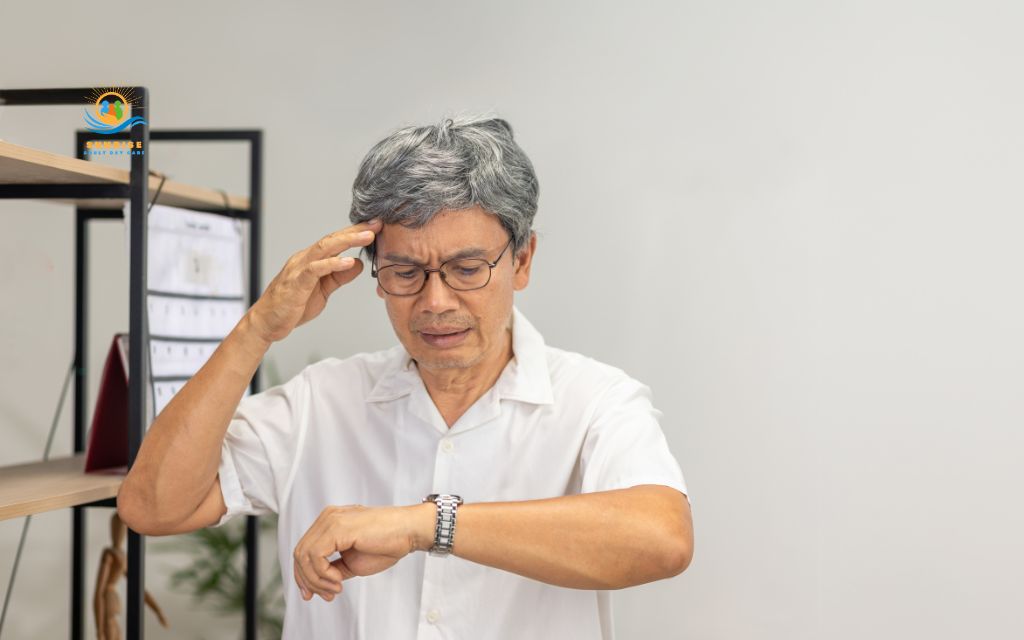
Các dấu hiệu cảnh báo có thể cần được khám sức khỏe
Mặc dù tình trạng cáu kỉnh nhẹ có thể được kiểm soát tại nhà, nhưng một số biểu hiện tức giận nhất định ở người cao tuổi cần được chăm sóc y tế kịp thời.
Hãy cân nhắc đi khám bác sĩ nếu tình trạng dễ cáu gắt:
- Xảy ra đột ngột hoặc nghiêm trọng – đặc biệt là nếu không có nguyên nhân rõ ràng
- Kèm theo tình trạng lú lẫn, mất phương hướng hoặc mất trí nhớ
- Liên quan đến một sự thay đổi tính cách đáng kể và rõ rệt
- Ảnh hưởng đến an toàn, chẳng hạn như lái xe, nấu ăn hoặc quản lý thuốc
- Gây cản trở các hoạt động hàng ngày và việc tự chăm sóc bản thân cơ bản
Bác sĩ chăm sóc ban đầu có thể tiến hành đánh giá để phát hiện một số bệnh lý tiềm ẩn, bao gồm:
- Trầm cảm lâm sàng hoặc rối loạn lo âu
- Tương tác thuốc hoặc tác dụng phụ
- Các bệnh lý thần kinh, bao gồm chứng sa sút trí tuệ giai đoạn đầu
- Rối loạn chức năng tuyến giáp hoặc các vấn đề chuyển hóa khác ảnh hưởng đến tâm trạng
- Nhiễm trùng đường tiết niệu (UTIs), có thể gây ra tình trạng lú lẫn cấp tính và thay đổi hành vi ở người cao tuổi
Thà đi khám và phát hiện không có vấn đề gì nghiêm trọng còn hơn là trì hoãn việc điều trị khi nguyên nhân gốc rễ của vấn đề lại là một bệnh có thể chữa khỏi.
Những cách thiết thực để giảm bớt sự cáu kỉnh
Hiểu được lý do tại sao người cao tuổi lại dễ cáu kỉnh chỉ là một nửa của vấn đề. Nửa còn lại là biết được những gì thực sự có tác dụng. May mắn thay, nhiều phương pháp hiệu quả nhất lại rất đơn giản, không tốn kém và có thể bắt đầu ngay từ hôm nay.
Cải thiện thói quen hàng ngày
Những thói quen đều đặn và có thể dự đoán trước mang lại cho người cao tuổi cảm giác thoải mái, chủ động và ổn định. Khi lịch trình hàng ngày được duy trì một cách ổn định, điều này giúp giảm bớt gánh nặng nhận thức khi phải đối mặt với những tình huống không chắc chắn, đồng thời làm dịu đi cảm giác lo âu tiềm ẩn – nguyên nhân dẫn đến sự cáu kỉnh.
Một lịch trình hàng ngày được lên kế hoạch hợp lý cho người cao tuổi có thể bao gồm:
- Ăn uống đúng giờ với chế độ dinh dưỡng cân bằng và bổ sung đủ nước
- Một lịch trình ngủ đều đặn giúp mang lại giấc ngủ phục hồi
- Các hoạt động thể chất nhẹ nhàng phù hợp với khả năng của họ, chẳng hạn như đi bộ, kéo giãn cơ thể hoặc các bài tập nhẹ trên ghế
- Những khoảng thời gian nghỉ ngơi và tĩnh lặng được lên kế hoạch trước, cũng như các hoạt động giao lưu xã hội
Khuyến khích kết nối xã hội
Sự tương tác ý nghĩa giữa con người với nhau là một trong những liều thuốc hiệu quả nhất để xua tan sự cáu kỉnh, cảm giác cô đơn và tâm trạng u uất ở người cao tuổi. Hoạt động xã hội mang lại ý nghĩa cho cuộc sống hàng ngày, giúp kích thích trí não và nhắc nhở mọi người rằng họ vẫn quan trọng đối với ai đó.
Các cách để tăng cường kết nối xã hội một cách có ý nghĩa bao gồm:
- Tham gia các hoạt động nhóm tại trung tâm người cao tuổi hoặc chương trình cộng đồng
- Thường xuyên đến thăm gia đình, gọi điện thoại hoặc liên lạc qua video
- Các chương trình cộng đồng như Cơ quan Phục vụ Người cao tuổi thuộc Hội đồng Chính quyền Khu vực Denver (DRCOG), giúp kết nối người cao tuổi trong khu vực Denver với các dịch vụ xã hội và hỗ trợ
- Các chương trình ban ngày dành cho người lớn mang đến cơ hội giao lưu nhóm thường xuyên trong suốt tuần
Sự tương tác xã hội không nhất thiết phải phức tạp hay tốn nhiều thời gian mới mang lại hiệu quả. Ngay cả những tiếp xúc hàng ngày ngắn gọn, ấm áp và đều đặn cũng có thể giúp giảm đáng kể cảm giác cô đơn và bị cô lập – những yếu tố góp phần gây ra sự tức giận ở cả nam và nữ cao tuổi.
Đáp ứng các nhu cầu vật chất
Sức khỏe tinh thần và sức khỏe thể chất có mối liên hệ mật thiết với nhau. Việc thường xuyên đáp ứng các nhu cầu cơ bản của cơ thể giúp điều chỉnh tâm trạng và giảm ngưỡng bực bội.
Các nhu cầu về thể chất cần theo dõi và giải quyết bao gồm:
- Kiểm soát cơn đau: Hợp tác với bác sĩ để đảm bảo cơn đau mãn tính được điều trị đúng cách
- Bổ sung nước: Tình trạng mất nước nhẹ thường gặp ở người cao tuổi và có thể ảnh hưởng đến khả năng tư duy minh mẫn và tâm trạng
- Chế độ dinh dưỡng cân bằng: Sự dao động của lượng đường trong máu và tình trạng thiếu hụt dinh dưỡng có thể ảnh hưởng trực tiếp đến tâm trạng
- Ngủ đủ giấc: Chủ động giải quyết các vấn đề về giấc ngủ, bao gồm trao đổi với chuyên gia y tế về các biện pháp duy trì thói quen ngủ lành mạnh
Thực hành giao tiếp một cách bình tĩnh
Đối với người thân và những người chăm sóc, việc ứng phó với cơn giận dữ hay sự cáu kỉnh của người cao tuổi bằng sự kiên nhẫn và khéo léo không phải lúc nào cũng dễ dàng – nhưng điều đó lại mang lại sự khác biệt đáng kể. Cách bạn phản ứng trước sự bực bội thường quyết định xem tình huống đó sẽ leo thang hay được xoa dịu.
Các kỹ thuật giao tiếp hữu ích bao gồm:
- Lắng nghe mà không ngắt lời: Hãy để người đó nói hết những điều khiến họ bực bội trước khi trả lời
- Tránh đối đầu và tranh cãi: Việc trực tiếp phản bác những lời phàn nàn của một người hay cáu kỉnh hiếm khi mang lại kết quả tích cực
- Tạo sự an tâm: Những lời nói nhẹ nhàng, ấm áp như “Tôi ở đây và tôi muốn giúp đỡ” có thể làm giảm tâm lý phòng thủ
- Tìm hiểu nhu cầu sâu xa: Hãy tự hỏi bản thân xem cơn giận dữ đó có thể đang thể hiện điều gì – nỗi đau, nỗi sợ hãi, sự cô đơn hay cảm giác mất kiểm soát – và hãy phản ứng phù hợp với điều đó
- Đặt ra những giới hạn nhẹ nhàng mà không làm người khác cảm thấy xấu hổ: Bạn nên bình tĩnh nói rằng: “Tôi rất muốn nói về chuyện này, nhưng trước tiên cả hai chúng ta cần phải bình tĩnh lại đã.”

Các chương trình ban ngày có cấu trúc có thể giúp ích như thế nào
Đối với nhiều người cao tuổi, chương trình chăm sóc ban ngày dành cho người lớn có thể là một nguồn lực thực sự mang tính chuyển đổi. Các chương trình chăm sóc ban ngày dành cho người lớn cung cấp một môi trường được giám sát, có tổ chức và giàu tính xã hội trong giờ ban ngày. Những chương trình này không chỉ đơn thuần là nơi để giết thời gian, mà là những môi trường trị liệu được thiết kế nhằm hỗ trợ toàn diện cho người tham gia.
Dưới đây là những dịch vụ mà các chương trình chăm sóc ban ngày dành cho người lớn được thiết kế tốt thường cung cấp:
Giao tiếp xã hội
Các hoạt động nhóm, bữa ăn chung và những cuộc trò chuyện hàng ngày giúp giảm bớt cảm giác cô lập và nhắc nhở những người tham gia rằng họ là một phần của cộng đồng. Việc duy trì kết nối thường xuyên với những người cùng hoàn cảnh có tác động tích cực rõ rệt đến tâm trạng và khả năng chịu đựng sự thất vọng theo thời gian.
Hoạt động có giám sát
Tập thể dục, trò chơi, nghệ thuật, âm nhạc và các hoạt động sáng tạo giúp thúc đẩy cả sự vận động thể chất lẫn kích thích trí tuệ. Các hoạt động có mục đích trong ngày cũng góp phần cải thiện chất lượng giấc ngủ ban đêm, từ đó giúp giảm bớt sự cáu kỉnh, tạo nên một vòng lặp tích cực.
Theo dõi sức khỏe
Nhiều chương trình chăm sóc ban ngày dành cho người cao tuổi bao gồm sự giám sát y tế chuyên nghiệp, bao gồm hỗ trợ quản lý thuốc và các đợt kiểm tra sức khỏe định kỳ. Điều này giúp phát hiện sớm các vấn đề sức khỏe mới phát sinh, bao gồm cả những vấn đề góp phần gây ra cơn giận dữ ở người cao tuổi, trước khi chúng trở nên nghiêm trọng hơn.
Thói quen và trật tự
Lịch trình hàng ngày có thể dự đoán trước giúp giảm bớt lo âu và căng thẳng về mặt nhận thức. Đối với người cao tuổi có những thay đổi nhận thức ở giai đoạn đầu hoặc mắc chứng sa sút trí tuệ, một môi trường ổn định và quen thuộc mang lại sự thoải mái vô cùng lớn và giúp giảm đáng kể các cơn bực bội và kích động.
Tại Trung tâm Chăm sóc Ban ngày cho Người lớn Sunrise ở Denver, Colorado, chúng tôi mang đến một môi trường ấm áp, có tổ chức chương trình ban ngày được thiết kế dựa trên chính những nguyên tắc này.
Các thành viên của chúng tôi được tận hưởng những thói quen hàng ngày ổn định, các hoạt động có sự giám sát, sự kết nối xã hội với bạn bè cùng trang lứa, cùng với sự hỗ trợ chăm sóc chuyên nghiệp – tất cả đều diễn ra trong một môi trường tôn trọng và luôn đặt phẩm giá con người lên hàng đầu.
Nếu quý vị nhận thấy người thân của mình ngày càng dễ cáu gắt và đang băn khoăn liệu việc có thêm sự hỗ trợ vào ban ngày có thể giúp ích hay không, xin vui lòng gọi cho chúng tôi theo số 303-226-6882 để tìm hiểu thêm.
Kết luận
Khi người cao tuổi trở nên nóng nảy, thu mình lại hoặc khó tiếp cận, điều hữu ích nhất mà bất kỳ ai cũng có thể làm là đừng vội cho rằng đó chỉ là “do tuổi già” mà hãy tự hỏi: điều gì có thể đang gây ra tình trạng này? Cơn giận dữ ở người cao tuổi hầu như luôn là phản ứng trước một nguyên nhân thực sự – như cơn đau, sự cô đơn, mất ngủ, trầm cảm, suy giảm nhận thức, hoặc sự kết hợp của những yếu tố này – và nó xứng đáng được xem xét một cách nghiêm túc.
Giải quyết các vấn đề sức khỏe tiềm ẩn, xây dựng thói quen sinh hoạt hàng ngày đều đặn, củng cố các mối quan hệ xã hội, cũng như giao tiếp với sự kiên nhẫn và thấu hiểu là những bước đi có thể góp phần cải thiện đáng kể sức khỏe tinh thần cho người cao tuổi.
Và trong những trường hợp mà sự cáu kỉnh có liên quan đến tình trạng cô lập, lo ngại về an toàn hoặc nhu cầu được hỗ trợ nhiều hơn trong ngày, các chương trình chăm sóc ban ngày có tổ chức dành cho người lớn mang lại một giải pháp đã được chứng minh giúp cải thiện tâm trạng, sức khỏe và nâng cao chất lượng cuộc sống.
Với sự thấu hiểu đúng đắn và sự hỗ trợ phù hợp, nhiều người cao tuổi thực sự cảm thấy tâm trạng được cải thiện, các mối quan hệ trở nên tốt đẹp hơn và ý thức về mục đích sống cũng được củng cố. Không bao giờ là quá muộn để tạo ra sự thay đổi.
Những câu hỏi thường (Hỏi đáp)
Tại sao một số người già lại hay cáu kỉnh?
Tính dễ cáu gắt ở người cao tuổi thường xuất phát từ những khó khăn thực tế và có thể xác định được, chứ không phải do tính cách; nguyên nhân phổ biến nhất bao gồm đau mãn tính, cô lập xã hội, rối loạn giấc ngủ, trầm cảm hoặc những dấu hiệu ban đầu của sự suy giảm nhận thức. Khi những nguyên nhân gốc rễ này được giải quyết, tâm trạng thường cải thiện đáng kể.
Cơn giận có phải là hiện tượng phổ biến ở người cao tuổi không?
Việc già đi bản thân nó không phải là nguyên nhân khiến người ta luôn luôn tức giận, nhưng cơn giận dữ dai dẳng ở người cao tuổi cũng không phải là hệ quả tất yếu của quá trình lão hóa – điều này thường cho thấy những vấn đề tiềm ẩn như trầm cảm không được kiểm soát, cơn đau không được điều trị hoặc tình trạng ngày càng bị cô lập, những vấn đề này cần được quan tâm đúng mức.
Cơn giận có phải là dấu hiệu của bệnh sa sút trí tuệ không?
Cảm giác tức giận và sự thay đổi tính cách có thể xuất hiện ở một số loại bệnh sa sút trí tuệ, nhưng chỉ riêng cảm giác tức giận không phải là dấu hiệu chắc chắn của bệnh. Tuy nhiên, khi cảm giác tức giận đi kèm với các vấn đề về trí nhớ, tình trạng lú lẫn hoặc khó khăn trong việc thực hiện các công việc quen thuộc, bạn nên tham khảo ý kiến bác sĩ để được đánh giá chức năng nhận thức một cách chính xác.
Người chăm sóc nên ứng phó với cơn giận của người cao tuổi như thế nào?
Phản ứng hiệu quả nhất của người chăm sóc trước cơn giận dữ ở người cao tuổi là giữ bình tĩnh, lắng nghe một cách trọn vẹn mà không ngắt lời, và cố gắng xác định nhu cầu tiềm ẩn đằng sau. Hãy tránh đối đầu và thách thức trực tiếp; thay vào đó, hãy trấn an và công nhận cảm xúc đó, ngay cả khi bạn không đồng tình với cách thể hiện của họ. Dần dần, việc xây dựng một thói quen sinh hoạt ổn định, đáp ứng các nhu cầu về sức khỏe thể chất và tăng cường sự tham gia xã hội có ý nghĩa sẽ giúp giảm tần suất và mức độ nghiêm trọng của những cơn bộc phát.
Các hoạt động xã hội có thể giúp cải thiện tâm trạng ở người cao tuổi không?
Đúng vậy, việc tham gia các hoạt động xã hội thường xuyên và có ý nghĩa là một trong những phương pháp được khoa học ủng hộ mạnh mẽ nhất nhằm cải thiện sức khỏe tinh thần cho người cao tuổi; các nghiên cứu liên tục chỉ ra mối liên hệ giữa việc duy trì kết nối xã hội với tỷ lệ trầm cảm, lo âu và cáu kỉnh thấp hơn. Các hoạt động có tổ chức như các chương trình nhóm, sự kiện cộng đồng và việc tham gia các trung tâm chăm sóc ban ngày dành cho người lớn không chỉ mang lại sự kết nối con người mà còn cung cấp những hoạt động hàng ngày có mục đích – những yếu tố mà người cao tuổi cần để sống khỏe mạnh và trọn vẹn.