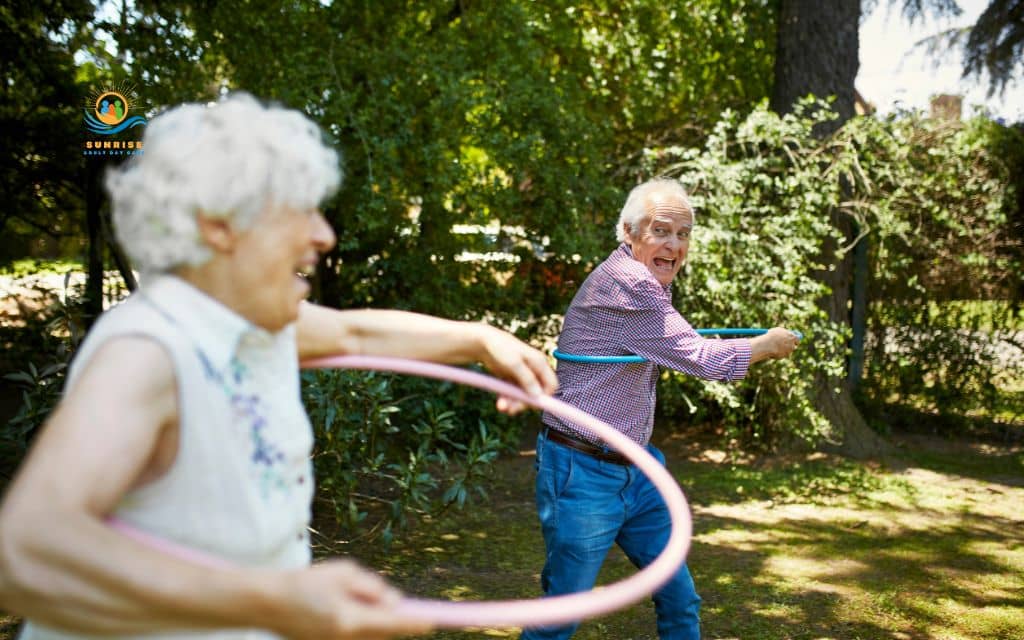
Việc thường xuyên dành thời gian hoạt động ngoài trời mang lại những lợi ích to lớn cho người cao tuổi: cải thiện tâm trạng và giảm nguy cơ trầm cảm, duy trì sự cân bằng và khả năng vận động tốt hơn, sản sinh vitamin D tự nhiên, tăng cường kết nối xã hội và giảm cảm giác cô đơn, cũng như cải thiện chất lượng giấc ngủ.
Các nghiên cứu cho thấy thời gian dành cho các hoạt động ngoài trời, dù chỉ là những khoảng thời gian ngắn, cũng góp phần cải thiện sức khỏe thể chất và tinh thần theo những cách mà các hoạt động trong nhà không thể nào sánh kịp.
Trong hướng dẫn chi tiết này, bạn sẽ tìm thấy 30 hoạt động ngoài trời phù hợp cho người lớn, được phân loại theo mức độ vận động và nhu cầu giám sát.
Dù bạn là người phụ trách các hoạt động đang lên kế hoạch cho lịch trình hàng tuần hay là người chăm sóc gia đình đang tìm kiếm ý tưởng cho cha mẹ, cuốn cẩm nang này sẽ cung cấp một danh sách các hoạt động ngoài trời có sự giám sát và mang tính giao lưu, sẵn sàng áp dụng ngay, giúp mang lại không khí trong lành, sự vận động và niềm vui cho cuộc sống hàng ngày.
Tại sao các hoạt động ngoài trời lại quan trọng đến vậy đối với người cao tuổi
Lợi ích cho sức khỏe thể chất và não bộ
Các hoạt động nhẹ nhàng ngoài trời góp phần duy trì sức khỏe một cách thiết yếu. Khi người cao tuổi tham gia các hoạt động ngoài trời, họ sẽ tự nhiên cải thiện khả năng giữ thăng bằng, duy trì sức mạnh cơ bắp và hỗ trợ sức khỏe tim mạch mà không phải lo lắng về áp lực của việc “tập thể dục” theo kiểu truyền thống.”
Thời gian hòa mình vào thiên nhiên mang lại những lợi ích rõ rệt cho chức năng nhận thức. Nhiều nghiên cứu đã chỉ ra rằng việc dành thời gian ngoài trời có liên quan đến việc giảm nồng độ hormone căng thẳng, cải thiện khả năng tập trung và sự chú ý, giảm các triệu chứng lo âu và trầm cảm, cũng như nâng cao sức khỏe tinh thần nói chung.
Việc tiếp xúc thường xuyên với ánh sáng mặt trời tự nhiên giúp điều hòa nhịp sinh học, từ đó cải thiện chất lượng giấc ngủ – một yếu tố quan trọng đối với người cao tuổi, những người thường gặp phải tình trạng mất ngủ hoặc giấc ngủ bị gián đoạn.
Ngoài ra, việc tiếp xúc với ánh nắng mặt trời còn giúp cơ thể sản sinh vitamin D, một chất rất quan trọng đối với sức khỏe xương, chức năng miễn dịch và việc điều hòa tâm trạng ở người cao tuổi.
Sức khỏe tinh thần & mối quan hệ xã hội
Nhiều người cao tuổi dành phần lớn thời gian ở trong nhà, đặc biệt là những người đang sống trong các cơ sở chăm sóc hoặc sống một mình. Tình trạng cô lập trong nhà này có liên quan đến việc gia tăng tỷ lệ trầm cảm, suy giảm nhận thức và suy giảm thể chất.
Việc thường xuyên dành thời gian ở ngoài trời, đặc biệt là khi được tổ chức dưới hình thức các hoạt động xã hội, sẽ tạo ra những chủ đề trò chuyện tự nhiên, những trải nghiệm chung và cảm giác tham gia vào cộng đồng, từ đó giúp giảm bớt cảm giác cô đơn.
Chương trình hoạt động ban ngày & dịch vụ chăm sóc có giám sát
Đối với các chương trình chăm sóc sức khỏe ban ngày dành cho người lớn, các đơn vị chăm sóc người mất trí nhớ và các khu dân cư hỗ trợ sinh hoạt, thời gian hoạt động ngoài trời theo lịch trình đóng vai trò quan trọng trên nhiều phương diện:
- Là nền tảng cho thói quen hàng ngày: Các hoạt động ngoài trời có thể dự đoán trước giúp tạo ra một lịch trình ổn định và mang lại niềm vui mong chờ, điều này đặc biệt quan trọng đối với người cao tuổi mắc bệnh Alzheimer, những người sẽ được hưởng lợi từ việc tuân thủ lịch trình đều đặn.
- Cung cấp các hoạt động vận động có sự giám sát trong môi trường an toàn: Nhiều người cao tuổi cần hoặc được hưởng lợi từ sự giám sát trong quá trình hoạt động thể chất, nhưng họ cũng xứng đáng có cơ hội hít thở không khí trong lành và hòa mình vào thiên nhiên. Các hoạt động ngoài trời có tổ chức vừa đảm bảo sự giám sát này, vừa tránh được cảm giác bị theo dõi liên tục như trong môi trường cơ sở chăm sóc.
- Giúp người chăm sóc có thời gian nghỉ ngơi và thay đổi không khí: Đối với cả người chăm sóc trong gia đình lẫn nhân viên chuyên nghiệp, các hoạt động ngoài trời giúp thay đổi nhịp sống, giảm bớt tình trạng kiệt sức ở người chăm sóc và tạo cơ hội để tương tác với người cao tuổi theo nhiều cách khác nhau.
- Hỗ trợ các mục tiêu y tế và điều trị: Các nhà vật lý trị liệu, nhà trị liệu nghề nghiệp và đội ngũ y tế ngày càng khuyến khích việc dành thời gian ngoài trời như một phần của các kế hoạch chăm sóc toàn diện. Các hoạt động ngoài trời có thể giúp đạt được các mục tiêu liên quan đến khả năng vận động, tương tác xã hội, kích thích giác quan và sức khỏe tinh thần trong những bối cảnh vui vẻ, tôn trọng phẩm giá, thay vì trong môi trường y tế.
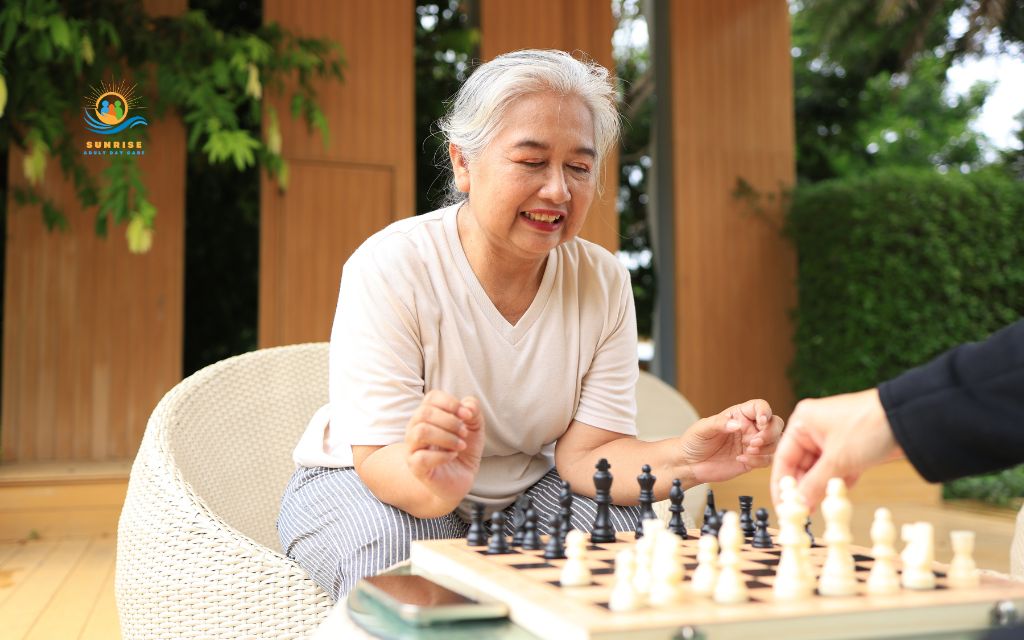
30 hoạt động ngoài trời an toàn dành cho người cao tuổi (theo mức độ vận động)
Các hoạt động dưới đây được phân loại theo loại hình vận động và mức độ giám sát cần thiết, giúp người chăm sóc và điều phối viên hoạt động dễ dàng lựa chọn các hoạt động phù hợp với khả năng của người tham gia.
Các động tác nhẹ nhàng và tập thể dục ngoài trời
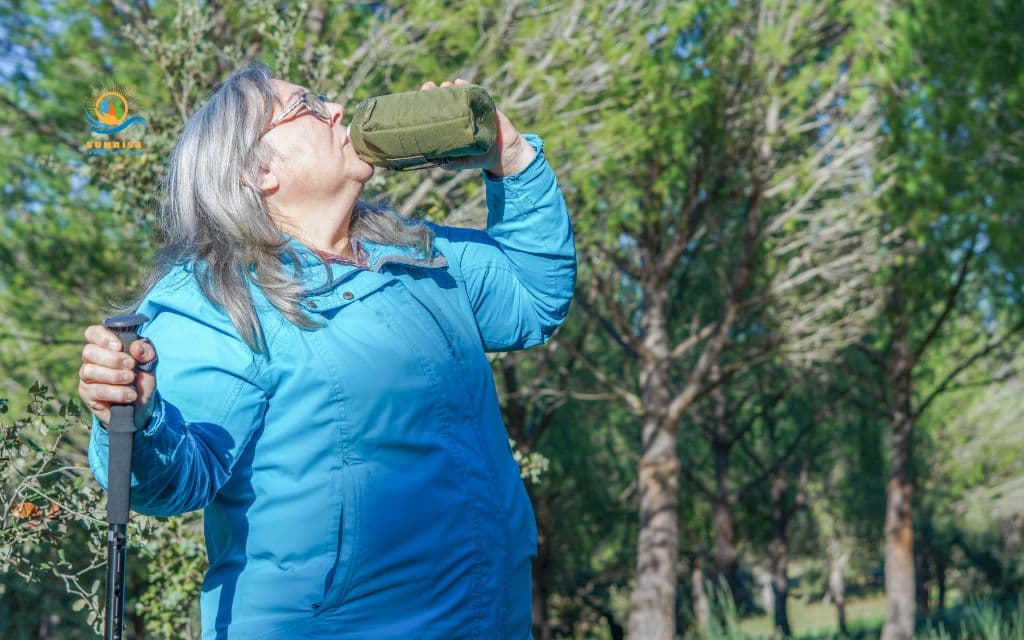
- Đi dạo trong công viên hoặc khu phố trên những con đường bằng phẳng: Đi bộ vẫn là một trong những hình thức tập thể dục dễ tiếp cận nhất đối với người cao tuổi, giúp cải thiện sức khỏe tim mạch, tăng cường sức mạnh cho đôi chân và khả năng giữ thăng bằng, đồng thời tạo cơ hội để trò chuyện và hòa mình vào thiên nhiên.
- Các chuyến đi bộ khám phá thiên nhiên có hướng dẫn (chuyến đi ngắn, có ghế nghỉ và thời gian nghỉ ngơi): Hoạt động này kết hợp các yếu tố giáo dục và kích thích giác quan vào việc đi bộ đơn giản, khơi gợi sự tò mò và tạo ra những chủ đề trò chuyện. Cấu trúc có hướng dẫn giúp những người cao tuổi có thể cảm thấy lo lắng khi tham gia các hoạt động ngoài trời không có kế hoạch cụ thể.
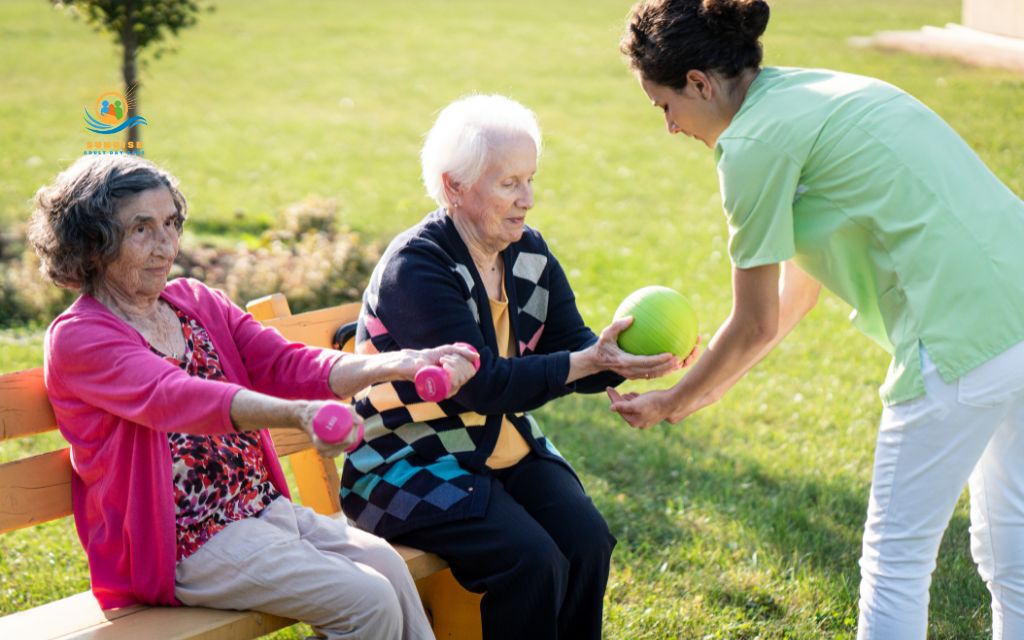
- Các buổi tập thể dục trên ghế tại sân trong/sân hiên: Giúp xóa bỏ những rào cản đối với người cao tuổi có khả năng di chuyển hạn chế, đồng thời mang lại các hoạt động vận động có tổ chức, không khí trong lành và cơ hội giao lưu xã hội. Môi trường ngoài trời giúp việc “tập thể dục” trở nên bớt mang tính y tế hơn.
- Lớp học Thái Cực Quyền nhẹ nhàng ngoài trời hoặc lớp học rèn luyện thăng bằng: Các nghiên cứu đã chứng minh rằng Thái Cực Quyền có tác dụng giảm nguy cơ té ngã ở người cao tuổi, đồng thời giúp cải thiện khả năng giữ thăng bằng, độ dẻo dai và sự tập trung tinh thần. Các động tác chậm rãi, uyển chuyển của môn này có tác động nhẹ nhàng và dễ điều chỉnh.
- Tập yoga hoặc các bài tập giãn cơ ngoài trời (ngồi ghế hoặc đứng): Giúp duy trì sự dẻo dai, giảm cứng khớp, thúc đẩy sự thư giãn và tạo ra sự kết nối giữa tâm trí và cơ thể – điều mà nhiều người cao tuổi cảm thấy rất ý nghĩa.
- Thiết bị tập thể dục ngoài trời ít tác động / khu tập thể dục dành cho người cao tuổi: Các công viên được trang bị thiết bị tập thể dục dành riêng cho người cao tuổi (như hệ thống LifeTrail® hoặc ENERGI®) mang đến những phương pháp tập luyện có hệ thống và an toàn, giúp người cao tuổi rèn luyện sức mạnh và sự dẻo dai trong môi trường ngoài trời.
Các hoạt động gần gũi với thiên nhiên và thư giãn
- Ngắm chim từ khu vườn, sân trong hoặc ghế công viên: Giúp kích thích trí óc một cách nhẹ nhàng, khuyến khích sự kiên nhẫn và tập trung, giúp người cao tuổi hòa mình vào nhịp điệu của thiên nhiên, đồng thời tạo ra những chủ đề trò chuyện tự nhiên.
- Trồng cây trong luống cao hoặc chậu: Việc làm vườn mang lại những hoạt động có ý nghĩa, kích thích các giác quan (cảm giác về kết cấu đất, hương thơm của cây cỏ), các động tác thể chất nhẹ nhàng, cùng những lợi ích về mặt tâm lý khi chăm sóc các sinh vật sống.
- Cắm hoa bằng những bông hoa vừa hái từ vườn trên sân thượng: Kết hợp giữa sự sáng tạo, rèn luyện kỹ năng vận động tinh và niềm vui từ những bông hoa. Những tác phẩm cắm hoa hoàn thành mang lại cảm giác tự hào về thành quả và có thể dùng làm quà tặng hoặc trang trí.
- Các chuyến đi hái trái cây tại các vườn cây ăn quả địa phương: Kết hợp giữa các hoạt động thể chất nhẹ nhàng với những công việc mang tính thực tiễn, các lễ hội theo mùa và thường là khung cảnh nông thôn tuyệt đẹp. Thành quả của mùa vụ mang lại kết quả cụ thể và có thể được sử dụng cho các hoạt động nấu nướng.
- “Các buổi thực hành chánh niệm ”Ngồi và cảm nhận” ngoài trời: Giúp giảm lo âu, nâng cao khả năng tập trung vào hiện tại, mang lại cảm giác thư giãn có hệ thống và không đòi hỏi bất kỳ nỗ lực thể chất nào – phù hợp với mọi đối tượng, bất kể trình độ thể chất.
- Ngắm bình minh/hoàng hôn như một nghi thức của nhóm nhỏ: Tạo ra những trải nghiệm chung ý nghĩa, giúp người cao tuổi hòa mình vào vẻ đẹp thiên nhiên và nhịp sống hàng ngày, không đòi hỏi phải vận động thể chất, đồng thời mang đến những chủ đề để bắt đầu cuộc trò chuyện và cơ hội để suy ngẫm.
Các hoạt động ngoài trời mang tính xã hội và hướng đến cộng đồng
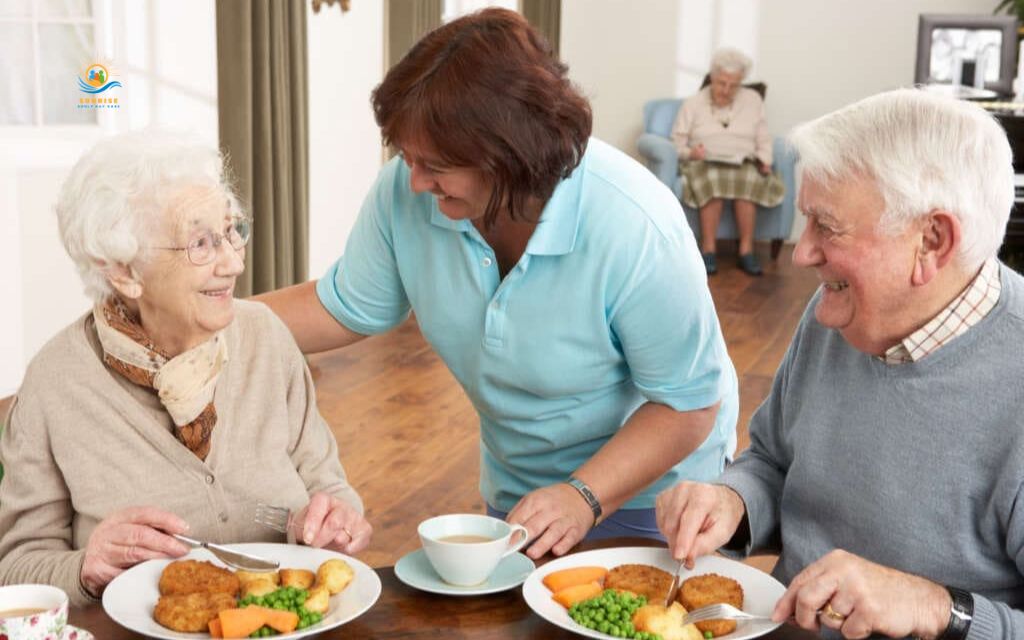
- Buổi gặp gỡ uống cà phê/trà tại sân trong: Tạo ra những mối quan hệ xã hội thân mật trong không gian ngoài trời thoải mái, chỉ cần rất ít hoạt động thể chất, và mang lại cảm giác như những buổi giao lưu “bình thường” giữa người lớn hơn là những hoạt động được lên kế hoạch sẵn.
- Các buổi dã ngoại hoặc tiệc nướng ngoài trời: Kết hợp ẩm thực, giao lưu xã hội và niềm vui ngoài trời. Ăn uống ngoài trời mang lại trải nghiệm mới mẻ và thường giúp kích thích sự thèm ăn.
- Tham gia các chợ nông sản địa phương hoặc hội chợ đường phố: Mang lại những trải nghiệm kích thích các giác quan, cơ hội kết nối với cộng đồng, những buổi đi dạo nhẹ nhàng và cơ hội tiếp xúc với văn hóa địa phương. Các khu chợ thường chào đón và khuyến khích sự tham gia của người cao tuổi.
- Câu lạc bộ sách ngoài trời / buổi kể chuyện tại chòi nghỉ trong công viên: Kết hợp giữa việc kích thích nhận thức, kết nối xã hội và môi trường ngoài trời. Việc cùng nhau đọc sách và thảo luận giúp tăng cường sự tham gia tinh thần và tạo ra khung sườn cho cuộc trò chuyện.
- Các sự kiện tôn giáo hoặc văn hóa tại các không gian ngoài trời: Tôn vinh bản sắc tinh thần và văn hóa, tạo ra sự kết nối ý nghĩa với các truyền thống, đồng thời mang đến cơ hội tham gia cộng đồng mà nhiều người cao tuổi vô cùng trân trọng.
- Những ngày bên các cháu: Mang lại niềm vui, ý nghĩa và sự gắn kết giữa các thế hệ. Nhiều người cao tuổi cảm thấy hào hứng và tràn đầy sức sống nhất khi được giao lưu với con cháu.
Trò chơi ngoài trời & các môn thể thao nhẹ
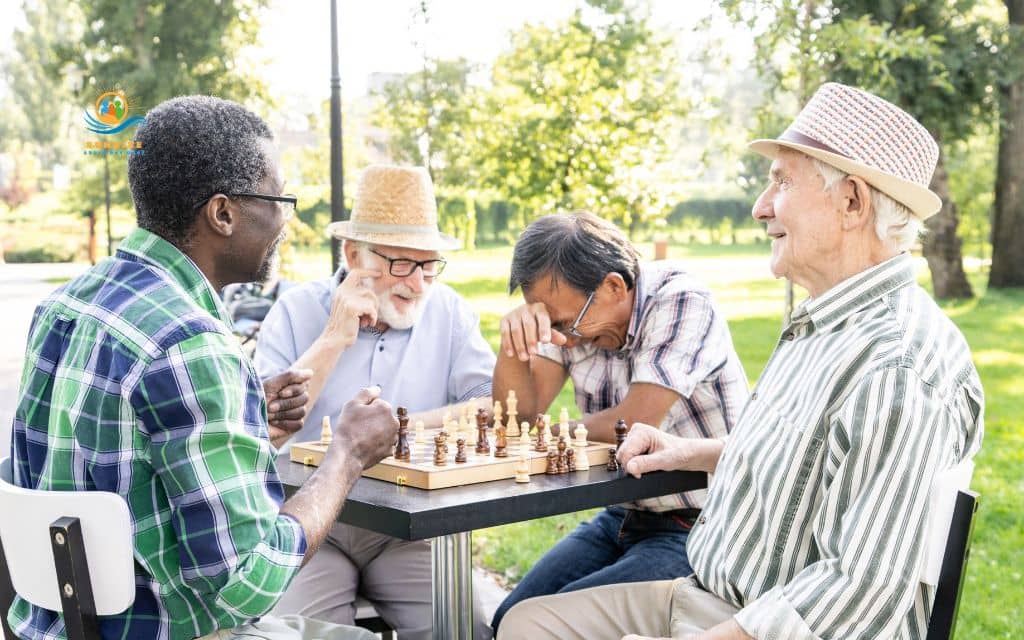
- Bocce, bowling trên cỏ hay petanque: Các trò chơi nhẹ nhàng, khuyến khích vận động nhẹ nhàng, tư duy chiến lược, tương tác xã hội và sự cạnh tranh lành mạnh. Thường có thể chơi khi đang ngồi.
- Móng ngựa hoặc vòng ném bằng cao su/nhựa: Một trò chơi ngoài trời cổ điển mà nhiều người cao tuổi vẫn còn nhớ từ thuở nhỏ. Các phiên bản làm bằng nhựa hoặc cao su giúp loại bỏ lo ngại về trọng lượng và nguy cơ chấn thương.
- Trò chơi ném túi đậu: Một trò chơi có tính linh hoạt cao, phù hợp với các nhóm có trình độ khác nhau, giúp rèn luyện khả năng phối hợp tay-mắt và mang lại những động tác nhẹ nhàng cho phần thân trên.
- Các buổi chơi croquet hoặc tập đánh bóng trên sân cỏ: Đi bộ nhẹ nhàng kết hợp với chiến lược và sự chính xác. Có thể điều chỉnh phù hợp với các mức độ vận động khác nhau.
- Bóng chuyền bằng bóng bay hoặc bóng bãi biển đơn giản: Trò chơi “bóng chuyền” cực kỳ nhẹ nhàng với những quả bóng nhẹ giúp loại bỏ nguy cơ chấn thương, đồng thời mang lại cơ hội rèn luyện khả năng vận động, phối hợp và những tràng cười sảng khoái.
Các chuyến dã ngoại và khám phá (bao gồm phương tiện di chuyển và nhân viên)
- Tham quan vườn thực vật hoặc vườn cây: Mang đến vẻ đẹp, kiến thức, những lựa chọn đi bộ nhẹ nhàng và cơ hội hòa mình vào thiên nhiên trong những không gian được thiết kế tỉ mỉ và dễ tiếp cận.
- Đường đi bộ ngoài trời tại vườn thú hoặc thủy cung: Cung cấp các hoạt động giáo dục, chủ đề trò chuyện, đi bộ nhẹ nhàng và tương tác với động vật – những hoạt động mà nhiều người cao tuổi cảm thấy rất thú vị.
- Các tuyến đường ngắm cảnh có điểm dừng đỗ xe và nghỉ ngơi: Giúp thay đổi không khí, mang lại sự kích thích và cơ hội tiếp xúc với thiên nhiên mà không đòi hỏi nhiều về thể lực. Rất phù hợp cho người cao tuổi có khả năng vận động hạn chế.
- Các buổi hòa nhạc ngoài trời, các vở kịch cộng đồng hay chiếu phim trong công viên: Tổ chức các hoạt động giao lưu văn hóa, dã ngoại và giải trí trong không gian ngoài trời mang đến cảm giác đặc biệt và gắn kết cộng đồng.
- Câu cá từ các bến cảng hoặc ven hồ dễ tiếp cận: Mang đến những giây phút thư giãn ngoài trời, các hoạt động nhẹ nhàng, mục đích sống và cơ hội gắn kết với những sở thích lâu năm cho nhiều người cao tuổi từng có thói quen câu cá từ thuở trẻ.
- Những chuyến đi bộ ngắn, nhẹ nhàng trên những con đường mòn được lát đá hoặc nén đất: Mang đến những trải nghiệm phiêu lưu, cảm giác thành tựu, cơ hội hòa mình vào thiên nhiên và những thử thách phù hợp cho những người cao tuổi có khả năng vận động tốt và linh hoạt.
- Các hoạt động tình nguyện ngoài trời: Mang lại ý nghĩa cuộc sống, cơ hội đóng góp cho cộng đồng, sự kết nối xã hội và những lợi ích về mặt tâm lý khi giúp đỡ người khác, điều này đặc biệt có ý nghĩa đối với người cao tuổi, những người có thể cảm thấy mình không còn “đóng góp” được gì nữa.”
Các hoạt động ngoài trời dành cho người cao tuổi có khả năng di chuyển hạn chế
Đối với người cao tuổi sử dụng xe lăn, khung tập đi hoặc những người có sức khỏe rất yếu, các hoạt động ngoài trời phù hợp nhất bao gồm:
- Bài tập tại sân trong khi ngồi: Tập yoga trên ghế, các bài tập giãn cơ hoặc tập với dây kháng lực mang lại lợi ích về vận động mà không đòi hỏi khả năng di chuyển linh hoạt. Hãy đặt ghế trên mặt phẳng, chắc chắn, ở nơi râm mát thoải mái và dễ tiếp cận.
- Ngắm chim từ những địa điểm thuận tiện: Chỉ cần những chỗ ngồi thoải mái và tầm nhìn thoáng đãng. Hãy bố trí các điểm cho chim ăn ở những khu vực sân trong dễ quan sát, chuẩn bị ống nhòm (tùy chọn) và những cuốn cẩm nang nhận diện chim đơn giản.
- Trồng rau trên luống cao: Các giường được thiết kế cao từ 24 đến 30 inch giúp người dùng xe lăn có thể tiếp cận dễ dàng và không cần phải cúi người. Những lối đi rộng rãi và chắc chắn giữa các giường đảm bảo việc di chuyển thuận tiện. Vườn trồng trong chậu là giải pháp lý tưởng cho ban công và sân hiên.
- Các tuyến đường ngắm cảnh có điểm dừng đỗ xe và nghỉ ngơi: Giúp thay đổi không khí và tận hưởng thời gian ngoài trời mà không đòi hỏi nhiều về thể lực. Hãy chọn những điểm dừng có bãi đỗ xe bằng phẳng, được lát đá và khu vực ngắm cảnh thoải mái.
- Buổi gặp gỡ thân mật tại sân vườn (cà phê, trà, các món ăn nhẹ): Chỉ cần những chỗ ngồi thoải mái là đủ, và điều này sẽ tạo ra sự giao lưu tự nhiên trong không gian ngoài trời dễ chịu.
- Các trạm nghệ thuật ngoài trời: Tổ chức các hoạt động vẽ tranh, vẽ phác thảo hoặc thủ công trên những chiếc bàn dễ tiếp cận tại các khu vực ngoài trời có bóng râm. Không khí trong lành và ánh sáng tự nhiên sẽ giúp nâng cao trải nghiệm sáng tạo.
- Trải nghiệm vườn cảm quan: Những khu vườn được thiết kế với các loại cây có hương thơm, lá cây đa dạng về kết cấu và hoa nở rực rỡ ở độ cao vừa tầm giúp kích thích các giác quan mà không cần phải di chuyển.
Kết luận
Mục tiêu của các hoạt động ngoài trời dành cho người cao tuổi tại các cơ sở chăm sóc người cao tuổi là tạo ra những cơ hội an toàn, mang tính xã hội và có sự giám sát, giúp người cao tuổi được hít thở không khí trong lành, vận động nhẹ nhàng, hòa mình vào thiên nhiên và tham gia vào các hoạt động cộng đồng. Những trải nghiệm này góp phần nâng cao sức khỏe thể chất, tinh thần, sự gắn kết xã hội, đồng thời giúp người cao tuổi cảm nhận rằng cuộc sống vẫn tràn đầy ý nghĩa và phong phú.
Dù bạn là người phụ trách hoạt động tại một chương trình chăm sóc ban ngày cho người lớn tuổi, một người chăm sóc trong gia đình đang lên kế hoạch cho tuần sinh hoạt của cha mẹ, hay một điều phối viên trung tâm người cao tuổi đang mở rộng các chương trình của mình, 30 hoạt động được giới thiệu trong cẩm nang này sẽ mang đến những gợi ý thiết thực và đã được kiểm chứng, vừa tôn trọng phẩm giá của người cao tuổi, vừa đặt an toàn và niềm vui của họ lên hàng đầu.
__________________
Tại Sunrise Adult Daycare Tại Denver, chúng tôi hiểu rằng thời gian hoạt động ngoài trời là yếu tố thiết yếu đối với sức khỏe thể chất, tinh thần và các mối quan hệ xã hội của người thân của quý vị.
Các chương trình hàng ngày của chúng tôi, được giám sát bởi đội ngũ chuyên nghiệp, bao gồm các hoạt động ngoài trời có tổ chức như các buổi tập thể dục trong sân, trồng trọt tại các luống đất cao, các chuyến dã ngoại ngắm cảnh và các sự kiện giao lưu theo mùa, được thiết kế riêng cho người cao tuổi có nhu cầu khác nhau về khả năng vận động và nhận thức.
Mọi hoạt động đều do đội ngũ nhân viên được đào tạo chuyên nghiệp dẫn dắt, những người luôn đặt an toàn, sự tôn trọng và niềm vui thực sự của mỗi người tham gia lên hàng đầu.
Bạn đã sẵn sàng dành tặng người thân yêu của mình món quà là không khí trong lành, tình bạn và những ngày trọn vẹn ý nghĩa chưa?
Hãy liên hệ với chúng tôi ngay hôm nay qua số 303 226 6882 để đặt lịch tham quan và tận mắt chứng kiến các không gian ngoài trời cũng như các hoạt động của chúng tôi.
Những câu hỏi thường (Hỏi đáp)
Người cao tuổi nên dành bao nhiêu thời gian ra ngoài trời mỗi tuần?
Tốt nhất, người cao tuổi nên dành thời gian ra ngoài trời hàng ngày, dù chỉ 15–30 phút, vì việc tiếp xúc thường xuyên mang lại những lợi ích tích lũy cho tâm trạng, giấc ngủ và hoạt động thể chất. Các chương trình chăm sóc ban ngày dành cho người cao tuổi nên hướng tới việc tổ chức ít nhất một hoạt động ngoài trời có tổ chức mỗi ngày, cùng với các chuyến đi dài hơn 2–3 lần mỗi tuần. Đối với người cao tuổi sống tại nhà, người chăm sóc nên sắp xếp thời gian ra ngoài trời cho họ ít nhất 4–5 lần mỗi tuần.
Những hoạt động ngoài trời nào an toàn nhất dành cho người cao tuổi sử dụng khung tập đi hoặc xe lăn?
Các lựa chọn an toàn nhất bao gồm đi bộ trên đường lát đá, tập thể dục tại sân trong khi ngồi, ngắm chim từ ghế dài, trồng cây trong luống cao, lái xe ngắm cảnh và tụ tập giao lưu tại sân hiên. Hãy luôn chọn những địa điểm có mặt bằng vững chắc, bằng phẳng, có nhà vệ sinh dễ tiếp cận trong vòng 5–10 phút và cách khu vực đỗ xe không xa.
Các trò chơi ngoài trời có an toàn cho người cao tuổi bị loãng xương hoặc đau khớp không?
Đúng vậy, miễn là lựa chọn kỹ lưỡng. Hãy chọn các trò chơi ít tác động như bocce, cornhole, bóng chuyền bong bóng và các phiên bản chơi ngồi để tránh các động tác xoắn người, va chạm hoặc nguy cơ ngã. Luôn đánh giá kỹ các hạn chế cá nhân của người tham gia và cho phép họ tham gia khi ngồi với dụng cụ nhẹ.
Người chăm sóc nên chuẩn bị những gì cho mỗi chuyến đi chơi ngoài trời?
Các vật dụng cần thiết bao gồm danh sách thuốc đang dùng và thuốc cấp cứu, nước uống và đồ ăn nhẹ, kem chống nắng và mũ chống nắng, bộ sơ cứu, điện thoại di động có lưu số liên lạc khẩn cấp, và nước rửa tay khô. Đối với những chuyến đi dài ngày, hãy chuẩn bị thêm ghế gấp, quần áo ấm dự phòng, áo mưa và các vật dụng cụ thể như thuốc chống côn trùng phù hợp với khí hậu của Denver.