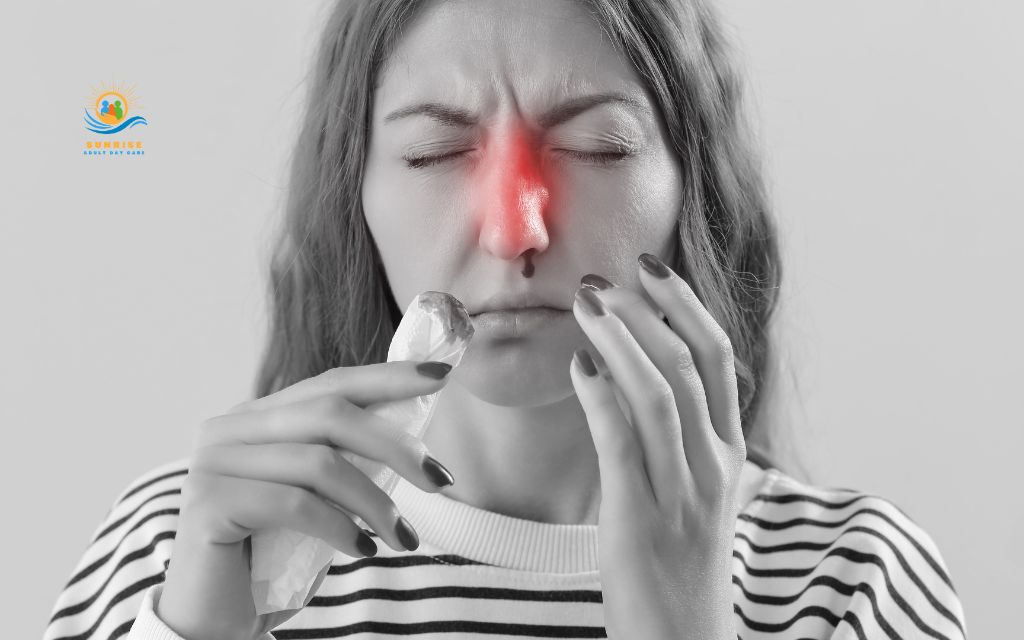
A sudden nosebleed in older adults can feel alarming. One moment everything is fine; the next, there is blood and a rush of worry about what it might mean.
As the body ages, certain factors can make nosebleeds more likely than in younger adults. These include:
- Dry indoor air, especially during winter months
- Blood-thinning medications such as aspirin, warfarin, or clopidogrel
- High blood pressure (hypertension)
- Fragile, thinning nasal blood vessels that come with normal aging
Here is the truth: most nosebleeds in elderly people are not a medical emergency. With the right first-aid steps, the vast majority can be managed safely at home within 10 to 15 minutes.
In this article, you will learn:
- What causes nosebleeds in elderly people
- How to stop bleeding safely and quickly
- How to prevent nosebleeds from coming back
- Exactly when to call a doctor or seek emergency care
Take a breath. Let’s walk through everything step by step.
Why nosebleeds are more common after age 65
If you have noticed more nosebleeds since turning 65, you are not imagining it. There is a clear biological reason.
As we age, the lining inside the nasal passages naturally becomes thinner and more delicate. The small blood vessels (capillaries) sit closer to the surface and have less protective tissue around them. This means even a mild irritation can cause one of those vessels to rupture and bleed.
Common triggers for nosebleeds in nose bleeds older people include:
- Dry or heated indoor air that dries the nasal lining
- Forceful nose blowing
- Minor irritation from allergies or nasal sprays
- A small bump or injury to the face
Understanding this is the first step toward staying calm when a bloody nose in elderly adults occurs.
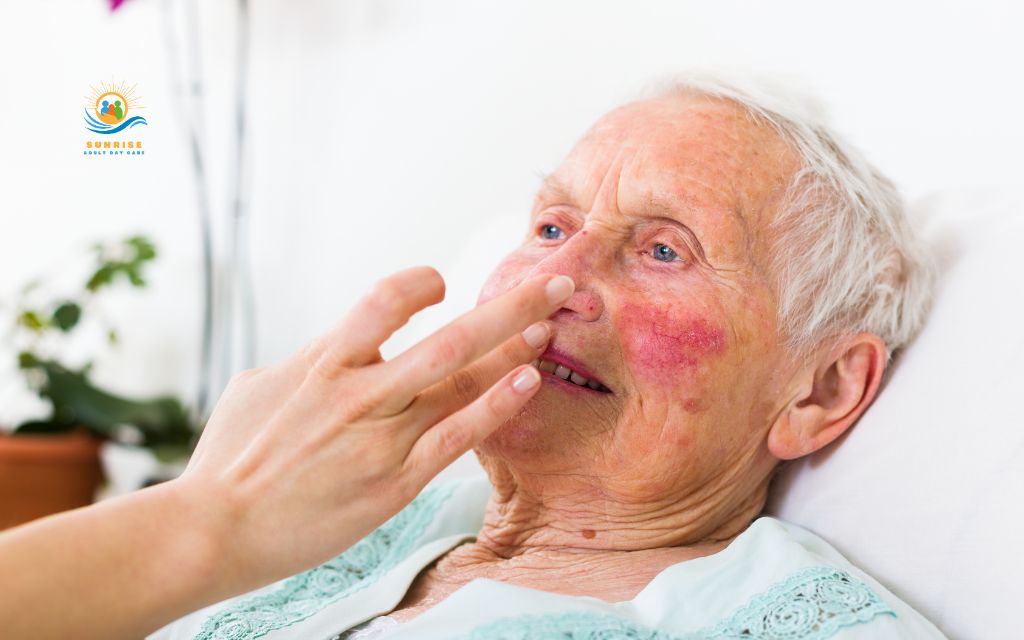
Common causes of nosebleeds in elderly people
Nosebleeds in elderly people rarely have a single cause. Understanding the most common triggers can help you identify what to address and how to prevent recurrence.
Dry indoor air
This is one of the most frequent causes for nosebleeds in elderly adults, particularly during winter. When indoor heating systems run continuously, they pull moisture from the air and from the nasal lining.
The result: the tissue inside the nose becomes dry, cracked, and prone to bleeding.
Even people who have never had a nosebleed before may start experiencing them after spending more time in heated or air-conditioned indoor environments.
Blood-thinning medications
Many older adults take anticoagulant or antiplatelet medications to protect their heart health or prevent strokes. These include:
- Aspirin (even low-dose)
- Warfarin (Coumadin)
- Clopidogrel (Plavix)
- Rivaroxaban, apixaban, and other newer anticoagulants
These medications are important, but they make bleeding easier to start and harder to stop. This is one of the main reasons why nosebleeds in elderly people can be more serious than in younger adults.
If you or your loved one takes blood thinners and experiences a nosebleed, it may take longer than the standard 10 to 15 minutes to stop.
High blood pressure
Uncontrolled high blood pressure increases the force of blood moving through the blood vessels. While high blood pressure alone does not always directly cause a nosebleed, it can make bleeding heavier and more difficult to control once it starts.
If you have hypertension and experience frequent or persistent nosebleeds, speak with your doctor. It may indicate that blood pressure management needs adjustment.
Frequent nose irritation
Recurring irritation to the nasal lining is another common contributor. This can come from:
- Seasonal or year-round allergies
- Repeated or forceful nose blowing
- Overuse of medicated nasal sprays (particularly decongestant sprays)
- Picking or rubbing the inside of the nose
Minor injury or falls
Even a small bump to the nose or face can trigger a nosebleed in older adults, given the increased fragility of nasal blood vessels. Falls are also more common with age, and a fall that involves contact with the face can cause immediate bleeding. In these situations, it is important to assess for other injuries as well.
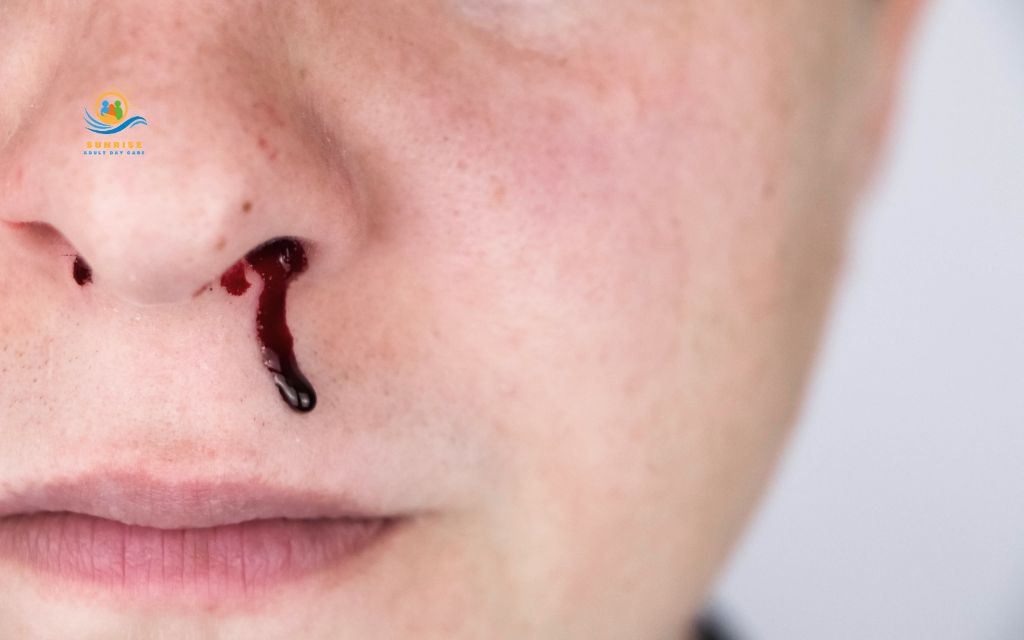
How to stop a nosebleed quickly
When a nosebleed starts, staying calm makes all the difference. Follow these steps in order. They are effective, safe, and recommended for older adults.
- Sit upright and lean forward
- Pinch the soft part of the nose for 10-15 minutes
- Breathe calmly through the mouth
- Apply a cold compress to the bridge of the nose
- Rest quietly after bleeding stops
Step 1: Sit upright and lean forward
The moment a nosebleed begins, sit the person (or yourself) upright in a chair. Lean the head slightly forward, not backward.
Leaning forward is critical. It prevents blood from flowing down the back of the throat, which can cause nausea, choking, or swallowing blood that irritates the stomach.
Step 2: Pinch the soft part of the nose
Using your thumb and index finger, firmly pinch the soft, fleshy part of the nose, just below the bony bridge. This applies direct pressure to the most common bleeding site (called Kiesselbach’s plexus) and helps the blood clot.
Hold this pressure continuously for 10 to 15 minutes. Do not release to check whether bleeding has stopped. This breaks the forming clot and restarts the process.
Step 3: Breathe through the mouth
While holding the nose, breathe slowly and gently through the mouth. Staying calm helps lower blood pressure slightly and reduces panic, both of which support faster clotting.
If you are helping someone else, speak in a calm, reassuring tone. Your composure will help them stay calm too.
Step 4: Apply a cold compress
If available, place a cold pack or a cloth-wrapped bag of ice on the bridge of the nose. Cold temperature causes blood vessels to constrict (narrow), which can slow bleeding. This step is helpful but optional – the most important action is maintaining firm nose pressure.
Step 5: Rest after bleeding stops
Once the nosebleed stops, keep the person seated and resting quietly for at least 30 to 60 minutes. Avoid these activities for several hours:
- Blowing the nose
- Bending over or picking things up from the floor
- Strenuous physical activity
- Hot drinks or food (heat dilates blood vessels)
These precautions prevent the fragile new clot from being dislodged.
What NOT to do during a nosebleed
Knowing what to avoid is just as important as knowing what to do. Some common instincts can actually make a nosebleed worse or more dangerous in older adults.
- Do NOT tilt the head backward
- Do NOT lie flat on your back
- Do NOT release nose pressure to check if bleeding has stopped
- Do NOT blow the nose immediately after bleeding stops
- Do NOT stuff the nose tightly with tissue and leave it
Preventing nosebleeds in older adults
While not every nosebleed can be prevented, simple daily habits significantly reduce how often they happen. The following strategies are especially helpful for older adults who experience recurrent nosebleeds.
Keep nasal passages moist
Moisture is the single most effective preventive measure for dry-air nosebleeds.
- Use a saline nasal spray (available over the counter) two to three times daily to keep the nasal lining hydrated.
- If your doctor recommends it, apply a small amount of nasal gel or petroleum jelly just inside each nostril before bed.
- Avoid decongestant nasal sprays used repeatedly – these can dry and irritate the nasal lining over time.
Add humidity to indoor air
Running a humidifier in the bedroom or main living area adds moisture to the air and protects nasal tissue. Aim for indoor humidity between 40% and 50%.
This is one of the most effective and underused strategies for preventing nosebleeds in elderly people who spend long hours indoors.
Be gentle with nose blowing
Remind older adults to blow the nose gently, one nostril at a time. Avoid picking or rubbing inside the nose, which damages fragile capillaries. If allergies cause the urge to blow frequently, speak to a doctor about appropriate allergy management.
Stay well hydrated
Dehydration can dry mucous membranes throughout the body, including the nasal lining. Encourage older adults to drink enough water throughout the day, approximately 6 to 8 cups, unless otherwise directed by a physician.
Review medications with your doctor
If you or a loved one takes blood-thinning medications and experiences frequent nosebleeds, bring this up at the next doctor’s appointment. Never stop or adjust blood thinners without medical guidance but your physician may be able to review dosage, timing, or alternatives.
Also mention any supplements such as fish oil, vitamin E, or ginkgo, as these can also increase bleeding tendency.

When to call a doctor or seek emergency care
Most nosebleeds in older adults stop within 10 to 15 minutes with proper first aid. However, certain situations require prompt medical attention. Knowing when to seek help is just as important as knowing how to stop a nosebleed.
Contact a doctor if:
- Nosebleeds occur frequently (more than once a week or multiple times a month)
- The nosebleed is associated with a new medication or recent medication change
- Bleeding is heavier than usual and soaks through multiple tissues quickly
- The person takes blood thinners and bleeds for more than 20 minutes despite proper pressure
Seek emergency care immediately if:
- Bleeding does not stop after 20 minutes of continuous direct pressure
- The person feels faint, dizzy, or loses consciousness
- Bleeding followed a head injury, fall, or significant trauma to the face
- There is blood coming from both nostrils or from the back of the throat
- The person vomits blood or has blood in urine or stool alongside the nosebleed
- There are signs of a stroke: sudden confusion, facial drooping, or arm weakness
A doctor may perform a physical examination, check blood pressure, or review current medications to identify any underlying causes for nosebleeds in elderly adults that need direct treatment.
Guidance for caregivers and daytime care staff
For caregivers at home and staff in supervised settings such as adult day care programs, a clear and calm response is essential.
The following guidelines are designed for professional care environments where multiple participants may need attention simultaneously.
Immediate care steps for staff
When a participant has a nosebleed:
- Seat the person upright in a stable chair immediately.
- Apply gentle but firm pinching pressure to the soft part of the nose.
- Monitor continuously for dizziness, confusion, or change in alertness.
- Check the participant’s medication list for blood thinners, if present, alert supervising clinical staff.
- If bleeding does not stop within 20 minutes, call 911.
- Notify the participant’s emergency contact.
What staff should document
Accurate documentation supports continuity of care and helps identify patterns that may point to an underlying medical cause. Record the following for every nosebleed incident:
- Date and time the bleeding began
- Duration (how many minutes until bleeding stopped)
- Which nostril was affected
- Estimated volume of blood loss (light, moderate, or heavy)
- Medications taken that day, especially blood thinners
- Possible trigger: activity before the bleed, a fall or bump, nasal irritation
- Any symptoms: dizziness, faintness, confusion, headache
- Whether emergency services were called and the outcome
A log of repeated incidents can help the participant’s physician detect patterns, for example, nosebleeds that consistently follow blood pressure spikes or high-activity periods.
Returning to activities safely
After a nosebleed stops, the participant should not immediately return to group activities. Follow this post-bleed recovery protocol:
- Rest for at least 30 to 60 minutes in a calm, seated position before resuming any activity
- Avoid physically strenuous activities (exercise, outdoor walks, dancing) for the remainder of the day
- Offer water to support hydration, especially if the participant was nervous or anxious
- Avoid spicy, hot foods or beverages for the rest of the day
- Check in with the participant every 30 minutes for the rest of the session
A brief, compassionate check-in from a staff member can reduce anxiety and help the participant feel safe returning to a normal routine.
About Sunrise Adult Daycare
At Sunrise Adult Daycare in Denver, CO, the safety and well-being of every participant is the top priority. Our trained staff are prepared to respond calmly and effectively to health situations so that older adults can enjoy a full, active day in a supervised and supportive environment.
We provide structured daily programming, social engagement, health monitoring, and peace of mind for families.
If you are looking for a trusted adult day program in Denver for yourself or a loved one, we invite you to learn more. Call us: 303-226-6882.
Conclusion
Nosebleeds in elderly adults are common and, in most cases, very manageable. The thinning nasal tissue, dry indoor environments, blood-thinning medications, and high blood pressure that many older adults live with all contribute to a higher risk. But that risk does not have to be frightening.
With a calm response, the right first-aid technique, most nosebleeds stop within 10 to 15 minutes. Knowing what not to do (such as tilting the head back) is equally important and can prevent unnecessary complications.
Prevention matters, too. Simple daily habits like using a saline spray, running a humidifier, and staying hydrated can dramatically reduce how often nosebleeds occur. And when they do occur, a careful review of medications with a physician can uncover whether adjustments are needed.
Most importantly, know when to call for help. A nosebleed that lasts longer than 20 minutes, is associated with dizziness, or follows a fall or head injury deserves prompt medical evaluation.
Whether you are an older adult managing your own health, a family caregiver at home, or a staff member at an adult day care program, you now have the knowledge to respond quickly, safely, and with confidence.
Frequently asked questions (FAQs)
What causes nosebleeds in elderly people?
The most common causes include dry indoor air, blood-thinning medications (such as aspirin or warfarin), high blood pressure, allergies, and the natural fragility of aging nasal blood vessels. In older adults, these factors frequently combine, which is why nosebleeds tend to be more frequent and longer-lasting than in younger people.
Are nosebleeds common in older adults?
Yes. Nosebleeds become more common with age. The nasal lining thins over time, blood vessels sit closer to the surface, and many seniors take medications that increase bleeding risk. Nose bleeds in older people are one of the most frequent ear, nose, and throat concerns in this age group.
When should I worry about nosebleeds?
Worry when bleeding doesn’t stop after 20 minutes of firm pressure; when it’s accompanied by dizziness, fainting, or vomiting blood; when it follows a head injury or fall; or when it recurs multiple times per week without a clear cause.
Why am I suddenly getting nosebleeds every day?
The most common reasons are dry indoor air, blood-thinning medications, uncontrolled high blood pressure, or nasal inflammation from allergies. If daily nosebleeds appear suddenly with no obvious trigger, see a doctor – rarer causes like clotting disorders need to be ruled out.
Can heart failure cause nosebleeds?
Not directly. Heart failure itself does not cause nosebleeds. However, many heart failure patients take anticoagulants (warfarin, apixaban, etc.). These medications are what make nosebleeds more frequent and harder to stop. High blood pressure, which often accompanies heart failure, is also a contributing factor.