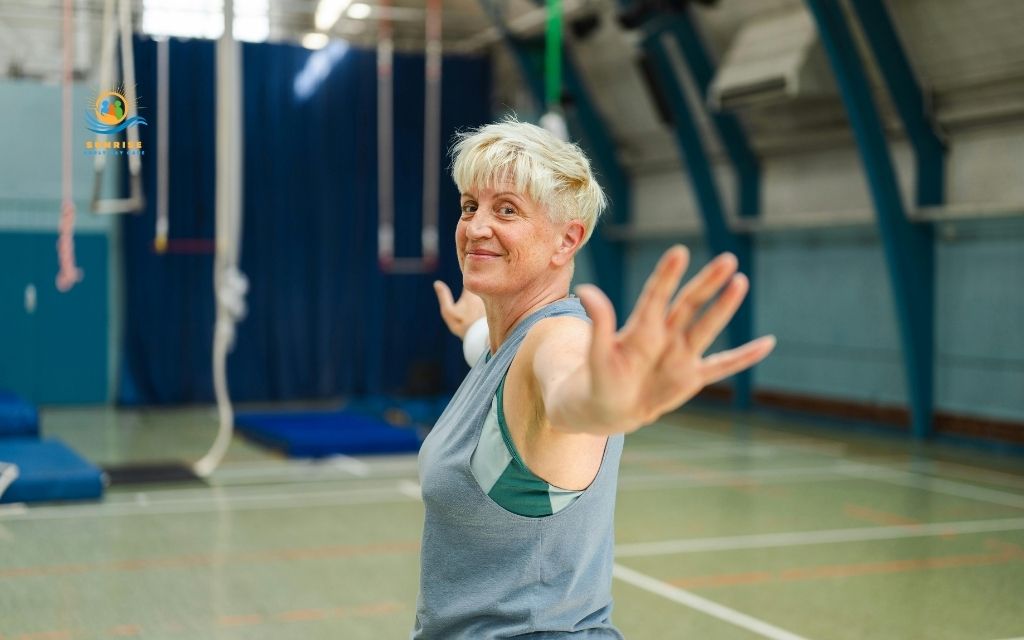
9 low-impact workouts for seniors in Denver that feel good

9 low-impact workouts for seniors in Denver that feel good

Many older adults want the benefits of exercise but understandably feel hesitant about workouts that seem too demanding, painful, or risky. But here’s the good news: you don’t need high-intensity or punishing routines to improve your health, mobility, and mood.

Low-impact exercises are specifically designed to be joint-friendly, effective, and beginner-friendly. They can help you feel steadier on your feet, keep up with daily errands, and enjoy better energy.

In this article, you’ll discover:

  • What “low-impact” actually means for seniors and why it’s different from “low-intensity”
  • Who should choose low-impact workouts and when to check with your doctor first
  • 9 specific low impact workouts for seniors you can try, including chair-supported and water-based options

Whether you’re just starting out or looking for gentler alternatives to what you’ve done in the past, this guide will help you find a safe, confidence-building movement that fits your needs and your lifestyle.

9 low-impact workouts for seniors

What does “low impact” mean for seniors?

When you hear “low-impact exercise,” it simply means movement that’s easy on your joints. Typically, at least one foot stays on the ground at all times – or your body is supported by water or a chair – so there’s no jumping, pounding, or hard landings that jar your knees, hips, or back.

Low-impact exercises for elderly adults include activities like:

  • Walking
  • Chair exercises
  • Water aerobics
  • Gentle yoga
  • Tai chi
  • Resistance band workouts
  • Slow stretching routines

Low impact vs. low intensity: what’s the difference?

Many people confuse these two terms, but they’re not the same:

  • Low-impact refers to how much stress is placed on your joints. You can still breathe harder, feel your muscles working, and get your heart rate up—but you’re doing it without pounding movements.
  • Low-intensity means your heart rate and breathing don’t increase very much. The workout feels very easy.

You can absolutely have a workout that is low-impact but moderately intense like brisk walking or energetic chair aerobics. For many older adults, that combination is ideal: gentle on the joints but still challenging enough to build strength and endurance.

Why low-impact workouts are beneficial for older adults

Choosing low-impact exercises offers several important advantages:

  • Less strain on joints: If you have arthritis, stiff knees, or hip discomfort, low-impact movements reduce pain and inflammation rather than making it worse.
  • Lower fall risk: Because your center of gravity stays more controlled and there’s less jumping or quick direction changes, you’re less likely to lose your balance.
  • Easier to stick with over time: Workouts that feel good and don’t leave you sore or injured are the ones you’ll keep doing – and consistency is what leads to real results in strength, balance, and stamina.

Who are low-impact workouts best for?

Low-impact exercises are especially well-suited for retired adults who:

  • Have arthritis or joint pain: Movements that minimize pounding can actually reduce stiffness and discomfort over time, rather than aggravating sore knees, hips, or backs.
  • Feel unsteady on their feet or fear falling: Exercises that involve chair support, wall assistance, or water buoyancy provide extra stability and confidence, helping you build balance gradually without high fall risk.
  • Are coming back from a pause in exercise or illness: If you’ve taken time off due to surgery, illness, or simply a long break, low-impact routines offer a gentle re-entry point that won’t overwhelm your body.
  • Prefer daytime, structured activity and social settings: Many older adults thrive with routine, supervision, and the company of others. Low-impact group classes at rec centers, YMCAs, or adult day programs check all these boxes while keeping movement safe and engaging.

When to talk with your doctor first:

Before starting any new exercise program, it’s smart to check with your doctor if you have:

  • Heart or lung disease
  • Recent surgery or injury
  • Uncontrolled blood pressure
  • Severe balance issues or frequent dizziness
  • New chest pain, shortness of breath, or unusual fatigue

9 low-impact workouts for seniors that feel good

The following exercises can all be adjusted to fit your current fitness level and comfort. Whether you need to stay seated in a chair, hold onto a wall or counter for support, or prefer standing movements, there’s an option that will work for you.

Gentle walking (outdoors or indoors)

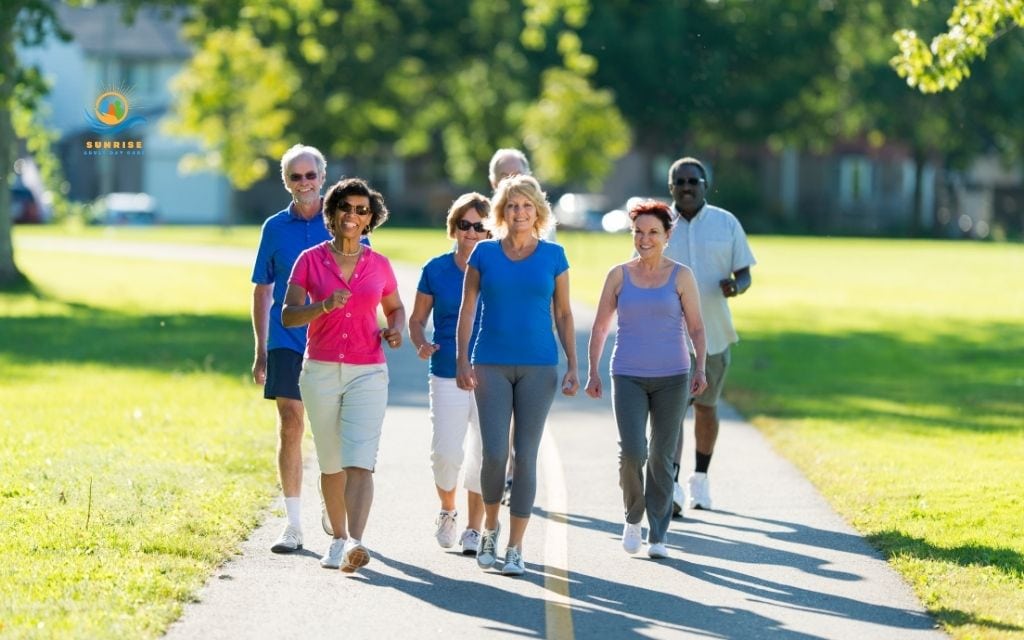
Walking is one of the simplest and most accessible forms of low-impact exercise. It strengthens your heart, improves stamina for daily errands, and boosts mood – all without special equipment or a gym membership.

Begin with just 5–10 minutes around your block, in a hallway, or even inside your home. Gradually add a minute or two each week as you feel stronger. If you need extra stability, use a cane or walking pole, or walk with a friend or family member.

Tip: Wear supportive shoes with good traction, and if you’re walking outdoors, choose level paths or paved trails to reduce tripping hazards.

Gentle walking (outdoors or indoors)

Chair-based strength workout

Strength exercises improve your ability to get out of chairs, cars, and bed without assistance. They also support better posture and make everyday tasks like carrying groceries or lifting a laundry basket much easier.

Example moves:

  • Chair squats: Stand up from a sturdy chair and sit back down slowly, using your legs to control the movement. Repeat 5 – 10 times.
  • Seated marches: While sitting, lift one knee at a time as if marching in place. Do 10 – 20 lifts per leg.
  • Biceps curls: Hold light weights (1–3 pounds), cans of soup, or water bottles. Slowly curl your arms up toward your shoulders, then lower. Repeat 8 – 12 times.

Stay seated for all exercises and move slowly. You’ll still build strength without worrying about stability.

Chair-based strength workout

Low-impact cardio

Low-impact cardio improves your cardiovascular endurance, making it easier to handle longer shopping trips, appointments, and social visits without getting winded.

Example moves:

  • Side steps: Step to the right, then bring your left foot to meet it. Repeat to the left. Continue for 1–2 minutes.
  • Gentle knee lifts: Lift one knee toward your chest (as high as comfortable), then the other. You can do this standing with counter support or seated.
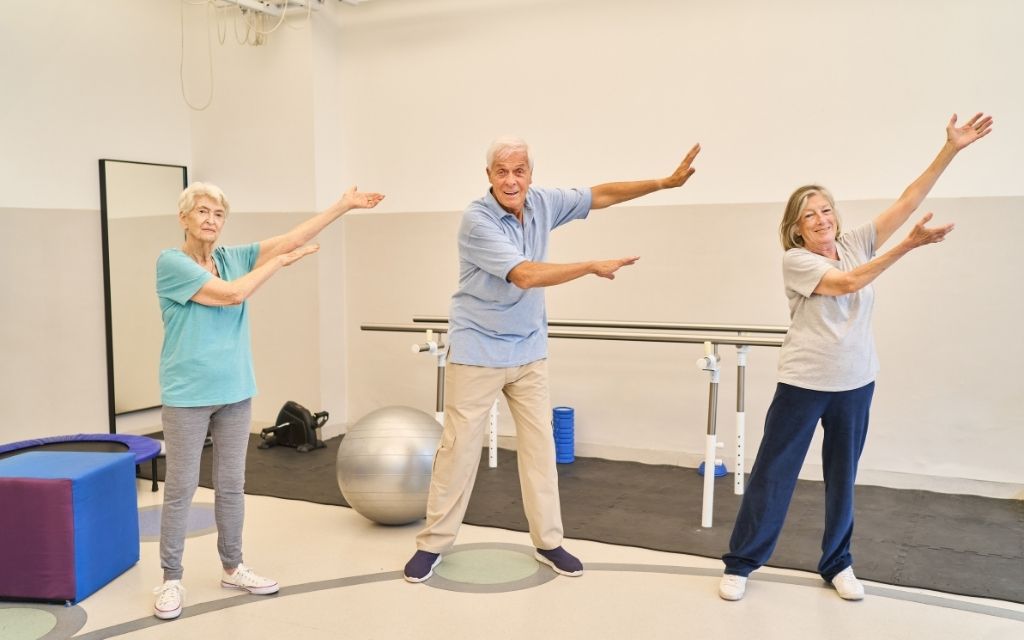
  • Arm swings: Swing your arms forward and back or in large circles while marching in place to get your heart rate up.

If standing feels unsteady, do seated marches with big arm movements. You’ll still get your heart pumping.

Low-impact cardio
Low-impact cardio

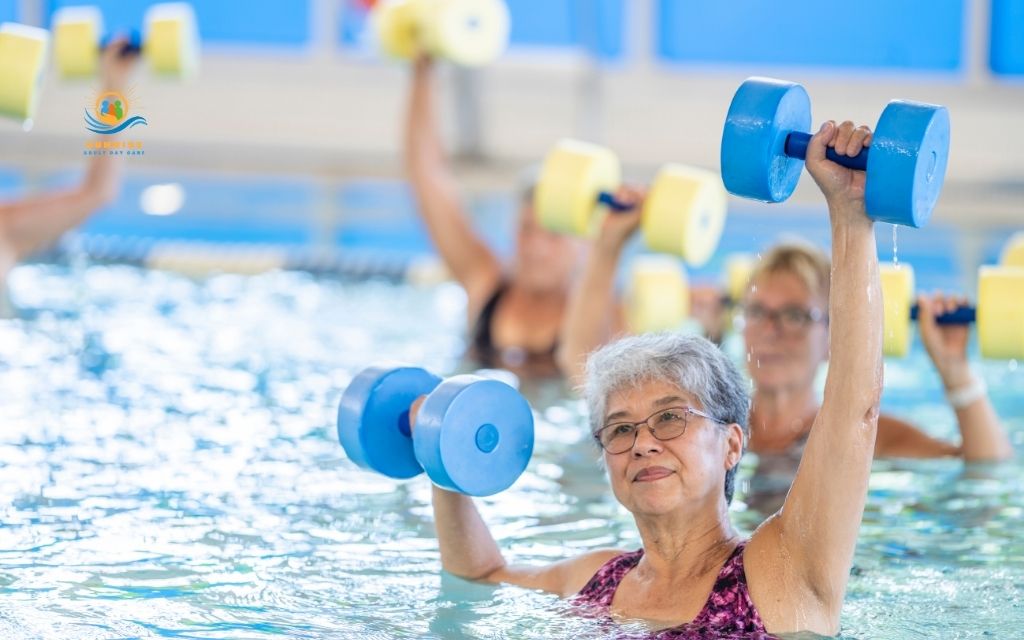
Water aerobics or aqua walking

Water supports your body weight and cushions your joints, making it one of the best low-impact exercises for elderly adults with arthritis, back pain, or knee problems. You can move freely in the water without the jarring impact you’d feel on land.

Water aerobics classes typically include gentle movements like leg kicks, arm circles, and walking forward and backward in the pool. The resistance of the water provides a strength-building workout without weights.

Good for: Anyone who enjoys group classes, wants social interaction, or needs extra joint protection. The water temperature in most pools is also soothing for stiff muscles.

Water aerobics or aqua walking

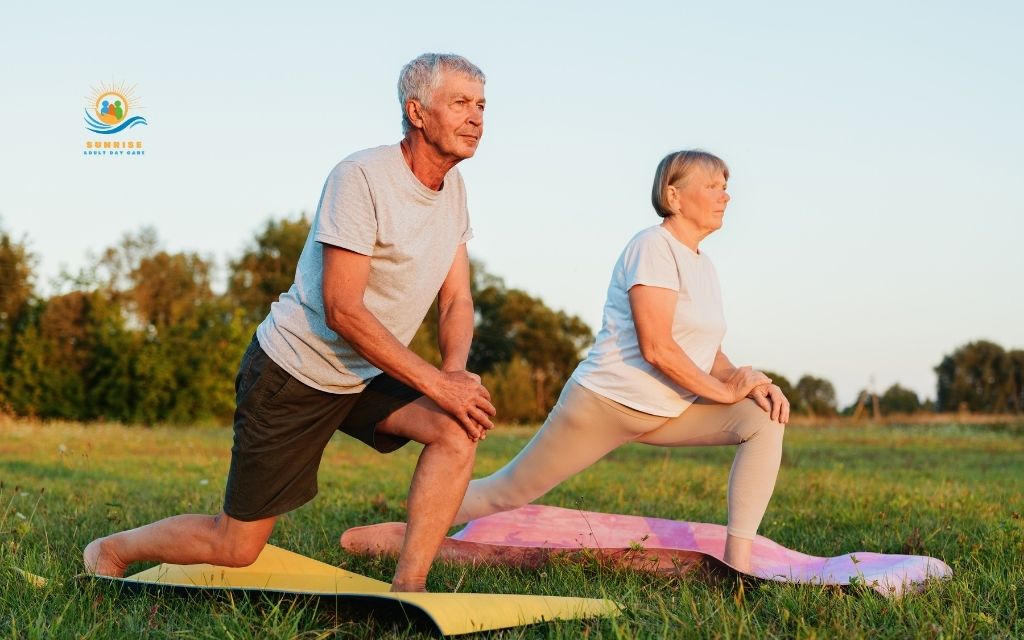
Gentle yoga & chair yoga

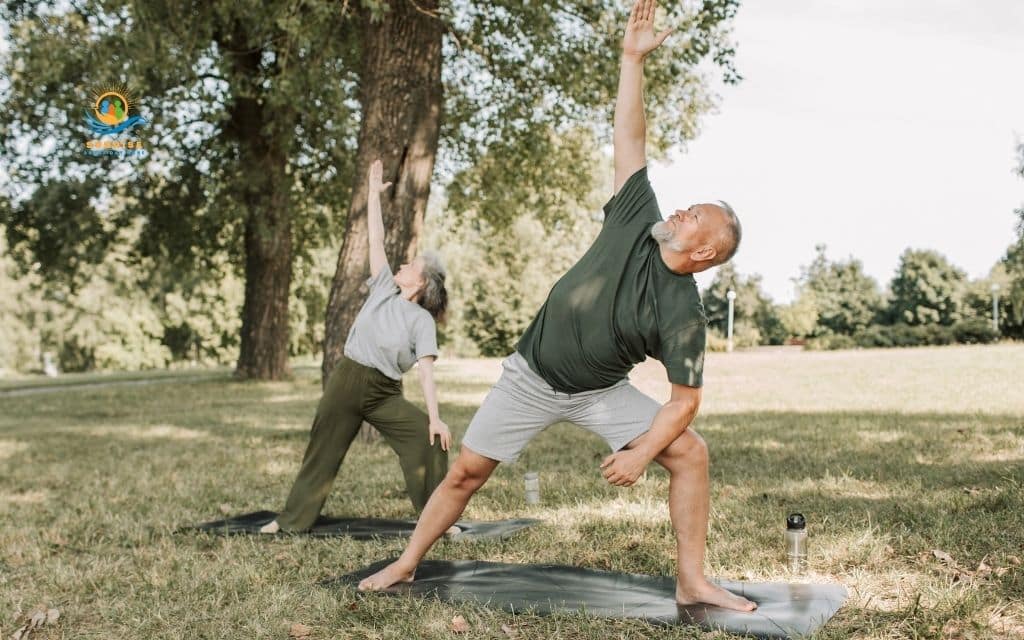
Yoga improves flexibility, balance, and relaxation. It’s especially helpful for easing back pain, improving posture, and calming stress or anxiety. Gentle yoga for seniors moves slowly and avoids extreme poses, focusing instead on safe stretches and breathing.

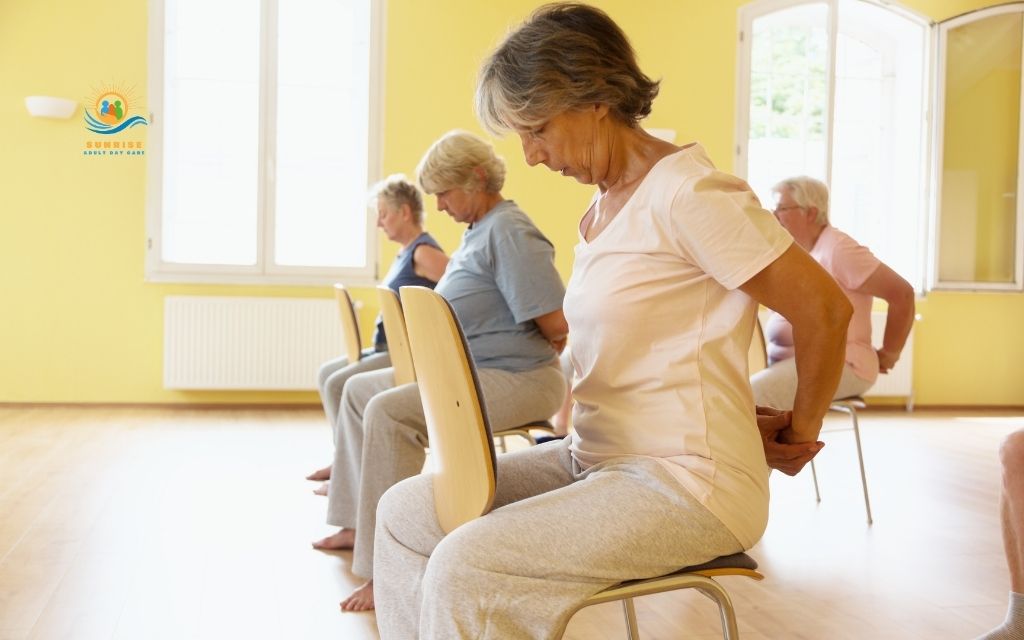
If getting down on the floor isn’t comfortable or safe, chair yoga lets you do seated stretches and balance work without leaving your chair. It’s perfect for anyone with limited mobility or balance concerns.

Example moves:

  • Seated spinal twists
  • Gentle neck and shoulder rolls
  • Ankle circles and leg extensions
  • Breathing exercises paired with arm movements
Gentle yoga & chair yoga

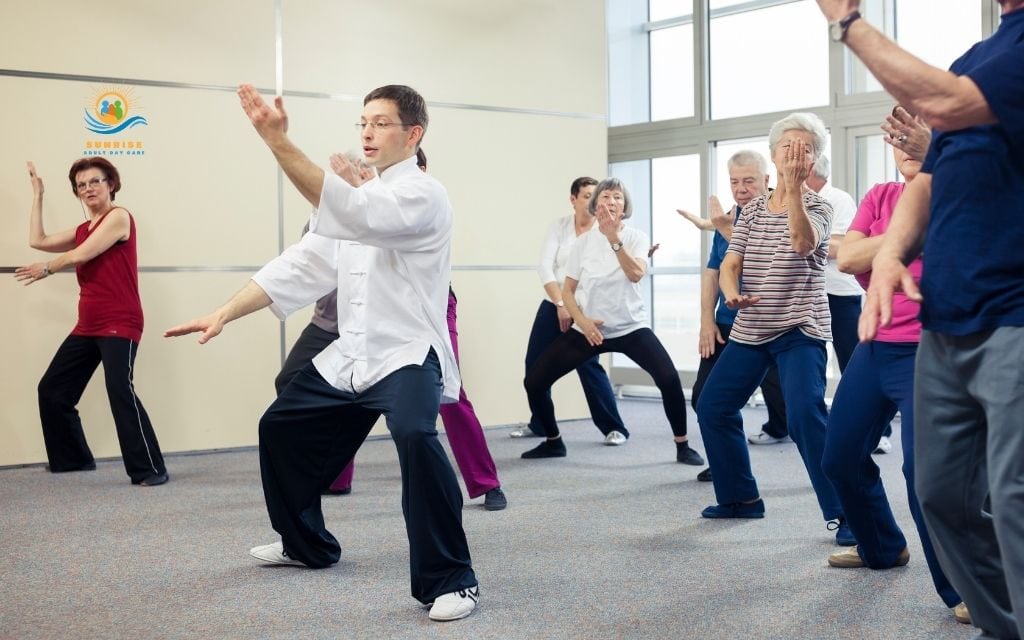
Tai Chi or Qi Gong

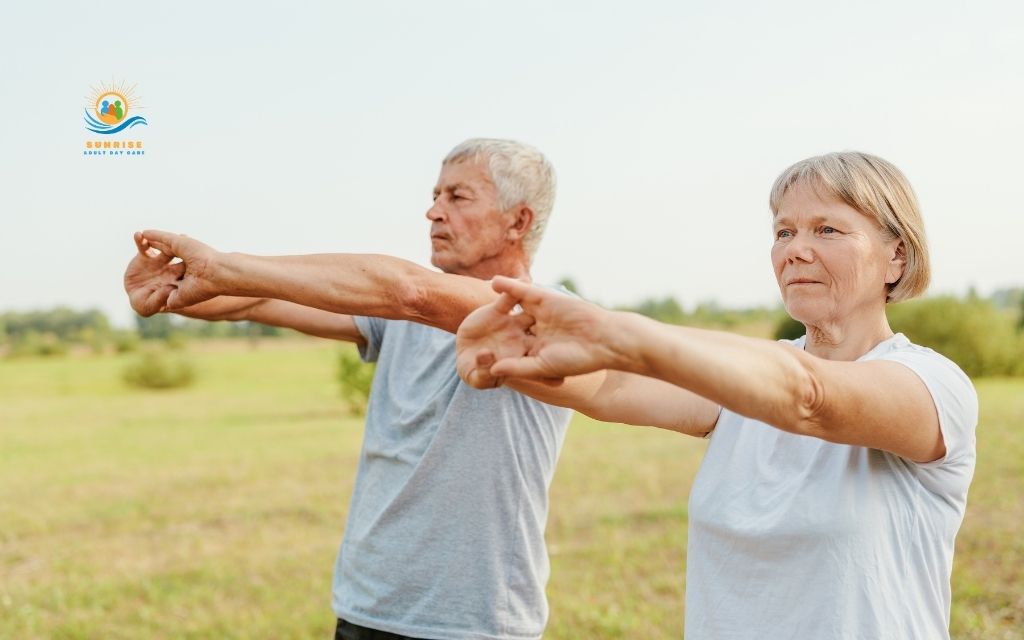
Tai chi and qi gong are ancient practices that involve slow, deliberate movements combined with deep breathing. Research shows they’re highly effective for improving balance, reducing fall risk, and enhancing mood and focus.

You’ll learn a series of flowing movements like shifting your weight gently from one leg to the other, extending your arms in coordinated patterns, and moving through poses at a meditative pace. There’s no jumping, no quick changes, and no risk of losing your balance.

Good for: Seniors who want gentle full-body movement, stress relief, and improved coordination. Many people also find tai chi mentally calming and meditative.

Tai Chi or Qi Gong
Tai Chi or Qi Gong

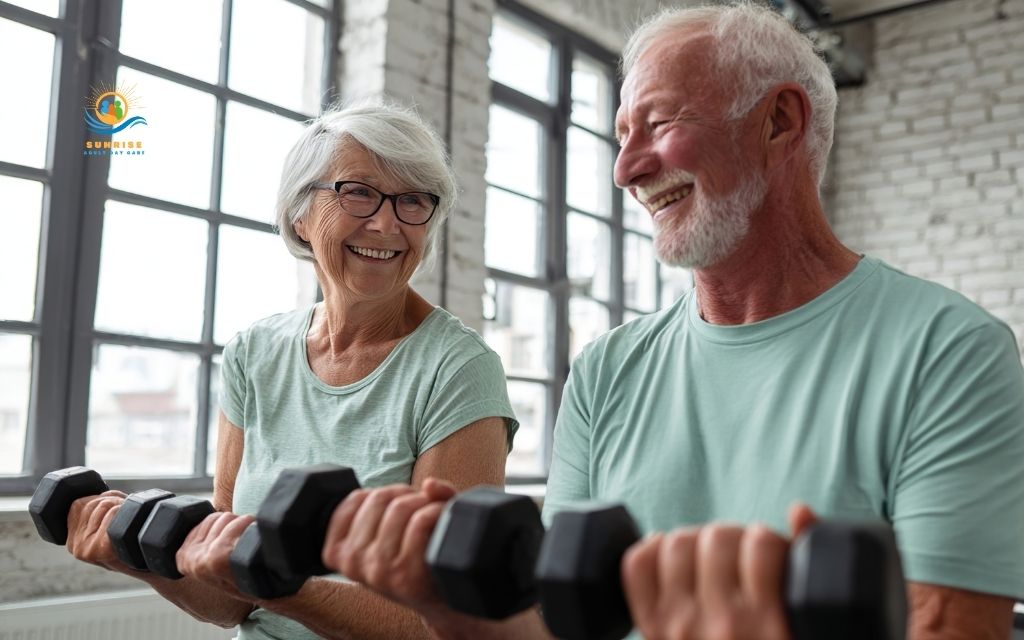
Resistance band or light weight training

Building and maintaining muscle strength is crucial for independence. Strong legs help you get out of chairs and climb stairs. Strong arms make it easier to carry groceries, lift pots, and open jars. Even light resistance training can make a meaningful difference in your daily function.

Example moves:

  • Band rows: Loop a resistance band around a sturdy post or door handle. Pull the band toward your chest, squeezing your shoulder blades together. Repeat 8 – 12 times.
  • Chest press: Hold light weights or a resistance band. Press your arms forward from your chest, then return slowly.
  • Seated leg extensions: While seated, straighten one leg at a time, hold for a second, then lower. You can add ankle weights for extra resistance.
Resistance band or light weight training

Balance & stability drills

Balance exercises target the systems your body uses to keep you upright – your inner ear, vision, and muscle coordination. Practicing balance regularly reduces fall risk and helps you feel more confident when walking in crowds, on uneven sidewalks, or in dimly lit spaces.

Example moves:

  • Heel-to-toe walking: Walk in a straight line, placing the heel of one foot directly in front of the toes of the other. Hold onto a counter or wall for support if needed.
  • Single-leg stands: Stand on one foot for 10–30 seconds, holding onto a sturdy surface for balance. Switch legs. As you improve, try letting go of the support for brief moments.
  • Weight shifts: Stand with feet hip-width apart. Shift your weight slowly from one foot to the other, lifting the opposite foot slightly off the ground.
Balance & stability drills

Mind-body relaxation & stretching

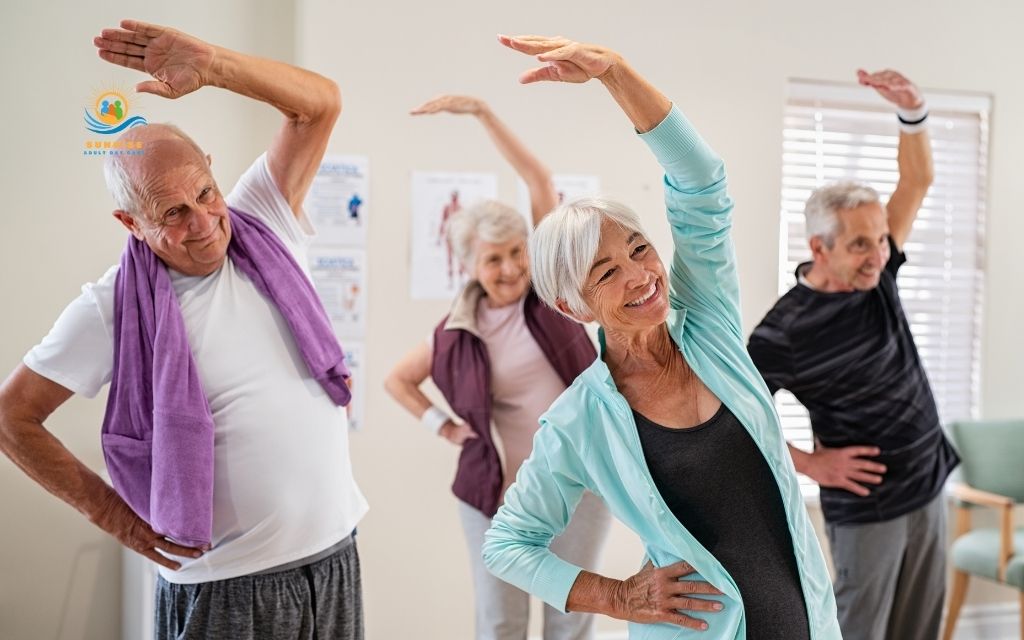
Gentle stretching combined with breathing exercises or guided relaxation reduces muscle tension, improves flexibility, and promotes better sleep. It’s also excellent for managing stress, anxiety, and chronic pain.

You’ll do slow, sustained stretches for major muscle groups—shoulders, back, hips, legs—while focusing on deep, calming breaths. Some classes also include meditation or progressive muscle relaxation.

Good for: Anyone who struggles with tight muscles, restless sleep, or feeling overwhelmed. This type of movement is especially helpful at the end of the day to unwind.

Mind-body relaxation & stretching

How to start safely: Small steps, big results

If you haven’t exercised in a while—or if you’re nervous about trying something new—start with just one or two activities from the list above. Here’s a simple, safe approach:

  • Step 1: Get medical clearance. Talk with your doctor about which types of exercise are appropriate for your health conditions. Bring this article or a list of the activities you’re interested in, and ask for specific guidance.
  • Step 2: Choose one low-impact workout that sounds appealing. Maybe it’s a 5-minute walk around your block, a chair-based strength routine, or a beginner yoga video. Pick something that feels doable, not overwhelming.
  • Step 3: Start small and build gradually. If you can only do 5 minutes, that’s fine. Do 5 minutes several times a week, then add a minute or two as you feel stronger. Progress happens over weeks and months, not days.
  • Step 4: Listen to your body. Some muscle soreness after exercise is normal, but sharp pain, dizziness, chest discomfort, or severe shortness of breath are not. Stop and check in with your doctor if you experience any of these.
  • Step 5: Add modifications as needed. Use a chair for support, hold onto a wall, or choose seated versions of exercises if standing feels unsteady. There’s no shame in modifying – it’s the smart way to stay safe and build confidence.
  • Step 6: Track your progress. Keep a simple log of what you did each day, how long you exercised, and how you felt. Over time, you’ll see patterns and improvements that motivate you to keep going.

At-home vs. group classes: Which is right for you?

At-home low-impact routines

Pros: Convenient, private, and weather-proof. You can exercise in your pajamas, on your own schedule, without worrying about driving somewhere or keeping up with a group.

At-home options:

  • 10-minute chair workouts: Search online for “SilverSneakers chair exercises” or “senior low impact workout” videos. Many are free and designed specifically for older adults.
  • Simple walking + stretch routine: Walk around your home or apartment hallway for 5 – 10 minutes, then spend 5 minutes doing gentle stretches for your legs, back, and shoulders.
  • Printed or video-guided programs: Websites like Healthline, Medical News Today, and the National Institute on Aging offer free, beginner-friendly exercise guides for seniors.

Group classes & daytime programs in Denver

Pros: Social connection, supervision, structure, and accountability. Many older adults find that exercising with others is more motivating and enjoyable than going it alone. Plus, having an instructor present means you can ask questions, get form corrections, and feel safer trying new movements.

Denver-specific options:

Active Older Adults (AOA) programs at the YMCA of Metro Denver / Northern Colorado: These programs are specifically designed for seniors and include classes like:

  • Gentle Yoga: Flexibility, balance, and relaxation in a senior-friendly format
  • Tai Chi/Qi Gong Fusion: Slow, flowing movements for balance and stress relief
  • Functional Fit: Strength and mobility exercises that improve daily function
  • Circuit Fit: Rotating stations of cardio and strength for variety and engagement
  • Moving for Better Balance: Evidence-based fall prevention training

City recreation centers with MY Denver PRIME or senior-friendly passes: Denver Parks and Recreation offers low-cost or free memberships for older adults that include access to fitness classes, pools, and walking tracks. Check your nearest rec center for schedules and class offerings.

Senior living communities and adult day programs: Many of these programs offer daily fitness, stretching, and balance sessions as part of their daytime activities. Even if you don’t live in a senior community, some allow non-residents to attend classes or programs.

________

At Sunrise Adult Daycare in Denver, our 성인 주간 프로그램 offers guided low-impact exercises, balance activities, and engaging recreational programs that help older adults improve physical strength, flexibility, and mental well-being in a supportive, social environment.

Call us at 303-226-6882 to learn how our daytime fitness and wellness activities can help you stay active, confident, and connected.

결론

Low-impact workouts offer older adults a sustainable, joint-friendly path to better health without the pounding, pain, or high fall risk that come with more intense activities.

Whether your goal is to improve balance, ease joint discomfort, build stamina for errands and appointments, or simply boost your mood and mental clarity, there’s a low-impact exercise option that fits your needs.

The 9 workouts outlined in this article – gentle walking, chair-based strength training, low-impact cardio, water aerobics, gentle yoga, tai chi, resistance band exercises, balance drills, and mind-body stretching – can all be adjusted to match your current fitness level.

Start with what feels manageable, add modifications as needed, and build gradually over time. Small, consistent efforts lead to real, lasting results.

자주 묻는 질문(FAQ)

Is it safe for seniors with arthritis or joint pain to do low-impact workouts?

Yes – low-impact workouts are often ideal for arthritis or joint pain because they reduce stress on joints while improving flexibility and strength. Activities like chair exercises, gentle walking, water aerobics, and stretching can actually ease stiffness over time. Start slowly, avoid sharp pain, and consult your doctor or physical therapist before beginning any new routine.

How often should older adults do low-impact exercise each week?

Aim for 10–20 minutes a day, 3–5 days a week, and gradually increase as you feel stronger. While experts recommend 150 minutes per week of moderate activity, starting small and building consistency is more important than long workouts. Even 5-minute sessions count toward better health.

I have balance problems – Can I still exercise safely?

Yes. Exercise can actually improve balance over time. Choose safe options like chair-based routines, wall-supported movements, or water aerobics. Avoid fast turns or anything that makes you unsteady. Consider supervised classes like Moving for Better Balance at local YMCAs or rec centers, and consult your doctor or physical therapist for personalized guidance.

What’s the difference between low-impact and low-intensity exercise?

Low-impact = less joint stress (no jumping or pounding). Low-intensity = minimal increase in heart rate or breathing. You can have low-impact exercise that’s moderately intense, like brisk walking or energetic chair aerobics – gentle on joints but still challenging enough to build strength and endurance.

Is it better to exercise at home or join a group class?

Both work well. At home offers convenience and privacy with video or printed routines. Group classes provide social connection, structure, and professional supervision. Try a home routine first to build confidence, then attend a beginner class at a rec center, YMCA, or senior program to see what you prefer. Many people combine both approaches for variety.

관련 게시물

How much is assisted living cost in Denver? 2026 complete price guide

How much is assisted living cost in Denver? 2026 complete price guide

10 “Can we really afford assisted living in Denver?” If you’re asking yourself this ...
알츠하이머병의 증상을 모방하는 질환은 무엇인가요? 증상을 유발하는 9가지 질환

알츠하이머병의 증상을 모방하는 질환은 무엇인가요? 혼란을 유발하는 9가지 질환

10 비슷한 두려움을 겪고 있다면 심호흡을 하세요. 많은 가족들이 ...
노인 생활 혜택: 덴버 커뮤니티가 삶을 변화시키는 10가지 놀라운 방법

노인 생활 혜택: 덴버 커뮤니티가 삶을 변화시키는 10가지 놀라운 방법

9 노인 생활을 고려하기로 한 결정은 종종 압도적으로 느껴지고 감정이 가득 차 있습니다 ...
위로 스크롤