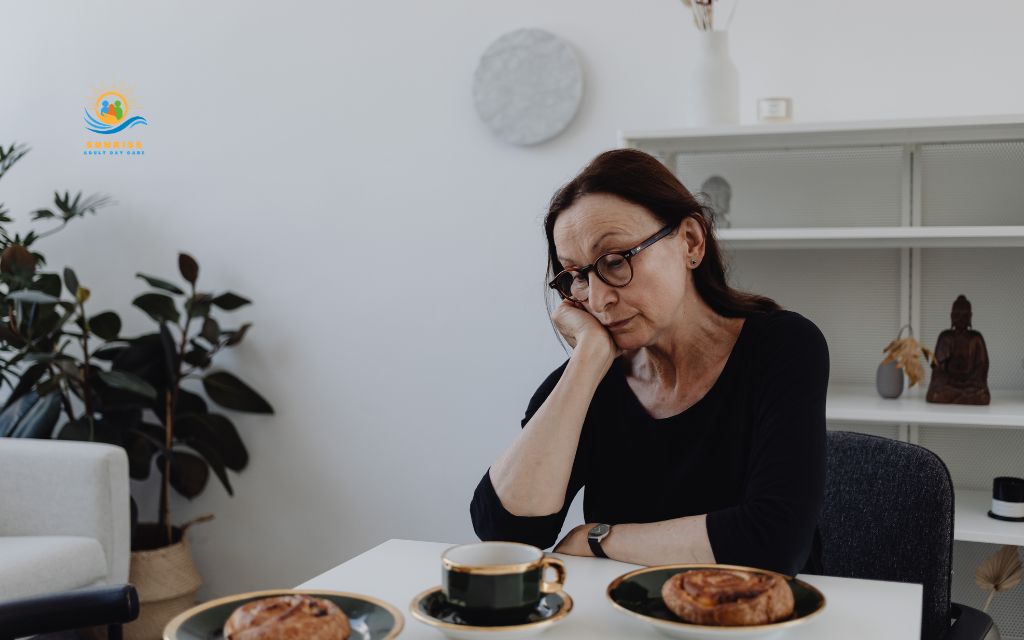
Retirement is often seen as a time of freedom. After decades of work, you finally have the chance to rest, travel, and do the things you have always wanted to do. But emotionally, the transition into retirement can be far more complex than most people expect.
The truth is, many older adults feel a surprising mix of emotions after leaving work – excitement, loss, confusion, and even sadness – all at different points in time. If you or someone you love is going through this, know that what you are feeling is completely common. Retirement does not happen all at once. It unfolds in stages.
이 도움말을 통해 이해를 돕습니다:
- The five emotional stages of retirement
- How to stay engaged and mentally healthy
- How structured daytime support can help during the harder stages
What are the five emotional stages of retirement?
The five emotional stages of retirement describe how people typically adjust after leaving work. They offer a framework that helps both retirees and their families understand why emotions shift so dramatically from one period to the next.
It is important to keep a few things in mind. Not everyone will experience all five stages. They may not occur in a predictable order. And the time spent in each stage varies widely from person to person. Some people move through the early stages quickly. Others may stay in one stage for months, or even years.
Stage 1: Pre-retirement
In the weeks or months before retirement, emotions are often mixed. You may feel genuine excitement about finally having freedom – no more early alarms, no more deadlines. But alongside that excitement, worry can creep in. Will there be enough money? Will your health hold up? What will your days actually look like when work is no longer there to fill them?
During pre-retirement, you are preparing mentally and emotionally for one of the biggest transitions of your life. Even if the retirement date has been planned for years, the emotional reality of it often feels different than expected when it actually arrives.
When to pay attention: If anxiety about retirement feels overwhelming or begins to interfere with sleep, appetite, or daily functioning, it is worth speaking with a doctor or counselor before the retirement date arrives.
Stage 2: The honeymoon phase
For many people, the first few weeks or months of retirement feel wonderful. The stress of work is gone. There is time to sleep in, travel, pursue hobbies, visit family, and simply rest. This period is often called the “honeymoon phase” because everything feels fresh and freeing.
You finally have time for yourself. The novelty of retirement feels exciting, and many retirees report high levels of happiness and optimism during this stage.
This phase is real and valid, but it often does not last forever. Once the newness wears off and the initial burst of activity slows down, some retirees find themselves feeling unexpectedly empty. The transition to the next stage can happen gradually or all at once.
Stage 3: Disenchantment
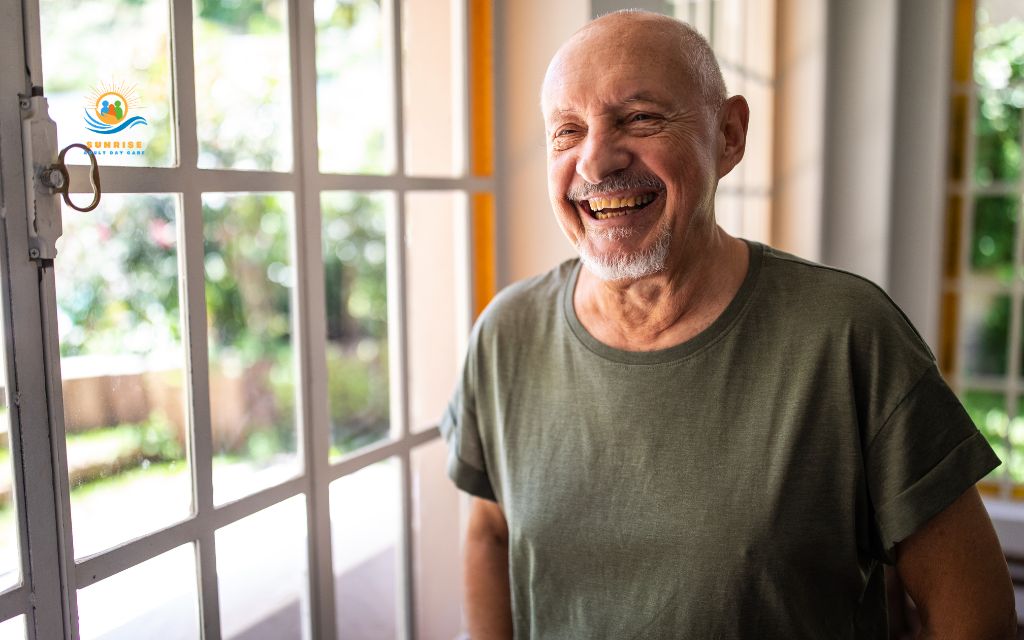
This is one of the most difficult and most common of the five emotional stages of retirement. It often arrives after the initial excitement fades. Days that once felt free can start to feel long and unstructured. You may feel bored, restless, or unsure of your purpose. Some retirees describe feeling unproductive or invisible. Others feel a quiet sadness they cannot quite explain.
Why it happens:
- Loss of daily structure that work provided
- Fewer social interactions and less sense of belonging
- Activities that once seemed appealing may feel repetitive over time
- A loss of the professional identity you carried for decades
Feeling disenchanted during retirement is not a sign that something is wrong with you. It is a natural response to a major life change. The important thing is to recognize it, and take small steps toward building a new sense of purpose.
Stage 4: Reorientation
In the reorientation stage, you begin asking deeper questions: What gives my life meaning now? What do I actually enjoy doing? This stage can feel uncertain, but it is also a genuine opportunity for growth and self-discovery.
What helps:
- Creating a consistent daily schedule with regular wake times, meals, and activities
- Joining social groups, community programs, or faith communities
- Trying new hobbies or rediscovering ones that were set aside during working years
- Volunteering or mentoring others
This stage is about more than filling time. It is about adjusting to a new identity and rebuilding a genuine sense of purpose – one that does not depend on a job title or a work schedule.

Stage 5: Stability and fulfillment
In the final stage, life begins to feel stable again. The emotional turbulence of earlier stages settles. You have found a routine that works. Your activities feel meaningful, not forced. There is a quiet confidence and a renewed sense of purpose that feels different from the identity you once had at work.
- Emotional balance and a sense of personal confidence
- A clear and consistent daily routine
- Activities that provide genuine satisfaction and connection
Remember: Not everyone reaches this stage at the same time. For some, stability comes within a year. For others, it may take longer. Both experiences are normal.
Practical ways to adjust during the emotional stages of retirement
No matter which stage of retirement you are in, there are practical steps that can make a meaningful difference in how you feel day to day.
Build a daily routine
Structure is one of the most powerful tools for emotional well-being in retirement. Waking, eating, and moving at regular times each day creates a sense of predictability that can reduce anxiety and restlessness.
Stay socially connected
Social connection is closely tied to both mental and physical health in older adults. Make a point to join groups, stay in contact with friends and family, and participate in community activities that bring you into contact with others on a regular basis.
Keep moving
Physical activity – even gentle walking or light exercise – supports mood, energy, and cognitive health. Group activities like yoga classes, walking clubs, or exercise programs add the added benefit of social connection.
Find meaningful activities
Meaning does not have to come from a career. Hobbies, volunteering, learning new skills, and contributing to others can all provide a powerful sense of purpose. Small steps toward engagement can lead to significant improvements in emotional well-being over time.

Embrace lifelong learning
Retirement is an ideal time to explore subjects you never had time to study before. Taking a class at a local community center, joining a book club, learning a new language, or picking up a musical instrument are all ways to keep the mind active and engaged. Research shows that continued learning supports cognitive health and boosts self-esteem in older adults.
Practice mindfulness or relaxation techniques
Retirement can bring unexpected stress, particularly during the disenchantment and reorientation stages. Simple mindfulness practices such as deep breathing, gentle meditation, or quiet reflection each morning,… can help reduce anxiety and improve emotional balance. You do not need any special equipment or training to start. Even 10 minutes of calm, intentional quiet each day can make a noticeable difference.
Give back through volunteering
One of the most effective ways to rebuild a sense of purpose in retirement is to contribute to something larger than yourself. Volunteering at a local school, food bank, community organization, or faith group provides structure, social connection, and the deeply satisfying feeling of being needed. Studies show that older adults who volunteer regularly report higher levels of happiness and lower rates of depression than those who do not.
Maintain regular health check-ups
Physical health and emotional well-being are closely connected in later life. Staying on top of routine medical appointments, managing chronic conditions, getting adequate sleep, and eating well all contribute to a more stable mood and greater energy.
If you notice persistent feelings of sadness, low motivation, or confusion, do not hesitate to raise these with your doctor. Emotional health is just as important as physical health, and effective support is available.
How structured daytime support can help
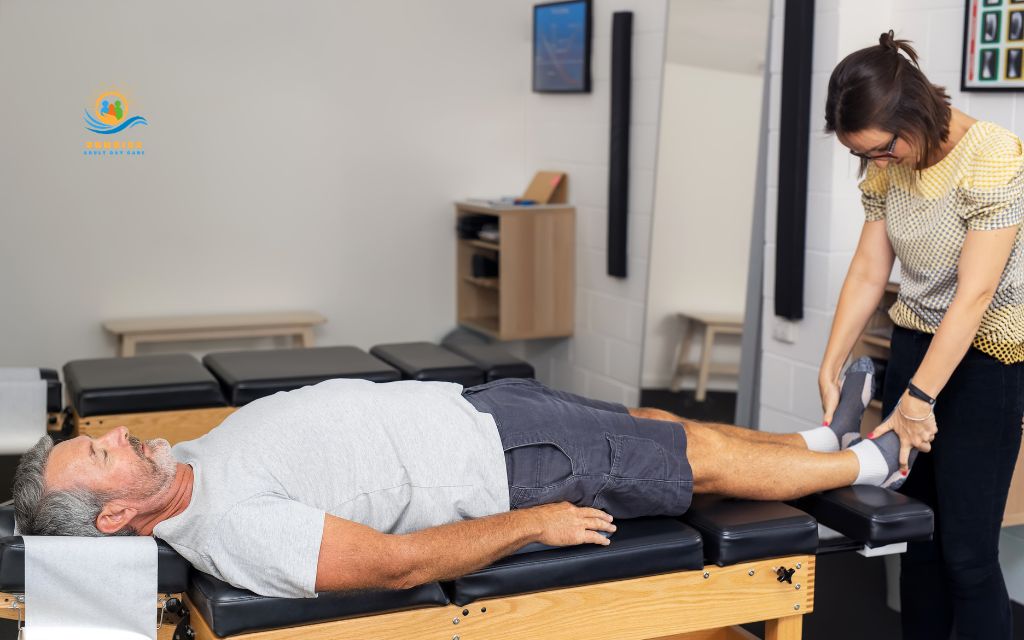
For many older adults, the hardest part of retirement is not the big milestones, it is the unstructured days that stretch on without clear purpose or connection. This is true during the disenchantment and reorientation stages, when routine has been lost and a new sense of meaning has not yet been found.
Adult day programs are designed to address exactly these challenges. They provide a structured, supportive environment where older adults can spend part of their day engaged, connected, and cared for, while still returning home in the evening.
What adult day programs provide:
- 사회적 상호 작용: Daily connection with peers and staff reduces loneliness and isolation, which are known contributors to depression in older adults.
- 루틴 및 구조: Daily schedules create the stability that many retirees lose when they leave the workforce.
- Engaging activities: Group games, gentle exercise, arts, crafts, and events support both cognitive health and emotional well-being.
- Supervision and safety: For seniors who should not be alone all day due to fall risk, early cognitive changes, or health conditions, daytime programs provide a safe and welcoming environment.
- Support for families: Adult day programs also provide relief for family caregivers who need to work, rest, or manage their own responsibilities during the day.
선라이즈 성인 주간 보호 센터 소개
Sunrise Adult Daycare offers a welcoming daytime program for older adults. Whether your loved one is adjusting to retirement, experiencing loneliness, or needs daytime supervision and structured support, Sunrise provides a safe, engaging, and caring environment.
For more information, call 303-226-6882.
결론
Retirement is one of the most significant life transitions an older adult will experience, not just financially, but emotionally. The five emotional stages of retirement help explain why feelings can shift so dramatically after leaving work, and why what you are experiencing is far more normal than it may seem.
Whether you are in the excitement of the honeymoon phase, navigating the boredom of disenchantment, or slowly finding your footing in reorientation, the most important thing to know is this: you do not have to go through it alone.
With the right support, routine, and connection, retirement can become a time of genuine meaning, stability, and fulfillment.
자주 묻는 질문(FAQ)
What are the five emotional stages of retirement?
The five emotional stages of retirement typically include pre-retirement (anticipation and uncertainty), the honeymoon phase (excitement and freedom), disenchantment (boredom and loss of purpose), reorientation (rebuilding meaning and routine), and stability and fulfillment (finding a new normal).
Is it normal to feel lost after retirement?
Yes. Many older adults experience a loss of routine, identity, and purpose in the early stages of retirement. This is a well-documented part of the adjustment process and does not mean something is wrong.
How long does retirement adjustment take?
It varies from person to person. Some people adjust within months; others may take a year or longer to find their new normal. Both timelines are valid.
How can seniors stay active and engaged after retirement?
Building a consistent daily routine, staying socially connected, participating in group activities, and finding meaningful hobbies or volunteer work can all support emotional well-being during retirement.
When should someone seek help after retirement?
If feelings of loneliness, depression, confusion, or persistent sadness do not improve over time, it is important to speak with a healthcare provider. Structured programs such as adult day care can also provide meaningful social support and daily engagement.