
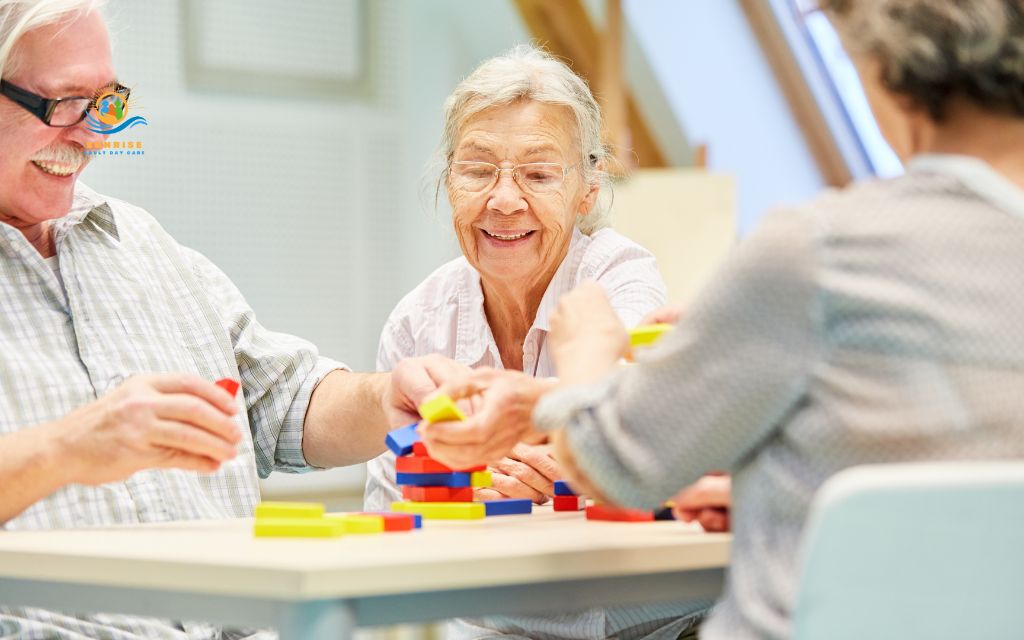
Getting older comes with real challenges. Many older adults find themselves spending more hours alone than they would like. Reduced mobility can make even small errands feel daunting. Memory changes can create confusion and frustration. And without a regular schedule, the days can blur together in ways that chip away at confidence and mood.
Therapeutic activities for the elderly offer a meaningful solution. These activities help seniors stay mentally sharp, socially connected, and physically capable. They restore a sense of purpose and routine. They lift spirits and protect dignity. And they do all of this while addressing the real health needs of older adults.
In this guide, we cover 35 therapeutic activities for seniors that are proven to support the well-being of our seniors.
What are therapeutic activities for seniors?
Activities designed to support mind and body
Therapeutic activities for the elderly are structured, purposeful engagements planned to promote or maintain physical health, cognitive function, emotional well-being, and social connection. Unlike passive leisure, therapeutic activities are designed with specific health outcomes in mind.
These activities are often developed and led by trained professionals, including occupational therapists, recreational therapists, and certified activity directors. In quality adult day care settings, programming is reviewed regularly and adapted based on each participant’s abilities, interests, and health status.
Focus on emotional, cognitive, physical, and social wellness
The most effective therapeutic activity programs address all 4 pillars of wellness at once:
- Emotional wellness is supported through music, art, reminiscence, and peer connection.
- Cognitive wellness is targeted through memory games, storytelling, puzzles, and learning activities.
- 신체적 건강 is promoted through movement-based sessions adapted for older bodies.
- 사회적 웰빙 is built through group activities, community outings, and shared creative projects.
Adapted for different mobility and memory levels
One of the most important features of therapeutic activities in senior care is their adaptability:
- A participant who uses a walker can still enjoy chair-based yoga, seated dancing, and tabletop arts and crafts.
- A person living with moderate dementia can participate in music sing-alongs, sensory boxes, and guided gardening.
- Activities for dementia patients are especially important because they use familiarity, sensory engagement, and routine to create comfort and connection even when verbal communication is limited.
Good programs never take a one-size-fits-all approach. Activities are modified to meet each person where they are.

Benefits of therapeutic activities for the elderly
Reduce isolation and loneliness
Social isolation is one of the most serious health risks facing older adults. Regular participation in group activities, even simple ones like board games or sing-alongs, creates daily human connection. This social engagement reduces loneliness and gives seniors something meaningful to look forward to each day.
Support memory and cognitive function
Cognitive activities for seniors such as memory games, puzzles, storytelling, and word association exercises stimulate the brain and support mental sharpness. Research indicates that sustained mental engagement is associated with a slower rate of cognitive decline. While no activity can prevent or cure Alzheimer’s disease or other forms of dementia, regular cognitive engagement contributes to brain health and quality of life.
Improve mood and emotional wellness
Purposeful activity lifts mood in ways that passive television viewing cannot. Creative projects, music, laughter, and gentle movement all stimulate the release of endorphins and serotonin. Seniors who participate in regular therapeutic activities report feeling more positive, more capable, and more satisfied with daily life.
부드러운 신체 움직임 장려
Therapeutic physical activities, from seated exercises to garden walks, keep muscles engaged, support joint flexibility, improve circulation, and reduce fall risk. Even modest daily movement produces measurable benefits for seniors of all ability levels.
Promote independence and confidence
Completing a craft project, winning a card game, or successfully tending a garden plant creates genuine feelings of accomplishment. These small wins matter enormously. They remind seniors that they are still capable and valuable, which supports self-esteem and a sense of independence.
사회적 상호 작용 장려
Shared activities naturally create conversation, laughter, and friendship. Group settings allow seniors to form meaningful peer relationships, share stories, and feel part of a community. Activities for seniors with dementia that incorporate social elements are especially powerful because they connect participants through shared feeling and experience rather than requiring perfect memory or language.
Support caregiver relief
Family caregivers who know their loved one is safely engaged in therapeutic programming during the day experience significant relief from stress and burnout. Adult day care programs provide caregivers with essential respite time, allowing them to rest, work, or attend to other responsibilities while feeling confident their loved one is cared for.

35 therapeutic activities for elderly with dementia
The following 35 therapeutic activities are organized into 4 categories: physical, cognitive, sensory, and creative.
신체 활동
Physical therapeutic activities support mobility, balance, strength, circulation, and overall wellness. Even light daily movement provides measurable health benefits for older adults.
1. Go for a walk
Walking is one of the simplest and most effective therapeutic activities for seniors. Even a slow, short walk around the facility grounds or a nearby path encourages circulation, engages the senses, and lifts mood.
2. Go for a bike ride
Stationary bikes offer a safe, low-impact cardiovascular workout for older adults who enjoy cycling but cannot safely ride outdoors. Some programs use recumbent stationary bikes that are accessible to participants with limited hip or knee flexibility.
3. Exercises to improve balance
Balance exercises such as heel-to-toe walking, single-leg standing with chair support, weight shifts, and tai chi movements help older adults strengthen stabilizing muscles and improve proprioception. These exercises for dementia patients and other seniors can be adapted to different fitness levels and performed while standing or seated.
4. Exercises to improve resistance
Light resistance training using resistance bands, hand weights, or body weight exercises helps seniors maintain muscle mass, which naturally decreases with age. Resistance exercises can be performed seated, making them accessible to participants with mobility limitations. Consistent strength training reduces fall risk, supports joint health, and improves daily function.
5. Yoga and Tai Chi
Gentle yoga and tai chi classes designed for older adults combine slow, deliberate movement with mindful breathing. Both practices improve flexibility, balance, and coordination while also promoting relaxation and mental calm. Chair yoga adaptations make these practices accessible to seniors who cannot stand for extended periods.

6. Seated exercises
Chair-based workouts bring physical activity within reach for seniors with limited mobility, balance challenges, or chronic pain. Seated exercises can include arm raises, leg extensions, torso twists, ankle circles, and gentle stretching. Music can be added to make sessions more enjoyable and to cue movement naturally.
7. Exercises in the swimming pool
Water aerobics and aquatic therapy are exceptional options for older adults with arthritis, joint pain, or limited weight-bearing capacity. The buoyancy of water reduces stress on joints while the resistance supports muscle engagement.
Pool-based therapeutic activities improve circulation, strength, and range of motion in a safe, enjoyable environment. Facilities with heated pools are beneficial for seniors managing chronic pain conditions.
8. Dancing and movement classes
Dancing is a joyful, multidimensional therapeutic activity that engages the body, brain, and emotions. Line dancing, ballroom dancing, folk dancing, and chair-based movement classes all improve coordination, balance, and cardiovascular health.
Music activates memories and emotions in powerful ways, making dancing particularly effective for activities for dementia patients. Social dancing also strengthens peer bonds and brings genuine delight to participants.
9. Go out and about
Community outings, whether to a local park, botanical garden, farmers market, or museum, give seniors a meaningful change of environment and a sense of everyday normalcy. Supervised group outings in adult day care settings are carefully planned for safety, accessibility, and enjoyment. Outings stimulate conversation, create shared memories, and reinforce a sense of belonging to the broader community.
10. Explore nature
Nature walks, birdwatching sessions, and visits to gardens or arboretums provide calming sensory stimulation and gentle physical activity. Research suggests that time in natural environments reduces cortisol levels and supports emotional well-being.
For seniors in memory care, guided nature exploration through a facility garden can offer the same benefits in a safe, familiar setting.

11. Help with household chores
Meaningful tasks such as folding laundry, sorting mail, setting tables, watering plants, or organizing items give older adults a sense of purpose and contribution. These familiar, repetitive activities are effective as activities for dementia patients because they connect to long-established routines and skills. Participation in simple chores reinforces a sense of capability and self-worth.
12. Travel and go on vacation
While extensive travel may not be feasible for all seniors, carefully planned short group outings, scenic drives, and day trips offer a sense of adventure and novelty.
Some adult day programs organize themed travel days that bring the spirit of a destination into the center through food, music, decor, and storytelling. These experiences stimulate conversation, imagination, and positive emotion without requiring physical travel.
인지 활동
Cognitive therapeutic activities engage memory, attention, language, problem-solving, and reasoning. Regular mental engagement is a cornerstone of healthy brain aging and is central to quality activities for memory care programming.
13. Cognitive games used in therapy
Occupational and recreational therapists often incorporate structured cognitive games designed to target specific cognitive skills such as working memory, processing speed, and attention. These exercises may include matching tasks, sequencing activities, word-finding games, and memory card exercises.
14. Play board games or card games
Familiar games such as dominoes, checkers, Scrabble, bingo, and card games like Go Fish or Rummy engage planning, strategy, number recognition, and social interaction simultaneously. Games to play with dementia patients should be chosen based on familiarity and simplicity, prioritizing enjoyment over competition.
15. Play brain teasers
Riddles, word puzzles, crosswords, Sudoku, and logic problems give the mind a gentle but meaningful workout. Brain teasers stimulate reasoning and attention in ways that translate to real-world cognitive function. Difficulty levels can be adjusted to match individual ability, ensuring that all participants experience the satisfaction of engagement and success.

16. Look at old photos and videos
Long-term memory is often better preserved than short-term memory in dementia, meaning familiar images from the past can spark rich conversation, positive emotion, and a sense of identity. Reminiscence therapy is widely recognized by gerontology researchers as an effective non-pharmacological support for dementia well-being.
17. Make memory boxes
A memory box is a personal collection of meaningful objects, photographs, mementos, and sensory items from an individual’s life. Working with a care team to create a memory box is itself a therapeutic activity that encourages life review and storytelling.
Once complete, the box becomes an ongoing resource that staff, family, and the individual can use together to prompt positive memories and meaningful conversation.
18. Read a book or listen to audiobooks
Reading, whether independently or as a group read-aloud session, encourages sustained attention, vocabulary engagement, and imaginative thinking. For seniors who find print difficult, audiobooks offer a wonderful alternative.
19. Watch a movie
Shared movie experiences, followed by discussion, combine entertainment with cognitive engagement. Discussing characters, plot, themes, and personal memories triggered by films encourages reasoning, language, and social connection.
Selecting movies from a participant’s era, such as classic films from the 1950s and 1960s, can activate long-term memories and generate animated group conversation.
20. Tell jokes and laugh frequently
Laughter is genuinely therapeutic. Humor reduces stress hormones, stimulates endorphins, and creates emotional connection between people. Joke-sharing sessions, funny story competitions, or simple comedy video screenings create a positive, light atmosphere that benefits everyone in the room.

21. Engage with younger members of the family
Intergenerational activities, whether through in-person visits, video calls, or structured programs that pair seniors with children or young adults, are enriching. Older adults gain a renewed sense of purpose by sharing wisdom, stories, and skills. Younger participants gain irreplaceable perspective and connection.
22. Sort items
Sorting and organizing tasks, such as matching colored objects, organizing buttons by size, sorting playing cards by suit, or folding fabrics, engage attention, visual processing, and fine motor skills. These activities are effective as activities for a dementia person because they are familiar, repetitive, and offer a clear sense of completion. Sorting tasks can be customized to an individual’s personal history and interests, making them feel natural and meaningful.
23. Keep in touch with friends and family
Maintaining social connections with loved ones outside the care setting is essential for emotional well-being. Adult day care programs can support seniors in writing letters, making phone calls, or joining video calls with family and friends. Regular connection with loved ones reduces feelings of abandonment and reinforces a senior’s sense of being valued and loved.
Sensory activities
Sensory therapeutic activities engage the senses of touch, smell, taste, sight, and sound to calm, stimulate, and connect.
24. 요리 및 베이킹
The act of preparing food is rich with sensory experience. The aroma of fresh bread, the texture of dough, the sound of sizzling, and the taste of familiar flavors all activate memory, stimulate appetite, and bring deep satisfaction.
Cooking and baking sessions can be adapted for safety, with seniors participating in mixing, measuring, decorating, or other appropriate steps based on their abilities. The social nature of cooking together adds additional therapeutic value.
25. Gardening
Gardening connects older adults to the natural world through touch, smell, and visual beauty. Tending to plants, herbs, flowers, or vegetable beds gives seniors a living responsibility and a visible result for their efforts. Container gardening and raised beds make this activity accessible for participants with limited mobility.

26. Music and sing-alongs
Music therapy is one of the most evidence-supported therapeutic interventions available for older adults, particularly those with dementia. Familiar songs activate emotional memory, stimulate language, encourage movement, and improve mood. Sing-along sessions, rhythm exercises with simple percussion instruments, and live music performances are all effective formats.
27. Sensory boxes
A sensory box contains a curated collection of objects selected to stimulate the senses in safe, pleasant ways. Items might include smooth river stones, fabric swatches, dried herbs, small photo albums, familiar household objects, or scented sachets.
Sensory boxes designed for dementia patients are powerful because they invite interaction without requiring language or memory recall. Each element can prompt a story, a memory, or simply a moment of calm tactile engagement.
28. “Stop and smell the roses” activities
Mindfulness-based sensory activities that encourage seniors to slow down and fully experience their surroundings have documented benefits for anxiety and mood. Guided outdoor sensory walks, where participants are invited to notice birdsong, feel sunlight, smell flowers, and observe seasonal changes, create a grounding, calming experience.
29. Aromatherapy and relaxation sessions
Aromatherapy using calming scents such as lavender, chamomile, and peppermint can reduce agitation, promote relaxation, and improve sleep quality in older adults. Relaxation sessions that combine soft music, gentle aromatherapy, and guided breathing offer a peaceful therapeutic experience that benefits participants with and without dementia.
30. Aquarium or pet therapy
Watching fish in an aquarium or spending time with a visiting therapy animal both provide gentle sensory stimulation and powerful emotional comfort. Therapy dog programs, cat visits, and even bird feeders placed at eye level near a seating area can create daily sensory enrichment in day care settings.

Creative activities
Creative therapeutic activities encourage self-expression, artistic exploration, and the satisfaction of making something meaningful. They build confidence, stimulate the brain, and provide a positive outlet for emotion.
31. Arts and crafts
Painting, watercolors, coloring sheets, collage, and seasonal crafts offer broad appeal across ability levels. Creative projects engage fine motor skills, visual attention, and imagination while producing a tangible result that seniors can feel proud of. Group arts and crafts sessions create a social, supportive atmosphere where conversation flows naturally.
32. Build a memory box
The creative process of assembling a personal memory box, choosing meaningful objects, decorating the container, and arranging photos and mementos, is itself a therapeutic activity. It encourages life review, self-reflection, and storytelling.
33. Scrapbooking and memory books
Scrapbooking allows seniors to tell their own life stories through photographs, handwritten notes, clippings, and decorative elements. The process of selecting, arranging, and captioning memories engages fine motor skills, narrative thinking, and emotional reflection.
Group scrapbooking sessions create opportunities for seniors to share stories with one another, deepening social bonds and mutual understanding.
34. Knitting and crochet groups
The rhythmic, repetitive nature of knitting and crochet has a meditative quality that many older adults find deeply calming. These crafts also engage fine motor coordination, counting, pattern recognition, and goal-directed thinking.
Completing a finished item, whether a scarf, a dishcloth, or a small gift for a grandchild, produces genuine pride and purpose. Knitting and crochet groups are a wonderful community-building activity in adult day care settings.
35. Flower arranging
Working with fresh or silk flowers engages multiple senses simultaneously: the visual appeal of color and form, the gentle fragrance of blooms, and the tactile experience of handling stems and petals. Flower arranging is gentle enough for most mobility and dexterity levels and produces a beautiful, visible result.

How adult day programs support therapeutic activities
The value of therapeutic activities multiplies when they are delivered within a structured, professional adult day care setting. Individual activity ideas are helpful, but a well-run program brings something far greater: consistency, expertise, community, and safety all working together.
Professional supervision and guidance
In adult day care programs, therapeutic activities are planned and often led by trained professionals, including recreational therapists, occupational therapists, and certified activity directors. These individuals understand how to match activities to each participant’s physical and cognitive abilities, how to adapt programming when a senior’s needs change, and how to ensure that activities are genuinely beneficial rather than merely passing the time.
Dementia-friendly programming
Activities for dementia in a professional day care setting are carefully structured, predictable, multi-sensory, and focused on engagement and comfort rather than performance or accuracy. Staff are trained in dementia-specific communication techniques and behavior management, creating a safe and affirming environment for participants with cognitive challenges.
Socialization and community
One of the most significant advantages of an adult day care program is the community it creates. Seniors who participate regularly form meaningful friendships, look forward to seeing familiar faces, and develop a genuine sense of belonging.
This peer connection cannot be replicated by activities done alone at home. For older adults, the social fabric of an adult day program can be transformative.
Transportation and caregiver relief
Many adult day care programs offer transportation services that pick up and drop off participants at their homes. This removes a significant logistical barrier for families and ensures that seniors who cannot drive independently can still access daily programming.
For family caregivers, the combination of transportation and consistent daily programming provides critical respite time and the knowledge that their loved one is in safe, capable hands.
선라이즈 성인 주간 보호 센터 소개
Sunrise Adult Daycare in Denver, Colorado offers a full schedule of therapeutic activities in a warm, welcoming 성인 주간 프로그램. Services include brain fitness, creative arts, physical fitness, nutritious meals, health monitoring, and culturally sensitive programming.
Call us: 303-226-6882
Visit us: 2500 S. Sheridan Blvd, Denver, CO
Schedule a tour today and see our therapeutic activities in action.
참여를 독려하는 간병인을 위한 팁
Introducing therapeutic activities to a senior who is resistant or unsure can take patience and creativity. The following tips can help family caregivers encourage meaningful participation in a way that feels supportive rather than pressured.
성과가 아닌 즐거움에 집중
The goal of therapeutic activities is engagement and well-being, not achievement. If a senior colors outside the lines, moves slowly during exercise, or loses track of the card game rules, none of that matters. What matters is that they are present, engaged, and experiencing positive emotion.
Choose familiar activities
Seniors, especially those living with dementia, are most likely to engage comfortably with activities that feel familiar. For example, a former seamstress may be drawn to knitting or a retired teacher may enjoy book discussions or word games. Connecting therapeutic activities to lifelong interests increases the likelihood of sustained engagement.
Keep instructions simple
When presenting a new activity, offer clear, concise, one-step instructions. Avoid overwhelming explanations or too many choices at once. Demonstrate the activity first rather than describing it. Check in gently as the activity progresses.
Celebrate participation and small wins
Positive reinforcement matters at every age. Acknowledge effort, praise creativity, and express genuine delight in a senior’s participation. Frame every session as a success, regardless of what was produced or how much was completed. This encouragement builds confidence over time and makes seniors more willing to try new activities in the future.
결론
Therapeutic activities for the elderly are not extras or add-ons. They are foundational to healthy, dignified aging. When older adults have regular access to purposeful movement, creative expression, cognitive stimulation, and genuine social connection, the quality of their daily lives improves in ways that are both measurable and deeply felt.
For seniors living with dementia, the right activities offer comfort, connection, and moments of joy that remind both the individual and their family of the person still very much present beneath the challenges of cognitive decline.
Structured adult day care programs bring all of these elements together in one consistent, welcoming environment. They provide the professional expertise, the peer community, the routine, and the variety of programming that individual home efforts often cannot fully replicate.
자주 묻는 질문(FAQ)
What are therapeutic activities for seniors?
Therapeutic activities for seniors are structured, purposeful engagements designed to support physical health, cognitive function, emotional well-being, and social connection in older adults. Unlike general leisure, they are planned to address specific health outcomes and are often guided by trained professionals.
What activities help dementia patients most?
Activities for dementia patients that work best are those which are familiar, repetitive, multi-sensory, and low in cognitive demand. Music and sing-alongs are particularly effective because musical memory tends to be preserved even in moderate-to-advanced dementia. Other beneficial activities include reminiscence using old photos, sensory boxes, gardening, sorting tasks, gentle movement classes, and simple cooking or baking.
What are good sensory activities for dementia patients?
Effective sensory activities for dementia patients include sensory boxes filled with familiar textures and scents, aromatherapy sessions using calming essential oils, music and rhythm exercises, pet or animal therapy visits, gardening and plant care, cooking and baking with familiar aromas, and mindfulness-based nature walks.
How do therapeutic activities improve quality of life?
Therapeutic activities improve quality of life for older adults by reducing isolation and loneliness, supporting cognitive function, improving mood through purposeful engagement, maintaining physical strength and mobility, creating daily structure and routine, and building confidence through meaningful accomplishment.
What should I look for in an adult day program?
When evaluating an adult day care program, look for a structured daily schedule of therapeutic activities that address cognitive, physical, sensory, and social wellness. Ask whether activities are adapted for different mobility and memory levels, including dementia-friendly programming. Inquire about staff qualifications, on-site nursing support, transportation availability, and caregiver resources. Visiting in person to observe activities and meet the care team is the most reliable way to assess whether a program is the right fit for your loved one.