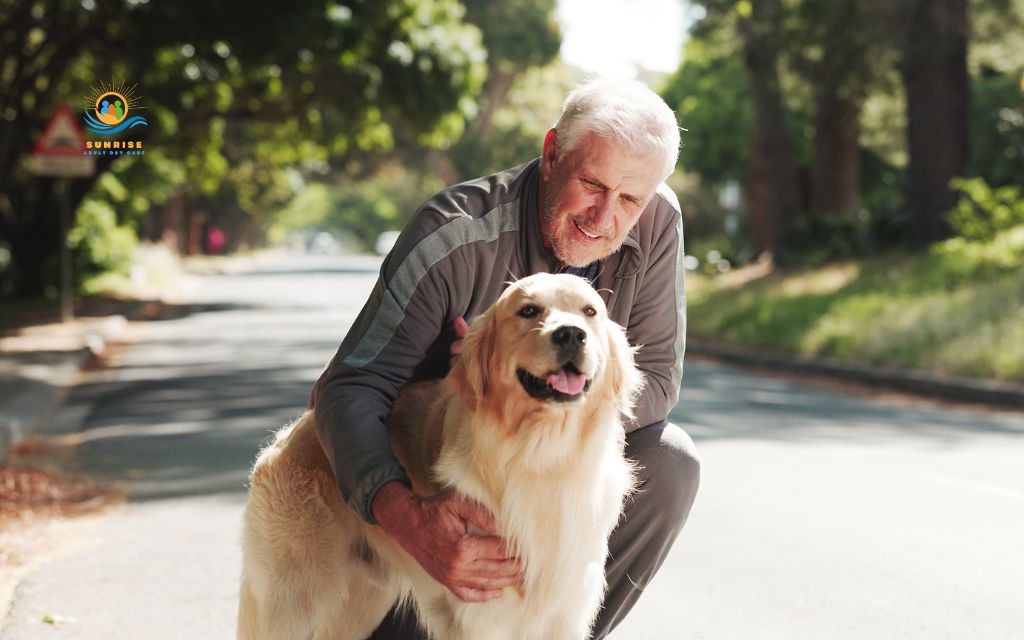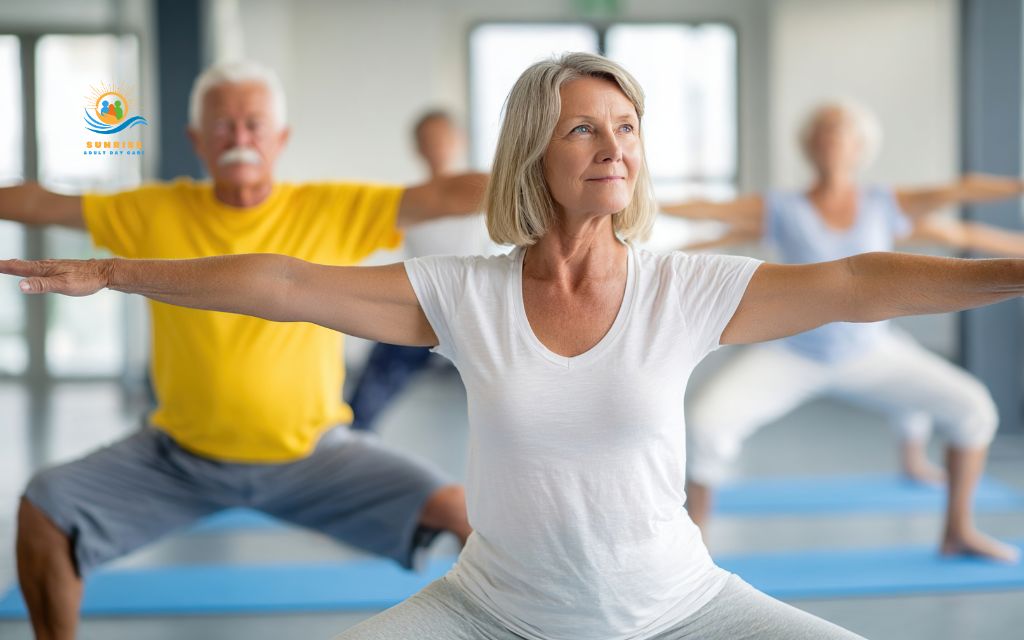
After 60, the right exercise isn’t about six-packs, it’s about walking confidently, getting out of chairs easily, and staying independent. Regular physical activity through structured exercise programs for seniors delivers 3 core benefits:
- Strength & balance → Fewer falls, easier daily living tasks like climbing stairs, carrying groceries, and getting dressed without assistance
- Mood & confidence → Less anxiety and depression, better sleep quality, improved cognitive function, and greater sense of control over health
- Social connection → Group exercise classes for seniors, walking clubs, and activity programs at adult day centers provide meaningful interaction and accountability
This comprehensive guide will walk you through 10 safe, evidence-based senior exercise programs that accommodate different fitness levels, health conditions, and preferences.
You’ll learn exactly how much activity older adults need, critical safety guidelines before starting any program, and practical advice for building a simple weekly exercise plan that fits your lifestyle or your loved one’s routine.
How much exercise do older adults need?
Here are the key guidelines for adults 65 and older (or with chronic health conditions):
Aerobic activity: Aim for at least 150 minutes per week of moderate-intensity aerobic exercise. This breaks down to about 30 minutes on five days of the week, though you can split it into shorter sessions (three 10-minute walks count just as much as one 30-minute walk).
Examples of moderate aerobic activity include:
- Brisk walking
- Cycling on level terrain or a stationary bike
- Water aerobics
- Ballroom dancing
- Gardening with moderate effort
Muscle-strengthening: Include activities that work all major muscle groups (legs, hips, back, abdomen, chest, shoulders, arms) on 2 or more days per week. Resistance bands, light dumbbells, or even bodyweight exercises like wall push-ups and chair stands work effectively.
Balance training: Incorporate balance activities at least 3 days per week to prevent falls. Simple exercises include standing on one leg while holding a counter, heel-to-toe walking, or structured programs like Tai Chi.
Starting from zero? That’s okay
If you’re currently inactive or recovering from illness, starting with just 5–10 minutes of movement several times per week is perfectly acceptable. Some movement is always better than none.
Gradually increase duration and frequency as your body adapts. Many successful elderly exercise programs begin with very modest goals and build confidence through small wins.
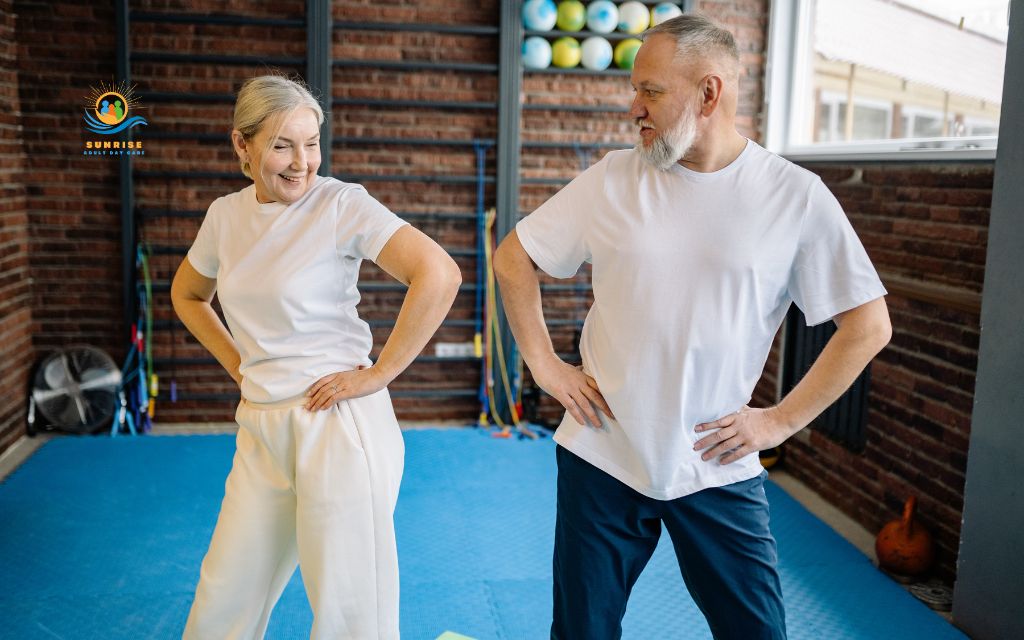
Checklist before starting any senior exercise program
Safety must come before enthusiasm. Following this pre-exercise checklist significantly reduces injury risk and helps you exercise with confidence:
Medical clearance
Talk to your doctor or physical therapist before beginning any new exercise program for seniors if you have:
- Heart disease, high blood pressure, or history of stroke
- Joint replacements or severe arthritis
- Diabetes requiring medication
- Balance problems or history of falls
- Osteoporosis
- Recent surgery or hospitalization
- Dizziness or fainting spells
- Any new or unexplained symptoms
Your healthcare provider can recommend appropriate intensity levels and may suggest modifications based on your specific conditions.
Basic safety setup
Before every exercise session:
- Wear stable, well-fitting shoes with non-slip soles (never exercise in socks or slippers)
- Keep water nearby and sip regularly, even if you don’t feel thirsty
- Exercise in a comfortable temperature (avoid extreme heat or cold)
- Remove trip hazards like loose rugs, clutter, or extension cords
- Keep a sturdy chair or countertop within reach for balance support
- Have your phone accessible in case you need help
The pain rule: Know what’s normal
Acceptable discomfort:
- Mild muscle fatigue during or after exercise
- Gentle stretching sensation
- Slight breathing challenge during moderate activity
- Next-day muscle soreness that resolves within 24-48 hours
Red flags to STOP immediately and seek help:
- Chest pain, pressure, or tightness
- Severe shortness of breath that doesn’t improve with rest
- Sharp, sudden pain in joints, back, or muscles
- Dizziness, lightheadedness, or feeling faint
- Sudden weakness on one side of the body
- New confusion or difficulty speaking
- Irregular heartbeat or palpitations
If you experience any red flag symptoms, stop exercising, sit or lie down, and call 911 or have someone drive you to urgent care. Don’t attempt to “push through” these warning signs.
10 safe senior exercise programs that build strength & balance
The following programs represent proven, safe approaches to fitness for the elderly. Each addresses different needs, abilities, and preferences, so you can mix and match based on your situation:
- Chair-based strength & mobility circuits: Seated exercises that build strength with minimal fall risk
- Walking & “talk test” cardio programs: Structured walking routines for cardiovascular health
- Balance & fall-prevention classes: Specialized training to improve stability and confidence
- Water exercise / aquatic fitness for seniors: Low-impact workouts in a pool setting
- Gentle strength training: Resistance bands, light weights, or machines to combat muscle loss
- Tai Chi & yoga for older adults: Mind-body practices for flexibility, balance, and stress relief
- Functional “daily task” workouts: Exercise that mimics real-life movements
- Group senior fitness classes & clubs: Community-based programs for social engagement
- At-home video & virtual exercise programs: Convenient, guided workouts from home
- Exercise programs built into adult day & senior day care: Integrated movement during daytime supervision
Let’s explore each program in detail, including who benefits most, typical activities, and safety considerations.
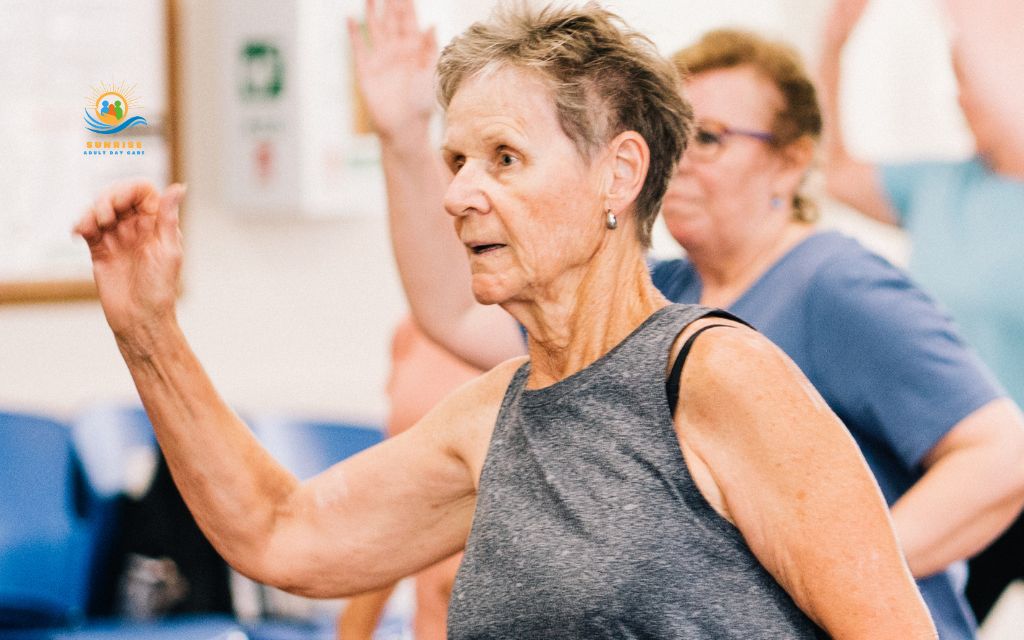
Program #1: Chair-based strength & mobility circuits
Chair-based exercises provide a safe entry point for elderly exercise programs, using a sturdy chair as both a support tool and exercise equipment.
Participants perform movements while seated or using the chair for balance assistance, building leg, hip, core, and upper body strength with virtually no fall risk.
Example exercises in a typical circuit:
- Seated marches: Lift alternating knees toward chest while sitting tall
- Sit-to-stand: Stand up from the chair and sit back down with control (the single most functional strength exercise for daily independence)
- Seated rows with resistance bands: Pull band toward ribs to strengthen upper back and improve posture
- Ankle circles and toe taps: Improve ankle mobility and lower leg circulation
- Seated overhead reaches: Stretch and strengthen shoulders
- Heel raises while standing and holding chair back: Build calf strength for walking and stair climbing
Who it’s ideal for:
- Older adults with significant balance concerns or fear of falling
- Those recovering from illness, surgery, or periods of inactivity
- Individuals with severe arthritis limiting mobility
- Anyone new to structured exercise who needs confidence-building
- Participants in adult day programs who benefit from group chair exercise sessions
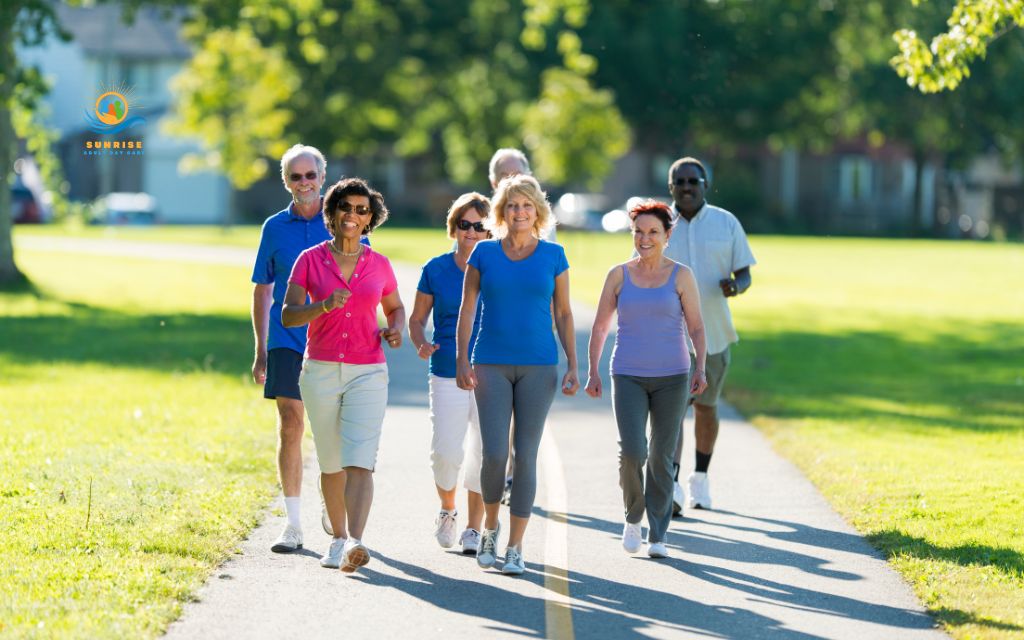
Program #2: Walking & “Talk Test” cardio programs
Walking remains the most accessible and sustainable form of aerobic exercise for older adults. Structured senior workout programs centered on walking transform a simple activity into measurable, goal-oriented fitness by adding:
- Scheduled frequency: Walking on specific days at consistent times
- Duration tracking: Monitoring minutes or steps to ensure adequate volume
- Intensity guidance: Using the talk test to stay in the safe moderate zone
- Social structure: Joining walking groups, mall walking programs, or senior center walking clubs
Common walking program formats:
- Indoor mall walking (climate-controlled, flat, safe surfaces)
- Track laps at community centers or schools
- Neighborhood walking groups with volunteer leaders
- Treadmill programs with adjustable speed
- Nature trails designed for seniors with benches for rest stops
Applying the talk test during walks:
During your walk, you should be able to carry on a conversation but not sing the lyrics to a song comfortably. If you’re walking alone, try speaking sentences out loud occasionally – you should be slightly breathless but able to finish sentences without gasping. If you can sing easily, pick up the pace slightly. If you can’t speak a few words without stopping for breath, slow down.
Program #3: Balance & fall-prevention classes
Falls are not an inevitable part of aging, they’re often preventable through targeted balance training. Structured exercise classes for seniors focusing on balance help you:
- Navigate stairs, curbs, and uneven surfaces safely
- Catch yourself if you trip without falling
- Turn and change direction with confidence
- Reduce fear of falling (which often limits activity and worsens the problem)
- Maintain the strength and coordination needed for daily tasks
Typical components of balance classes:
Static balance exercises:
- Single-leg stands with chair support (progress from holding with both hands to one hand to fingertips)
- Tandem stance (heel of one foot touching toe of the other)
- Weight shifts side to side and forward/backward
Dynamic balance exercises:
- Heel-to-toe walking in a straight line
- Walking with head turns (challenges vestibular system)
- Step-ups onto low platforms
- Turning in a circle with controlled speed
- Walking with directional changes
Reactive balance drills:
- Reaching exercises in multiple directions
- Gentle ball tosses while standing
- Responding to light touches or cues to shift weight
Program #4: Water exercise / Aquatic fitness for seniors
Water-based fitness programs for seniors offer unique advantages that land-based exercise cannot match:
- Reduced joint impact: Buoyancy supports body weight (up to 90% when chest-deep), eliminating stress on knees, hips, and spine
- Natural resistance: Moving through water provides resistance in all directions, strengthening muscles without weights
- Built-in balance support: Water’s buoyancy helps prevent falls while still challenging balance systems
- Temperature therapy: Warm pools (83-88°F) soothe arthritis and relax tight muscles
- Psychological comfort: Many older adults feel more confident exercising in water than on land
Typical aquatic class formats:
- Water walking: Walking forward, backward, and sideways in chest-deep water, often with music
- Aqua aerobics: Low-impact dance-style movements set to music in shallow or deep water
- Aqua strength: Using foam dumbbells, noodles, kickboards, or resistance gloves for upper and lower body strengthening
- Aqua stretching: Gentle flexibility work using pool walls and noodles for support
- Deep water jogging: Using flotation belts to “jog” in deep water with zero impact
Who benefits most from water exercise:
- Older adults with moderate to severe arthritis (especially knees, hips, or back)
- Those significantly overweight who experience pain during land-based activity
- Individuals with high fall risk who need the extra security
- Anyone recovering from joint replacement or fractures (with doctor clearance)
- Those who find traditional elderly workout programs too intimidating but enjoy the water
Program #5: Gentle strength training
After age 50, adults lose 1-2% of muscle mass per year without resistance training. This age-related muscle loss (sarcopenia) directly impacts:
- Ability to stand from chairs, climb stairs, carry items
- Bone density (strength training stresses bones in healthy ways that prevent osteoporosis)
- Metabolism and weight management
- Blood sugar control
- Balance and fall prevention
Strength training options for older adults:
At home with minimal equipment:
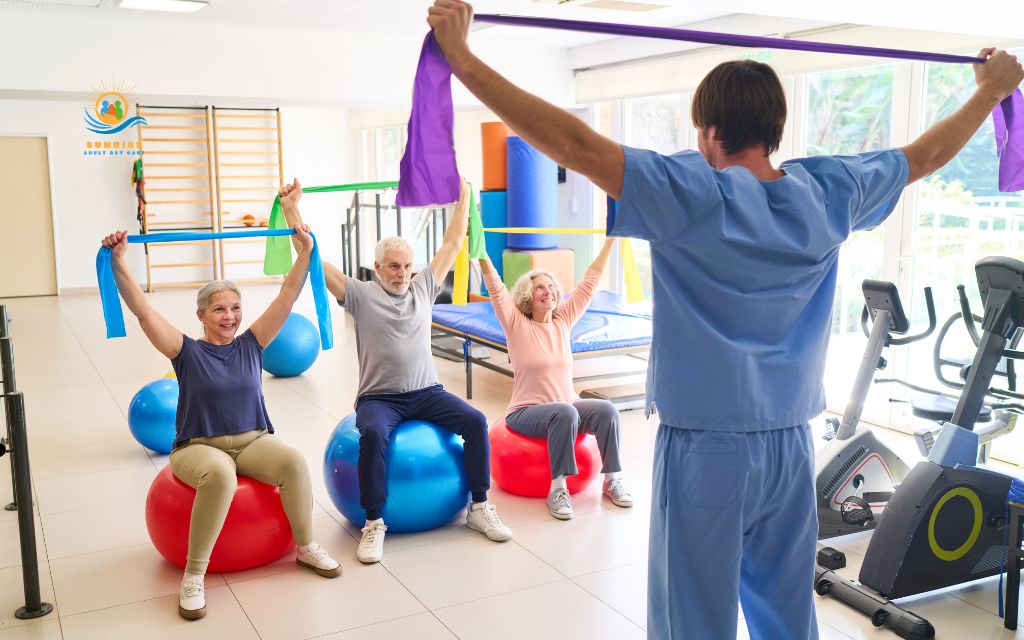
- Resistance bands: Color-coded by resistance level (start with light/yellow or red bands). Loop bands or bands with handles work for rows, chest presses, leg lifts, and arm exercises.
- Light dumbbells: Begin with 2-5 pounds; many older women start with 3-pound weights, men with 5-8 pounds
- Bodyweight exercises: Wall push-ups, chair squats (sit-to-stand), heel raises, modified planks against a counter
- Household items: Soup cans, water bottles, or small bags of rice work as starter weights
At the gym or senior center:
- Senior-friendly machine circuits: Many fitness centers offer specialized circuits designed for older adults with clear instructions and adjustable resistance (Planet Fitness, LA Fitness, and YMCAs often have these)
- SilverSneakers strength classes: Insurance-covered classes specifically for Medicare members
- Personal training: Some gyms offer reduced-rate sessions for seniors with trainers experienced in working with older adults
- Small group strength classes: Look for classes labeled “Active Older Adults,” “Prime of Life,” or similar senior-specific titles
Program #6: Tai Chi & yoga for older adults
Both Tai Chi and yoga offer unique combinations of strength, flexibility, balance, and stress reduction, making them valuable additions to fitness programs for older adults. Though different in origin and style, both emphasize controlled movement, breathing, and mind-body connection.
Tai Chi for seniors
An ancient Chinese practice involving slow, flowing sequences of standing movements. Often described as “meditation in motion,” Tai Chi emphasizes weight shifting, controlled breathing, and mindful awareness.
Benefits backed by research:
- Strongest evidence for fall prevention of any single exercise type (reduces falls by up to 50% in high-risk seniors)
- Improves balance, leg strength, and flexibility
- Reduces arthritis pain and stiffness
- Lowers blood pressure and anxiety
- Enhances cognitive function and memory
Gentle yoga & chair yoga for older adults
Adapted yoga practices that modify traditional poses for safety and accessibility. Chair yoga allows many poses to be performed seated, while gentle yoga classes use props like blocks, straps, and walls for support.
Benefits for seniors:
- Improved flexibility (especially hips, shoulders, and spine)
- Better balance through standing poses
- Reduced joint stiffness
- Lower stress and improved sleep through breathing exercises
- Increased body awareness
Safety guidelines
- Inform instructors about joint replacements, osteoporosis, glaucoma, or balance problems
- Never force poses, you should feel a stretch, not pain
- Avoid deep forward bends if you have osteoporosis (risk of compression fractures)
- Skip inversions (head below heart) if you have uncontrolled high blood pressure or glaucoma
- Use blocks and straps freely, they’re tools, not signs of weakness
- Choose classes explicitly labeled for seniors or beginners
Program #7: Functional “daily task” workouts
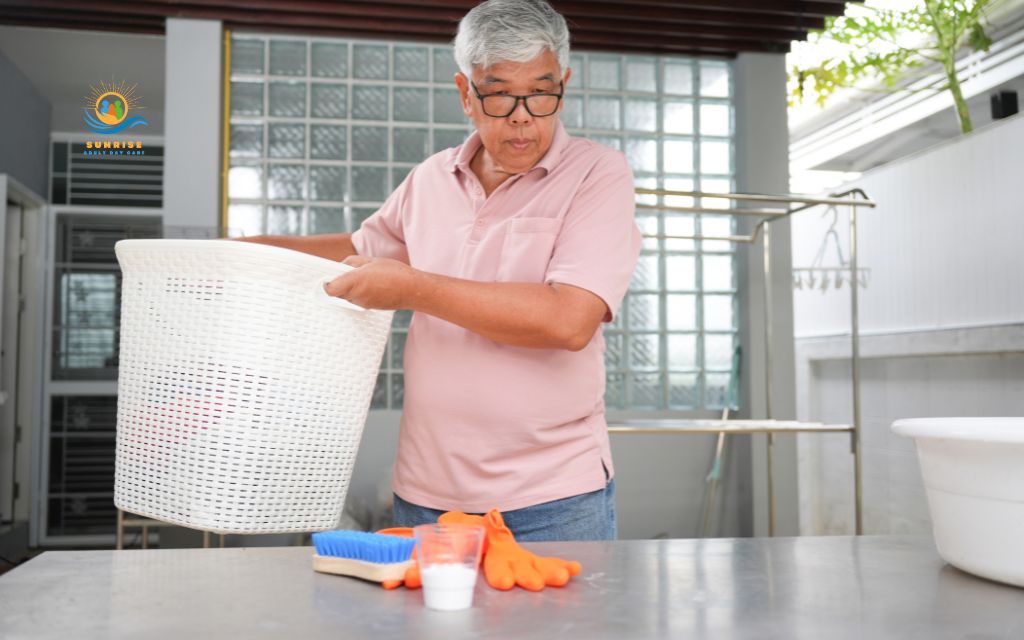
Functional fitness focuses on exercises that directly mirror movements you perform in everyday life. Rather than isolated muscle training, functional exercise programs for elderly adults practice whole-body movement patterns you use for:
- Getting out of chairs and beds
- Climbing stairs or curbs
- Bending to pick up items
- Reaching to high cupboards
- Carrying groceries or laundry
- Turning to look behind you
- Getting up from the floor
When you practice these specific movements in a controlled, safe environment, they become easier and more automatic in daily situations. Functional training reduces fear and builds confidence through repeated success.
Program #8: Group senior fitness classes & clubs
The social + motivational power of group exercise: While home exercise certainly builds fitness, group exercise classes for seniors offer benefits beyond physical improvement:
You’re less likely to skip when others expect to see you:
- Social connection: Regular interaction combats isolation and loneliness
- Fun factor: Music, conversation, and group energy make exercise feel less like work
- Proper instruction: Trained instructors ensure safe form and offer modifications
- Routine and structure: Consistent class times create habits that stick
For many older adults, the social benefits of group classes are just as valuable as the physical ones.
Common group fitness offerings for seniors:
At YMCAs and recreation centers:
- “Active Older Adults” classes (mixed cardio and strength)
- Aqua fitness classes (water-based exercise)
- Gentle group strength training
- Balance and flexibility classes
- Dance fitness (ballroom, line dancing, Zumba Gold)
SilverSneakers program (free for many Medicare plans):
- SilverSneakers Classic: Choreographed strength, flexibility, and cardio
- SilverSneakers Circuit: Strength exercises alternating with cardio
- SilverSneakers Splash: Water-based low-impact class
- SilverSneakers Yoga: Gentle yoga adapted for seniors Available at thousands of participating gyms and community centers nationwide
Walking clubs:
- Mall walking groups (many malls open early for walkers)
- Park and nature trail groups through recreation departments
- “Walk with a Doc” programs (doctors lead community walks)
Specialty classes:
- Low-impact aerobics
- Senior Zumba (Zumba Gold)
- Line dancing classes
- Boxing fitness for seniors (non-contact)
- Pickleball leagues and instruction
Program #9: At-home video & virtual exercise programs
Not everyone can travel to a gym or community center. Health issues, transportation challenges, weather concerns, or simply personal preference make at-home senior workout programs the best option for many older adults. Well-designed video or virtual classes provide:
Recommended sources for senior-appropriate video workouts:
Free online options:
- Go4Life from the National Institute on Aging: Free downloadable videos and exercise guides
- Healthline senior fitness videos: Short, follow-along routines for beginners
- YouTube channels: Search “chair exercises for seniors,” “balance exercises elderly,” or specific needs
- AARP fitness resources: Free streaming classes and workout guides
- Senior Planet: Free virtual classes including strength, yoga, and dance
Paid platforms with senior-specific content:
- Silver&Fit (included with some Medicare Advantage plans): On-demand senior fitness videos
- Tivity Health platforms: Subscription access to senior-tailored classes
- Fitness Blender: Low-cost video library with senior-appropriate low-impact options
Live virtual classes:
- Many senior centers and YMCAs now offer live-streamed classes via Zoom
- SilverSneakers On-Demand offers both live and recorded classes
- Local adult day programs may offer virtual options for current clients
Program #10: Exercise programs built into adult day & senior day care
For older adults who attend adult day services or senior day care programs, having exercise built into the structured day offers unique advantages that individual programs cannot match:
- Exercise happens at predictable times as part of the regular schedule, eliminating the need for self-motivation or planning
- Group activities create camaraderie and friendly encouragement, making exercise feel like recreation rather than a chore
- Trained staff monitor participants for safety, adjust activities to individual needs, and coordinate with healthcare providers
- Exercise happens in settings where blood sugar, blood pressure, and medication schedules are already being managed by staff
- Physical activity integrates with nutrition, cognitive stimulation, and social programming for comprehensive well-being support
- Staff trained in dementia care can adapt exercises for those with Alzheimer’s or other forms of cognitive decline, using simple instructions, demonstrations, and music cues
Senior daycare programs like Sunrise Adult Daycare integrate daily exercise as a core component of their comprehensive daytime care, recognizing that physical activity directly supports the health, mood, and independence of participants.

How to choose the right senior exercise program
With 10 program types to consider, selecting the best fit might feel overwhelming. This simple decision-tree approach helps you narrow options based on your specific situation:
If you’re steady on your feet and medically stable
Walking program (Program #2) + gentle strength training (Program #5) + group fitness class (Program #8)
This balanced approach covers cardiovascular fitness, muscle strength, and social engagement. Start with two days per week of each, gradually building to the recommended 150 minutes of cardio and 2-3 strength sessions weekly.
If you’re worried about falls or have significant balance concerns
Chair-based circuits (Program #1) + balance classes (Program #3) + Tai Chi (Program #6) or water exercise (Program #4)
Build confidence and stability first. After 6-8 weeks of consistent participation, many people graduate to adding walking or standing exercises.
If you have joint pain, arthritis, or obesity
Best combination: Water exercise (Program #4) + chair-based circuits (Program #1) + gentle yoga (Program #6)
Prioritize low-impact activities that minimize joint stress while still building strength and mobility. Water exercise should be your foundation.
If you need company and structure to stay motivated
Best combination: Group fitness classes (Program #8) + walking club (Program #2) + adult day program exercise (Program #10) if daytime supervision is needed
Social exercisers thrive with built-in accountability and companionship. Seek programs with consistent attendance and friendly atmospheres.
If you prefer exercising at home or have transportation challenges
Best combination: At-home video programs (Program #9) + functional daily task workouts (Program #7) + walking in your neighborhood or yard (Program #2)
Home-based routines offer maximum flexibility but require more self-discipline. Setting consistent times and recruiting a virtual exercise buddy (video calling before workouts) can help.
Conclusion
The perfect exercise program doesn’t exist, but a safe, consistent program that fits your life absolutely does. Throughout this guide, you’ve discovered 10 exercise programs for seniors that build the strength, balance, and confidence necessary for independent living.
Your next steps:
- Start with safety: Schedule that conversation with your doctor or physical therapist if you have health concerns that need clearance. Review the safety checklist in Section 3 before your first workout.
- Choose one program: Rather than overwhelming yourself with options, select just one program type that matches your current ability and circumstances. You can always add variety later.
- Set realistic goals: Begin with 10-15 minutes, two or three days per week. Progress gradually over weeks and months – there’s no rush, and starting conservatively prevents burnout and injury.
- Build routine: Exercise at the same times on the same days each week. Habits form through consistency, not intensity.
- Track simple wins: Note completed workouts on a calendar. Notice improvements like walking a bit further, standing more steadily, or feeling less winded during activities.
Frequently asked questions (FAQs)
How often should a 70-year-old exercise each week?
Adults 70 and older should aim for at least 150 minutes of moderate aerobic activity per week plus muscle-strengthening exercises 2+ days weekly, and balance activities 3+ days weekly. This translates to roughly 30 minutes of walking five days weekly plus two 20-minute strength sessions.
What is the safest type of exercise for seniors with arthritis or joint pain?
Water exercise is generally safest because buoyancy supports up to 90% of body weight, reducing joint stress while providing resistance for strength. Chair-based exercises are another excellent low-impact option. Tai Chi also benefits arthritis pain without high impact.
Can seniors do strength training, and how heavy should weights be?
Yes, strength training is essential at any age and safe for adults in their 70s, 80s, and 90s. Start light: 2-5 pounds for women, 5-8 pounds for men, or use resistance bands. The right weight lets you complete 8-12 repetitions with moderate effort, the last few should feel challenging but doable. If you can easily do 15 reps, increase weight slightly.
What should I look for in senior fitness classes or older people exercise classes?
Look for instructor credentials in senior fitness (ACE Senior Fitness Specialist, SilverSneakers training, NASM Senior Fitness Specialist), not just general certifications. Quality classes offer modifications for every exercise, maintain reasonable pace with rest breaks, provide chairs for balance support, and have well-lit, uncluttered spaces.
How can caregivers safely add exercise into a loved one’s daily routine?
Start by consulting their doctor about restrictions, then begin with natural activities like daily walks rather than formal “workouts.”Build routines at consistent times (10-minute walk after breakfast, chair exercises during TV time). Focus on functional movements like practicing standing from chairs or climbing stairs with supervision. Keep sessions short initially (10-15 minutes)..
Is it ever too late to start an exercise program, even in your 80s or 90s?
Never. Research shows adults in their 80s and 90s who begin appropriate exercise experience meaningful improvements in mobility, independence, and fall prevention. Start at the right level with proper supervision. Talk with your doctor before starting, but don’t let age discourage you. The body retains its ability to respond positively to exercise at any age.
Do I need special equipment to start a senior exercise program at home?
No. Effective programs use bodyweight and a sturdy chair: chair squats, wall push-ups, standing calf raises at a counter, and seated marching require zero equipment. Affordable additions include resistance bands ($10-20), light dumbbells (2-5 pounds, $15-25), and comfortable non-slip shoes.