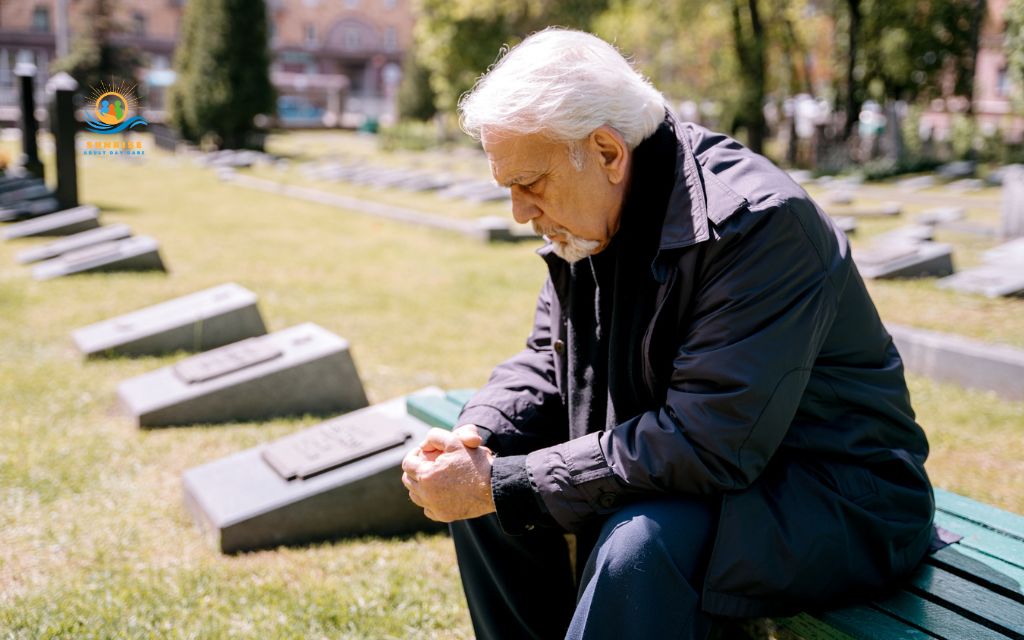
Retirement is one of life’s biggest milestones. After decades of busy workdays, structured schedules, and daily routines, many people look forward to finally slowing down. Yet for a surprising number of older adults, retirement does not feel like relief, it feels unsettling.
Retirement anxiety is far more common than most people realize, and it is a completely understandable response to one of the most significant transitions a person can experience.
Leaving the workforce brings a cascade of changes all at once: the loss of a daily routine, a shift in personal identity, reduced contact with coworkers, and sometimes new concerns about health or finances. These adjustments can trigger genuine emotional stress, even for people who planned carefully for retirement.
This article will walk you through exactly what retirement anxiety is, why it happens, and 10 practical tips to help you feel more grounded, purposeful, and at ease in this new chapter of life.
What is retirement anxiety?
Retirement anxiety refers to feelings of worry, restlessness, or emotional unease that emerge after a person leaves the workforce. It is not a case of “missing work”, it is a deeper emotional response to losing familiar structures that once provided meaning, rhythm, and connection.
People experiencing retirement anxiety may notice:
- Feeling lost, unsettled, or unsure about who they are outside of their career
- Difficulty filling days that once felt naturally occupied
- Worry about health, finances, or what the future holds
- A sense of restlessness, boredom, or low-grade sadness
- Trouble sleeping, changes in appetite, or difficulty concentrating
Retirement anxiety is a normal emotional response to a major life transition, not a sign of weakness or failure. Many older adults go through this adjustment period. With the right support and strategies, most people move through it and discover a fulfilling new rhythm in retirement.

Common causes of anxiety in retirement
Understanding why anxiety in retirement happens is the first step toward managing it. There are several reasons that this transition can feel emotionally challenging.
Loss of routine
Work provides far more than a paycheck, it provides structure. Knowing what time to wake up, where to be, and what to accomplish gives the day shape and purpose. When that structure disappears overnight, the open-ended days of retirement can quickly begin to feel empty or directionless.
Loss of identity
For many people, professional identity is deeply tied to self-worth. Titles, roles, and careers often answer the question, “Who am I?” When that anchor is removed, it can be genuinely disorienting. Some retirees describe feeling invisible or irrelevant, even when they were the ones who chose to retire.
Reduced social interaction
The workplace is one of the primary places adults build meaningful daily connections. Friendly conversations, team collaboration, and even routine small talk contribute significantly to emotional well-being. After retirement, many seniors find that social contact drops dramatically and that isolation can amplify anxiety, loneliness, and low mood.
Health concerns
Retirement often coincides with a stage of life when health becomes a more prominent consideration. Chronic conditions, reduced physical ability, cognitive changes, or simply the awareness of aging can add a layer of worry that compounds the emotional challenges of the transition.
Financial worries
Even well-prepared retirees may experience anxiety about long-term financial security. Questions about whether savings will last, how to manage healthcare costs, or how to budget on a fixed income can create ongoing low-level stress that affects daily well-being.

10 expert tips to cope with retirement anxiety
The good news is that retirement anxiety is manageable. The following 10 tips are grounded in what mental health professionals, aging specialists, and senior wellness programs have found to be most effective for older adults navigating this transition.
Tip 1: Create a daily routine
One of the most powerful antidotes to retirement anxiety is rebuilding a predictable daily structure. This does not mean scheduling every hour, it simply means creating anchor points that give your day rhythm and direction.
Start small: set a consistent wake-up time, plan a morning activity, and build in regular mealtimes. Even a loose structure can dramatically reduce the sense of aimlessness that feeds anxiety.
Tip 2: Stay socially connected
Social connection is one of the strongest predictors of emotional well-being in older adults. Regular, meaningful interaction with other people reduces loneliness, boosts mood, and helps older adults maintain a sense of belonging.
Reconnect with friends and family, join a local club or faith community, or look into senior social programs in your area. Even brief daily interactions can make a meaningful difference.
Tip 3: Stay physically active
Physical activity is a proven mood-booster with direct benefits for anxiety. Exercise releases endorphins, improves sleep quality, and promotes a greater sense of control over health and well-being.
You do not need an intense workout routine. Walking, stretching, swimming, chair yoga, or joining a group fitness class for seniors can all be highly effective. The key is consistency.

Tip 4: Set small, meaningful goals
Purpose is a fundamental human need at every age. In retirement, it helps to replace the built-in goals of a career with new, personal ones, even if they are modest.
Set a goal to read a certain number of books each month, master a new recipe, learn a skill, or complete a project around the house. Daily and weekly goals give structure and create a rewarding sense of accomplishment.
Tip 5: Explore new interests
Retirement opens time for pursuits that a busy career may have crowded out. Gardening, painting, woodworking, photography, writing, cooking, music,… the possibilities are wide open.
Volunteering is another meaningful option. Contributing to a community organization provides a sense of purpose, restores social connection, and gives retired adults the sense that their experience and skills still matter.
Tip 6: Talk about your feelings
Keeping anxiety bottled up tends to make it grow. Sharing your feelings with a trusted friend, family member, or support group can provide relief, perspective, and a reminder that you are not facing this alone.
Many communities offer retirement adjustment support groups specifically for older adults going through this transition. Speaking openly about your experience is a sign of self-awareness and courage, not weakness.

Tip 7: Limit isolation
Spending long periods alone without meaningful activity or social contact is one of the fastest ways to deepen anxiety and low mood. Even brief, regular outings or planned social time can help break the cycle of withdrawal.
If mobility or transportation is a challenge, look for phone-based check-ins, video calls with family, or local programs that offer transportation support for seniors.
Tip 8: Practice relaxation techniques
Simple, evidence-based relaxation practices can effectively reduce anxiety when used consistently. Techniques such as slow deep breathing, guided meditation, progressive muscle relaxation, or quiet time in a calming environment help activate the body’s natural calming response.
Even 10 to 15 minutes of intentional relaxation each day can lower stress levels over time. Many senior centers and wellness programs offer guided relaxation sessions.

Tip 9: Seek professional support
If feelings of anxiety are persistent, significantly affecting sleep, mood, or daily function, it is important to speak with a healthcare professional. A primary care physician, psychologist, or licensed counselor can help identify whether additional support – including therapy or, when appropriate, medication – may be beneficial.
Seeking help is not a last resort. It is a proactive step toward better health and quality of life.
Tip 10: Consider structured daytime programs
For many retired seniors, the combination of unstructured time and reduced social contact is the root cause of anxiety. Adult day programs and senior day services address both issues directly by providing predictable daily schedules, meaningful activities, professional supervision, and a built-in social community.
Structured daytime programs are not just for those with health challenges, they are valuable for any older adult who wants to stay engaged, purposeful, and connected during the daytime hours.

Supporting a loved one with retirement anxiety
If someone you care about is struggling with anxiety in retirement, your support can make a meaningful difference. Here are some practical ways family members and caregivers can help.
Be patient and listen
Resist the urge to immediately offer solutions. Sometimes the most powerful thing you can do is simply listen without judgment. Validate their feelings by acknowledging that the transition is genuinely hard, and that their emotions make sense.
Encourage routine and activity
Gently encourage your loved one to build structure into their days. Offer to help them plan a weekly schedule, explore local senior programs, or identify activities they have always wanted to try. Encouragement is most effective when it feels like partnership rather than pressure.
Suggest social opportunities
Help your loved one identify social options that fit their interests and comfort level – whether that means a local senior center, a faith community, a hobby group, or a structured adult day program. Offer to go with them the first time, if that would help ease the transition.
Watch for warning signs
Pay attention to signs that anxiety may be deepening, such as significant changes in sleep, appetite, or mood; withdrawal from previously enjoyed activities; or expressions of hopelessness. If you notice these signs, gently encourage a conversation with a healthcare provider.
How structured daytime support can help
For many older adults, the anxiety and restlessness that follow retirement are not just emotional, they are practical. When the day has no structure, no people to connect with, and no meaningful activities to participate in, anxiety naturally fills the void.
This is exactly where structured daytime programs make a real difference. Adult day services and senior day programs are designed specifically to provide what retirement most commonly takes away: routine, community, purpose, and professional support.
Routine and stability
A predictable daily schedule creates a sense of safety and expectation that is deeply reassuring for anxious older adults. Knowing what the morning holds – and what comes after – reduces the uncertainty that drives worry.
Compromiso social
Adult day programs offer daily interaction with staff and peers in a friendly, supportive environment. Regular social contact improves mood, reduces loneliness, and helps seniors maintain their sense of belonging and value.
Meaningful activities
From group games and exercise classes to creative arts, music, and discussion groups, well-designed day programs fill the hours with activities that engage the mind and body, giving participants something to look forward to each day.
Supervision and safety
For seniors who should not be alone for extended periods – whether due to memory concerns, chronic health conditions, or physical limitations – structured daytime care provides professional oversight that keeps them safe and their families reassured.
Support for caregivers
Family caregivers often carry a heavy load. Knowing that a loved one is in a safe, engaging, and professionally supervised environment during the day provides caregivers with essential respite, peace of mind, and time to attend to their own needs.
SUNRISE ADULT DAYCARE
Sunrise Adult Daycare offers a warm, engaging programa diurno for older adults in Denver, CO. We provide structured daily activities, health monitoring, medication support, nutritious meals, and a caring community of peers – all in a safe, welcoming environment.
Whether your loved one needs supervision, social connection, or simply a purposeful daily routine, our team is here to help. Call us today: 303-226-6882.
Conclusión
Retirement anxiety is real, it is common, and most importantly, it is manageable. The feelings of uncertainty, lost routine, and reduced purpose that come with leaving the workforce are not a sign that something has gone wrong. They are a natural response to one of life’s most significant transitions.
With intentional effort and the right support, many older adults emerge from this adjustment period and go on to discover a deeply fulfilling chapter of life – one filled with new interests, meaningful relationships, and a daily sense of purpose that may look very different from their working years but is no less rich.
The path forward does not require perfection. It requires small, consistent steps: building a daily routine, staying connected, staying active, and being willing to seek help when needed. You do not have to navigate this transition alone.
Preguntas frecuentes (FAQ)
Is retirement anxiety normal?
Yes, absolutely. Many older adults experience feelings of stress, worry, or uncertainty when adjusting to life after work. The loss of routine, identity, and daily social contact are significant changes, and it is entirely natural for the mind and body to respond to them with some degree of anxiety. Most people find that these feelings ease as they establish new routines and connections.
What causes anxiety in retirement?
The most common causes include the loss of daily work structure, a shift in personal identity tied to career, reduced social interaction, concerns about health and aging, and financial worries. For many retirees, it is a combination of these factors rather than a single cause.
How long does retirement anxiety last?
The duration varies from person to person. For some, the adjustment takes a few months; for others, it may take longer. In most cases, retirement anxiety eases as new routines, social connections, and meaningful activities develop. If anxiety persists or intensifies over time, speaking with a healthcare provider is a good next step.
What helps reduce retirement anxiety?
Staying physically active, maintaining regular social contact, establishing a predictable daily routine, setting small personal goals, and exploring new interests are all effective strategies. Structured daytime programs can also be especially helpful for older adults who benefit from a built-in schedule and social environment.
When should someone seek help for retirement anxiety?
If anxiety is consistently affecting sleep, mood, appetite, or the ability to enjoy daily life, it is important to speak with a primary care physician or mental health professional. Prompt support is especially important if feelings of hopelessness, withdrawal from social life, or thoughts of self-harm are present.