Muchos adultos mayores se pasan horas al día mirando la televisión, no porque quieran, sino porque no saben qué otras actividades son seguras, accesibles o agradables en esta etapa de su vida. La verdad es que la jubilación no significa retirarse de las actividades significativas. Muchas personas mayores anhelan algo más que entretenimiento pasivo; quieren participar, tener un propósito y conectar con otras personas que compartan sus intereses.
Este artículo ofrece una guía práctica para encontrar pasatiempos que se adapten a su vida actual, independientemente de las limitaciones de movilidad, los cambios cognitivos o el entorno de cuidados. Descubrirá una Lista de 25 pasatiempos para personas mayores, organizados según la capacidad física y el entorno (hogar, centro para personas mayores o programa diurno para adultos).
Tanto si eres una persona mayor que desea redescubrir viejas pasiones o probar algo completamente nuevo, como si eres un cuidador familiar que busca actividades seguras y atractivas para tu ser querido, esta guía te ayudará a encontrar aficiones que aporten auténtica alegría y sentido a la vida cotidiana.
Por qué los pasatiempos son tan importantes en la vejez
Beneficios para la salud y el cerebro
La participación regular en actividades con un propósito estimula las vías neuronales, lo que ayuda a preservar la memoria y la flexibilidad cognitiva. La teoría de la reserva cognitiva sugiere que las personas que desafían constantemente su cerebro mediante el aprendizaje y las actividades creativas desarrollan una resiliencia mental que puede retrasar o reducir los síntomas de la demencia.
Las actividades físicas, incluso las más suaves como el yoga en silla o caminar, favorecen la salud cardiovascular, mantienen la fuerza muscular y mejoran el equilibrio, factores todos ellos fundamentales para prevenir caídas y mantener la independencia.
La combinación de estimulación mental y movimiento físico crea poderosos efectos protectores contra el deterioro relacionado con la edad.
Bienestar emocional y propósito
Los beneficios emocionales de los pasatiempos van mucho más allá del simple disfrute.
Las actividades con un propósito dan estructura al día, crean una sensación de logro y dan a las personas mayores algo por lo que ilusionarse. Para muchos jubilados, las aficiones llenan el vacío que dejan décadas de identidad y rutina relacionadas con el trabajo.
La soledad, la ansiedad y la depresión son preocupaciones importantes entre los adultos mayores, especialmente aquellos que viven solos o padecen enfermedades crónicas.
Los pasatiempos ofrecen un antídoto natural: desvían la atención de las preocupaciones, proporcionan objetivos alcanzables y crean experiencias positivas que mejoran el estado de ánimo y la autoestima.
Conexión social y rutina
Las actividades grupales en los centros para personas mayores y los programas diurnos para adultos crean oportunidades naturales para entablar amistades, conversar y compartir experiencias. Estas relaciones sociales no solo son agradables, sino que son esenciales para la salud y la longevidad.
La participación regular en actividades grupales establece rutinas predecibles que proporcionan comodidad y estabilidad. Saber que el club de cartas se reúne todos los martes por la tarde o que el grupo de caminatas se reúne cada mañana da estructura a la semana y crea expectación.
Para los adultos mayores con cambios cognitivos tempranos, esta rutina se vuelve aún más importante, ya que les brinda una familiaridad tranquilizadora y reduce la ansiedad sobre “lo que vendrá después”.”
See more: What is senior living?
25 pasatiempos para personas mayores: diversión segura, social y estructurada
Estas actividades están organizadas según las exigencias físicas y el entorno para ayudarte a identificar rápidamente las opciones que se ajustan a tus capacidades y circunstancias actuales.
Aficiones activas suaves
Estas actividades activas favorecen la salud física sin requerir un esfuerzo intenso, por lo que son ideales para las personas mayores que desean mantenerse en movimiento de forma segura.
Caminar
Caminar es uno de los mejores pasatiempos para las personas mayores de 70 años, ya que ofrece beneficios cardiovasculares, mejora el equilibrio, favorece la interacción social y la claridad mental, y todo ello con un equipo y unos conocimientos mínimos. Se ha demostrado que caminar con regularidad reduce el riesgo de enfermedades cardíacas, controla los niveles de azúcar en sangre y mejora la calidad del sueño.
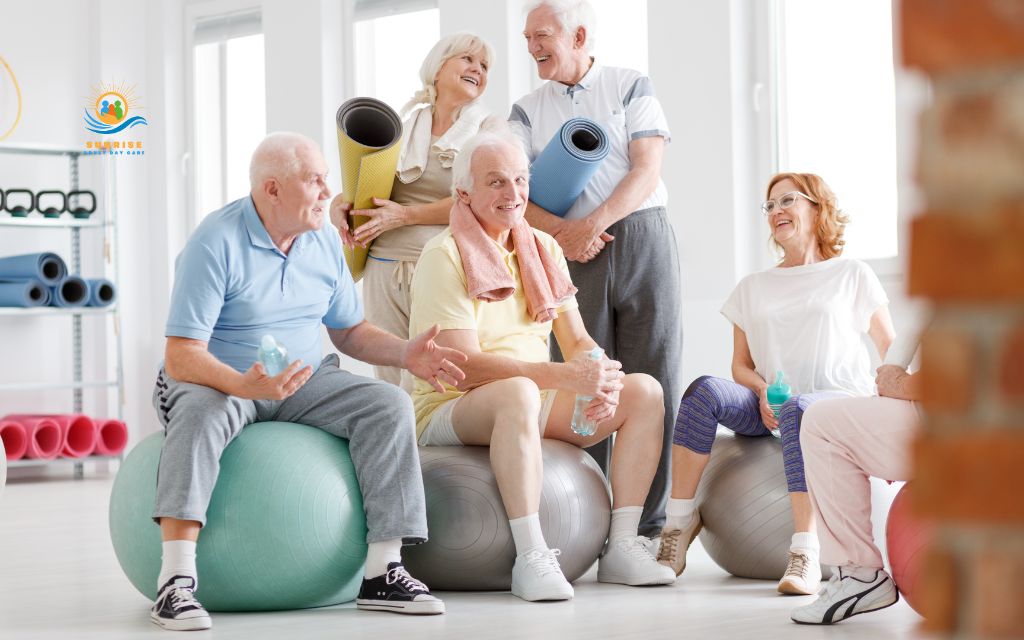
Yoga en silla y ejercicios sentados
El yoga en silla adapta las posturas tradicionales para personas mayores con movilidad limitada o problemas de equilibrio, mejorando la flexibilidad, reduciendo el dolor articular y promoviendo la relajación. Esta actividad se adapta a diferentes niveles de habilidad en la misma clase, lo que la hace perfecta para grupos mixtos.
Clases de Tai Chi o equilibrio
Esta antigua práctica combina movimientos lentos y fluidos con la atención plena, lo que mejora significativamente el equilibrio y reduce el riesgo de caídas en las personas mayores. Las investigaciones demuestran que el tai chi puede reducir el riesgo de caídas hasta en un 431 % cuando se practica con regularidad, lo que lo convierte en uno de los pasatiempos más protectores para las personas mayores preocupadas por mantener su independencia.
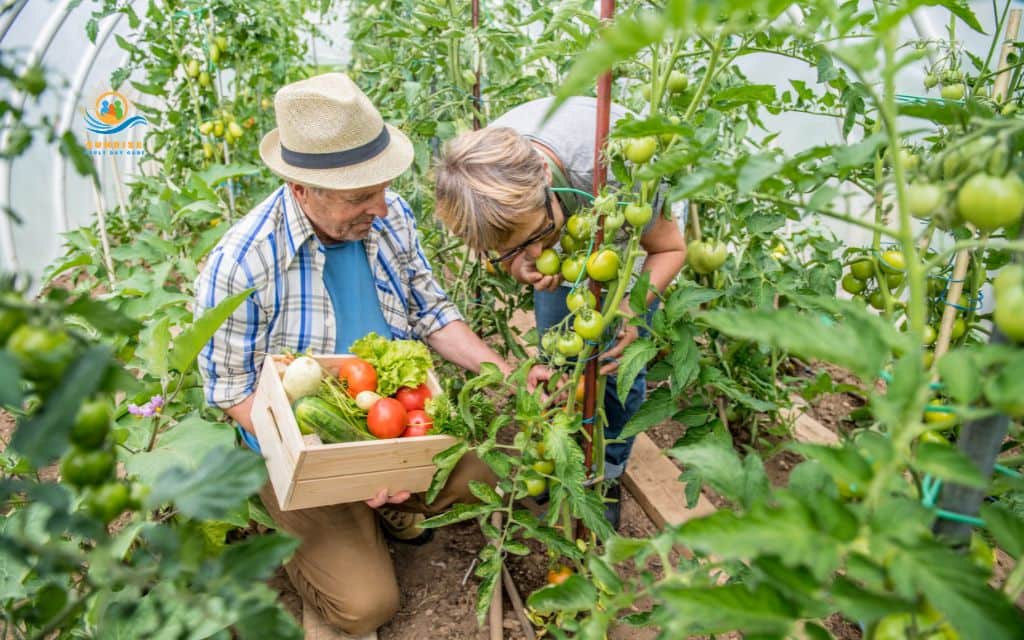
Jardinería ligera
La jardinería combina una actividad física suave con la estimulación sensorial, un propósito y la satisfacción de cuidar seres vivos. Cuidar las plantas mejora la fuerza de las manos, proporciona exposición a la vitamina D (al aire libre) y se ha demostrado que reduce las hormonas del estrés y mejora el estado de ánimo.
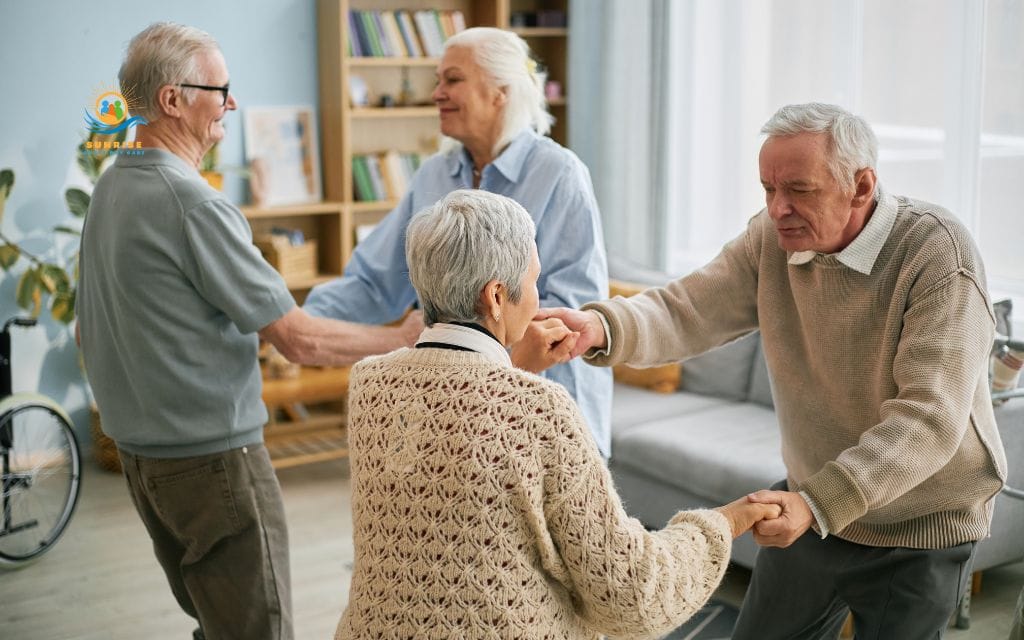
Baile o movimiento al ritmo de la música.
El movimiento basado en la música combina el ejercicio cardiovascular con la estimulación cognitiva (recordar los pasos), la expresión emocional y la alegría social. Bailar libera endorfinas, mejora la coordinación y aprovecha los poderosos recuerdos emocionales a través de la música.
Aficiones creativas y artísticas
Estas divertidas aficiones permiten expresar las emociones, estimulan la mente y proporcionan logros tangibles sin requerir un gran esfuerzo físico, por lo que son perfectas para personas mayores, tanto en casa como en grupo.
Pintura, dibujo o colorear para adultos.
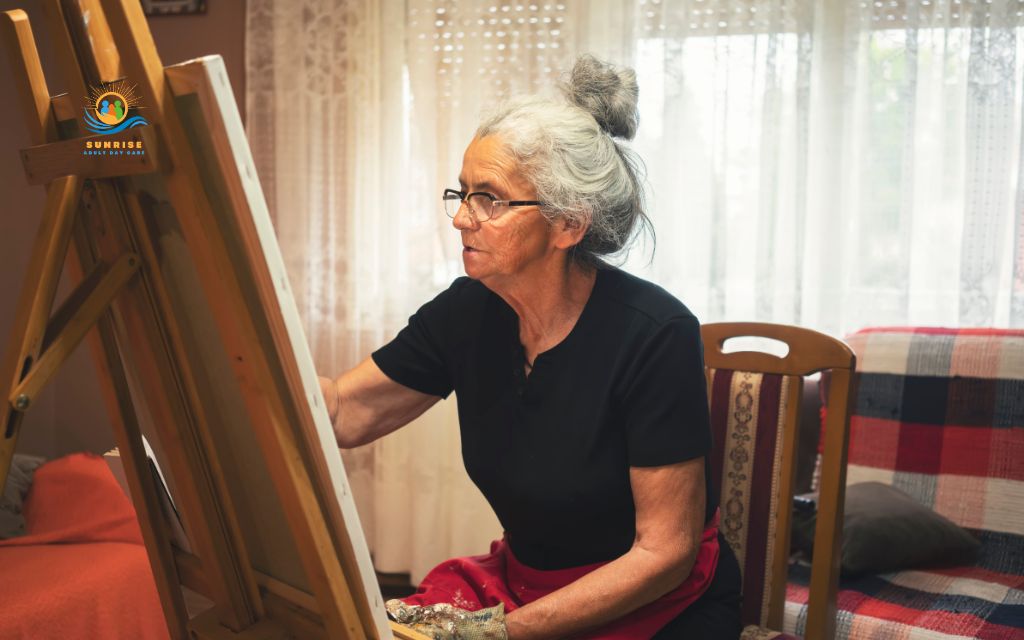
Las artes visuales estimulan las habilidades motoras finas, fomentan la atención plena y proporcionan una vía creativa para expresar emociones que pueden ser difíciles de expresar verbalmente. Se ha demostrado que la creación artística reduce la ansiedad y la depresión, al tiempo que mejora la autoestima y la flexibilidad cognitiva. Es uno de los pasatiempos más populares tanto entre las mujeres como entre los hombres mayores.
Manualidades y bricolaje (tejido, crochet, costura sencilla)
Las manualidades con fibras y los proyectos sencillos de bricolaje proporcionan una actividad rítmica y meditativa que reduce el estrés al tiempo que permite crear artículos útiles y perfectos para regalar. Estas aficiones para mujeres mayores de 60 años (aunque muchos hombres también las disfrutan) mejoran la coordinación mano-ojo y ofrecen infinitos niveles de complejidad, desde sencillas bufandas hasta patrones intrincados.
Álbumes de recortes y recuerdos
Organizar fotos y recuerdos combina la creatividad con la terapia de reminiscencia, una técnica respaldada por investigaciones que mejora el estado de ánimo y la función cognitiva en los adultos mayores. Este pasatiempo celebra la historia personal y crea objetos de valor para los miembros de la familia.
Música y canto
La participación en actividades musicales, ya sea cantando, tocando instrumentos o simplemente escuchando activamente, estimula múltiples regiones del cerebro al mismo tiempo, mejorando la memoria, el lenguaje y la regulación emocional. Para las personas con demencia, la música suele seguir siendo accesible mucho después de que otras capacidades se hayan perdido. Cantar en grupo también mejora la respiración y proporciona un fuerte vínculo social.
See more: Old people songs
Fotografía
La fotografía fomenta la observación, la creatividad y el compromiso con el entorno. Las cámaras de los teléfonos inteligentes modernos lo hacen accesible sin necesidad de equipos costosos ni conocimientos técnicos. Compartir fotos en línea conecta a los adultos mayores con familiares lejanos y genera temas de conversación.
Aficiones que estimulan el cerebro y favorecen el aprendizaje
Estas aficiones comunes mantienen la mente ágil y activa a través del pensamiento estratégico, la resolución de problemas y el aprendizaje continuo, componentes esenciales para un envejecimiento cognitivo saludable.
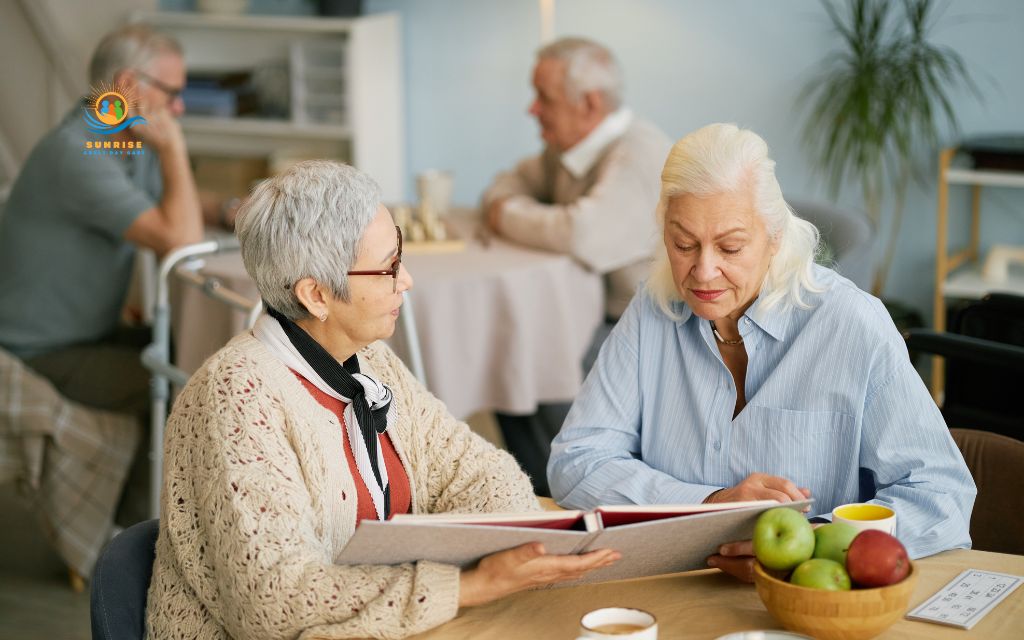
Rompecabezas y juegos mentales (crucigramas, sudoku, juegos de palabras)
La resolución regular de rompecabezas se ha asociado con una mejor memoria y flexibilidad cognitiva en los adultos mayores. Estas actividades proporcionan retos alcanzables que aportan satisfacción al completarlos. Los juegos de palabras favorecen específicamente la retención de vocabulario y la velocidad de procesamiento.
Clubes de lectura y clubes de audiolibros
Leer y debatir sobre literatura ejercita la comprensión, la memoria, el pensamiento crítico y la empatía. Los clubes de lectura añaden elementos sociales esenciales y responsabilidad. Los audiolibros hacen que la literatura sea accesible para aquellas personas con problemas de visión o fatiga lectora.
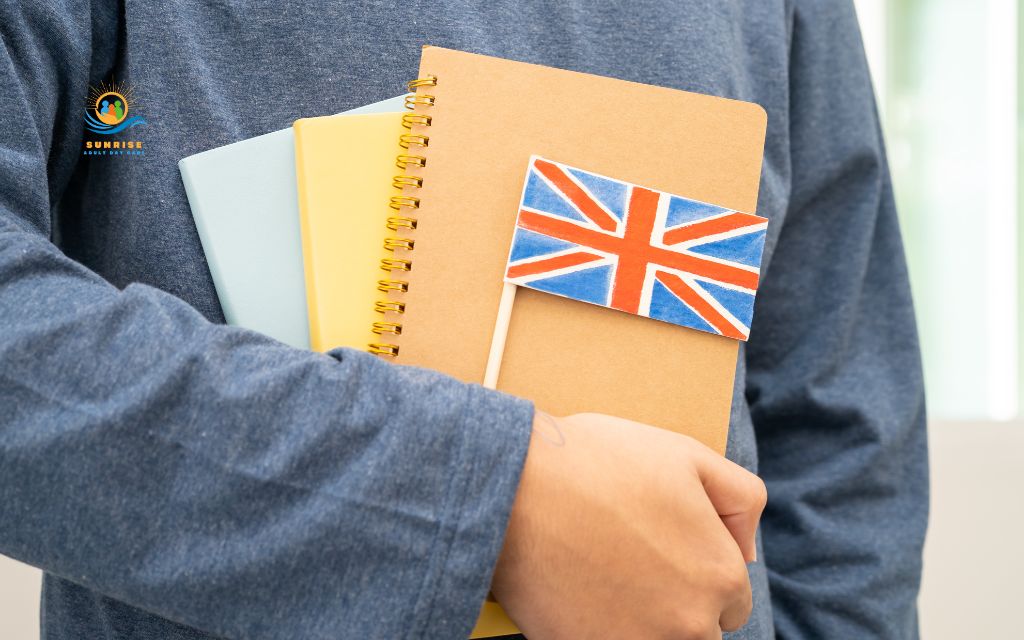
Aprendizaje de idiomas (aplicaciones, grupos de conversación)
Aprender un nuevo idioma es uno de los ejercicios cognitivos más poderosos que existen, ya que involucra simultáneamente la memoria, la atención y la resolución de problemas. Incluso un dominio básico proporciona beneficios mentales. Para muchas personas mayores, el aprendizaje de idiomas está relacionado con su herencia cultural, sus sueños de viajar o, simplemente, con el reto intelectual.
Clases de aprendizaje permanente (en línea o en el centro para personas mayores)
La curiosidad no se jubila. Las clases formales sobre historia, ciencia, arte, actualidad o cualquier otra área de interés proporcionan estructura, instrucción experta, interacción social y la prueba de que el aprendizaje continúa a lo largo de toda la vida. Estas clases aprovechan la sabiduría y el contexto que ya poseen los adultos mayores, al tiempo que añaden nueva información.
Aficiones sociales y centradas en la comunidad
Estas aficiones para adultos hacen hincapié en la conexión, la contribución y el sentido de pertenencia, necesidades humanas fundamentales que no disminuyen con la edad.
Voluntariado (presencial o a distancia)
El voluntariado proporciona un propósito, conexión social, rutina y el poderoso beneficio psicológico de ayudar a los demás. Las investigaciones demuestran que los adultos mayores que realizan voluntariado con regularidad reportan una mejor salud física, menores índices de depresión y una mayor satisfacción con la vida. Contribuir a causas nobles crea un significado que va más allá de las preocupaciones personales.
Noches de juegos (cartas, dominó, juegos de mesa)
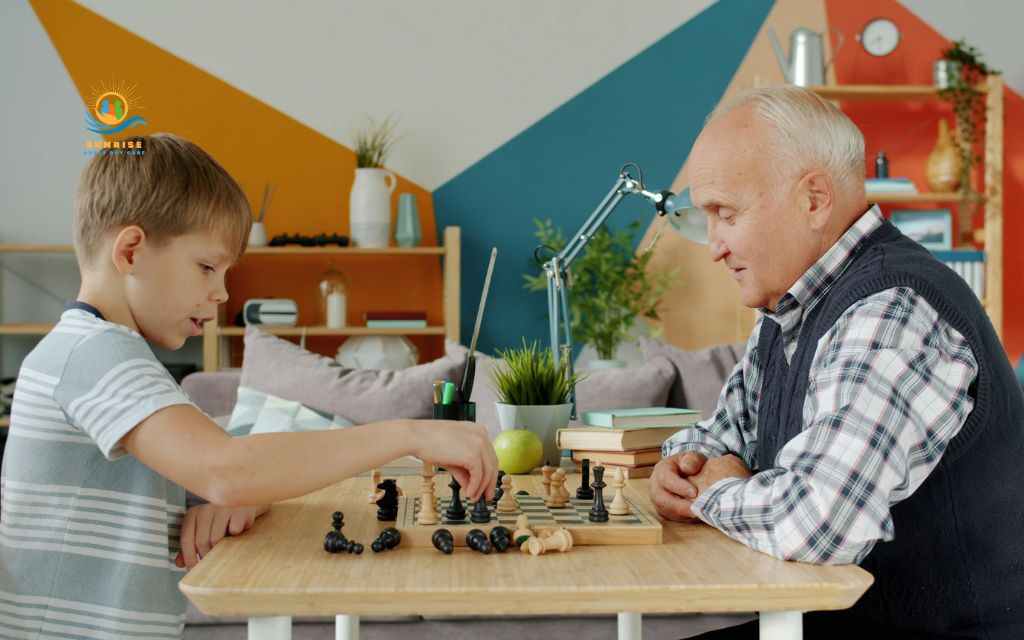
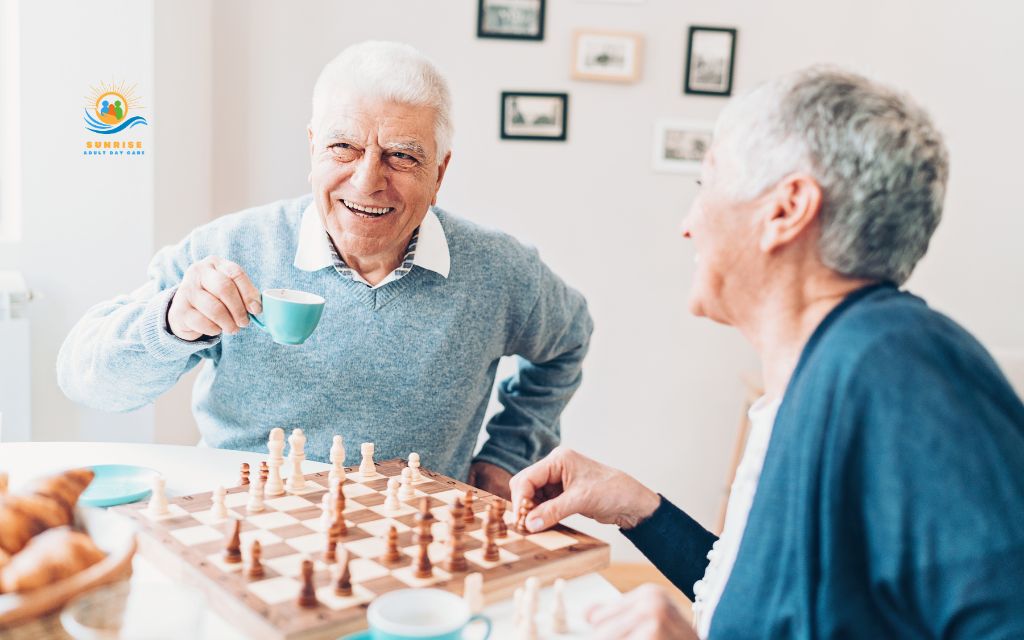
Los juegos de cartas y de mesa combinan el desafío cognitivo, la interacción social y la competencia amistosa. Se ha demostrado que jugar con regularidad mejora la memoria y la velocidad de procesamiento. Los juegos también proporcionan una estructura para las relaciones sociales, reduciendo los silencios incómodos y facilitando la conversación natural.
Clubes y grupos de intereses especiales (observación de aves, historia, viajes)
Los clubes centrados en intereses comunes crean profundos lazos sociales y proporcionan una identidad más allá de los roles familiares. Ya sea hablando de la historia local, compartiendo relatos de viajes o identificando especies de aves, estos grupos validan los intereses y crean comunidades acogedoras en las que se valoran los conocimientos y la experiencia.
Actividades espirituales y basadas en la fe
Para muchas personas mayores, las comunidades espirituales y religiosas proporcionan una identidad para toda la vida, consuelo, un marco moral y apoyo social. La participación en actividades religiosas ofrece un propósito, una rutina, una conexión con la tradición y, a menudo, una interacción intergeneracional. Incluso para las personas no religiosas, la meditación, la atención plena o los grupos de debate filosófico ofrecen beneficios similares.
Aficiones tranquilas, caseras y que requieren poca movilidad.
Estas aficiones para personas mayores con limitaciones significativas de movilidad o que prefieren actividades solitarias y contemplativas pueden realizarse desde casa o incluso desde su sillón favorito.
Redacción de diarios, memorias o cartas.
La escritura expresiva mejora el estado de ánimo, ayuda a procesar las emociones, preserva la historia personal y crea documentos que quedan como legado para la familia. Escribir cartas mantiene las relaciones y da un propósito. Las investigaciones demuestran que escribir sobre acontecimientos significativos de la vida puede mejorar la función inmunológica y el bienestar psicológico.
Observación de aves desde la ventana o el jardín
La observación de aves requiere un esfuerzo físico mínimo y, al mismo tiempo, proporciona conexión con la naturaleza, belleza, observación tranquila y una suave actividad cognitiva (identificación de especies, seguimiento de patrones). Esta afición transforma el tiempo que pasamos cada día mirando por la ventana en una actividad meditativa y con un propósito.
Cocinar y hornear
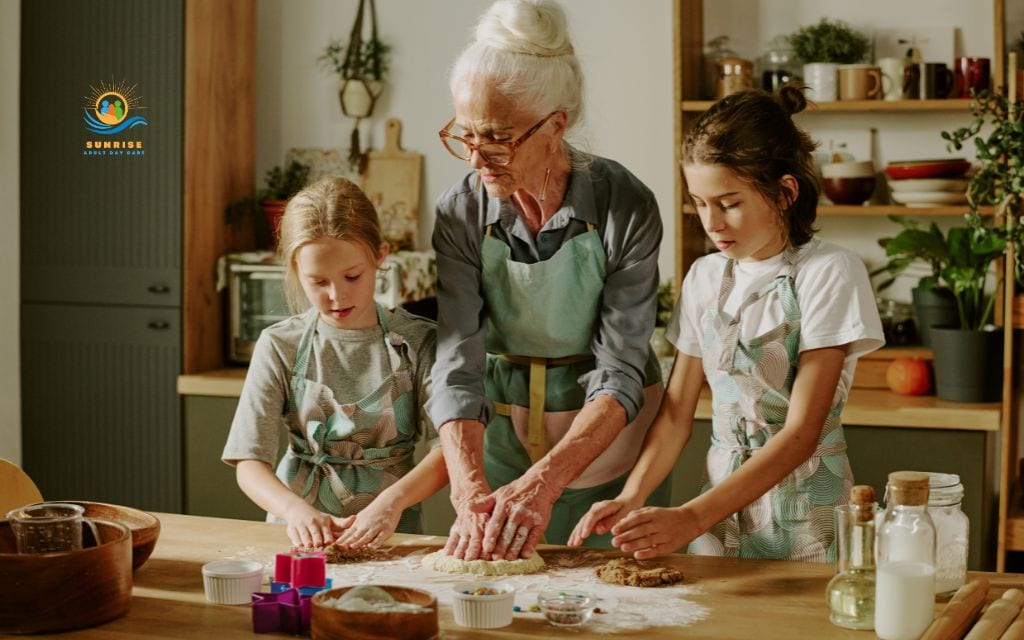
La preparación de alimentos involucra múltiples sentidos, preserva las tradiciones culturales, proporciona logros tangibles y crea oportunidades para compartir. Cocinar recetas familiares puede despertar recuerdos positivos y servir como una valiosa terapia de reminiscencia. Además, la comida casera sabe mejor y puede ser más saludable que las opciones preenvasadas.
Construcción de maquetas o carpintería sencilla
Estas aficiones para hombres mayores (aunque las mujeres también las disfrutan) proporcionan concentración, práctica de la motricidad fina, retos de razonamiento espacial y la satisfacción de crear objetos tangibles. Construir maquetas o proyectos sencillos con madera ofrece concentración meditativa y un progreso visible.
Coleccionismo (sellos, monedas, postales, música)
Coleccionar proporciona objetivos continuos, oportunidades para investigar y aprender, conexión social con otros coleccionistas y, a menudo, se relaciona con la nostalgia y la historia personal. Organizar colecciones ejercita las habilidades de categorización y memoria.
“Aficiones ”inusuales» pero aptas para personas mayores
Estas aficiones poco comunes entre las personas mayores demuestran que la tecnología y la cultura contemporánea no son exclusivas de los jóvenes: las adaptaciones hacen que los pasatiempos modernos sean accesibles y divertidos para todas las edades.
Videojuegos y juegos para tabletas
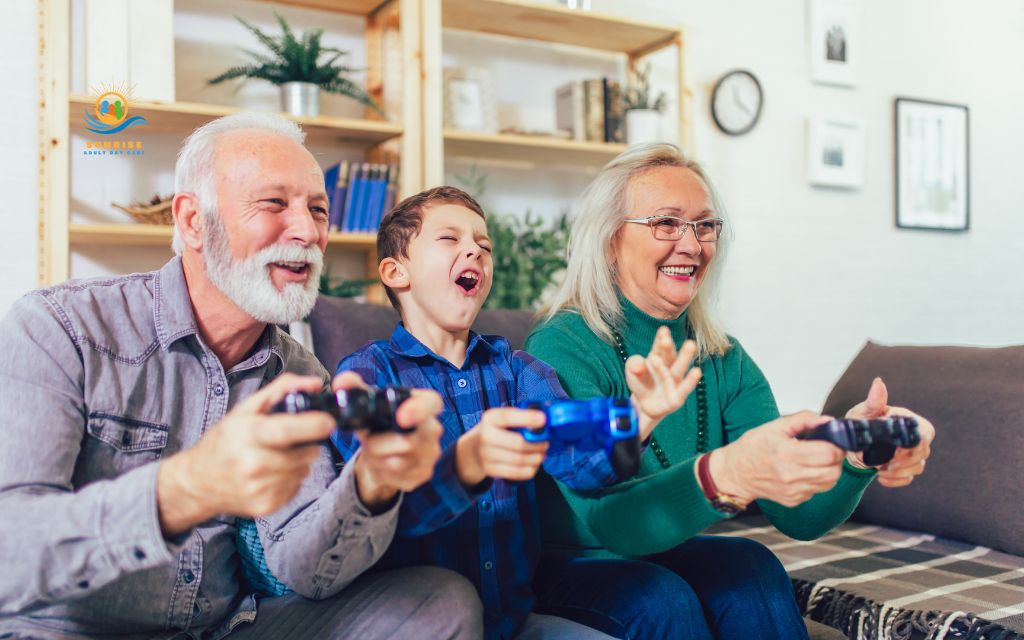
Contrario a los estereotipos, los videojuegos diseñados para personas mayores mejoran la coordinación mano-ojo, el tiempo de reacción, la resolución de problemas e incluso pueden proporcionar ejercicio físico (juegos controlados por movimiento). Los juegos también acortan las distancias entre generaciones cuando los nietos pueden compartir este interés.
Podcasting / grabación de historias
Grabar historias personales, la historia familiar o reflexiones sobre temas favoritos crea documentos que constituyen un legado permanente, al tiempo que proporciona estructura y propósito. El acto de organizar los pensamientos y expresarlos en voz alta ejercita las habilidades cognitivas. Compartir las grabaciones con la familia fortalece los vínculos a pesar de la distancia.
Aficiones para hombres y mujeres mayores
Patrones comunes (sin estereotipos)
Aunque los intereses varían enormemente entre las personas, independientemente de su género, se observan algunas pautas en lo que atrae a los adultos mayores, que a menudo reflejan intereses de toda la vida moldeados por sus experiencias generacionales.
Las aficiones de los hombres mayores suelen inclinarse hacia el bricolaje, el coleccionismo, las actividades al aire libre, la carpintería, los juegos de estrategia y la tecnología. Muchos hombres mayores disfrutan de actividades con objetivos claros y resultados medibles: construir algo, arreglar cosas, juegos competitivos o investigar temas especializados.
Las aficiones de las mujeres mayores suelen incluir manualidades con fibras, clubes sociales, artes creativas, cocina, actividades relacionadas con el cuidado de otras personas, como el voluntariado con niños, y actividades con un fuerte componente relacional. Muchas mujeres mayores aprecian las actividades que combinan la productividad con la socialización y permiten crear cosas para compartir con otras personas.
Sin embargo, estas tendencias son solo eso, tendencias, no reglas. Muchas mujeres disfrutan de la carpintería y los juegos de estrategia; a muchos hombres les encanta la artesanía y los clubes sociales.
La clave está en seguir la curiosidad genuina en lugar de limitar las opciones basándose en expectativas de género obsoletas. No imponga los estereotipos de “pasatiempos de abuelas” o “pasatiempos de personas mayores” sin comprender primero las preferencias individuales.
Fomenta la curiosidad genuina.
Los pasatiempos más exitosos son aquellos que se practican por interés genuino, no por obligación o por las expectativas de los demás.
Si un hombre mayor se siente atraído por el tejido o una mujer mayor quiere aprender carpintería, esos intereses merecen apoyo y aliento. Parte de la mayor alegría proviene de intentar algo completamente nuevo que desafía las expectativas.
Los programas de cuidado diurno para adultos y las familias deben ofrecer diversas opciones en todas las categorías, presentarlas sin prejuicios de género y celebrar todo lo que despierte un entusiasmo genuino. El objetivo es lograr una participación significativa, no ajustarse a los estereotipos.
Cómo pueden los cuidadores apoyar los pasatiempos de las personas mayores
Apoyar los pasatiempos de un ser querido requiere intención, paciencia y, a veces, creatividad, pero la recompensa en forma de mejor estado de ánimo, compromiso cognitivo y calidad de la relación hace que el esfuerzo valga la pena.
Empieza poco a poco
No te agobies ni agobies a tu ser querido intentando llevar a cabo programas de pasatiempos muy elaborados. Empieza con sesiones cortas, incluso 15 minutos cuentan. Prueba un pasatiempo dos veces por semana al principio.
Este enfoque sin presiones evita el cansancio y da tiempo para evaluar el interés antes de hacer una inversión significativa. Muchos pasatiempos solo se disfrutan una vez superada la incomodidad inicial, así que prueba las nuevas actividades al menos tres o cuatro veces antes de decidir que no son para ti.
Elige pasatiempos en los que tampoco te importe participar.
Como cuidador, probablemente tendrás que facilitar el tiempo dedicado a los pasatiempos, especialmente al principio. Elige actividades que puedas tolerar o incluso disfrutar junto a tu ser querido. Si no te gustan las manualidades, no las impongas como actividad compartida; prueba algo que ambos apreciéis.
Las aficiones compartidas se convierten en tiempo de calidad en lugar de otra tarea de cuidado, lo que beneficia a ambas partes. Sin embargo, también hay que respetar que parte del tiempo dedicado a las aficiones puede y debe ser independiente o facilitado por otras personas (voluntarios, personal del programa diurno).
Utilice los centros de día para adultos o los centros para personas mayores para disfrutar de actividades de ocio estructuradas.
Una de las mejores inversiones que pueden hacer los cuidadores es inscribir a sus seres queridos en programas diurnos para adultos de calidad que ofrezcan actividades de ocio estructuradas y supervisadas.
Esto tiene un doble propósito: los adultos mayores reciben orientación profesional, interacción social y actividades adecuadas, mientras que los cuidadores obtienen un tiempo de descanso esencial.
El personal de los programas diurnos está capacitado para facilitar actividades a los niveles adecuados, resolver problemas y mantener la seguridad.
Celebra las pequeñas victorias.
Cada rompecabezas completado, cada pintura terminada o cada juego divertido representa un éxito. Reconozca estos logros con sinceridad, sin condescendencia. Exhiba las obras de arte, comparta fotos de los proyectos con la familia, mantenga los rompecabezas terminados intactos durante unos días antes de desarmarlos. Estos pequeños reconocimientos validan el esfuerzo y generan motivación para seguir participando.
Conclusión
Los pasatiempos para personas mayores no son caprichos frívolos ni meras formas de pasar el tiempo hasta la siguiente comida. Son componentes esenciales de una atención médica integral, tan importantes como los medicamentos, las visitas al médico y la nutrición.
Las actividades significativas y placenteras influyen directamente en el estado de ánimo, preservan la función cognitiva, mantienen la movilidad física y crean las conexiones sociales que hacen que la vida valga la pena.
No es necesario que pongas en práctica las 25 aficiones de inmediato. Empieza con este sencillo plan de acción:
- Elige un pasatiempo de esta lista para probarlo esta semana. Elige algo que se ajuste a tus habilidades actuales y a tus intereses.
- Programa una franja horaria real. No “en algún momento de esta semana”, sino “el martes a las 2:00 p. m.”. Anótelo en el calendario. Tómelo tan en serio como una cita médica porque, en realidad, tiene un propósito similar.
Para los cuidadores y el personal de los centros de día para adultos: establezcan una estructura sencilla y repetible. Elijan dos o tres pasatiempos para ofrecerlos de manera constante los mismos días y a las mismas horas cada semana. Este ritmo transforma los pasatiempos de eventos especiales ocasionales en partes esperadas y confiables de la vida cotidiana.
Recuerda que los intereses y las habilidades evolucionarán. Mantén la flexibilidad, sigue probando cosas nuevas y no lamentes tanto la pérdida de habilidades que te pierdas nuevas posibilidades. Los mejores pasatiempos para las personas mayores son aquellos que les aportan alegría genuina, conexión y un propósito.
_____________
En Centro de día para adultos Sunrise En Denver, hacemos realidad estas aficiones mediante programas supervisados y estructurados diseñados específicamente para personas mayores.
Nuestro personal experimentado facilita actividades diarias que incluyen yoga en silla, manualidades, musicoterapia, juegos mentales y clubes sociales en un entorno seguro y acogedor que fomenta la independencia y proporciona un respiro esencial a los cuidadores.
Llámenos hoy mismo al 303-226-6882 para programar una visita gratuita y ver cómo nuestros atractivos programas de pasatiempos pueden enriquecer los días de su ser querido.
Preguntas frecuentes (FAQ)
¿Cuáles son los pasatiempos adecuados para las personas mayores a las que “no les gusta nada”?
Empieza con actividades que no requieran mucho compromiso, como observar aves, colorear libros para adultos o escuchar música de su juventud. A menudo, “no gustarle nada” es señal de una depresión o un dolor subyacente que debe abordarse primero. Intenta retomar los pasatiempos que disfrutaban cuando tenían entre 20 y 30 años: los intereses latentes suelen despertar de nuevo durante la jubilación.
¿Cuántos pasatiempos son “suficientes” para un adulto mayor?
Una afición que te resulte muy interesante y que practiques con regularidad te aportará más beneficios que cinco actividades ocasionales. Lo ideal es que te marques como objetivo practicar entre dos y tres aficiones diferentes que abarquen la actividad física (caminar, yoga), los retos cognitivos (rompecabezas, lectura) y las relaciones sociales (clubes, juegos). La calidad y la constancia son mucho más importantes que la cantidad.
¿Qué pasa si mi ser querido empieza un pasatiempo y luego pierde interés rápidamente?
Prueba cada nuevo pasatiempo al menos 3 o 4 veces antes de pasar a otro, ya que la torpeza inicial suele desaparecer con la práctica. Si abandonas constantemente varios pasatiempos de forma rápida, comprueba si es necesario ajustar el nivel de dificultad o si hay problemas subyacentes, como depresión, dolor o efectos secundarios de medicamentos, que interfieren en tu compromiso sostenido.
¿Existen pasatiempos que realmente puedan mejorar la memoria o la salud cerebral?
Sí, aprender nuevos idiomas, tocar instrumentos musicales, practicar juegos estratégicos (ajedrez, bridge) y realizar actividades que combinen el movimiento físico con el desafío mental (tai chi, danza) desarrollan reservas cognitivas que pueden retrasar los síntomas de la demencia. Las aficiones sociales proporcionan una protección adicional al reducir el aislamiento, que es en sí mismo un factor de riesgo de demencia.