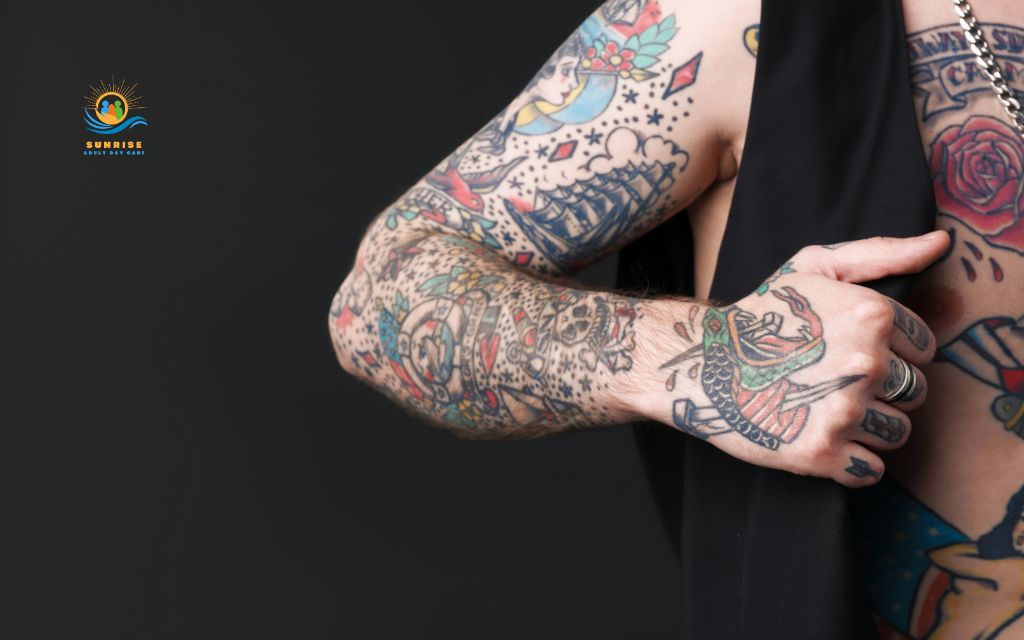
It is never too late to express who you are. For many people, a tattoo is far more than ink on skin, it is a living, permanent record of a life fully lived. Today, the image of an elderly person with tattoos is increasingly common, and for good reason. The generation that came of age in the 1960s, 1970s, and 1980s when tattooing first entered mainstream culture is now in their 60s, 70s, and 80s.
Many of these older tattooed adults began their ink journeys decades ago and have continued adding to their collections. Others are getting their very first tattoo in retirement, choosing to mark a new chapter with something permanent and personal.
If you or a loved one is thinking about getting a tattoo later in life, it is natural to have questions: “Is it safe at my age?” or “How will it look on aging skin?” This guide answers all of those questions honestly and compassionately.
We believe that self-expression, respect, and dignity belong at every stage of life, including inside care environments. Whether you are a senior exploring this idea for yourself or a family member supporting someone you love, you will find practical, accurate guidance here.
Are tattoos safe for older adults?
The short answer is yes – with proper preparation and medical clearance. Millions of tattooed elderly individuals live full, healthy lives with their ink intact.
However, older skin does present unique considerations that every senior should understand before sitting in a tattoo artist’s chair.
How aging skin affects tattoos
As we age, our skin undergoes significant changes. It becomes thinner, less elastic, and more prone to dryness. Collagen production slows down, which means the skin no longer “snaps back” the way it once did. These changes affect not only how a tattoo heals but also how it appears over time.
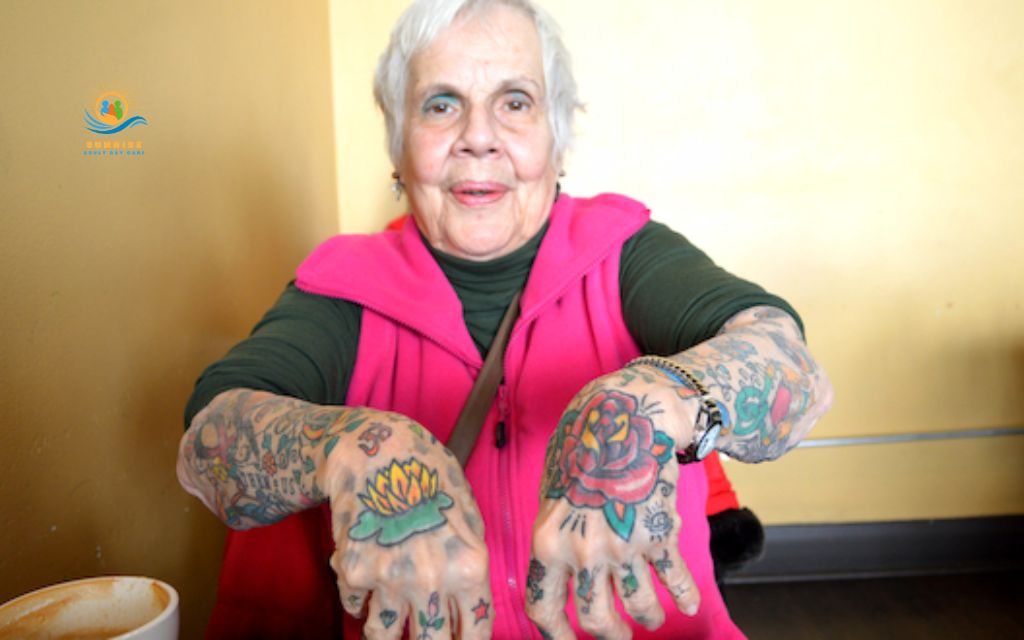
For people with old tattoos, these effects are already visible: lines may have softened, colors may have shifted, and some details may appear less crisp. This is completely normal and not a sign that something went wrong. Tattoos age naturally alongside the body, and while the visual sharpness may soften, the meaning never fades.
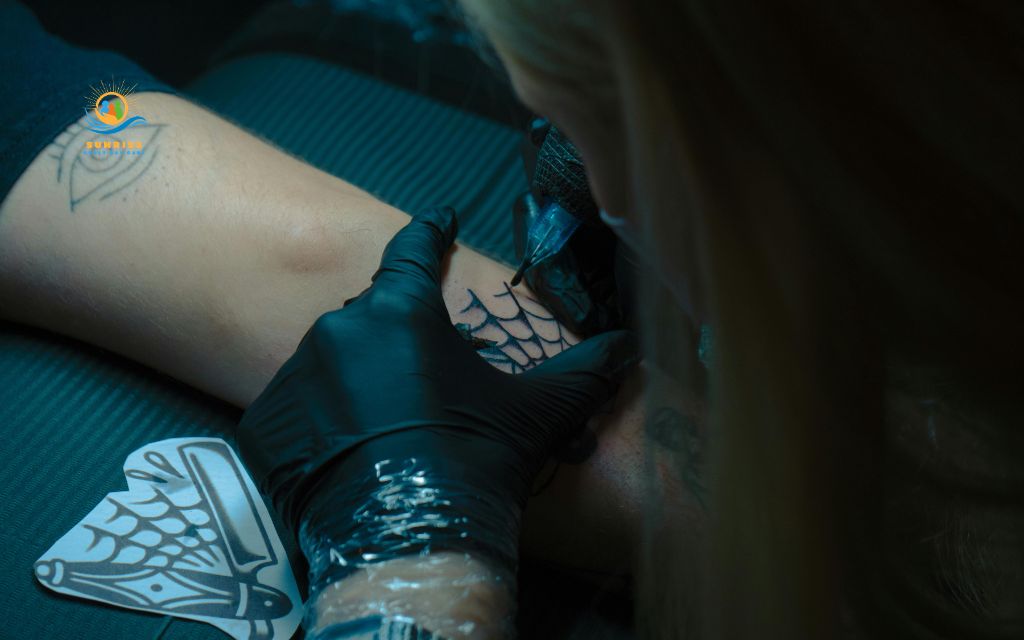
For seniors getting new tattoos, the tattooing process on aging skin requires a skilled, patient artist and realistic expectations.
Health considerations before getting a tattoo
Before any elderly person with tattoos in the making visits a studio, a conversation with a healthcare provider is essential. Several common health conditions can affect how safely and successfully a tattoo heals.
- Diabetes: Elevated blood sugar levels impair the body’s ability to heal wounds, increasing the risk of infection and prolonging recovery time.
- Cardiovascular conditions: Certain heart conditions and the medications used to treat them can affect circulation and bleeding.
- Immune system changes: Aging reduces immune efficiency, which can slow healing and raise the risk of complications.
- Skin conditions: Eczema, psoriasis, and similar conditions may make certain areas unsuitable for tattooing.
Medication and tattooing (what seniors should know)
Many older adults take one or more daily medications, and some of these can directly affect the tattooing process and healing. Understanding these interactions is critical for anyone in this age group considering new ink.
Here are the most common medication categories to be aware of:
- Blood thinners: These medications reduce the blood’s ability to clot, which means increased bleeding during and after the tattoo session.
- Diabetes medications: Drugs that regulate blood sugar also affect wound healing. Even well-controlled diabetes can extend recovery time and increase infection susceptibility.
- Corticosteroids: Long-term use of steroids can cause the skin to become thinner and more fragile, making it more vulnerable to tearing and slower to heal.
- Immunosuppressants: Used for autoimmune conditions or post-transplant care, these drugs reduce the immune response needed to fight off infection at the tattoo site.
Medical warning: NEVER stop or adjust your medication without consulting your doctor, even if you believe it will improve the tattoo experience. If your doctor advises against getting a tattoo due to your current medications or health status, please follow that guidance. Your safety comes first.
What do tattoos look like on older people?
The honest answer is that tattoos age naturally alongside the body.
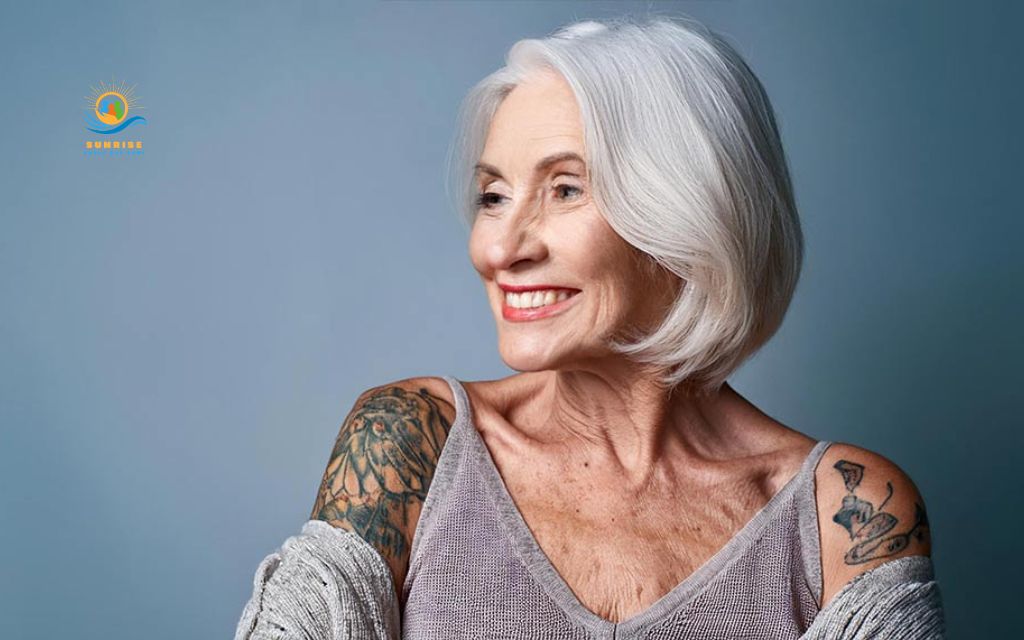
Tattoos on old people often show the same graceful evolution as the person wearing them. Lines that were once razor-sharp may soften. Bold blacks may mellow slightly. Colors may shift in tone over the decades. This is not failure, it is the natural life cycle of a tattoo.
What does not fade is meaning. An old person with old tattoos carries those designs as part of their personal history. The name of a spouse, the symbol of a faith, the memorial to a child or parent.
It is also worth noting that tattoos on elderly people often become remarkable conversation starters. They invite questions, spark memories, and give care providers, visitors, and family members a window into a rich life story.
Far from being an embarrassment, the tattoos of older adults frequently become some of their most treasured personal artifacts.
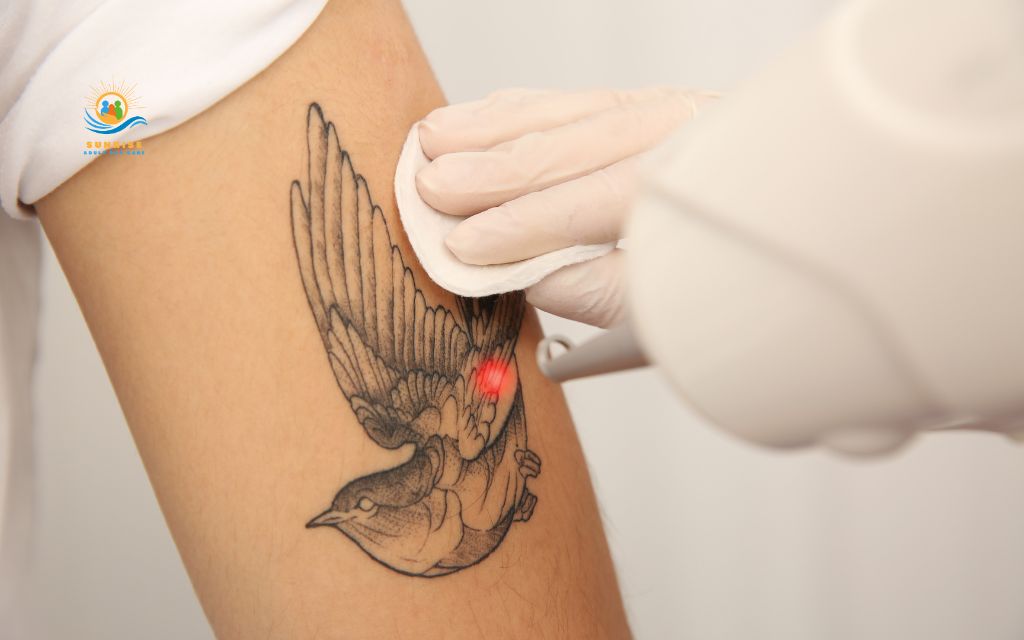
Why more seniors are getting tattoos
The number of older adults choosing to get tattoos has grown over the past two decades. This reflects something deeper about identity, freedom, and the desire to mark the milestones that matter most. Here are the most common reasons seniors are heading to the tattoo studio.
Celebrating life milestones
Retirement, surviving a serious illness, reaching a milestone birthday, or completing a lifelong goal – these are moments worth marking. Many seniors choose a tattoo as a permanent, personal celebration of something they have overcome or achieved. Unlike a certificate on a wall or a photo in an album, a tattoo travels with you everywhere.
Honoring loved ones
Memorial tattoos are among the most deeply meaningful choices older adults make. Names, dates, portraits, or symbolic images representing a deceased spouse, child, or lifelong friend offer a way to carry that person’s memory on the body. For many seniors, this kind of tribute feels more personal and lasting than any other form of remembrance.
Expressing identity and independence
For some seniors, getting a tattoo is a quiet act of defiance – a declaration that they are still themselves, still making their own choices, still not done becoming who they are. In a culture that can sometimes reduce older adults to their limitations, tattoos say something different: I am still here, still bold, still me.
Starting a new chapter after retirement
Retirement is one of life’s great transitions. It can feel liberating and disorienting in equal measure. Many people use this period to do things they always postponed – travel, learn new skills, or finally get that tattoo they’d been thinking about for 30 years. The studio visit becomes a ritual of reinvention.
How to choose the right tattoo for older skin
Not all tattoo designs age equally, and not all placements are equally kind to older skin. Making thoughtful choices before committing to a design can make a significant difference in how the tattoo looks immediately after healing and for years to come.
Choose simple, clean designs
Highly detailed artwork can be challenging even on young, supple skin. On older skin, which is thinner and less elastic, intricate detail is more likely to blur as the tattoo heals and ages.
Bold lines, clean shapes, and designs with breathing room between elements hold their integrity far better over time. Simplicity is not a compromise, it is a smart aesthetic choice.
Go slightly larger for clarity
This may seem counterintuitive, but tiny tattoos often age poorly regardless of the skin’s age. Small, delicate designs can lose definition quickly. A medium-sized design will remain readable and sharp far longer. Think of it as designing for the long game.
Select the right placement
Placement matters enormously when it comes to tattoos on elderly people. Areas with significant wrinkling, loose skin, or constant movement tend to distort designs over time. Highly wrinkled zones such as the hands, neck, and inner elbow are generally not ideal for new tattoos on older adults.
Better placement options for older skin include:
- Upper arms: Relatively stable, well-padded, and easy to cover or show as preferred.
- Shoulders: Good surface area with minimal distortion from movement.
- Calves: Often firmer than other areas and well-suited to bold, clean designs.
- Upper back: Large, stable surface that ages well for tattoo designs.
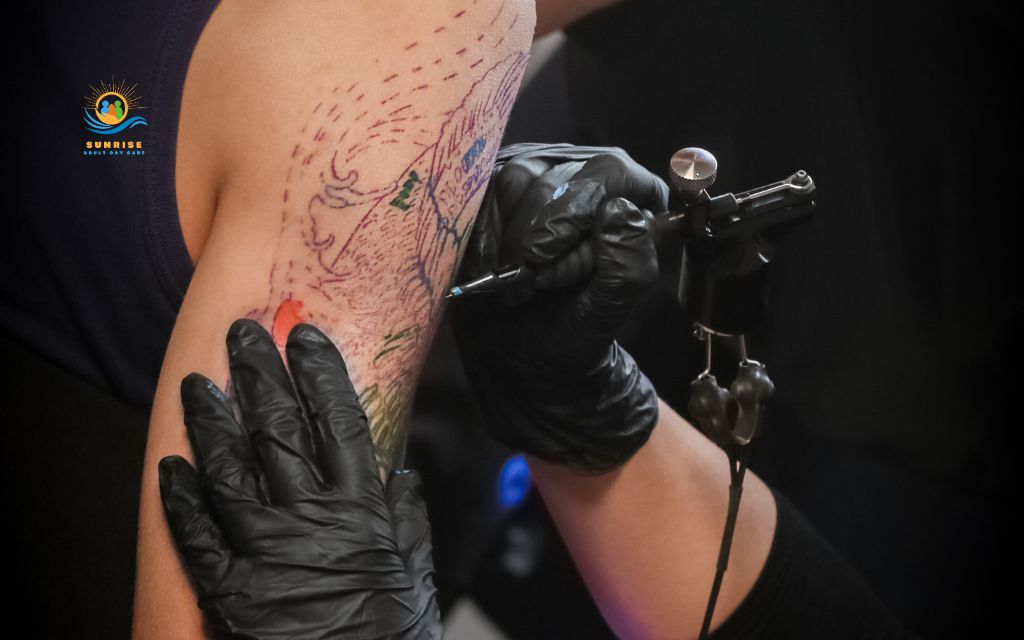
Work with an experienced tattoo artist
Not every tattoo artist has experience working with mature, aging skin. Older skin requires a lighter touch, a different approach to ink saturation, and an understanding of how the skin will respond to the needle.
When choosing a studio, ask specifically whether the artist has worked with older clients, and request to see healed examples of their work on mature skin. A skilled professional will welcome these questions and if they do not, that is important information.
Questions to ask:
- Have you worked with clients over 65 before?
- Can I see healed photos of tattoos on older skin?
- How do you adjust your technique for aging or thinner skin?
- What aftercare do you recommend for mature skin specifically?
- How long should I expect the healing process to take?
Popular tattoo designs for seniors
Personal meaning should always guide the choice of design, but certain styles and motifs are particularly well-suited to aging skin because of their simplicity, boldness, and emotional resonance. Here are some of the most popular tattoo choices among older adults:
- Floral designs: Roses, lotus blossoms, sunflowers, and other botanicals translate beautifully to clean, bold line work that holds up well over time. They can be done in black and gray or in color, depending on preference.
- Names or dates of loved ones: Classic, timeless, and deeply personal. Block lettering or clean script in a moderate size will age far better than tiny, delicate fonts.
- Spiritual or religious symbols: Crosses, angels, Stars of David, the Om symbol, and other faith-based imagery often reflect lifelong beliefs and carry profound meaning.
- Minimalist line art: Simple outlines, silhouettes, and abstract forms have a clean, modern quality that holds its integrity well over time.
- Short meaningful quotes: A few words (a family motto, a line of poetry, a phrase that has guided a life) rendered in clean typography can make for a powerful and lasting tattoo.
Inspiring photos of elderly people with tattoos
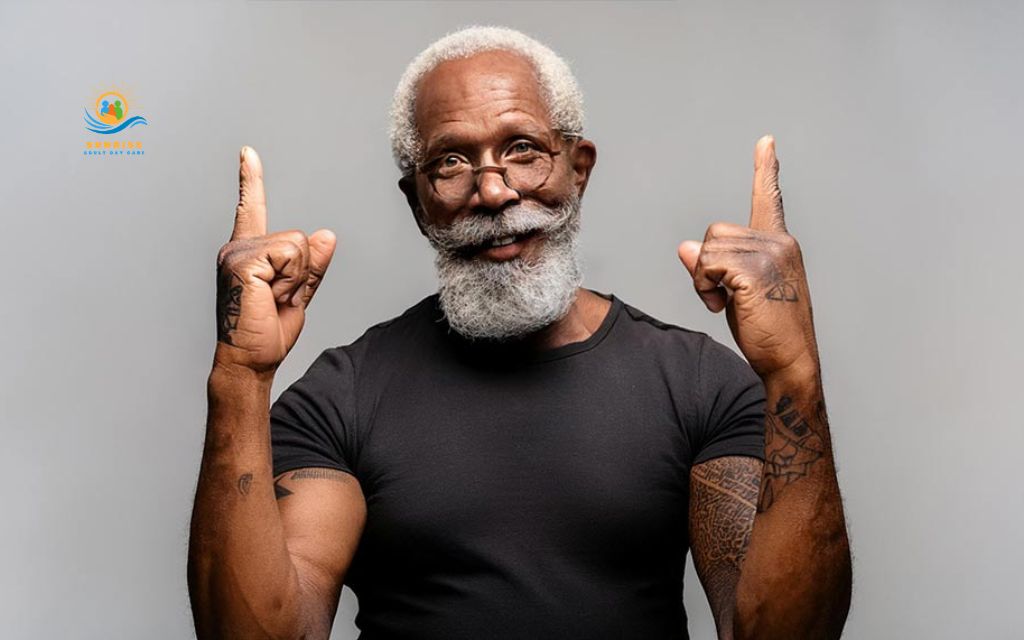
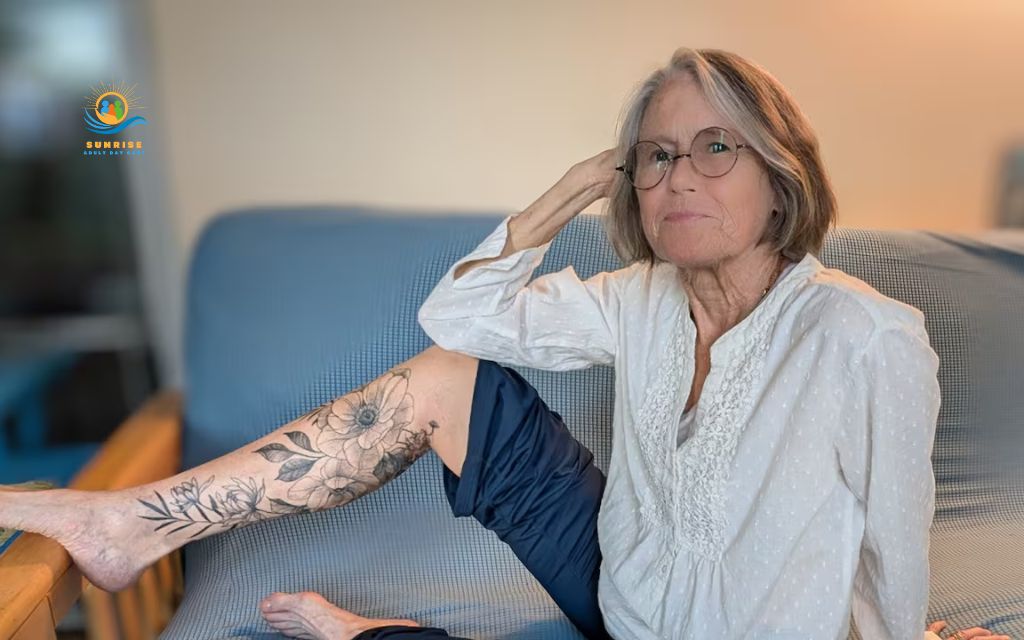
One of the most powerful things you can do before making this decision is look at photographs of real older adults with tattoos. The internet is full of stunning, joyful, images of tattooed elderly individuals and they tell a story that no amount of words can fully capture.
Tattoo care for aging skin
The care you give your tattoo – before, during, and long after healing – plays a major role in how it looks and how comfortably it heals. Aging skin requires extra attention at every stage.
Before getting a tattoo
Preparation can make a meaningful difference in how well your skin accepts and holds ink. In the weeks before your appointment:
- Keep your skin well-hydrated. Drink plenty of water and use a fragrance-free moisturizer daily on the area you plan to have tattooed. Well-hydrated skin is more supple, accepts ink more evenly, and tends to heal more smoothly.
- Avoid alcohol and caffeine for at least 24 hours before your appointment. Both can thin the blood and dehydrate the skin, increasing bleeding and affecting how ink settles.
- Eat a nutritious meal before your session. Tattooing can be physically taxing, and stable blood sugar helps you stay comfortable and alert throughout.
- Wear comfortable, loose clothing that allows easy access to the area being tattooed without putting pressure on it afterward.
Aftercare essentials
The first 2 – 4 weeks after getting a tattoo are the most critical for healing. Follow your artist’s specific aftercare instructions, but general best practices include:
- Keep the area clean. Gently wash the tattoo two to three times daily with a fragrance-free, antimicrobial soap. Pat dry, never rub.
- Avoid direct sun exposure on the fresh tattoo. UV rays damage healing skin and can significantly affect how colors set and last.
- Apply a gentle, recommended moisturizer – such as a fragrance-free, preservative-free lotion or a tattoo-specific aftercare product – to keep the skin from drying out and cracking.
- Do not pick, scratch, or peel any flaking skin. This is part of the normal healing process and interfering with it can pull ink from the skin.
- Avoid soaking the tattoo in baths, pools, or hot tubs until it is fully healed.
Long-term tattoo care
Once a tattoo is fully healed, ongoing care keeps it looking its best for years. For older tattooed people, consistent skin care is especially important because aging skin is more prone to dryness and UV damage.
- Moisturize daily. A good quality, fragrance-free lotion applied consistently keeps the skin supple and helps maintain ink vibrancy over time.
- Use sunscreen. UV exposure is the single biggest enemy of tattoo longevity. Applying a broad-spectrum SPF 30 or higher sunscreen to tattooed areas whenever they are exposed to sunlight dramatically slows fading.
- Monitor the site for any unusual changes – persistent itching, raised areas, or changes in appearance should be evaluated by a healthcare provider. This is important for older adults, who may be more susceptible to inflammatory skin conditions.
Tattoos and respect in senior care settings
One of the most meaningful shifts in modern senior care is the growing emphasis on person-centered approaches. In this context, the presence of an elderly person with tattoos is not a complication. It is an invitation to understand that person more deeply.
Tattoos do not define the quality of care someone receives, and no older adult should ever feel that their appearance will affect how they are treated by care staff.
In a well-run adult day program or senior care environment, trained professionals understand that tattoos can represent:
- Military service and the bonds formed during it
- Cultural or ethnic identity and heritage
- Memorial tributes to loved ones who have passed
- Milestones of survival – illness overcome, addiction conquered, grief transformed
- Simply a lifelong love of art and self-expression
If you are researching adult day programs for yourself or a loved one, it is entirely appropriate to ask how the program approaches personal identity, self-expression, and individuality. The answer will tell you a great deal about the culture of care.
Sunrise Adult Daycare – Care That Honors the Whole Person
At Sunrise Adult Daycare, we believe that every older adult deserves to be seen, respected, and supported. Our programa diurno in Denver, CO, offers structured daily activities, health monitoring, social connection, and compassionate support in an environment that celebrates individual identity.
Whether your loved one is an old tattooed person with decades of stories to share or a senior exploring who they are in a new chapter of life, they will find a welcoming, dignity-first community at Sunrise.
- Schedule a visit: Call us at 303-226-6882
- Address: 2500 S. Sheridan Blvd, Denver, CO
Conclusión
Self-expression has no expiration date. A tattoo earned at 70 carries just as much meaning as one gotten at 20. The story it tells is richer, the choice more deliberate, the permanence more fully understood.
If you or someone you love is an elderly person with tattoos, or is considering becoming one, the most important things to carry forward from this guide are these: prepare carefully, get medical clearance, choose a skilled artist, follow aftercare diligently, and find care environments that will honor the whole person.
Tattoos are not a limitation. They are not a problem to be managed. They are part of a person’s story, and every story deserves to be told with dignity.
Preguntas frecuentes (FAQ)
Can you get a tattoo at 60, 70, or older?
Absolutely. There is no medical or legal age limit on getting a tattoo for adults. Many people get their first tattoo in their 60s, 70s, or even 80s and are delighted with the results. The most important steps are getting clearance from your doctor, choosing an experienced artist who has worked with older clients, and selecting a design and placement suited to mature skin.
Do tattoos fade faster on older skin?
Aging skin does experience natural changes – reduced elasticity, thinner layers, and decreased moisture retention – that can affect how a tattoo ages over time. However, “faster fading” is relative. With proper aftercare and consistent sun protection, tattoos on older skin can hold their color and clarity very well. Choosing bolder designs with clean lines also helps significantly.
Are tattoos safe with medications?
Many common medications taken by older adults (including blood thinners, diabetes drugs, corticosteroids, and immunosuppressants) can affect the tattooing process and healing. This makes a pre-appointment conversation with your physician essential. Your doctor can advise whether any temporary medication adjustments are appropriate or whether any conditions make tattooing inadvisable. Never modify your medication regimen without medical guidance.
How long does healing take?
For most adults, the surface of a tattoo heals within two to four weeks. Full healing at the deeper skin layers can take two to four months. For older adults healing may take somewhat longer. Follow your artist’s aftercare instructions carefully, keep the area moisturized and protected from the sun, and contact your healthcare provider if you notice any signs of infection.
Can caregivers help with aftercare?
Yes, and many do. For seniors in adult day programs or receiving in-home care, a caregiver can assist with cleaning the tattoo site, applying recommended moisturizer, and monitoring for any signs of irritation or infection. It is important to communicate clearly with care staff about aftercare instructions and to make sure the tattoo area is included in any regular skin assessments. A good care team will treat this responsibility with the same professionalism they bring to all other aspects of personal care.