
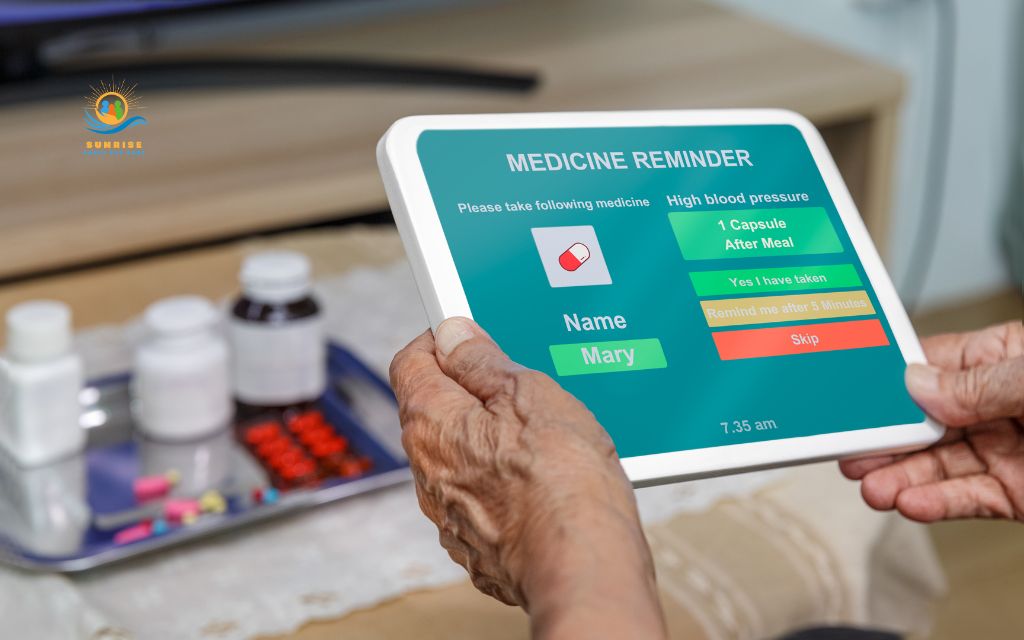
Cuando un ser querido padece demencia, incluso las pequeñas tareas cotidianas pueden resultar abrumadoras. Los cuidadores suelen tener que lidiar al mismo tiempo con medicamentos, citas médicas, cambios de humor y preocupaciones por la seguridad, mientras que la persona mayor a la que atienden puede sentirse ansiosa o confundida ante los cambios en la rutina. En momentos como estos, la tecnología adecuada puede facilitar un poco la vida a todos los involucrados.
Muchas familias descubren que una aplicación para la demencia puede facilitarles el día a día, ya sea recordándole amablemente a un padre que se tome la medicación, proponiendo una actividad relajante por la tarde o ayudando a un hijo o una hija a coordinar los cuidados desde el otro lado de la ciudad.
Estas herramientas no sustituyen a los cuidados humanos y compasivos, pero pueden aliviar considerablemente la carga de los cuidadores y estimular la participación de las personas que padecen pérdida de memoria.
Cómo pueden ayudar las aplicaciones para la demencia a las personas mayores y a sus cuidadores
Una buena aplicación para la demencia no intenta abarcarlo todo. En cambio, se centra en uno o dos problemas de la vida cotidiana a los que se enfrentan las familias cada día. A continuación se enumeran las formas más comunes en que estas aplicaciones pueden ayudar.
Ayuda con las rutinas diarias
Las personas que viven con demencia suelen sentirse más tranquilas cuando su día sigue un ritmo familiar. Las aplicaciones pueden ayudar a mantener ese ritmo de forma discreta mediante señales para despertarse por la mañana, recordatorios para las comidas, descansos programados y avisos para irse a dormir. Al repetir las mismas señales suaves cada día, una aplicación para la demencia puede reducir la confusión y ayudar a un padre o a un cónyuge a sentirse más en control de su propio tiempo.
Fomentar la participación cognitiva
Las aplicaciones de entrenamiento mental y de recuerdos ofrecen actividades mentales ligeras y divertidas, como juegos de emparejar, curiosidades, rompecabezas y cuestionarios temáticos. El objetivo es la participación y la diversión, no ‘curar’ nada. Si se realizan en sesiones breves y agradables, estas actividades pueden dar pie a conversaciones, sonrisas y una reconfortante sensación de logro.
Ayuda con los recordatorios de medicamentos
Olvidar o duplicar las dosis supone un riesgo real para la seguridad en el cuidado de personas con demencia. Las aplicaciones de recordatorio de medicamentos envían alertas claras en el momento adecuado, registran cuándo se tomó una pastilla y pueden notificar al cuidador familiar si se omite una dosis. Para las familias que deben gestionar horarios complejos, esta suele ser la función más útil que puede ofrecer la tecnología. Además, reduce la preocupación de los cuidadores, especialmente en el caso de quienes atienden a un padre o una madre desde otro hogar.
Reducir el estrés de los cuidadores
El agotamiento de los cuidadores es algo habitual. Los cuidadores familiares suelen sufrir una gran carga emocional y física. Las aplicaciones para cuidadores de personas con Alzheimer y las aplicaciones para cuidadores de personas con demencia pueden ser de gran ayuda, ya que permiten centralizar las notas, compartir información con los hermanos, llevar un registro de los cambios de estado de ánimo o de comportamiento y guardar los contactos médicos importantes en un solo lugar.
Mejorar la comunicación y la conexión
Las aplicaciones de comunicación simplificadas facilitan a las personas mayores ver rostros conocidos, escuchar las voces de sus seres queridos y mantenerse en contacto con sus nietos y amigos. Para quienes se encuentran en las primeras etapas de la demencia, una videollamada rápida puede ser uno de los momentos más destacados del día. Para los cuidadores, las herramientas de mensajería grupal permiten compartir novedades con toda la familia sin tener que repetir la misma historia una y otra vez.

¿Qué hace que una aplicación para la demencia sea buena?
No todas las aplicaciones populares son adecuadas para las personas que padecen pérdida de memoria. Al elegir una aplicación para la demencia, busca diseños que reduzcan la confusión, respeten la dignidad y minimicen la frustración.
Diseño sencillo y fácil de usar
Las mejores aplicaciones para personas mayores con demencia tienen un único objetivo claro en cada pantalla. No deben tener menús ocultos, ventanas emergentes inesperadas ni pasos de configuración complicados. Si tu ser querido no logra entender la función principal en uno o dos minutos, es probable que la aplicación sea demasiado compleja. Las herramientas más sencillas son más fáciles de usar día tras día.
Botones grandes e instrucciones claras
Los elementos táctiles deben ser de tamaño generoso, el texto debe ser legible a una distancia de un brazo y las instrucciones deben redactarse en un lenguaje sencillo. Los colores de alto contraste ayudan a los usuarios con baja visión, y un estilo visual tranquilo contribuye a evitar la sobreestimulación. Muchas aplicaciones eficaces adaptadas a personas con demencia también incluyen breves tutoriales en audio o vídeo para los usuarios que las utilizan por primera vez.
Una experiencia de usuario tranquila y sin estrés
Las animaciones con luces intermitentes, los efectos de sonido fuertes y los retos cronometrados pueden resultar estresantes para alguien que sufre cambios cognitivos. Busca aplicaciones que utilicen colores suaves, sonidos agradables y una mecánica de juego tolerante que no penalice las respuestas incorrectas. Las actividades en las que no se puede ‘fallar’ animan a la persona a seguir disfrutando de la aplicación, en lugar de sentirse evaluada o avergonzada.
Funciones pensadas para los cuidadores
Las aplicaciones más completas para cuidadores de personas con demencia suelen incluir paneles de control compartidos, cuentas de usuario múltiples, informes exportables o registros sencillos de síntomas. Algunas están diseñadas para detectar los primeros síntomas de la demencia o para hacer un seguimiento de los síntomas a lo largo del tiempo, lo que puede resultar útil a la hora de prepararse para una consulta médica. Una breve lista de verificación de una aplicación de seguimiento de los primeros síntomas de la demencia ofrece a los médicos información concreta que revisar.
Las 19 mejores aplicaciones para pacientes con demencia que realmente ayudan
A continuación se presenta una lista seleccionada de aplicaciones conocidas adaptadas a las personas con demencia, agrupadas a grandes rasgos por finalidad: recordatorios, estimulación cognitiva, actividades relajantes, música y recuerdos, comunicación y coordinación de los cuidadores.
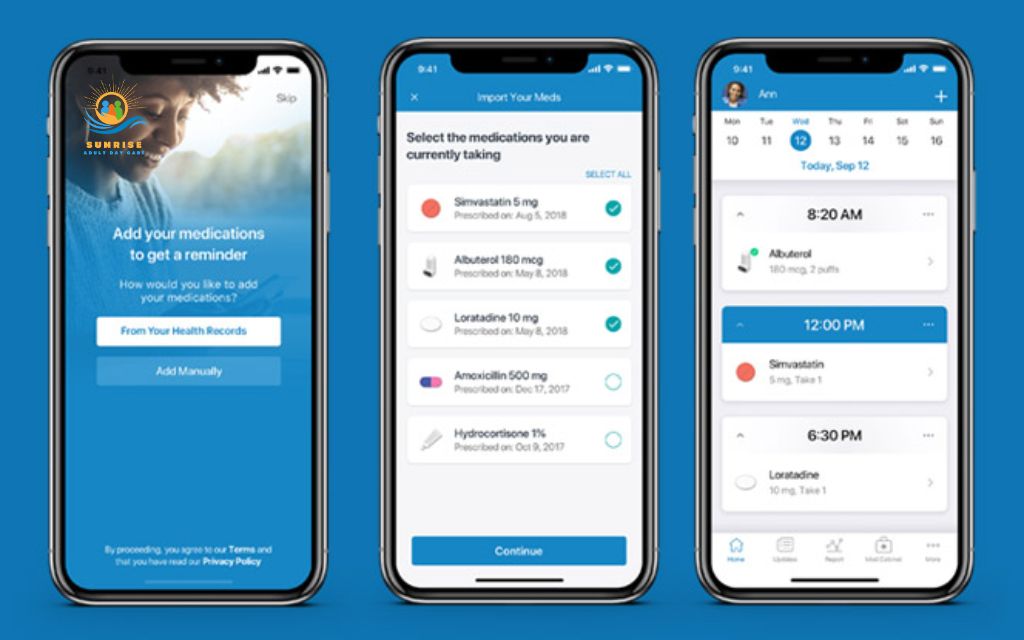
1. Medisafe
Medisafe es una de las aplicaciones de recordatorio de medicamentos más utilizadas. Ofrece alertas claras a las horas programadas, registro de dosis y la posibilidad de notificar a un cuidador familiar cuando se omite una dosis o se marca como tomada. Para las familias que deben gestionar múltiples recetas, el organizador visual de pastillas resulta especialmente útil. Su uso es gratuito, con funciones premium opcionales.
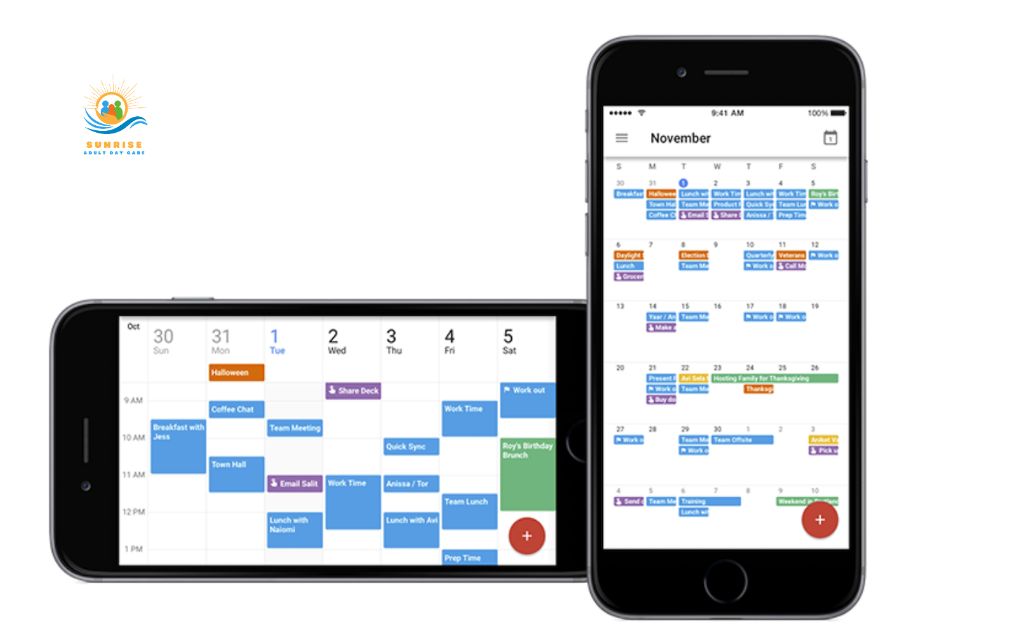
2. Google Calendar o aplicaciones de recordatorios
Las herramientas integradas de calendario y recordatorios en los dispositivos Android e iOS suelen pasarse por alto, pero pueden servir de apoyo discreto en el día a día de una persona mayor. Los cuidadores pueden añadir citas, horarios de medicación, recordatorios de comidas y cumpleaños de familiares. Como estas herramientas vienen preinstaladas, no hay que aprender nada nuevo ni descargar nada, lo que las convierte en un punto de partida sencillo.
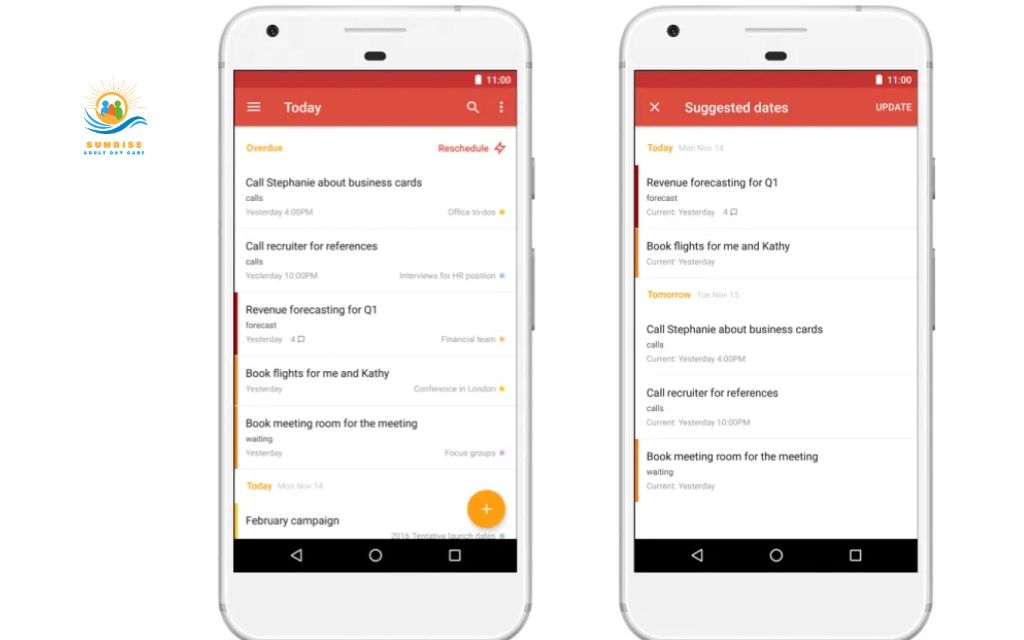
3. Todoist
Todoist es una aplicación de gestión de tareas sencilla y con un diseño limpio, ideal para cuidadores que coordinan a varios hermanos o que cuentan con ayuda remunerada. Las listas se pueden compartir, las tareas pueden repetirse a diario o semanalmente, y las rutinas recurrentes, como ‘dar un paseo después de comer’ o ‘llamar a mamá a las 7 de la tarde’, se mantienen siempre a la vista. Las personas mayores en etapas tempranas también pueden usarla por sí mismas con el apoyo de un cuidador.
4. Emergencias relacionadas con la demencia
Dementia Emergency está diseñada para ayudar a las familias a prepararse para situaciones inesperadas. Permite a los cuidadores guardar en un solo lugar datos médicos importantes, contactos de emergencia y preferencias de atención, listos para compartirlos con los servicios de emergencia o con otros cuidadores en caso de necesidad. Tener esta información organizada de antemano puede aliviar la ansiedad de todas las personas involucradas.
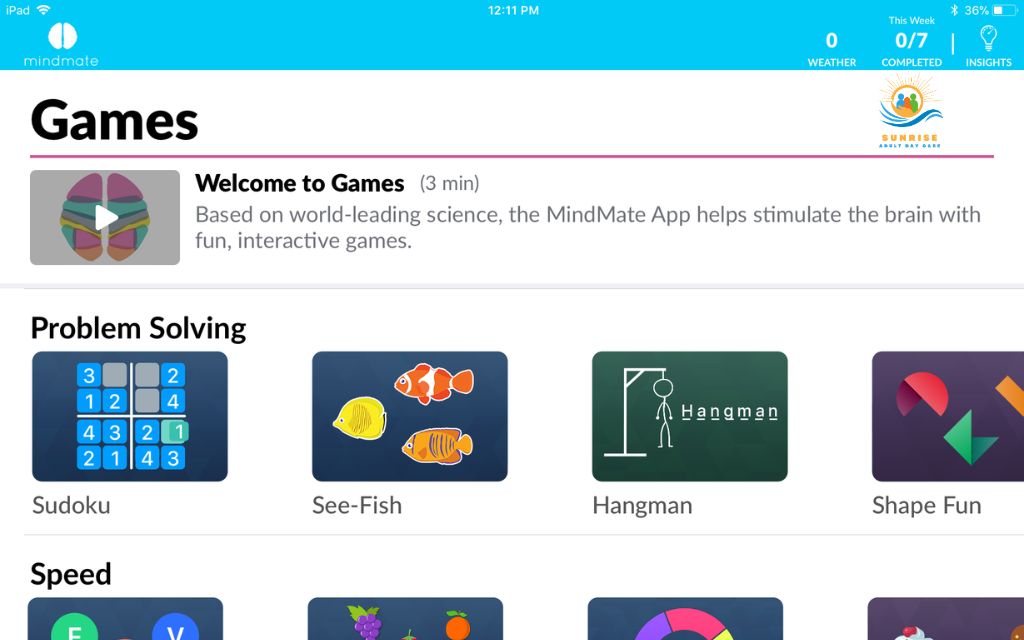
5. MindMate
MindMate es una de las aplicaciones para la demencia más populares, que ofrece juegos mentales, consejos de bienestar, sugerencias de ejercicio suave y actividades para la memoria adaptadas a las personas mayores. La interfaz es tranquila y fácil de navegar. Las actividades están diseñadas para ser divertidas, en lugar de suponer un reto estresante, que es exactamente lo que recomiendan los expertos para estimular la actividad cognitiva.
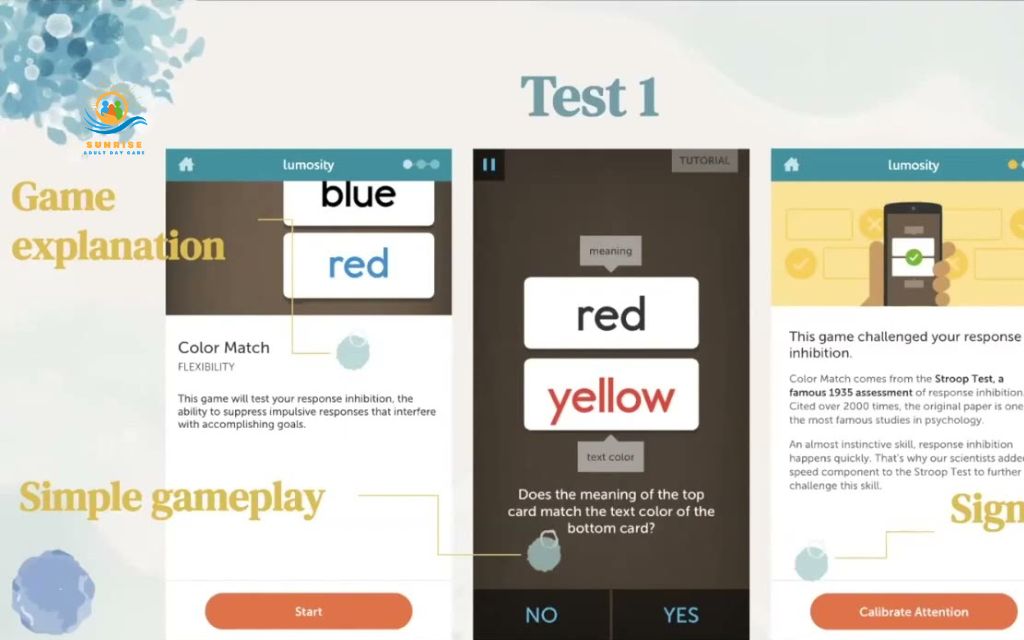
6. Lumosity
Lumosity ofrece juegos breves y variados de entrenamiento mental que abarcan la memoria, la atención, el lenguaje y la resolución de problemas. Aunque no se trata de un tratamiento médico, algunas personas mayores en las primeras etapas disfrutan de las sesiones diarias estructuradas. Los cuidadores deben revisar los juegos previamente para asegurarse de que la velocidad y la dificultad resulten cómodas y no frustrantes.
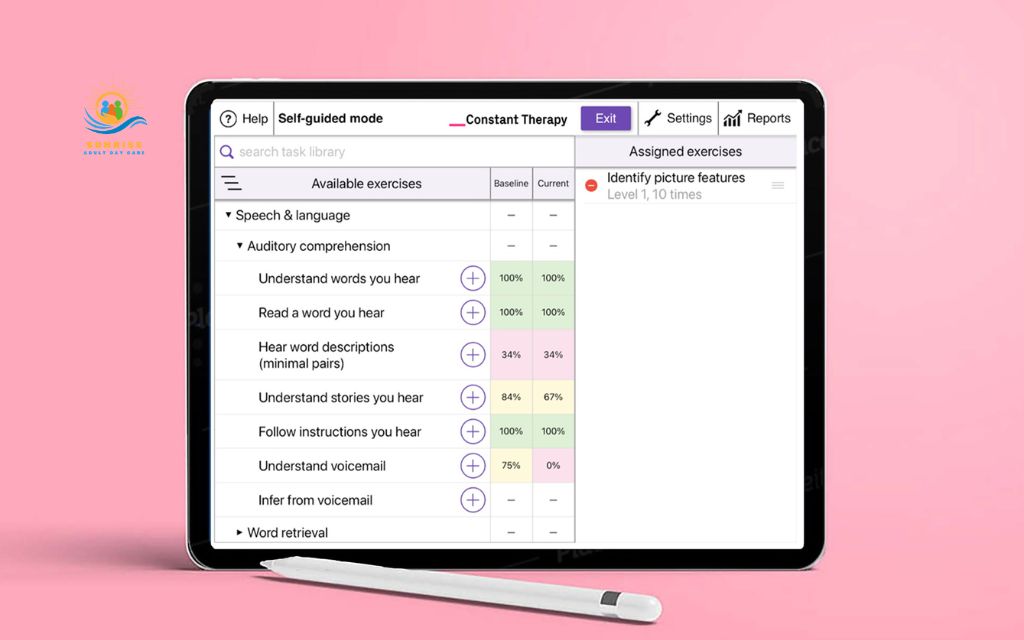
7. Terapia constante
Constant Therapy se desarrolló originalmente para personas en recuperación tras un accidente cerebrovascular o una lesión cerebral, pero también se utiliza como apoyo para la memoria y la comunicación. Ofrece ejercicios diseñados por terapeutas en las áreas del habla, el lenguaje, la lectura y la cognición. Por lo general, los usuarios colaboran con su profesional de la salud para establecer un programa adecuado.
8. AmuseIT
AmuseIT es una aplicación de preguntas y respuestas diseñada especialmente para personas mayores y pacientes con demencia. Utiliza preguntas basadas en imágenes con temas familiares, como animales, comida y objetos cotidianos, lo que hace que la experiencia sea agradable y coloquial. Es ideal como actividad compartida entre un cuidador y su ser querido.
9. Memory Lane Games
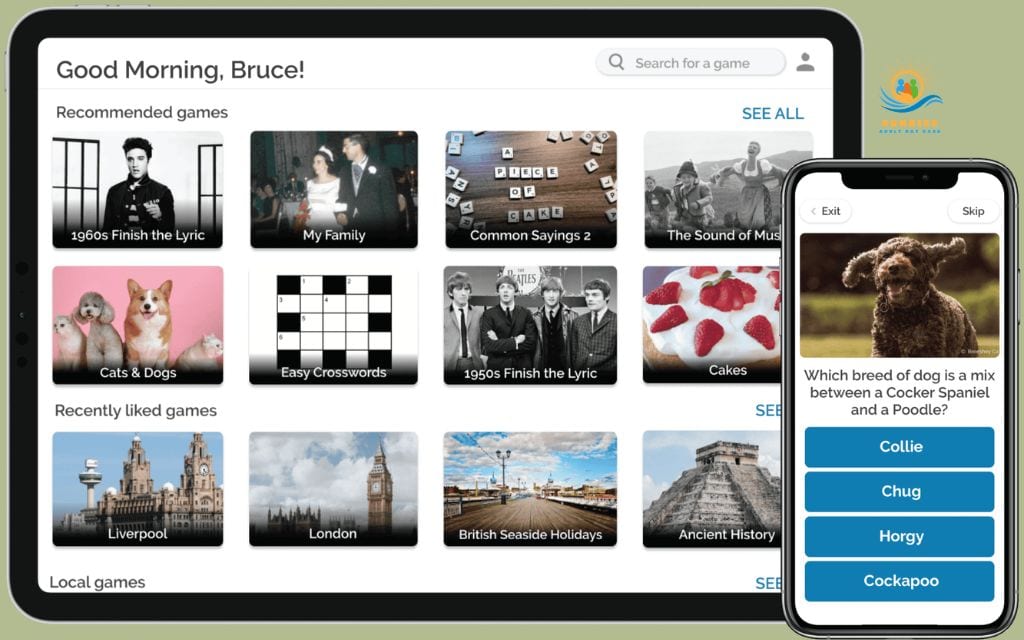
Memory Lane Games ofrece una colección de juegos sencillos y temáticos diseñados específicamente para personas con demencia. Los juegos se centran en temas familiares —autos antiguos, películas clásicas, objetos domésticos de décadas pasadas— y están pensados para fomentar la conversación, los recuerdos y la conexión emocional, más que para poner a prueba al jugador.
10. Greymatters
Greymatters es una aplicación personalizada que integra la historia de vida, la música y las fotos familiares de una persona en actividades interactivas. Dado que el contenido refleja la propia historia del usuario, puede dar lugar a una participación significativa y a conversaciones amenas. A menudo se utiliza con la participación de los cuidadores para enriquecer la experiencia.

11. ¡Manos a la obra! Cerámica
¡Manos a la obra! Pottery es una relajante aplicación de simulación de alfarería en la que los usuarios moldean, pintan y admiran vasijas virtuales. Los movimientos son fluidos y fáciles de controlar, los sonidos son suaves y no hay presión de tiempo. Muchos cuidadores consideran que es una actividad creativa y tranquilizadora ideal para las tardes en las que los niños están inquietos.

12. Jardín de flores
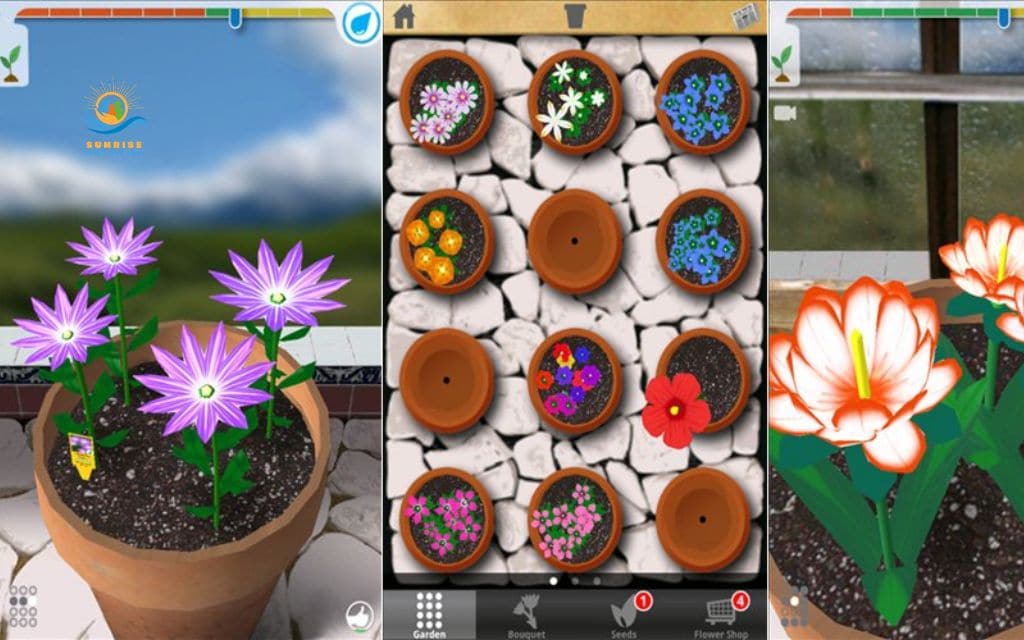
Flower Garden es un juego de simulación de jardinería de ritmo pausado en el que los usuarios plantan semillas, las riegan y ven cómo florecen con el paso del tiempo. Su ritmo pausado y sus relajantes imágenes lo convierten en una opción ideal para la estimulación sensorial y los momentos de tranquilidad. A algunas personas mayores les gusta ‘enviar’ ramos virtuales a sus familiares a través de la aplicación.
13. Mi arrecife en 3D
My Reef 3D es una aplicación interactiva de acuario virtual. Los usuarios pueden añadir peces, alimentarlos y verlos nadar por coloridos escenarios submarinos. Para las personas mayores a quienes les relajan las peceras reales, esta puede ser una alternativa portátil que favorece la estimulación sensorial y la reducción del estrés.

14. SingFit
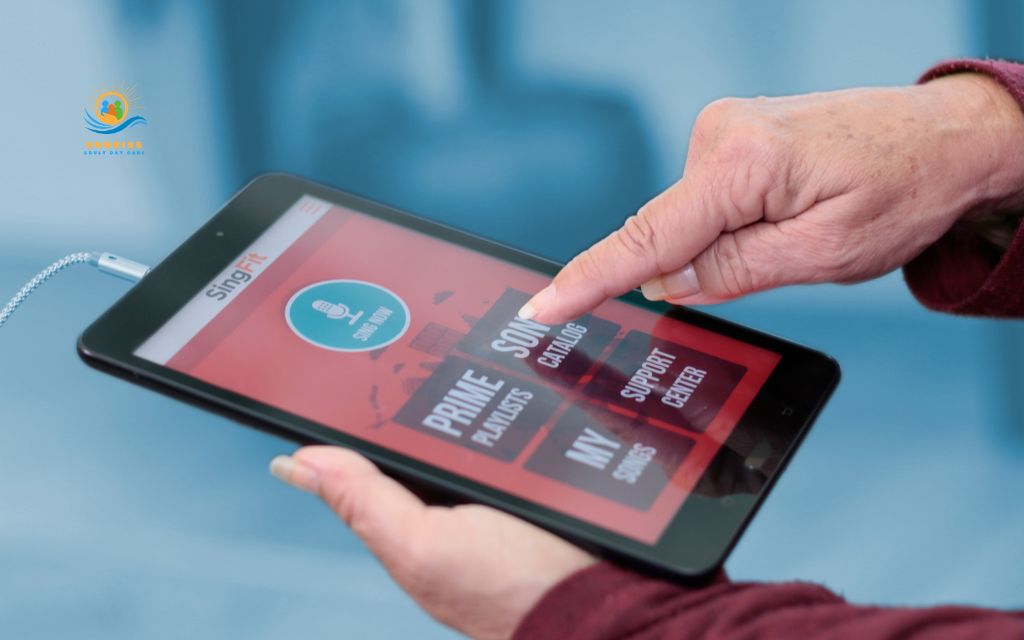
SingFit utiliza música conocida y sesiones guiadas de canto en grupo para estimular la recuperación de la memoria, mejorar el estado de ánimo y fomentar la participación emocional. La música es una de las últimas cosas que el cerebro olvida, y muchas personas con demencia reaccionan muy positivamente a las canciones de su juventud. Las versiones grupales de SingFit también se utilizan en entornos de atención.
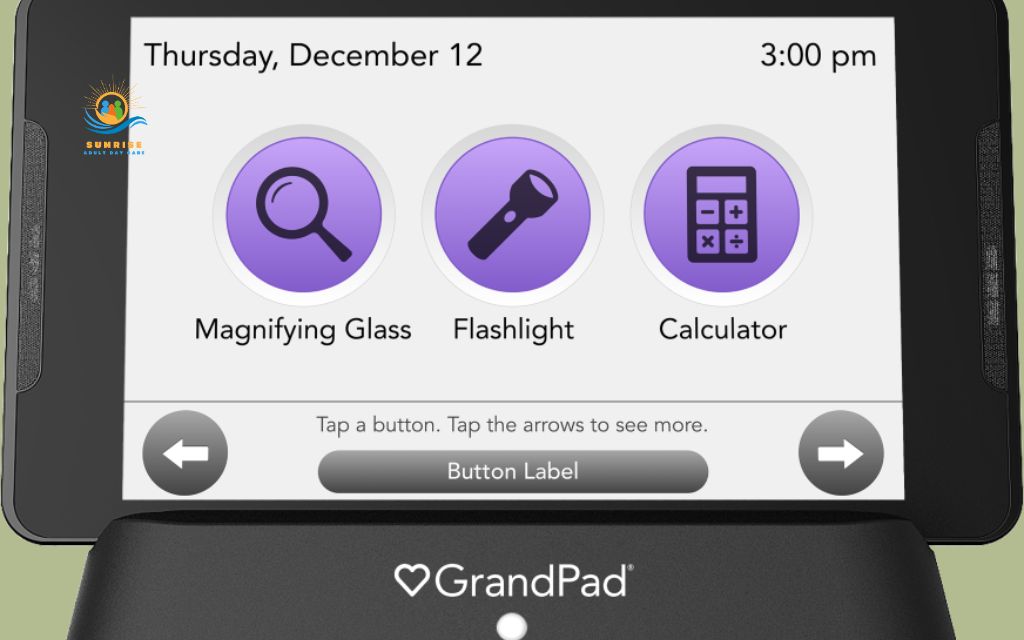
15. GrandPad
GrandPad es una tableta pensada para personas mayores con una interfaz simplificada que incluye videollamadas, fotos, música, juegos y noticias. Aunque requiere un dispositivo propio y una suscripción, las familias consideran que su diseño optimizado elimina gran parte de la frustración que suelen generar las tabletas de uso general.
16. WhatsApp o FaceTime
WhatsApp y FaceTime siguen siendo dos de las formas más sencillas que tienen las familias para mantenerse en contacto a través de videollamadas y llamadas de voz. Para las personas mayores que se encuentran en las primeras etapas de la demencia, poder ver un rostro familiar con solo pulsar un botón puede resultar muy reconfortante. Los cuidadores pueden configurar favoritos o contactos para que la experiencia de llamar sea lo más sencilla posible.

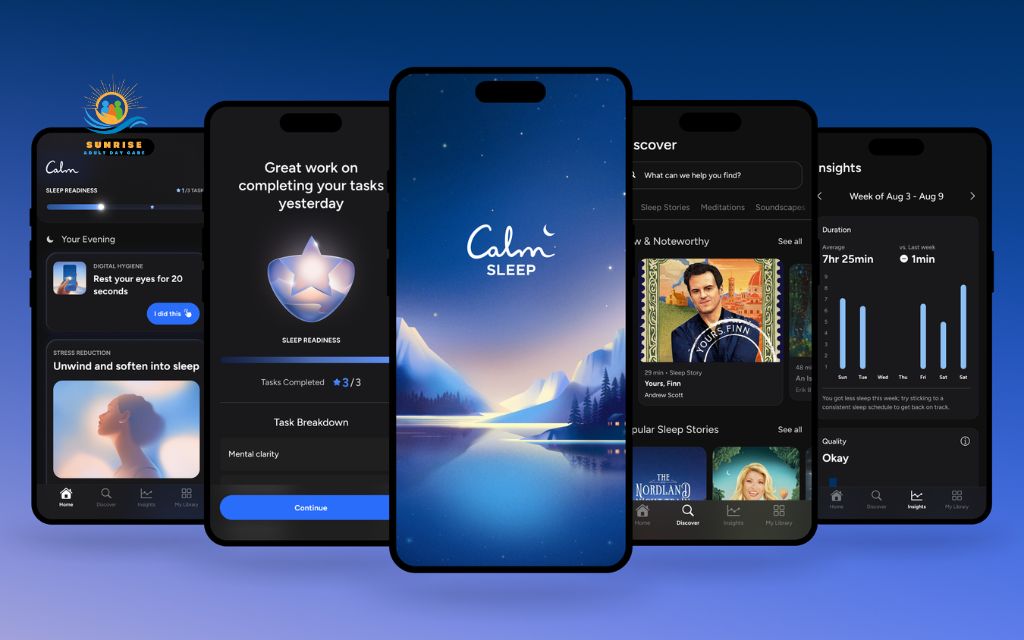
17. Tranquilidad
Calm ofrece sesiones de relajación guiadas, ejercicios de respiración, cuentos para dormir y paisajes sonoros relajantes. Aunque no está diseñada específicamente para la demencia, muchas de sus funciones relajantes pueden ayudar a aliviar la inquietud, el síndrome del atardecer o los problemas para dormir. Los cuidadores suelen utilizarla ellos mismos para controlar su propio estrés, lo cual es igual de importante.
18. Spotify o aplicaciones de música
Spotify, Apple Music y otras aplicaciones similares facilitan la creación de listas de reproducción personalizadas con canciones de tus épocas y géneros favoritos. La música puede levantar el ánimo, animar a moverse suavemente y traer recuerdos vinculados a canciones concretas. Crear juntos una lista de reproducción de ‘favoritos’ puede convertirse en un ritual significativo dentro del cuidado de un ser querido.

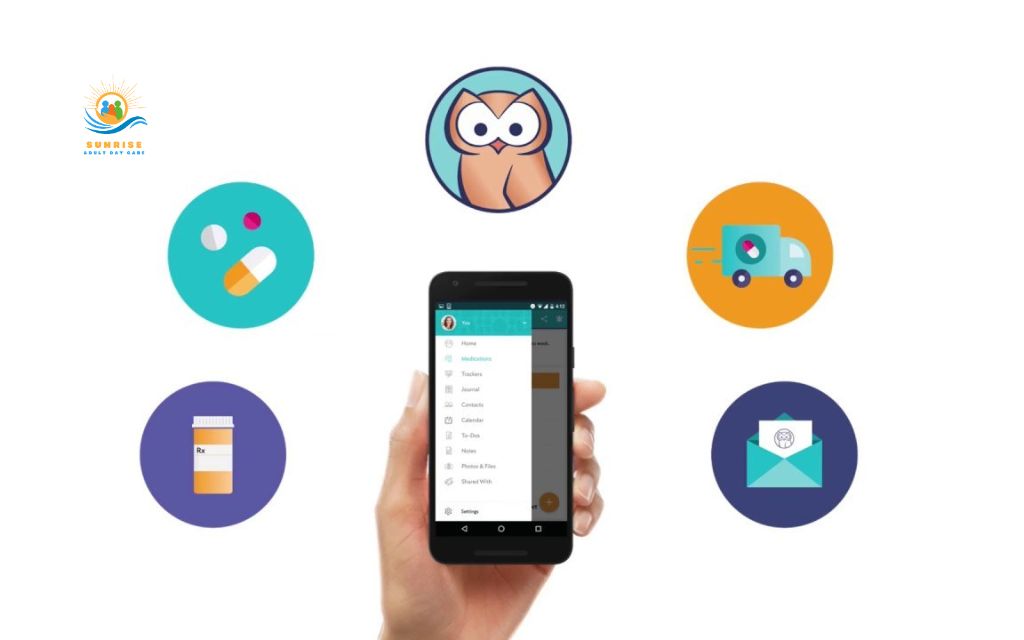
19. CareZone
CareZone es una aplicación diseñada para cuidadores que ayuda a las familias a llevar un registro de medicamentos, notas, contactos, anotaciones y documentos importantes, todo en un solo lugar. Resulta útil cuando varios miembros de la familia comparten las responsabilidades del cuidado o al prepararse para citas médicas. Muchos cuidadores la consideran un pilar fundamental, aunque discreto, de su rutina diaria.
Consejos para enseñar a las personas mayores con demencia a usar aplicaciones
Incluso la mejor aplicación fracasará si se presenta de manera incorrecta. Aborde las nuevas tecnologías con paciencia, curiosidad y respeto por el ritmo de su ser querido. El objetivo es aportar comodidad y alegría al día a día.
Que la tecnología sea sencilla
Empieza con una aplicación a la vez. Fíjala en la pantalla de inicio, oculta otras distracciones y considera la posibilidad de usar una tableta con funda protectora y soporte. Si el dispositivo solicita actualizaciones, contraseñas o permisos, ocúpate de ello discretamente con antelación para que tu ser querido solo vea la actividad en sí.
Utiliza fotos y sonidos que te resulten familiares
Cuando una aplicación permita personalizarla, por ejemplo, añadiendo fotos de la familia, imágenes de tu ciudad natal o tu música favorita, tómate el tiempo necesario para configurarla. El contenido familiar convierte una actividad genérica en algo profundamente personal y, a menudo, genera una implicación mucho mayor que la configuración predeterminada.
Evita las funciones demasiado complicadas
Muchas aplicaciones incluyen ajustes, logros y funciones sociales integradas. En el cuidado de personas con demencia, por lo general, menos es más. Desactiva las notificaciones, oculta las tablas de clasificación y limítate a una o dos actividades principales a la vez. Si alguna función confunde o altera a tu ser querido, simplemente no la utilices.
Practiquen juntos con paciencia
Siéntate junto a tu ser querido las primeras veces que utilice una aplicación nueva. Háblale con calma, explícale lo que está pasando y deja que toque y explore a su propio ritmo. Si se frustra, guarda la aplicación con delicadeza y vuelve a intentarlo otro día. La repetición y la compañía tranquila le ayudarán a sentirse más cómodo con el tiempo.
Céntrate en disfrutar y en la rutina
Asocia el uso de las aplicaciones a un momento agradable del día: el café de la mañana, una hora tranquila después de comer o un ritual relajante antes de acostarte. Vincular las actividades a una rutina hace que resulten familiares y esperadas, lo cual suele ser más importante que la aplicación concreta que elijas.
La tecnología y los programas de atención diurna para adultos
Las aplicaciones pueden hacer muchas cosas, pero no pueden ofrecer compañía, una comida compartida en la mesa ni la presencia constante de personal capacitado durante el día. Ahí es donde entran en juego los programas diurnos para adultos. Un programa diurno para adultos de alta calidad complementa la tecnología que la familia ya utiliza en casa y rodea a la persona mayor de un apoyo presencial y estructurado.
Cómo utilizan la tecnología los programas diurnos para adultos
Los centros de día modernos para adultos suelen combinar actividades tradicionales y prácticas con un uso bien pensado de la tecnología: tabletas para juegos de recuerdos, aplicaciones de música para cantar en grupo y videollamadas simplificadas para que los participantes puedan saludar a sus familiares durante el día. La tecnología se utiliza con moderación y bajo la supervisión del personal, de modo que refuerza los vínculos en lugar de sustituirlos.
Actividades cognitivas estructuradas
Muchos de los objetivos que persiguen las aplicaciones para la demencia ya están integrados en la rutina diaria de un programa de atención diurna para adultos. La diferencia radica en que las actividades están dirigidas por personas capaces de adaptarse en tiempo real al estado de ánimo, el nivel de atención y las capacidades de cada participante.
Participación social y supervisión
Las aplicaciones no pueden ofrecer la conversación que surge alrededor de una mesa de manualidades ni las risas que se comparten durante una clase de ejercicio en grupo. Los programas diurnos para adultos cuentan con personal capacitado, actividades sociales y una supervisión atenta durante las horas del día, cuando los cuidadores familiares pueden estar trabajando o simplemente necesitan descansar.
Medicamentos y apoyo para el bienestar
Los centros de día para adultos de prestigio ofrecen seguimiento de la salud y ayuda con la medicación durante la jornada del programa. Esto complementa las aplicaciones que las familias utilizan en casa; por ejemplo, un recordatorio para tomar la medicación por la noche resulta más eficaz cuando el personal profesional ya ha ayudado a administrar las dosis diurnas.
Servicio de atención diurna en el centro de día para adultos Sunrise
Sunrise Adult Daycare es un centro de atención diurna no residencial programa diurno para adultos en Denver, Colorado. Nuestro equipo brinda apoyo a las personas mayores mediante actividades para mantener la agilidad mental, artes creativas, ejercicio físico suave, comidas nutritivas, seguimiento de la salud y programas adaptados a su cultura, todo ello en un ambiente cálido y acogedor.
Si está buscando la manera de combinar la tecnología útil con una atención presencial y atenta durante el día, nos encantaría hablar con usted. Visítenos en persona o llame al (303) 226-6882 para obtener más información sobre nuestro programa.
Conclusión
Las aplicaciones para la demencia más eficaces rara vez son las más avanzadas. Las que realmente ayudan son sencillas, tranquilizadoras y se integran con delicadeza en la rutina diaria. Contribuyen a la seguridad en la administración de medicamentos, fomentan momentos de alegría, facilitan la coordinación de los cuidadores y mantienen a las familias unidas incluso cuando están físicamente separadas.
Mientras evalúas las opciones, ten en cuenta cuatro aspectos: la rutina, la tranquilidad, la conexión y la coordinación entre los cuidadores. Elige dos o tres herramientas que se adapten a esos objetivos, incorpóralas y recuerda que el objetivo es la comodidad, no el rendimiento. Cuando las aplicaciones se combinan con un apoyo humano comprensivo y estructurado, la vida cotidiana se vuelve un poco más fácil para todos.
Preguntas frecuentes (FAQ)
¿Cuáles son las mejores aplicaciones para pacientes con demencia?
Las mejores aplicaciones para pacientes con demencia suelen ser sencillas, relajantes y diseñadas en torno a necesidades cotidianas reales, como recordatorios, actividades cognitivas suaves y la conexión con la familia. Entre las opciones más populares se encuentran Medisafe para la medicación, MindMate y Memory Lane Games para la estimulación, SingFit para la música y CareZone para la coordinación de los cuidadores. La elección adecuada depende de la etapa de la demencia en la que se encuentre tu ser querido, de sus intereses y de su nivel de comodidad con la tecnología.
¿Existen aplicaciones gratuitas para personas mayores con demencia?
Sí. Muchas de las mejores aplicaciones gratuitas para pacientes con demencia incluyen funciones básicas sin costo alguno, como Medisafe, Google Calendar, WhatsApp, FaceTime y versiones básicas de Calm y Spotify. Algunas aplicaciones ofrecen actualizaciones opcionales de pago, pero las familias suelen poder establecer una rutina diaria útil utilizando únicamente las herramientas gratuitas.
¿Pueden las aplicaciones ayudar a detectar los síntomas de la demencia?
Algunas aplicaciones para el seguimiento de los síntomas de la demencia permiten a los cuidadores registrar los cambios en la memoria, el sueño, el apetito, el estado de ánimo y el comportamiento a lo largo del tiempo. Una sencilla lista de verificación de una aplicación para el seguimiento de los síntomas tempranos de la demencia puede resultar muy útil antes de las consultas médicas. Estas herramientas no diagnostican la demencia, sino que sirven de apoyo a los profesionales médicos que sí lo hacen.
¿Qué aplicaciones son más útiles para los cuidadores de personas con Alzheimer?
Las aplicaciones para cuidadores de personas con Alzheimer y las aplicaciones para cuidadores de personas con demencia suelen centrarse en la coordinación y el seguimiento. CareZone, Todoist, Medisafe y Dementia Emergency son opciones habituales, ya que ayudan a organizar los medicamentos, los horarios y la información esencial. Los chats grupales familiares en aplicaciones como WhatsApp también pueden reducir la carga mental que supone tener que repetir constantemente las novedades a los hermanos.
¿Son seguras y fáciles de usar las aplicaciones para la demencia para las personas mayores?
La mayoría de las aplicaciones para la demencia bien diseñadas son seguras y fáciles de usar cuando se presentan con paciencia y con el apoyo de los cuidadores. Busque botones grandes, imágenes tranquilas, pocos anuncios y opciones de privacidad claras. Evite las aplicaciones que exijan respuestas rápidas, compartan datos de forma generalizada o requieran procesos de inicio de sesión complicados, y compruebe siempre que cualquier aplicación relacionada con la salud sea adecuada para el estadio de demencia de su ser querido.