El ejercicio no tiene por qué ser intenso para ser efectivo. Para muchas personas mayores, las formas de actividad física más significativas son aquellas que resultan placenteras, tienen un propósito y son lo suficientemente seguras como para esperarlas con ilusión cada día.
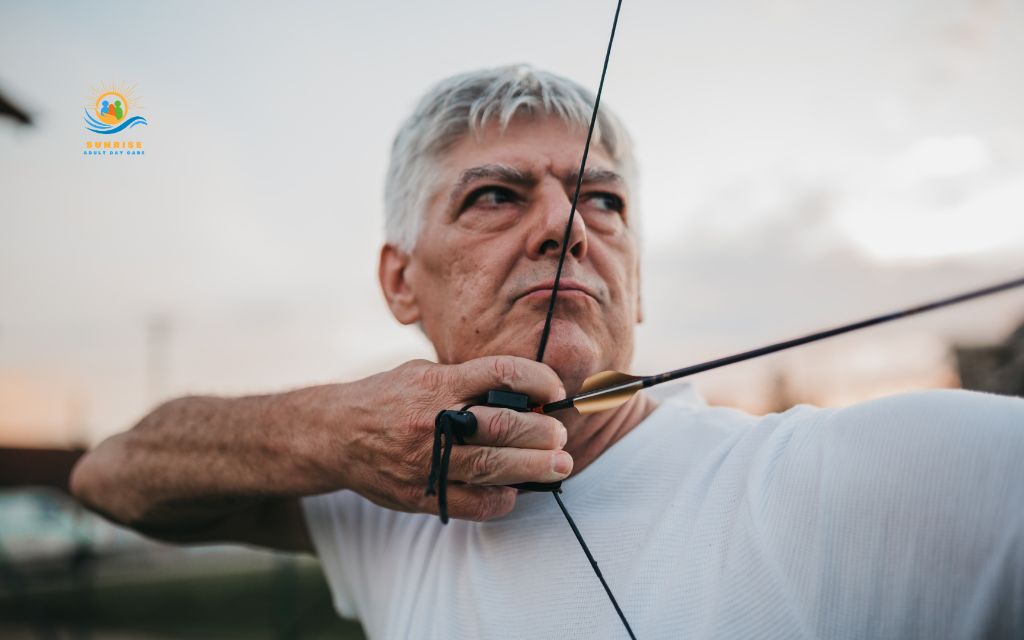
El tiro con arco cumple todos esos requisitos como pocas actividades lo hacen. Como forma de ejercicio, combina un movimiento físico suave con una profunda concentración mental, lo que lo convierte en una actividad muy completa para las personas mayores.
Lejos de ser exclusivo de los atletas de competición, el tiro con arco ha encontrado su lugar natural en centros para personas mayores, comunidades de jubilados y programas diurnos para adultos de todo el país. Su bajo impacto, su adaptabilidad y su estructura social inherente lo convierten en una actividad estructurada ideal para entornos de atención diurna supervisada.
Para las familias, los cuidadores y los coordinadores de actividades que buscan opciones enriquecedoras para las personas mayores, el tiro con arco puede ser una de las opciones más sorprendentes y adecuadas que existen.
¿Es el tiro con arco un buen ejercicio para las personas mayores?
Sí, el tiro con arco es una forma de ejercicio completa y de bajo impacto que se adapta extraordinariamente bien a las personas mayores. A diferencia de los entrenamientos de alta intensidad, que pueden suponer una sobrecarga para los cuerpos que envejecen, el tiro con arco, como ejercicio, se adapta a los límites naturales de la fuerza y la resistencia de las personas mayores, al tiempo que sigue ofreciendo un desafío físico significativo.
Lo que hace que el tiro con arco sea especialmente valioso como ejercicio es que combina múltiples aspectos del bienestar:
- Desde el punto de vista físico, se trabaja la parte superior del cuerpo al tensar el arco y mantener una postura estable, mientras que el hecho de caminar para recoger las flechas aporta un ligero ejercicio cardiovascular.
- Desde el punto de vista mental, el tiro con arco exige una concentración constante, percepción espacial y la capacidad de tomar decisiones con calma.
- En el ámbito social, el tiro con arco casi siempre se practica en compañía de otras personas, lo que crea oportunidades naturales para conversar, animarse mutuamente y compartir experiencias.
Quizás lo más importante es que el tiro con arco, como ejercicio, se adapta muy bien a cada persona. Los principiantes pueden usar arcos más ligeros, disparar a distancias más cortas y tomar descansos más frecuentes. Las personas con movilidad reducida pueden disparar desde una posición sentada.
Esta adaptabilidad hace que el tiro con arco sea accesible para personas con una amplia variedad de capacidades físicas y cognitivas, y es precisamente por eso que funciona tan bien en entornos estructurados de atención a personas mayores.
Beneficios físicos del tiro con arco para las personas mayores
Cuando la gente pregunta cuáles son los beneficios físicos que se obtienen con el tiro con arco, la respuesta es más amplia de lo que la mayoría espera. Los beneficios del tiro con arco van mucho más allá de lo que se ve a simple vista; es una actividad que involucra todo el cuerpo, pero de una forma tranquila y controlada.
Fomenta la fuerza y el control muscular
Cada vez que un arquero tensa la cuerda del arco, los músculos de los brazos, los hombros, el pecho y la parte superior de la espalda trabajan al unísono en un movimiento controlado y deliberado. Con el tiempo, esta actividad repetida desarrolla una auténtica fuerza funcional.
Además de la fuerza muscular, el tiro con arco también desarrolla la motricidad fina y la estabilidad de la prensión. Estas habilidades son fundamentales para las personas mayores, cuya fuerza y coordinación en las manos pueden disminuir gradualmente con la edad.
La repetición constante que implica la práctica del tiro con arco proporciona un estímulo suave pero eficaz para mantener e incluso mejorar estas capacidades. Unos músculos más fuertes también contribuyen a fortalecer los huesos, lo que ayuda a mantener la densidad ósea.
Mejora la estabilidad, el equilibrio y la postura
El tiro con arco fomenta de forma natural una postura erguida y alineada. Para apuntar con precisión, los arqueros deben mantenerse de pie o sentados con una postura estable y bien apoyada. Este refuerzo constante de la alineación corporal adecuada se traduce, con el tiempo, en mejores hábitos posturales.
El tiro con arco también desarrolla el control corporal y la coordinación. Equilibrar el peso del arco, controlar la fuerza de tiro y mantenerse quieto durante el disparo requieren un nivel de estabilidad del tronco que se va desarrollando progresivamente con la práctica.
Para las personas mayores, estas mejoras en la estabilidad y la coordinación reducen directamente el riesgo de caídas, una de las principales preocupaciones tanto para las personas mayores como para sus cuidadores.
Suave para las articulaciones y de bajo impacto
Una de las principales ventajas del tiro con arco como ejercicio es lo poco agresivo que resulta para el cuerpo. No implica correr, saltar ni levantar peso. Las articulaciones no sufren impactos bruscos, y los movimientos son lentos, controlados y deliberados. Esto hace que el tiro con arco sea una opción segura para las personas mayores, a diferencia de muchas otras formas de ejercicio convencionales.
Combina el movimiento con ejercicio ligero
El tiro con arco no es una actividad estática. Caminar para recoger las flechas después de cada ronda añade un agradable componente cardiovascular de baja intensidad a la sesión. A lo largo de una sesión de entrenamiento, estos pequeños desplazamientos se acumulan y se convierten en un ejercicio ligero pero significativo que favorece la salud cardiovascular general y la movilidad.
Fomenta la actividad al aire libre
Muchos programas de tiro con arco, sobre todo los que se ofrecen en centros para personas mayores durante los meses más cálidos, se llevan a cabo al aire libre. El contacto con el aire fresco y la luz natural aporta una serie de beneficios para la salud de las personas mayores, desde favorecer la síntesis de vitamina D hasta mejorar el estado de ánimo y reducir la sensación de inquietud o la falta de energía.
Incluso pasar un rato en un entorno al aire libre agradable puede tener un impacto positivo en el bienestar general. Las sesiones de tiro con arco al aire libre ofrecen un cambio de aires refrescante que hace que la actividad física se sienta menos como ejercicio y más como una salida divertida.
Ver más: programas de ejercicio para personas mayores
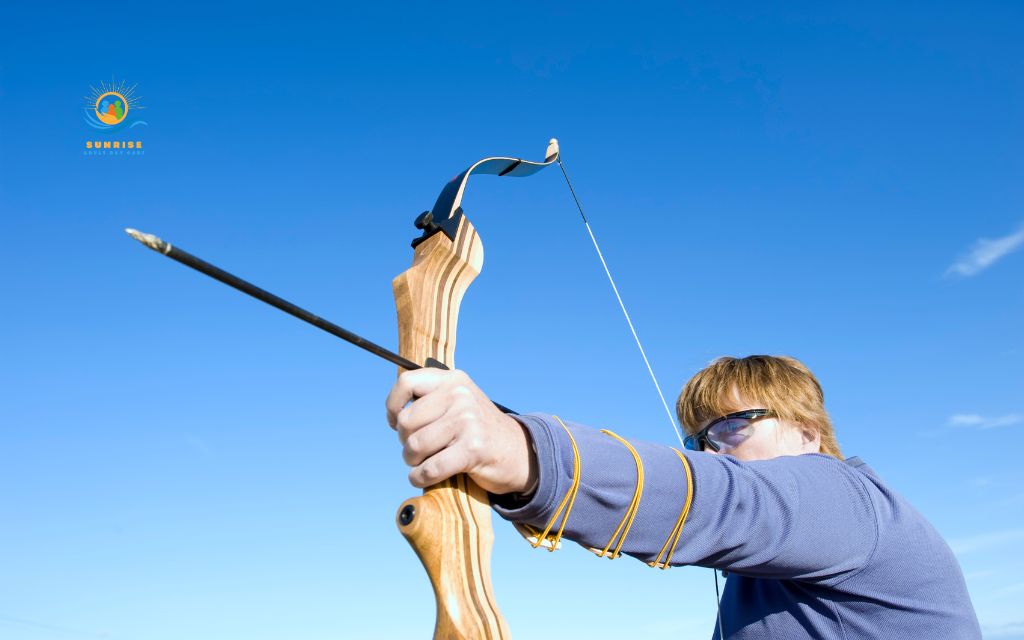
Beneficios mentales y emocionales del tiro con arco
Las ventajas del tiro con arco van mucho más allá de lo físico. Entre los beneficios más destacados del tiro con arco para las personas mayores se encuentran aquellos que favorecen la salud cerebral, la resiliencia emocional y el bienestar psicológico.
Mejora la atención y la concentración
El tiro con arco se describe a veces como una forma de meditación en movimiento. Cada disparo exige al arquero que bloquee las distracciones, estabilice su respiración y dirija toda su atención a un punto concreto. Esta capacidad de concentración sostenida es una habilidad cognitiva que se traslada a la vida cotidiana.
Para las personas mayores, mantener la capacidad de concentrarse y estar presentes cobra cada vez más importancia a medida que avanza el envejecimiento cognitivo. El esfuerzo mental que requiere la práctica regular del tiro con arco ayuda a entrenar al cerebro para mantener la atención, lo que puede favorecer un pensamiento más lúcido y una mayor participación mental a lo largo del día.
Mejora la memoria y la capacidad de observación
El tiro con arco también ejercita las funciones cognitivas relacionadas con la memoria y la percepción espacial. Los arqueros deben recordar su postura, el punto de anclaje, la imagen de la mira y la técnica de suelta. Este ciclo continuo de observación, recuerdo y ajuste activa los sistemas de memoria y procesamiento del cerebro.
Las actividades que requieren un procesamiento mental concentrado y el reconocimiento de patrones se asocian con un mejor mantenimiento cognitivo y un menor riesgo de deterioro cognitivo, según fuentes como la Asociación de Alzheimer y el Instituto Nacional sobre el Envejecimiento.
Reduce el estrés y favorece la relajación
A pesar de que requiere una gran concentración, el tiro con arco tiene un efecto profundamente relajante. La respiración controlada, la repetición rítmica de la secuencia de tensar, apuntar y soltar, y la concentración silenciosa que exige se combinan para crear un estado que muchos practicantes describen como profundamente relajante.
El tiro con arco suele describirse como un deporte muy relajante. Para las personas mayores que pueden sufrir estrés relacionado con problemas de salud, cambios en su vida o cambios familiares, el tiro con arco ofrece una forma saludable y agradable de liberar la tensión.
Fomenta la confianza y la sensación de logro
Dar en el blanco proporciona una satisfacción única e inmediata. Para las personas mayores, ese momento de éxito tiene un gran valor emocional. El tiro con arco ofrece objetivos constantes y alcanzables: dar en el blanco, mejorar la precisión, avanzar a una nueva distancia.
Cada pequeño logro contribuye a la autoestima, refuerza la sensación de competencia y consolida la convicción de que el crecimiento y el dominio de una habilidad siguen siendo posibles a cualquier edad.
Este tipo de confianza no es una ventaja menor, sino que es fundamental para la salud emocional, la motivación y la calidad de vida de las personas mayores.
Fomenta el aprendizaje y el crecimiento continuos
Una de las cualidades que hacen que el tiro con arco sea ideal para las personas mayores es que ofrece un amplio margen de mejora. Un principiante puede centrarse en la forma básica; un arquero con más experiencia puede perfeccionar su técnica, probar diferentes equipos o ponerse a prueba con distancias más largas u objetivos de mayor precisión.
Esta sensación de aprendizaje continuo mantiene la mente activa y ofrece a los participantes algo por lo que ilusionarse. Además, refuerza una mentalidad de crecimiento: la idea de que las habilidades y capacidades pueden seguir desarrollándose hasta bien entrada la vejez. Para las personas mayores, este mensaje por sí solo puede resultar profundamente motivador y les ayuda a valorar la vida.
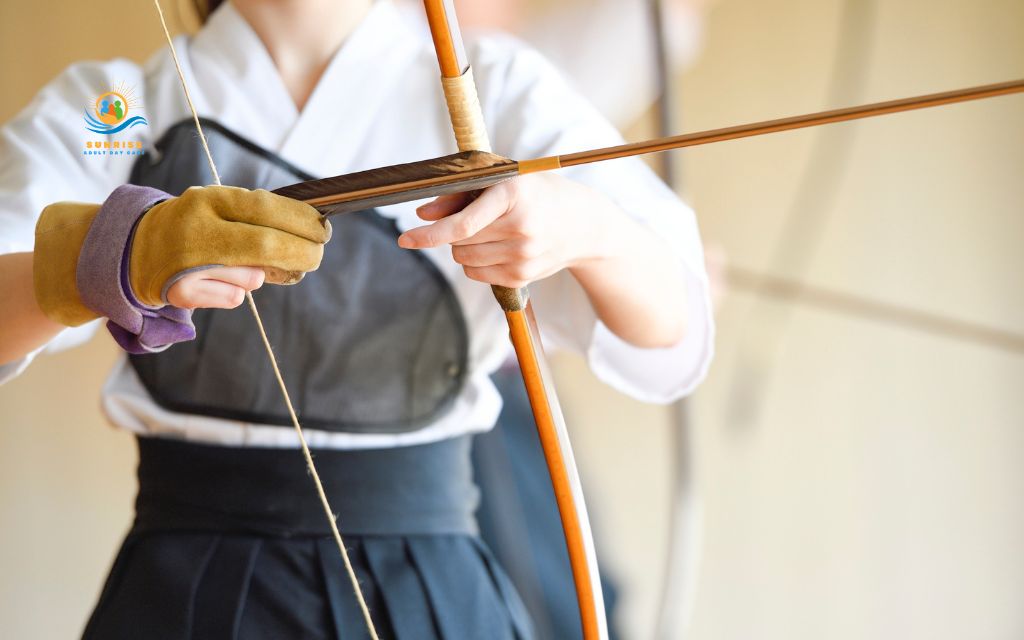
Beneficios sociales del tiro con arco para las personas mayores
Más allá de sus beneficios físicos y mentales individuales, el tiro con arco destaca como actividad compartida. Su dimensión social es uno de los aspectos más importantes —y a menudo subestimados— que explican por qué funciona tan bien en entornos dedicados al bienestar de las personas mayores.
Fomenta la participación social y las relaciones sociales
El tiro con arco casi siempre se practica en compañía de otras personas. Ya sea en una clase, un club o un programa grupal en un centro para personas mayores o un centro de atención diurna para adultos, los arqueros comparten el mismo espacio, observan el progreso de los demás, se animan mutuamente y celebran los éxitos de cada uno. Esta estructura social natural convierte al tiro con arco en una plataforma excelente para establecer y fortalecer las relaciones entre compañeros.
Una forma divertida y agradable de mantenerse activo
Quizás el beneficio social más ignorado del tiro con arco sea, sencillamente, que es divertido. Se percibe como un pasatiempo, no como una obligación, y esa distinción es de suma importancia a la hora de mantener la participación a largo plazo en la actividad física.
Las personas mayores que disfrutan de lo que hacen son mucho más propensas a asistir con regularidad, a mantenerse activas y a experimentar los beneficios acumulativos para la salud que conlleva la participación constante.
Fortalece la confianza y la resiliencia
Participar en una actividad social en grupo, como el tiro con arco, también ayuda a desarrollar la resiliencia emocional. Compartir los retos, apoyarse mutuamente en los momentos de frustración y celebrar los logros colectivos fomenta un sentido de comunidad y el apoyo mutuo.
Con el tiempo, estas dinámicas ayudan a las personas mayores a desarrollar una mayor paciencia consigo mismas, una actitud más positiva ante los contratiempos y un mayor sentido de pertenencia.
Favorece los lazos familiares
El tiro con arco es una de las pocas actividades físicas que se pueden disfrutar de forma auténtica y significativa entre generaciones. Los abuelos y los nietos pueden estar uno al lado del otro en el campo de tiro, aprender las mismas habilidades y compartir una experiencia común de desafío y logro. Esta dimensión intergeneracional hace que el tiro con arco sea especialmente eficaz como actividad para fortalecer los lazos familiares.
Inclusivo y adaptable a todos los niveles
Uno de los mayores puntos fuertes del tiro con arco desde el punto de vista social es su carácter inclusivo. Este deporte puede adaptarse de manera significativa a participantes con una amplia variedad de capacidades físicas y cognitivas.
Se puede adaptar el material, ajustar las distancias y simplificar las técnicas para que cada participante pueda participar a su propio nivel con dignidad y éxito.
En un entorno grupal, esta inclusividad significa que nadie tiene que quedarse al margen. Todos participan, todos progresan y todos se sienten parte del grupo. Esa sensación de plena inclusión es muy valiosa en los centros de atención diurna para adultos y en los entornos dedicados al bienestar de las personas mayores, donde los participantes acuden con necesidades diversas y, en ocasiones, complejas.
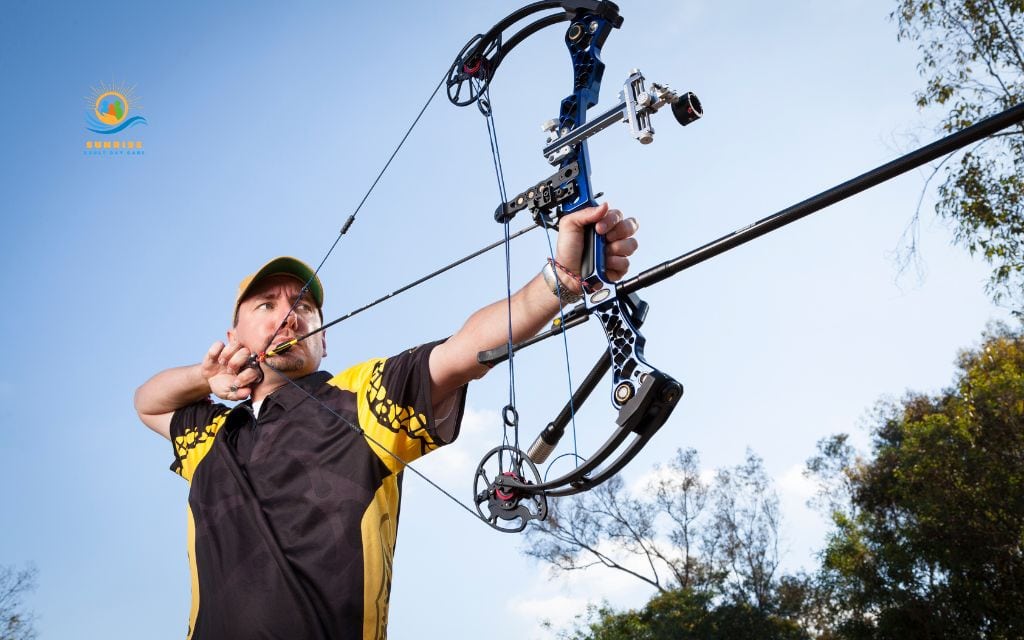
Cómo iniciarse en el tiro con arco en la tercera edad
¿Es difícil practicar tiro con arco? Para las personas mayores que se inician en este deporte por primera vez, la respuesta sincera es: en absoluto, siempre y cuando se les enseñe correctamente. Con el equipo, el entorno y la orientación adecuados, el tiro con arco es una de las actividades más accesibles que una persona mayor puede practicar. A continuación te explicamos cómo empezar con buen pie.
Únete a un programa apto para principiantes
El mejor punto de partida para cualquier persona mayor interesada en el tiro con arco es un programa grupal apto para principiantes y diseñado específicamente para adultos mayores. Muchos centros para personas mayores, centros recreativos y programas diurnos para adultos ofrecen ahora sesiones introductorias de tiro con arco en las que se enseñan los fundamentos de la postura, la seguridad y la técnica en un ambiente relajado y sin carácter competitivo.
Estos programas suelen asignar a los participantes instructores capacitados que comprenden las necesidades físicas y cognitivas de las personas mayores. Comenzar con un programa estructurado garantiza que los principiantes adquieran buenos hábitos desde el principio y reduce el riesgo de frustración o lesiones.
Utilice equipos adecuados para personas mayores
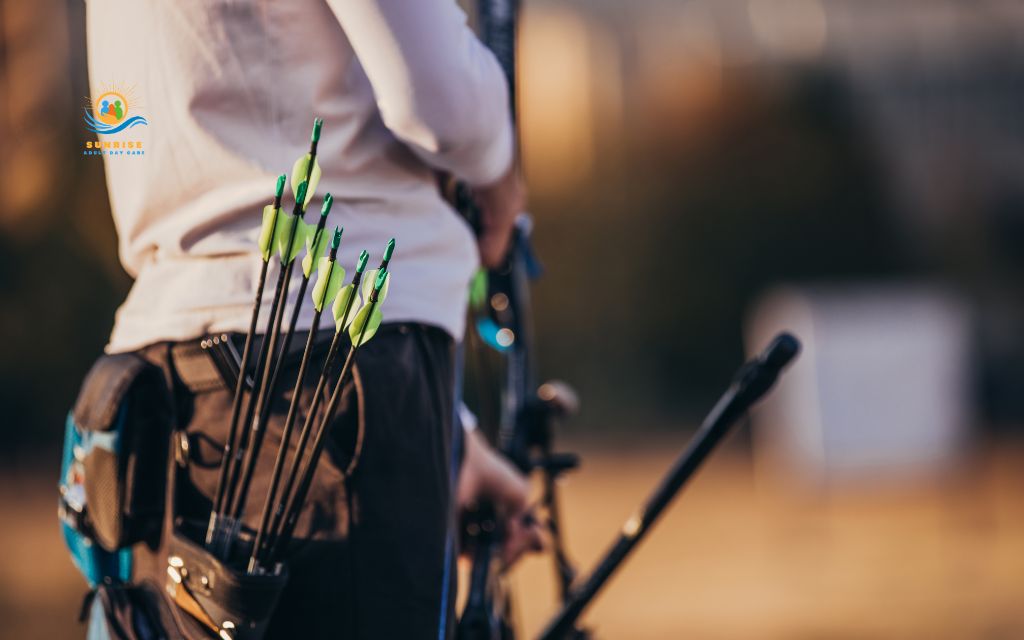
Las personas mayores que se inician en este deporte deberían empezar con un arco recurvo o compuesto ligero que tenga una potencia baja, para minimizar la tensión en los hombros y las articulaciones. También hay disponibles arcos más cortos y con empuñaduras ergonómicas para personas con fuerza o destreza limitadas en las manos.
Un instructor o un especialista en tiro con arco puede ayudar a elegir el equipo que mejor se adapte a las medidas físicas y al nivel de habilidad de cada persona. Utilizar el equipo adecuado desde el principio hace que el tiro con arco resulte más cómodo, más agradable y mucho más seguro.
Practica en un entorno seguro
Todo entrenamiento debe realizarse en un campo de tiro con arco habilitado, que cuente con barreras de protección adecuadas, líneas de seguridad bien definidas y suficiente espacio entre los participantes. Los campos de tiro cubiertos resultan muy útiles cuando las condiciones climáticas son extremas, lo que permite practicar el tiro con arco durante todo el año, independientemente de la estación.
Un entorno físico seguro también contribuye a la seguridad psicológica: la confianza de que los participantes pueden centrarse en aprender y disfrutar sin preocupaciones. Para las personas mayores, esta sensación de seguridad es un factor importante que hace que una actividad les resulte accesible y que les anime a volver a ella.
Considera la posibilidad de realizar actividades en grupo o supervisadas
Para las personas mayores que se inician en el tiro con arco y requieren una atención especial, los programas grupales dirigidos por un instructor certificado son la opción ideal. Las sesiones supervisadas garantizan que se controle la técnica, se respeten los protocolos de seguridad y los participantes reciban la atención personalizada que necesitan para progresar con confianza.
En los centros de atención diurna para adultos y los programas de bienestar para personas mayores, el tiro con arco se ofrece como una actividad grupal supervisada. Las familias y los cuidadores pueden estar tranquilos sabiendo que su ser querido participa en un entorno estructurado y supervisado.
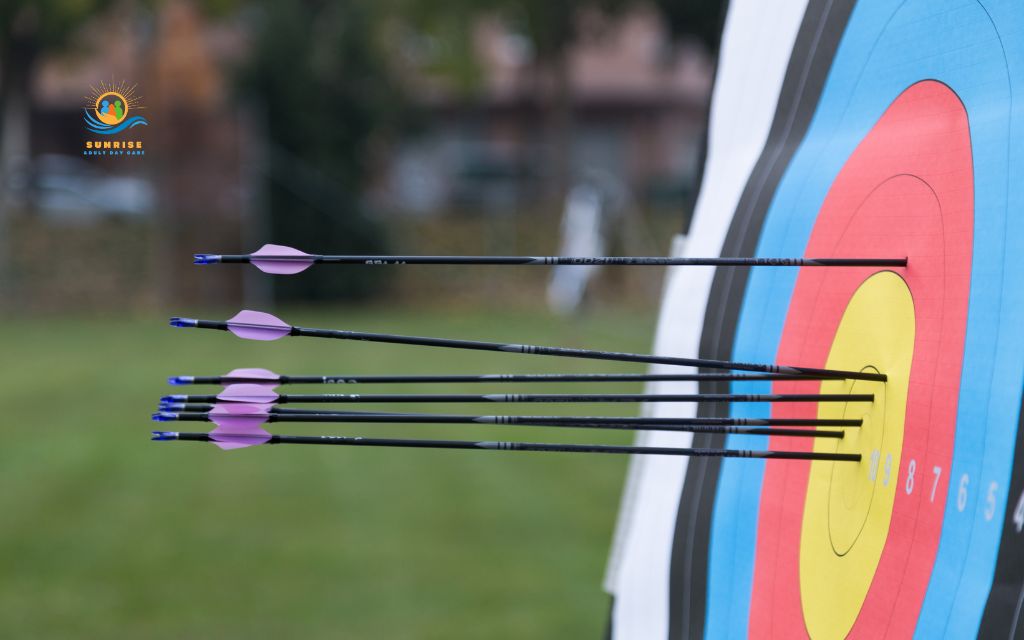
Consejos de seguridad para la práctica del tiro con arco en la tercera edad
La seguridad es la base sobre la que se sustenta un programa de tiro con arco para personas mayores que tenga éxito. Cuando se toman las precauciones adecuadas, el tiro con arco es una actividad de muy bajo riesgo:
- Practique siempre en un entorno supervisado por un instructor certificado que conozca bien el acondicionamiento físico para personas mayores y las técnicas de tiro con arco adaptado.
- Utilice un equipo adecuado que se adapte a la fuerza, el tamaño y la condición física de cada persona. Nunca utilice un equipo que sea demasiado pesado o potente para un principiante.
- Empieza poco a poco y deja que el cuerpo se adapte a los nuevos movimientos que implica tensar y sostener el arco; los descansos no son opcionales, sino que forman parte de una buena práctica del tiro con arco.
- Sigue las instrucciones de los profesionales sobre la postura, el agarre, la técnica de tiro y el lanzamiento para evitar lesiones por esfuerzo repetitivo o molestias articulares.
- Si el participante tiene antecedentes de lesiones en el hombro, el codo o la muñeca, consulte con un médico o un fisioterapeuta antes de comenzar.
- Asegúrese de que el área de entrenamiento esté libre de peligros y de que todas las normas de seguridad se comuniquen claramente y se cumplan.
Ver más: ejercicios de bajo impacto para personas mayores
Conclusión
El tiro con arco ofrece a las personas mayores algo cada vez más escaso: una actividad única que proporciona fuerza física, claridad mental y una conexión social significativa, todo al mismo tiempo. Es suave para el cuerpo, muy estimulante para la mente y se presta a la participación en grupo, cualidades que la convierten en una opción ideal para programas estructurados de bienestar para personas mayores y de atención diurna para adultos.
La condición física que se desarrolla con el tiro con arco no tiene que ver con el rendimiento deportivo, sino con la fuerza funcional, una postura estable y la confianza física duradera que se obtiene al mantenerse activo con un propósito.
Ya sea que se describa como el tiro con arco como deporte o simplemente como una actividad favorita de los martes en un programa diurno, lo que más importa es cómo hace sentir a los participantes: capaces, conectados y verdaderamente vivos.
Con el apoyo adecuado, el equipo adecuado y un ambiente acogedor, el tiro con arco puede ser una de las actividades más seguras, divertidas y enriquecedoras que una persona mayor puede practicar.
Acerca de Sunrise Adult Daycare
¿Tu ser querido está buscando una actividad interesante? programa diurno ¿Con actividades enriquecedoras como el tiro con arco? En Sunrise Adult Daycare, ofrecemos un programa estructurado y supervisado, diseñado para promover el bienestar físico, mental y social de las personas mayores en Denver, Colorado.
Llámenos al 303-226-6882 para concertar una visita hoy mismo y descubrir cómo nuestros programas de enriquecimiento diurnos pueden marcar una diferencia significativa.
Preguntas frecuentes (FAQ)
¿Es el tiro con arco un buen ejercicio para las personas mayores?
Sí, el tiro con arco es una excelente forma de ejercicio para las personas mayores. Combina un entrenamiento ligero de fuerza de la parte superior del cuerpo, caminata, concentración mental e interacción social en una sola actividad de bajo impacto. Dado que no ejerce una carga de alto impacto sobre las articulaciones, es adecuado para personas con distintos niveles de capacidad física y se puede adaptar a las necesidades individuales.
¿Cuáles son los beneficios físicos del tiro con arco?
Entre los beneficios físicos del tiro con arco se incluyen una mayor fuerza en la parte superior del cuerpo, una mejor postura y equilibrio, una mayor coordinación y una mayor estabilidad articular. El hecho de caminar para recoger las flechas proporciona un ejercicio cardiovascular ligero, mientras que el movimiento repetitivo de tensar y mantener el arco desarrolla el control muscular de los brazos, los hombros y la espalda.
¿El tiro con arco ayuda a mejorar la salud mental?
El tiro con arco contribuye a la salud mental de varias maneras importantes. El carácter concentrado y meditativo de esta actividad reduce el estrés y favorece la relajación. Las exigencias cognitivas que implican apuntar y ajustar la técnica mantienen el cerebro activo. Además, la dimensión social de la práctica en grupo reduce los sentimientos de aislamiento y soledad, que son factores clave que contribuyen a la depresión en las personas mayores.
¿Es seguro practicar tiro con arco para las personas mayores con movilidad reducida?
Sí, con las modificaciones adecuadas. Las personas mayores con movilidad reducida suelen poder practicar el tiro con arco desde una posición sentada, utilizando material ligero y distancias más cortas. Un instructor con experiencia puede adaptar el equipo para tener en cuenta la mayoría de las limitaciones físicas. Como siempre, se recomienda consultar a un médico antes de comenzar cualquier actividad física nueva.
¿Se puede practicar el tiro con arco en grupo?
El tiro con arco es ideal para actividades en grupo. La mayoría de los programas para principiantes, las clases en centros para personas mayores y las sesiones de actividades en centros de día para adultos organizan el tiro con arco como una actividad grupal supervisada. Esta experiencia compartida fomenta de manera natural la interacción social, el apoyo entre compañeros y un sentido de comunidad entre los participantes.
¿Por qué el tiro con arco es bueno para las personas mayores?
El tiro con arco es beneficioso para las personas mayores porque aborda múltiples aspectos del bienestar. Aumenta la fuerza física y la estabilidad sin forzar las articulaciones, agudiza la concentración y la memoria, reduce el estrés, fomenta la confianza a través de metas alcanzables y promueve las relaciones sociales.
¿El tiro con arco tonifica los brazos?
Sí, el tiro con arco ayuda a tonificar los brazos con el tiempo. Los músculos del bíceps, el tríceps, los antebrazos y los hombros se activan de forma activa durante la fase de tensar y mantener la cuerda en cada disparo. Aunque el tiro con arco por sí solo no sustituye a un programa completo de entrenamiento de fuerza, la práctica constante contribuye a mejorar el tono muscular y la fuerza funcional de los brazos en las personas mayores.
¿Cuántos días a la semana debería practicar tiro con arco?
Para las personas mayores que recién comienzan, 1 o 2 sesiones por semana es un punto de partida razonable y sostenible. Esta frecuencia permite que el cuerpo se adapte a los nuevos movimientos sin correr el riesgo de sufrir lesiones por sobrecarga. A medida que se desarrollan la fuerza y la técnica, la frecuencia puede aumentarse gradualmente según la comodidad de cada persona y las indicaciones de un instructor capacitado.